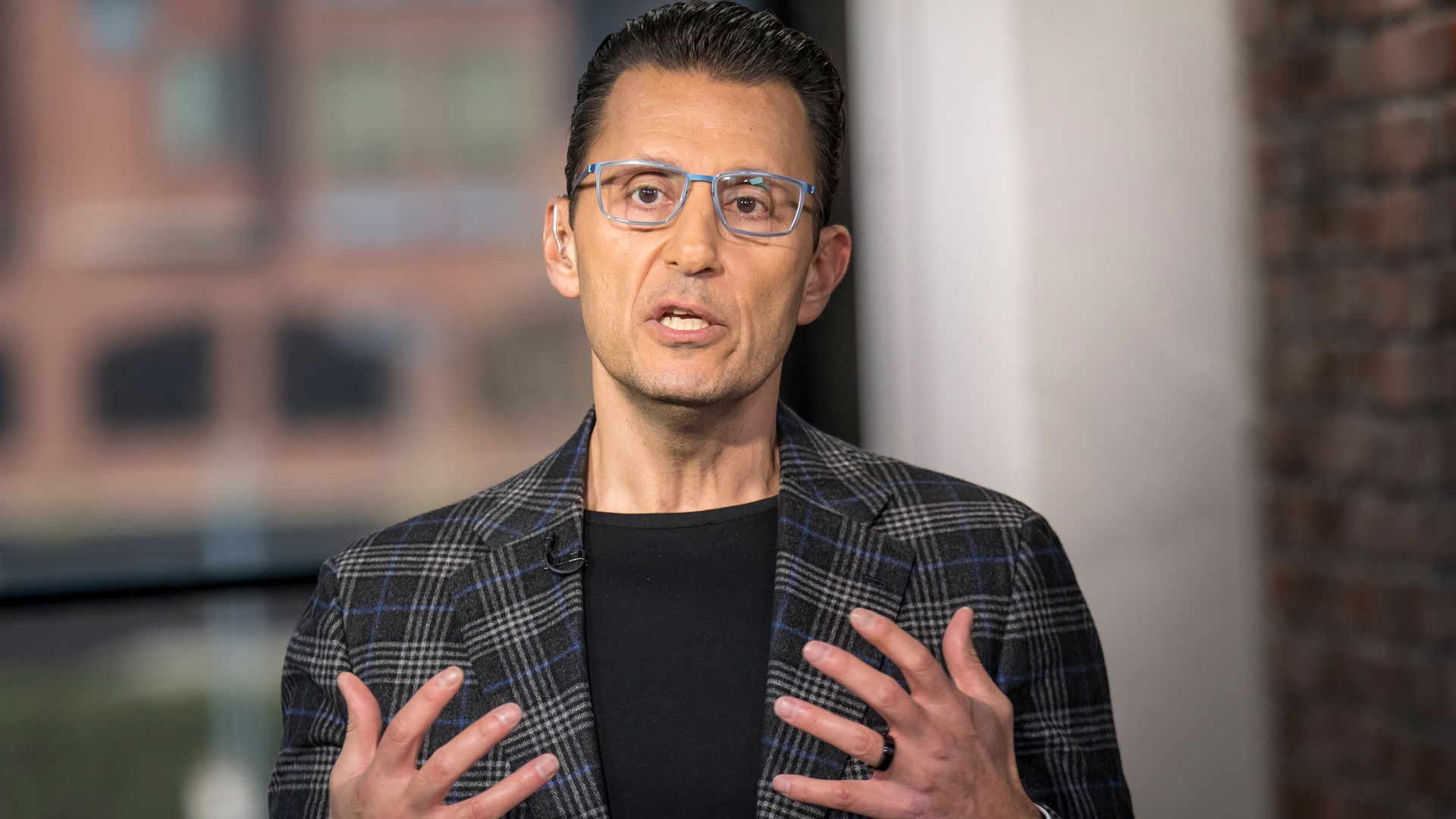
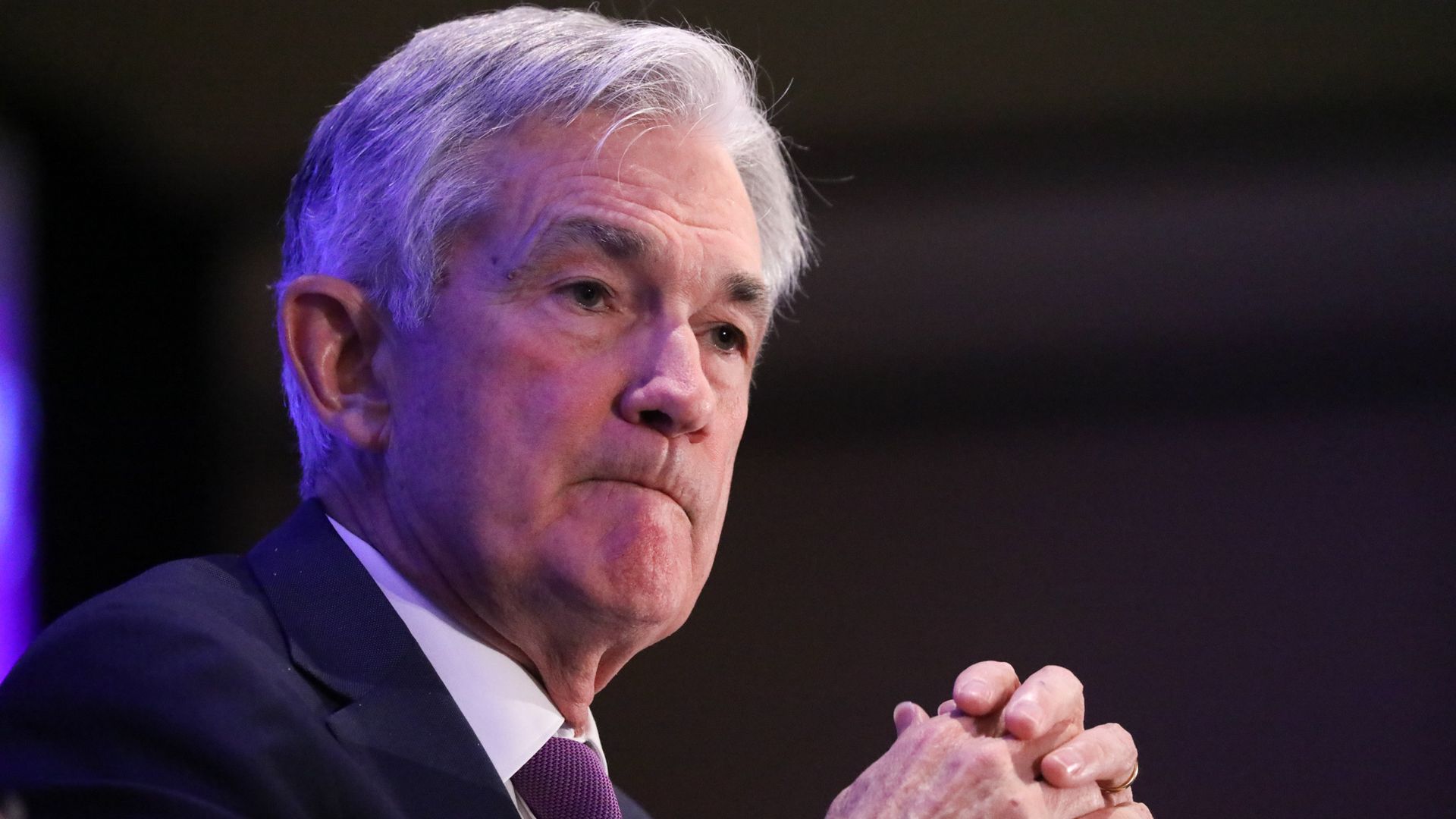
The two most striking moments of Federal Reserve chair Jerome Powell's news conference Wednesday came at the very beginning and near the end.
He started the session by staring into the camera and telling the American people that inflation is too high and the Fed is determined to bring it down. Later, when asked a question about what other branches of government could do to fight inflation, he demurred, essentially saying inflation is the Fed's problem to solve.
Despite starting out as similar businesses, Uber and Lyft have only grown further apart as Uber has expanded beyond giving people rides while Lyft has focused on it.
Why it matters: Diversification is something you hear a lot when it comes to investing because it can help to bring down risk. In Uber’s case, diversification of its business into food and grocery delivery and freight has helped it to weather the past two years better than its primary competitor.
New ADP data showed the U.S. private sector created nearly 250,000 new jobs last month, but employers with fewer than 50 workers actually shed jobs, underscoring the challenges facing small businesses as growth becomes less certain.
Why it matters: With rates and inflation on the rise, the U.S. still has high class problems, like strong demand keeping the labor market as tight as a drum. And it’s small business week, which gives us the opportunity to spotlight a sector that’s been walloped by COVID and soaring prices, plus supply and worker shortages that have yet to let up.
Stocks jumped on Wednesday after the Federal Reserve meted out its biggest interest rate hike since 2000, with the S&P ending the session nearly 3% higher.
Why it matters: The Fed is moving to bring down inflation levels the economy hasn't seen in decades. That has made Wall Street hyper-sensitive to just how high rates could go in the coming months, especially with the expansion showing signs of wear.
Netflix shareholders filed a class-action lawsuit against the company on Wednesday, alleging executives committed securities fraud by issuing misleading guidance about the company's slowed subscriber growth.
Why it matters: Netflix has lost more than $200 billion in market value after it reported its first subscriber loss in a decade during its first-quarter earnings results last month.
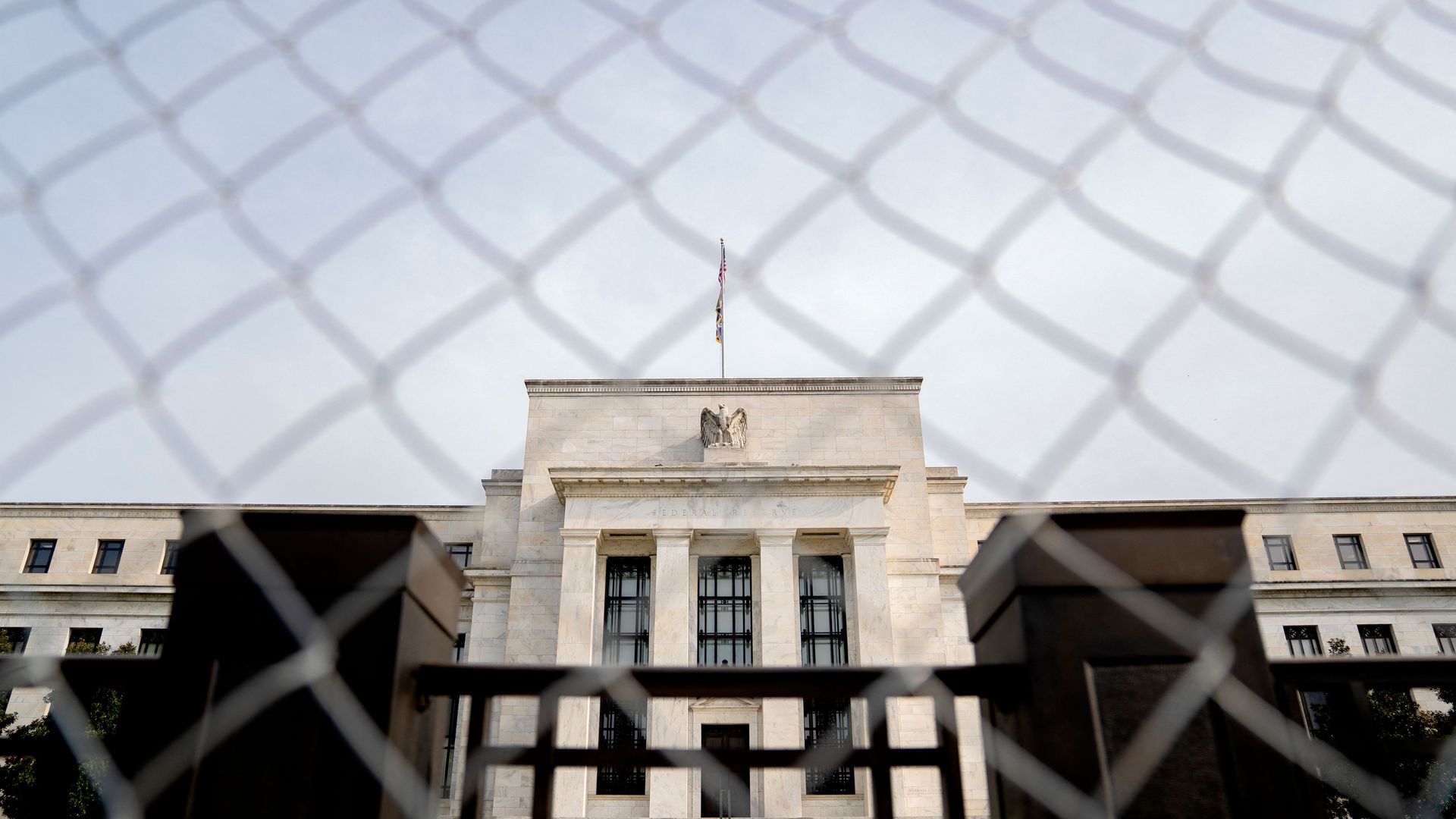
The Federal Reserve on Wednesday enacted its steepest interest rate increase in more than 20 years and indicated more monetary tightening is on the way, as it aims to slow the economy in order to bring inflation down.
Driving the news: The central bank's policy committee, following a two-day meeting, increased its target for short-term interest rates by half a percentage point, to a range of 0.75% to 1%. It also said it will begin shrinking its $9 trillion balance sheet of assets acquired as a form of pandemic-era stimulus.
Leap, a startup that locates and operates physical stores for consumer brands, is adding five new markets, the company said Tuesday.
Why it matters: Leap's expansion comes as the retail industry continues to open brick and mortar stores even amid an e-commerce boom. Case in point: Store openings outpaced store closings by more than two to one as of January.
Ava, a live-captioning tech startup company, has raised a $10 million series A funding round, CEO Thibault Duchemin exclusively tells Axios.
Why it matters: With more than 450 million deaf and hard-of-hearing people around the world, the real-time communication access and transcription market is $20 billion.
TurboTax owner Intuit agreed to pay $141 million to settle a claim from all 50 states and the District of Columbia that it deceived nearly 4.4 million Americans into paying for tax services that should have been free, New York Attorney General Letitia James announced Wednesday.
Why it matters: The states alleged that TurboTax deliberately steered qualifying customers away from free federally supported tax filing products and toward its aggressively advertised and paid filing services.
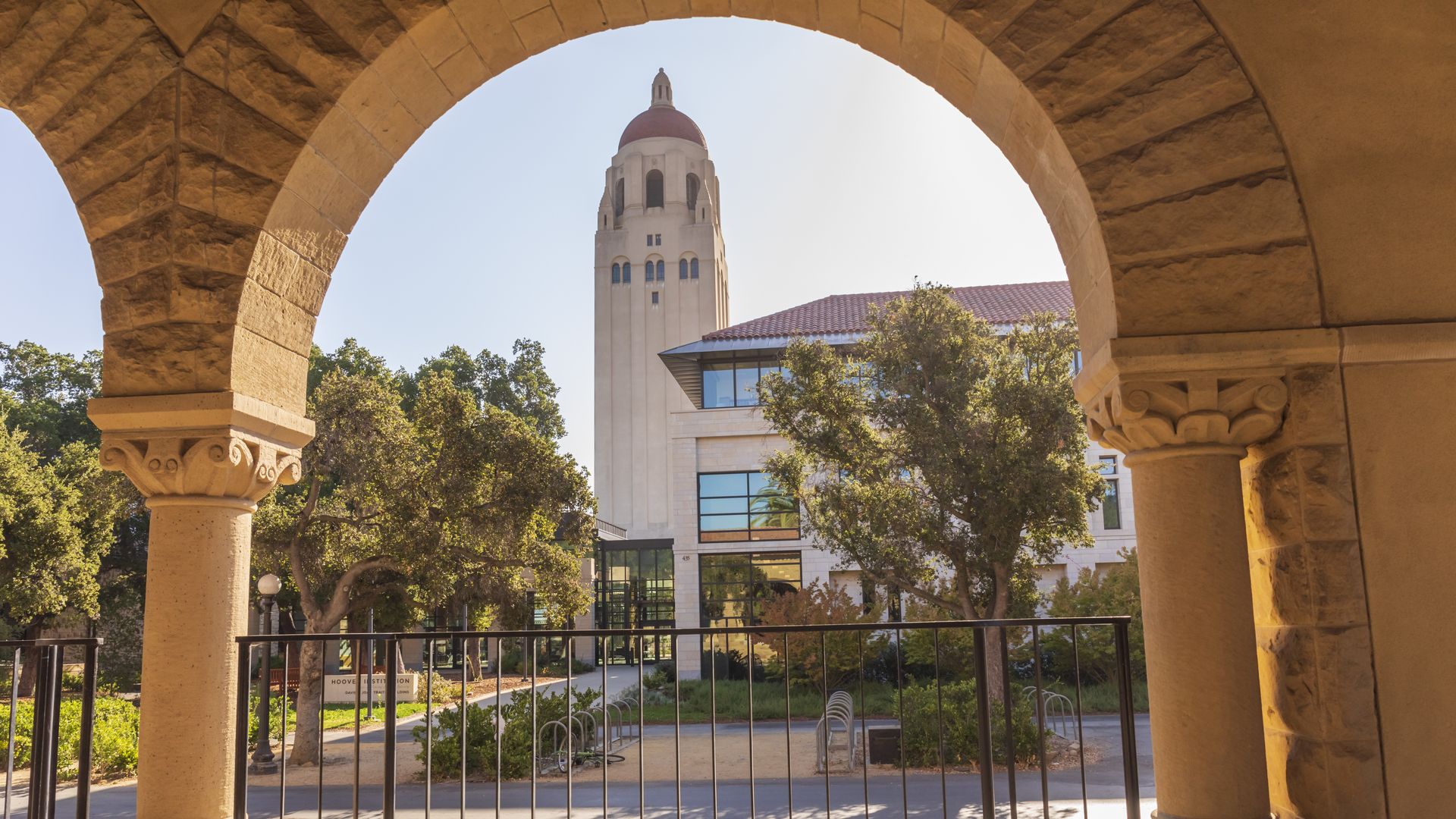
Venture capitalist John Doerr and his wife, Ann, have donated $1.1 billion to Stanford University for the establishment of a new school focused on climate change and sustainability, the university announced Wednesday.
Why it matters: The school will "dramatically amplify" Stanford's impact on addressing these dual challenges, per the press release.
Members of Congress wrote a letter to the Environmental Protection Agency (EPA) last month claiming that Bitcoin production is "poisoning" U.S. communities. The Bitcoin industry has now responded.
Why it matters: Nearly everyone now agrees that polluters should pay for the messes they make, and that greenhouse gas emissions are included as part of that mess. Bitcoin gets scrutinized in this context because, right now, it generates more hype than usage.
There's never been a better time for Americans in search of work, as job openings hit a record high last month. But there's a swelling sense of dread among employees of companies whose payrolls have been heavily subsidized by venture capitalists.
Why it matters: Layoffs are something that, once begun, tend to snowball. Same goes for hiring freezes.
Providence Equity Partners is seeking a buyer for its Tempo music catalog, which includes songs from Wiz Khalifa and Florida Georgia Line, per The Financial Times. A deal could fetch between $400 million and $600 million.
Why it matters: Music royalty deals have surged as investors have yearned for yield, but could falter as rates rise.
Afore Capital, a venture firm focused on pre-seed startup investing, has raised $150 million for its third fund.
Why it matters: The firm, which claims it has the largest dedicated pre-seed fund, says that having more capital now means it can take on more risk by investing even earlier, write bigger checks for a biggest portion of each round, and move faster thanks to a larger team, says co-founder Gaurav Jain.
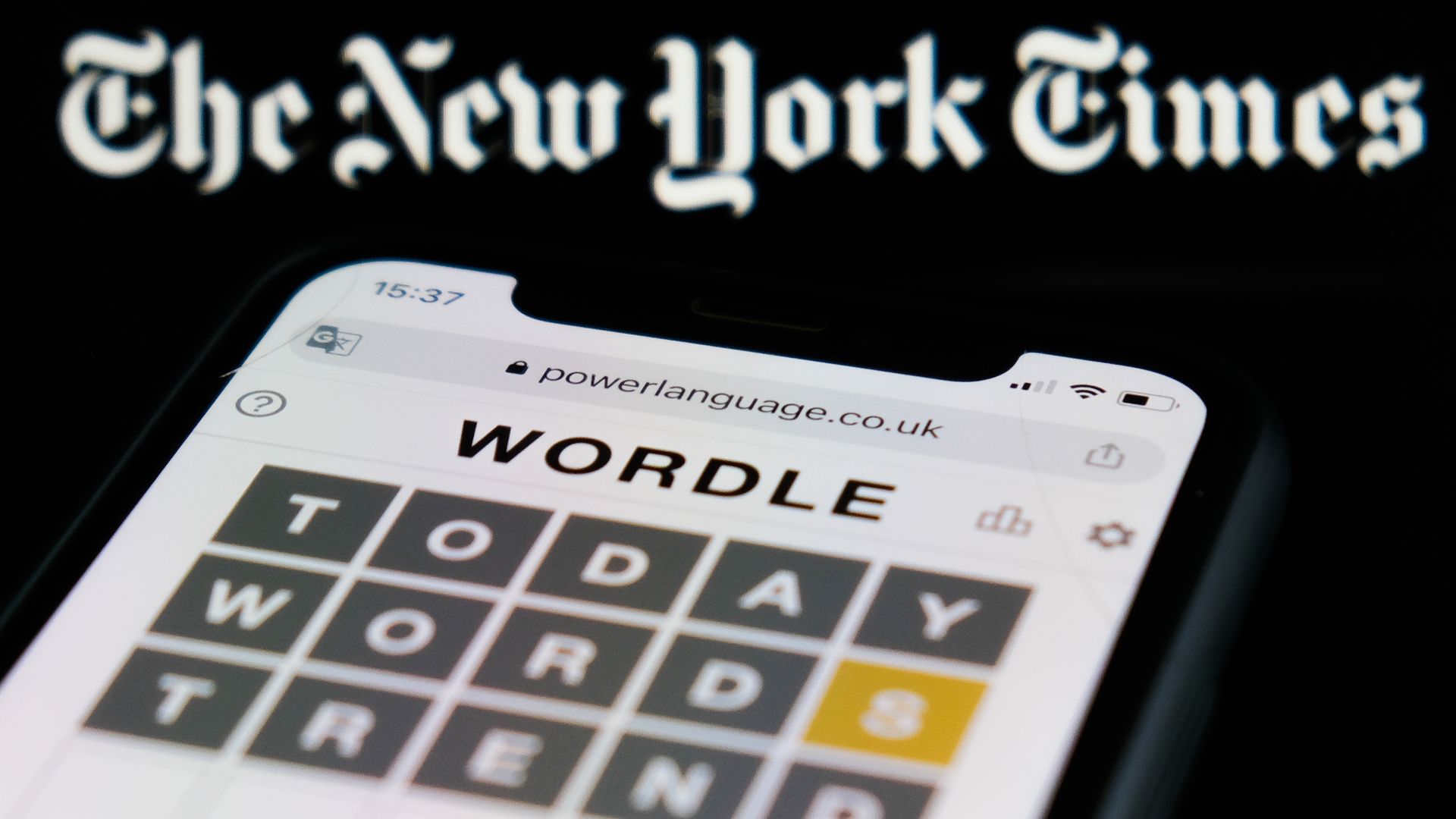
The New York Times on Wednesday reported its second-best first quarter subscription growth since introducing a digital subscription in 2017, thanks in part to the acquisitions of The Athletic and Wordle in January.
Why it matters: Executives remain bullish that the Times will be able to meet its new goal of 15 million subscribers by the end of 2027.
The Federal Reserve's policy announcement this afternoon will feel like something new. It will include the first in-person news conference in more than two years, and take place in a newly renovated building in Washington's Foggy Bottom neighborhood.
But the biggest change is that the Fed, after a methodical six-month buildup, is now going to get aggressive in its monetary tightening campaign, likely with a half-percentage point rate increase and the commencement of shrinking its balance sheet.
We celebrate — and obsess about — the innovators, the "big ideas" people. But a great idea, without good execution, is worthless.
Why it matters: You don't need a world-changing idea to find success or do good. Knowing how to spot greatness and turn it into reality is equally valuable — and a booming business trend.