Robinhood's CEO announced Tuesday that the company is cutting about 9% of full-time employees after several years of rapid growth.
Driving the news: "This rapid headcount growth has led to some duplicate roles and job functions, and more layers and complexity than are optimal," the company's CEO VladTenev wrote in a blogpost.
New data gathered from America's households raises some red flags as to just how well people are dealing with inflation.
Why it matters: Positive corporate earnings reports and robust consumer spending have prompted many to conclude that, despite skyrocketing inflation, the American consumer is doing just fine.
Yes, but: A recent survey by the Census Bureau raises questions as to how sustainable that spending is — and just how vulnerable many Americans may be as their pandemic savings and other sources of cash run out.
Bitcoin is coming to 401(k)s. If companies want them...
Fidelity Investments, which provides retirement plans to 23,000 companies, will soon allow a portion of their contributions to be allocated to bitcoin.
Twitter may cost Elon Musk more than he was expecting, as Tesla investors digest the takeover news.
By the numbers: Tesla shares fell by more than 12% today, or $121.60 per share. That works out to nearly a $21 billion paper loss for Musk, which is the same amount he's personally committed to invest into the Twitter deal.
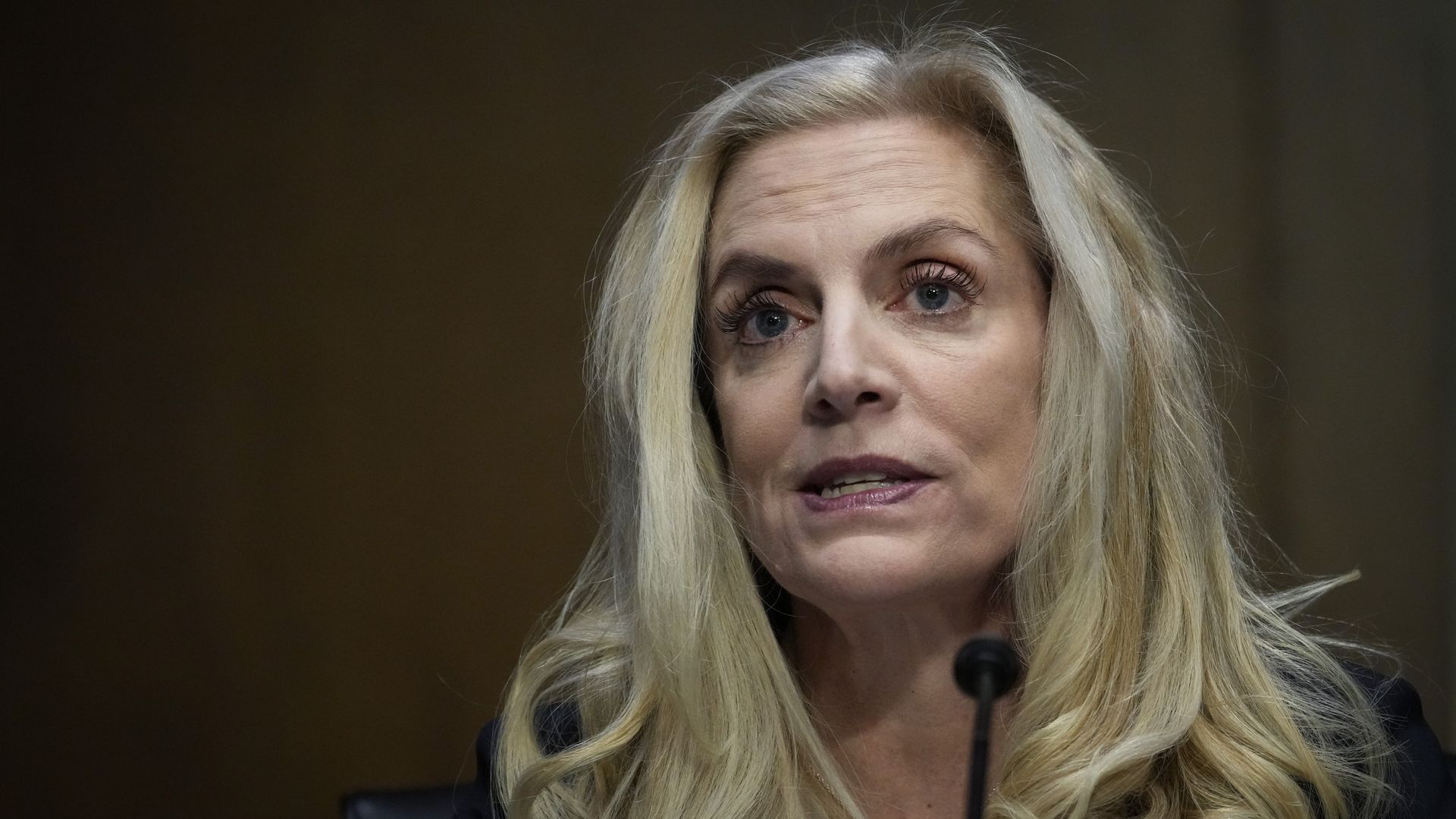
The Senate on Tuesday confirmed Lael Brainard as vice chair of the Federal Reserve Board on Tuesday in a 52-43 vote.
The big picture: Brainard, a Democrat, has served on the Fed board since 2014. She previously served in the Treasury Department during the Obama administration.
Bitcoiners are an argumentative bunch, but if there's one thing they really want — as soon as possible — it's an exchange traded fund (ETF) that holds actual bitcoin in the United States.
Why it matters: An ETF would make it easy for the casual investor to hold a little bitcoin in the same account they hold stocks in. That's nice for those who want that.
Two right-wing social media upstarts, Rumble and the parent company of Truth Social, last year agreed to be taken public by SPACs.
Fast forward: Rumble remains on track to complete its merger, and possibly to build more than just a niche alternative to YouTube. Truth Social's deal is stuck in limbo, and yesterday lost its raison d'être.
SonarSource, a Geneva-based code quality maintenance startup, raised $412 million at a $4.7 billion valuation co-led by Advent International and General Catalyst.
Why it matters: Perhaps only thing harder than writing source code is keeping it clean, particularly as new releases accelerate and proliferate.
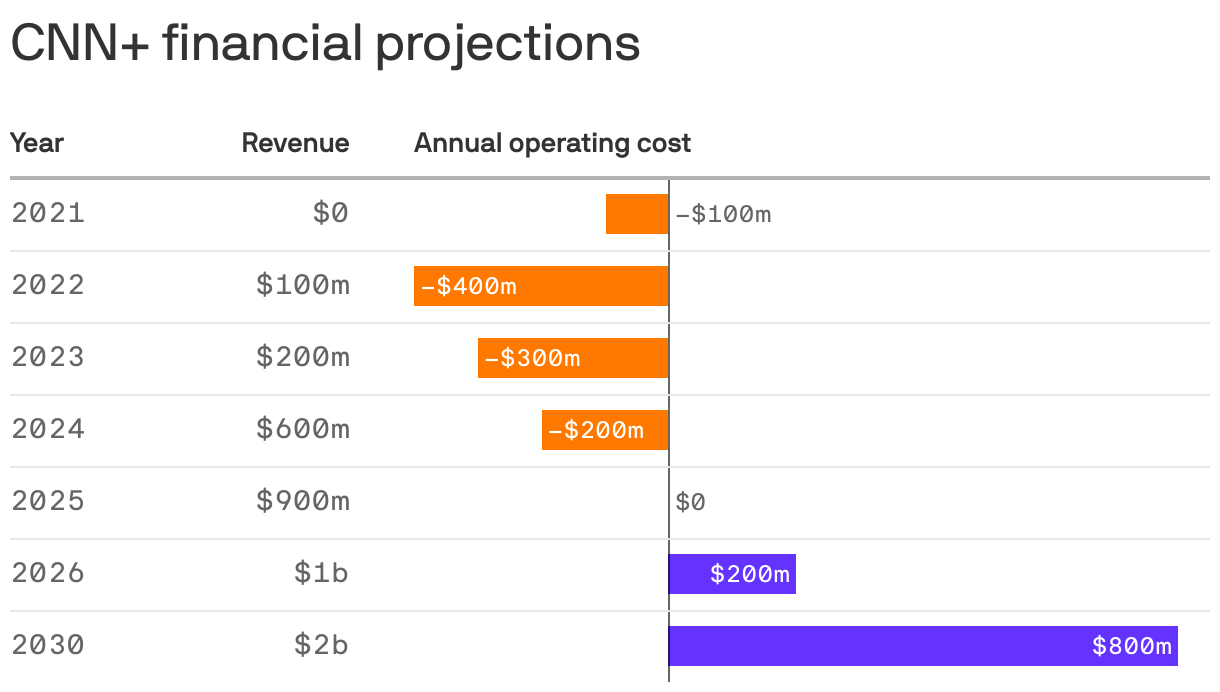
Data: CNN presentation obtained by Axios; Chart: Simran Parwani/Axios
New data from a March 2022 pitch deck shows CNN+ executives projected that within the next decade, CNN+ would be more profitable than the company's cable arm today — which currently drives abound $500 million in annual profit.
Why it matters: Discovery's decision to shut down CNN+ last week was driven in part by skepticism that the subscription service would ever hit profitability within a reasonable time frame, given current spend levels and subscriber numbers.
The New York Times has doubled its Opinion staff to over 150 people since 2017, adding new departments for audio and graphics and beefing up its copy-editing and fact-checking resources.
Why it matters: Opinion and its focus on multimedia projects are among the best retention vehicles for the Times' subscription, said Kathleen Kingsbury, opinion editor of the Times.
Elon Musk’s purchase of Twitter is being greeted warily by the climate science community.
Why it matters: For scientists and activists, Twitter has long been a place for sharing research ideas and interacting with journalists and the public. It has also helped kindle and sustain the climate activist movement.
Hedge funds get paid a lot for the privilege of making you money (if you’re rich enough for the minimum investment, that is). But it’s not easy — most funds don’t even beat the S&P 500 index in most years.
Driving the news: Melvin Capital, the hedge fund run by Gabe Plotkin, was hit by catastrophic losses at the hand of meme stock mania in January 2021. Plotkin tried to revamp the fund and fee structure last week, which didn’t go over too well with some investors, the New York Post reported.
The big picture: The fund’s plight highlights the structural challenges built in to running hedge funds.
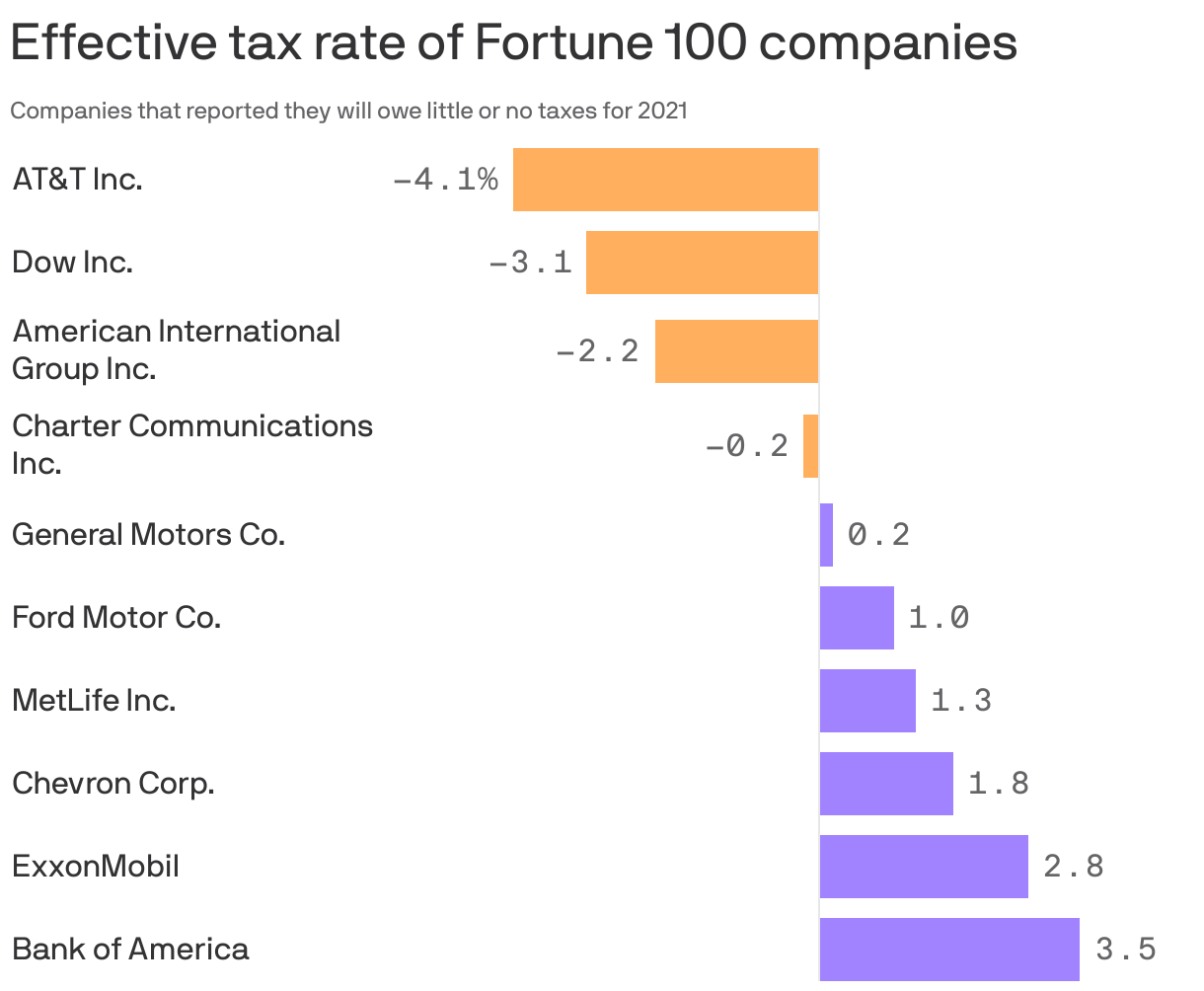
Data: Center for American Progress analysis of company 10-k filings; Chart: Baidi Wang/Axios
Nineteen of the biggest companies in the U.S. paid very little in federal income tax last year, according to a new report provided exclusively to Axios by the progressive think tank Center for American Progress (CAP). Four companies paid less than zero in federal income tax, including AT&T, Charter Communications, American International Group and Dow Inc.
Why it matters: Corporate profits surged to record highs last year, thanks in part to copious amounts of government spending. The idea that companies that earned billions aren't paying any federal tax is sure to fuel simmering criticisms from Democratic lawmakers.
First class air travel is getting an upgrade, with more privacy, larger fold-out beds, and more space for passengers and their belongings.
The big picture:The rise of premium leisure travel is one of the biggest trends to come out of the pandemic. Airlines are catering to this new class of traveler by investing in expanded cabins, more comfortable seats and fancier airport lounges.
The "mass timber" movement is a growing worldwide effort to build high-rises and other buildings out of wood composites rather than steel and concrete, for environmental reasons.
Why it matters: Lightweight, attractive and sturdy, mass timber buildings are considered carbon-friendly alternatives to conventional ones — and some people prefer their warmth, character and texture.
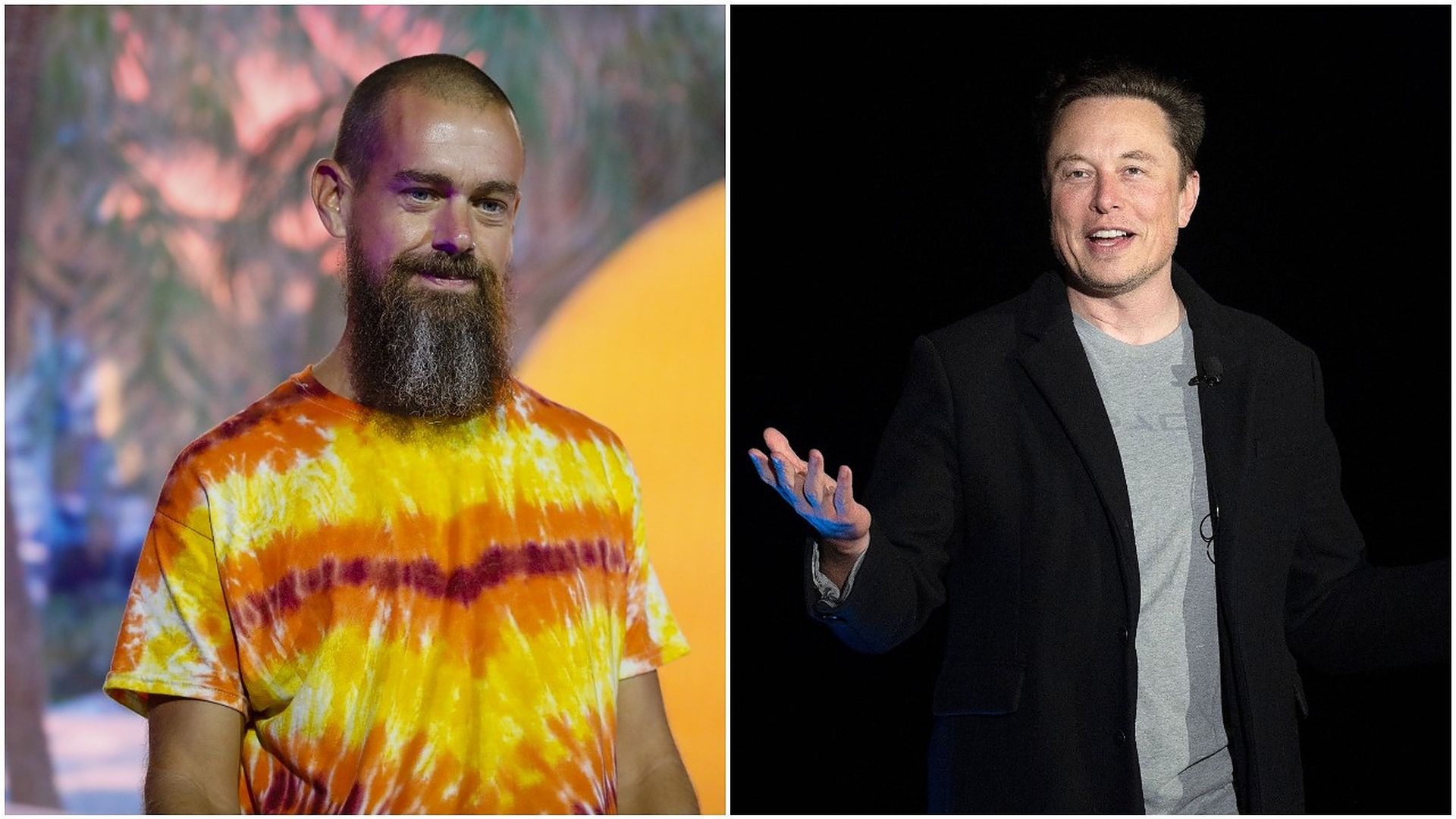
Twitter co-founder Jack Dorsey expressed his support for Elon Musk's acquisition of the social media giant on Monday.
Why it matters: Dorsey, who helped take Twitter public in 2013, made clear in his Twitter post that he saw Musk as the solution to the platform's future, saying of the company: "It has been owned by Wall Street and the ad model. Taking it back from Wall Street is the correct first step."


/2022/04/26/1651005812216.gif?w=3840)




/2022/04/26/1650982031582.gif?w=3840)