Reliance Industries of India said it cannot fully implement its $3.4 billion purchase of retailer Future Group, after Future Group's secured creditors objected.
Why it matters: It's something of a win for Amazon, which has been fighting the merger since it was announced nearly two years ago. But it's a catastrophic loss for Future Group, once India's second-largest retailer with more than 1,500 stores, which may go bankrupt.
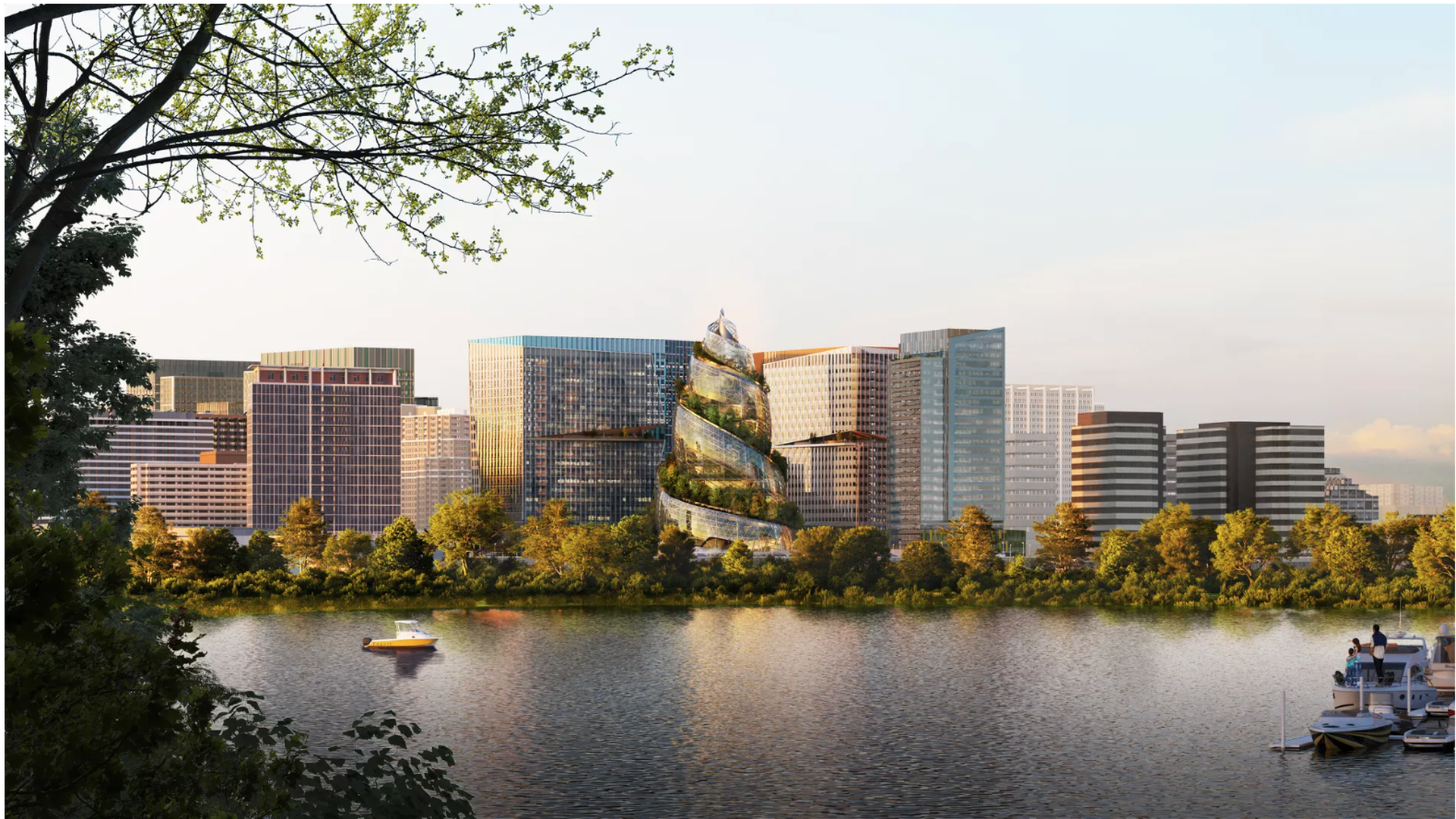
Amazon can begin construction on the helix-shaped tower centerpiece of its second headquarters (HQ2), in Arlington, Virginia, after the plans were unanimously approved by county lawmakers Saturday, per the Washington Post.
The big picture: The project will comprise 2.8 million square feet of office space across three 22-story buildings. At the center will be "The Helix," a tree-covered office featuring "two walkable paths of landscaped terrain that will spiral up the outside of the building," Amazon said when it announced the plans in February 2021. It aims to complete construction in 2025.
Why it matters: The stranding of Russia-bound vehicles including Cadillac, Mercedes and Lexus models, since the start of April highlights "confusion at key European ports over how to interpret and enforce sanctions" against the country, per the WSJ.
Twitter will not allow "misleading advertisements" that "contradict the scientific consensus on climate change," the social media platform said in a statement Friday, marking Earth Day.
Why it matters: Inaccurate or misleading information on global warming has been common on social media sites.
If you want to pay for a copy of the Annual Review of Political Science, that'll cost you $118 if you're an individual, or as much as $713 if you're a library at a top-tier university. Alternatively,as of May 2020, you can just download it for free, under an open-access Creative Commons license.
Why it matters: Annual Reviews announced this month that over the next 18 months, all of its 51 publications will go open-access — if their existing subscribers keep on subscribing, or at least if new subscriptions take the place of those which lapse. It's a fascinating new twist on the paywall model.
Blame the rise of e-commerce for at least some of the inflation we're seeing — we no longer live in a "Price is Right" world where any given item has a knowable true price that is broadly unchanged from day to day or from store to store. Instead, prices are constantly fluctuating and unpredictable — which makes them much easier to raise.
Why it matters: Prices, like phone numbers, are things we don't need to remember — we can look them up on the internet if we need to know them. As we pay less attention, however, we become less price-sensitive, giving companies more scope to raise prices.
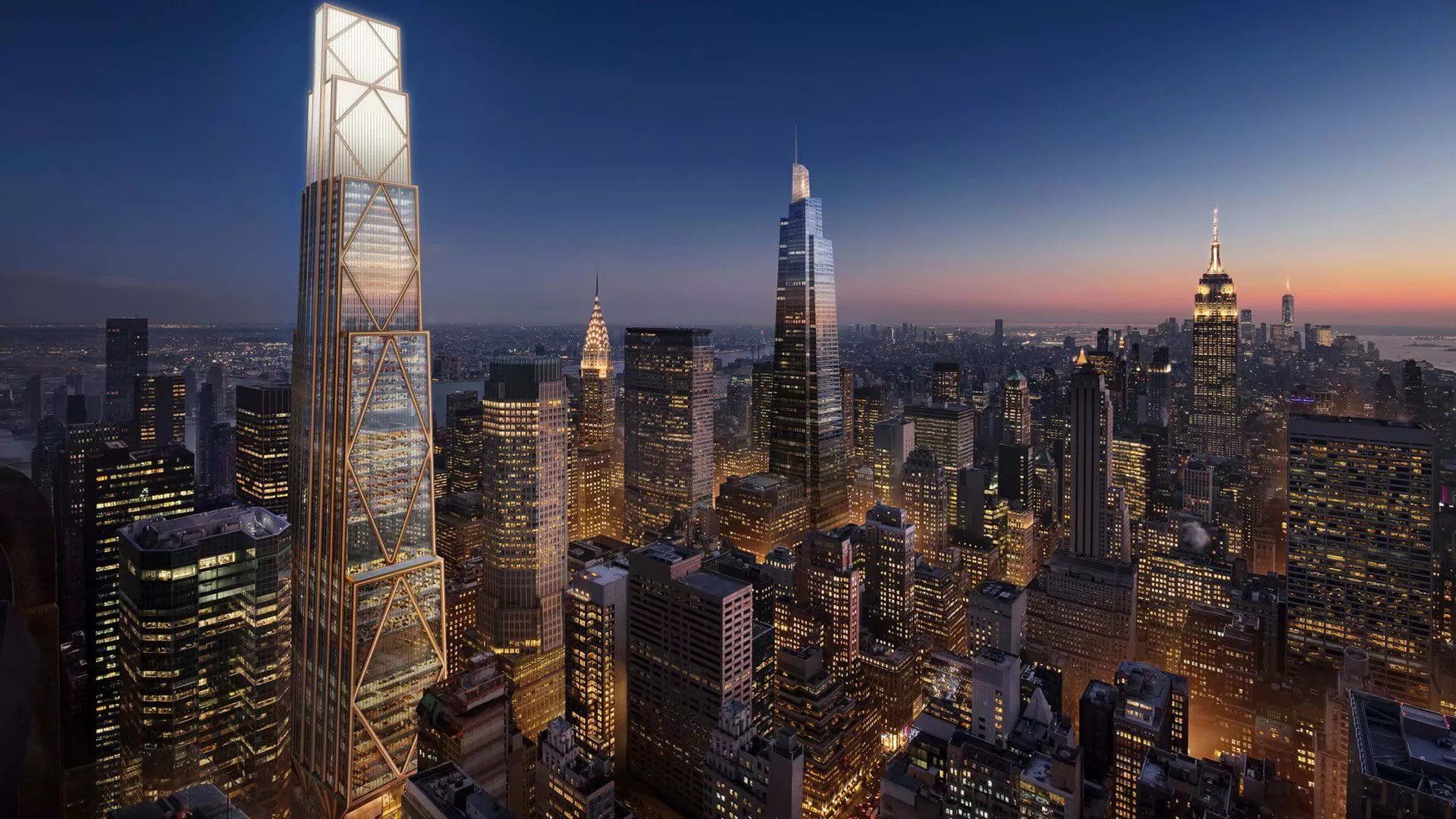
The death of midtown offices has been greatly exaggerated as JPMorgan recently unveiled the design of its new headquarters at 270 Park Avenue in Manhattan — a "supertall" building 1,388 feet high, with 2.5 million square feet of space.
Why it matters: The new tower represents the state of the art in terms of environmentally responsible post-pandemic commercial office construction. Critics are generally underwhelmed.







/2022/04/23/1650733588553.gif?w=3840)