China’s capital, Beijing, could be facing a strict lockdown as COVID-19 cases continue to rise.
Why it matters: Authorities in the country have not stepped away from their "zero COVID" policy, which has placed roughly 200 million people in a full or partial lockdown.
Driving the news: General Motors announced Monday that it will make electric versions of the iconic sports car, replacing the vehicle's rumbling engine with the soft whir of an EV powertrain.
Between the lines: Trump needs Twitter. The platform was the critical element in the Trump news cycle, which was centered more around angry reactions rather than retweets from devoted fans.
A new report from the International Monetary Fund found that decentralized finance (DeFi) is... pretty centralized. Half the money available to be borrowed on most DeFi lending platforms comes from fewer than 10 depositors, IMF researchers reported in April's Global Financial Stability Report.
Why it matters: Crypto products are open so they can be resilient, the theory being openness leads to many participants. But if most funds available for lending come from a few giant depositors, that could cause a one-person bank run.
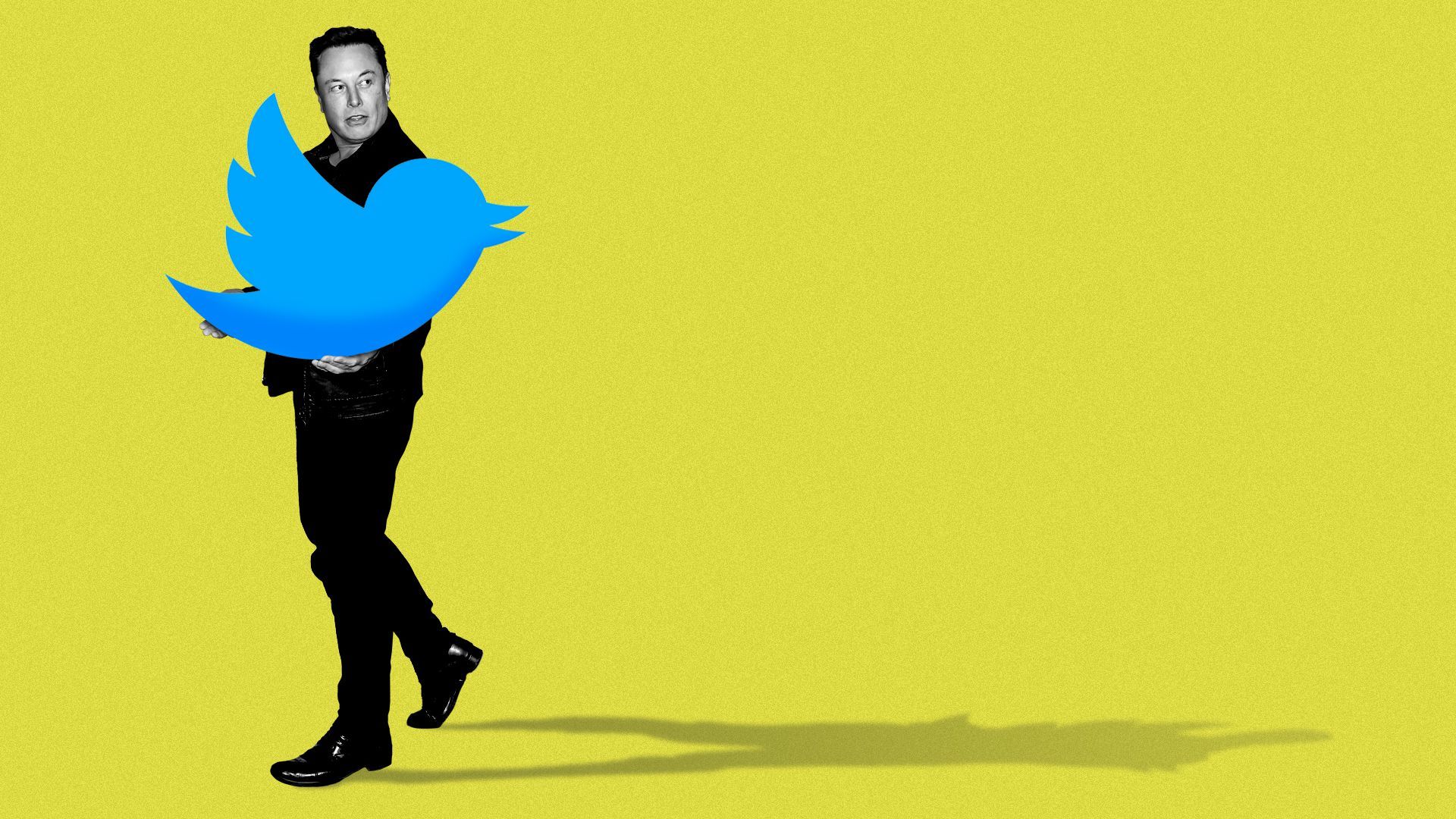
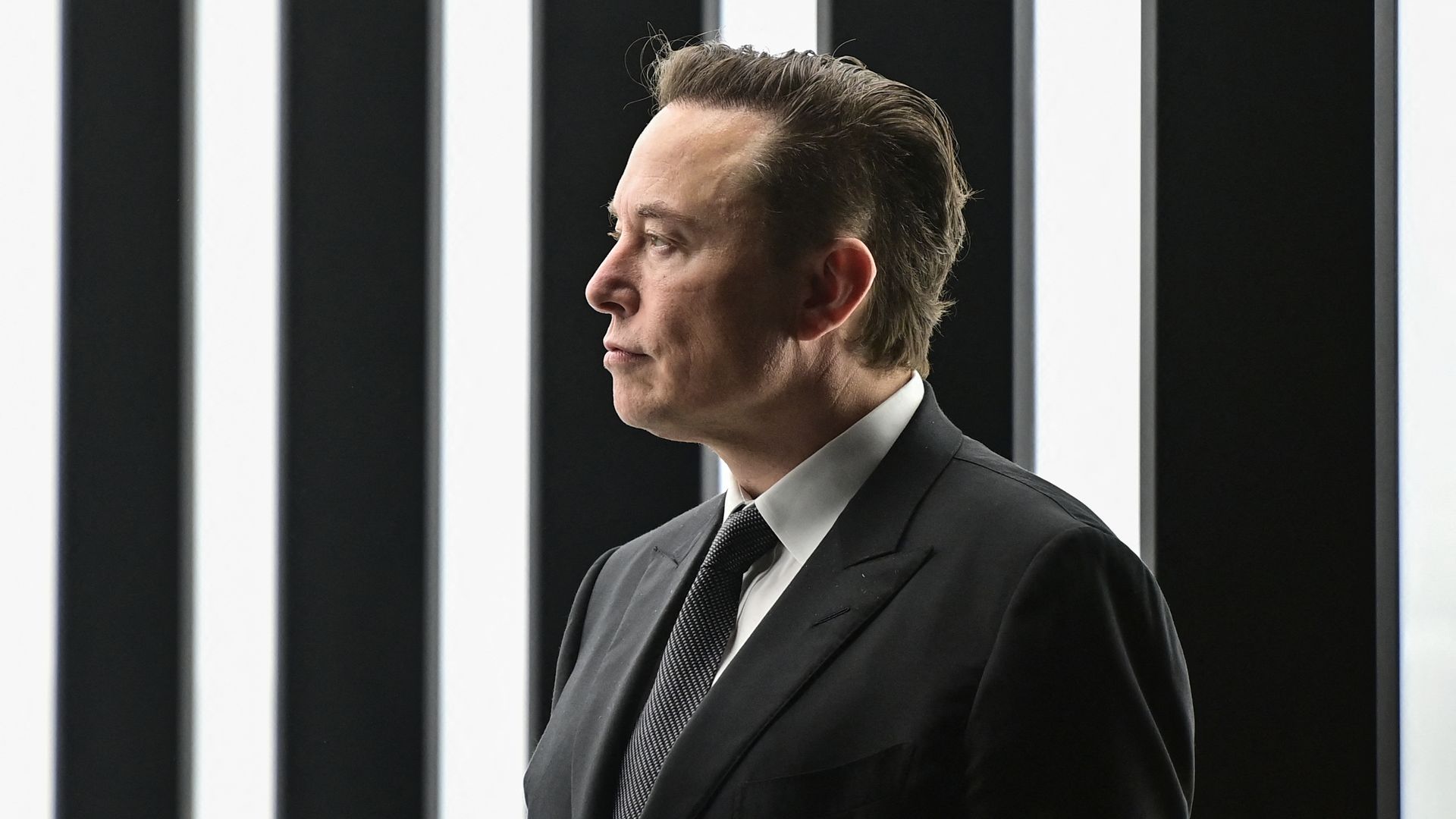
Twitter on Monday agreed to be acquired for around $44 billion in cash by Elon Musk, just weeks after the tech mogul launched his unsolicited, take-it-or-leave-it offer.
Why it matters: This is an earthquake in global media and politics, where Twitter hosts the discourse.
Twitter is said to be in advanced talks to accept Elon Musk's $43 billion takeover bid as early as Monday, following a weekend of negotiations.
Why it matters: A deal would sure to be criticized by those who disagree with Musk's laissez-faire views on content moderation and cheered by those who believe Twitter has been too heavy-handed with its block button.
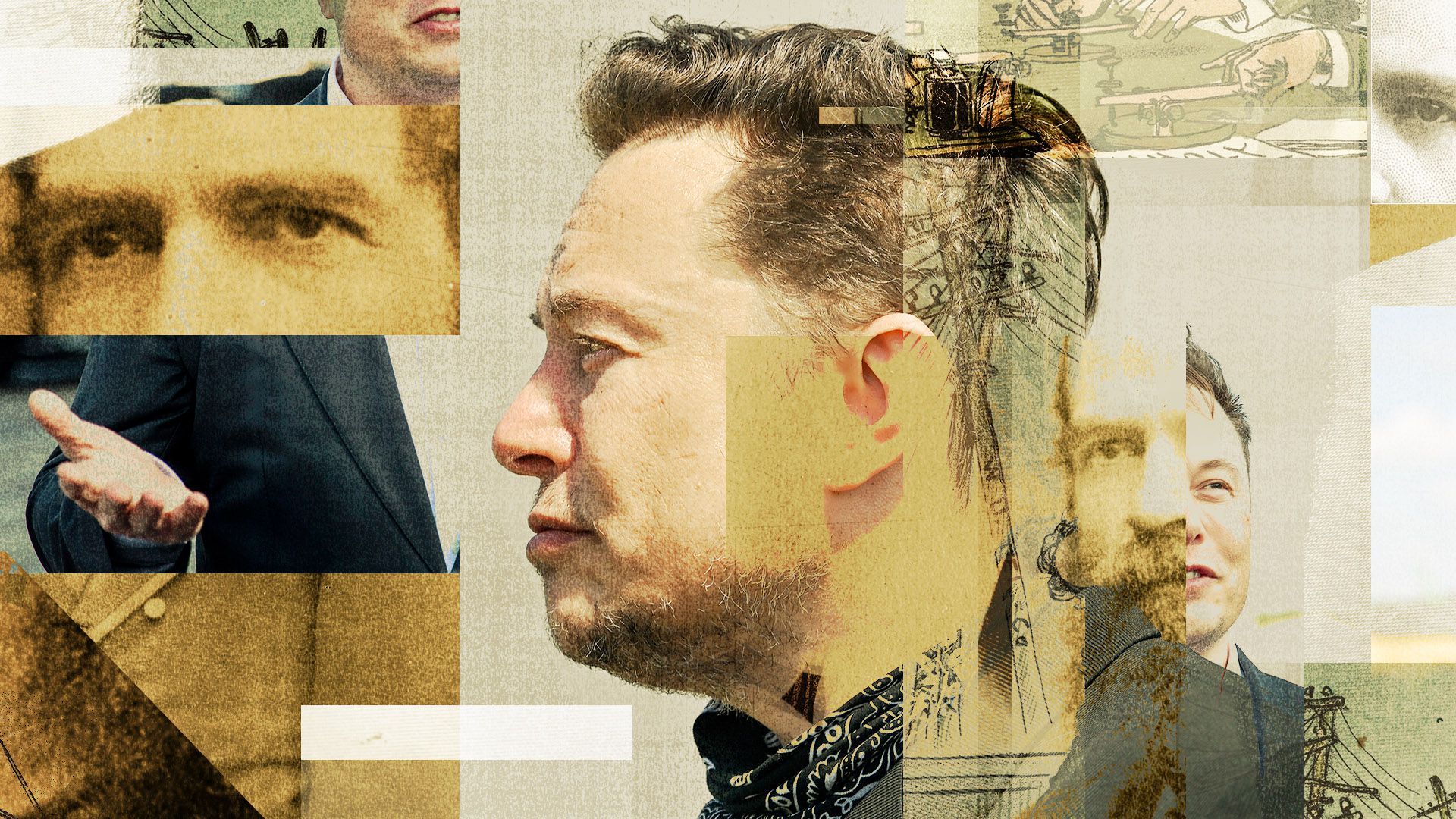
A powerful 1%-er launches a takeover bid for a seemingly irreplaceable communications network, igniting a panic over the power of the super-rich.
The intrigue: No, not Elon and Twitter. We're talking about the notorious Gilded Age financier Jay Gould — who for over a decade starting in 1881 single handedly controlled America's telegraph wires.
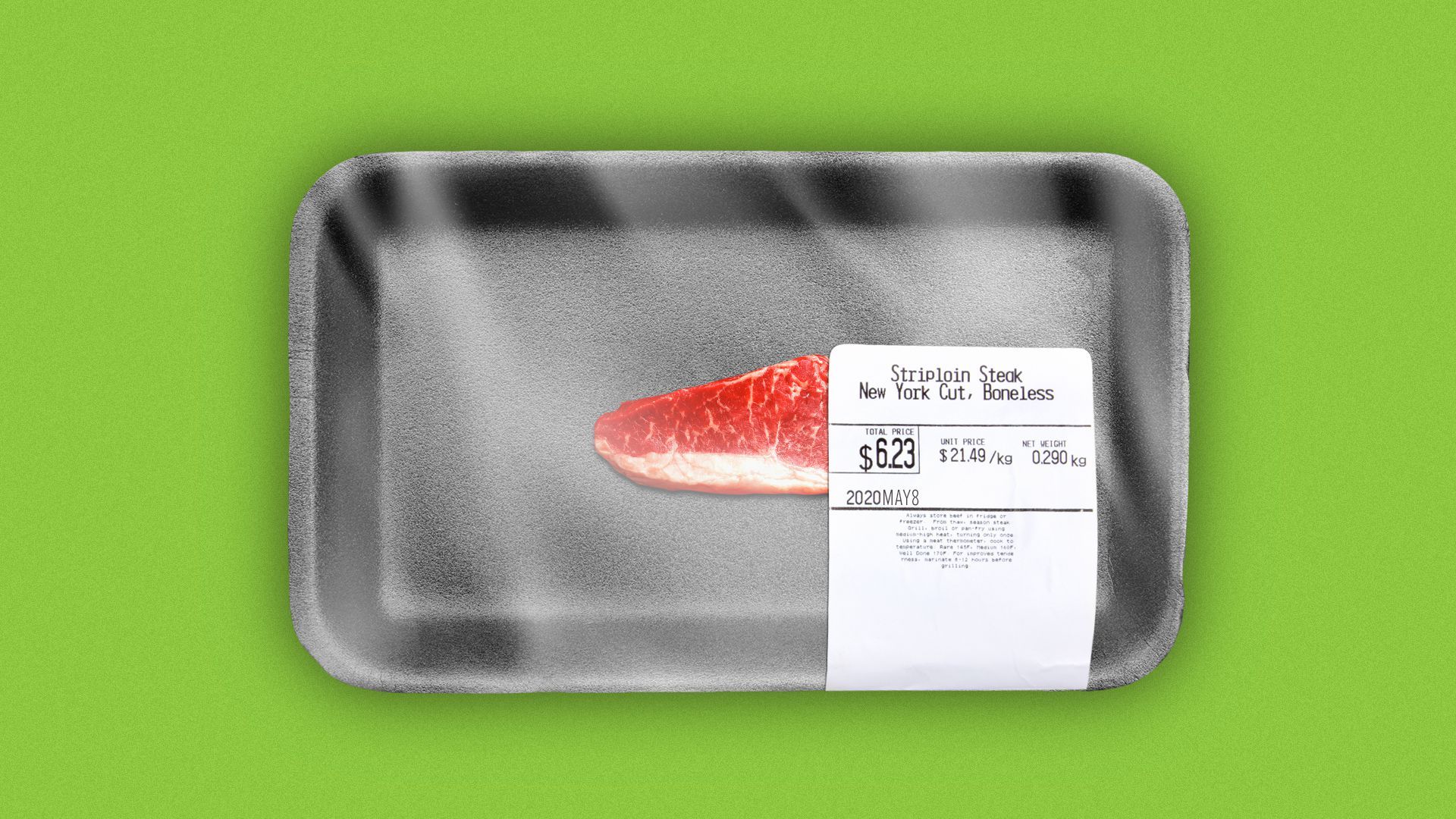
Rising food prices are slowly changing our grocery store shopping habits, already kind of weird after the pandemic pushed more Americans to eat at home, industry analysts tell Axios.
Why it matters: High inflation is rippling out into all kinds of markets — from nickel to housing to stocks to supers (supermarkets that is) — and changing the way we live.
The pandemic has changed what Americans want from their homes, and builders say they expect those changes to last.
The big picture: A ton of pandemic-era adaptations are becoming common fixtures in new homes. The model homes that builders are showing off today are meant for working, living and learning, not just coming home and crashing at the end of the day.





/2022/04/25/1650919149738.gif?w=3840)

/2022/04/25/1650909889189.gif?w=3840)