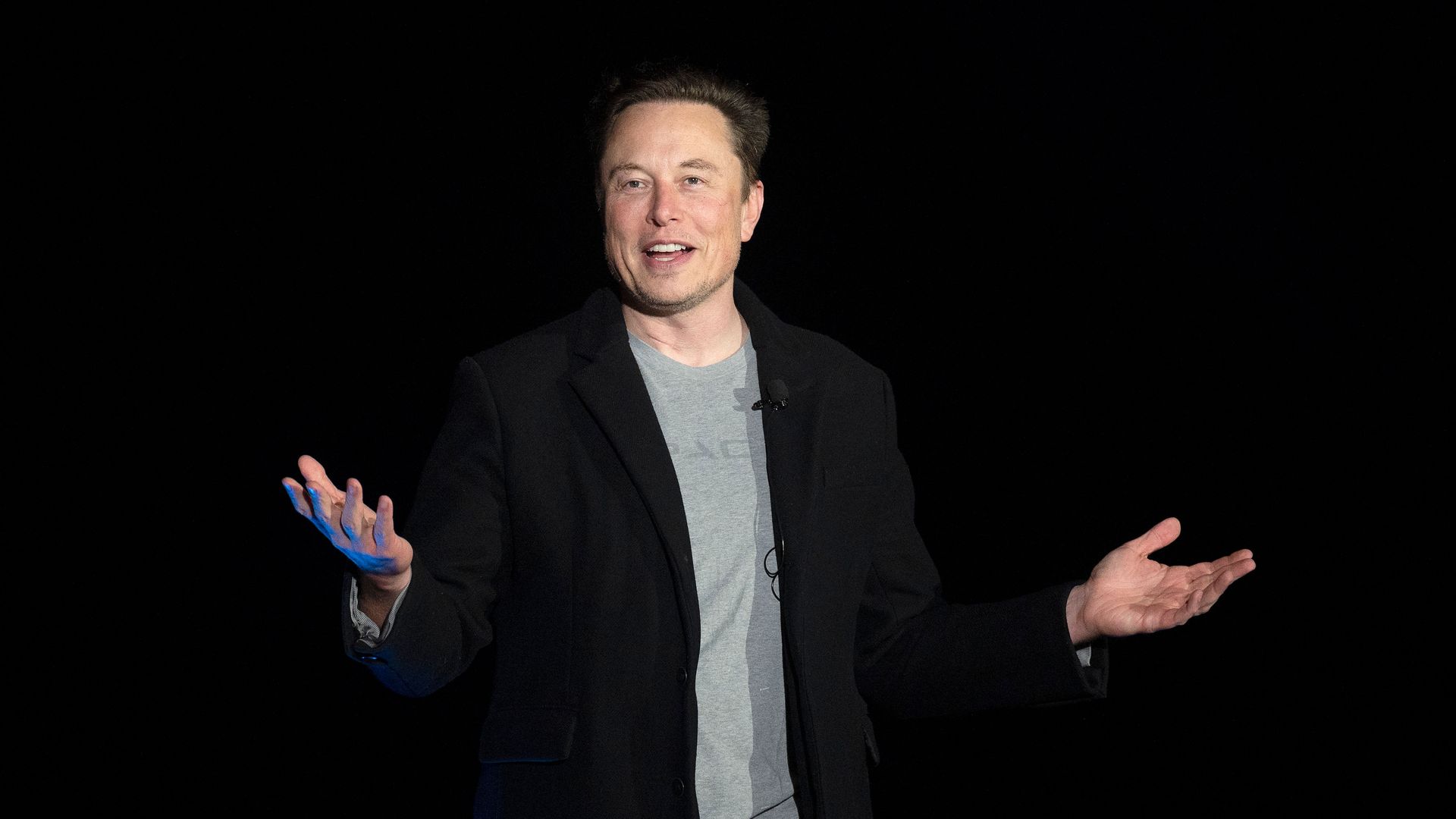
Elon Musk is now officially ensconced as the richest person in the world. By using his social and financial clout to muscle his way onto the board of Twitter, he's working hard to become a full-fledged mogul, generously endowed with all three parts of the great trinity of money, fame, and power.
Why it matters: Musk accumulated his money through Tesla and SpaceX. He accumulated much of his fame through Twitter. Now he's working on power, the toughest and rarest component of the three.
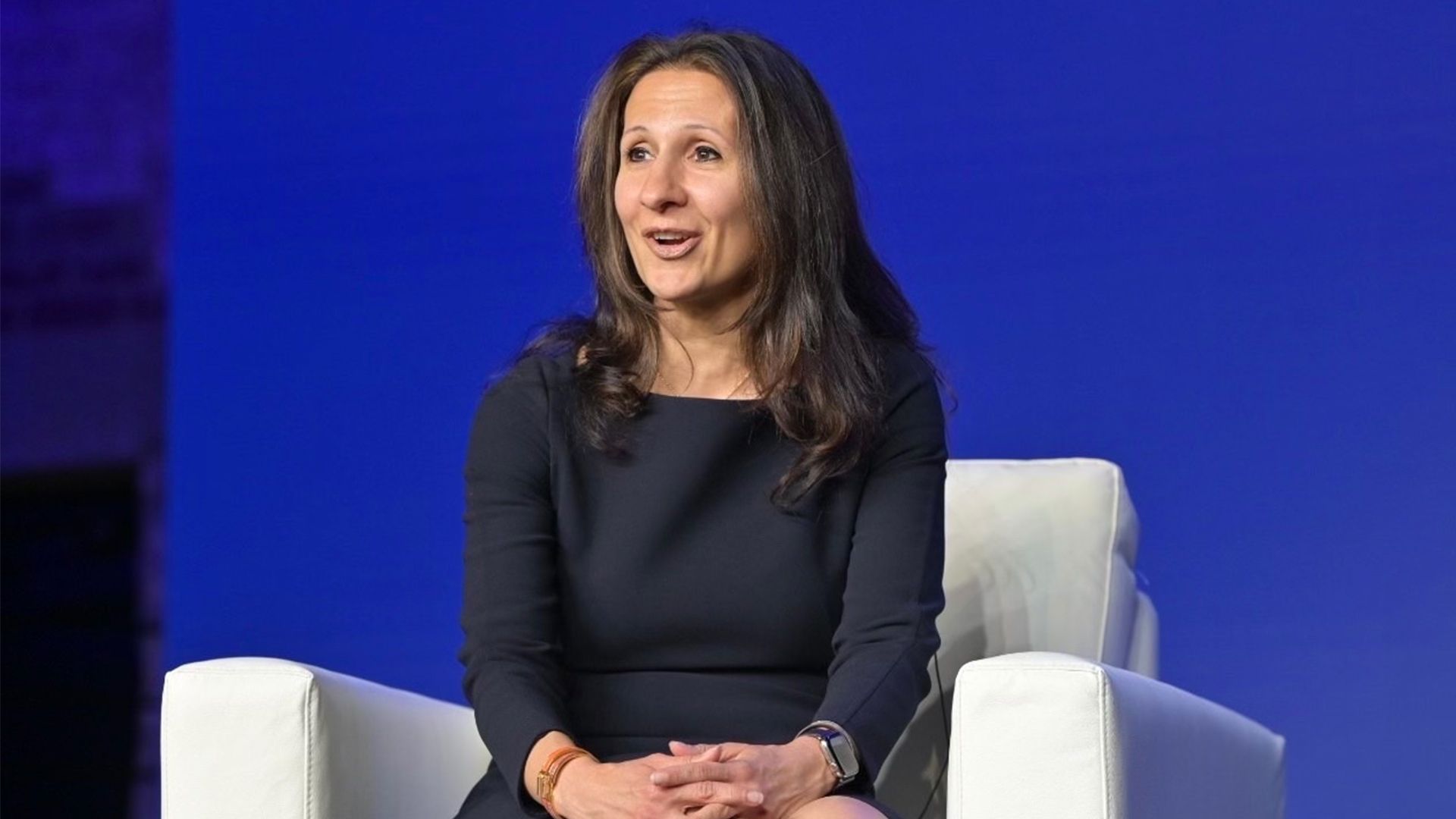
Despite recent market volatility, demand for new public listings is still strong, New York Stock Exchange president Lynn Martin told me on stage at Axios' What's Next Summit Tuesday.
Catch up quick: There were 37 IPO deals that raised $2.4 billion during the first quarter of 2022, according to EY.
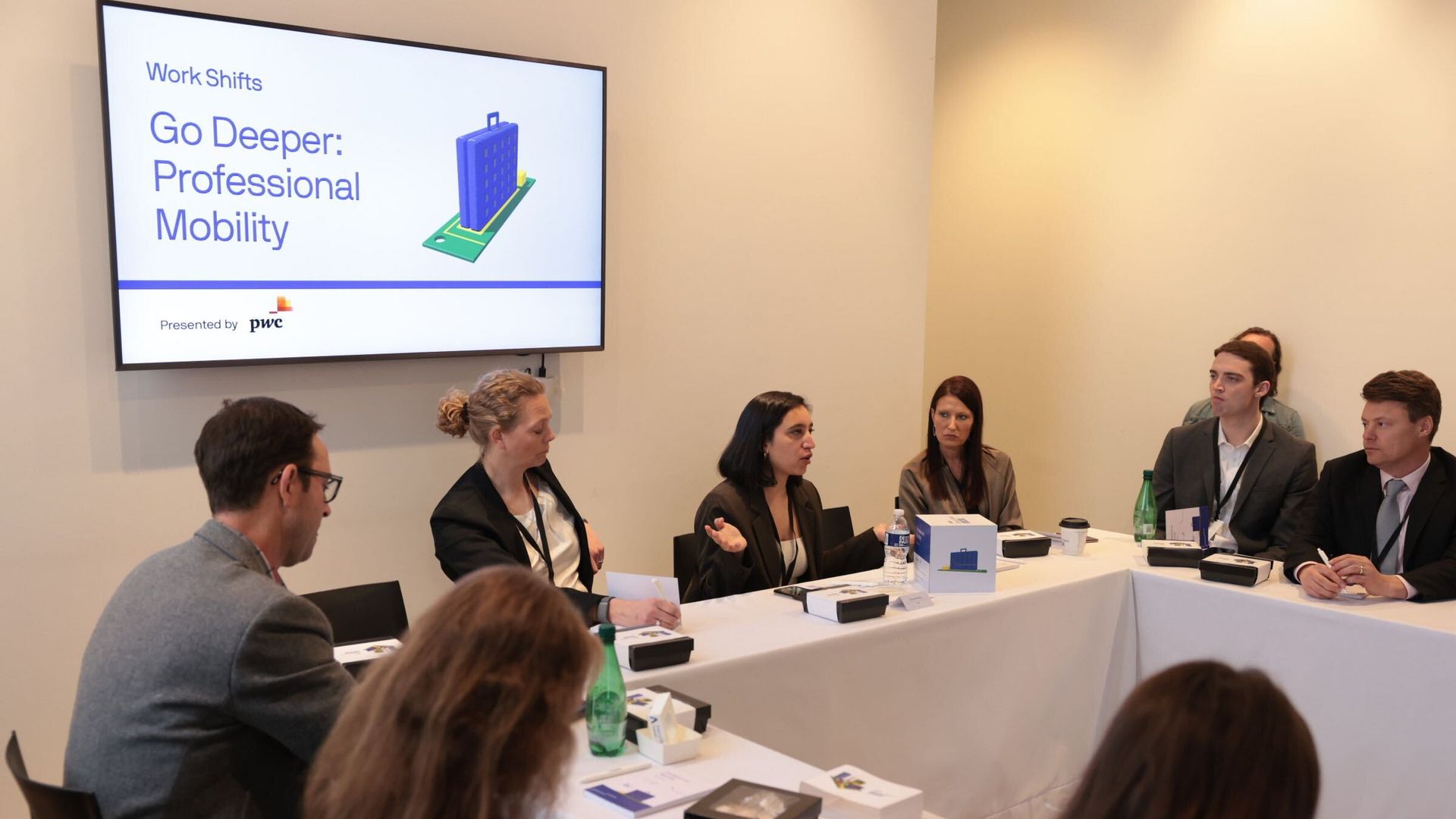
Business and thought leaders around the future of work and professional mobility came together at Axios’ inaugural What’s Next Summit on Tuesday for a discussion on how employees now prefer to be treated like customers.
Why it matters: With COVID-19, the great resignation and technological shifts, everyone from business owners to job seekers are asking what jobs will look like in the years to come.
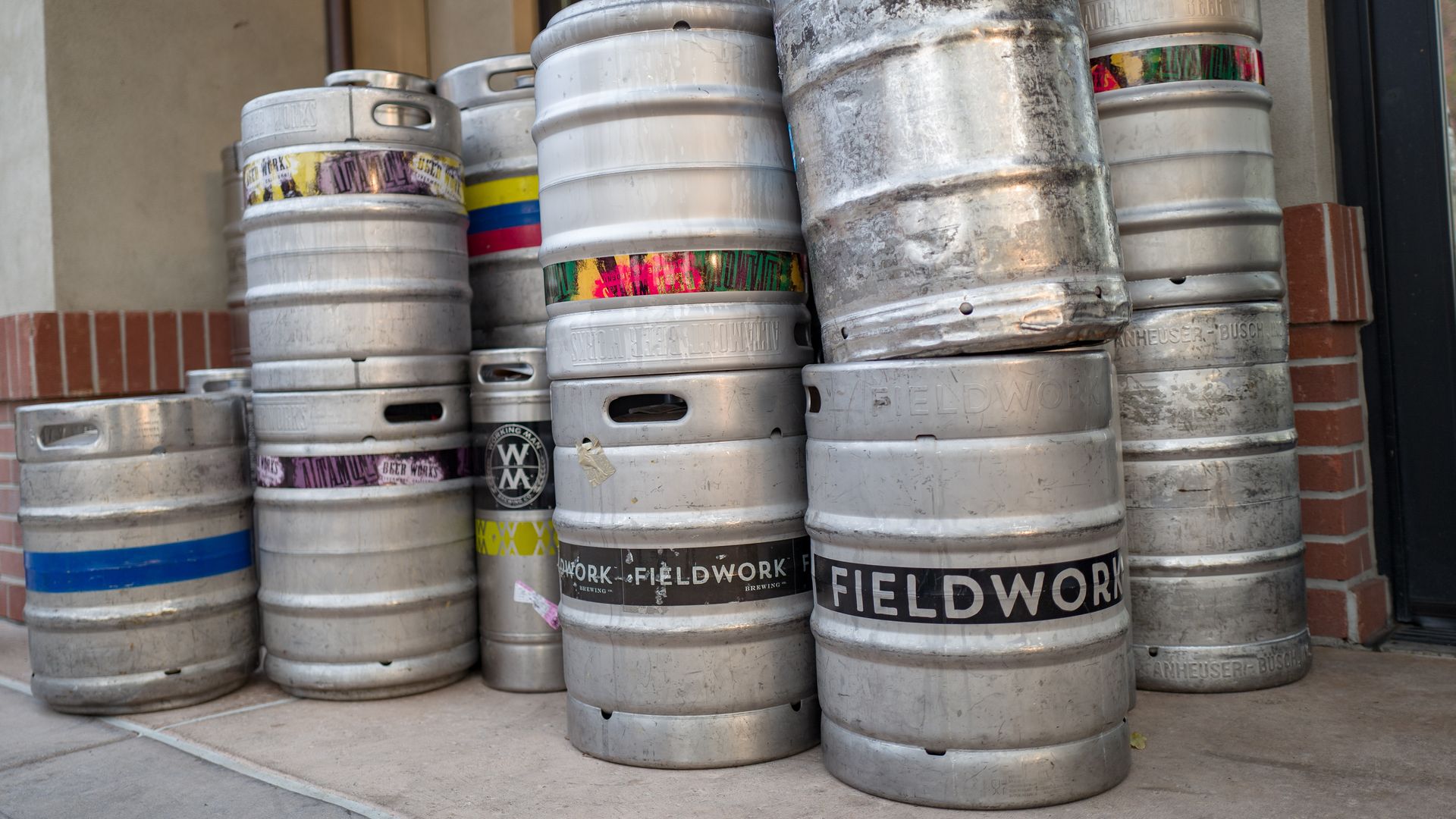
American craft brewers rebounded from the pandemic with 8% annual growth and 24.8 million barrels of beer in 2021, new data shows.
State of beer: The increase easily exceeded the overall beer market, which grew 1% in 2021, as taprooms and brewpubs returned to life as public health restrictions eased.
Banks and government have a role to play in developing the digital infrastructure and regulatory framework for cryptocurrency or other digital money solutions, financial leaders said Tuesday at the Axios What’s Next Summit in Washington, D.C.
Why it matters: Washington and Wall Street are grappling with whether and how to enable or restrict fintech products that exist in a nebulous space outside the traditional financial system.
Base10, a San Francisco-based venture capital firm, has raised $460 million for its third early-stage fund.
Why it matters: The firm's bet on what it calls "automation for the real economy" is definitely one that paid off during the pandemic as all industries had to adapt.
Olive is the buzzy startup whose purple “go save health care” busses dominate industry conferences. But its promises don't deliver, according to an Axios investigation that included interviews with 16 sources.
Olive relies on rough estimations for its calculations, inflates its capabilities and, in many cases, generates only a fraction of the savings it pledges.
Why it matters: Valued at $4 billion, Olive is the highest-profile startup in health care automation; a holy grail that promises to cut costs and direct more time toward patient care.
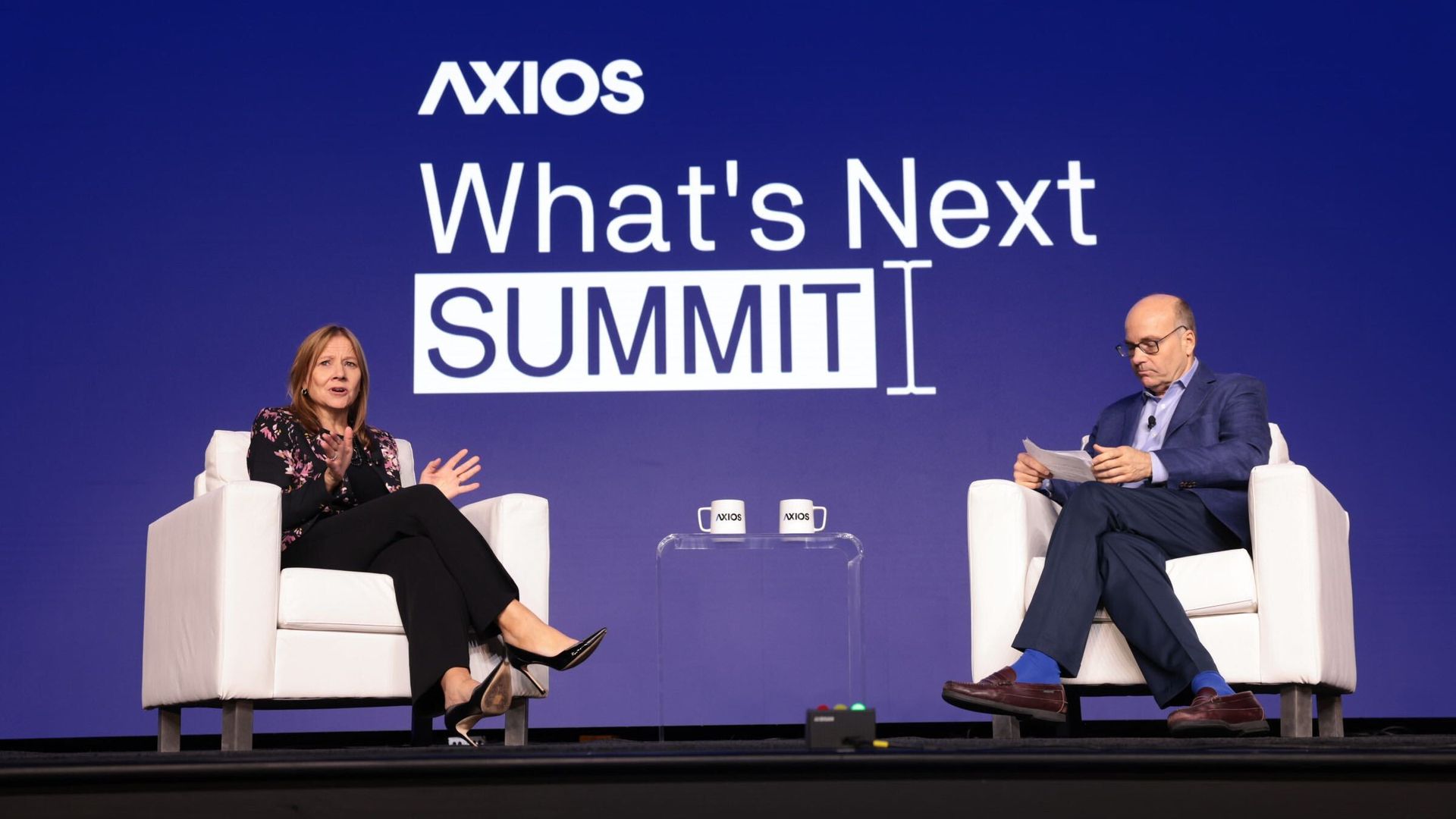
The CEO of General Motors, Mary Barra, said at the Axios What's Next summit on Tuesday that hybrid work sped up the company's electric vehicle program thanks to the creativity of her employees.
Driving the news: Earlier on Tuesday, GM announced a partnership with Honda to help scale production of electric vehicles, partially in hopes to bring a more affordable version of an EV to the mass market, Barra explained.
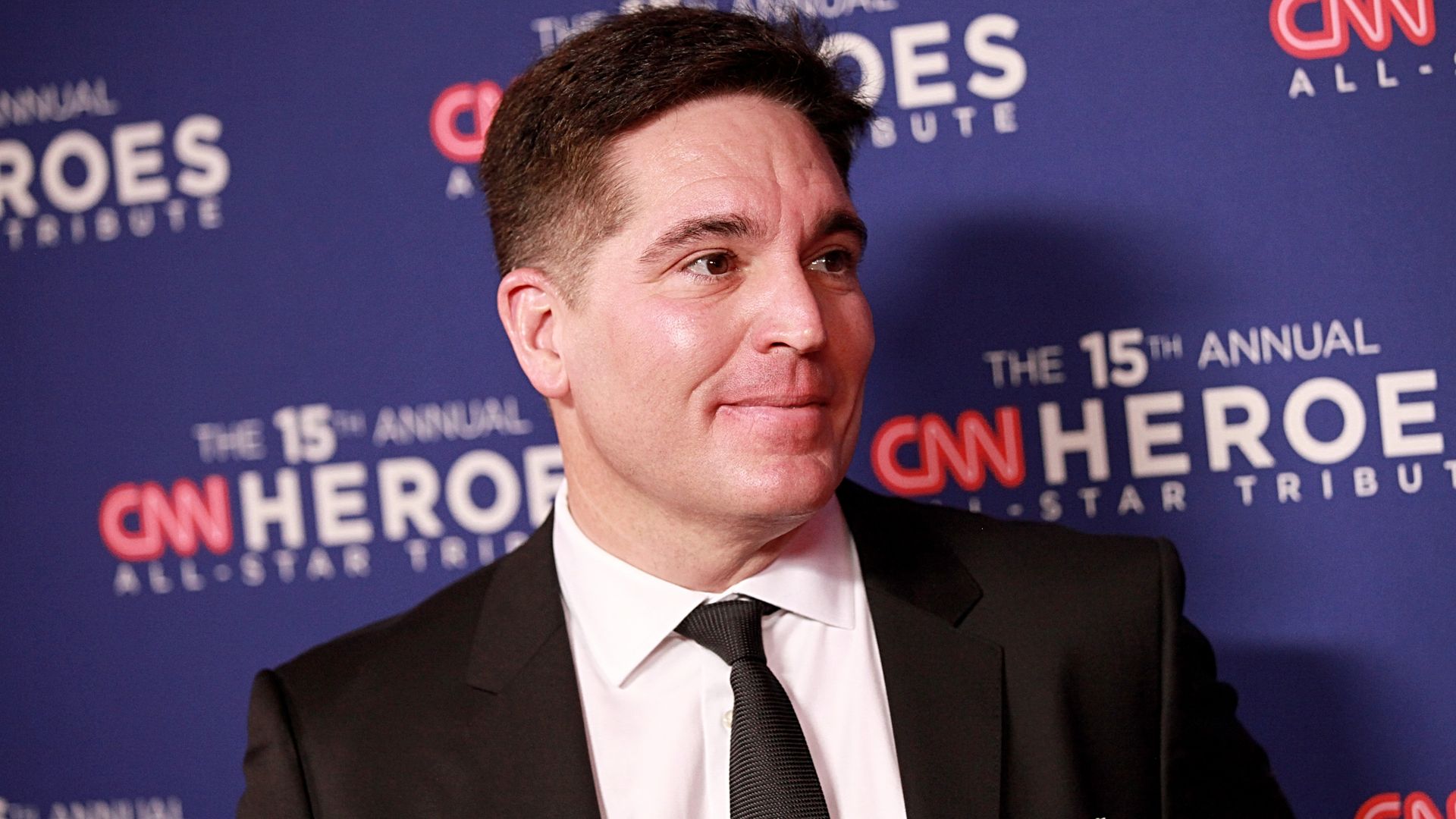
WarnerMedia chief Jason Kilar is resigning, he told staff in a note sent Tuesday.
Why it matters: The move comes ahead of WarnerMedia's pending merger with Discovery, which is expected to close this month. Kilar's departure has been anticipated ever since the merger was first announced last year.
Ready Player DAO (RPD) was valued at $150 million in a new $10.2 million funding round, the latest validation of the play-to-earn gaming model.
Why it matters: The crypto industry has high hopes for Web3 video games to bring lots of new users into digital assets, because people actually get to own the stuff they gather up while playing.
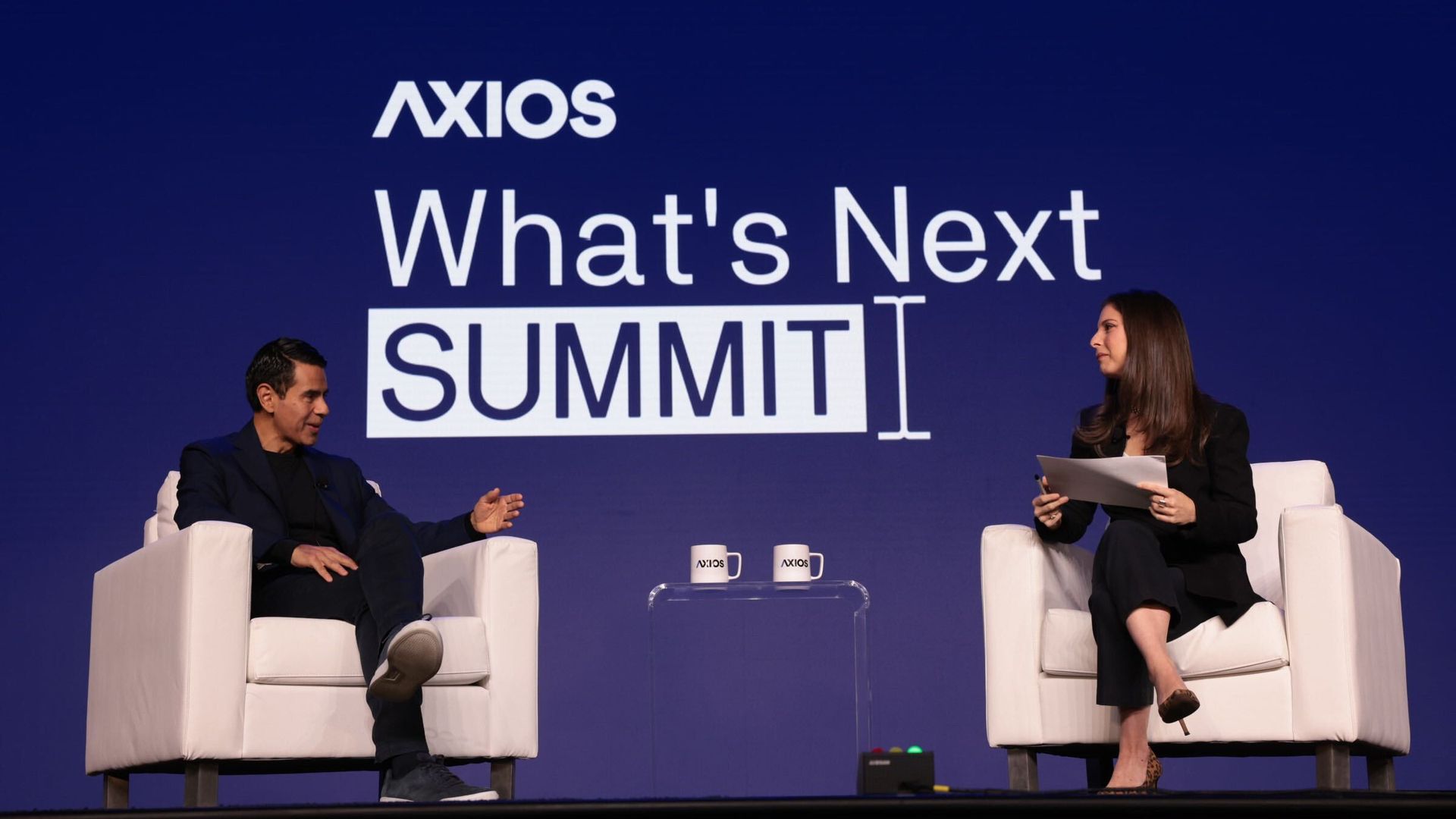
At the beginning of the Ukraine crisis, seven or eight out of the ten videos and images the company received were fake or doctored, Cesar Conde, the chair of NBCUniversal News, said at the Axios What's Next summit on Tuesday.
Driving the news: Though Russian state-media has faced widespread de-platforming, misinformation about the conflict has continued to spread easily, per Axios' Ina Fried and Sara Fischer.
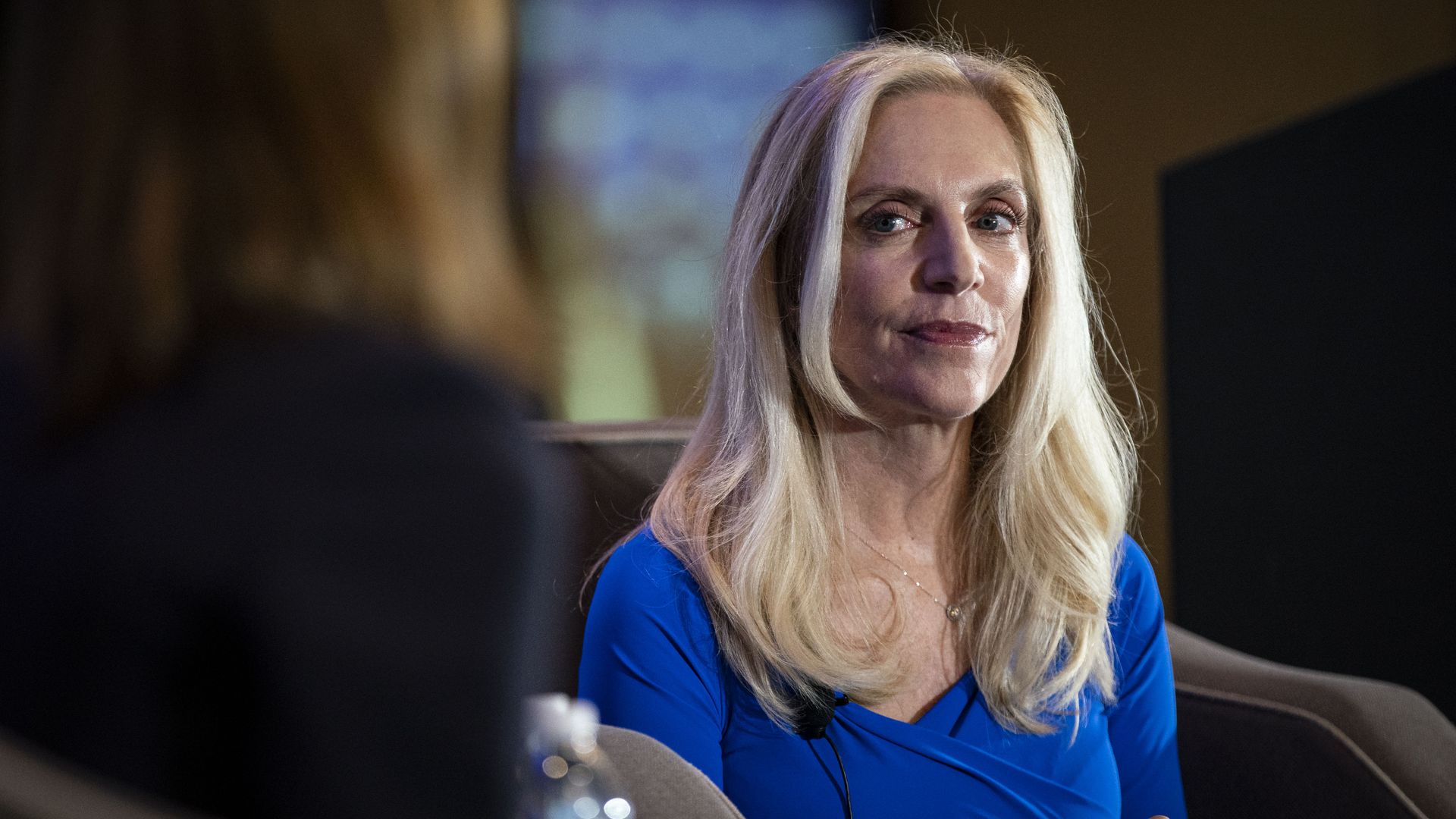
High inflation damages the quality of life of lower-income families more than those with more resources, a top Federal Reserve official said, and the Fed is prepared to take "stronger action" than now envisioned if needed to bring it down.
Driving the news: Lael Brainard, a Fed governor awaiting Senate confirmation to be vice-chair, said in a speech that the central bank plans to tighten monetary policy "methodically," including with a series of interest rate increases and by shrinking its $9 trillion balance sheet "considerably more rapidly" than in the last economic cycle.
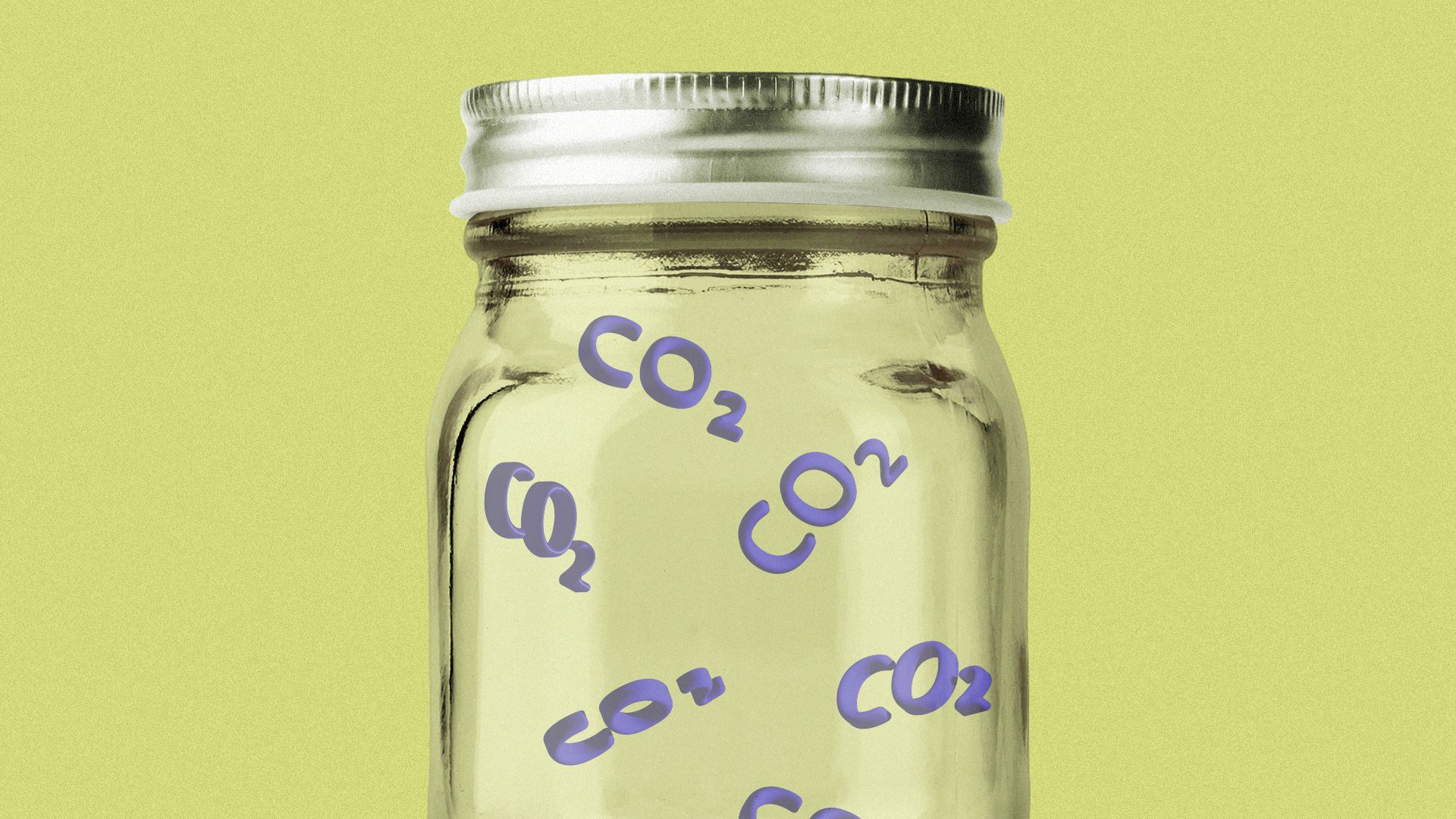
Climeworks, a Swiss carbon removal startup, raised $650 million co-led by Partners Group and GIC.
Why it matters: There's an emerging consensus that carbon emissions removal, in addition to reduction, is key to stemming climate change. But there's little agreement on if it can really be done at scale. This money, the most ever raised for a carbon removal startup, could help answer that question, as Climeworks currently operates the world's largest direct-air capture facility.
A member of the PayPal Mafia will soon lead venture capital's most successful firm.
Driving the news: Sequoia Capital on Monday announced that Roelof Botha will take the reins as "senior steward" on July 5, one day after the 65th birthday of current firm chief Doug Leone.
Why it matters: Musk, who has criticized Twitter for "failing to adhere to free speech principles," can reform the platform to his liking from his new position in the company, Axios' Hope King reports.
iHeartMedia, the holding company of iHeartRadio, is pouring several hundred thousand dollars into purchasing the rights to roughly a dozen NFTs to create a new NFT-based podcast network, executives tell Axios.
Why it matters: It marks one of the first major media franchises to introduce a podcast slate of characters and voices united across prominent NFT collections.
BuzzFeed and some former employees are fighting over who should pay for arbitration on claims over its IPO, according to letters obtained by Axios.
Why it matters: The cost of the arbitration fees would be more for some former employees than what they stand to win in the complaint, their lawyers argue.
The push to get more women and minority members into the ranks of the corporate elite, which has accelerated in recent years, hit a stumbling block on Friday when a judge in California knocked down one of the state's landmark board diversity laws.
Why it matters: The ruling could slow — but not completely stall — progress in getting more women and minority members into boardrooms around the country, observers told Axios.
Corporate leaders have increasingly leaned on stock buybacks to keep their equity prices aloft. But Starbucks on Monday halted a plan to spend billions buying back its own stock this year.
The big question now facing CEO Howard Schultz: Will Wall Street allow him to quit buybacks cold turkey?
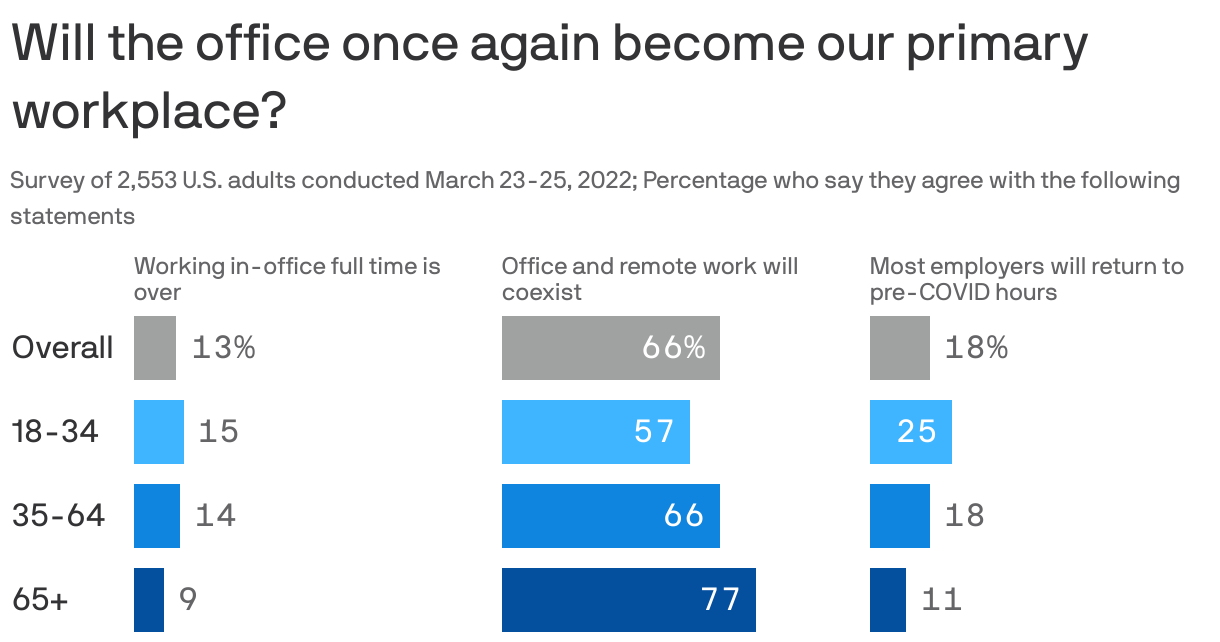
Two-thirds of U.S. adults say that office and remote work will continue to coexist well into the future, an Axios-Momentive poll found.
Why it matters: A lasting legacy of the pandemic may be the freedom from the 40-hour (or more) facetime-in-the-office workweek for those whose occupations are traditionally conducted that way.
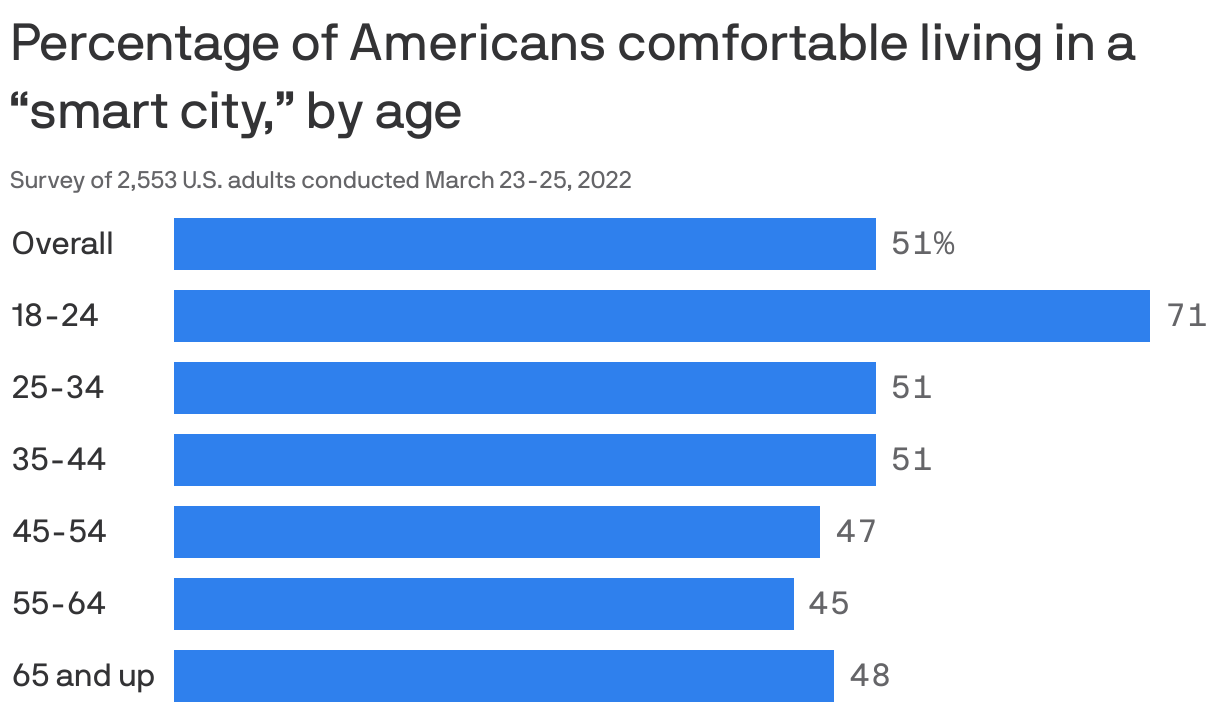
Nearly half of Americans feel uncomfortable about the prospect of living in a smart city, a place where electricity grids, traffic lights and other infrastructure components are networked and internet-connected, an Axios-Momentive poll found.
Why it matters: Cities have embraced smart technology in fits and starts. They're lured by the promise of better citizen services, but fearful of the expense and the potential for security and privacy breaches.
So far, the most popular piece of the smart city ecosystem seems to be micromobility devices — shared e-scooter networks and the like.
New investments flooding partisan media platforms are starting to restructure America's internet business around the nation's deepening political divide.
Why it matters: For years, internet theorists have warned of the "splinternet," a breakup of the global internet into regions governed by different rules and laws. Something like that is now starting to happen within the U.S., splitting the online world into red and blue sectors.
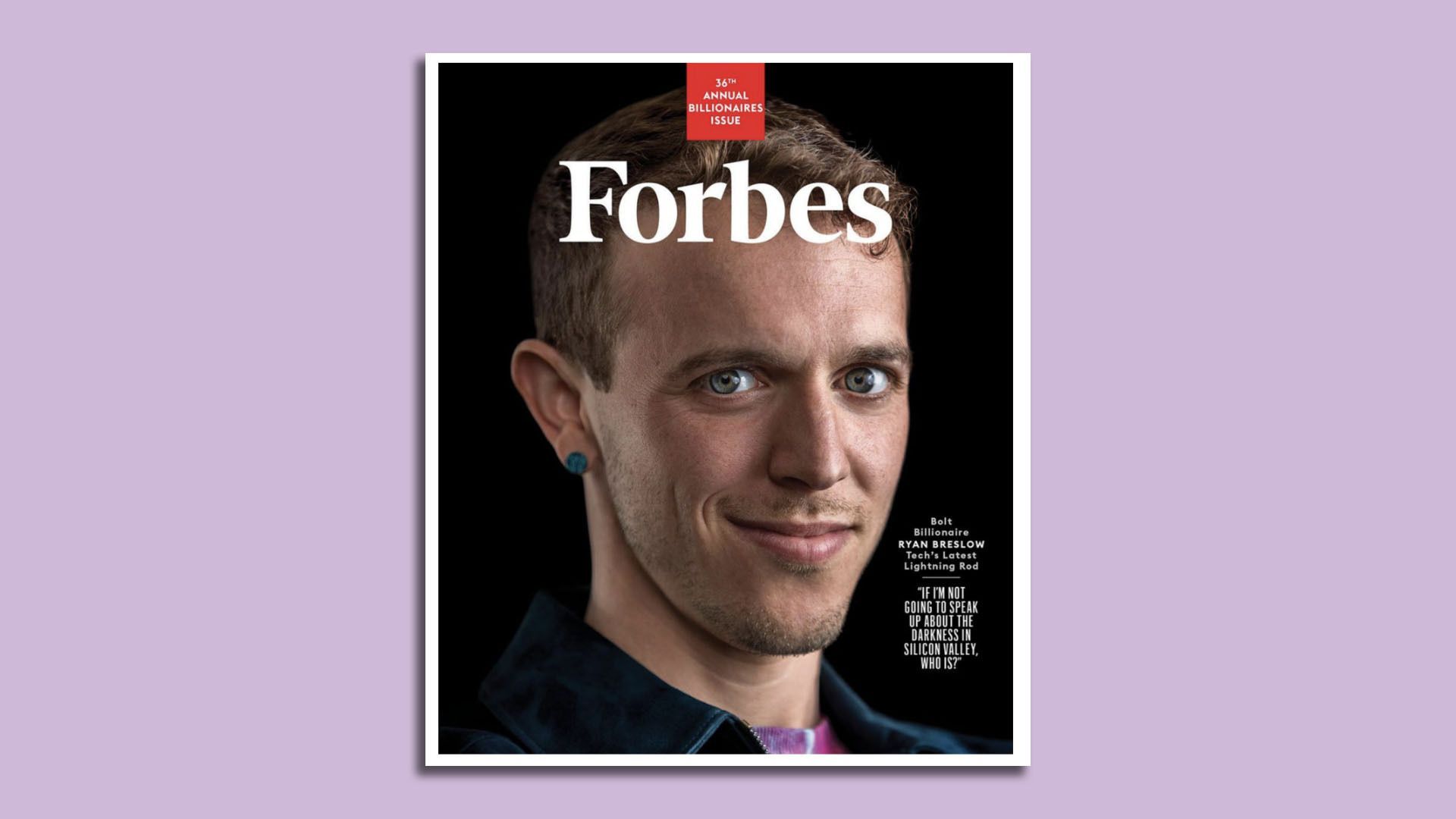
Forbes’ 36th annual World's Billionaires List, out Tuesday, reveals 2,668 billionaires, including 236 newcomers — down from last year’s record 2,755 billionaires, with 493 newcomers.
The big picture: The total net worth of the world’s billionaires is $12.7 trillion, down from last year’s $13.1 trillion. 329 people dropped offthe list this year — the most in one year since the 2009 financial crisis, Forbes said.
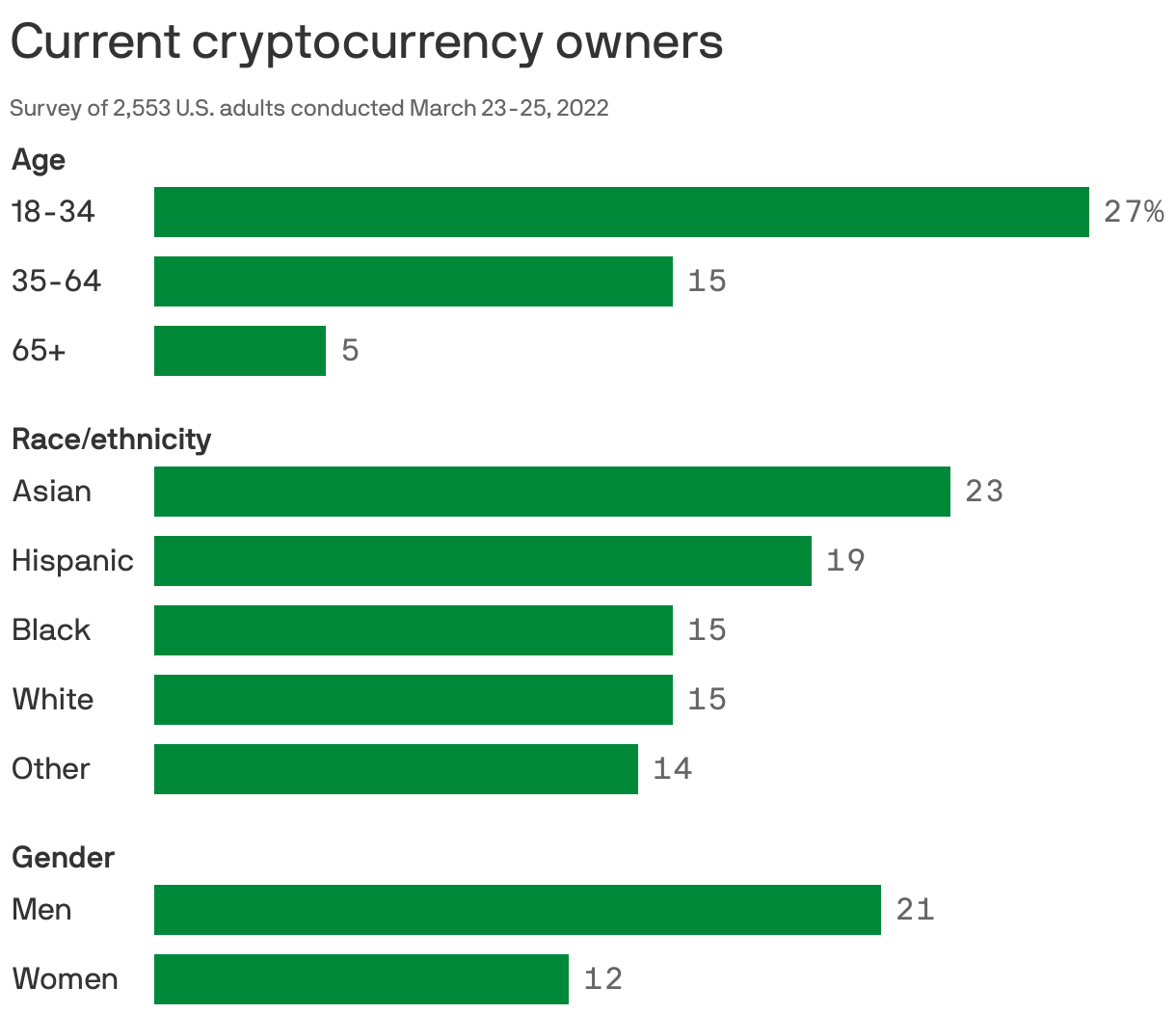
Most consumers are steering clear of cryptocurrency, but those buying it tend to be young, male and nonwhite, an Axios-Momentive poll found.
Why it matters: It's hard to avoid hearing about bitcoin and other digital currencies — there are more than 10,000 of them — but many people still consider them too risky or experimental.
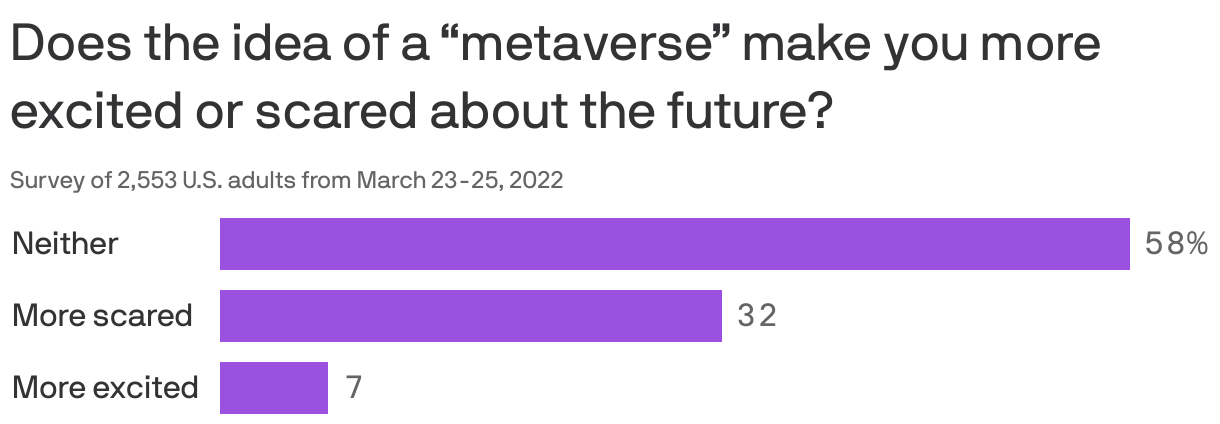
Consumers are still lukewarm about some of the buzziest tech trends out there, like the metaverse (which seems to elicit puzzled yawns) and the prospect of home delivery via drone, an Axios-Momentive poll found.
Why it matters: Although the companies propagating these technologies are unlikely to be discouraged by public indifference, the results suggest that consumer adoption may take longer than those companies hope.
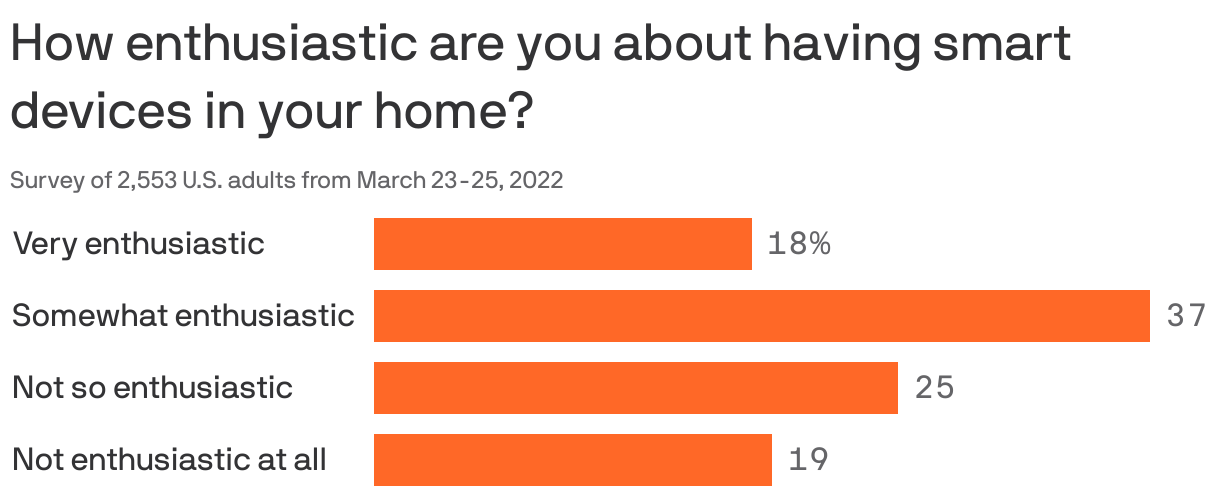
The transition to electric vehicles and smart home devices is proceeding quickly — despite some consumer jitters — as people discover they like the stuff once they buy it, an Axios-Momentive poll found.
Why it matters: The transition to “electric everything” will require ongoing investment and innovation. But consumers are already starting to appreciate some aspects of the home of the future.
More than 1 in 4 young American adults are invested in cryptocurrency — and it's people under 25 who express the most excitement about everything from electric vehicles to smart home technology, an Axios-Momentive poll found.
The poll was conducted in conjunction with Axios’ inaugural What’s Next Summit today. (Register here to watch virtually.)
Why it matters: Young consumers' enthusiasm about trending tech is reshaping mass-market preferences and lifting society toward a more sustainable, convenient and connected future.
Nearly 9 million people tuned into the Grammys on CBS on Sunday evening, according to preliminary Nielsen ratings reported by Variety, a very slight improvement from last year's pandemic low.
Why it matters: Prior to the pandemic, the Grammys had never seen a show drop below 20 million live viewers.