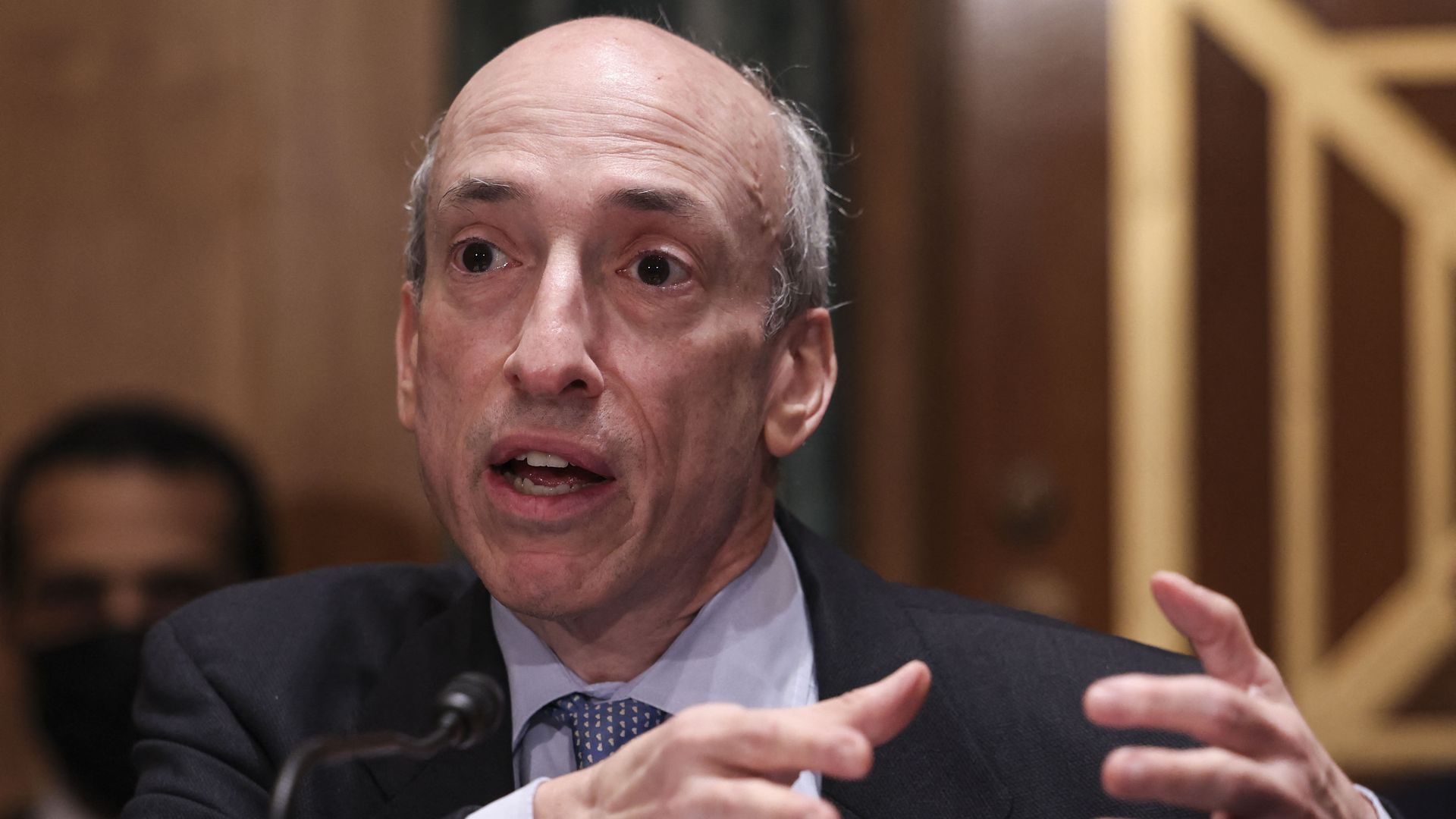
SEC Chair Gary Gensler has asked the staff at his agency to look into four new areas for potential new cryptocurrency regulation.
Why it matters: The White House instructed several agencies in March to develop more recommendations for governing the new industry, signaling that both blockchain's potential and its dangers are being taken seriously at the highest levels.
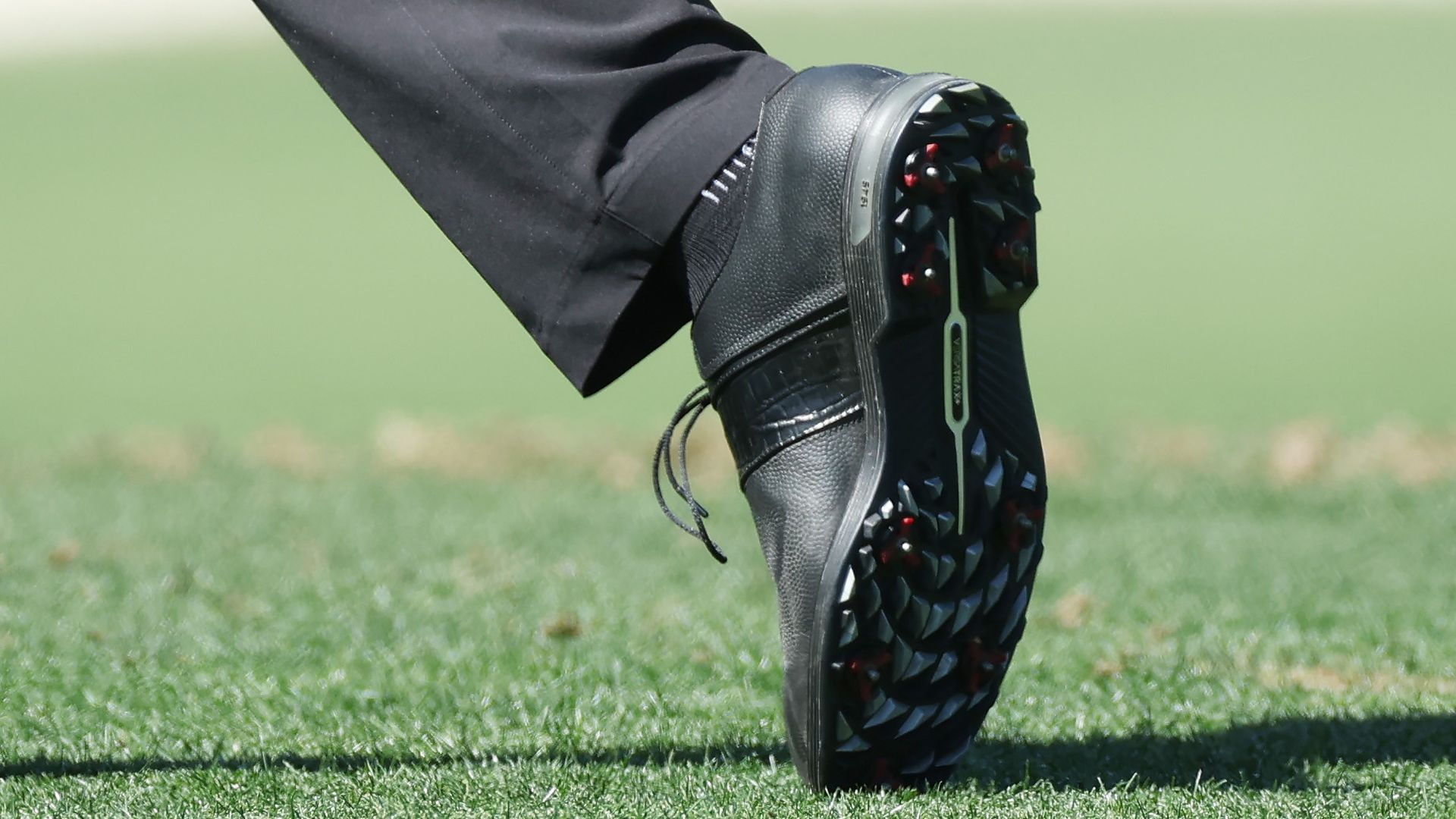
The Nike swooshisn’t quite right for Tiger Woods' feet this week — and it couldn’t be worse timing for the apparel brand.
The golf legend showed up to practice for the Masters at Augusta National Golf Club on Sunday in a pair of black FootJoy Premier Series-Packard golf shoes, CNBC reported.
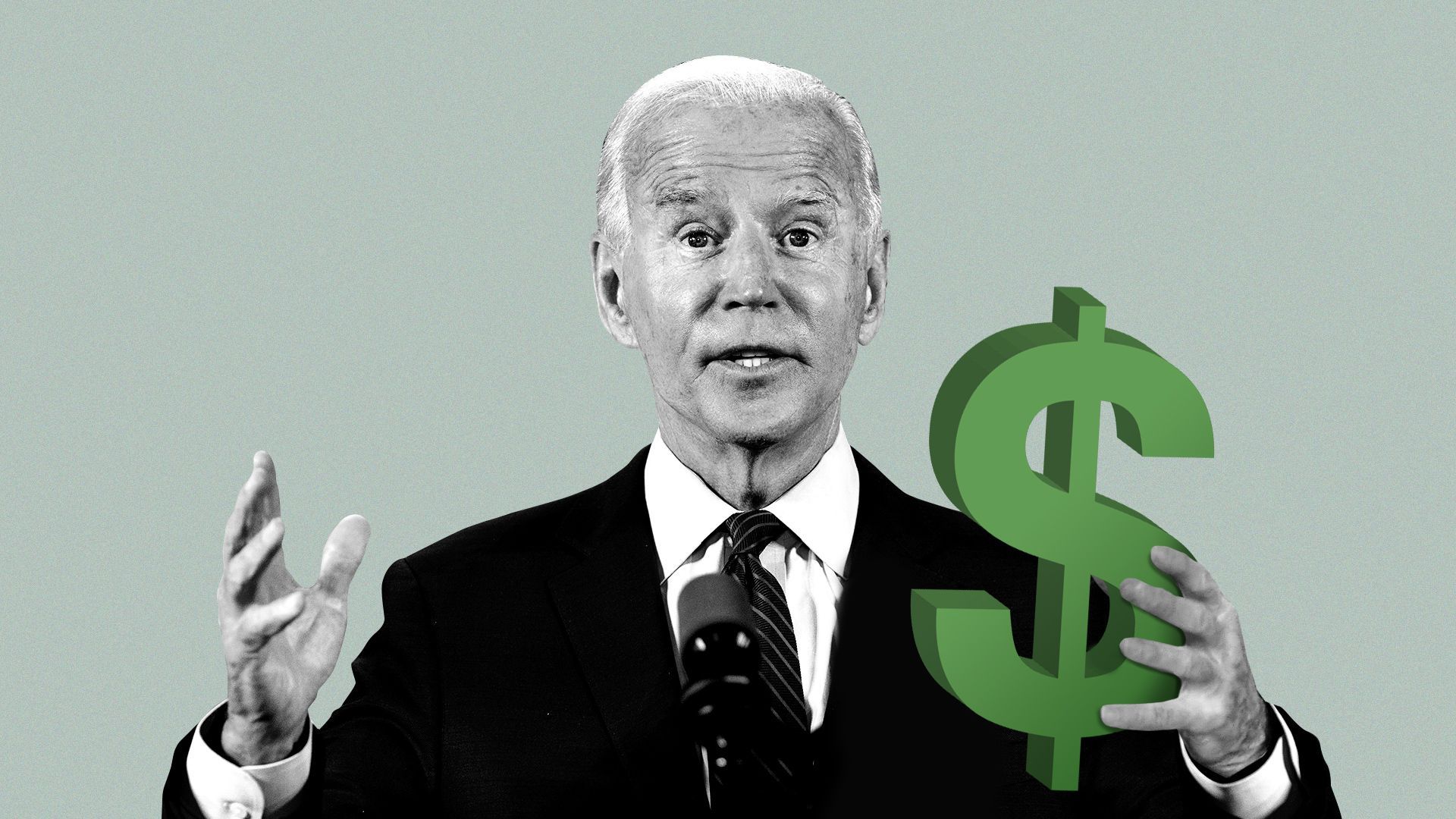
President Biden wants to go after crypto wealth as a way to help close the budget gap, figuring Uncle Sam could net $11 billion in new income through 2032 by modernizing accounting rules around the asset class, according to his budget proposal released March 28.
Why it matters: Giving crypto investors access to some of the same flexibility investors in older asset classes enjoy could signal the administration is inching toward welcoming blockchain firms into the mainstream financial system.
The U.S. is tied for 10th place, with India, in terms of how many of its people say they own crypto.
Why it matters: Crypto proponents have long argued that places with weak financial systems would benefit most from blockchain technology. While uptake outside the developed world has been slow, new data from the crypto exchange Gemini suggests that might be changing.
Morningstar has agreed to buy Leveraged Commentary & Data from Standard & Poor's and will integrate the private debt data giant into its PitchBook subsidiary.
Why it matters: Private equity relies heavily on investment data, and firms pay big to the small handful of companies that can deliver it consistently and efficiently. Today, that universe is shifting.
Despite a sharp rise in mortgage rates, U.S. housing market activity continues to sizzle, and — at least through March — generate a juicy slab of new jobs each month.
The big picture: There are now nearly 1.8 million people working in real estate services, more than before the pandemic hit.
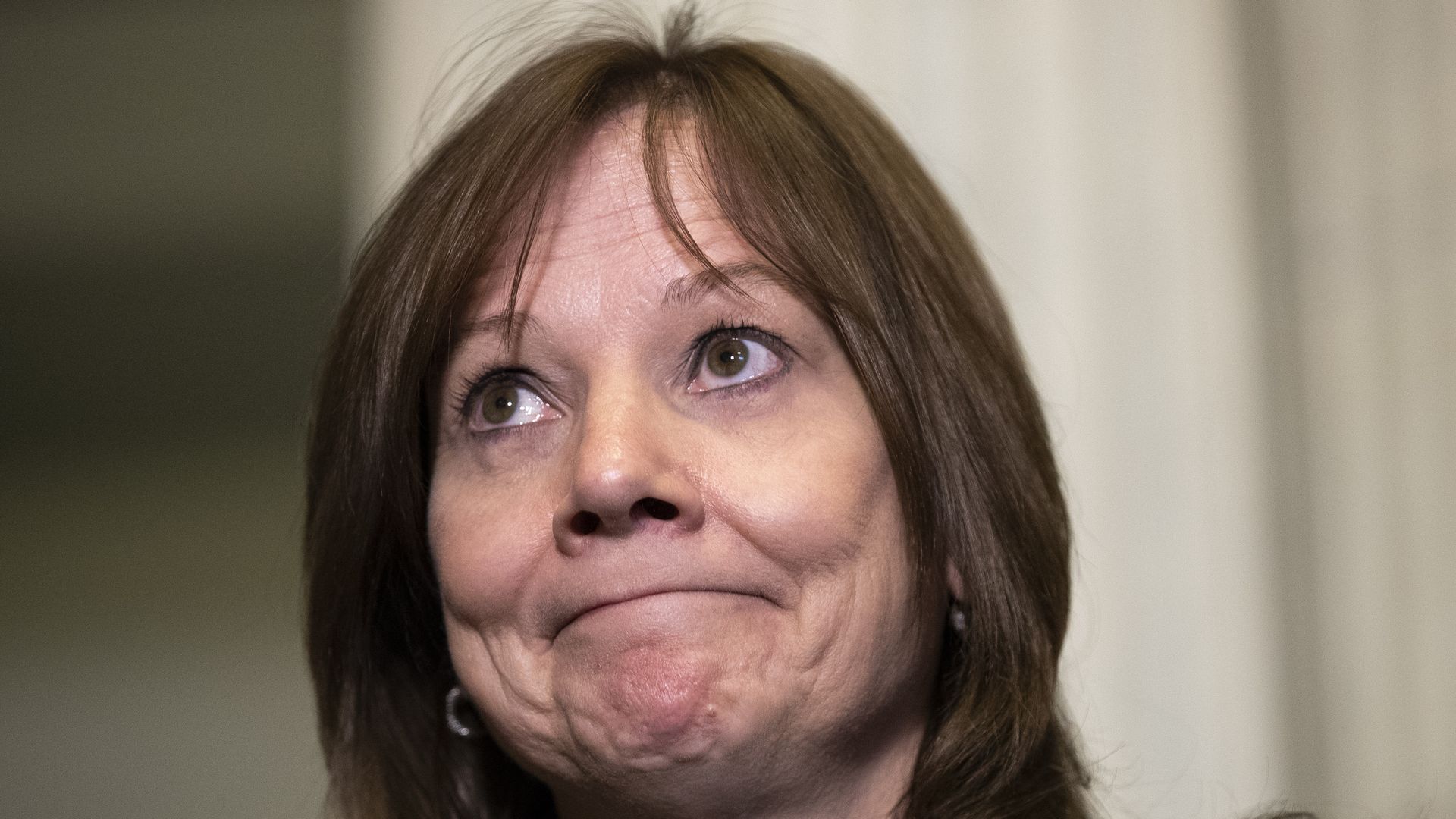
Back whenGeneral Motors CEO Mary Barra was an HR executive at the automaker, she revised the dress code from several pages to two words: Dress appropriately.
Back then there was some agreement on what that meant.
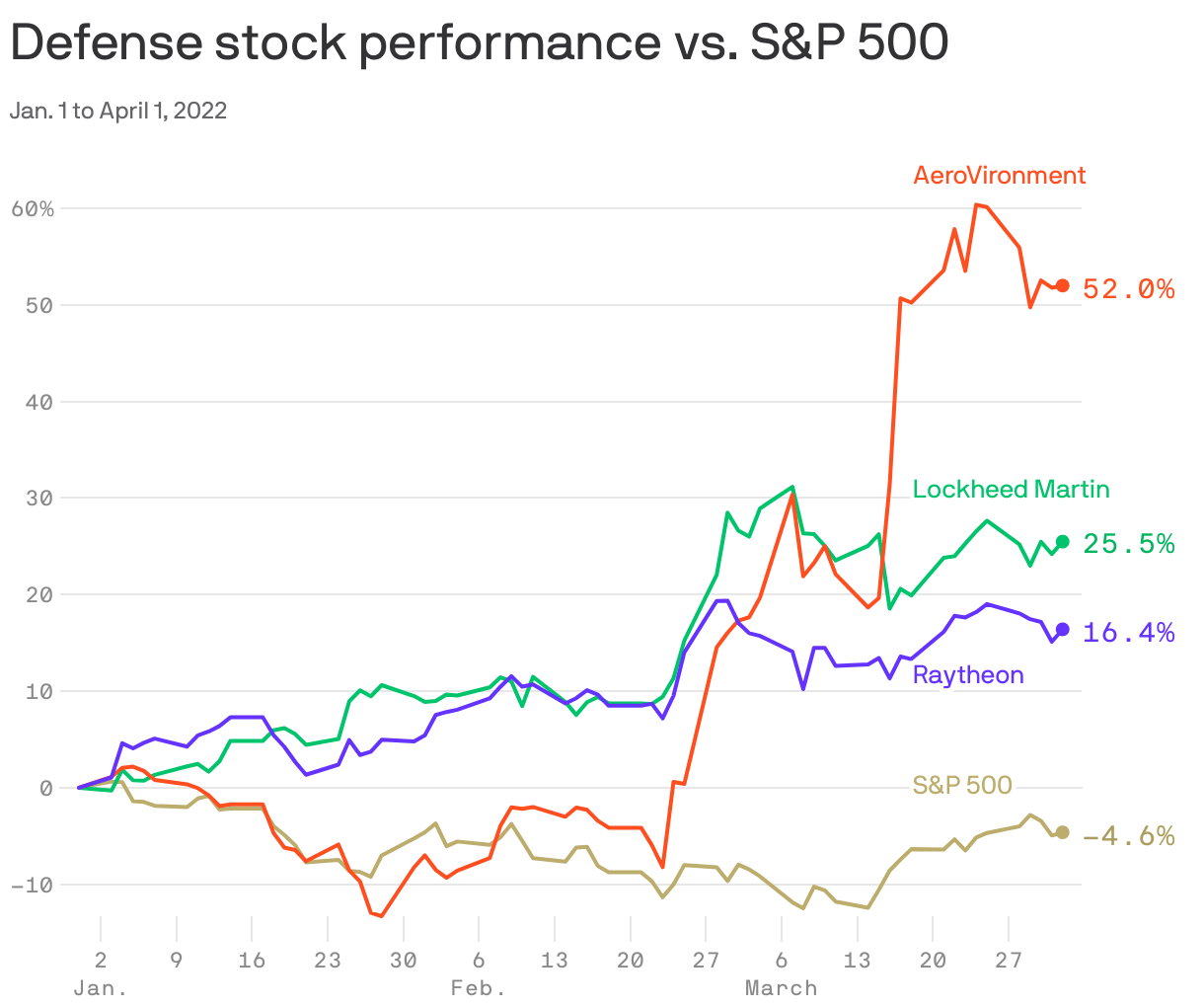
The Russia-Ukraine conflict is changing the conversation around investing in the business of defense.
Why it matters: Defense contractors are polarizing, and often take heat for profiting from armed conflicts. But Eastern Europe's turmoil underscores the dirty but necessary work of waging war and appears to be thawing investor attitudes toward the sector.
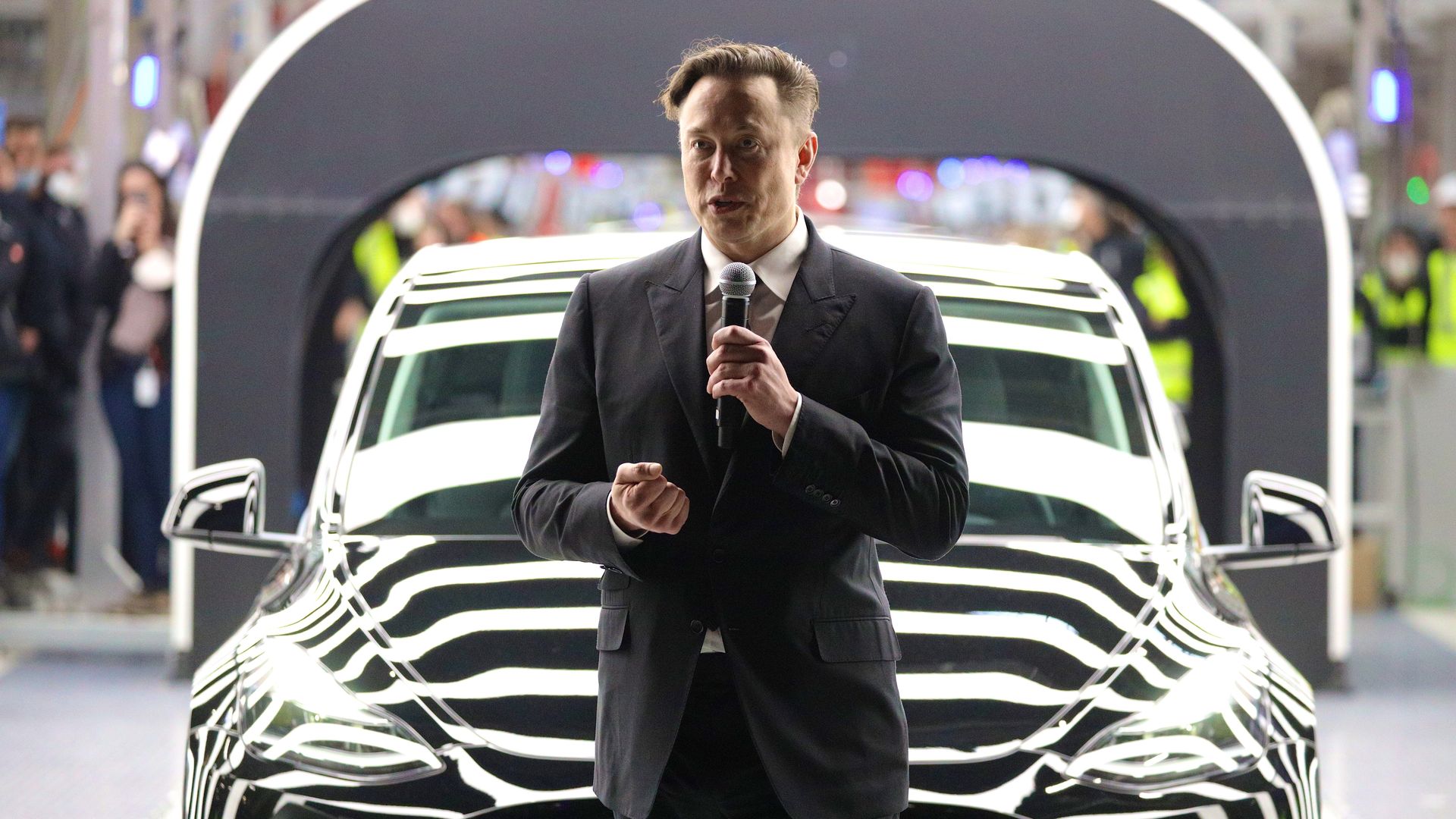
Elon Musk has bought a 9.2% stake in Twitter, according to a regulatory filing published Monday by the Securities and Exchange Commission.
Why it matters: Musk recently told his around 80 million Twitter followers he's giving "serious thought" to building a social media platform to rival Twitter, which he criticized for "failing to adhere to free speech principles."
JPMorgan Chase chairman and CEO Jamie Dimon writes in his annual letter to shareholders, which is closely read on Wall Street, that consequences of the war in Ukraine could affect the world for decades.
"America and the rest of the world are facing the confluence of three important and conflicting forces," Dimon writes:
The European Union announced Monday it's working on further sanctions against Russia's government "as a matter of urgency" following allegations that Russian forces committed war crimes in Bucha and elsewhere in Ukraine.
What they're saying: The EU's foreign policy chief, Josep Borrell, said in a statement that the 27-nation bloc "condemns in the strongest possible terms" the "reported atrocities."
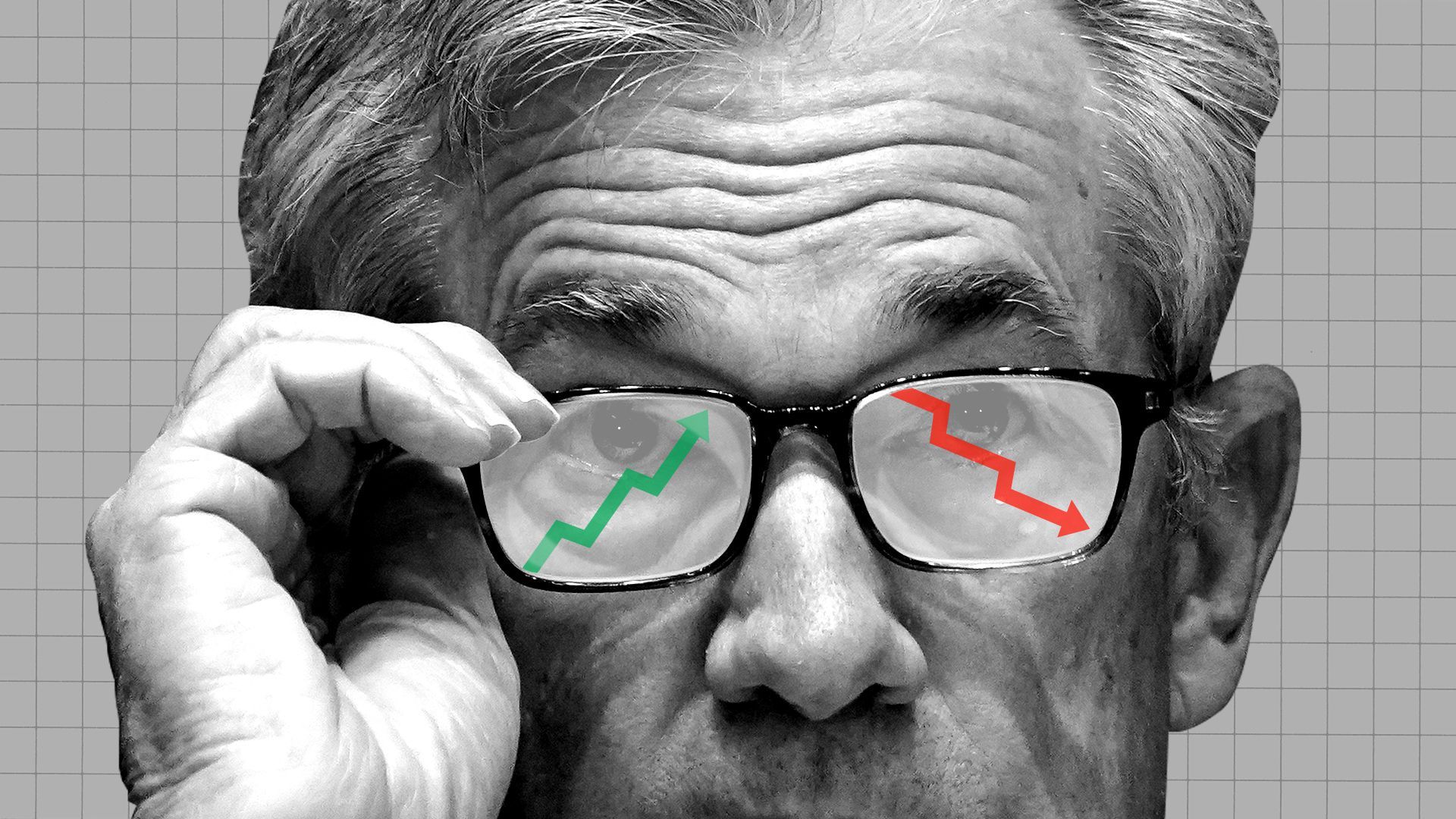
A riddle: When does a report showing a booming job market cause recession alarm bells to start clanging?
The answer is when exceptional jobs growth leads bond investors to bet that the Federal Reserve will raise rates so aggressively to quash inflation that it will be forced to reverse course later. That's what happened Friday.
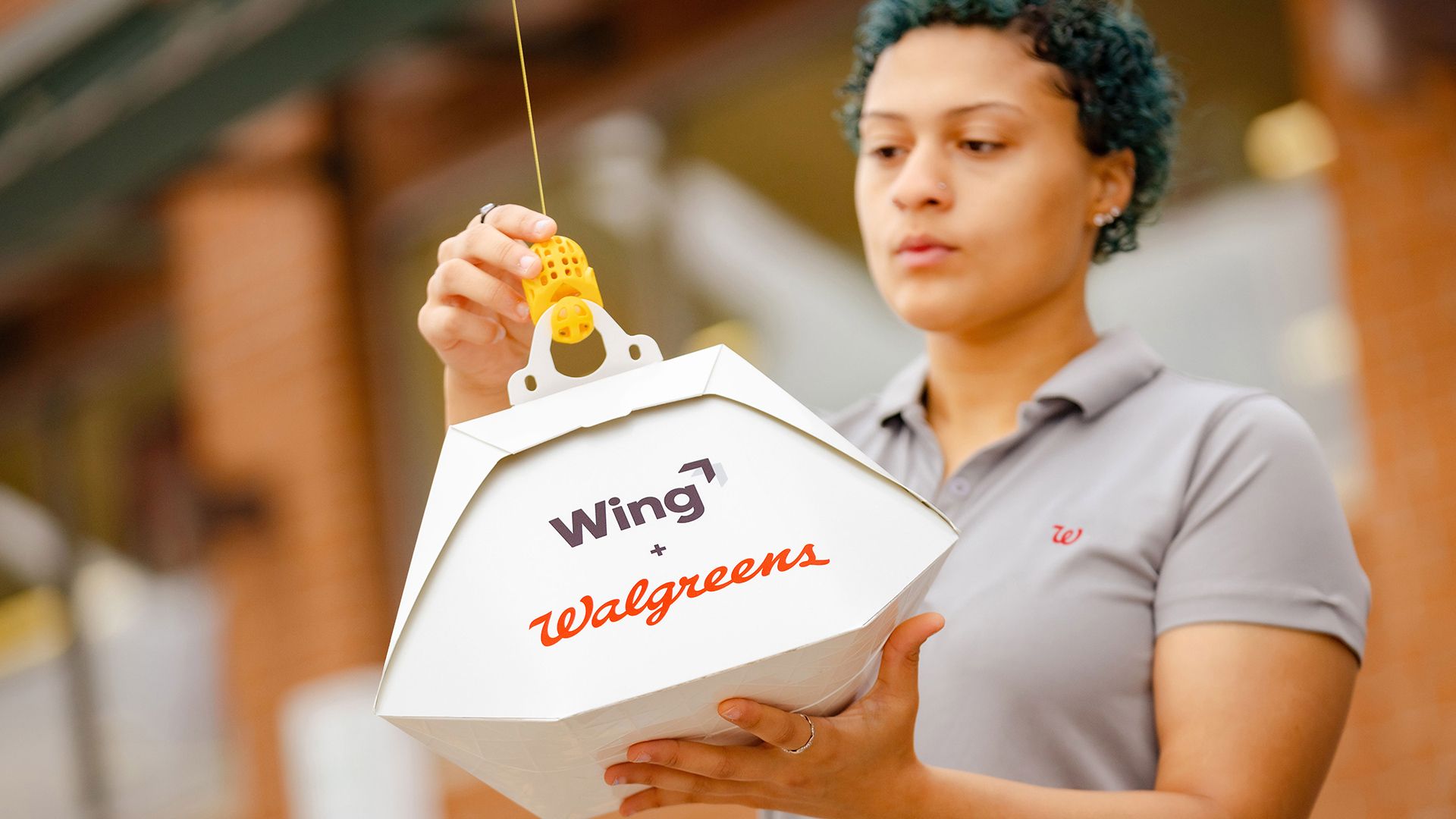
The first commercial drone delivery service in a major U.S. metropolitan area will launch this week in suburban Dallas, where Google-owned Wing will begin delivering items from Walgreens and a few other partners.
Why it matters: Until now, drone delivery trials have been limited to small towns and rural areas, which are less congested. But Wing aims to prove it can provide on-demand deliveries in more complex urban settings as well.
The launch marks a new, "more scalable" approach for drone delivery, says Wing.
The company will partner with retailers, staging its drones at their stores so they can deploy their own dedicated fleet from their parking lot, roof or nearby spaces.
Store employees will fill customer orders, then use a tablet to summon the drone and step outside to clip the package to the drone's tether.
Wing employees will oversee the delivery from a remote location.
Details: The service, operating from a Walgreens in Little Elm, begins Thursday for "tens of thousands of suburban homes" in that town and parts of Frisco (the fastest-growing city in the U.S., according to U.S. Census Bureau data).
The drones can serve up to a 6-mile radius, but Wing says it will start with a few neighborhoods and gradually expand.
Wing's new operation begins just a few days after Flytrex, an Israeli-based drone company, said it would begin making restaurant deliveries in Granbury, near Dallas.
Fun fact: Aside from health and wellness products from Walgreens, prescription pet medications from easyvet and first-aid kits from Texas Health, Wing's drones will also deliver pints of ice cream from Blue Bell Creameries.
Wing assures Axios that delivery is so fast the ice cream won't melt in the hot Texas sun.
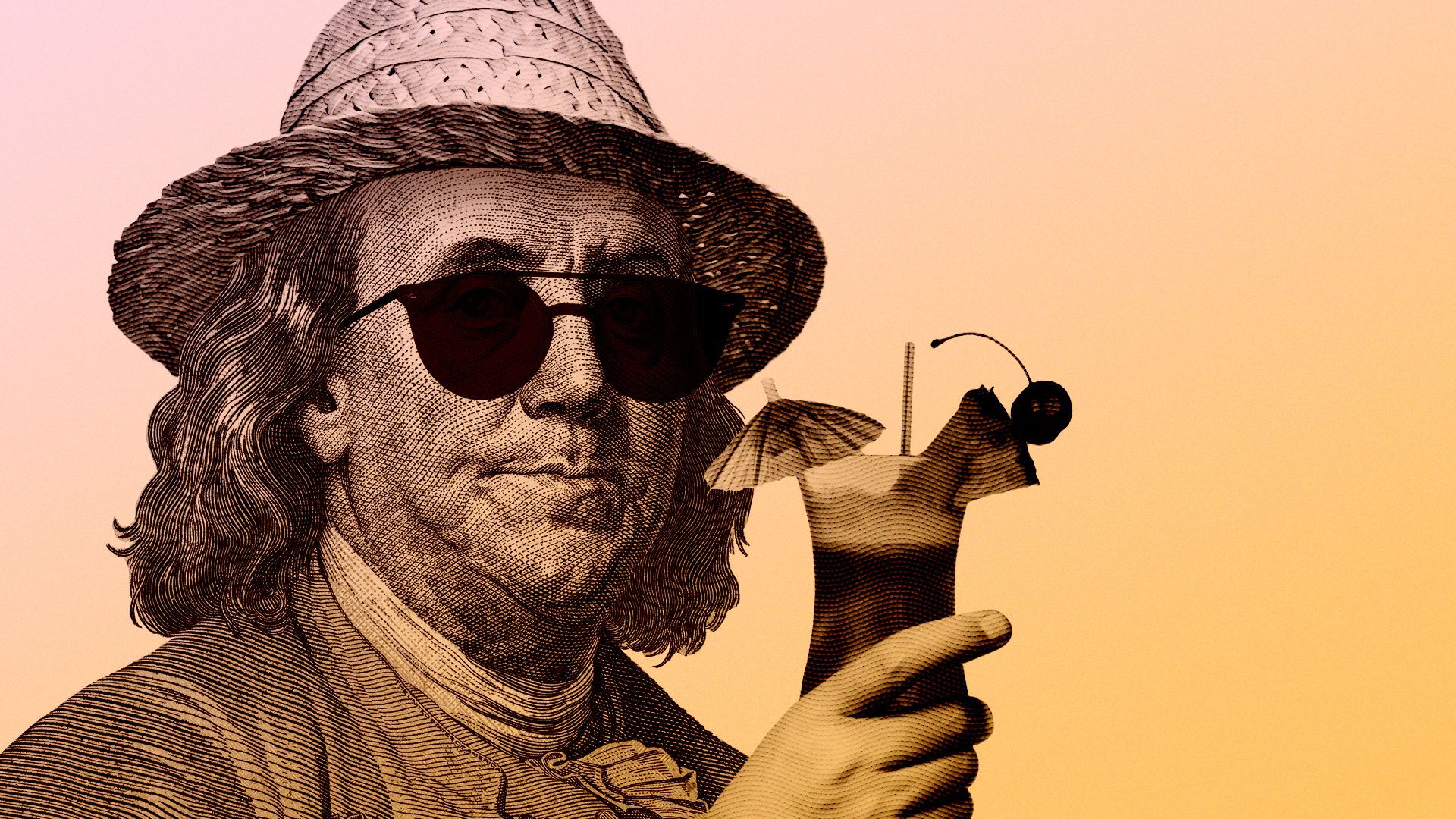
After two years of pandemic-related cancellations, Americans are splurging on "revenge travel" to make up for lost time, treating themselves to premium airfares, nicer accommodations and longer stays.
Why it matters: Even though inflation is making everything more expensive — and there's the risk of a widening conflict in Europe — travelers nevertheless are tired of putting their plans on hold and are seeking retribution against COVID-19 and its grip on their lives.
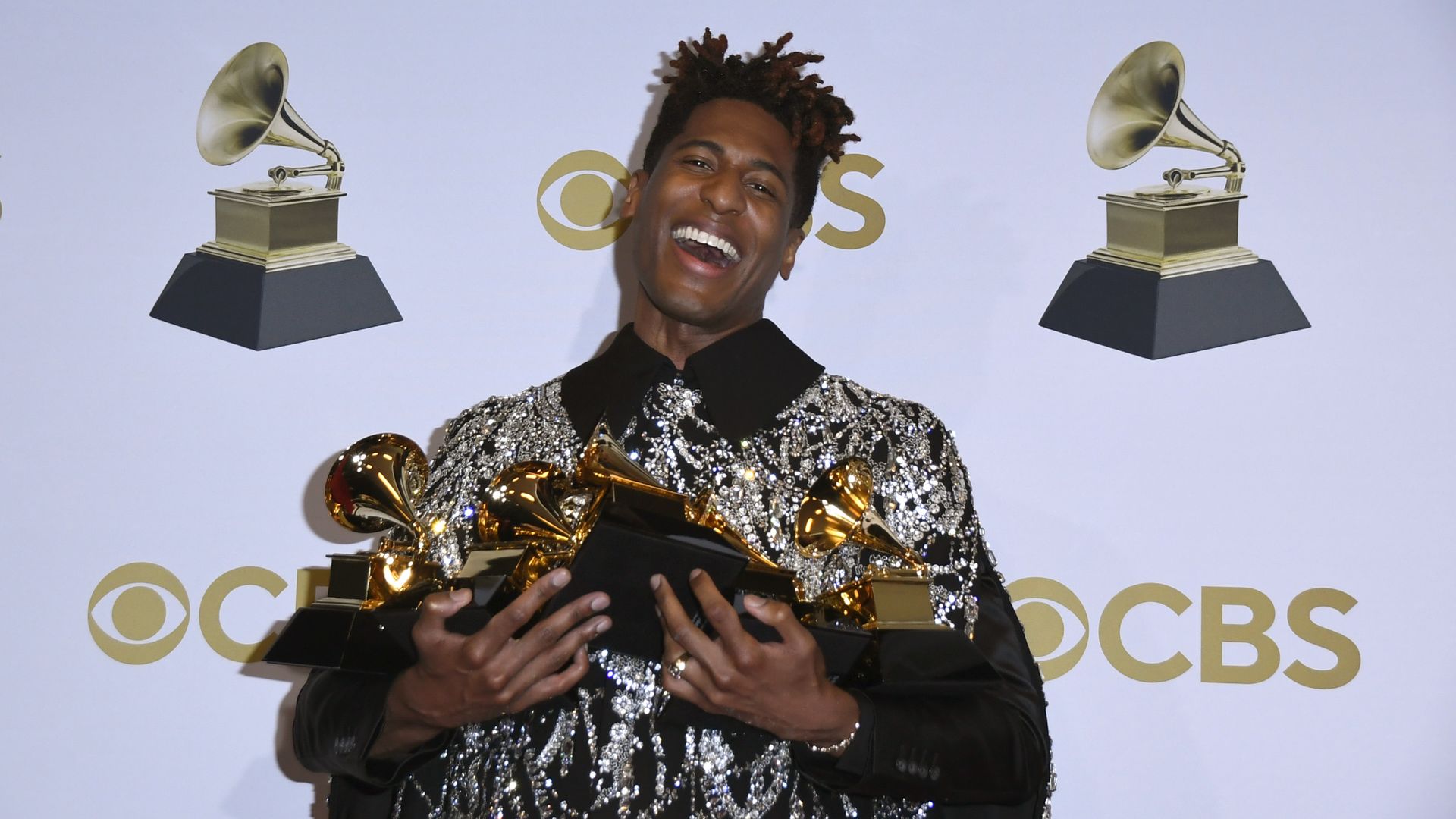
With roughly two dozen live performances packed into a 3.5 hour event, the 64th annual Grammy Awards — which aired live Sunday on CBS and Paramount+ — felt more like an extended concert than a buzzy awards show.
Why it matters: With more music and less talking, the Grammys avoided the kind of drama that sucked up all of the attention at last week's Oscars.