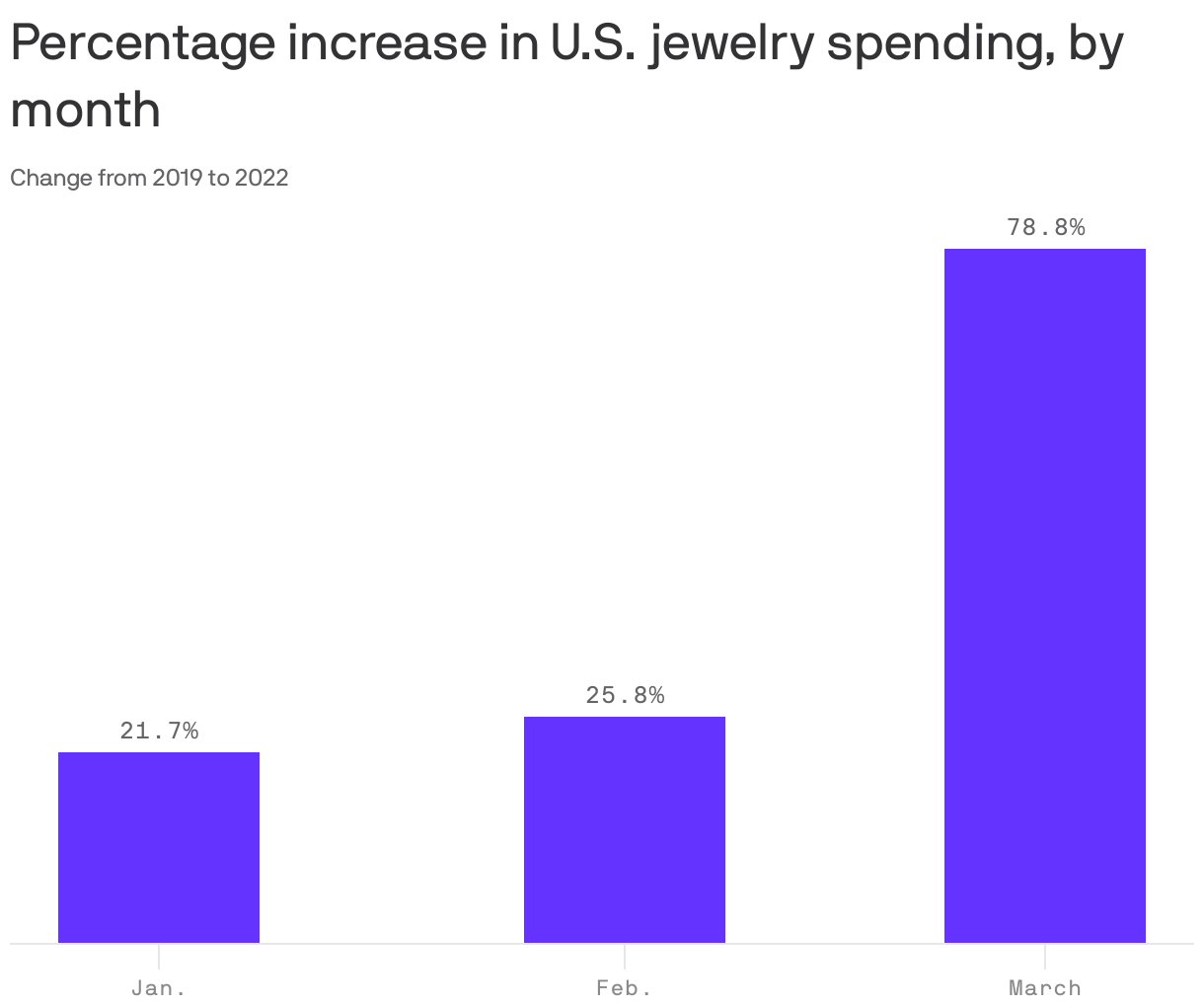
Bring back the bling. Americans are ready to get fancy again, as jewelry sales are humming.
By the numbers: Sales rose 78.8% in March compared with pre-pandemic March 2019, according to MasterCard SpendingPulse data released today.
The big picture: Consumers had already been buying jewelry at elevated levels during the pandemic, some apparently wanting to look good on camera in the Zoom age.
But 2022 is poised to be the year many Americans go back to the office, and it's expected to be a record year for weddings. Hence the need for bling.
Our thought bubble: Anything that makes you feel invigorated again sounds like a good way to go.
Parents and caregivers looking for baby formula are facing increasingly dire shortages owing to supply chain challenges and a massive recall.
29% of baby formula inventory was out of stocknationallythe week of March 13, up from 18% when the year started and 3% a year earlier, according to data analyzed for Axios by consumer product data analytics firm Datasembly.
A trio of clean-energy players are enabling the nation's largest competitive wholesale electricity market to reduce load by expanding demand-response to residential customers' thermostats.
Why it matters: Demand-response programs can help utilities and others avoid costly upgrades by enabling them to rein in demand at peak times.
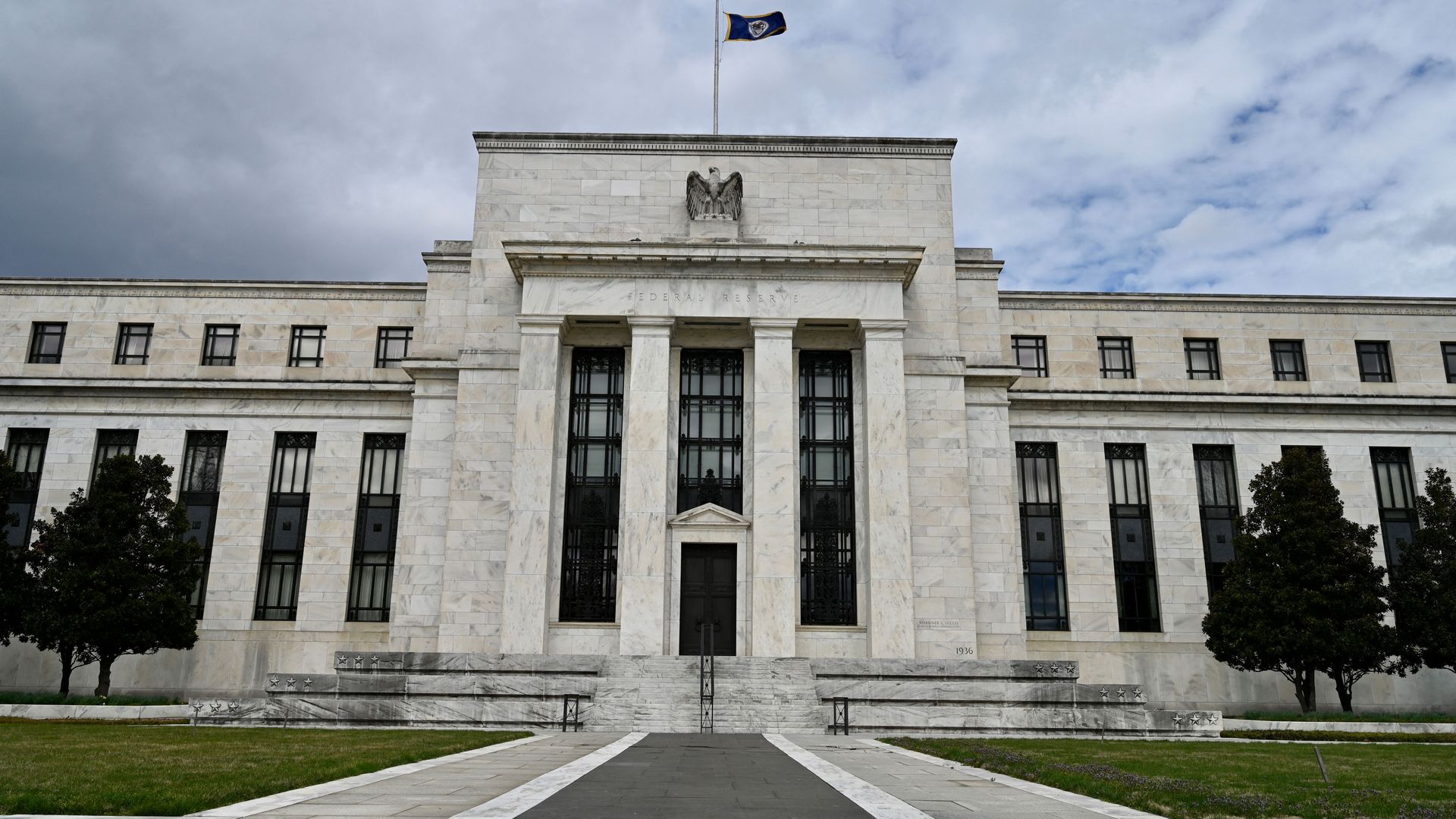
Federal Reserve officials envision shrinking their massive portfolio of bonds acquired during the pandemic at a rate of $95 billion a month, according to new minutes that show the central bank intends to move "expeditiously" from an era of ultra-easy money.
Driving the news: Newly released minutes of the central bank's policy meeting that concluded March 16 show strong internal consensus that the Fed needs to move more quickly than it has in the past to tighten monetary policy and fight inflation.
First Look Media, the parent company to The Intercept, is laying off 20 people, according to a note to staff obtained by Axios and a source familiar with the situation.
Why it matters: In the note, the company’s CEO attributes the cuts to pandemic-related setbacks.
Near just secured a new $350 million investmentfrom heavyweight investors, representing a giant bet on fast blockchains and a potential future challenge to Ethereum, the world's second-largest blockchain.
Why it matters: Well, that's a lot of money, right? It's a bet on super fast and cheap transactions in a decentralized fashion.
Bitcoin has always claimed the potential to compete with the existing global financial rails, but the trouble is people don't want to transact in bitcoin — they want to transact in dollars. Lightning Labs has raised $70 million to build Taro, a way for bitcoin to do dollars (and euros, and yen, and so on).
Why it matters? Lightning Labs is a leading developer of the Lightning Network, a layer on top of Bitcoin. It raised the funds to build Taro, a way for all kinds of assets to move more quickly and cheaply using bitcoin than with existing financial rails — at least that's the pitch.
JetBlue (Nasdaq: JBLU) on Tuesday made an unsolicited $3.6 billion takeover bid for Spirit Airlines (NYSE: SAVE), which previously agreed to merge with fellow low-cost carrier Frontier (Nasdaq: ULCC).
The all-cash bid is at a 33% premium to Frontier's cash-and-stock offer.
Fast, the one-stop checkout startup valued last year at over $500 million, on Tuesday came to a screeching halt. No down round. No belt-tightening. Just a straight-out shutdown.
Why it matters: Around 450 people lost their jobs, and investors like Stripe, Addition and Index Ventures lost around $120 million (depending on if any value can be recouped via asset sales).
Sky Mavis, the crypto gaming studio behind Axie Infinity, raised $150 million to reimburse users affected by the recent Ronin Bridge hack.
Why it matters: Ronin was one of the largest crypto thefts in history, totaling over $600 million, and this appears to be the first time a hacked crypto company has raised outside funding to make users whole.
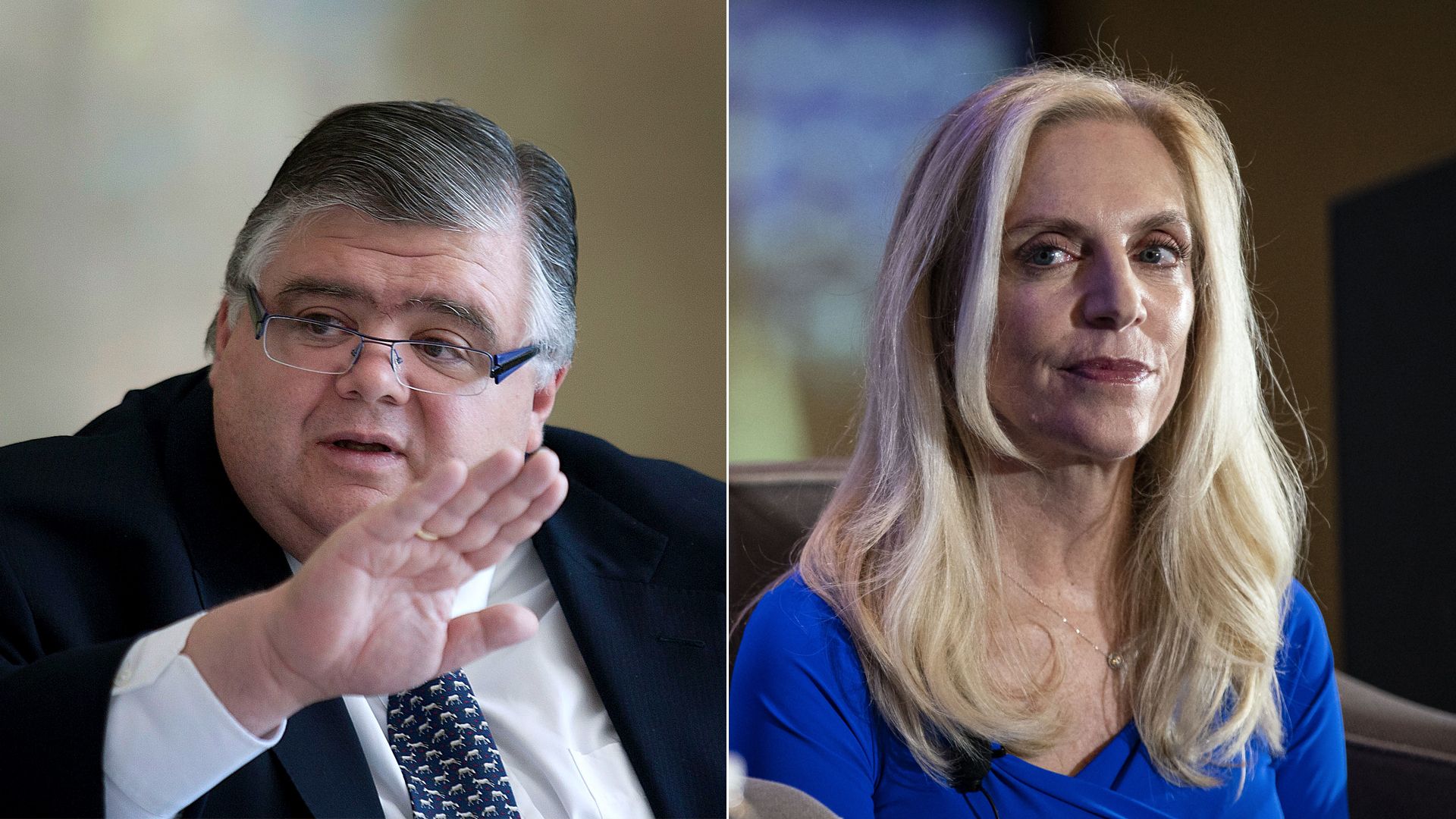
Inflation has risen to multidecade highs in the U.S. and large parts of the world. The reckoning over why it happened and what central bankers should do about it is only beginning.
That's the takeaway from two speeches delivered Tuesday on opposite sides of the Atlantic, both of which make clear the pressure facing central banks to clean up a mess they helped create.
Amazon workers' historic win last week in New York may wind up spurring union growth around the country after decades of decline, at a time when a tight labor market is empowering workers in ways that once seemed impossible.
The big picture: A remarkable confluence of factors — including a pro-labor White House, once-in-a-century pandemic and a super tight labor market — helped Amazon workers in Staten Island achieve a David and Goliath union victory, with almost no backing from traditional institutional labor.












/2022/04/06/1649254103576.gif?w=3840)