The pandemic has fueled a surge in online shopping, even for vehicles.
Driving the news: Carvana, the online seller of used cars, is expected to become the seventh largest U.S. retailer by online sales value this year, jumping the likes of Costco and Wayfair, according to a new report.
A key ingredient in bread, cereal and baked goods is facing the prospect of supply disruptions as Russia barrels down on Ukraine.
Why it matters: Russia and Ukraine were two of the top five largest exporters of wheat before the pandemic, leading experts to fear that a war could disrupt supplies at a time when the market for the agricultural commodity is already stressed.
It’s not exactly a drive-thru. More like a drive-up.
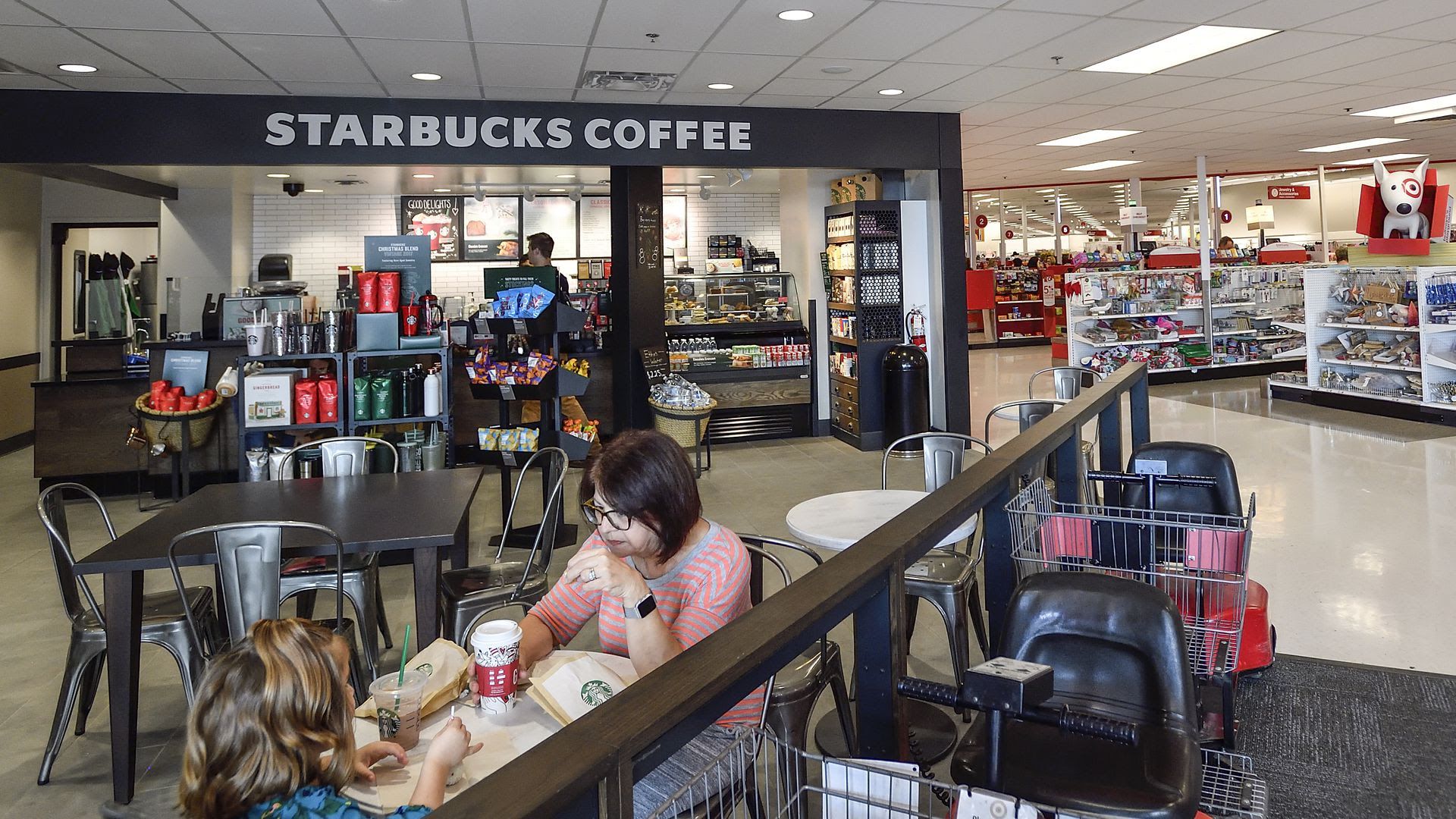
What’s happening: Target plans to test a new curbside pickup feature allowing customers to order Starbucks items alongside the rest of their online purchases.
Target will no longer require employees or shoppers to wear masks indoors unless it's to comply with local regulations, the company announced in an update on its website Monday.
Driving the news: The company said in a statement it will "continue to monitor trends in COVID-19 cases, public health data and guidance from public health experts moving forward."
Revel, a New York-based company best known for its rentable, bright blue electric mopeds, has raised $126 million in Series B funding led by Blackrock.
Why it matters: Investors are betting that Revel can build a successful business where others haven't done so well, or have taken a drastically different approach — namely operating mopeds at scale, and a ride-hailing service that employs its drivers. Oh, and it's also running electric car charging stations.
It's increasingly harder to believe that anything can temper the flow of capital into private tech companies with their ballooning valuations — even the recent market sadness doesn't seem to have made a dent if you look at the latest figures.
Driving the news: Per Crunchbase's latest numbers, there are now 1,200 so-called unicorns (valued at $1 billion or more) globally, almost doubling the net count of 650 at the end of 2020.
LinkedIn is piloting its own podcast network from top creators. The network will include original podcasts from LinkedIn's news team.
Why it matters: It's the latest investment the company is making to lure professional creators to its platform. The company launched a global creator program last year.
Spotify on Wednesday debuted its first "bookcast" — an audio experience that blends story narration with original music and sound. The premier bookcast features Dolly Parton and James Patterson, who together reimagined their book "Run, Rose, Run" in the new format.
Why it matters: The deal shows that Spotify can still ink major celebrity creator partnerships, despite drama over the past month about the way it moderates content on its platform.
Cryptocurrency exchange FTX wants to take its marketing beyond headline-grabbing sports deals with the hiring of beauty entrepreneur Lauren Remington Platt as its new head of global luxury partnerships.
Why it matters: For crypto to continue to enter the mainstream, it'll need to get in front of more audiences.
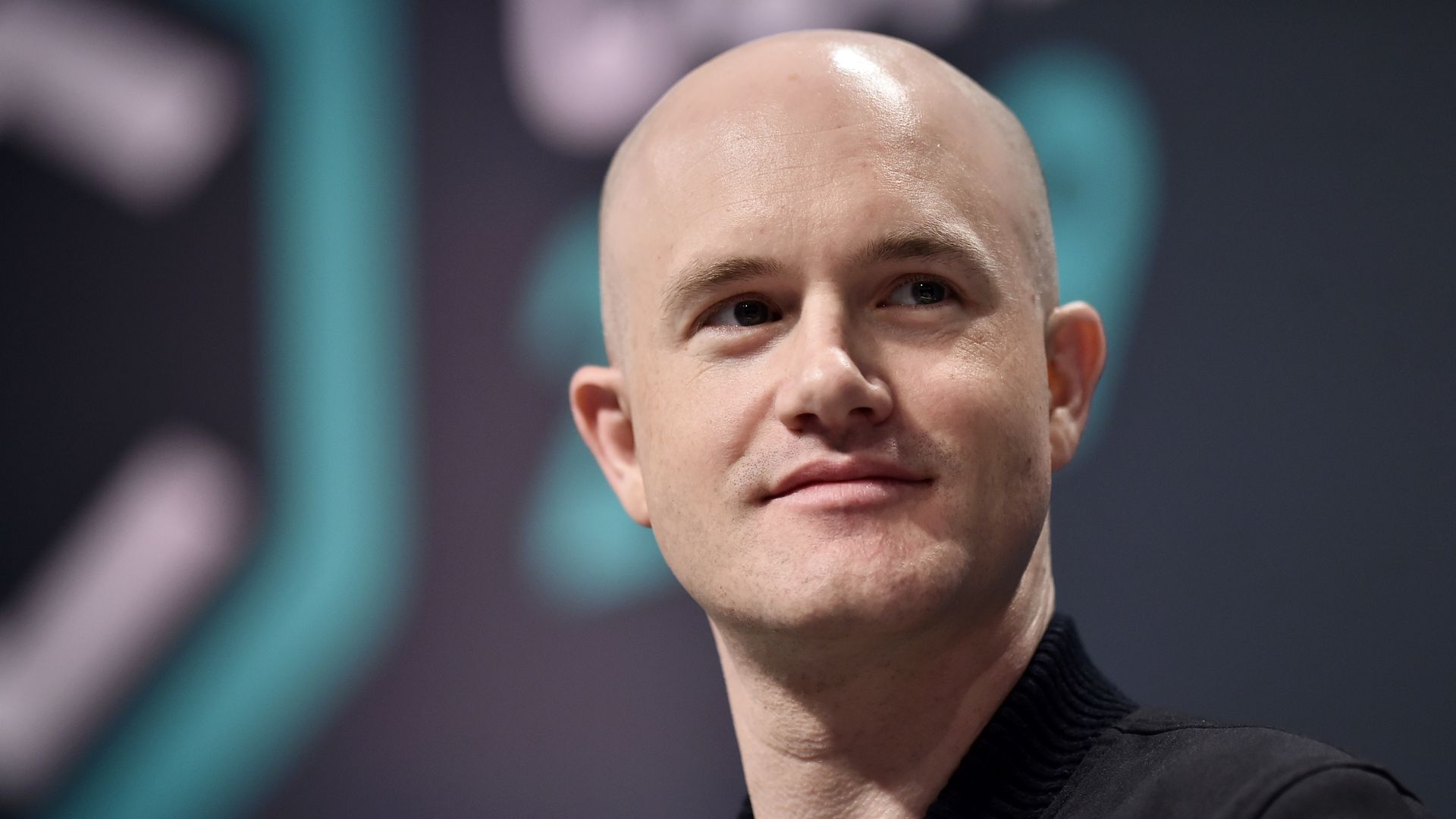
Coinbase got a lot of attention — and new users — after running that Super Bowl ad of a QR code bouncing around the screen.
Yes, but: On Monday night, the cryptocurrency exchange's marketing win lost a little luster, after CEO Brian Armstrong fumbled a Twitter thread bragging about the origins of the ad spot.
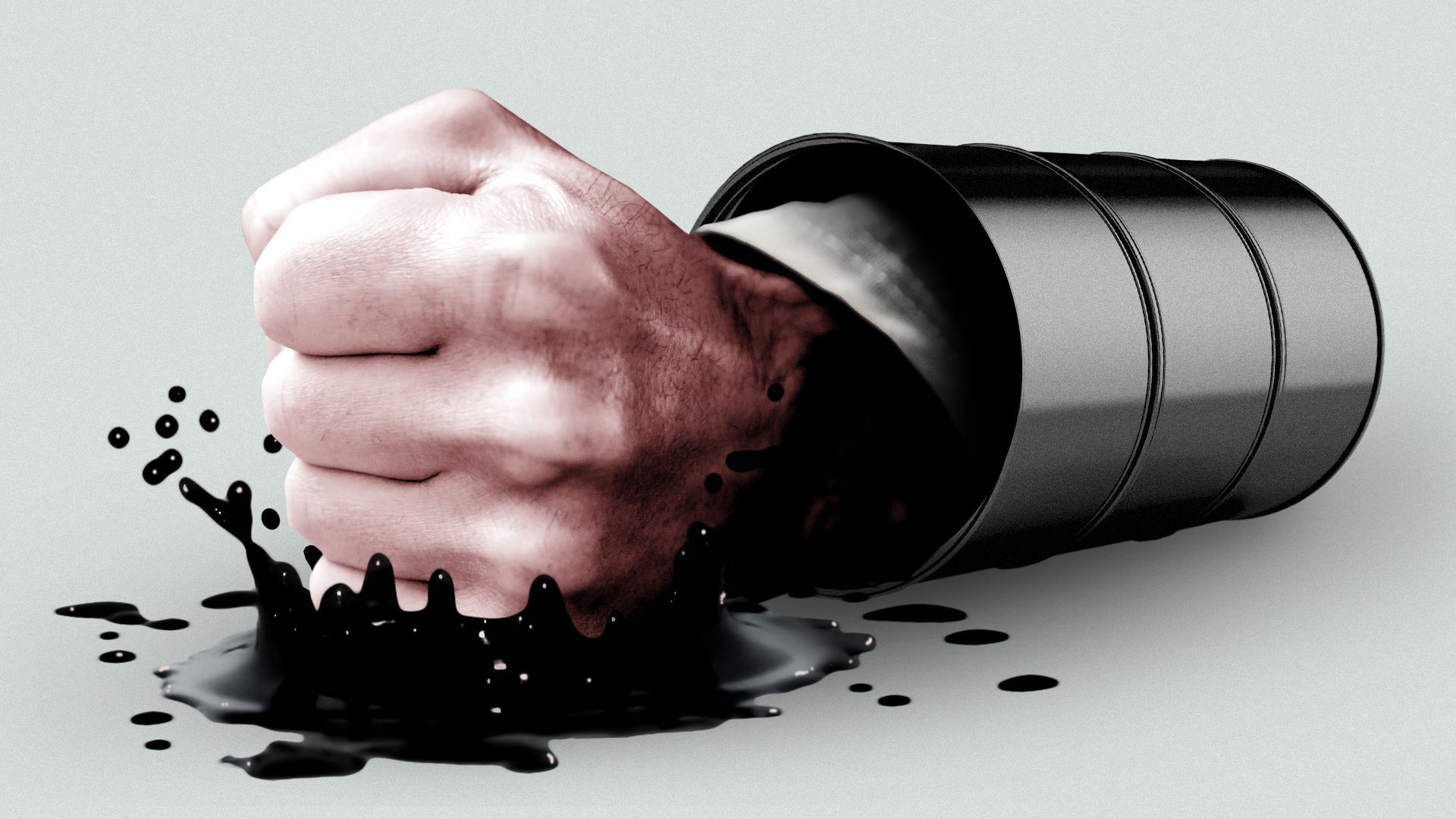
Russia's invasion of Ukraine could mark the start of a new era of petro politics, an uncomfortable parallel to the last inflationary period America faced.
Why it matters: Americans are likely to continue to face rising energy prices in the coming months, as Russia — the world's third-largest crude oil producer and largest natural gas producer — faces the prospect of sanctions.
As the economy recovered from Omicron-related disruptions this past month, Americans became less fearful that they could lose their jobs or see their hours reduced.
Yes, but: Those concerns receded a lot more for higher-wage workers than they did for those making less than $50,000 per year, new data from the Morning Consult/Axios Inequality Index shows.
Tech companies were among the first to send workers home, and they're likely to have vast numbers of jobs that can be done fully remotely — but they're still betting that offices will be the future.
Stunning stat: Tech companies held 36 of the 100 biggest office leases in 2021, up from 18 in 2020, per a new CBRE analysis.
The big cities on the coasts don't crack the top nine metros leading the post-pandemic jobs recovery, according to a new report from the Economic Innovation Group.
The big picture: Superstar metros such as New York, Los Angeles, San Francisco and D.C. are still magnets for job growth and talent, but a slew of smaller cities are joining their ranks.
Demand for "green talent" is expanding across all industries — not just in what we think of as environmental sectors — but there aren't enough workers with the skills to fill those positions, according to new research from LinkedIn.
Why it matters: Companies and government leaders will need to step up efforts to equip workers with the skills needed to help employers be more environmentally friendly and achieve their ambitious climate goals.
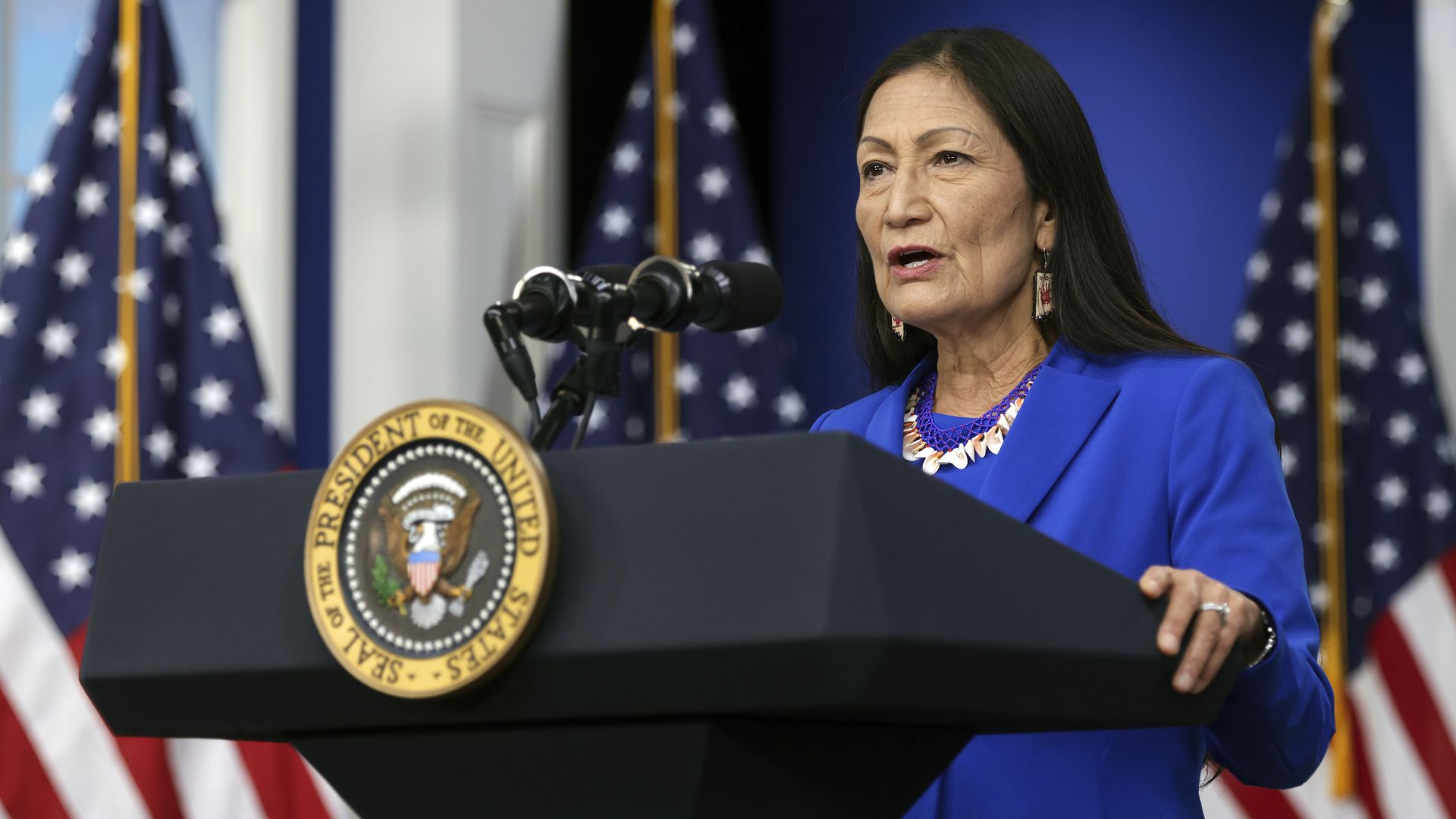
The Biden administration asked a court Tuesday to send a Trump-era permit approval for an Alaska mining road running through Indigenous territory back to the Interior Department for further analysis of its environmental impacts.
Why it matters: "The Interior Department is asking the court to remand the right-of-way decision to the agency to correct the significant deficiencies we have identified in the underlying analyses," the department said in an emailed statement.
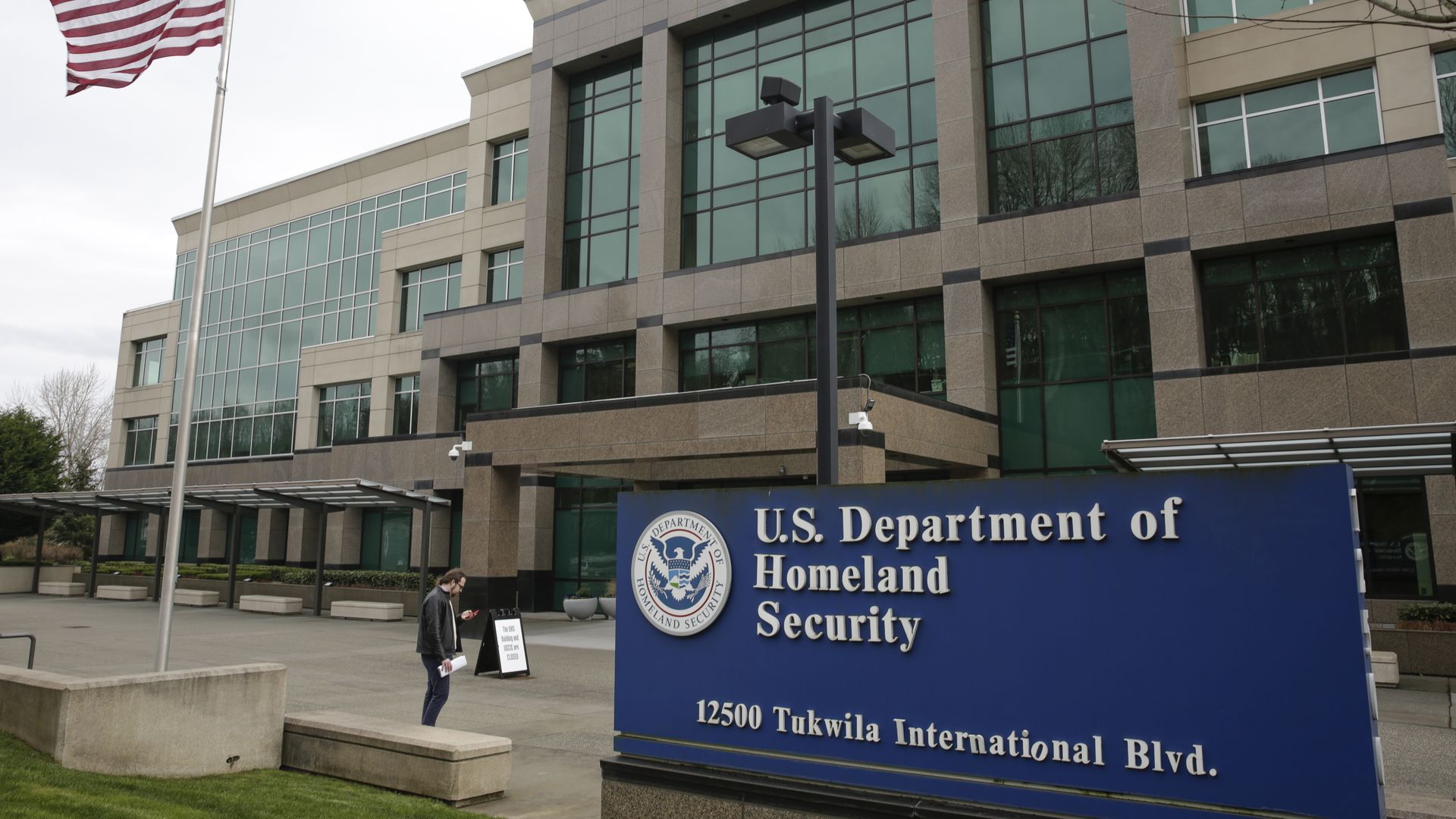
The Department of Homeland Security warned on Tuesday that U.S. organizations at all levels could face cyber threats stemming from "the potential for the Russian government to consider escalating its destabilizing actions" beyond Ukraine.
Driving the news: As part of what it's calling, "Shields Up," the Cybersecurity and Infrastructure Security Agency is encouraging businesses, agencies and other organizations to make sure their "most critical digital assets" are protected.