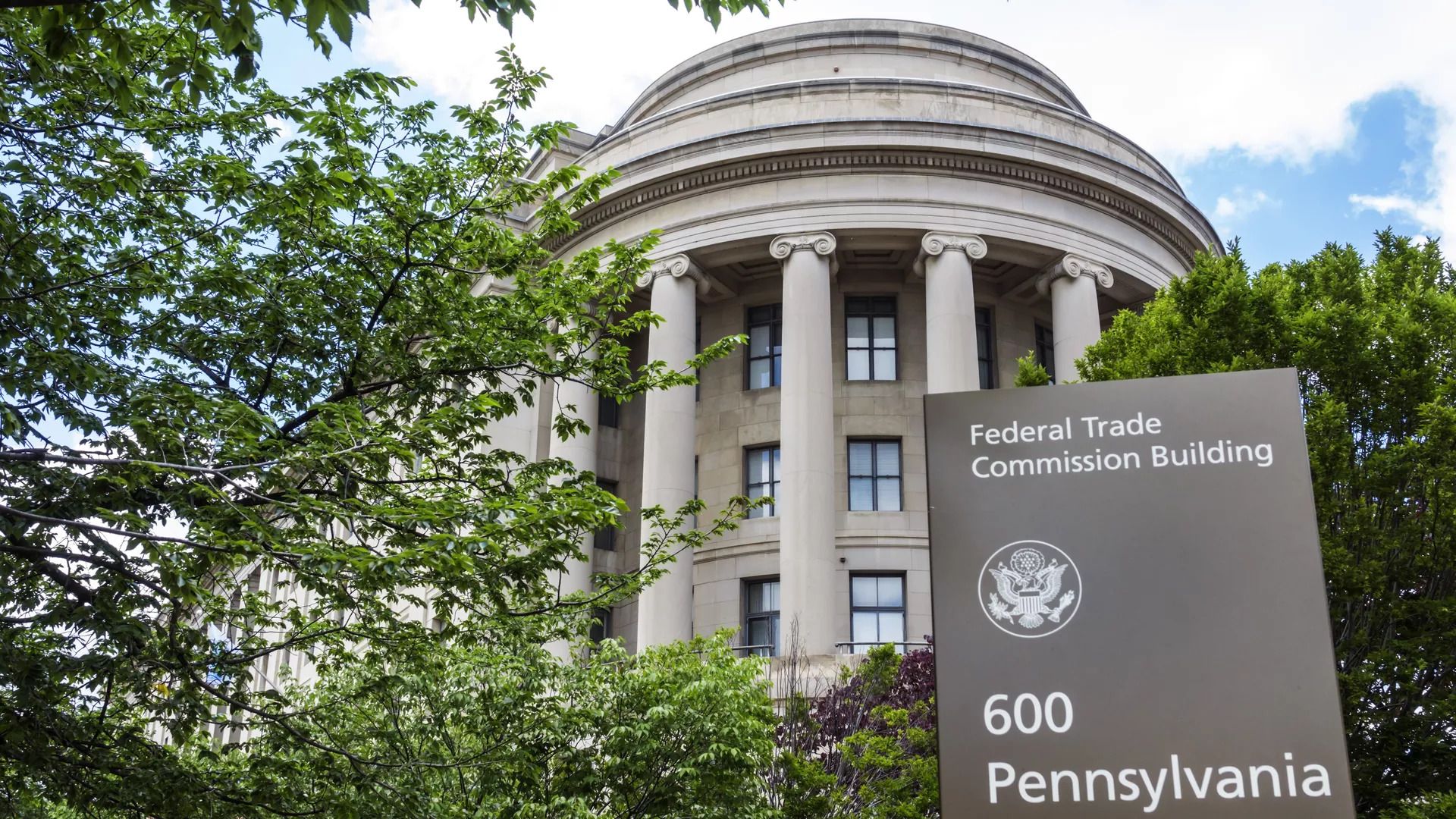
The Federal Trade Commission will require online retailer Fashion Nova to pay $4.2 million for suppressing negative reviews of its products on its website, the agency announced on Wednesday.
Driving the news: The FTC alleged in a complaint that Fashion Nova suppressed reviews that were lower than four out of five stars.
Professional services consultancy KPMG is raising the salaries of all of its employees by $3,000 to $7,000 just three months after dishing out raises of 10% or more.
Why it matters: It reflects an escalation of the war for talent in an environment defined by inflation and labor shortages.
Mass General Brigham must submit a plan to lower rising costs that stem from the hospital system's expensive care, the Massachusetts Health Policy Commission said today.
Why it matters: This commission is viewed as a potential template for other states to regulate rising hospital and physician spending. This is the first time the agency has taken action on a hospital system to temper costs.
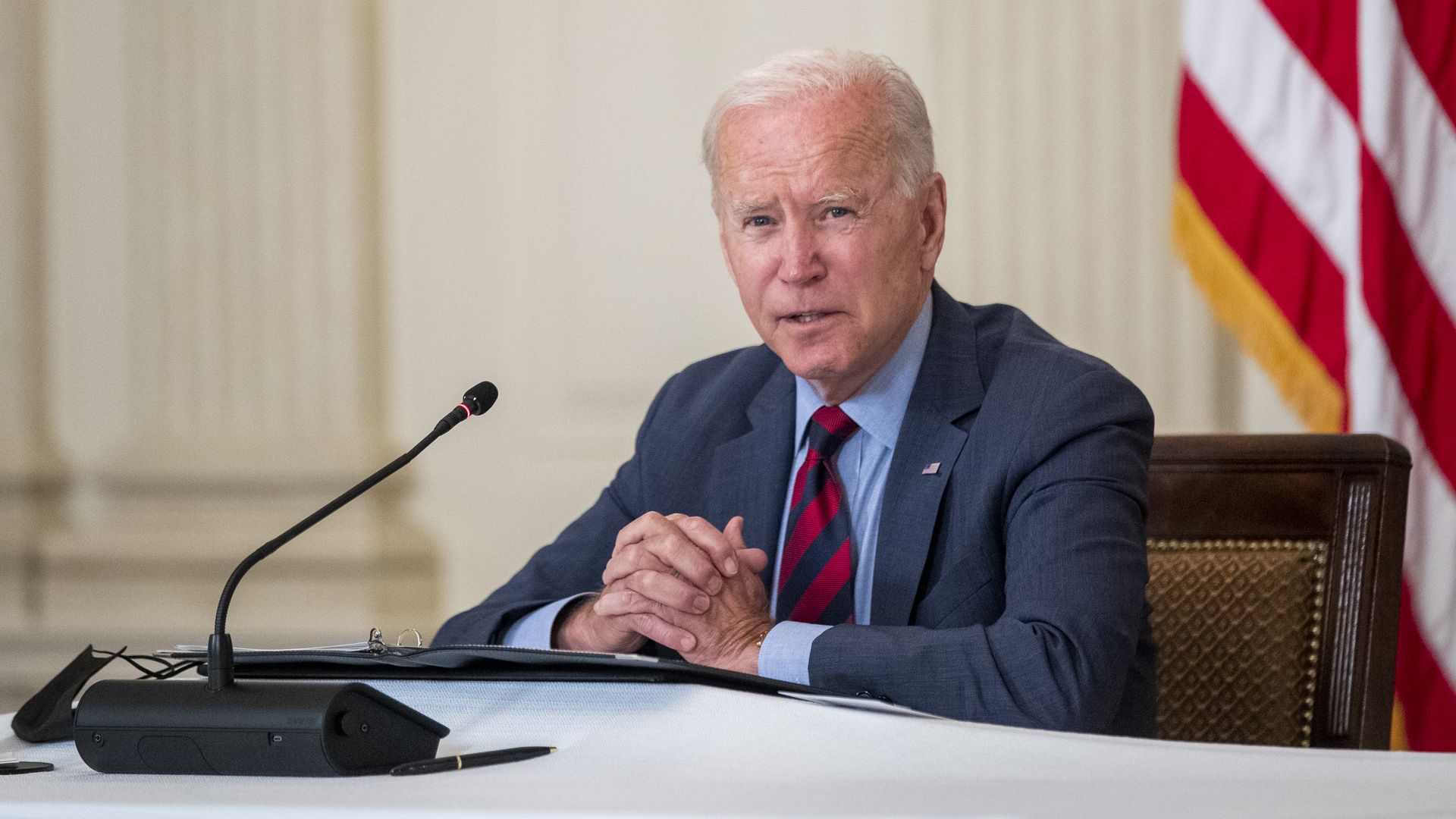
Some of the nation’s most prominent civil rights organizations are urging President Biden to do more for Latinos.
Why it matters: Even though Latinos supported Biden over Donald Trump in 2020, Republicans made significant inroads, putting Democrats on notice. Latinos will be about 1 in 8 eligible voters in 2024 and are an increasingly growing voting demographic that Democrats will have to fight harder for.
Musician Neil Young demanded that Spotify pull his music from its service, accusing the company of spreading vaccine misinformation in a since-deleted letter that was briefly posted to his website Monday night, Rolling Stone first reported.
Why it matters: The letter added to mounting pressure on Spotify to better regulate vaccine COVID-19 vaccine misinformation on its streaming platform.
Robinhood's valuation is now just over $11 billion, a fraction of where it traded in August and below that of its last private round of funding. Cue the M&A mongers.
Why it matters: It's not just Robinhood—falling values of growth-oriented tech stocks have raised speculation that formerly high-flying fintechs could be snapped up by more well-capitalized buyers.
U.S. companies using key chips are down to a five-day supply, according to a Commerce Department report out Tuesday stressing the fragility of the semiconductor supply chain.
Why it matters: The global chip shortage has stymied production of electronics, vehicles and other items.
Peloton is having a bumpy ride, and has become a source of fascination among even those who've never invested or clipped in.
Driving the news: On Monday, a hedge fund with less than a 5% stake in Peloton called for CEO John Foley to be fired and for the connected fitness company to consider seeking a strategic buyer. Shares gained nearly 10% on the news, but remained down 16.2% for the year and off 80% their December 2020 peak.
Nvidia is preparing to abandon its $40 billion acquisition of British chip design firm Arm from SoftBank due to regulatory opposition, per Bloomberg.
Why it matters: This was set to be the largest-ever merger in the semiconductor industry, and could lead to SoftBank taking Arm public via an IPO. It also would come three years after Qualcomm bailed on its efforts to buy NXP Semiconductors, also because of regulatory backlash.
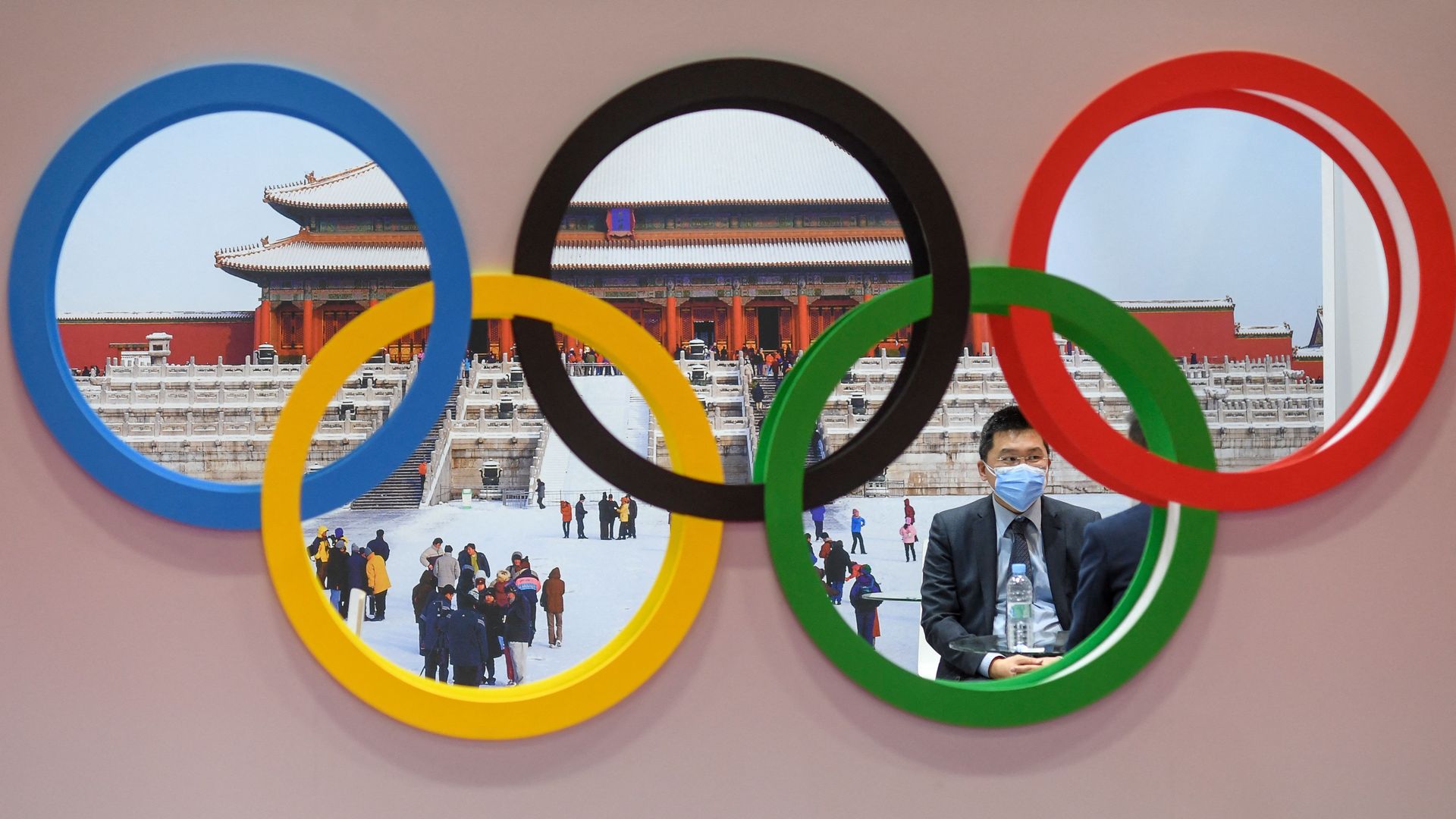
Republican leaders on the House Energy and Commerce Committee have sent a letter to NBC Universal executives voicing concerns about "the extent of influence the CCP (Chinese Communist Party) may have over NBCUniversal’s coverage of the games."
Why it matters: The human rights abuses committed by the CCP have been the subject of intense scrutiny ahead of this year's Winter Games in Beijing. Activists last year sent a letter to NBC executives urging the network to cancel plans to cover the Olympics.
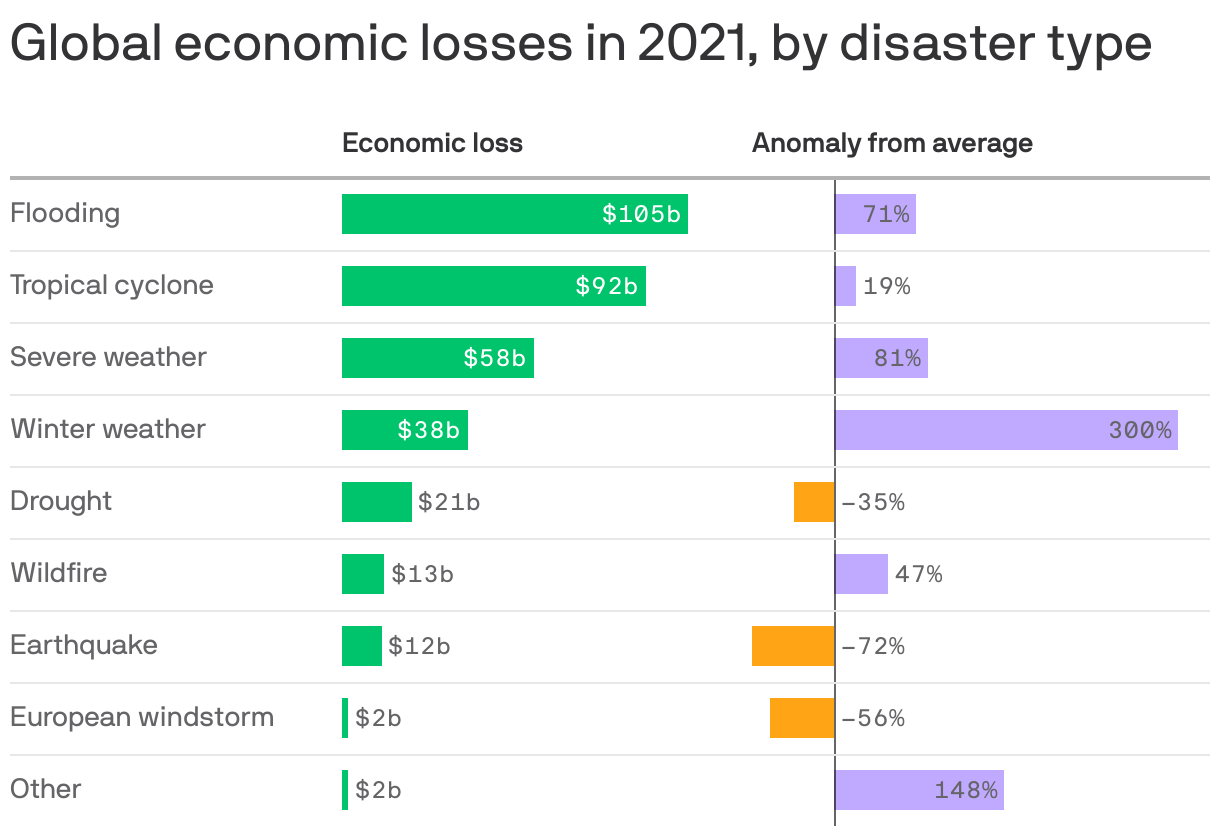
The consulting firm Aon is out Tuesday with its summary of natural disasters report from 2021, which has a heavy emphasis on economic losses from climate and extreme weather events.
Why it matters: As the world warms, certain extreme events are becoming more severe and frequent, although climate trends may not be easy to discern in the aggregate statistics.
Former President Trump’s elusive new social media network Truth Social — which plans to go public — is reaching out to internet influencers asking them to “reserve their spots” for when it launches in February or March.
Why it matters: The outreach doesn’t mention Trump’s name or affiliation. Some influencers suggest that could be a ploy to enlist their support without realizing the affiliation.
Chesapeake Energy Corp. on Tuesday announced a $2.6 billion cash and stock deal to acquire Chief E&D Holdings and associated assets, a move that bolsters Chesapeake's position in the prolific Marcellus shale gas basin.
Oklahoma-based Chesapeake also said it's selling assets in Wyoming's Powder River Basin to Continental Resources for $450 million.
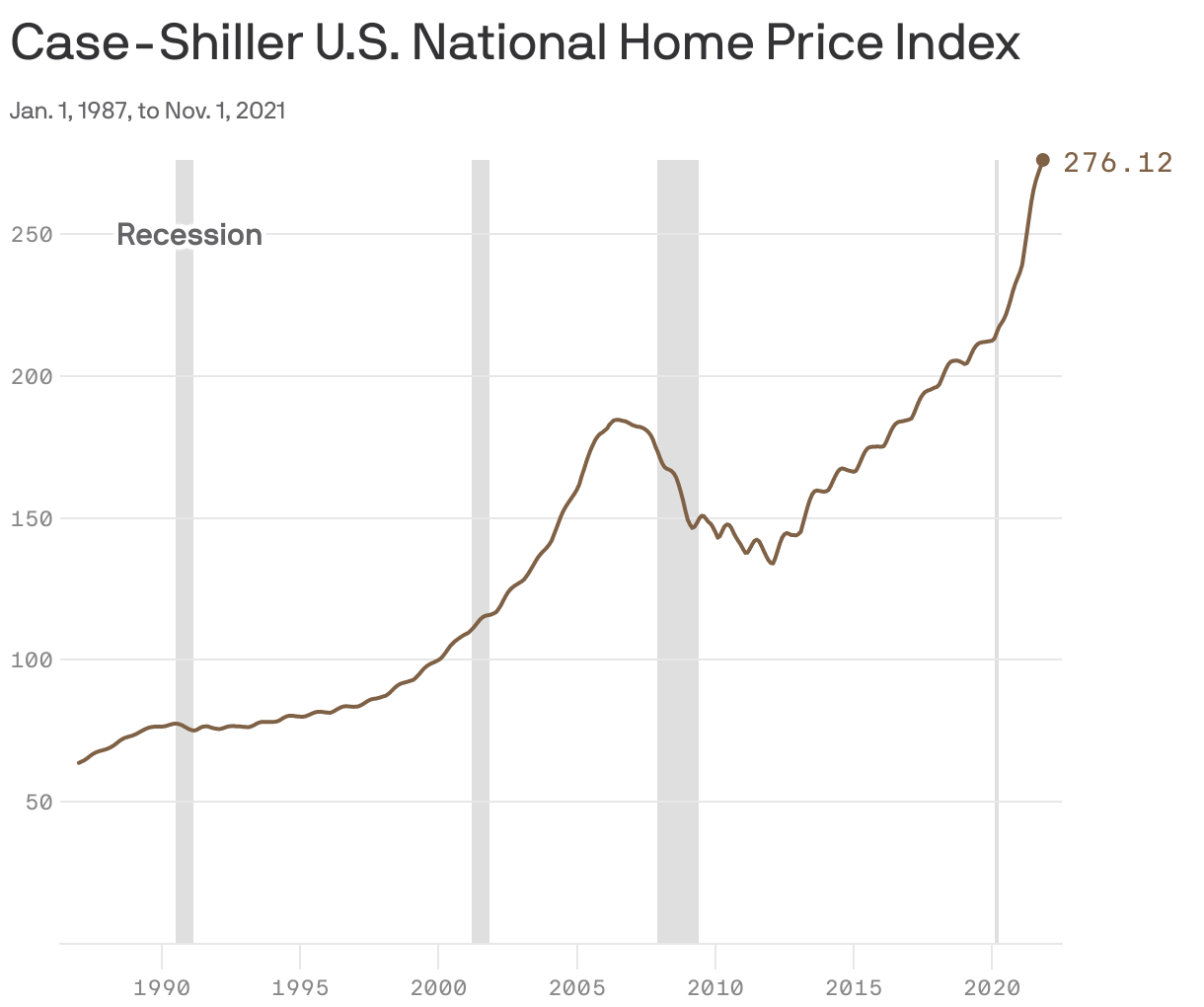
Idaho real estate prices continue to soar, with home prices in ’tater state cities topping the ranks of the country’s most-overvalued markets, according to Fitch Ratings.
The credit rating company compares current market prices with a proprietary estimate of “sustainable” prices, using the discrepancy to determine which cities are “overvalued” or “undervalued.”
Bitcoin has lost nearly half its value since its November peak, wiping away hundreds of billions — and any remaining suspicion that the cryptocurrency isn't correlated to risk assets like equities.
State of play: Bitcoin’s latest selloff parallels the recent stock market declines stemming from the Federal Reserve’s hawkish pivot (it even rode the same rollercoaster equities did Monday).
Why it matters: The remarkable recovery suggests that retail traders who upended markets over the last year — most notably during the GameStop bonanza that occurred almost exactly a year ago — continue to be powerful influence in the markets.
With President Biden's Build Back Better legislation on ice, business groups are preparing to change course and use the China competitiveness bill to try to preserve some of their cherished research-and-development tax deductions.
Why it matters: By eying the United States Innovation and Competition Act (USICA) to extend the R&D deductions, companies like Amazon, Microsoft and Boeing are hoping to avoid an estimated $8 billion bill in mid-April.
Who among us hasn’t spent a few dollars without telling their significant other?
The big picture: Nearly a third of people in serious relationships admit to some form of financial infidelity, according to a survey conducted by YouGov for CreditCards.com.