The endpoints of a stimulus-fueled market are being defined.
Why it matters: Conditions that drove excess pricing in riskier assets are steadily being removed, and big swings in the market like those seen today are inevitable as investors try to adjust to the new landscape.
Stocks suffered their steepest drop of the year early Monday, putting the S&P 500 on course for its worst-ever start to a year.
Driving the news: The benchmark S&P 500 dropped for its fifth straight day, with losses nearing 3% in early trading, momentarily putting it on track to fall into a "correction." Some of the steepest losses were recovered in early afternoon trading.
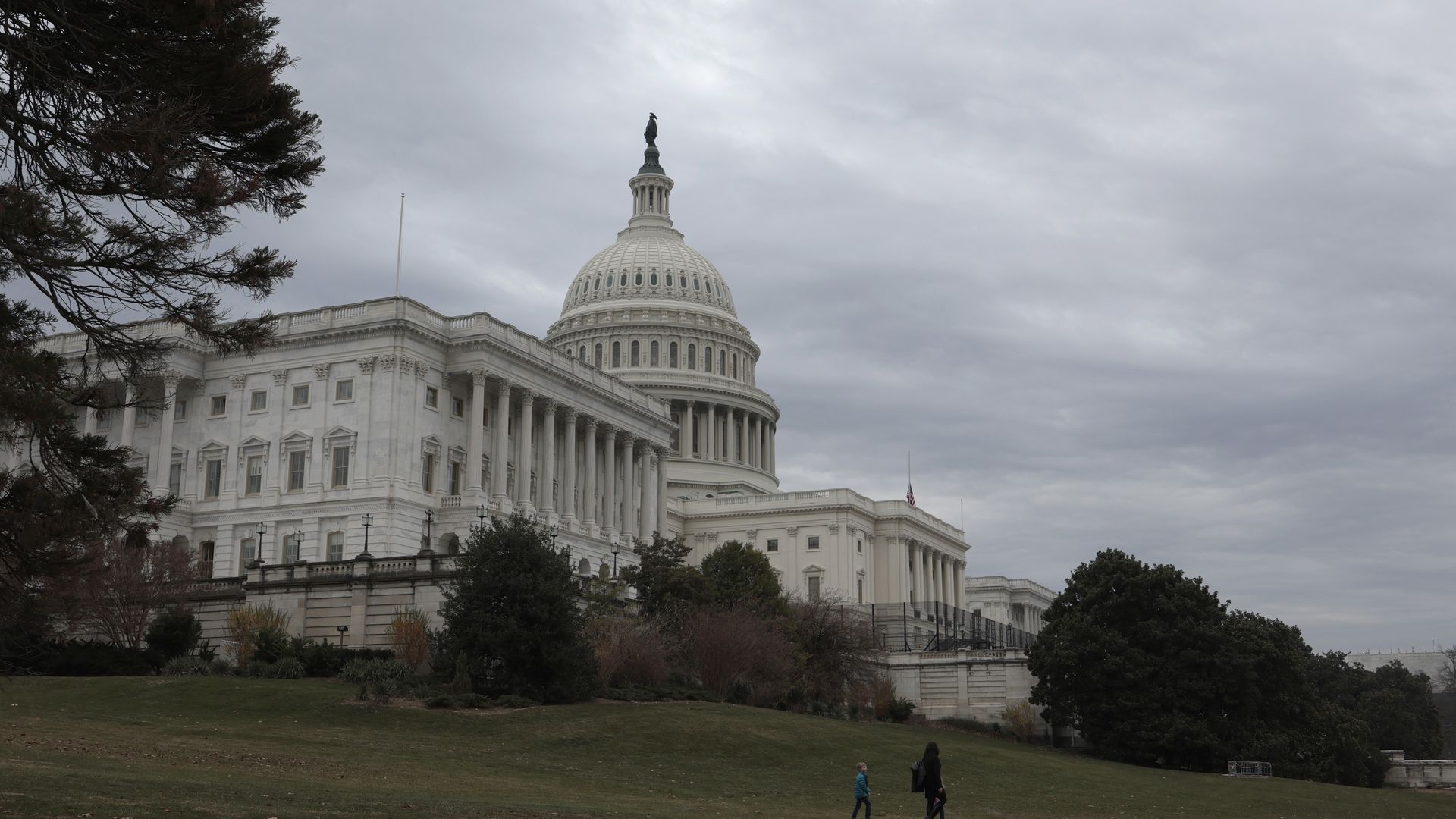
Twenty-seven House of Representatives members have signed a letter urging House Speaker Nancy Pelosi (D-Calif.) and Minority Leader Kevin McCarthy (R-Calif.) to bring forward legislation that would ban members of Congress from owning or trading stocks.
Why it matters: There has been momentum among lawmakers toprohibit stock trading, as pressure has grown to address one of Washington’s most glaring and persistent financial conflicts, write Axios' Dan Primack and Sophia Cai.
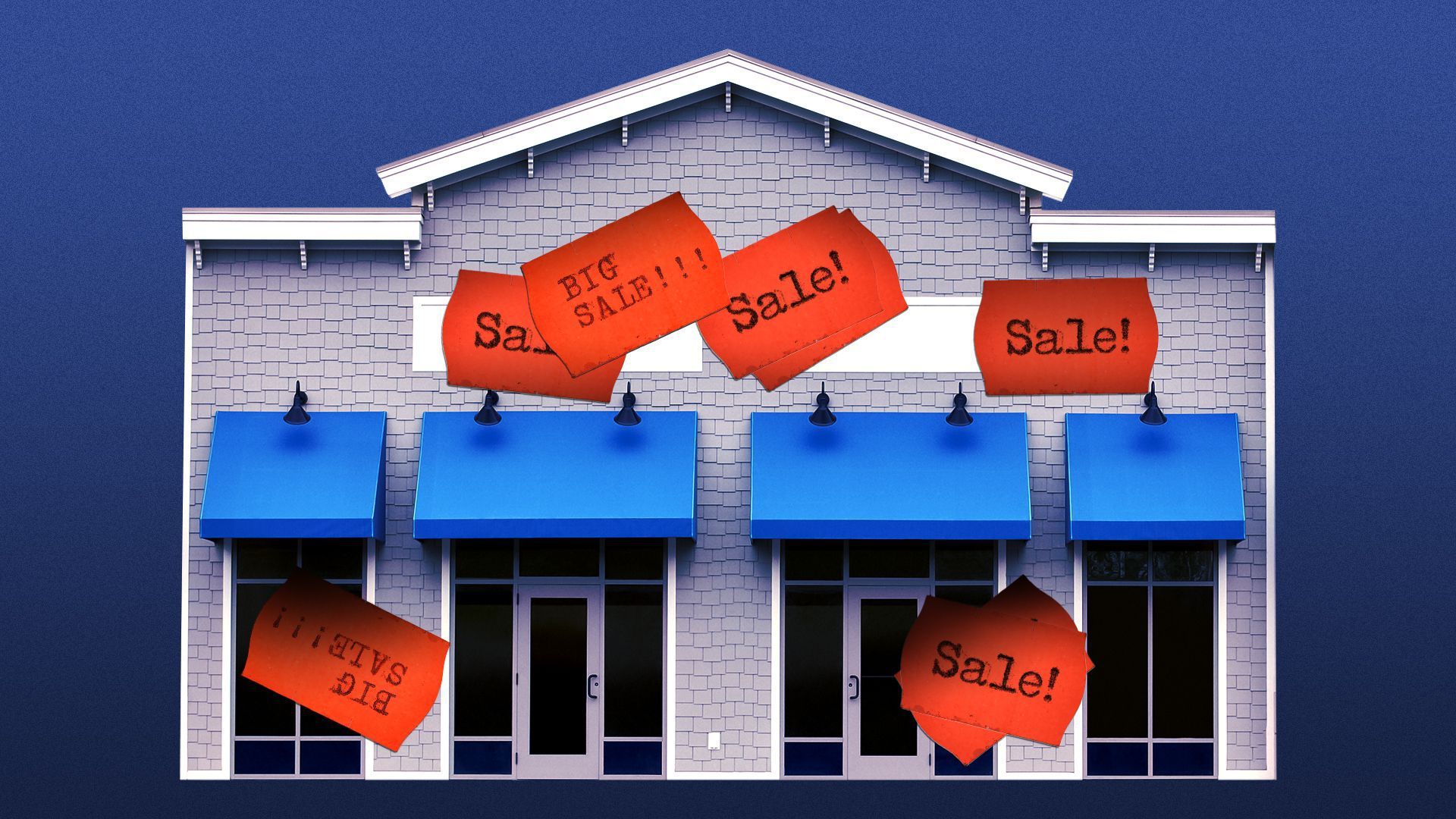
Kohl's received a $9 billion takeover offer from Acacia Research Corp., backed by activist investor Starboard Value. It reportedly may receive a rival bid from buyout firm Sycamore Partners.
Why it matters: Kohl's is one of the country's largest off-mall department store operators, with over 1,100 stores in 49 states, and has innovated by partnering with brands like Amazon and Sephora to create mini stores-within-stores. It's also been a steady target of activist investors.
The backroom fight between Apollo Global Management co-founders Leon Black and Josh Harris has tumbled out into the open, providing plenty of free material to the writers of Wall Street soap operas like "Billions" and "Succession."
Why it matters: This is shaping up to become the messiest fight in private equity's 45-year history.
So far, financial markets are cooperating nicely with the Federal Reserve's efforts to restrain inflation. They're doing the Fed's work for it by creating tighter financial conditions, in a distinctly non-panicky way.
But as the central bank's policymakers meet this week, an underlying question they face is whether the adjustment is happening too slowly.
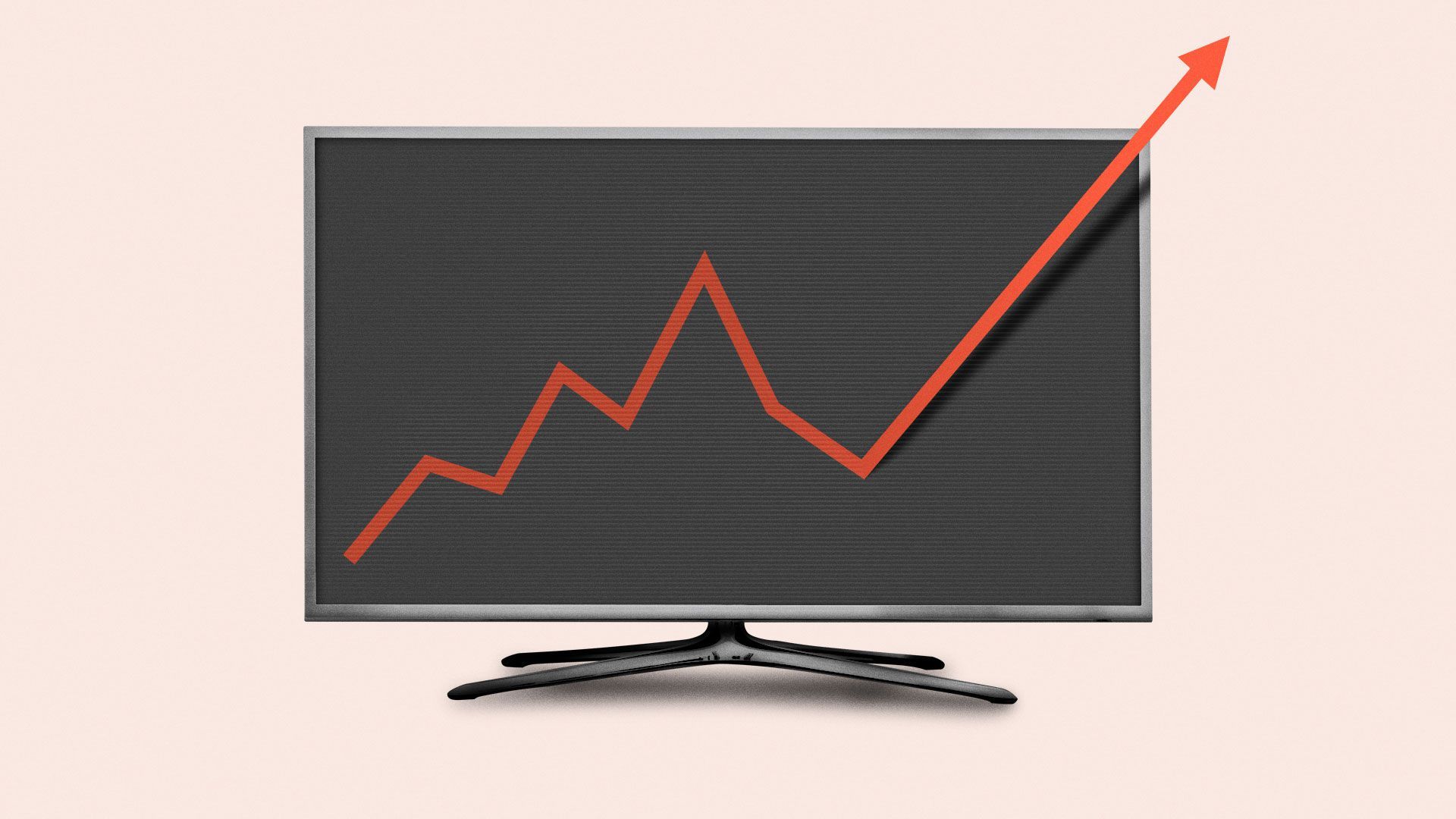
Analysts are forecasting a difficult year ahead for subscription streaming companies in response to a massive selloff of Netflix shares last week that was prompted by weak subscriber growth forecasts.
Why it matters: Wall Street has grown accustomed to equating paid subscriber growth at major media firms to market value, but Netflix's decline "calls into question the end-state economics of these businesses," wrote Michael Nathanson, a top media analyst, in a note to clients.
Emerging anecdotal evidence shows just how hard the recent rise in COVID-19 cases hit businesses in early January — but that hasn't hurt some business leaders’ longer-term views of their companies' prospects.
Why it matters: Increasingly, the economic recovery has come in fits and starts that move in tandem with new peaks in cases. Look no further than the thousands of canceled flights and shuttered Broadway theaters in the wake of the Omicron variant's spread over the last few months.
Almost every small business ownerin a Goldman Sachs survey is having trouble hiring — and two-thirds think the federal government has done too little to ease their hiring, supply-chain and inflation worries.
Why it matters: The Goldman Sachs research gives a vivid window into the continuing headwinds and hardship for entrepreneurs.
More and more brands are giving their customers a heads up and the chance to opt out of marketing emails ahead of holidays like Valentine's Day.
Why it matters: Advertisements and promotions around holidays — particularly ones that celebrate relationships — can cause anxiety and depression. And we're bombarded with them: Overall, we've gone from being exposed to around 500 ads a day in the 1970s to around 5,000 a day now.








/2022/01/24/1643029671357.gif?w=3840)







/2022/01/20/1642690033725.gif?w=3840)