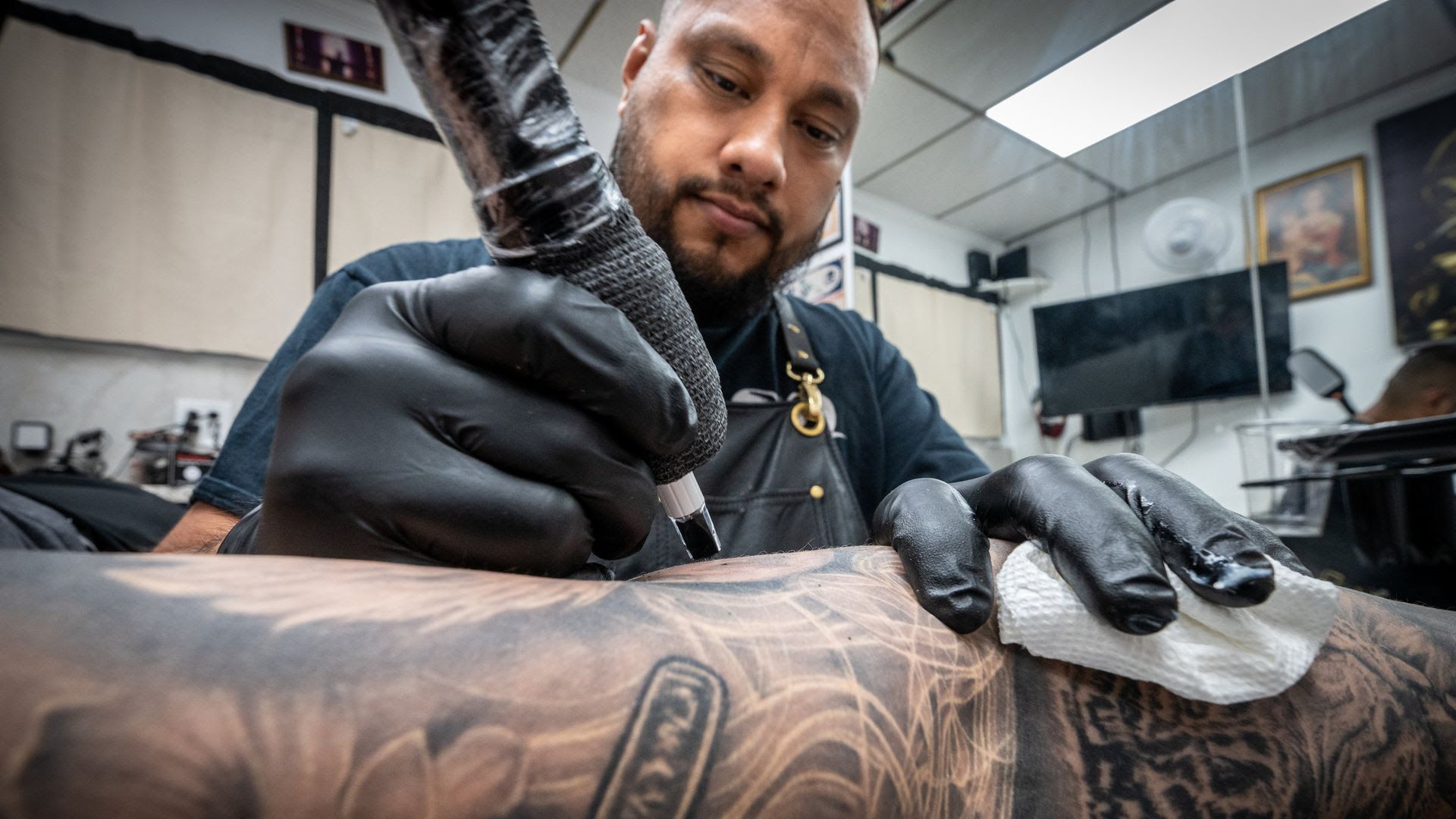
Latino tattoo artists and studio owners are helping drive the industry's fast growth as the pandemic wears on.
Why it matters: Tattooing is a booming industry that brings in more than $1 billion yearly in the U.S. alone. Its popularity keeps growing — with estimates its market size will increase 23% this year — and ink artists are influencers on Instagram and other platforms.
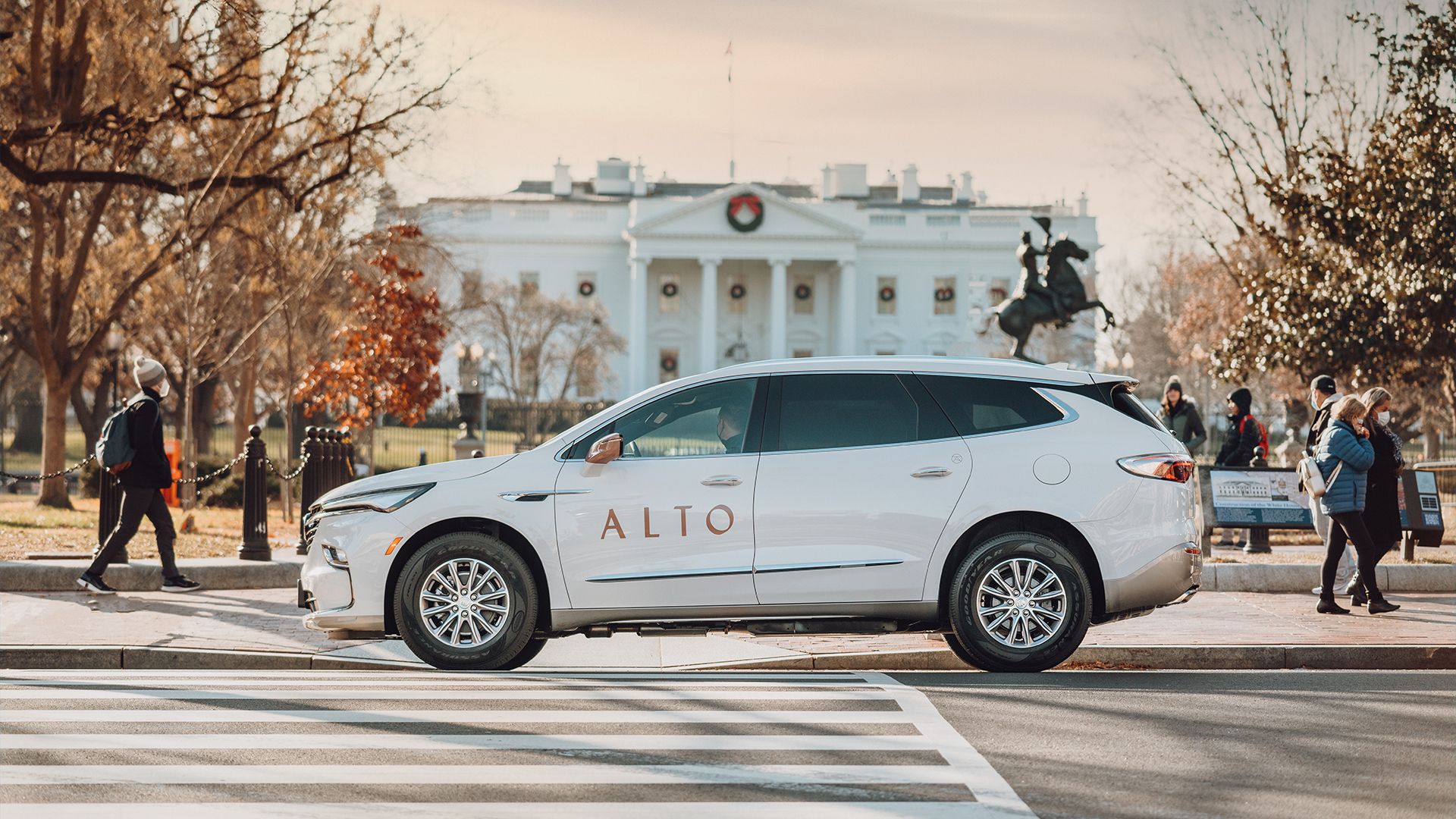
Startups like Alto, Revel and Kaptyn are positioning themselves as Rideshare 2.0. — alternatives to Uber and Lyft that use employees rather than gig workers as drivers and put fleets of company-owned cars on the road.
Why it matters: These companies' vertically integrated business models mean they can roll out electric fleets more quickly than the current market leaders, whose pledges to go electric depend on persuading gig drivers to upgrade their personal cars to EVs.
Royal Caribbean International on Friday canceled trips on four ships due to spiking rates of COVID-19, the company said in a statement.
Why it matters: The cancellations are the latest blow to the cruise industry as it responds to a surge of cases driven by the highly contagious Omicron variant.
Not all companies are fit to go public via SPAC, despite so many of them doing so.
Why it matters: While SPACs were quickly touted as a faster and better way for companies to go public, ultimately not all businesses that have chosen that route are meeting investor expectations.
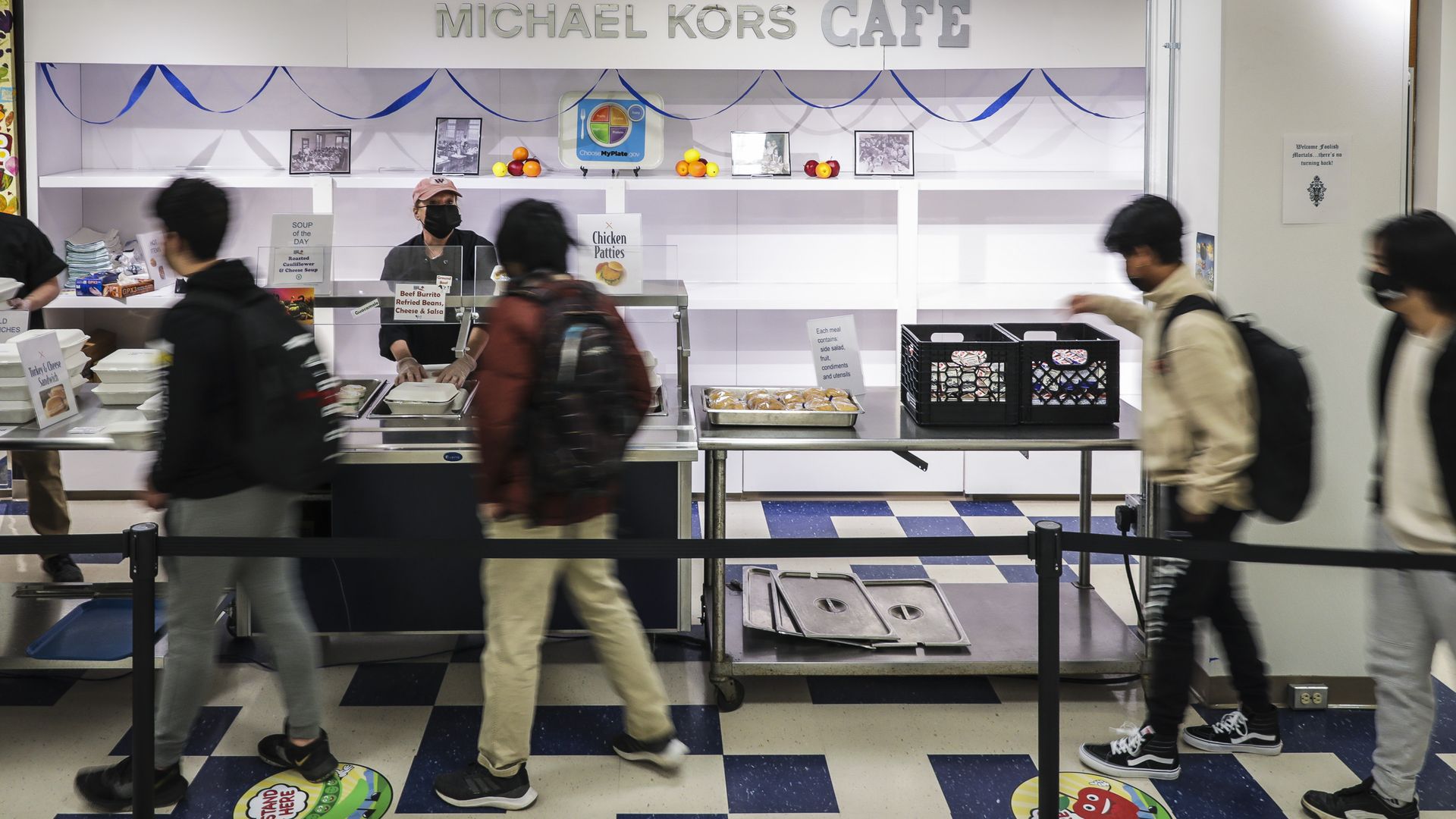
The U.S. Department of Agriculture announced Friday that it would adjust federal reimbursement rates and send nearly $750 million into school meal programs across the U.S. to counter inflation and supply chain issues.
Why it matters: Schools across the country have been challenged by food and supply shortages, leaving them scrambling to place orders for substitute meals, according to a survey from the School Nutrition Association.
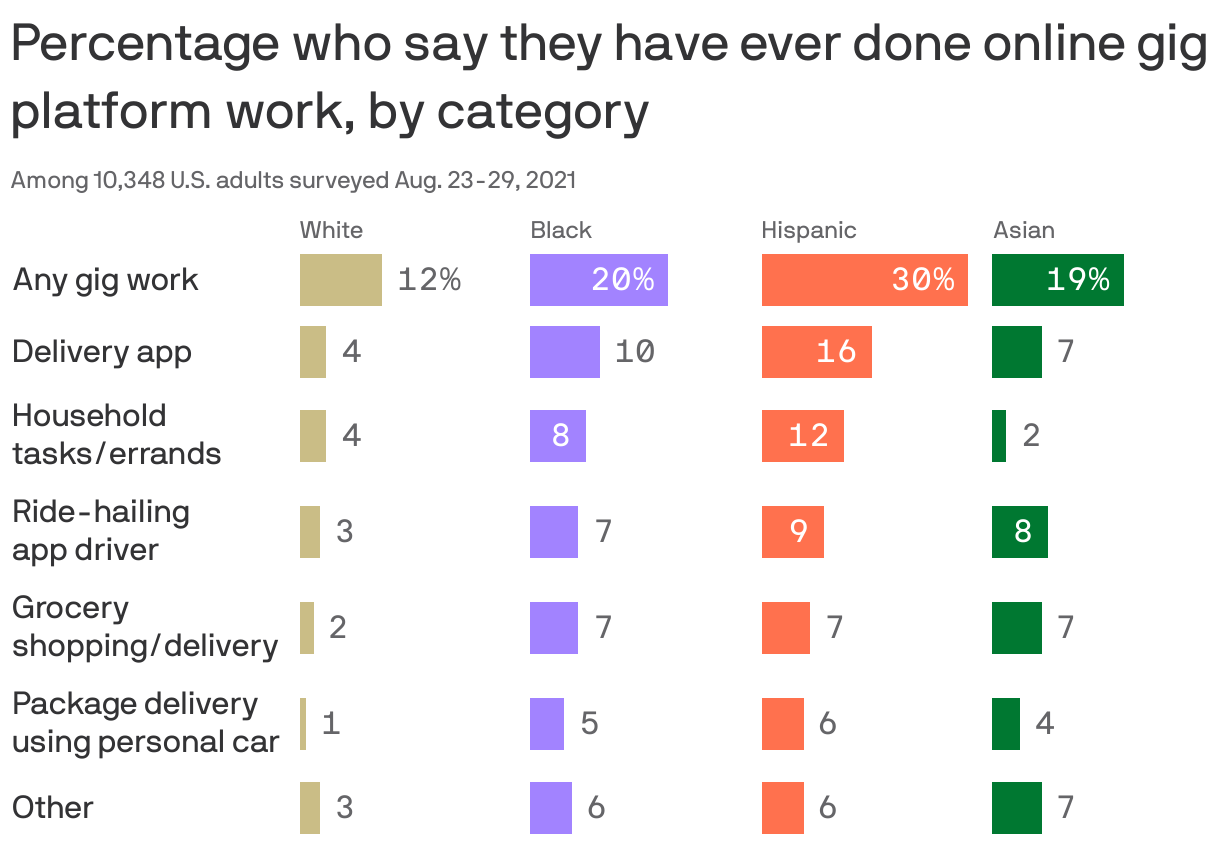
Data: Pew Research Center; Chart: Baidi Wang/Axios
Latinos have turnedin greater numbers than other groups to gig jobs, driving, delivering, or running errands and shopping for others, according to a Pew Research Center survey.
Why it matters: Workers in app-based jobs are at greater risk of exposure to COVID-19, while gig and delivery workers tend to get low pay and no benefits.
Corporate directors often ask for personal liability releases when deals go bad and debt needs to be restructured. But they may need to become much more careful about what they do next.
Driving the news: A Delaware judge recently refused to dismiss a breach of fiduciary loyalty claim against three partners of private equity firm Wellspring Capital Management, related to their ownership of a gun retailer that went bankrupt in 2019.
John Legend sold his existing music catalog, including royalty rights, to KKR and record label BMG, as first reported by Bloomberg and confirmed by Axios.
Why it's the BFD: 43-year-old Legend is the first "midcareer" artist to do one of these deals, which typically are done by those closer to their twilights (or by the estates of those who've died).
Why it matters: Fitch has previously said that the leveraged loan default rate for the retail sector was projected to fall to its lowest level since 2016.
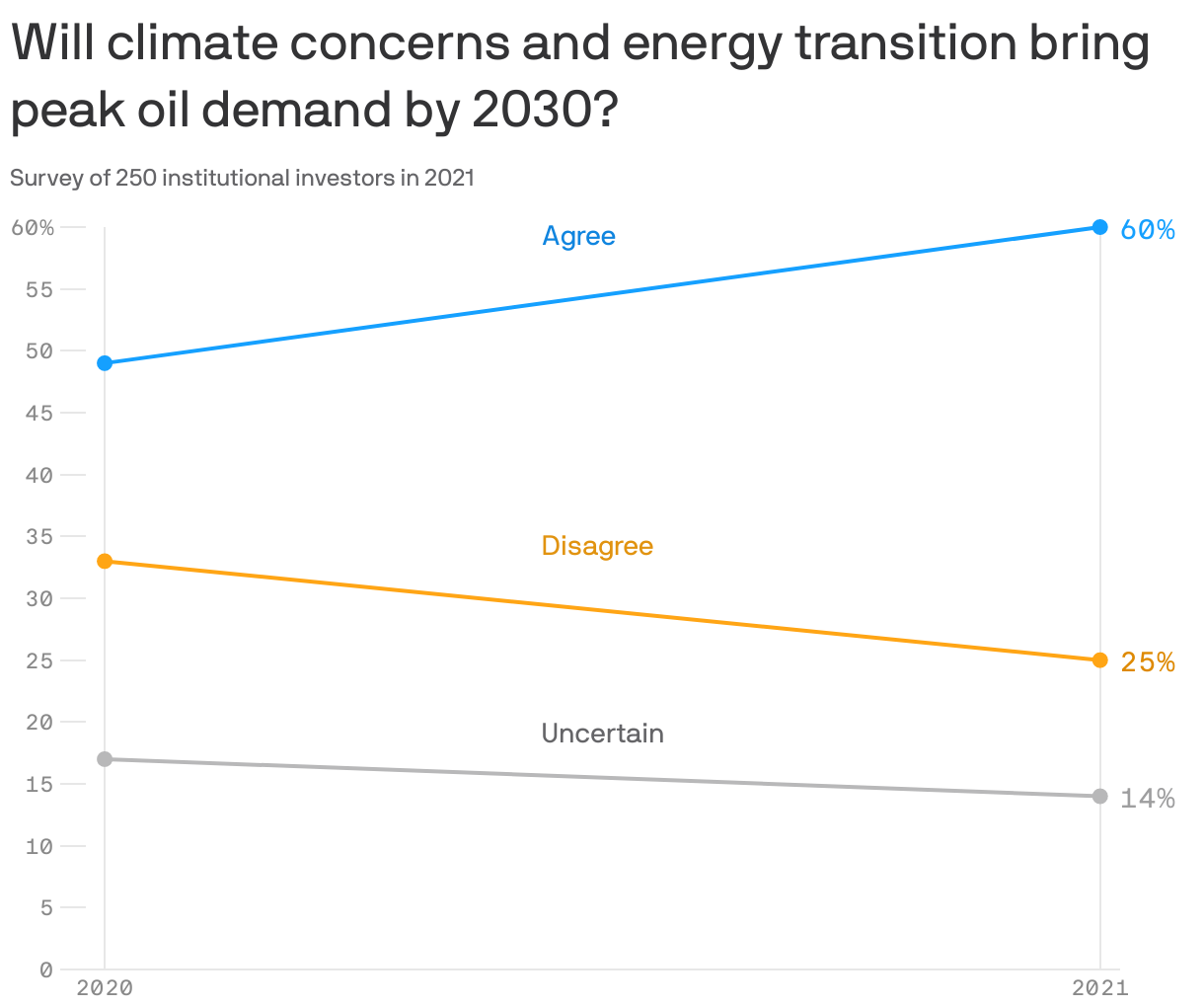
Data: BCG oil and gas investor survey, 2021; Chart: Thomas Oide/Axios
A new survey of institutional investors shows they feel increasing pressure to move away from fossil fuels and a growing belief that global oil demand will peak this decade.
Driving the news: The Boston Consulting Group polled 250 investors on the future of oil and gas, and how it fits into their strategies.
General Atlantic acquired PT Solutions from Lindsay Goldberg in an approximately $1.2 billion transaction, marking the latest physical therapy investmentin recent weeks, Axios has learned.
Why it matters: After the physical therapy sector got its teeth kicked in with COVID, recent dealmaking suggests the industry is back in action and buyer interest remains strong.
Lumber prices are rising again, but this time you can't blame the pandemic.
Why it matters: Blame climate change instead. Extreme weather in Canada drove the increase — a sign that even when the pandemic recedes supply chains are still going to be funky.
Big ratings agencies such as Moody's and S&P Global, along with other financial firms, are vacuuming up companies specializing in modeling physical climate risks.
Driving the news: The latest consolidation in the "climate intelligence" space arrived this week with S&P's purchase of The Climate Service, a climate risk consulting firm. The Climate Service analyzes physical climate risks, including extreme temperatures, coastal flooding and water stress, along with so-called transition risks, including changing regulatory and market conditions.
Parler, the social media app that was temporarily booted from app stores in the aftermath of the Jan. 6 Capitol riot, has raised $20 million in new funding, according to a filing with federal securities regulators.
Why it matters: This is part of a growing effort by conservatives to build their own social media ecosystem.
The New York Times on Thursday said it was using more than half of the whopping $1 billion in cash on its balance sheet to buy The Athletic, a sports media startup that currently loses a lot of money.
Why it matters: "It's about accelerating our long-term strategy," Times CEO Meredith Kopit Levien told Axios. "If we didn't think it was a sustainable, engaging product already, we wouldn't be here having this conversation today."
Startups and big corporations alike are releasing technology to put long lines online.
Why it matters: Standing in lines has always been a hassle, but the pandemic has made lines longer, slower and even dangerous. Now many of those lines are going virtual.
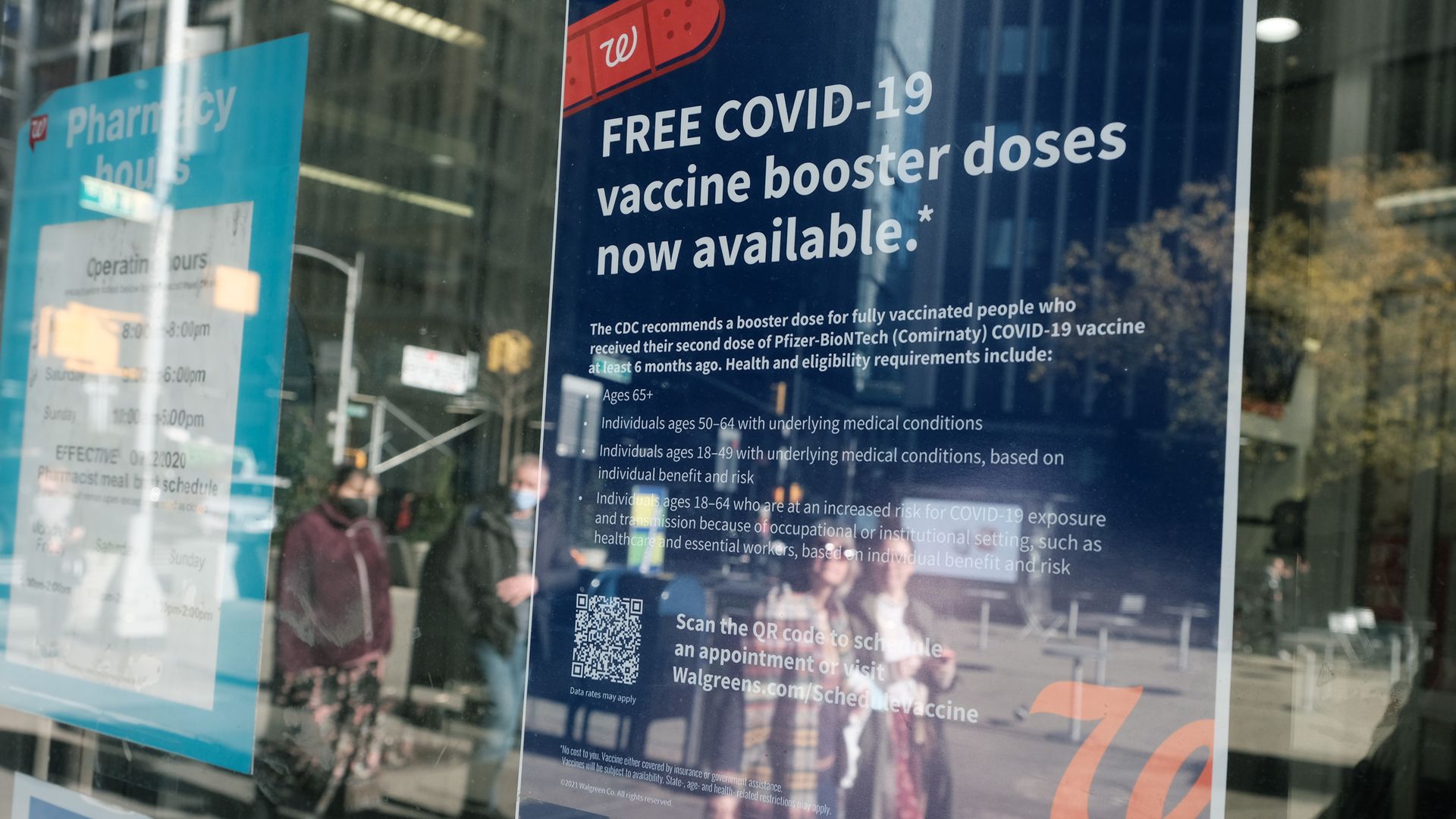
Walgreens increased profit projections for the rest of its fiscal year due to surging demand for at-home COVID-19 tests, drive-thru tests and vaccinations amid the latest outbreaks.
The big picture: Pharmacy chains continue to reap massive financial gains from the pandemic, as they often serve as the first place people go when they need a COVID test or vaccine.
Most American businesses are holding back on requiring vaccines or testing for their employees. Now the U.S. Supreme Court is set to decide whether the Biden administration can force their hand.
Why it matters: Lives are at stake. And Omicron outbreaks are forcingbusiness closures, flight cancellations and staffing shortages — a chaotic business environment that's not great for the economy or employers already struggling to attract workers.
After Jan. 6, 2021, corporate PACs began cutting off Republican lawmakers who voted against certifying Joe Biden's victory — but it doesn't appear to have done much to alter the lawmakers' behavior.
The big picture: For all the attention on boardrooms and congressional offices, the GOP's drift away from corporate America over the past year is largely a grassroots phenomenon — driven less by executives or members of Congress than the people to whom both camps must answer.