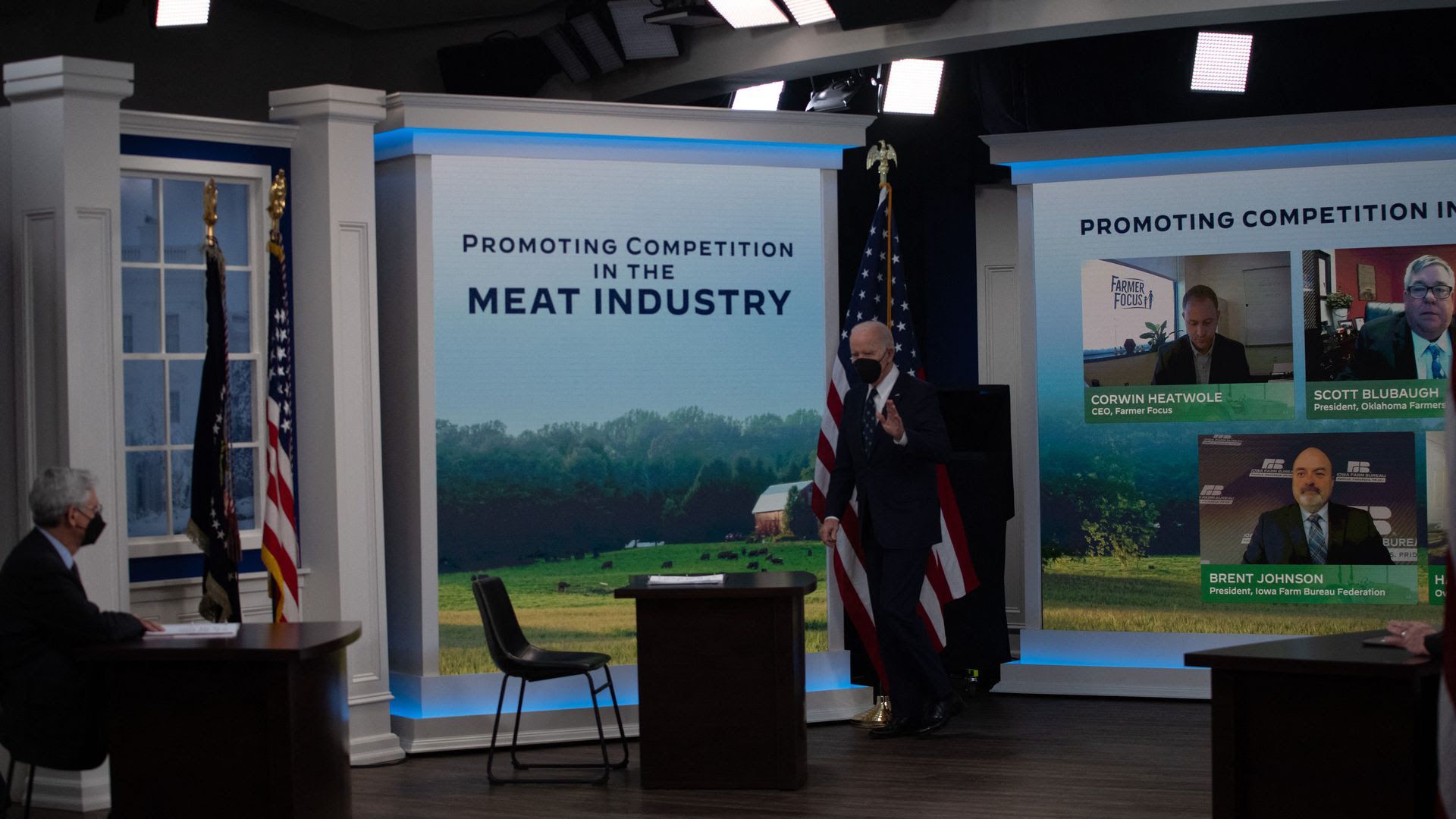
Rising food prices are bedeviling the Biden administration, fueling consumers’ concerns about inflation and prompting the president to target the meatpacking industry.
Why it matters: American families are fretting over food prices, which rose 6.1% from November 2020 to November 2021, according to the latest Consumer Price Index data.
The subscription economy is expanding into the drive-thru lane.
Why it matters: Subscriptions offer a source of dependable revenue, loyalty and data — the same elixir that fuels streaming services like Netflix and exercise powerhouses like Peloton.
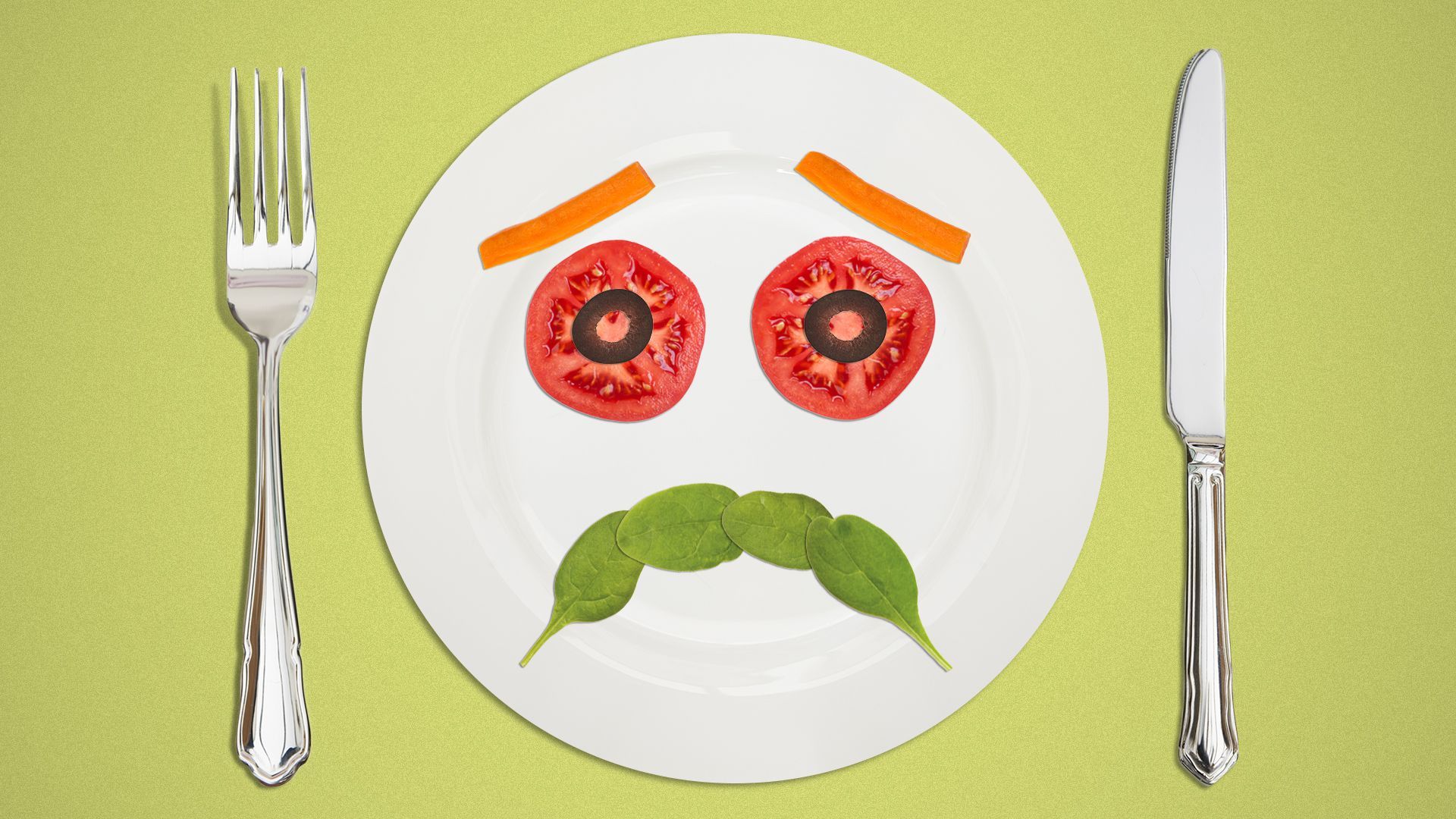
Veganuary, a campaign that started in the U.K. to get people to give up meat and dairy for the month, is in its third year in the U.S., where it's catching on slowly.
About 500,000 people have enrolled globally so far, and a trickle of restaurant chains and food brands in the U.S. are signing on. (More people sign up over time, as the campaign progresses, which brought the number to 582,000 last year.)
Why it matters: While food and drink companies are racing to introduce plant-based products, most people want to pare back their consumption of animal-based foods rather than eliminate them altogether.
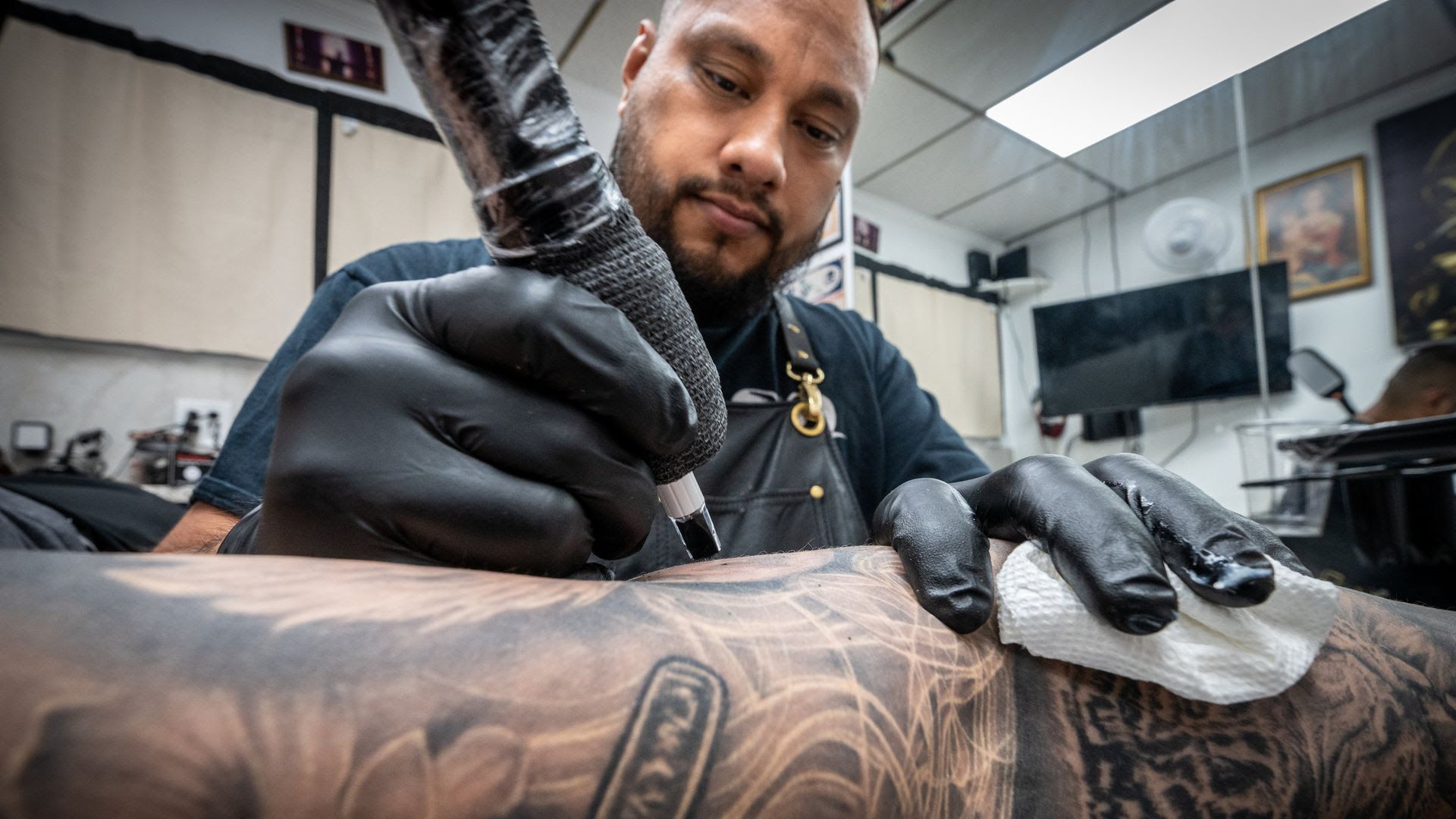
Latino tattoo artists and studio owners are helping drive the industry's fast growth as the pandemic wears on.
Why it matters: Tattooing is a booming industry that brings in more than $1 billion yearly in the U.S. alone. Its popularity keeps growing — with estimates its market size will increase 23% this year — and ink artists are influencers on Instagram and other platforms.
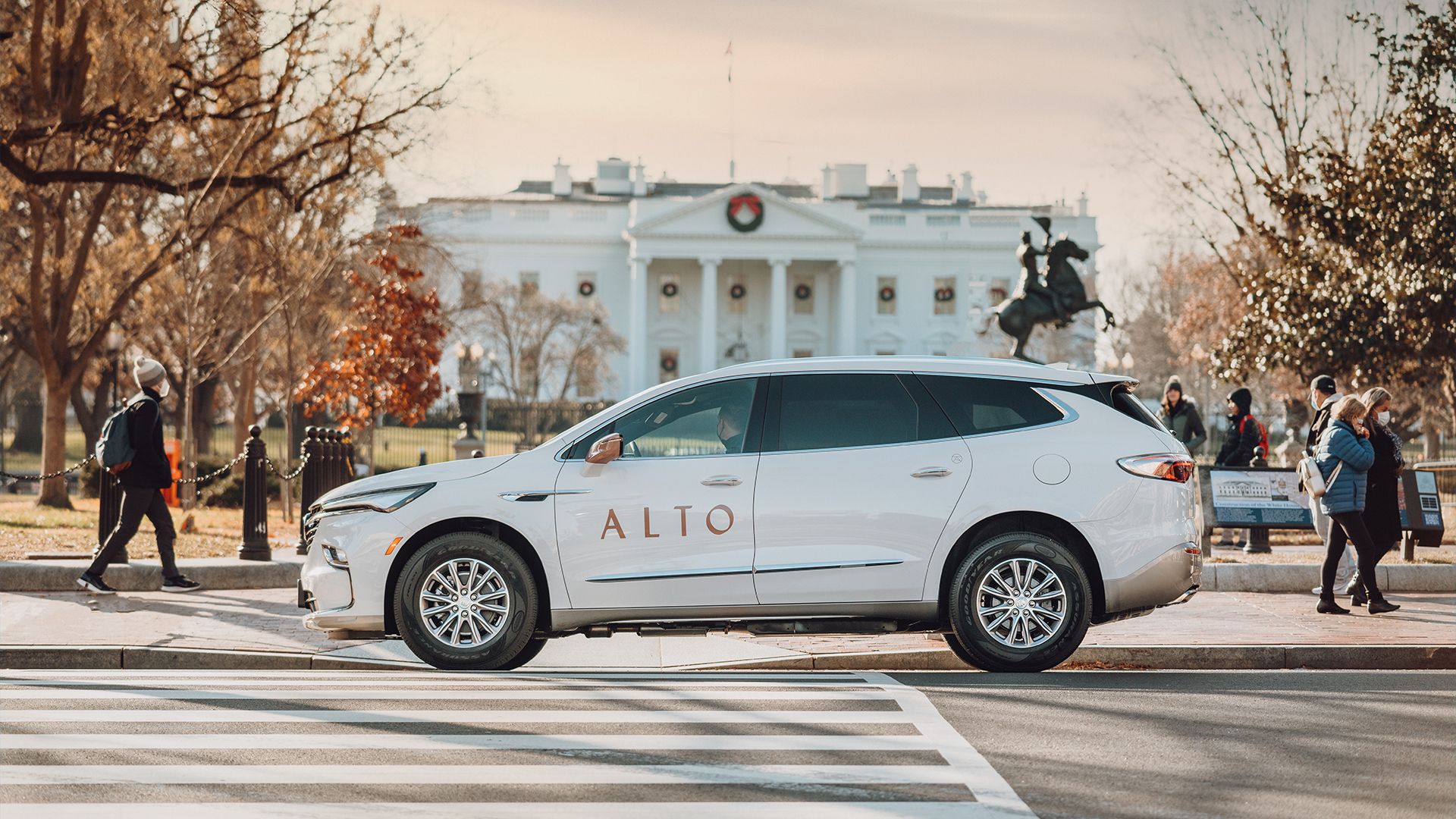
Startups like Alto, Revel and Kaptyn are positioning themselves as Rideshare 2.0. — alternatives to Uber and Lyft that use employees rather than gig workers as drivers and put fleets of company-owned cars on the road.
Why it matters: These companies' vertically integrated business models mean they can roll out electric fleets more quickly than the current market leaders, whose pledges to go electric depend on persuading gig drivers to upgrade their personal cars to EVs.
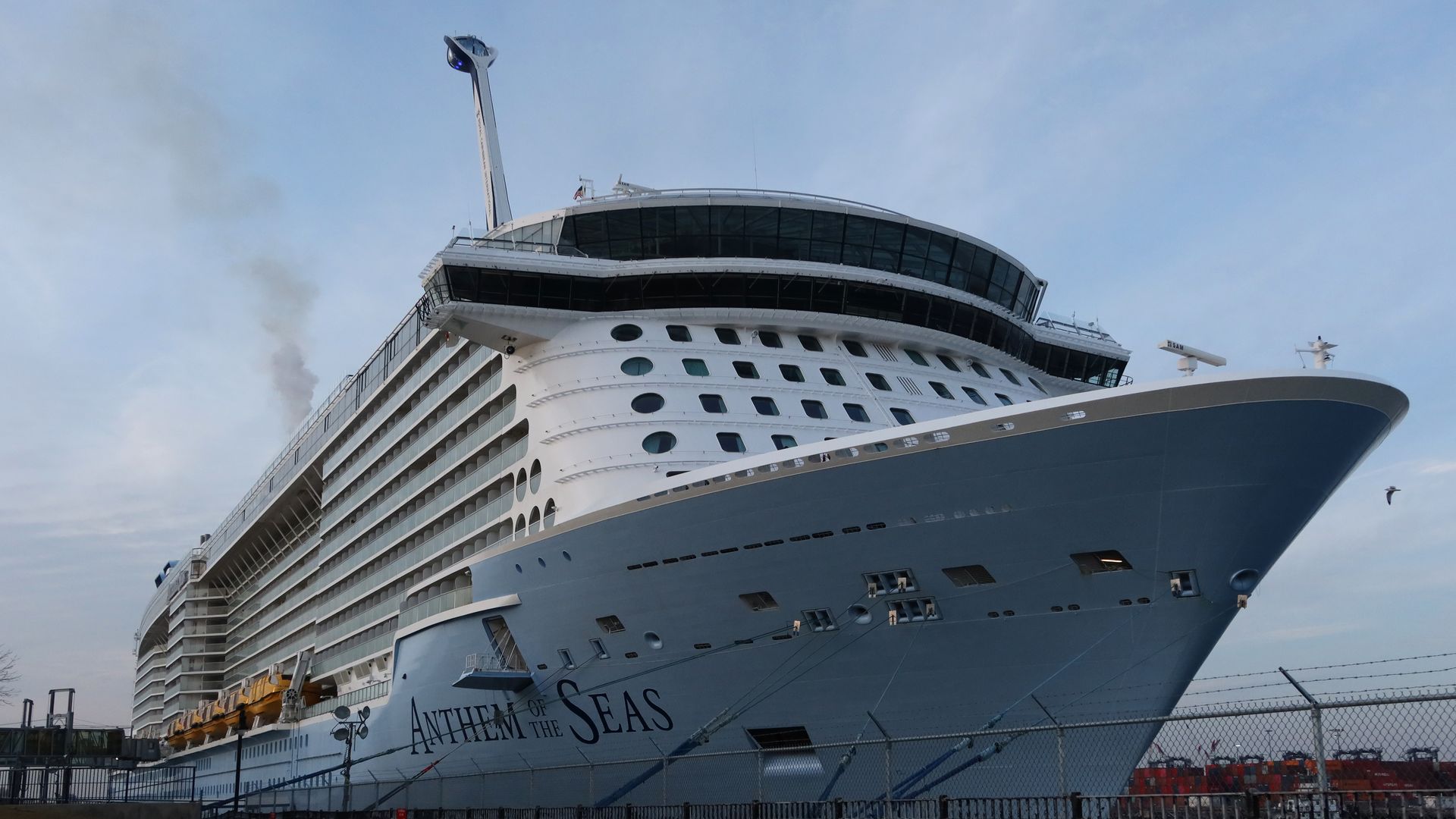
Royal Caribbean International on Friday canceled trips on four ships due to spiking rates of COVID-19, the company said in a statement.
Why it matters: The cancellations are the latest blow to the cruise industry as it responds to a surge of cases driven by the highly contagious Omicron variant.
Not all companies are fit to go public via SPAC, despite so many of them doing so.
Why it matters: While SPACs were quickly touted as a faster and better way for companies to go public, ultimately not all businesses that have chosen that route are meeting investor expectations.
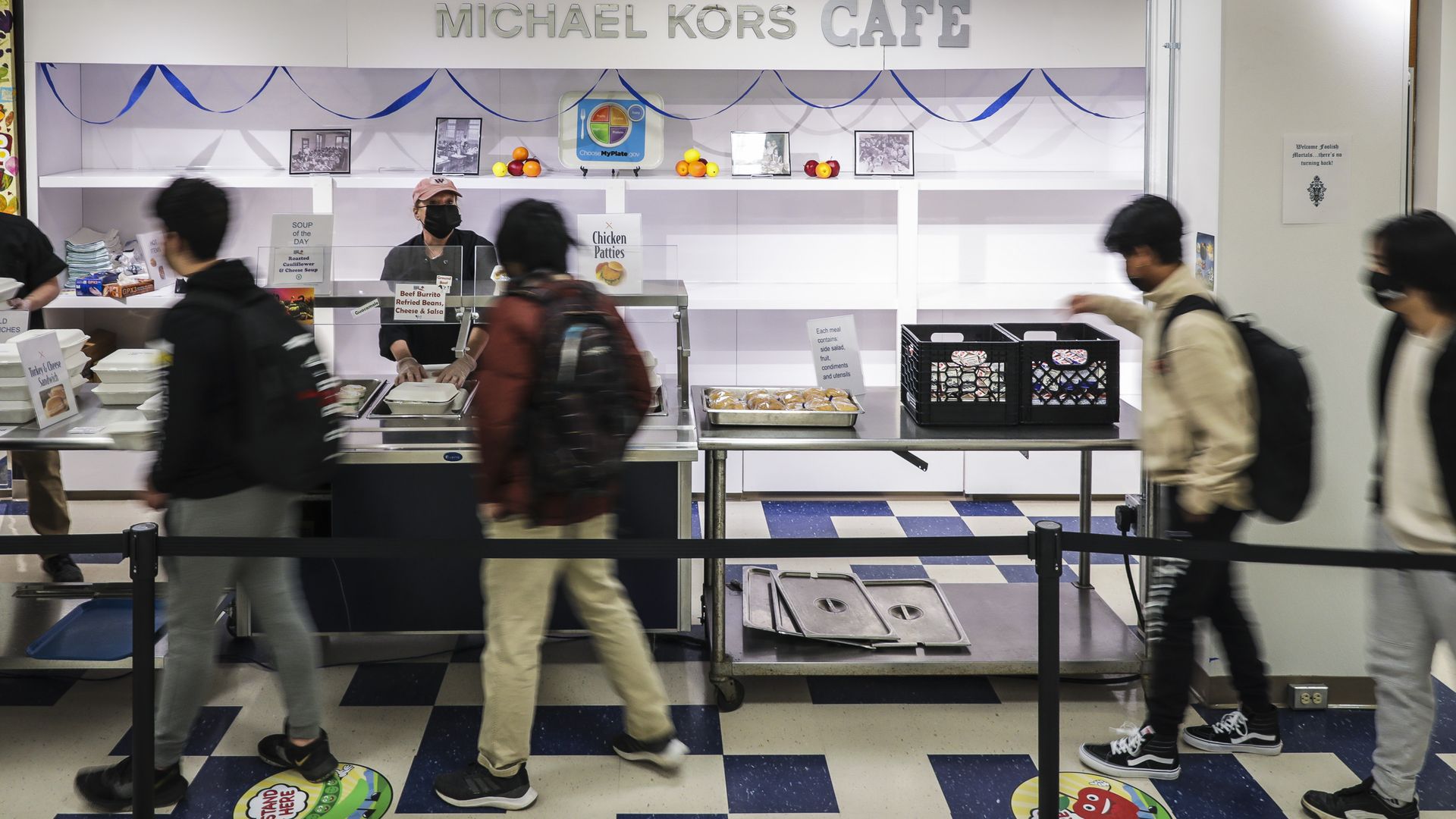
The U.S. Department of Agriculture announced Friday that it would adjust federal reimbursement rates and send nearly $750 million into school meal programs across the U.S. to counter inflation and supply chain issues.
Why it matters: Schools across the country have been challenged by food and supply shortages, leaving them scrambling to place orders for substitute meals, according to a survey from the School Nutrition Association.