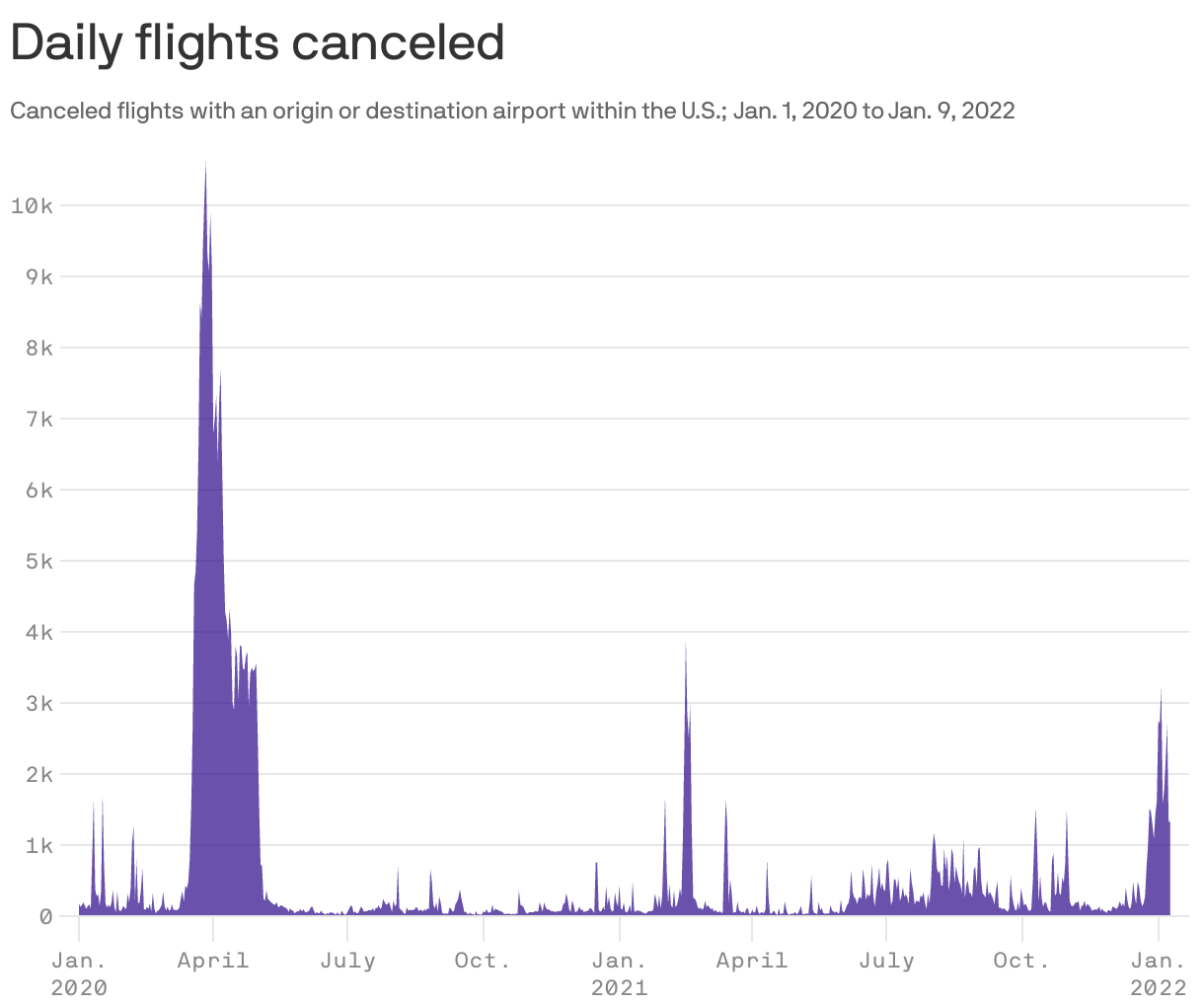
Millions of Americans are calling in sick or isolating, leaving employers scrambling and forcing low-income workers to go without pay or risk going into work.
Why it matters: The latest pandemic health crisis is undermining employers, draining the bottom line and risking reduced output.
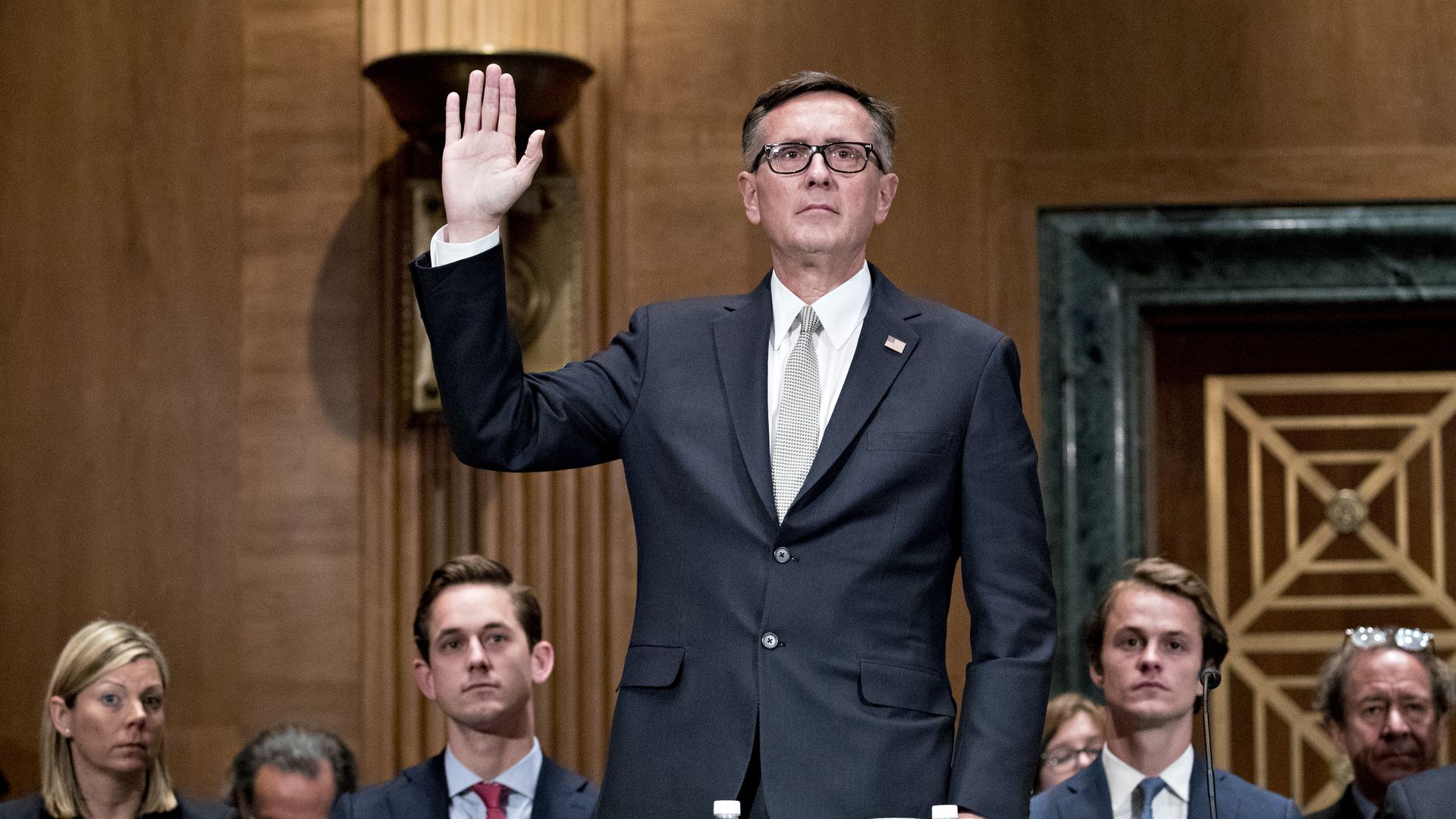
Richard Clarida, the second highest official at the Federal Reserve, will resign early after new details of his trading activity early in the pandemic were revealed.
His term as vice-chair was to end Jan. 31; he will instead step down Jan. 14.
Why it matters: Questionable trading activity by a handful of top officials undermined the central bank's reputation for ethical behavior.
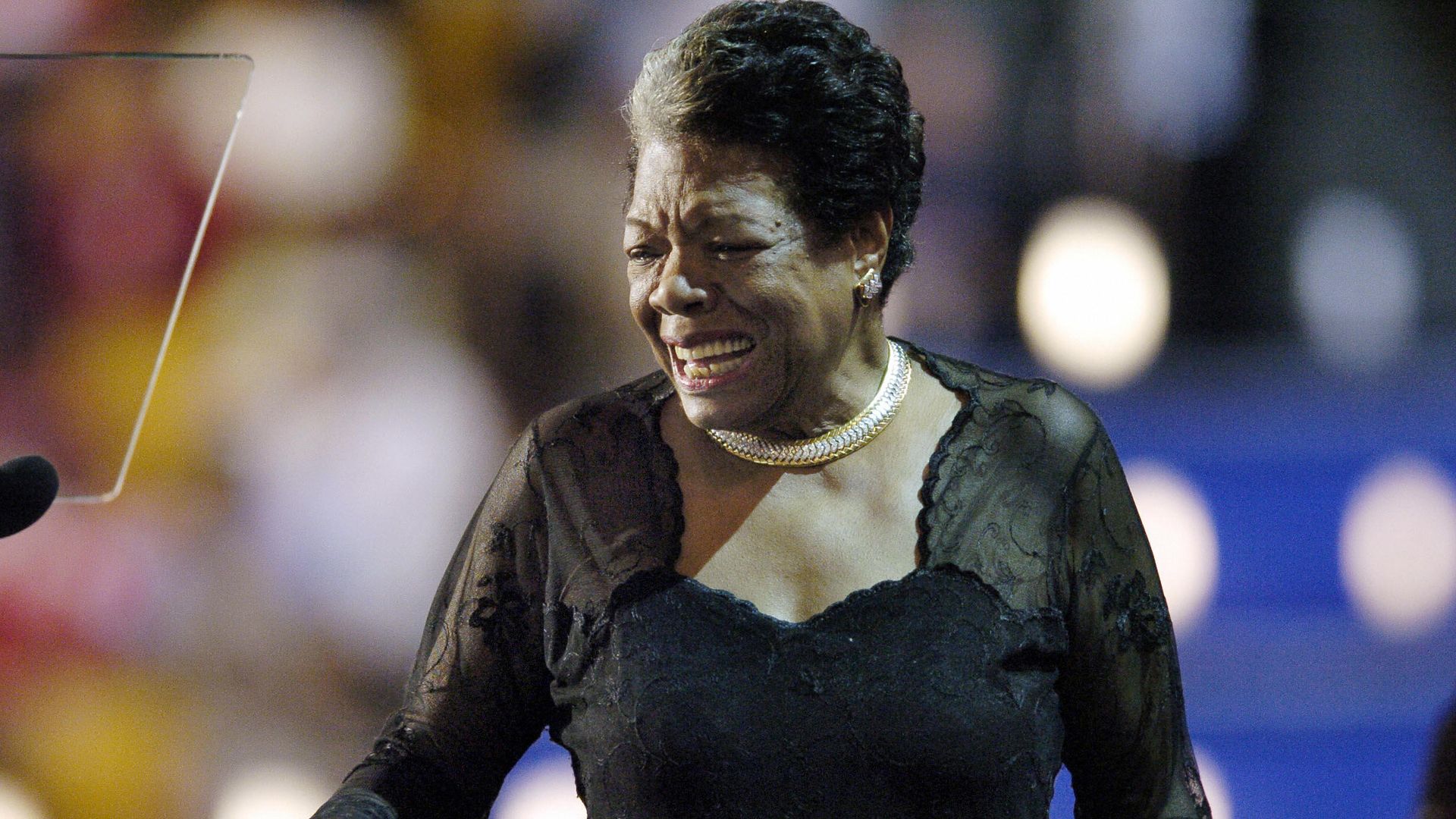
The U.S. Mint announced Monday that it has begun shipping quarters honoring the late writer and activist Maya Angelou.
Why it matters: The series kicks off the American Women Quarters Program (AWQ), which was signed into law last year to recognize notable women throughout U.S. history.
R1 RCM is buying New Mountain Capital's Cloudmed in an all-stock transaction valuing the combination at approximately $12.3 billion as of Friday's market close, sources tell Axios
Why it matters: The pandemic is accelerating growth in the provider revenue cycle management space, and Cloudmed brings a lot of tech and data to the RCM player with arguably the most scale.
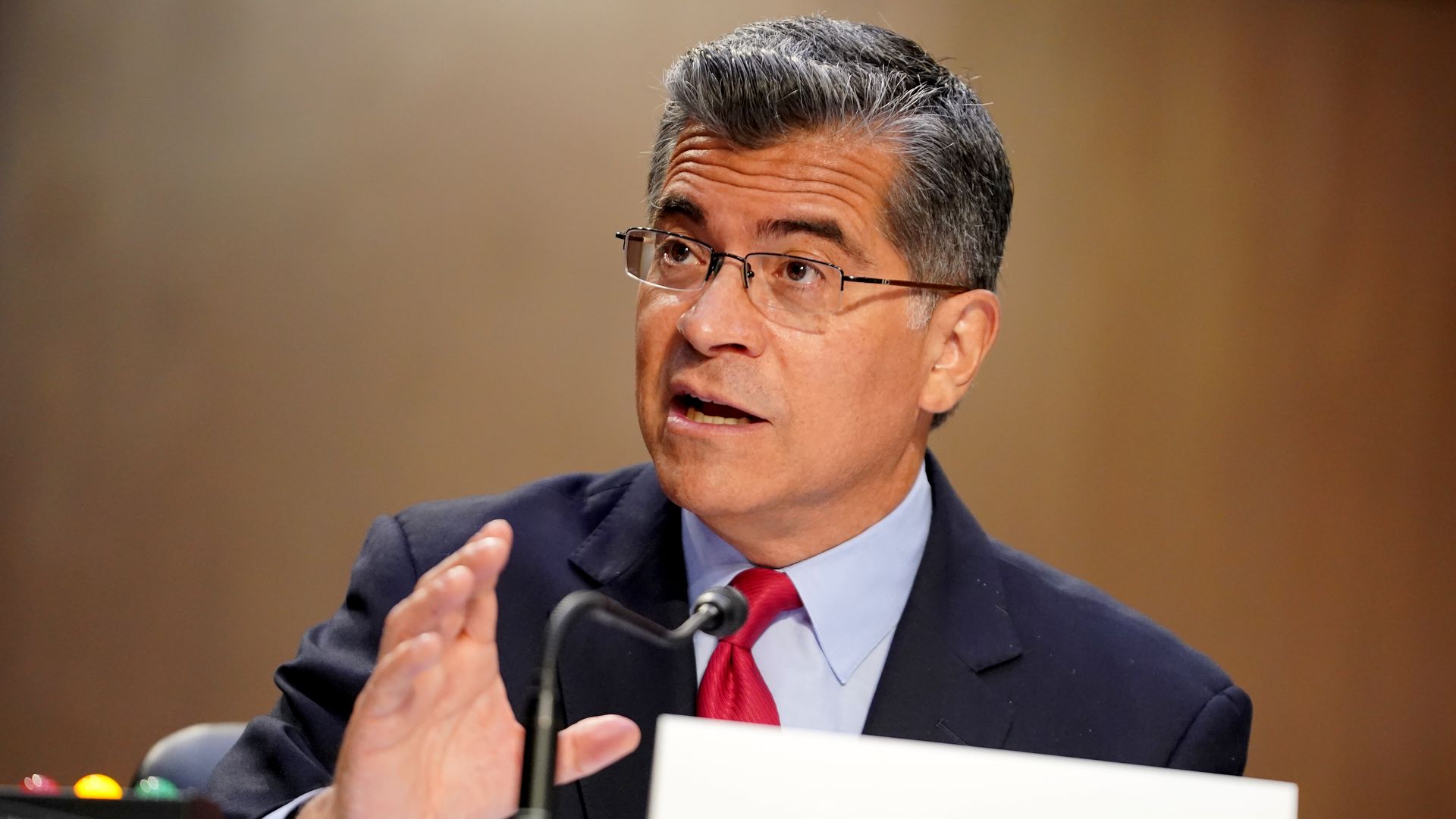
Because Biogen lowered the price of Alzheimer's drug Aduhelm by 50%, the federal government should "reassess" the large pending increase on Medicare's 2022 premiums that cover physician and outpatient care, HHS Secretary Xavier Becerra said in a statement today.
Why it matters: The historically high Medicare premium hike, during a midterm election year, was due in large part to Aduhelm's high price tag.
But now Becerra is asking Medicare to consider lowering the premium increase, just days before Medicare also is supposed to give a preliminary decision about whether Aduhelm's questionable clinical evidence justifies coverage at all.
MSNBC announced Monday it hired Symone Sanders, former senior adviser and chief spokesperson to Vice President Kamala Harris, to host new programs on its cable and streaming services.
Why it matters: The media company said in a press release that the programs "will explore issues at the intersection of politics, culture and race and break down how decisions made in Washington impact electorates, industries, and communities across the country."
Take-Two Interactive, publisher of games like Grand Theft Auto and NBA 2K, agreed to buy Zynga for $12.7 billion in cash and stock.
Why it matters: This reflects how traditional game publishers are spending big on mobile, where Zynga has had success with both its legacy hits (e.g., Farmville, Words with Friends) and so-called hypercasual games like Hair Challenge.
Eli Manning is the latest retired NFL great to join the world of private equity, this morning announcing that he's joined Brand Velocity Partners. Not as a part-time adviser or conference glad-hander, but as an actual partner.
Why it matters: BVP, founded in 2019 to buy consumer brand companies, has interest in expanding into sports investing, including the growing business of buying up pro teams. Manning lends the firm extra credibility and contacts in that space and says it will be his primary job.
The House of LR&C, a Seattle-based fashion startup founded by NFL quarterback Russell Wilson and singer Ciara, plans to raise between $20 million and $50 million this spring for its series A funding.
The range of that fundraising total gives it a rough valuation of between three and five times the company's revenue, its CEO Christine Day tells Axios.
Edelman has reviewed its client list through the lens of climate principles unveiled in November, but the PR giant isn't severing any ties despite finding problems — yet.
Why it matters: Edelman, the world's largest PR firm, is a focal point for activist campaigns against the industry's work with fossil fuel clients.
Things change fast in a pandemic. And a rapidly changing economy has the Federal Reserve playing catch-up.
Less than a month ago, the Fed made an abrupt pivot toward a more hawkish monetary policy stance. By the end of last week, the data was pointing toward an even faster withdrawal of stimulus.
Why it matters: Cheap money has become baked into the economy, so the Fed’s moves to take it away will bring risks of abrupt swings in markets that could spill back over into the economy.
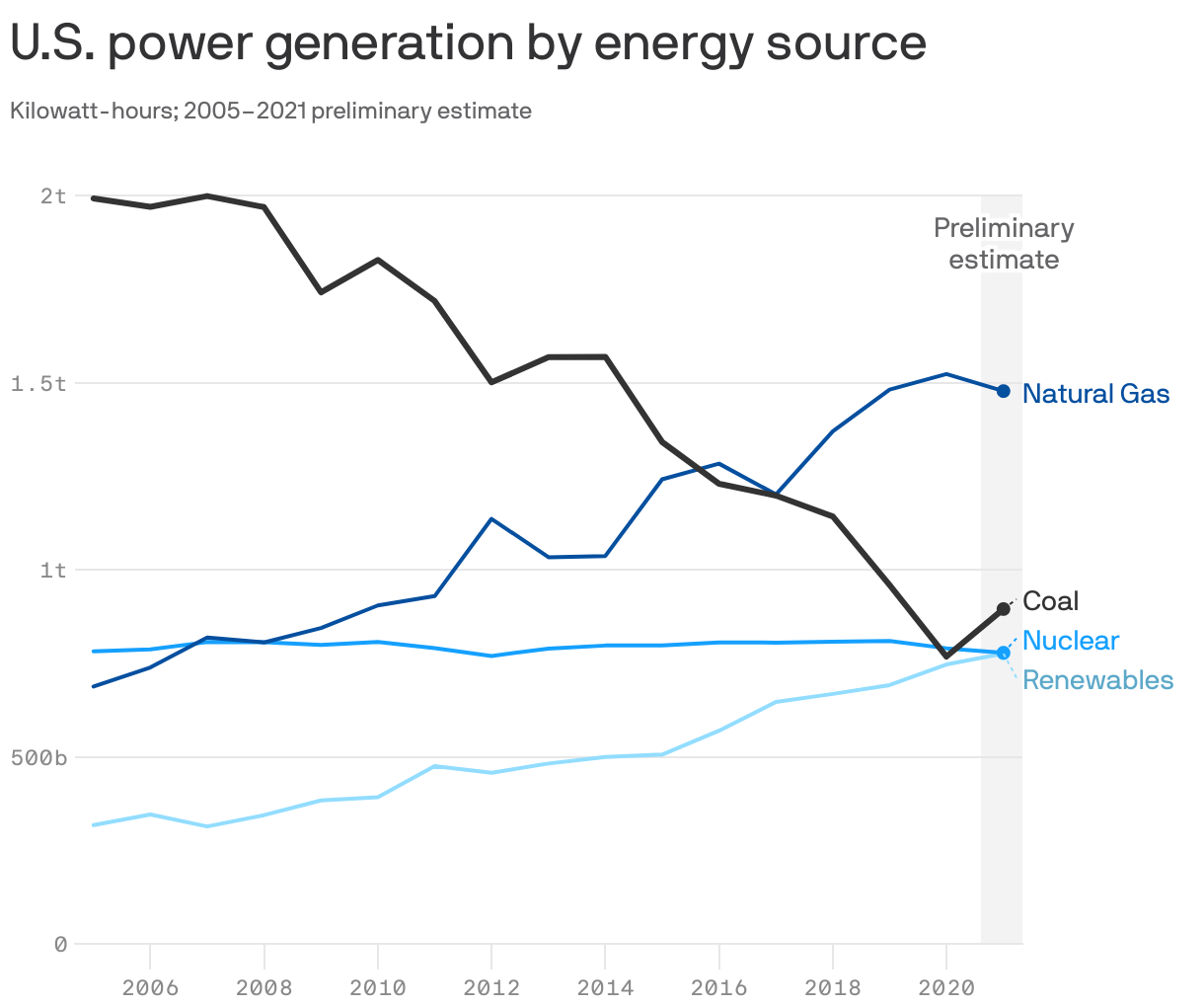
Just-released data reveals the scope and details of U.S. carbon emissions increases as the economy rebounded from COVID-19 restrictions, highlighting how White House climate goals may slip out of reach absent major new policies.
Driving the news: America's emissions of planet-warming greenhouse gases increased in 2021 compared to 2020, largely due to a jump in coal use, according to a new report from the climate consulting firm the Rhodium Group.
"Smart" cities — where technology makes life easier for the people who live and work there — are rapidly becoming reality, but there's still lots of work to do.
A news site, Smart Cities Dive, solicited predictions from readers and offered a list for 2022:
The EV charging infrastructure will grow, becoming more convenient and resilient.
The "digital divide" in data and technology will narrow, with high-speed internet becoming available to all city residents.
"Curb management solutions" will grow more popular, as the pileup of food and package deliveries threatens to overwhelm us.
Cities will make bolder climate commitments, like vowing to decarbonize buildings.
E-bikes and shared mobility will continue to advance, for environmental reasons and convenience.
What they're saying: Wireless power will become prevalent, Hatem Zeine, founder of a wireless power company called Ossia, predicted to Smart Cities Dive.
"Integrating wireless power into buildings and infrastructures will not only allow for reduced wiring and maintenance costs but will also enable consumers to power their smart homes and personal gadgets," Zeine said.
"IoT sensors in these devices could track important data such as air quality, temperature, consumption of resources, health and activities around the city, allowing for streamlined analysis and improvements to be made sooner."
As labor grows scarcer and pricier, stores are turning to cashier-less checkout to stay in business.
Why it matters: Businesses increasingly face the almost unheard-of predicament of figuring out how to keep their doors open with fewer — or no — employees.
The annual JPMorgan Healthcare Conference kicks off today, and it's virtual for the second straight year after companies raised concerns about rising coronavirus cases.
Why it matters: Health care is as profitable as ever amid the global pandemic, and companies are eager to tell deep-pocketed power brokers why they should continue to plow more money into the industry and expect hefty returns.




/2022/01/10/1641831957859.gif?w=3840)
















/2022/01/07/1641580515126.gif?w=3840)