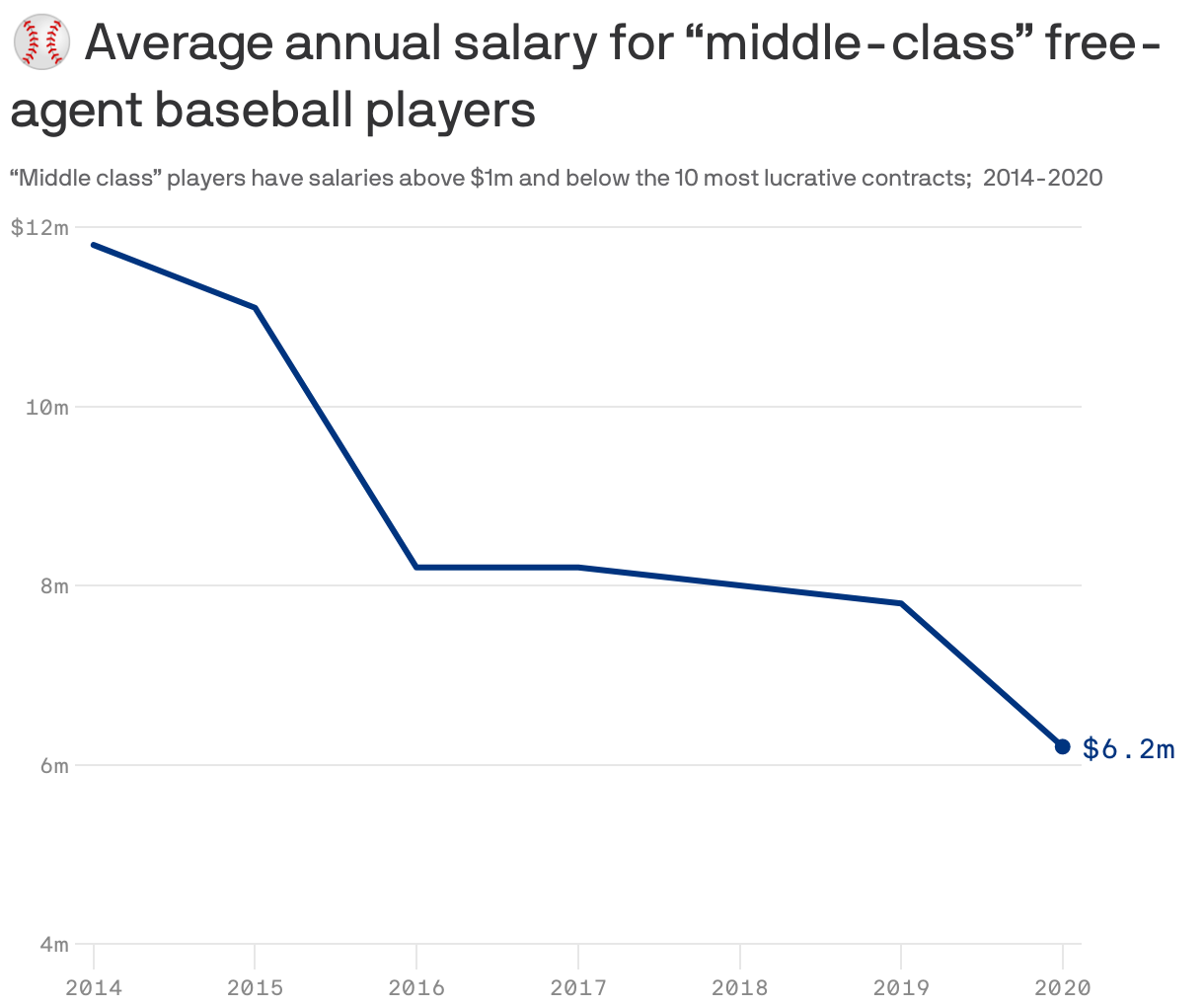
Data: ESPN research, Paul Hembekides; Chart: Kavya Beheraj/Axios
The MLB entered its first work stoppage since 1995 after the players’ collective bargaining agreement expired at midnight this morning.
Why it matters: What’s happening with the players feels very similar to the larger labor movements taking place this year — workers are asking for a bigger piece of the pie commensurate with their value.
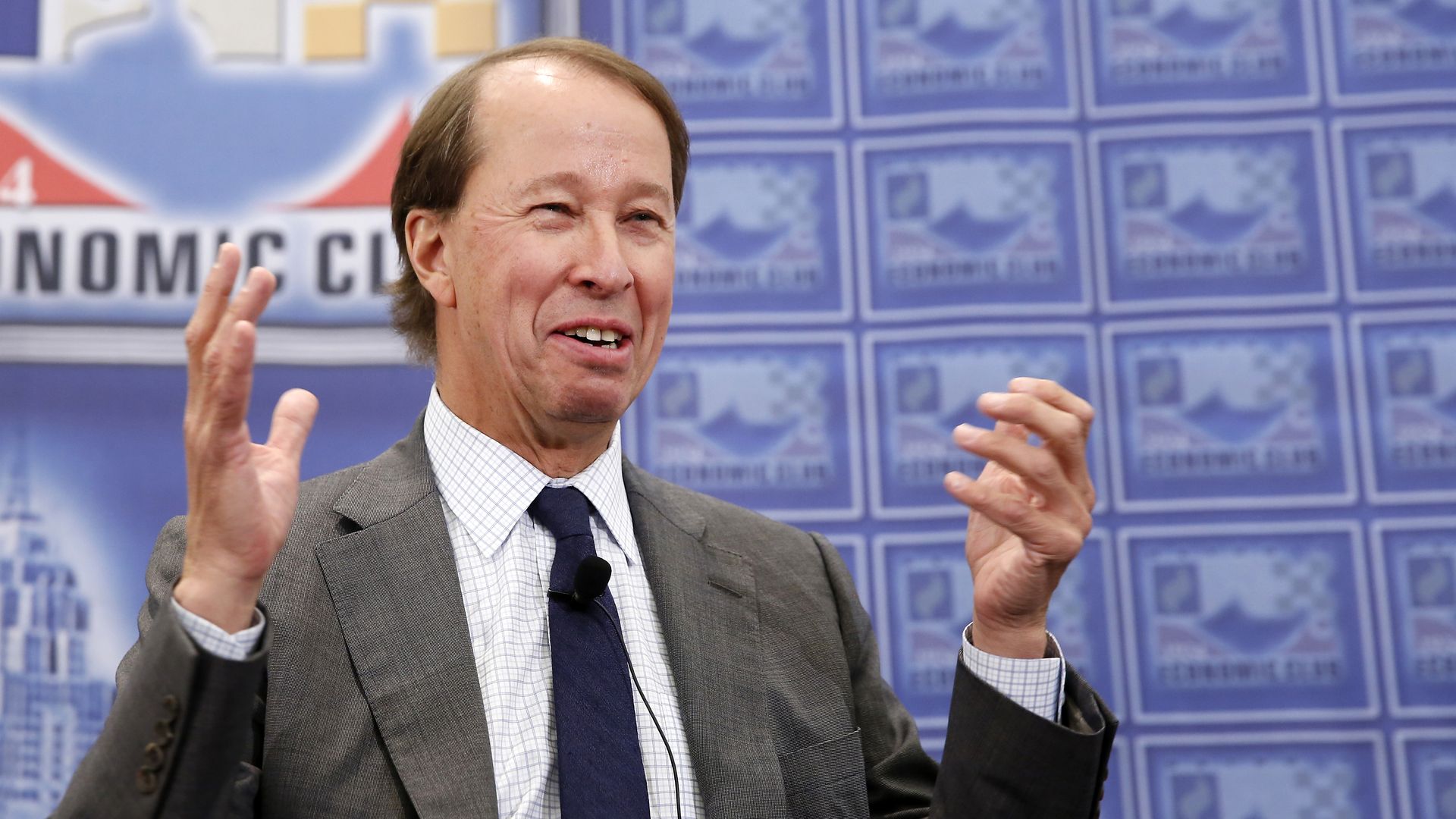
Tony James plans to retire from his role as executive vice chairman of investment giant Blackstone at the end of the year, according to an internal memo distributed on Thursday.
Behind the scenes: Blackstone set up a succession plan for James in 2018, when it promoted real estate boss Jon Gray to the president and COO roles that James had held since joining the firm in 2002.
The last jobs report before the holidays is due out on Friday.
Why it matters: Economists expect that the U.S. created a healthy 575,000 new jobs in November, according to FactSet, up from October’s initial reading of 531,000.
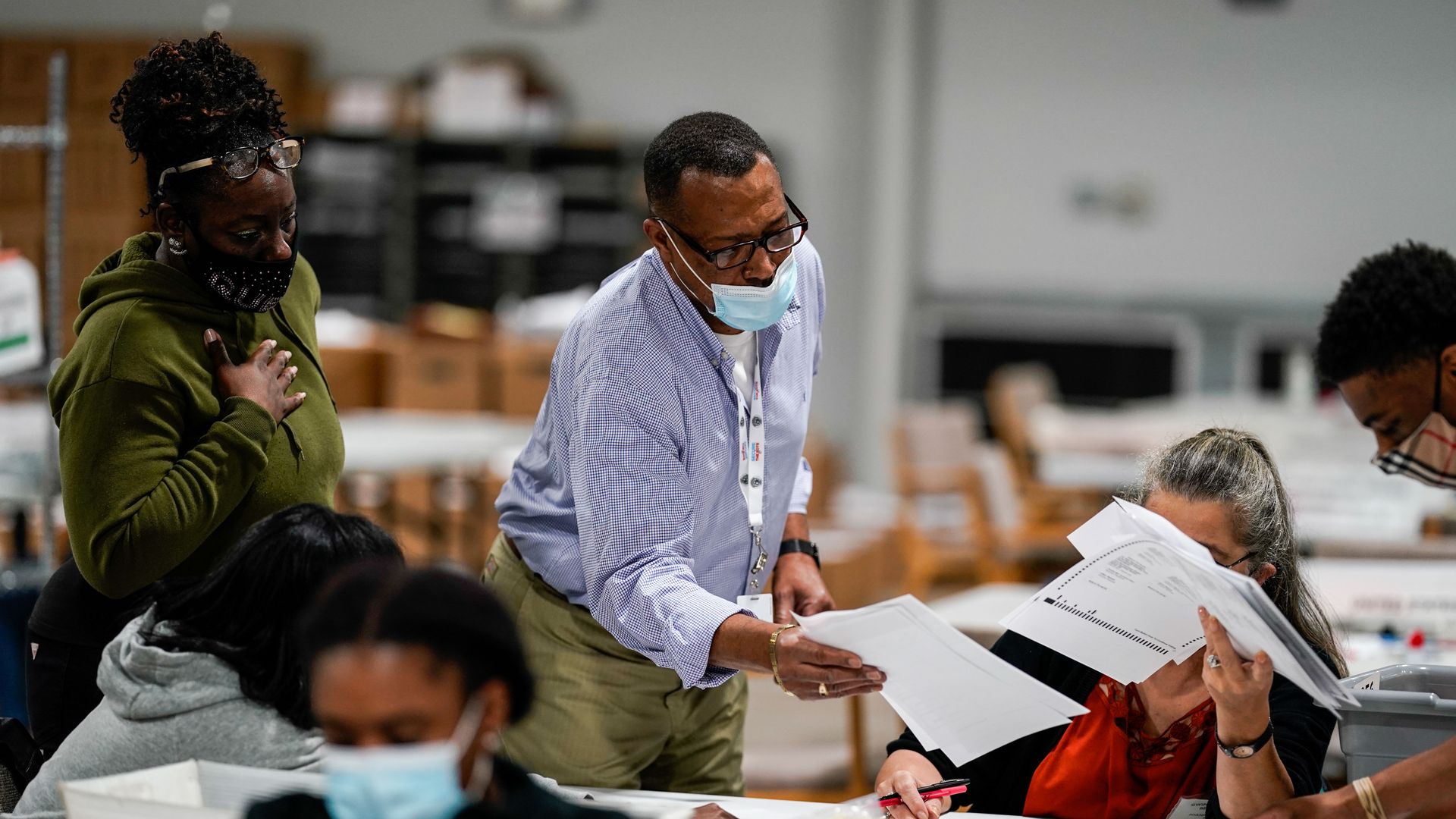
Two Georgia election workers on Thursday filed a lawsuit against The Gateway Pundit, a far-right website, for accusing them "of committing ballot fraud to alter the outcome of the 2020 presidential election in Georgia."
Why it matters: This is one of the first lawsuits to be filed by individual election workers against media companies for spreading misinformation about the 2020 elections.
Rumble, a user-generated video platform, agreed to go public at an implied $2.1 billion valuation via CF Acquisition Corp VI (Nasdaq: CFVI), a SPAC sponsored by Cantor Fitzgerald.
Why it matters: Rumble has become the favored YouTube alternative for Trump-type Republicans, claiming 36 million average monthly users in Q3 2021.
Grab on Thursday hopes to become the king of SPACs, no matter how uneasy have been some heads to wear that crown.
Driving the news: Grab, a Singapore-based "super app" maker, today will list on the Nasdaq, via a reverse merger with a SPAC formed by Altimeter Capital. It gives Grab a pro forma equity value of $39.6 billion, the richest price ever afforded in such a transaction.
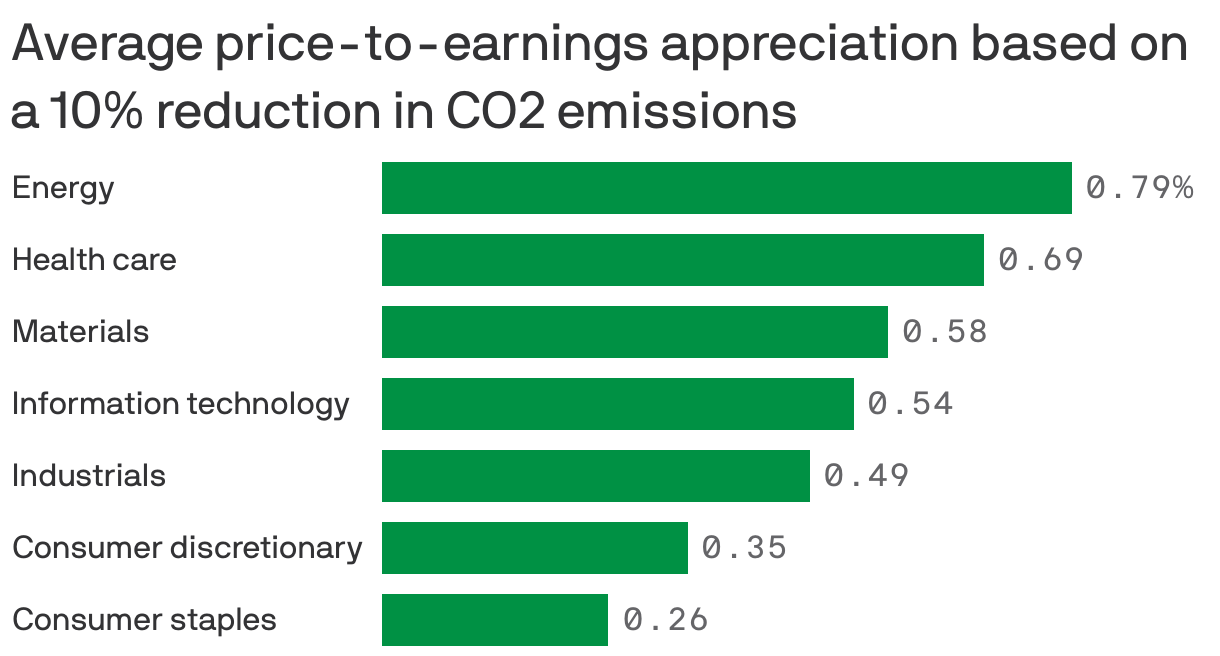
Data: Lazard Climate Center; Chart: Jared Whalen/Axios
Analysis of companies' market performance shows a relationship between emissions-cutting and higher share prices relative to earnings, a metric of investor confidence.
Driving the news: Lazard, a financial advisory firm, explored the equity values and emissions of over 16,000 companies in 2016-2020.
Americans want accessto more credit than they have since the pandemic began. Demand for borrowing is increasing, albeit alongside consumer jitters about being able to shoulder unexpected bills.
What’s happening: Requests for credit card applications and credit limit increases are leading the demand rebound, according to the latest credit access survey from the Federal Reserve Bank of New York.
The Carlyle Group tells Axios that it has agreed to buy CNSI, a Virginia-based manager of IT systems for state and federal agencies, from Alvarez & Marsal Capital Partners.
Why it matters: This is about modernizing how Medicaid agencies process medical claims and manage provider enrollment, while responding more efficiently to legislative and regulatory changes.
Members of BuzzFeed News' union said they plan to walk out on the job at noon Thursday, the same day shareholders will vote on whether or not to take BuzzFeed public via a SPAC IPO.
Why it matters: Digital media companies are anxiously eyeing BuzzFeed's expected public debut to see whether the market responds positively to a digital media firm trading publicly. Pressure from its news union could complicate that process.
Manufacturing activity continued to tick up last month as pockets of the supply chain showed signs of relief, according to a new survey from the Institute for Supply Management.
Why it matters: Despite facing nearly two years of supply chain and consumer demand anomalies, manufacturers continued to increase their output for the 18th month in a row.
SEC chair Gary Gensler is looking at the controversial practice of payment for order flow, or PFOF, to determine whether it should be banned. Fresh data from retail brokerage Public, shared first with Axios, adds weight to the case that it should be stopped.
Why it matters: PFOF, a formerly obscure market-structure backwater, got a bad reputation during the meme-stock craziness earlier this year, causing a lot of pointed questions to be asked of the SEC by members of Congress. Now the regulator is considering whether it makes sense, or should be outlawed on the grounds that it represents a conflict of interest for brokers.
The women's professional tennis tour suspended tournaments in China Wednesday out of concern for Peng Shuai, on the same day that a top business voice made excuses for Beijing.
Why it matters: Ahead of February's Winter Olympics in Beijing, some sports figures are taking on the regime — while Big Business shrinks from confrontation with the world's second-largest economy.
The cool "après ski" vibe of relaxation and winter fun has moved beyond the lodge, as the lingering pandemic brings a wider appreciation of socializing that can be done in an outdoorsy way.
Why it matters: The trend of cities and towns endorsing "winter placemaking" as a way to coax people outdoors has continued this year. And even though climate change has kept ski slopes closed later than usual, ski culture — often in the form of "shotskis" — is migrating to new places.
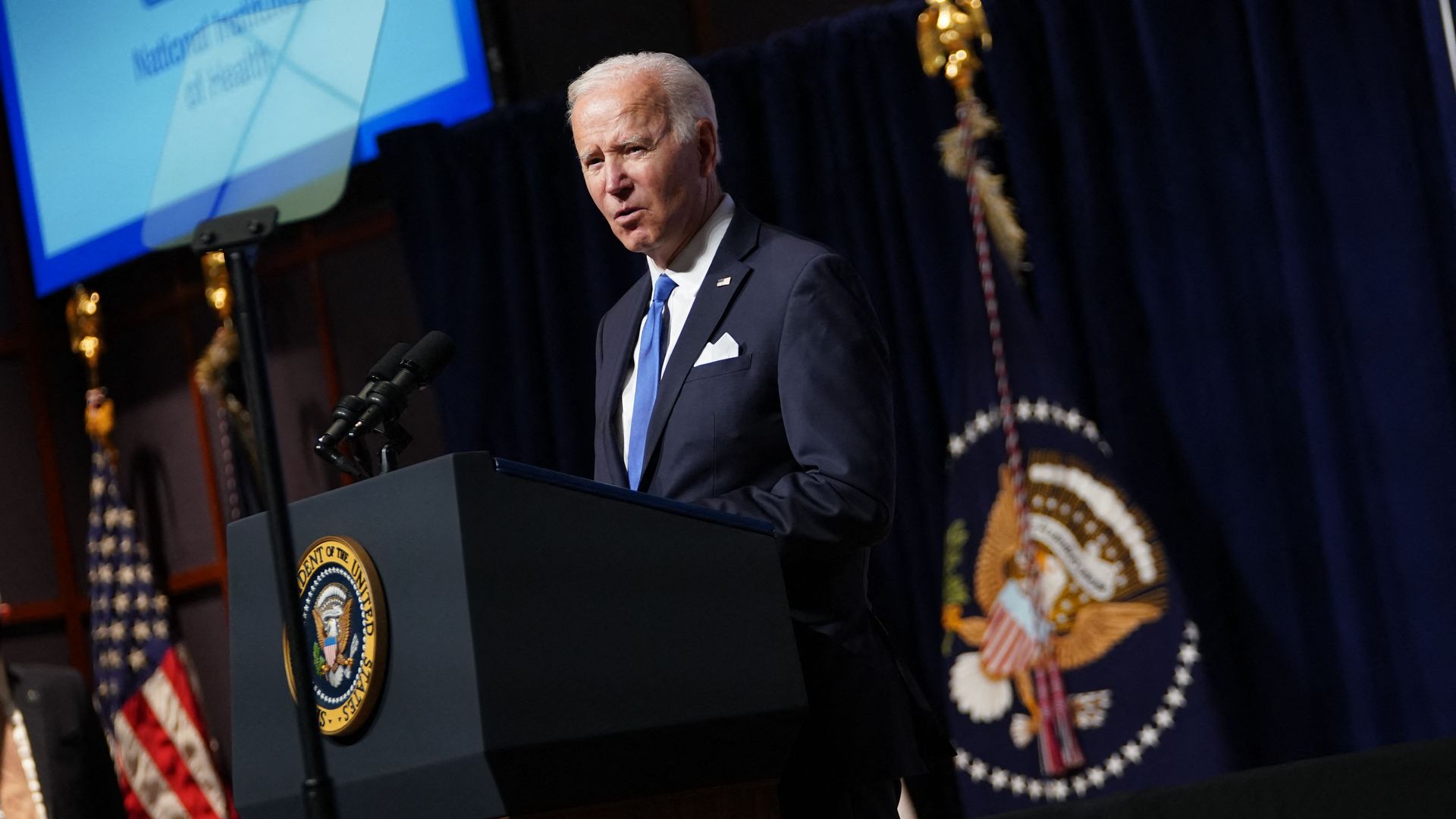
President Biden on Thursday announced new testing protocols for international travelers and extended masking requirements through March as the U.S. prepares to fight the Omicron variant this winter.
Driving the news: The U.S. will tighten pre-departure testing protocols starting early next week by requiring all inbound international travelers to take COVID-19 tests within one day of their departure rather than three.
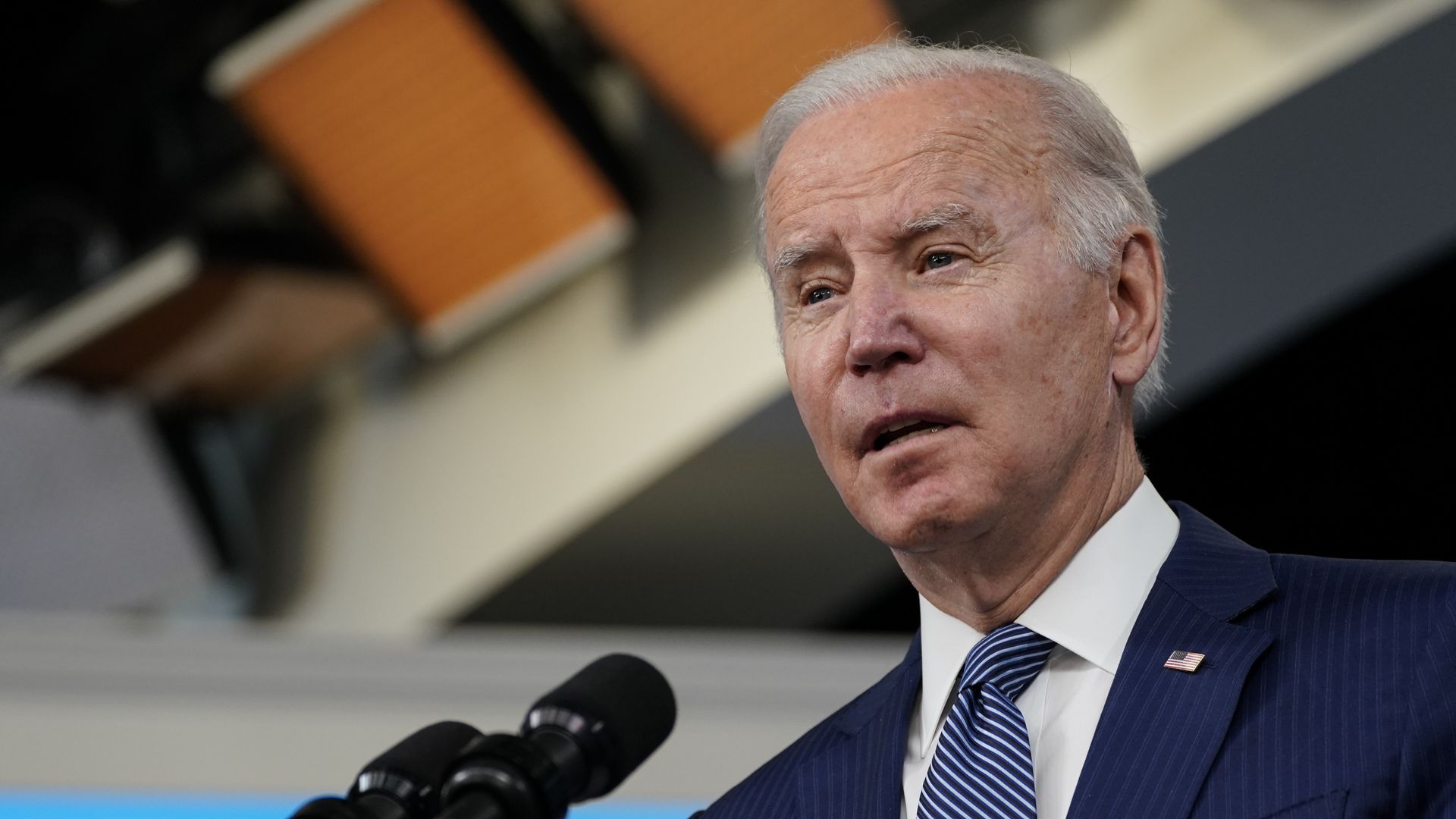
The federal government will issue guidance to allow people with private health insurance to seek reimbursement for the cost of at-home COVID tests, President Biden will announce Thursday.
Why it matters: The move — which comes amid growing concern about the Omicron variant and as part of the administration's larger strategy to mitigate the spread of COVID this winter — will expand access to at-home testing for over 150 million people.