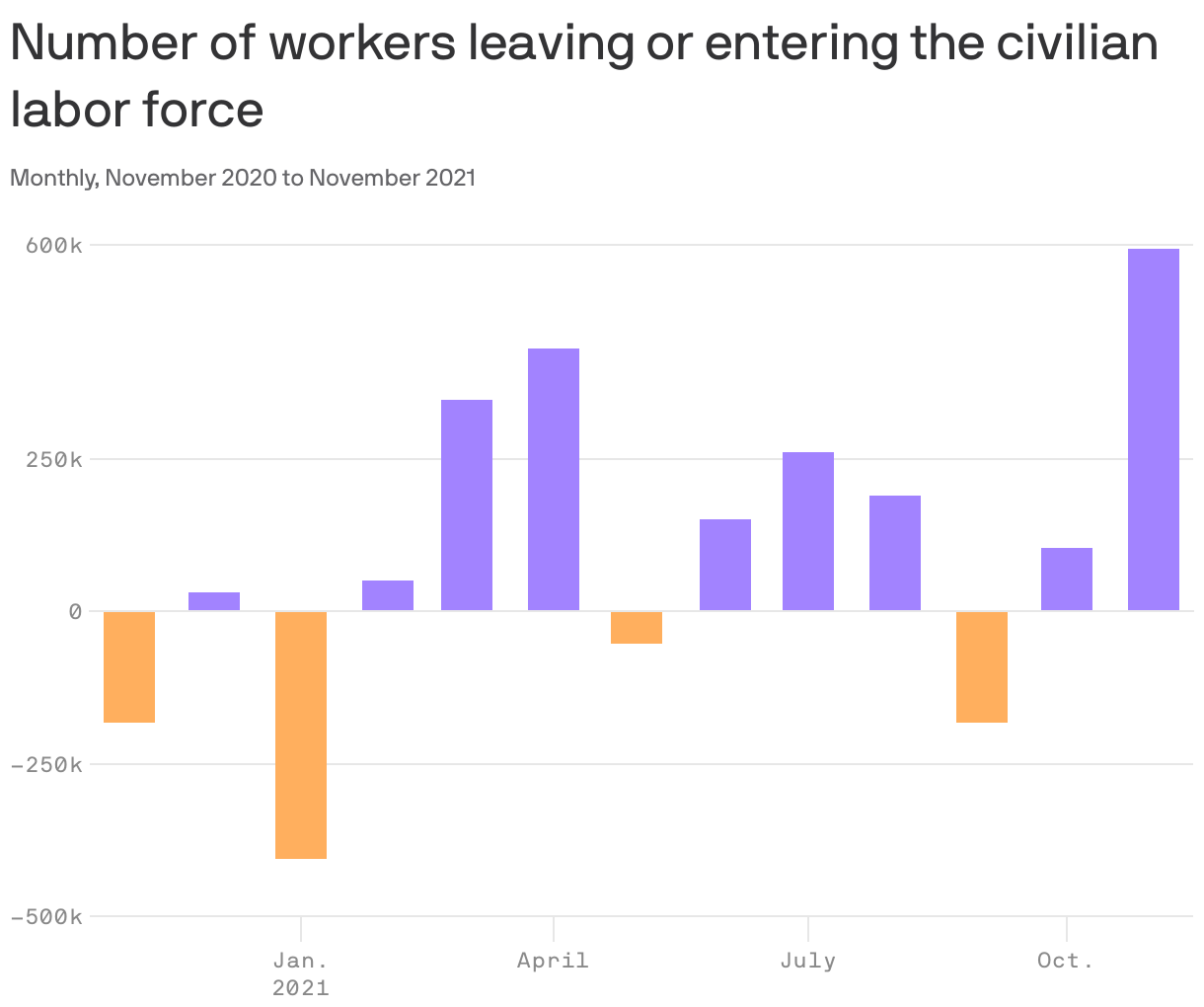
Two storylines have emerged from the latest jobs numbers. Far fewer jobs were added to the U.S. economy in November than economists expected, yet the unemployment rate dropped to 4.2%.
Erica Pandey is joined by Washington Post economic columnist Catherine Rampell to dig into these numbers and how two very different economic indicators can coexist — and how they could influence Federal Reserve officials.
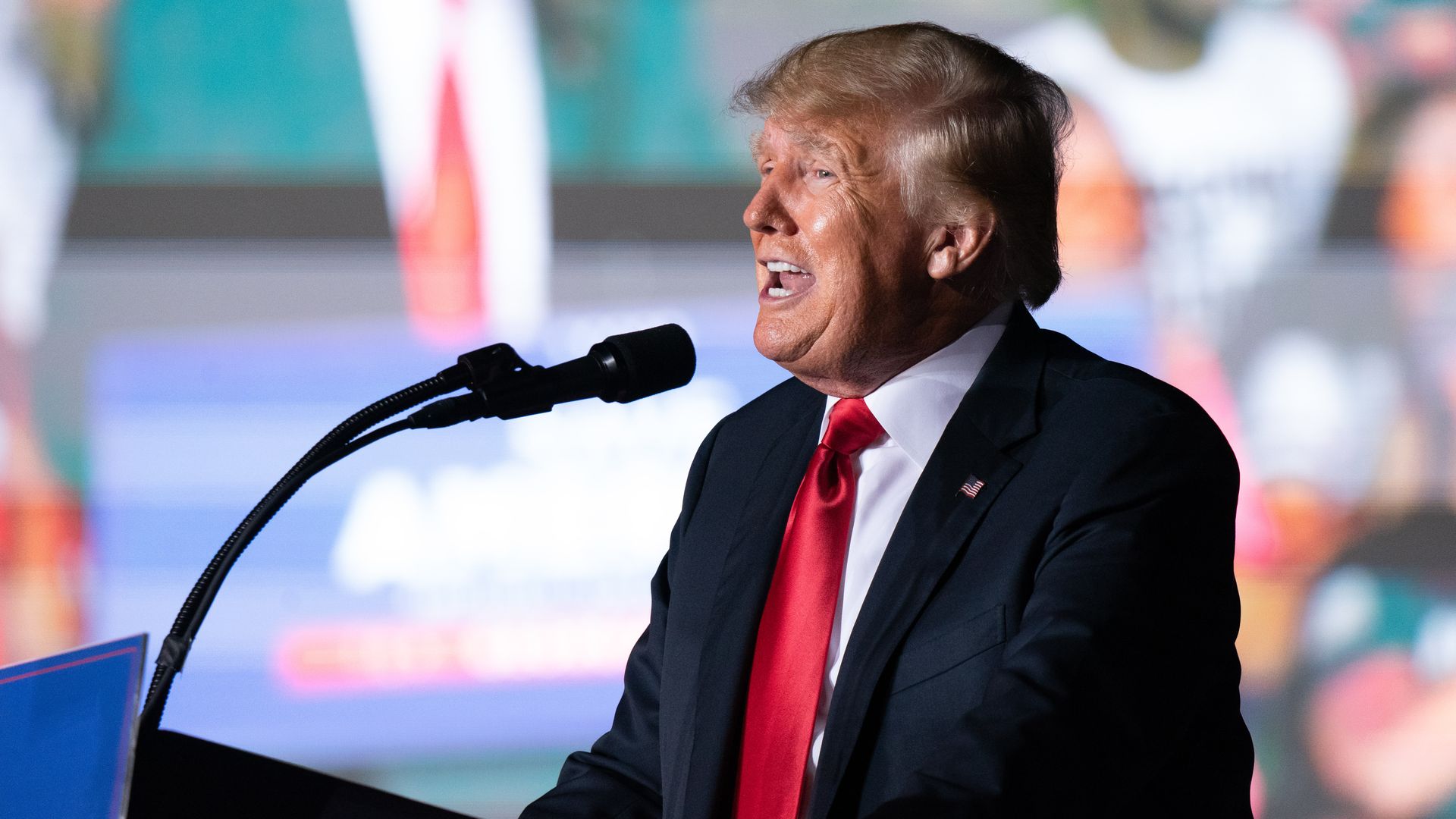
Former President Trump's political action committee, Save America, has spent more than $1.4 million on Facebook and Google ads since March, FWIW reports.
Driving the news: While Trump was banned from posting on various social media platforms, he has managed to work around this as he prepares for the 2024 presidential elections, per the Washington Post.
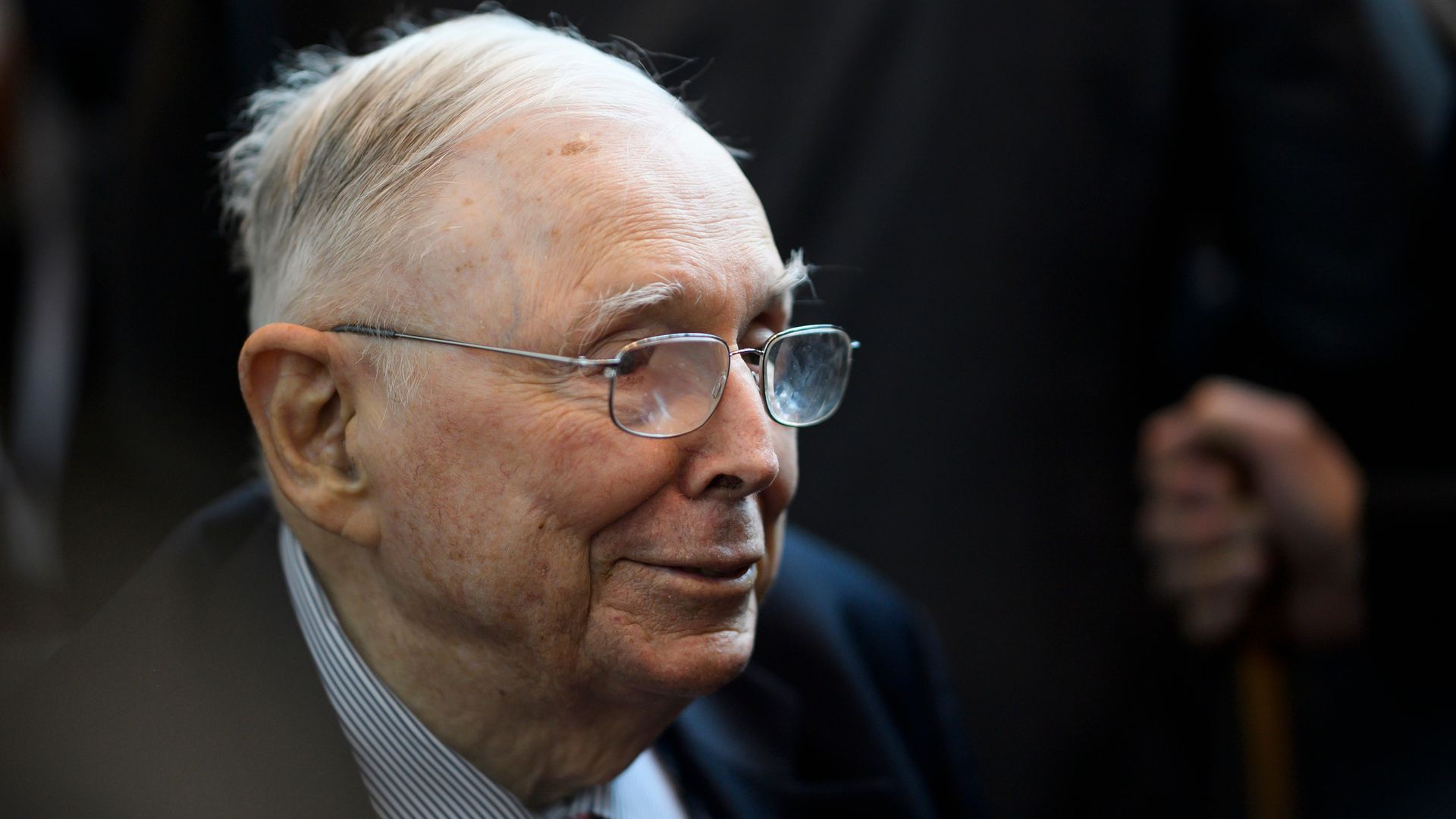
Berkshire Hathaway's Charlie Munger said at a conference Friday that markets are now overvalued and "even crazier than the dot-com era," the Australian Financial Review reports.
The big picture: Warren Buffett's right-hand man also praised China's ban on cryptocurrencies, which he said should never have been invented, according to the AFR.
Whatever you think about the economy, you’ll find something in this morning’s conflicting jobs report to reinforce your views: America's job market is white-hot and the labor market is anemic.
Between the lines: The conflict comes from the two separate surveys the government uses to compile the report.
Is payment for order flow(PFOF) bad for investors? Absolutely not, according to a new paper from S.P. Kothari and Eric So of MIT.
What's new: PFOF is back in the news, now that Public has come out with data showing that the alternative — trading directly on exchanges — can result in significantly better execution quality.
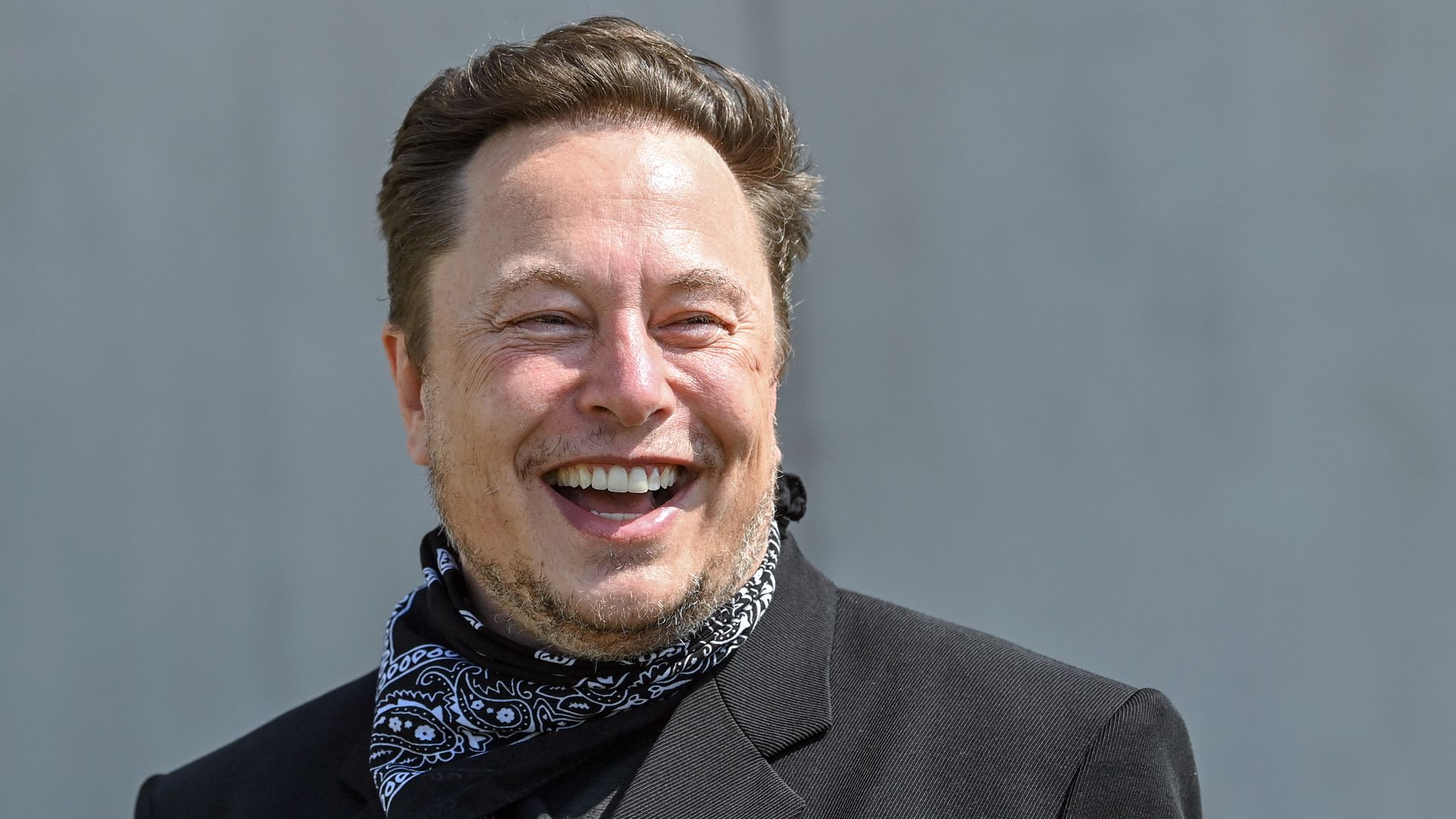
Here's how insanely rich Elon Musk is: He has unloaded $10 billion of his stock in the past month — and could do that 15+ more times given his silos of shares.
The promotion above, which lets Call of Duty players "unlock in-game rewards and level up their game when they enter product codes from specially-marked products," is part of a new tsunami of online come-ons.
What's happening: "New privacy protections ... by tech giants and governments are threatening the flow of user data that companies rely on to target consumers with online ads," the Wall Street Journal reports.
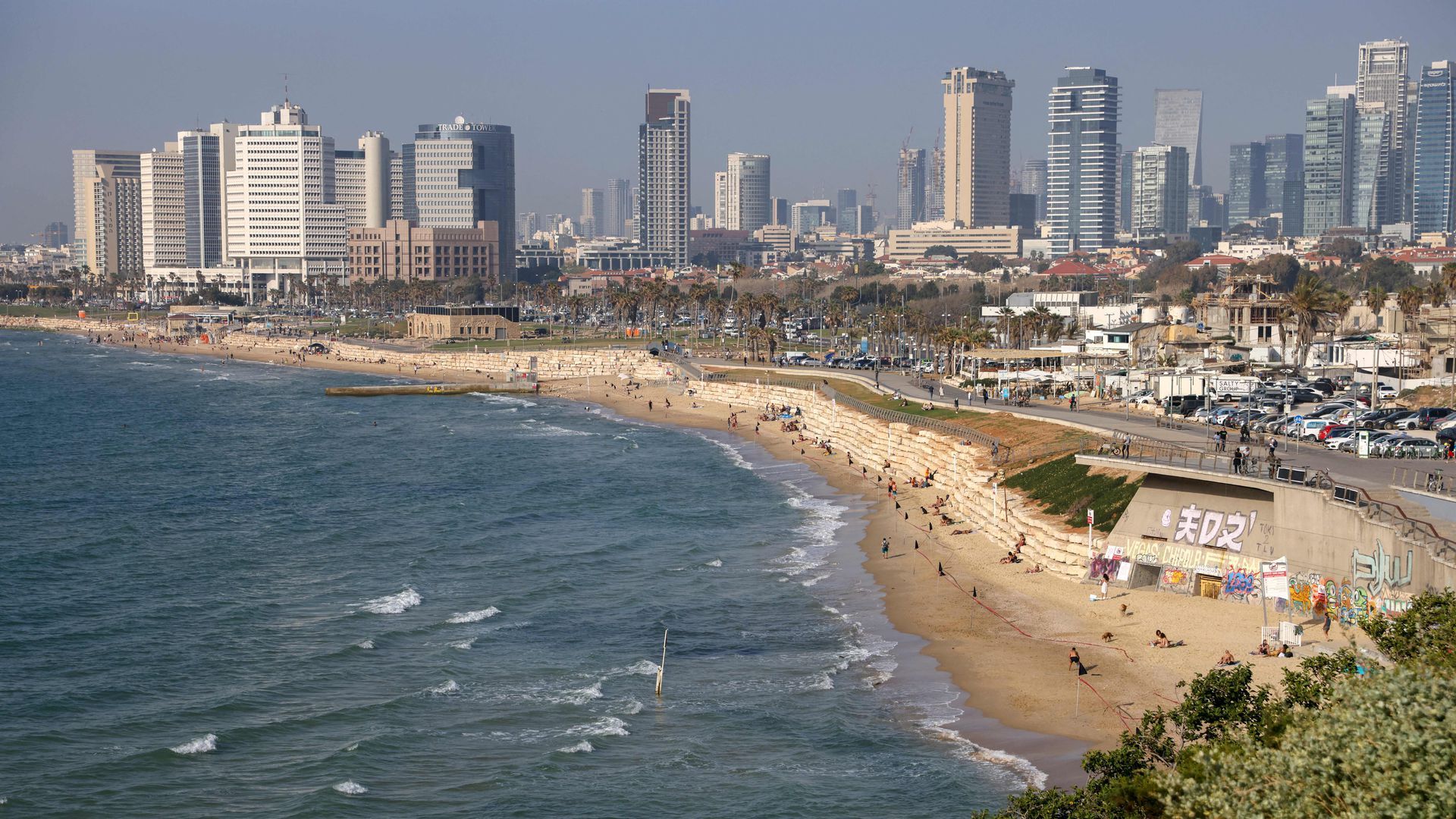
Tel Aviv, Israel, rose to the top of the 2021 rankings of the world's most expensive cities, eclipsing such notoriously pricey metropolises as New York (No. 5) and Paris and Singapore (which tied for second place).
The annual Worldwide Cost of Living report (download) includes 173 cities and is put out by the Economist Group's Economist Intelligence Unit (EIU).
Per the report: "The inflation rate of the prices that we track ... across cities is the fastest recorded over the past five years."
"It has accelerated beyond the pre-pandemic rate, rising by 3.5% year on year in local-currency terms in 2021, compared with an increase of just 1.9% in 2020 and 2.8% in 2019."
The rise of Tel Aviv — which climbed from fifth place last year — "mainly reflects its soaring currency and price increases for around one-tenth of goods in the city, led by groceries and transport, in local-currency terms," EIU said.
Details: According to the report, Rome saw the biggest rankings drop — to 48th from 32nd — "with a particularly sharp decline in its shopping basket and clothing categories."
Tehran climbed the most — to 29th from 79th — as U.S. sanctions on Iran "led to continued shortages of goods and rising import prices."
Per EIU: "Most U.S. cities have fallen in the rankings compared with last year, after the government responded to the Covid-19 pandemic by injecting more money into the economy."
Where it stands: The 10 most expensive cities are:
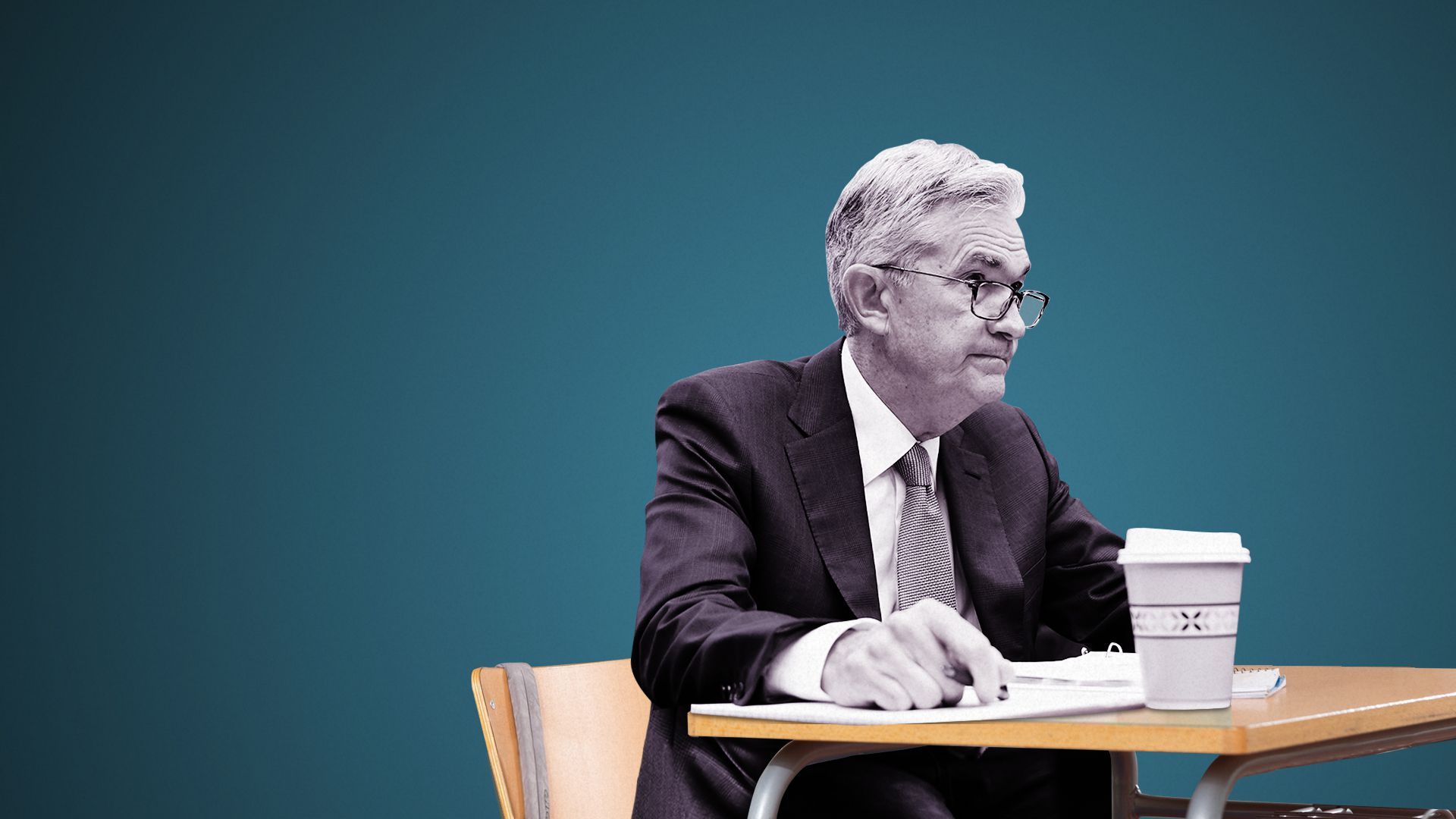
Speed up the taper, supercharge communication and release the digital coin white paper — this is advice to the Federal Reserve from a surprising source: college kids.
The backstory: For a few minutes each year, the students act as Fed officials and compete to pitch staffers the best direction for the nation’s economy.
RV — or recreational vehicle — sales have been steadily rising for the last decade. But the numbers were supercharged by the pandemic.
The big picture: Many Americans are taking advantage of newfound work flexibility and pivoting to van life. It slashes costs, takes "glamping" to a new level, and truly embodies the "work-from-anywhere" philosophy.
The Biden administration's decision to require health insurance companies to cover the cost of at-home COVID-19 tests is part of a national effort to more easily identify infected people and stunt the spread of the virus this winter.
Reality check: Millions of people who are uninsured or are covered by Medicare and Medicaid weren't included in the announcement, and the redemption of a "free" test still requires insured people to pay upfront.
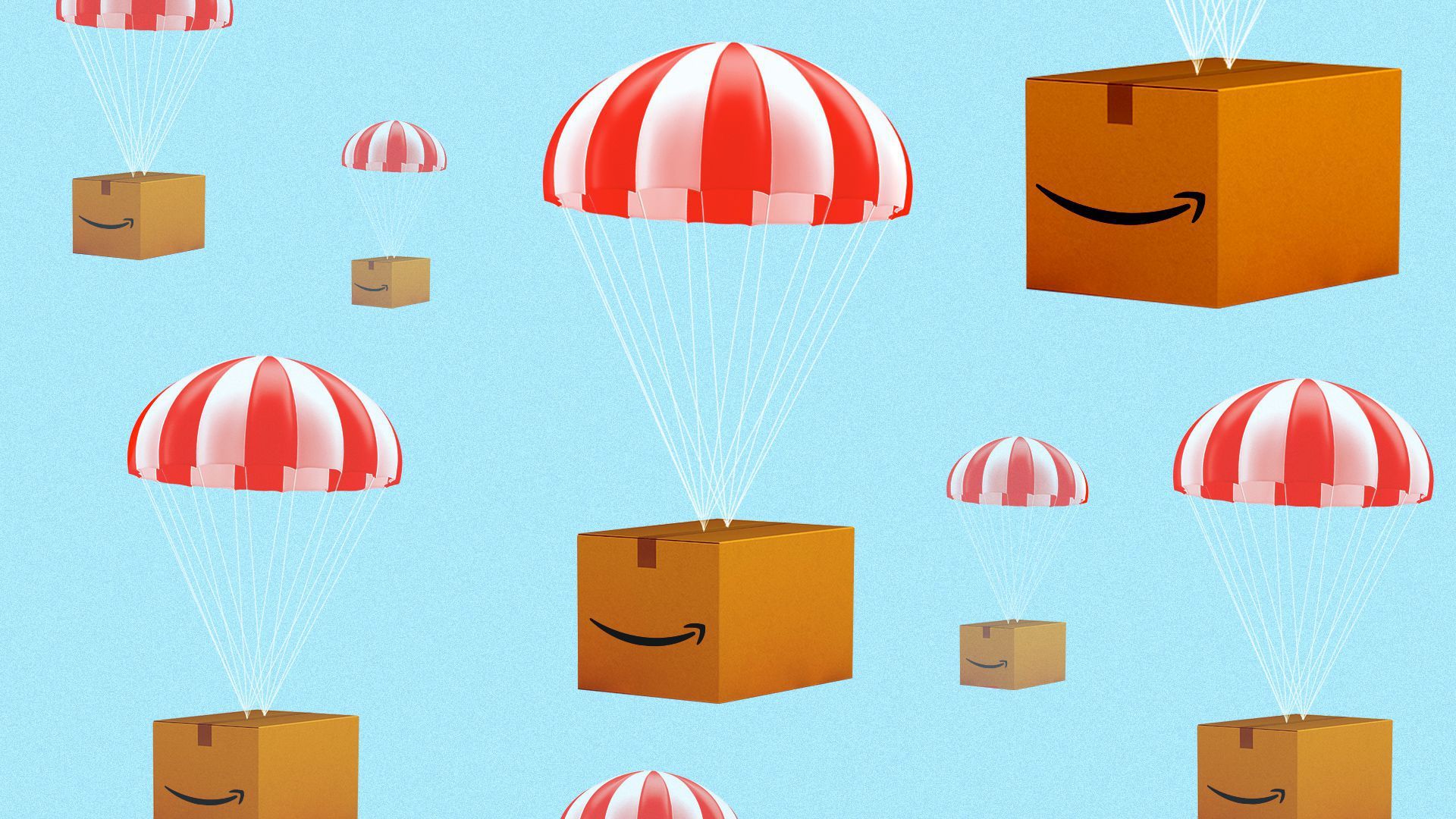
Amazon is inching closer to being able to send you everything, from any store.
Driving the news: The company’s CEO of worldwide consumer business, Dave Clark, told CNBC this week that Amazon will “probably be the largest package delivery carrier in the U.S.” by early 2022 if not the end of this year.
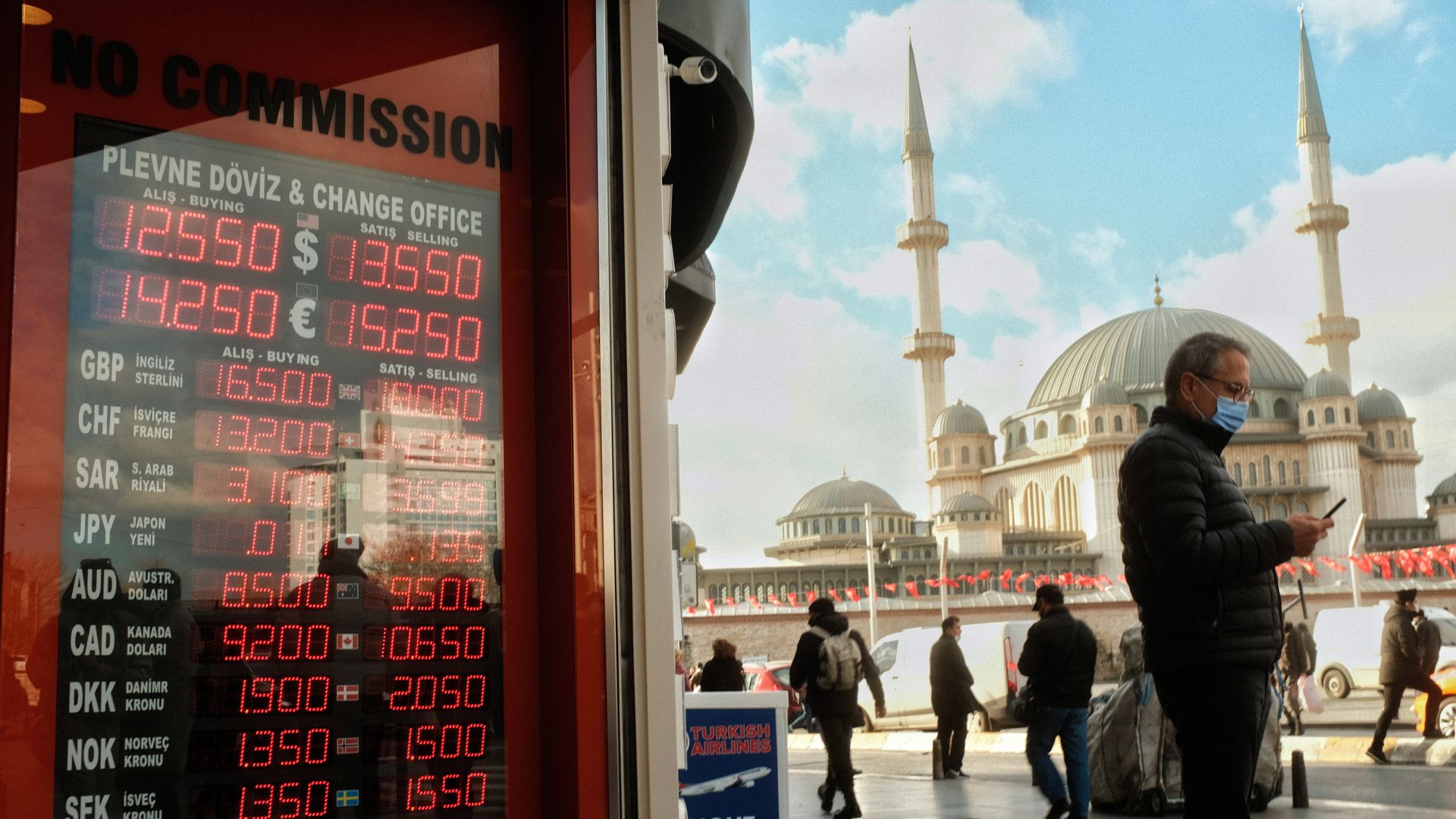
Turkey’s central bank is scrambling to prop up the country’s spiraling currency, the lira, as rising prices leave Turks struggling to afford essentials and venting their frustrations with the government.
How it happened: President Recep Tayyip Erdoğan has pressured the central bank to cut interest rates this year even as the lira has lost nearly half its value against the dollar. He has long claimed, in stark contrast to economic orthodoxy, that low rates limit inflation.
BuzzFeed is set to become publicly traded on Monday, after shareholders of a SPAC called 890 Fifth Avenue Partners voted to approve a previously-announced merger.
Yes, but: The vast majority of the money the SPAC raised in January was yanked, a signal that investors aren't very optimistic about BuzzFeed's future prospects.