States that ended federal unemployment benefits earlier this summer saw August job growth at less than half the rate of states that retained the benefits, according to new data released Friday by the Bureau of Labor Statistics.
Why it matters: Leaders in the largely Republican-led states had insisted that the benefits were discouraging people from work, and ended the assistance program early ahead of its planned expiration on Sept. 6.
"Stop writing about politics. I signed up for a business newsletter."I get that message, sometimes a lot of them, when this space's eyes wander toward Washington, D.C.
Why it matters: Years ago, it might have been a valid critique. Today, though, the line between business and politics has all but vanished.
Philip Morris International (NYSE: PM) won a shareholder vote to take control of British asthma inhaler maker Vectura Group (LSE: VEC) for £1.1 billion ($1.5 billion), having previously outbid The Carlyle Group.
Why it matters: The world's largest maker of cigarettes, a major contributor to respiratory disease, will now make products that treat respiratory disease. Some health advocates have asked Britain's competition authority to intervene, asking it to consider what they refer to as "monopolies of harm."
Economists expect the pace of economic growth to cool off now that government transfer payments like stimulus checks and emergency unemployment benefits are in the rearview mirror. But evidence suggests that the U.S. consumer is sitting on a lot of financial firepower that could be a key driver of growth in the quarters to come.
Why it matters: U.S. consumer spending is massive, representing about 70% of GDP.
Consumers defied expectations and shopped at an increasing rate amid a resurgence in COVID-19 cases.
Why it matters: Several measures of consumer confidencefell sharply in August, suggesting consumer spending could fall during the month. In fact, concerns about the Delta variant's impact on the economy had prominent Wall Street economists cutting their expectations for Q3 GDP growth.
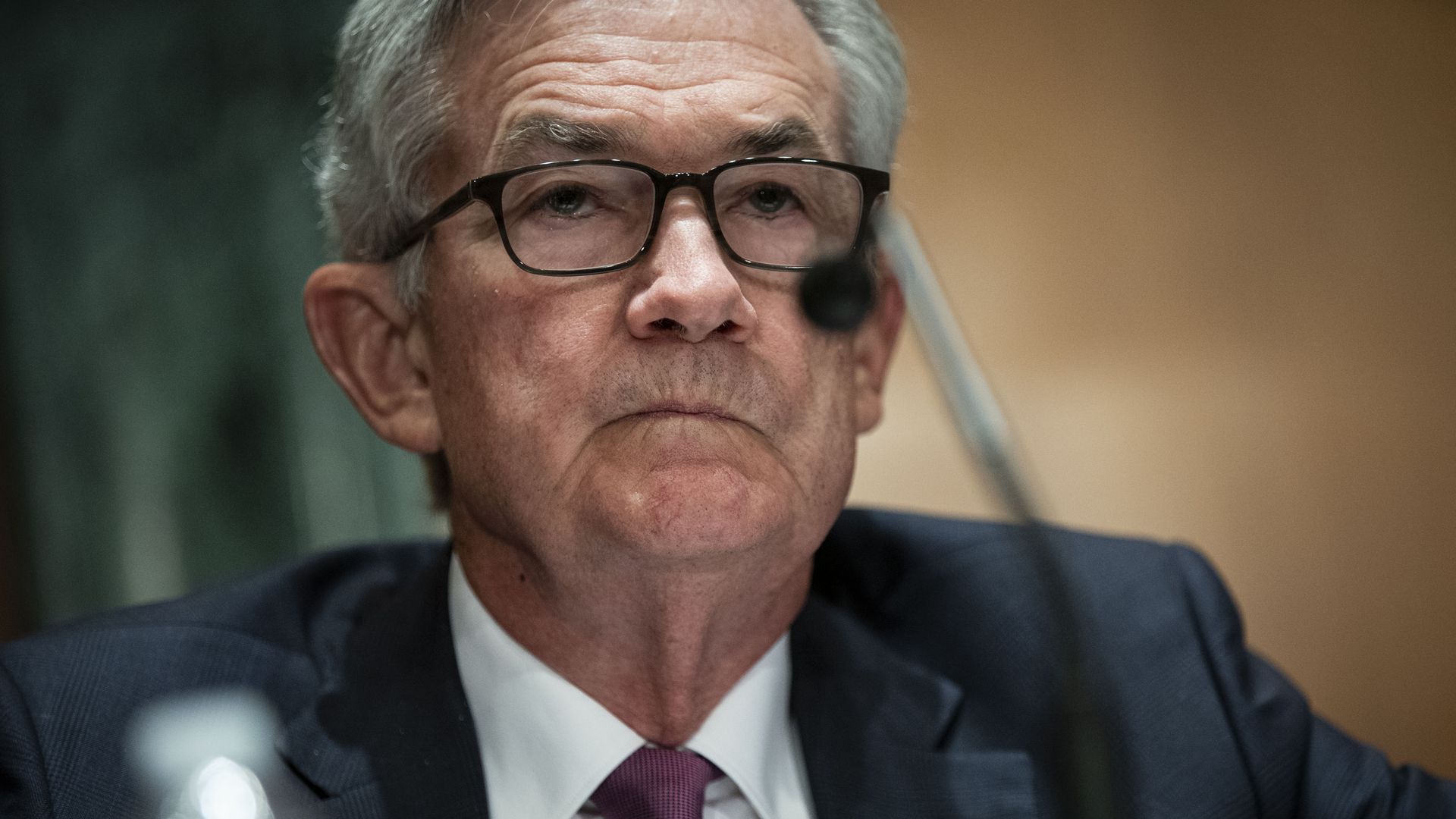
New disclosuresthat showed Fed officials were active in financial markets set off a firestorm of criticism. Now the Fed may overhaul the long-standing rules that allow those transactions.
Why it matters: What officials actively traded was sensitive to the Fed decisions they helped shape, including the unprecedented support that underpinned a massive financial market boom.
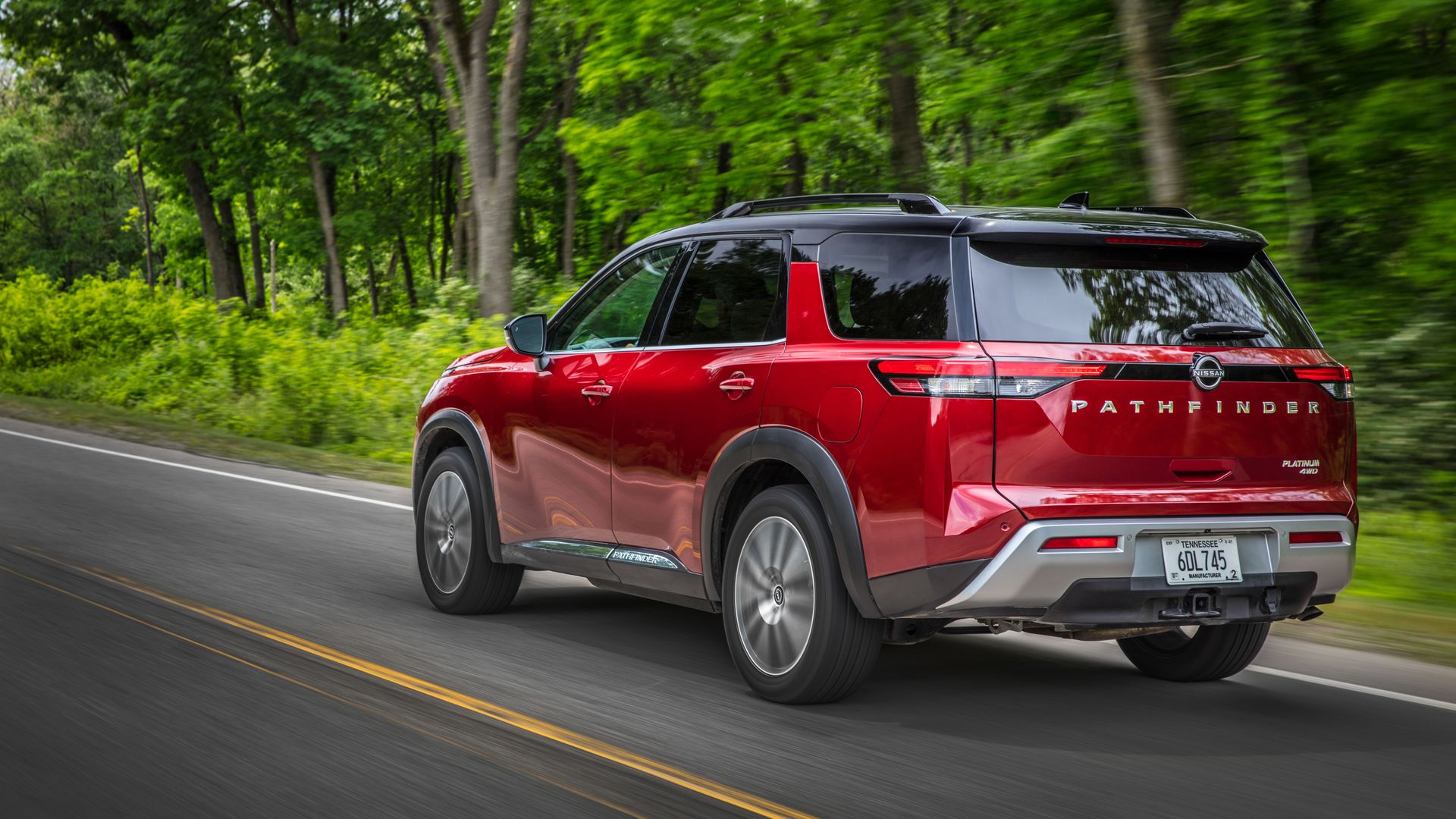
The Nissan Pathfinder has received a welcome makeover for 2022, going from run-of-the-mill crossover to stylish and rugged contender among family-friendly SUVs.
The big picture: It's the latest in a string of attractive models from Nissan, which has been mounting a turnaround effort after abandoning a profit-sapping discount strategy to fuel growth.
What's new: The 2022 Pathfinder was redesigned from the ground up, except for the carry-over V6 engine, which is now paired with a new 9-speed transmission.
I drove the $41,490 Pathfinder SL version with standard front-wheel-drive. (All-wheel drive is optional.)
It came with a $2,900 premium package that added features like a panoramic roof, heated second-row captain chairs and a 13-speaker Bose audio system.
The interior was spacious and comfortable, with one-touch access to third-row seating and desirable tech features like a 9-inch infotainment screen, Apple CarPlay, a wireless charging pad and a WiFi hotspot.
One cool feature: The hands-on, assisted-driving system (Nissan ProPILOT Assist) is linked to the car's navigation system, which means the Pathfinder knows when a curve or exit is coming up and will automatically slow down.
One annoying feature: The Pathfinder honked six times every time I exited the vehicle. It's Nissan's way of reminding drivers to check the back seat for kids or pets.
Hot-car deaths are avoidable tragedies, and a proposed law would require all cars to have a rear-seat-check reminder.
But safety advocates say technology that actually detects movement inside the vehicle is preferable.
It would also save my neighbors — and me — some annoyance.
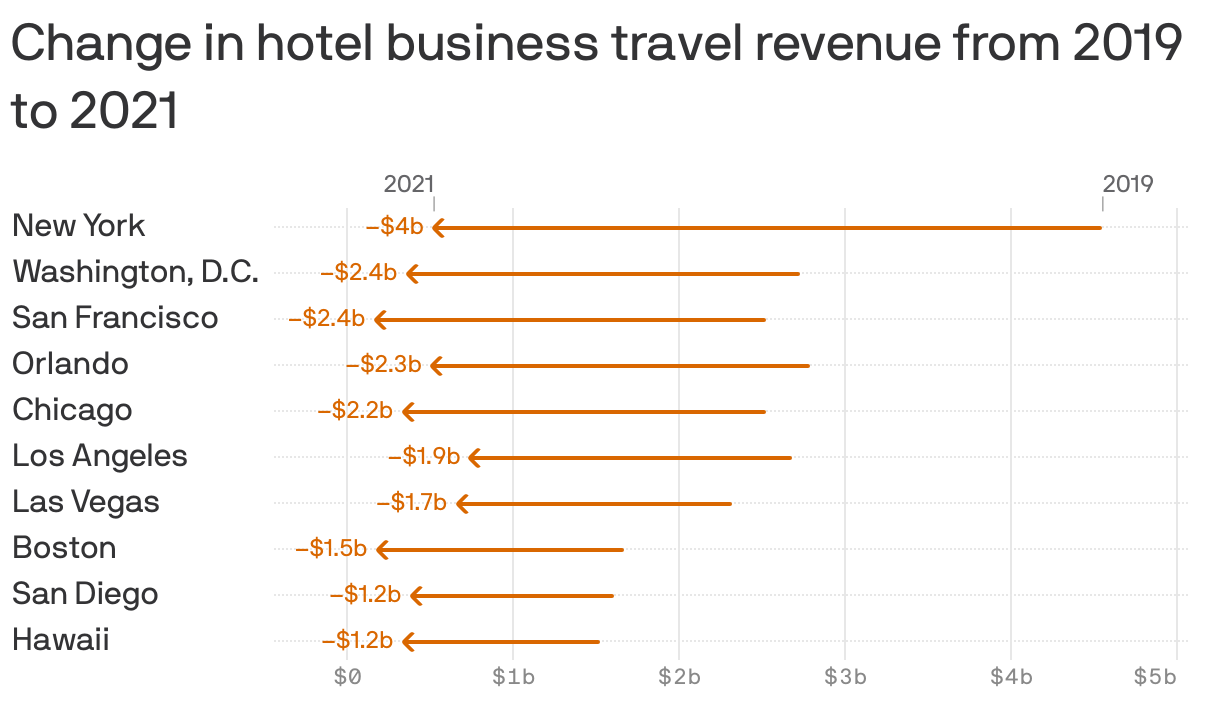
Data: American Hotel & Lodging Association and Kalibri Labs; Chart: Danielle Alberti/Axios
Stayed in a hotel lately? Neither have I.
Revenue in the hotel sector is projected to be down $59 billion this year compared with 2019, per a report from the American Hotel & Lodging Association (AHLA) and Kalibri Labs, a hotel data analytics company.
Why it matters: Business travel — which, for a shiny moment, looked like it might rebound, before COVID-19's Delta variant surge — is the bread and butter of the hotel business. Now it's "not expected to reach pre-pandemic levels until 2024," according to AHLA.
What they're saying: An estimated 67% of business travelers "are planning to take fewer trips, 52% are likely to cancel existing travel plans without rescheduling, and 60% are planning to postpone existing travel plans," according to a national survey by Morning Consult on behalf of AHLA.
"Hotels are expected to end 2021 down nearly 500,000 jobs compared to 2019," the hotel association says.
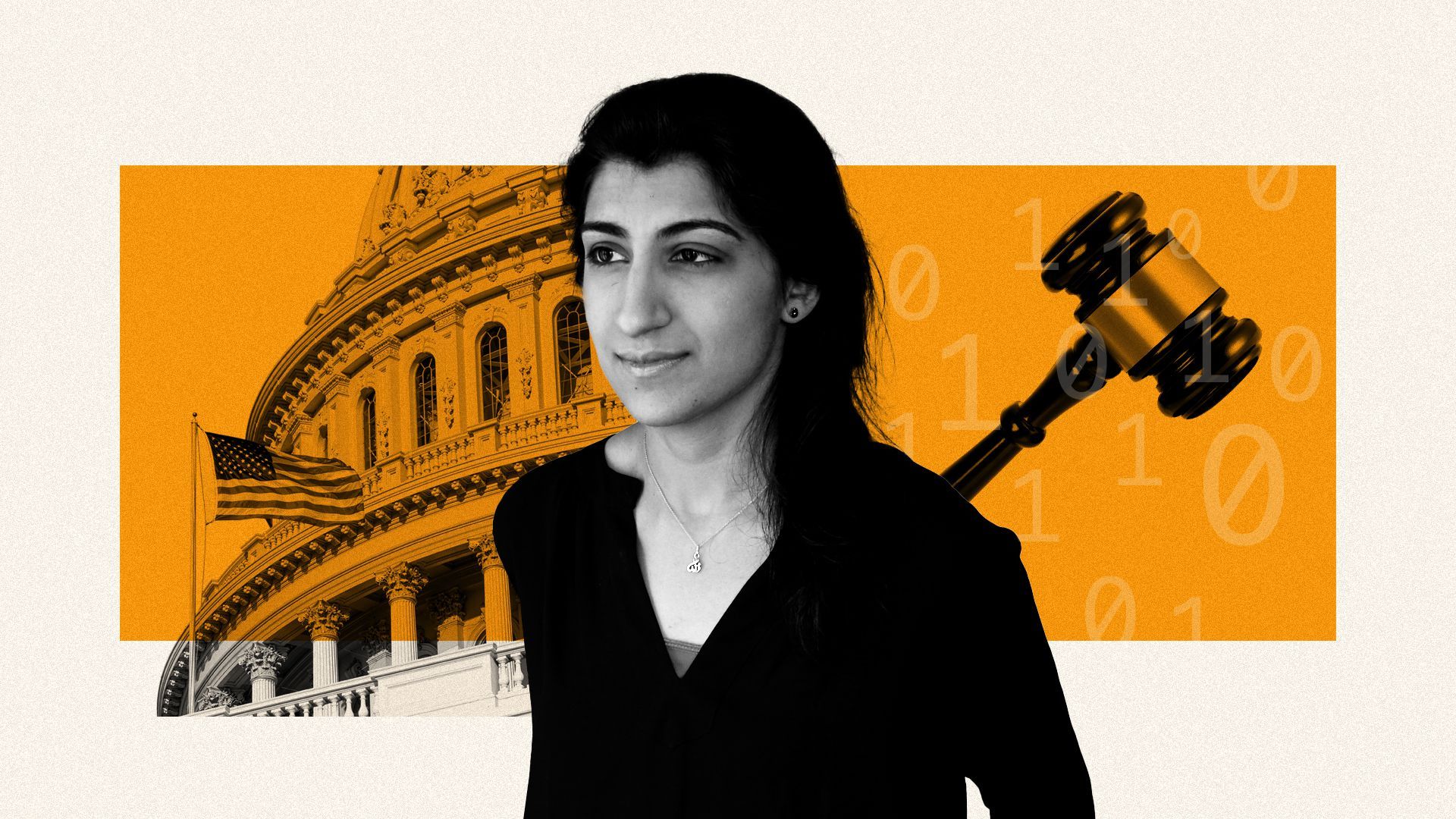
Federal Trade Commission chair Lina Khan signaled changes are on the way in how the agency scrutinizes acquisitions after revealing the results of a study of a decade's worth of Big Tech company deals that weren't reported to the agency.
Why it matters: Tech's business ecosystem is built on giant companies buying up small startups, but the message from the antitrust agency this week could chill mergers and acquisitions in the sector.
The U.S. economy is emerging from the pandemic with more well-paying jobs for those who want them, less hunger, less poverty, higher wages, less inequality, and more wealth for everyday Americans.
Why it matters: None of these outcomes were expected when the pandemic began. All of them are the result of massive government programs.
The future of television likely rests on the winner of an intense bidding war for one of the most sought-after programming packages in America: NFL Sunday Ticket.
Why it matters: The winner of this multi-billion-dollar battle between tech giants and traditional media companies will have an enormous advantage as premium sports content goes digital.
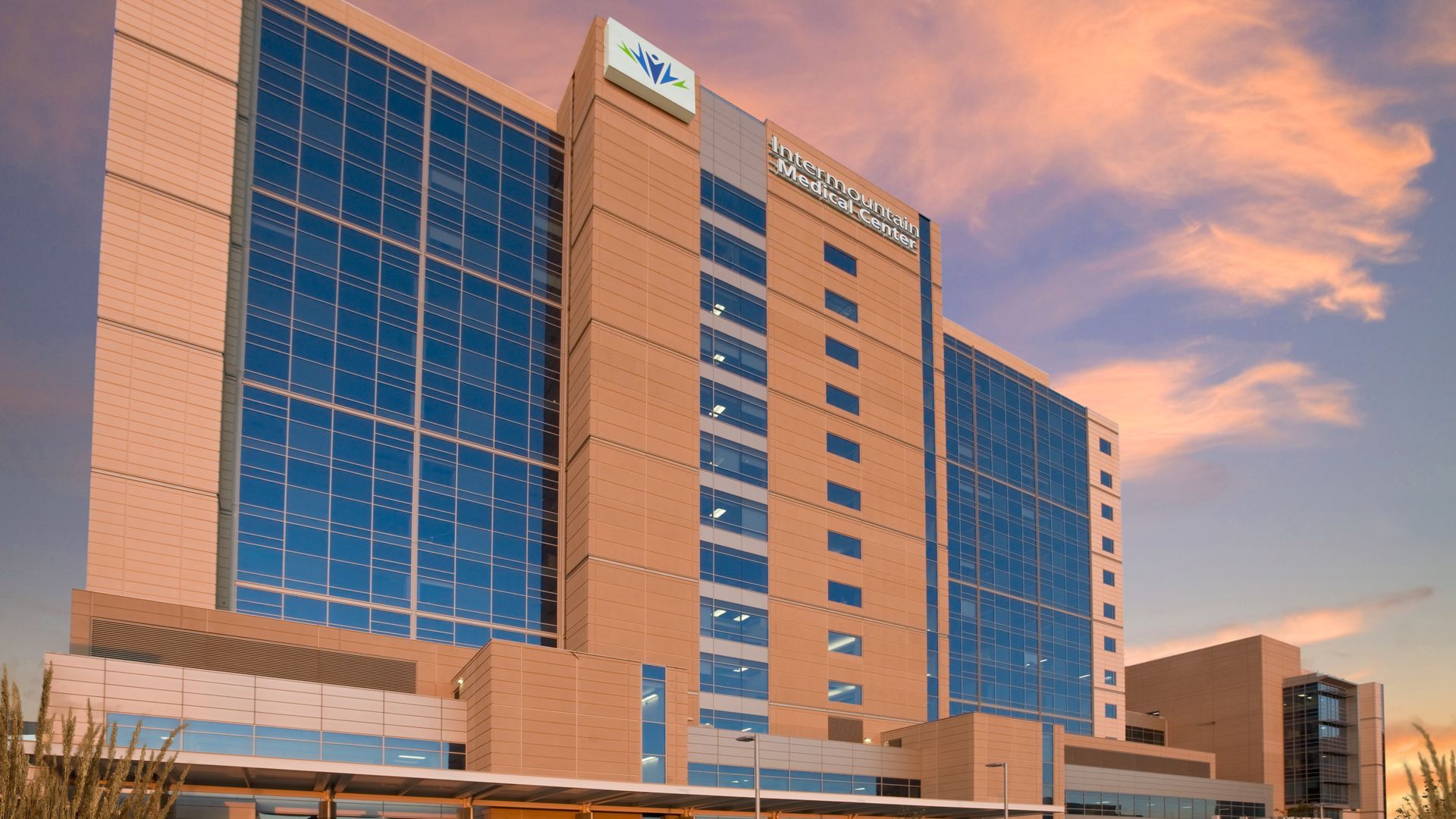
Why it matters: The combined Intermountain-SCL system will own 33 hospitals, will generate more than $13 billion of annual revenue and will dominate several areas throughout Utah and Colorado — consequently gaining leverage over health insurers and employers as a must-have network if the deal is finalized.


/2021/09/17/1631886830734.gif?w=3840)