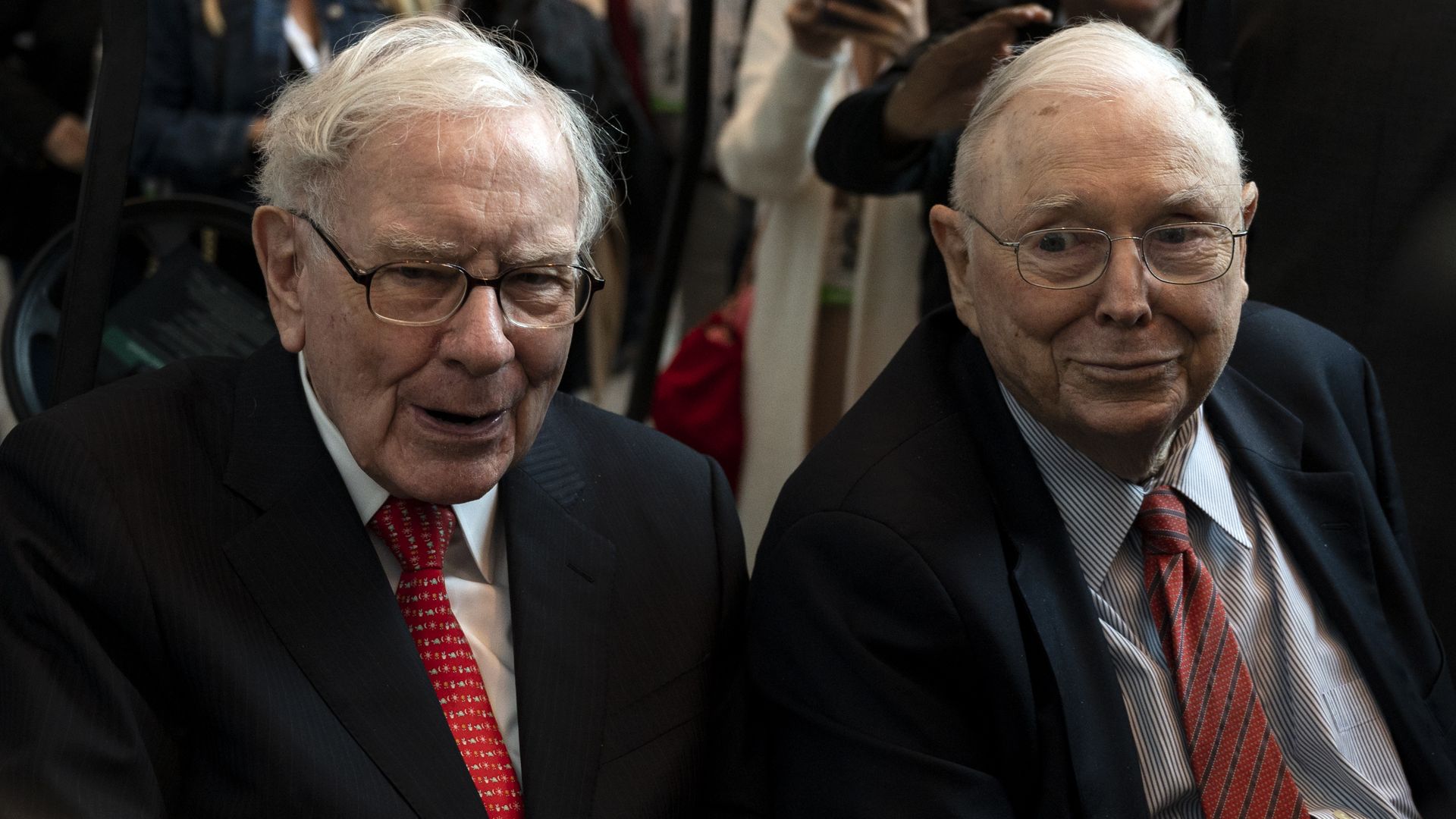
Warren Buffett is heading to Los Angeles to reunite with longtime lieutenant Charlie Munger, showbiz-style, for Berkshire Hathaway's annual shareholder meeting Saturday.
Why it matters: At a time when many companies are taking vocal stands on social, political and environmental issues, Berkshire is bucking the trend.
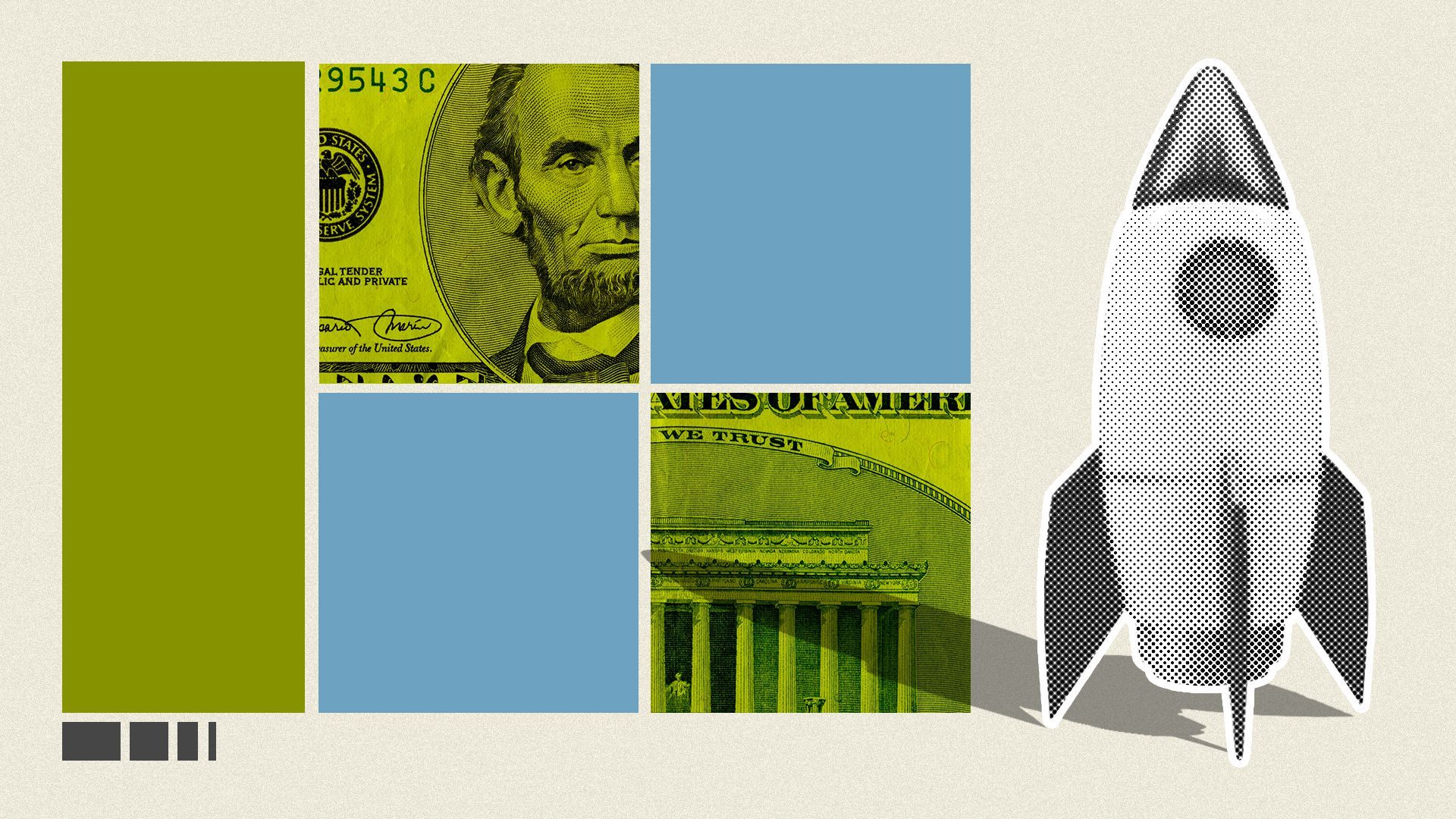
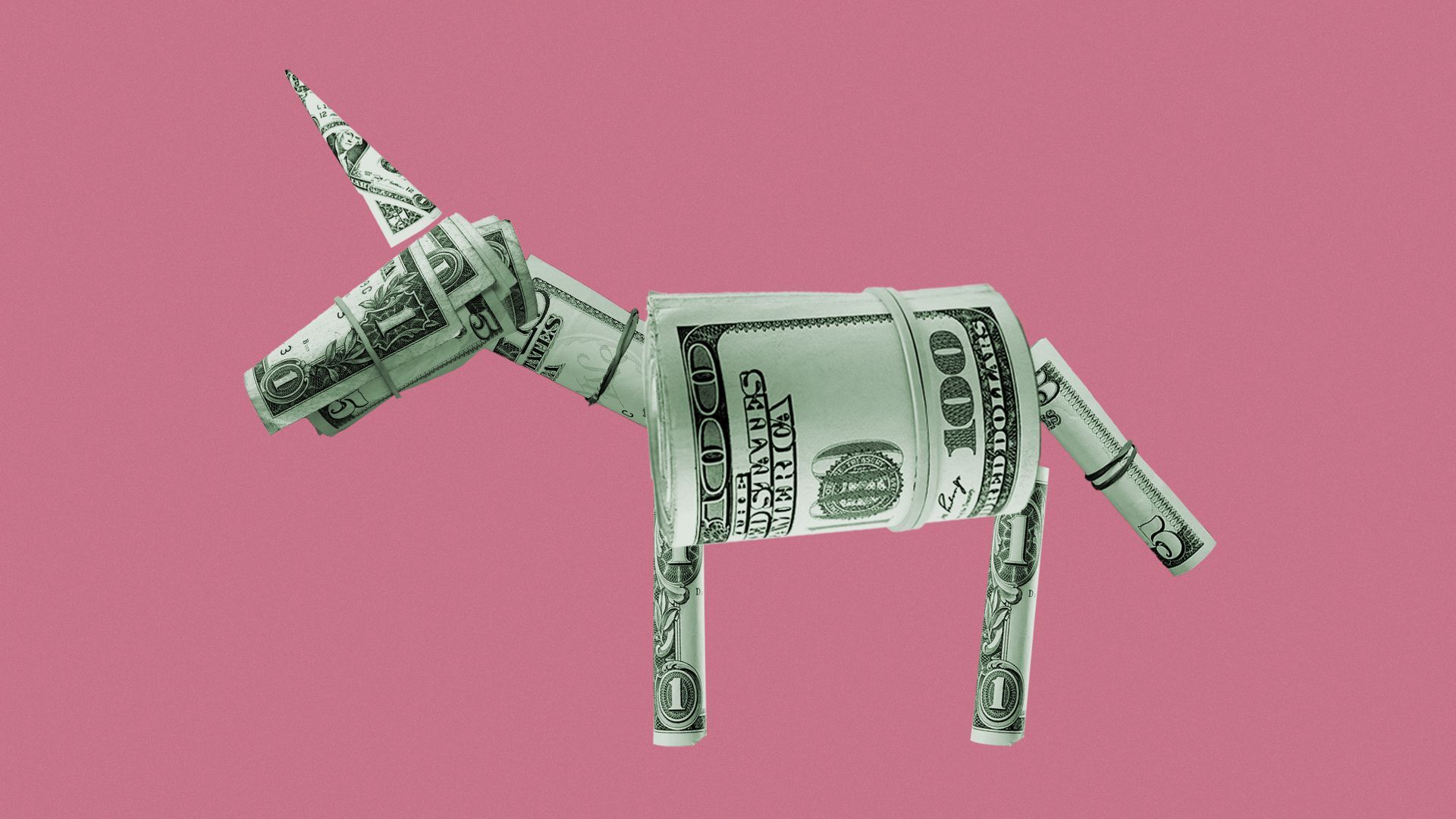
Conventional startup-land wisdom used to be that entrepreneurs and early shareholders cashing out some of their stock was a sign of disloyalty and would lead to a lack of interest in growing the business. Those beliefs have greatly changed.
Why it matters: Secondaries are becoming a normal, and even expected, part of a startup's life.
Smartphones, computers, cars and, increasingly, household appliances all run on silicon chips — but the global supply chain isn’t producing enough chips to satisfy demand, creating a shortage that could impact product availability.
Axios Re:Cap digs into what caused the shortage, how it could impact consumers, and how it can be alleviated with Axios chief technology correspondent Ina Fried and Intel’s executive vice president and general manager of its client computing group Gregory Bryant.
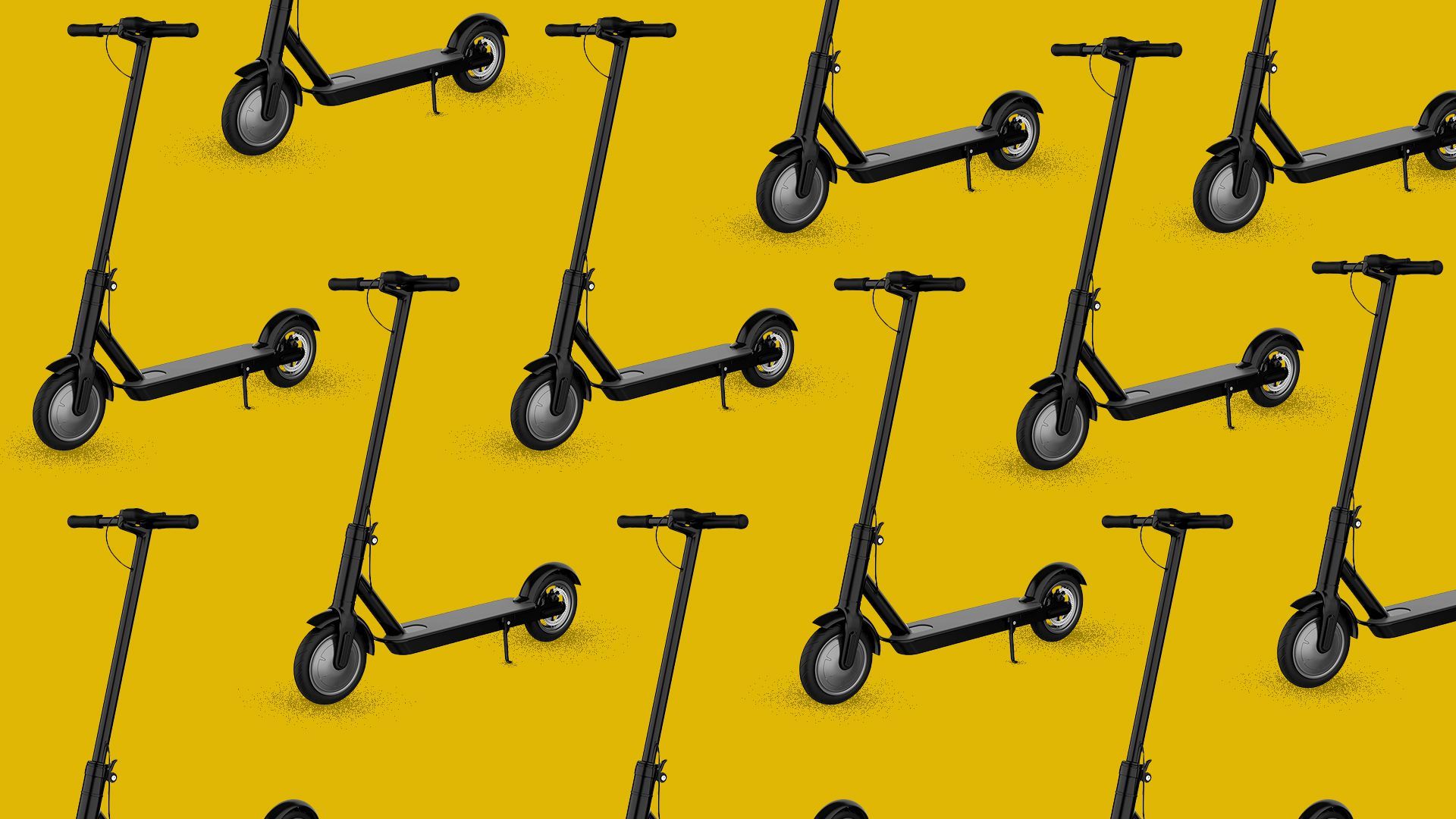
Scooter companies largely survived, and in some ways thrived over the past year, despite setbacks early on in the pandemic — and that momentum is expected to grow.
Why it matters: Social distancing, coupled with hybrid and permanent work from home arrangements and worker relocation patterns have changed transportation needs and cities' attitudes.
Elon Musk says the plug-in Tesla Model Y will be the world's best-selling vehicle by next year — or sometime soon.
The big picture: For that to happen, the electric SUV would need to outsell some of the most iconic vehicles in the world: the Toyota Corolla, which sold 1.12 million units worldwide in 2020, as well as the Toyota RAV4 and Ford F-Series pickup truck, which were close behind.
In my early days of covering private markets, there were two pieces of data that were almost impossible to come by: Fund performance and VC-backed valuation. These were "trade secrets" whose disclosure could be catastrophic, all of my sources insisted.
Nestlé (Swiss: NESN) agreed to buy The Bountiful Co., a Ronkonkoma, N.Y.-based maker of nutritional supplements, for $5.75 billion from KKR and minority owner The Carlyle Group.
Why it matters: Supplements haven't been talked about much as a pandemic play, but Nestlé Health Science CEO Greg Behar says that 91% of vitamin-takers have increased consumption over the past year, in an effort to boost their immune systems. And Behar should know, given that he previously shelled out $2.3 billion for Atrium Innovations.
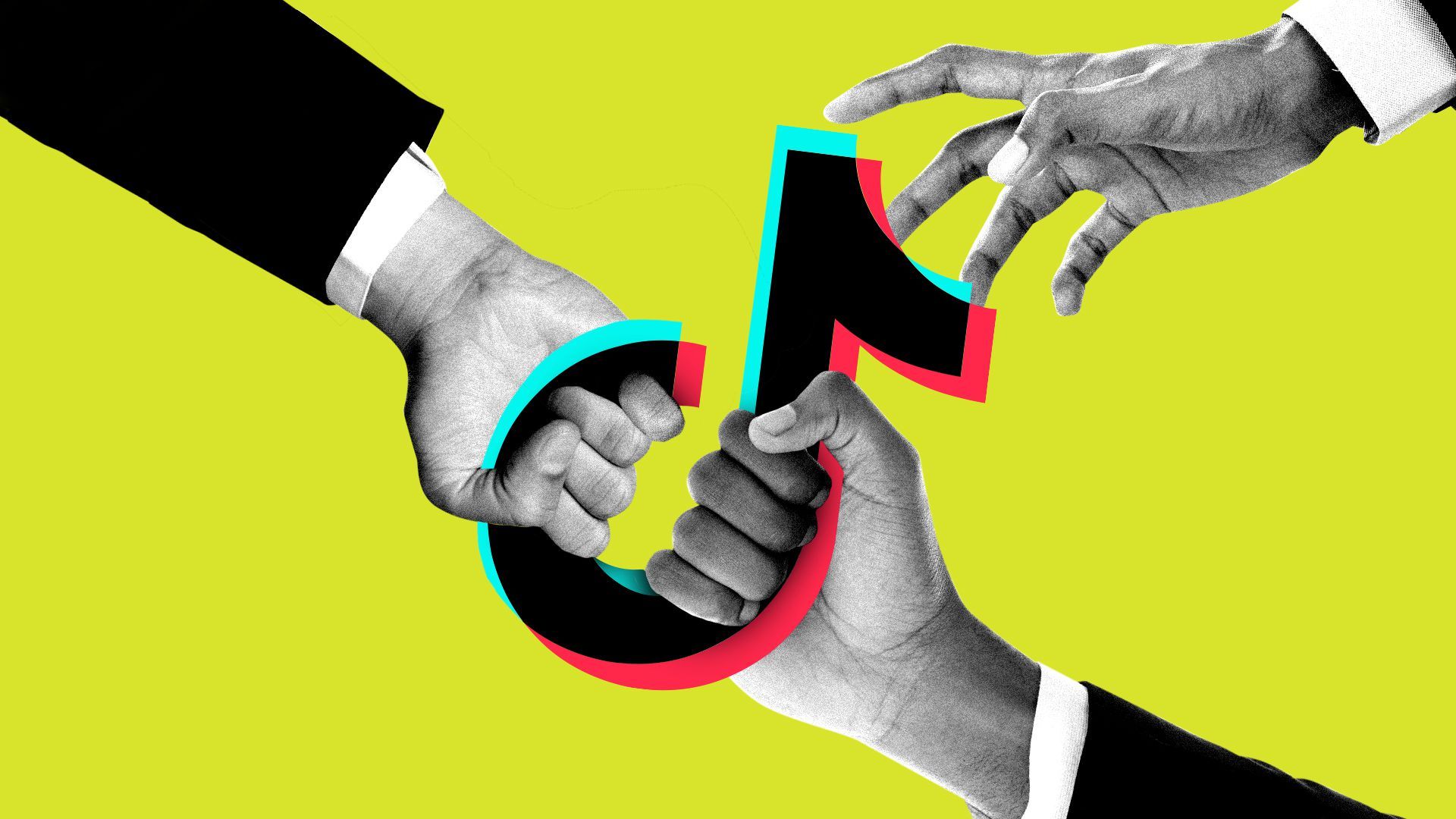
TikTok on Friday named ByteDance CFO Shouzi Chew as its CEO, and Vanessa Pappas, who has served as interim head of the company, as the video-sharing platform's COO.
Why it matters: TikTok's former CEO Kevin Mayer resigned amid heightened tensions between the Chinese-owned company and the Trump administration, which ordered TikTok to sell its U.S. operations to a domestic buyer over security fears.
The Securities and Exchange Commission held meetings this month with powerful K Street and Wall Street players as regulators mull new rules on corporate disclosure of climate-related risks.
Why it matters: Disclosure could soon move beyond voluntary and private-sector-led efforts to become more deeply embedded in federal regulation.
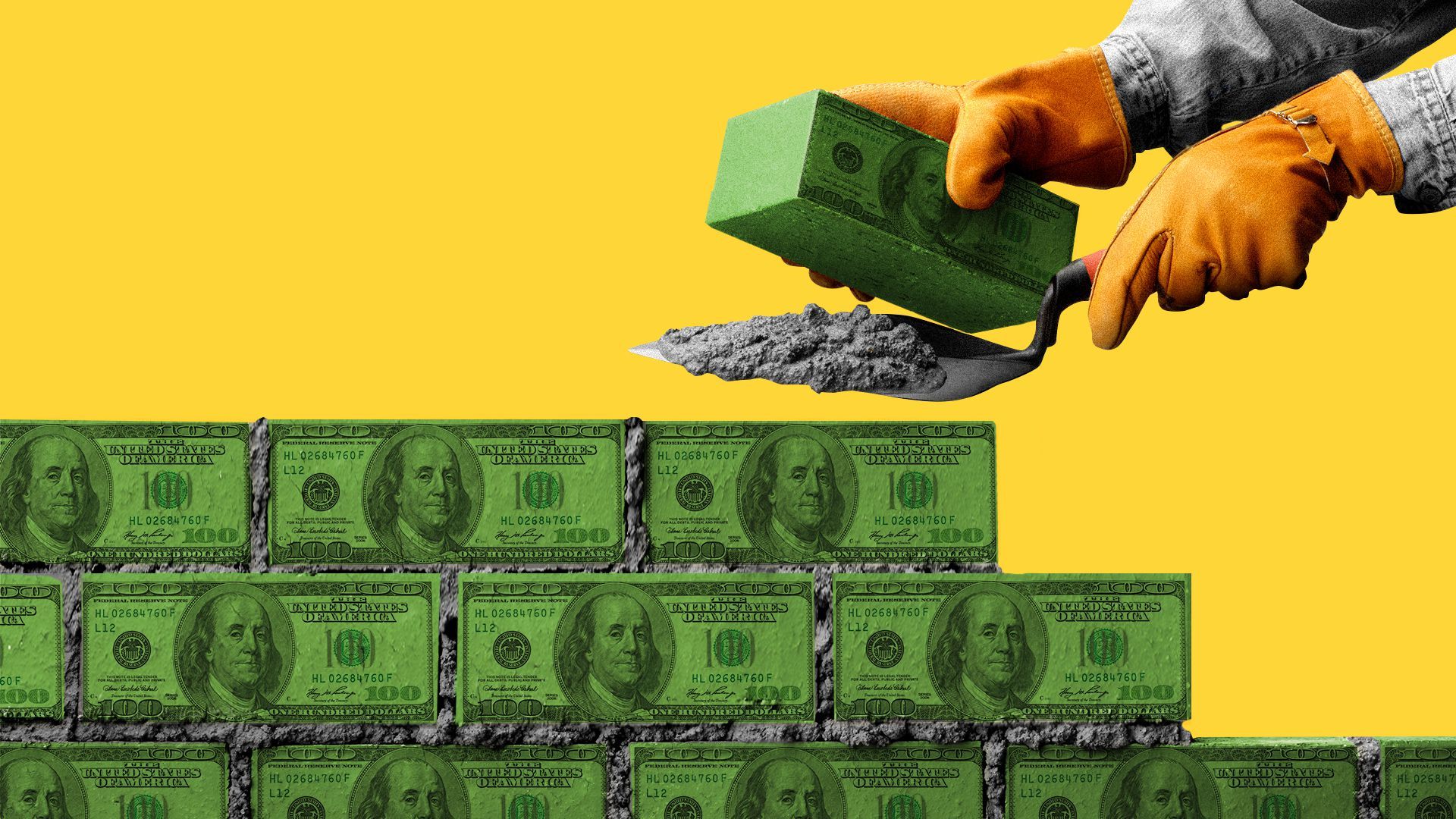
Solidia Technologies, a firm with tech that absorbs CO2 in the concrete curing process, has raised another $78 million from some heavy-hitting VC players.
Why it matters: The funding is the latest sign of interest — and optimism — around various types of carbon removal technologies.
The largest U.S.-based multinational oil giants swung back into positive territory in their first-quarter earnings reports this morning as higher oil prices this year help the sector emerge from the pandemic.
Why it matters: The Q1 financials from Exxon and Chevron come after BP, Shell and Total also reported profits earlier in the week, signaling Big Oil's improving fortunes after COVID-19 crushed demand and prices last year.
Household income grew by a record 21.1% in March thanks largely to the Biden administration's coronavirus aid.
Why it matters: "The strong gains provided more evidence that the economy is poised for a robust recovery following last year’s pandemic-triggered recession," AP reports.
The once notoriously illiquid market for privately placed corporate loans has an increasingly active secondary trading scene.
Why it matters: The evolution of the nearly $1 trillion private debt space follows a similar path to one private equity has already tread — the development of a mature secondary market.
YouTube TV has been removed from Roku's channel store, after Roku and YouTube TV parent Google failed to come to a distribution agreement amid accusations that the tech giant made anti-competitive demands.
Why it matters: These spats happen regularly between Pay-TV providers and linear TV networks. But in the digital era, this is one of the rare times in which consumers will have a major streaming network removed from their platform's channel store due to a breakdown in negotiations.
The generally accepted form of a U.S. startup is now that of a monarchy. Companies and their founders are increasingly indistinguishable — a state of affairs that isn't going down well with workers agitating for a seat at the table.
Why it matters: It's nothing new for companies to be dominated and controlled by a single individual — Rupert Murdoch, Sumner Redstone, John Malone, and other media moguls spring naturally to mind.
In another sign of the coming economic boom, first-quarter corporate earnings are continuing to blast through expectations.
Why it matters: The rising fortunes of big companies are another element — along with trillions in government spending, vaccine-related reopenings and Fed policy — helping create what could be a record year of economic growth in the U.S.
The average used vehicle is now worth $17,609, according to Manheim's Used Vehicle Value Index. Pickup trucks, in particular, are fetching much higher prices than they were worth just a few months ago.
Why it matters: The supply-and-demand dynamics are unlikely to change soon. The chip shortage is ongoing and has caused Ford, the maker of the best-selling vehicle in America, to cut its Q2 production by 50%.
Big Tech crushed earnings this past quarter, proving the resilience of their businesses even as the country begins to emerge from the pandemic.
The big picture: A strong recovery in the advertising market and continued reliance on cloud services and at-home entertainment have given most tech firms a boost.