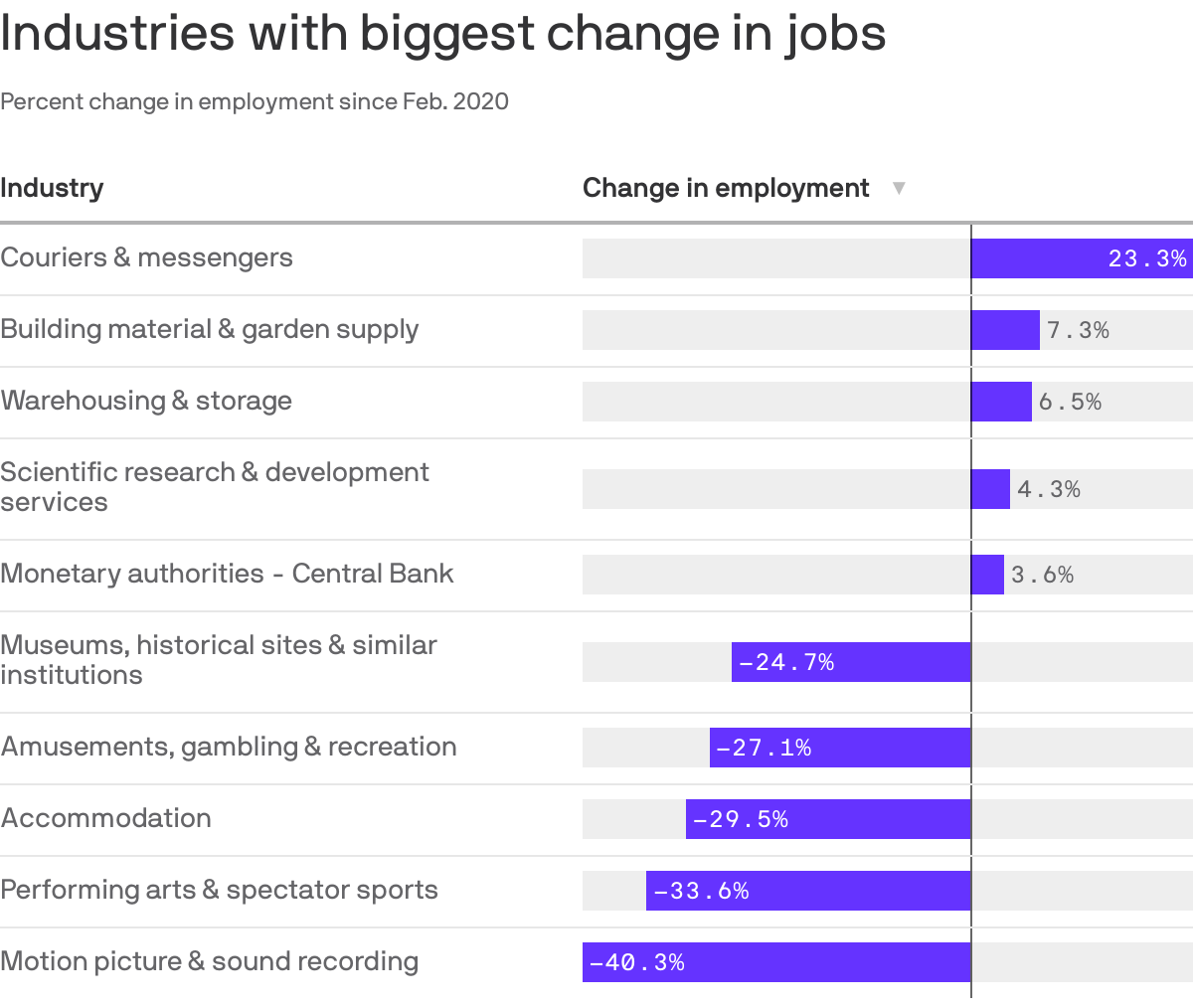
Data: White House Council of Economic Advisers; Chart: Will Chase/Axios
Some industries have more workers now than they did pre-pandemic, including couriers and messengers (naturally) and garden supply stores.
The big picture: Even with March's gain, jobs in the leisure and hospitality sector have the longest road to recovery. The March jobs report was a blowout, with gains across industries — a sign that the labor market recovery is picking up speed.
Blake Byers has stepped down as a general partner with Google Ventures, after an 9-year run during which he invested primarily in biotech companies like Denali, Grail and Neuralink. He also led the earliest outside investment in Robinhood.
Why it matters: Byers was one of the earliest investors at GV, which has become one of the Silicon Valley's most active venture capital firms.
Audio chat app Clubhouse has enabled solo investors to build their own digital trading floors.
Why it matters: The live, audio-only aspect of Clubhouse gives retail investors a way to mind-meld with more decorum than other platforms, and a way to pick up on insights hard to find elsewhere.
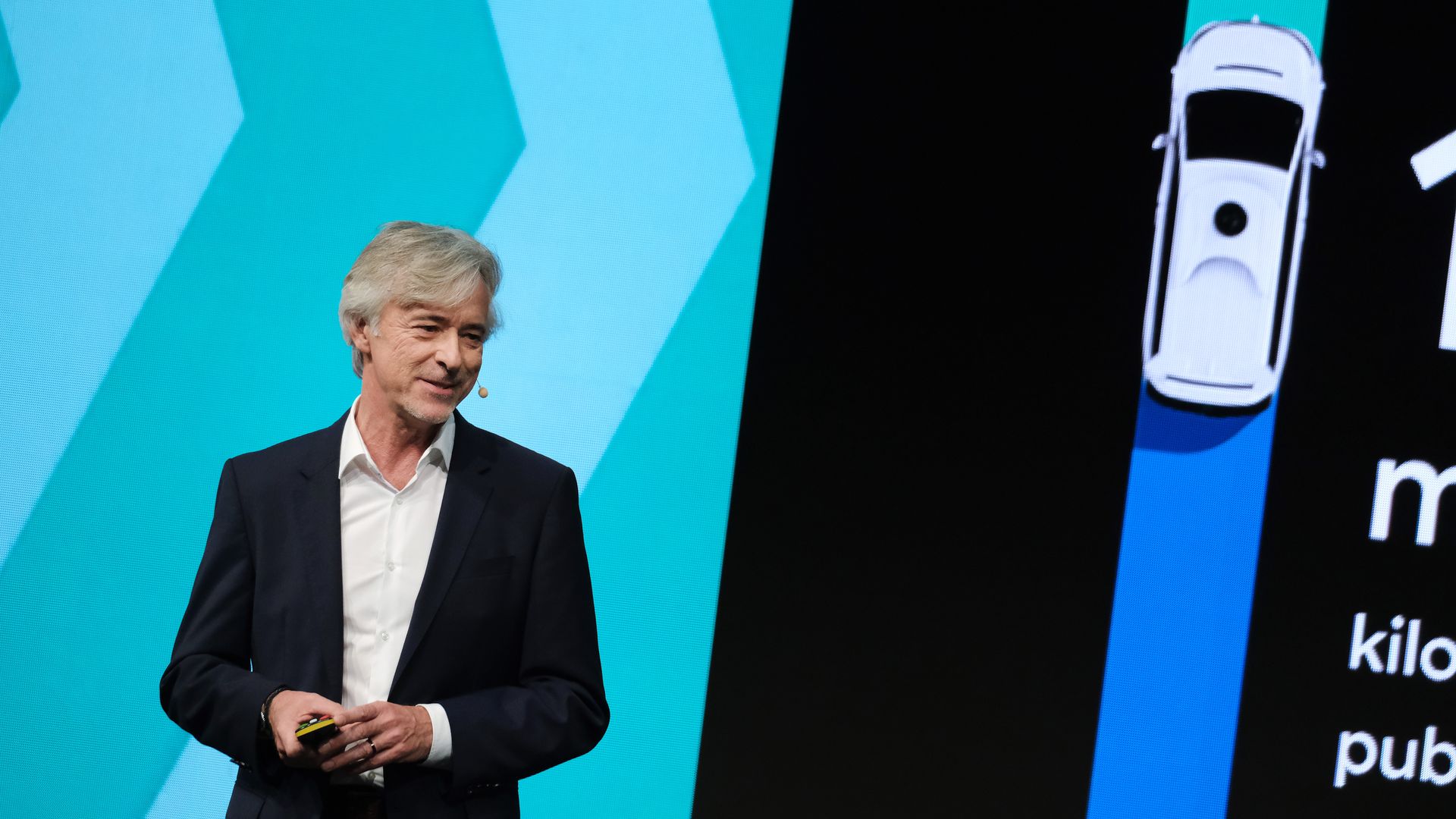
Auto industry veteran John Krafcik said he is stepping down as CEO of Waymo, Alphabet's self-driving subsidiary, which named two senior executives to replace him as co-CEOs.
Why it matters: Krafcik, 59, was hired in 2015 to transition Google's self-driving car project into a commercial enterprise. He raised $3.25 billion in outside capital, launched Waymo's fledgling robotaxi service in suburban Phoenix and laid the groundwork for an autonomous trucking operation called Waymo Via.
Fully vaccinated people can travel domestically and internationally without having to show a negative COVID-19 test or quarantining, but are still recommended to wear a mask and follow public health precautions, according to updated guidance from the Centers for Disease Control and Prevention.
Why it matters: It's a major incentive for Americans to get vaccinated that will also provide a boost to the U.S. travel industry, which has been financially hammered by the pandemic over the past year.
HYBE (f.k.a. Big Hit), the South Korean entertainment group whose artists include BTS, agreed to buy Ithaca Holdings, the music and entertainment firm founded and led by Scooter Braun.
Why it matters: This is Ithaca taking another giant step away from its high-profile spat with Taylor Swift, and creates a global music management and production powerhouse. Plus, it could bestow some K-Pop cred on Ithaca artists like Justin Bieber and Ariana Grande.
Over 100 companies including Twitter, Zillow and Uber issued a joint statement through Civic Alliance Friday, joining a slew of major corporate players who have expressed concern about Georgia's law curbing voting access.
Why it matters: States often take cues from how hard businesses push back. But many of these corporations, several of which are based in Georgia, could have spoken up earlier when the law was being considered or before the governor signed.
The U.S. economy added a whopping 916,000 jobs last month, while the unemployment rate fell to 6% from 6.2%, the government said on Friday.
Why it matters: The blowout job gains show how vaccines and the economic reopening are juicing the battered labor market. Economists had been expecting an increase of 675,000.
In an interview with Axios, San Francisco Fed President Mary Daly addressed Silicon Valley heavyweights like Elon Musk and others who have bemoaned California's COVID-19 restrictions and taxes and said they're taking their ball and moving to places like Miami or Brownsville, Texas, or the 140-square-foot Hawaiian island they own.
Big Tech players in China like Alibaba, Tencent and Baidu are facing challenges all-too-familiar to Amazon, Facebook and Google.
Why it matters: Antitrust has become a big theme for Beijing and this could hamper growth of China’s tech sector should authorities decide to regulate with a heavy hand.
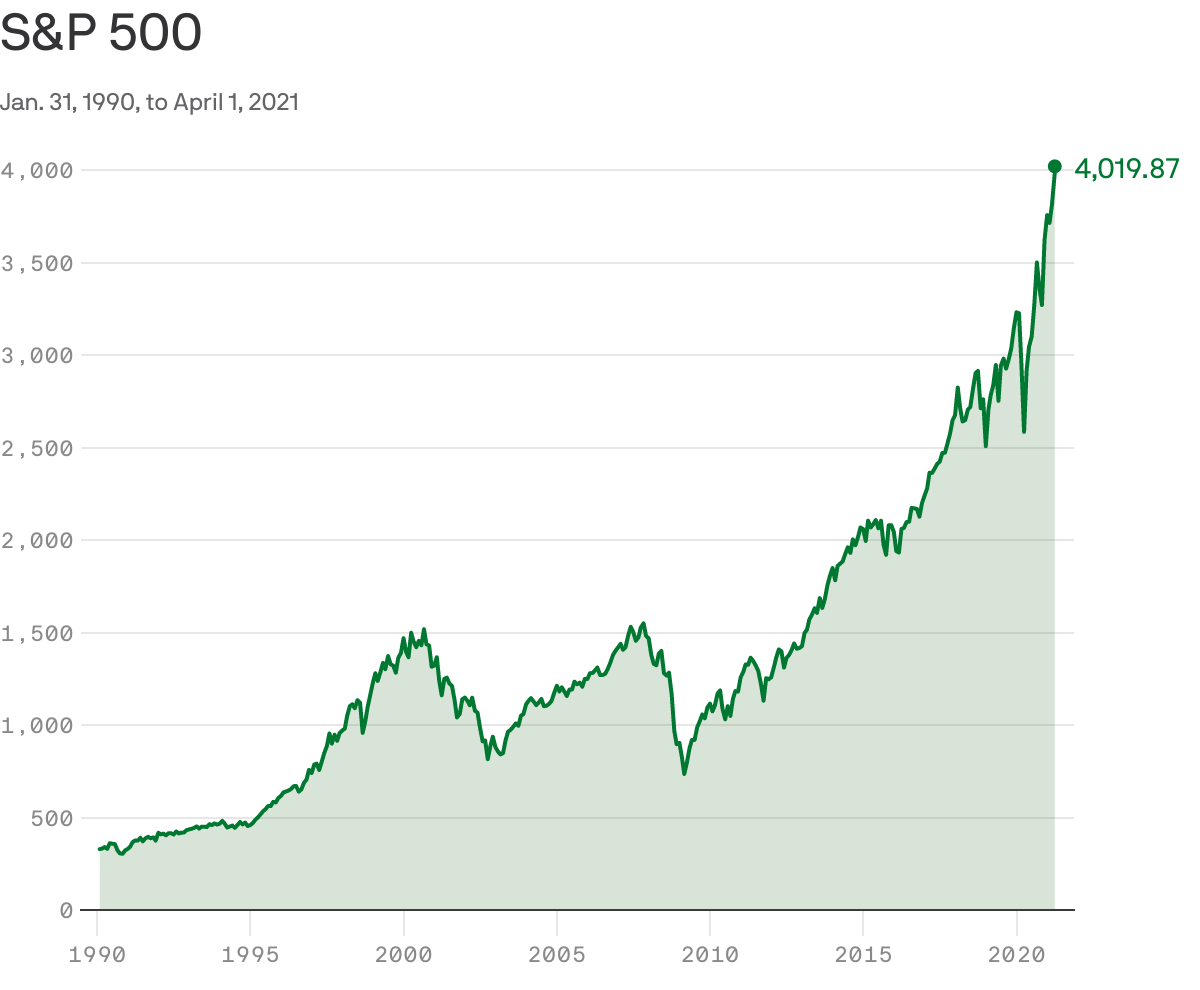
The S&P 500 closed over 4,000 on Thursday for the first time, having nearly doubled its coronavirus pandemic low of 2,192 in just over a year.
Why it matters: "Round numbers can be big psychological barriers for markets, so breaking 4,000 could provide a confidence boost to stocks in the short term," Lule Demmissie, president of Ally Invest, says in a note.
International shipping and supply chains are in rough shape, even without a container ship lodged in the Suez Canal.
Why it matters: The pandemic threw a wrench into the gears of a global network that was already struggling with oversized ships and unbalanced product flows. Given how long it takes for the system to recover from any kind of shock, the echoes of the Ever Given disruption are likely to reverberate for months.
Internal Revenue Service and the U.S. Department of the Treasury said Thursday they've distributed more than 130 million payments worth approximately $335 billion as part of the American Rescue Plan.
Why it matters: A third batch of 4 million payments, totaling more than $10 billion, was sent on March 31, but the IRS and Treasury still have millions of payments to deliver. The payments of $1,400 per individual were mostly distributed via direct deposits and checks.









/2021/04/02/1617371904971.gif?w=3840)