Voting machine maker Dominion last Friday filed a $1.6 billion defamation lawsuit against Fox News, related to its coverage of the 2020 presidential election, and it's likely not done suing media companies.
What they're saying: "We're looking at other media outlets, and making sure we can meet all of the elements of defamation," Dominion attorney Thomas Clare tells the Axios Re:Cap podcast. "There were other outlets that played a similar role to Fox in spreading these lies. I expect that we're going to be holding them accountable as well."
There's so much exuberance and speculative fervor in markets that it's beginning to be hard to trust them. As a major investment firm implodes and the UK reckons with the collapse of a major lender, the U.S. Securities and Exchange Commission is investigating U.S. markets to try to determine what might be amiss here.
Why it matters: Markets that only go up aren't working properly. Any regulator charged with keeping markets efficient has prima facie reason to be concerned that they're not behaving the way they're meant to.
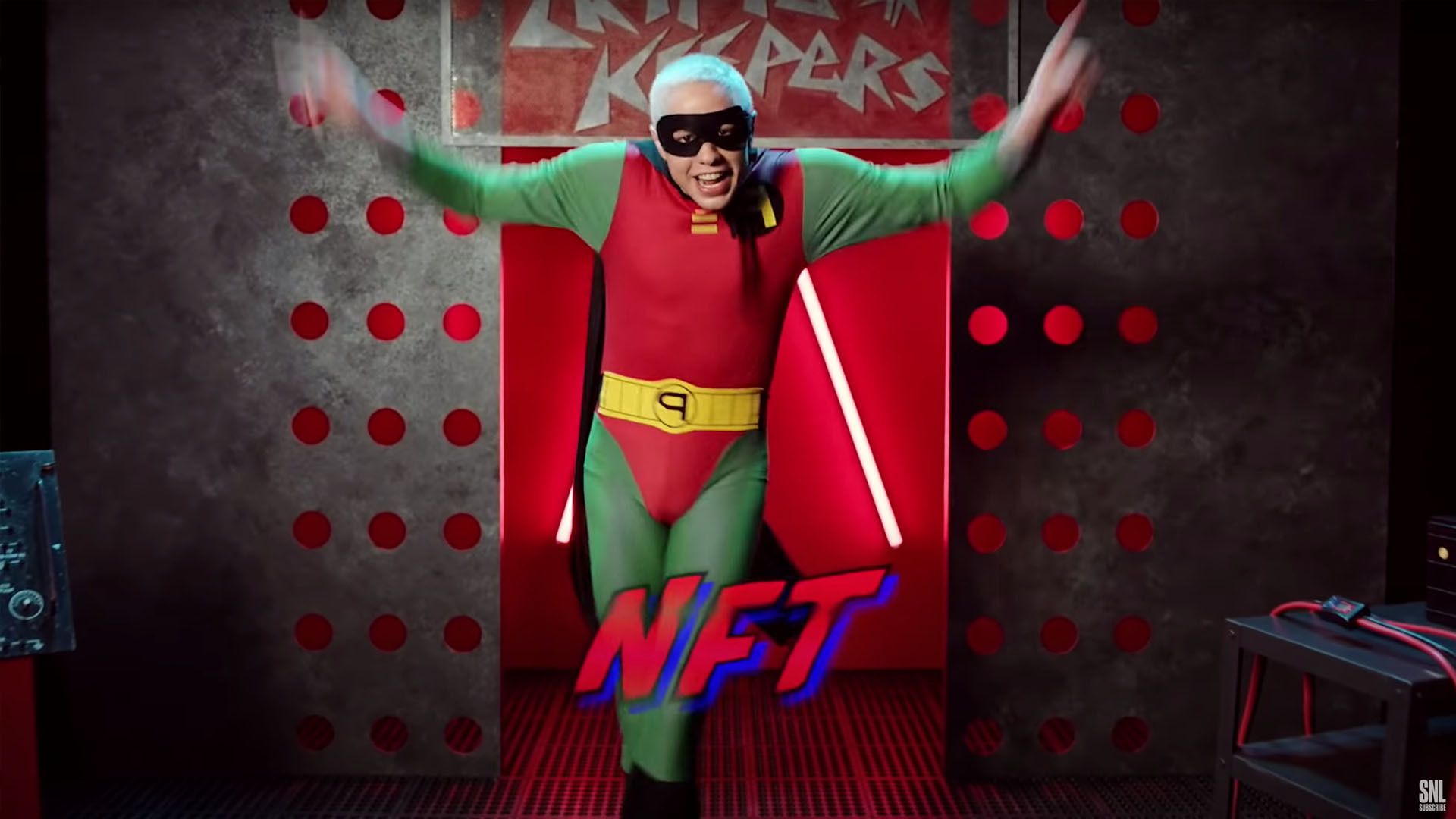
"Saturday Night Live" took a spin at explaining NFTs over the weekend through a music video parodying Eminem’s “Without Me.”
Why it matters: Interest in NFTs, or non-fungible tokens, has been building since the start of the year — and peaked when digital artist Beeple sold one of his pieces at auction for $69 million.
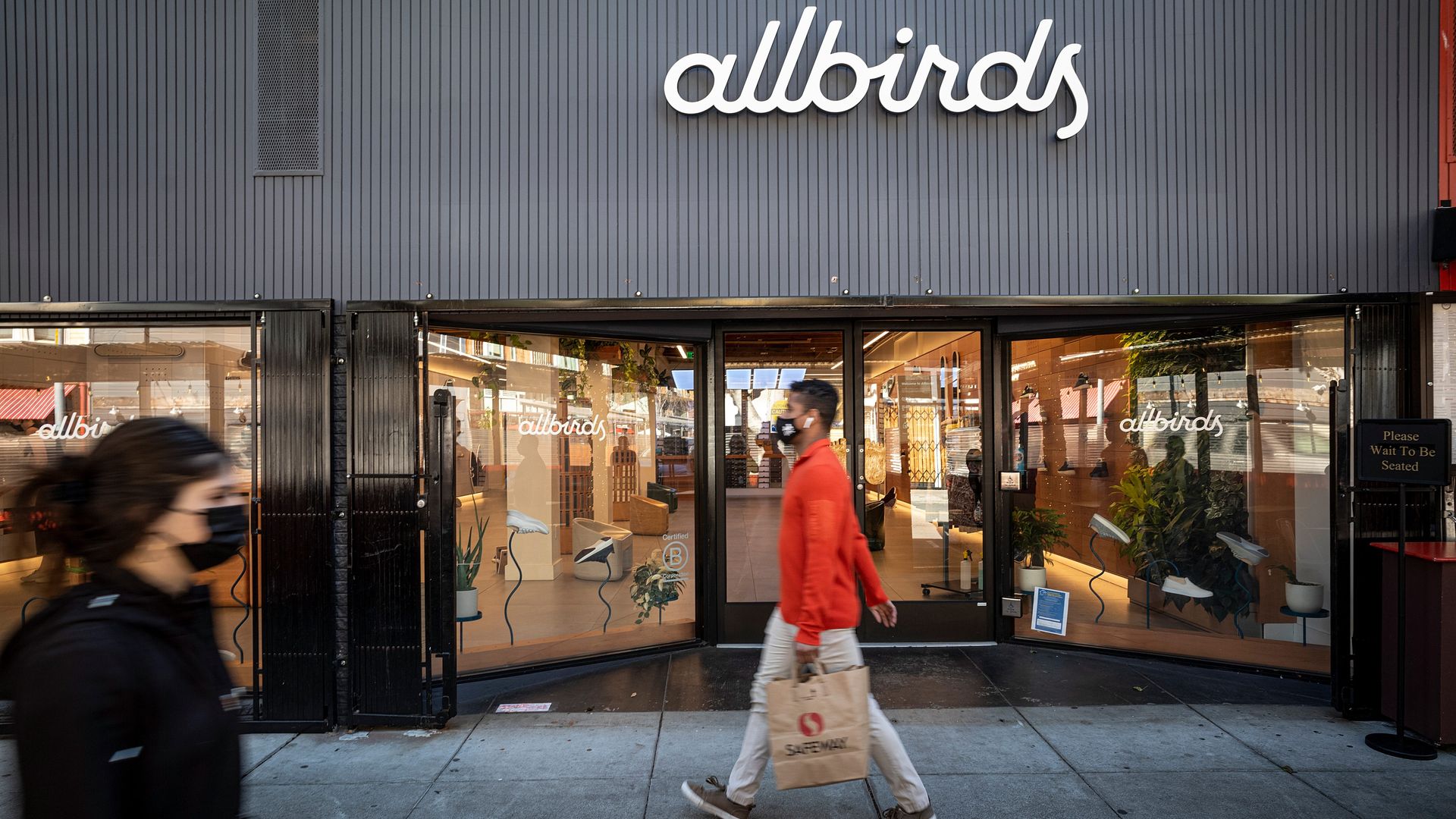
Wool sneaker maker Allbirds is putting the pieces in place to go public, based on a new job posting for an "SEC reporting & technical accounting manager."
Breadcrumbs: Allbirds also has quietly hired Panera vet Mike Bufano as its new CFO, and added two independent directors.
Senators in both parties plan to push the White House to create a "chief manufacturing officer" who would report directly to President Biden, mirroring representation now enjoyed by science and technology, Axios has learned.
The idea has endorsements from a whole host of trade groups, representing both industry and labor.
Why it matters: Every modern White House talks about its desire to elevate manufacturing, particularly as America's economy has become more services-oriented.
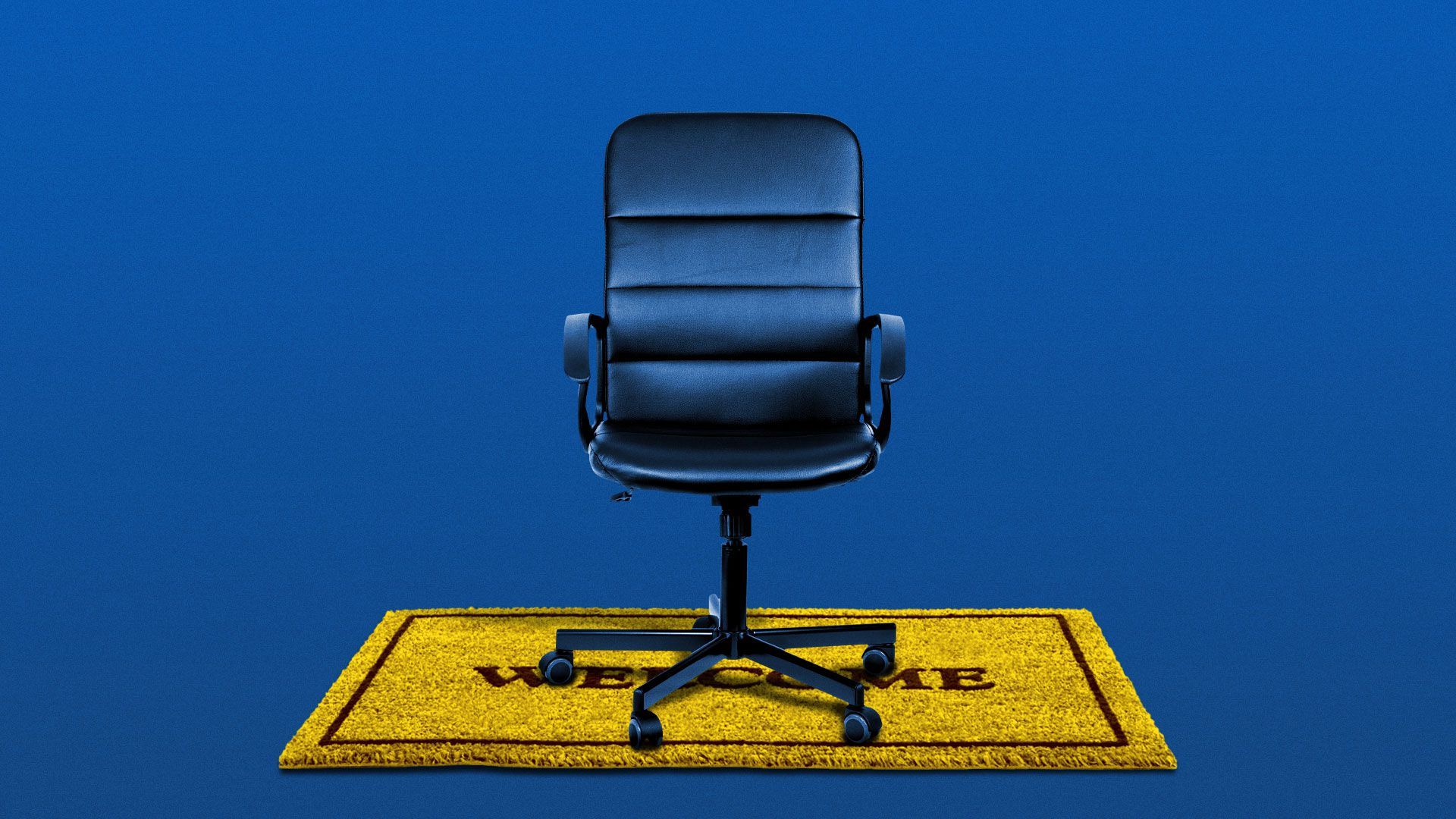
Facebook, Microsoft and Uber have all announced plans to begin letting some general workers back into their offices, albeit at reduced levels.
Why it matters: Unlike the rapid shuttering of offices a year ago at the start of the pandemic, the reopenings are expected to be phased and gradual, with many companies foreseeing a hybrid environment where many workers come in only part of the week.
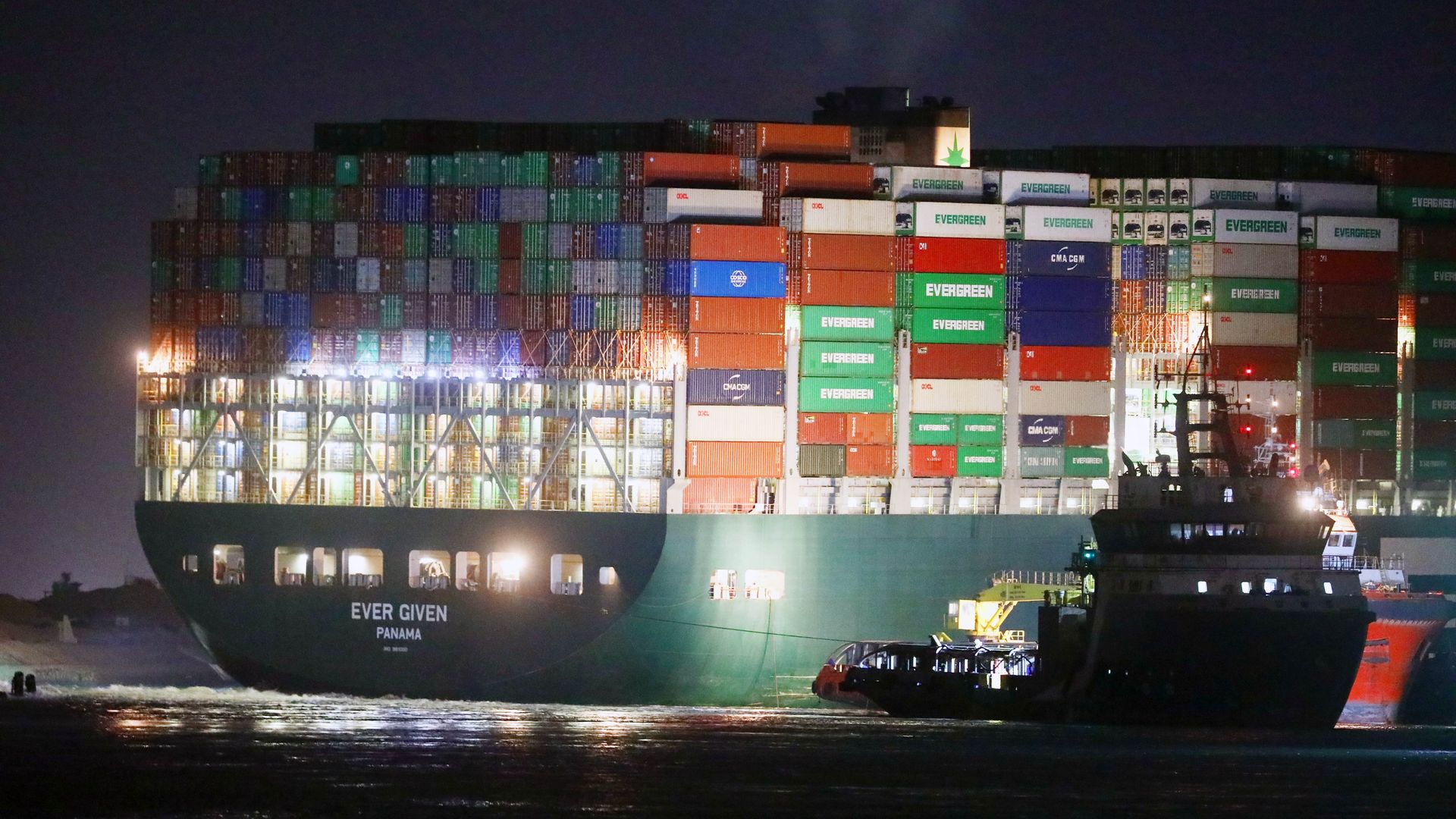
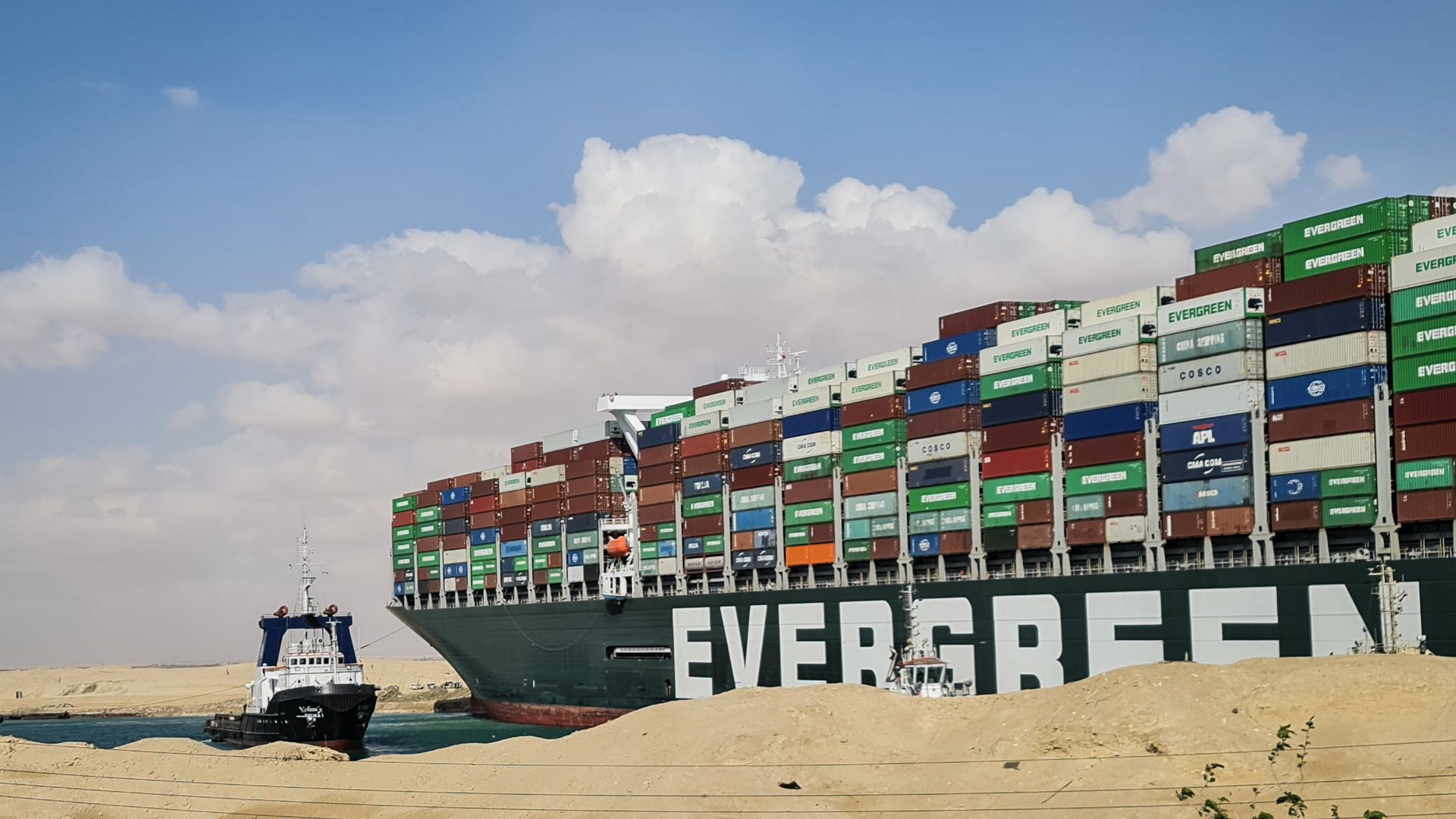
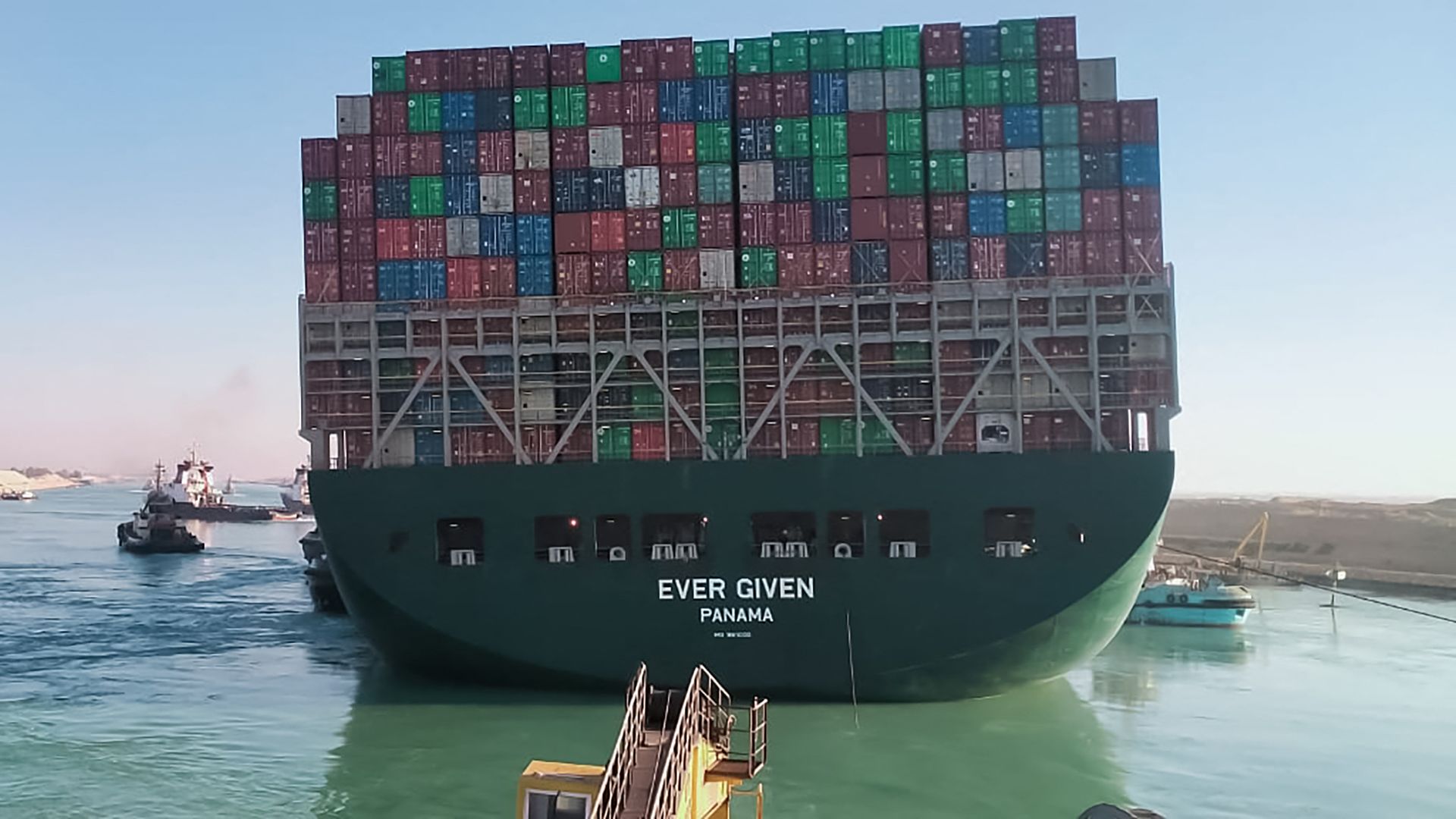
Rescue teams on Monday fully freed the "Ever Given" container ship that's been stuck in the Suez Canal for a week, hours after partially refloating the skyscraper sized vessel.
Rescuers fully dislodged the "Ever Given" from the banks of the Suez Canal on Monday, sending the skyscraper-sized container ship on its way after six days of drama that paralyzed the vital shipping route, according to canal authorities.
Why it matters: The massive maritime traffic jam wreaked havoc on global trade and resulted in one of the largest ship salvage operations in modern history.
Economists are becoming positively giddy about the potential for economic growth this year as President Biden and Congressional Democrats look set to push forward a $3 trillion infrastructure bill.
What we're hearing: "Stimulus helps build the bridge for the recovery to reach the other side, but an investment in infrastructure is the fuel to jump start the economic engine," Beth Ann Bovino, U.S. chief economist at S&P Global, says in an email.
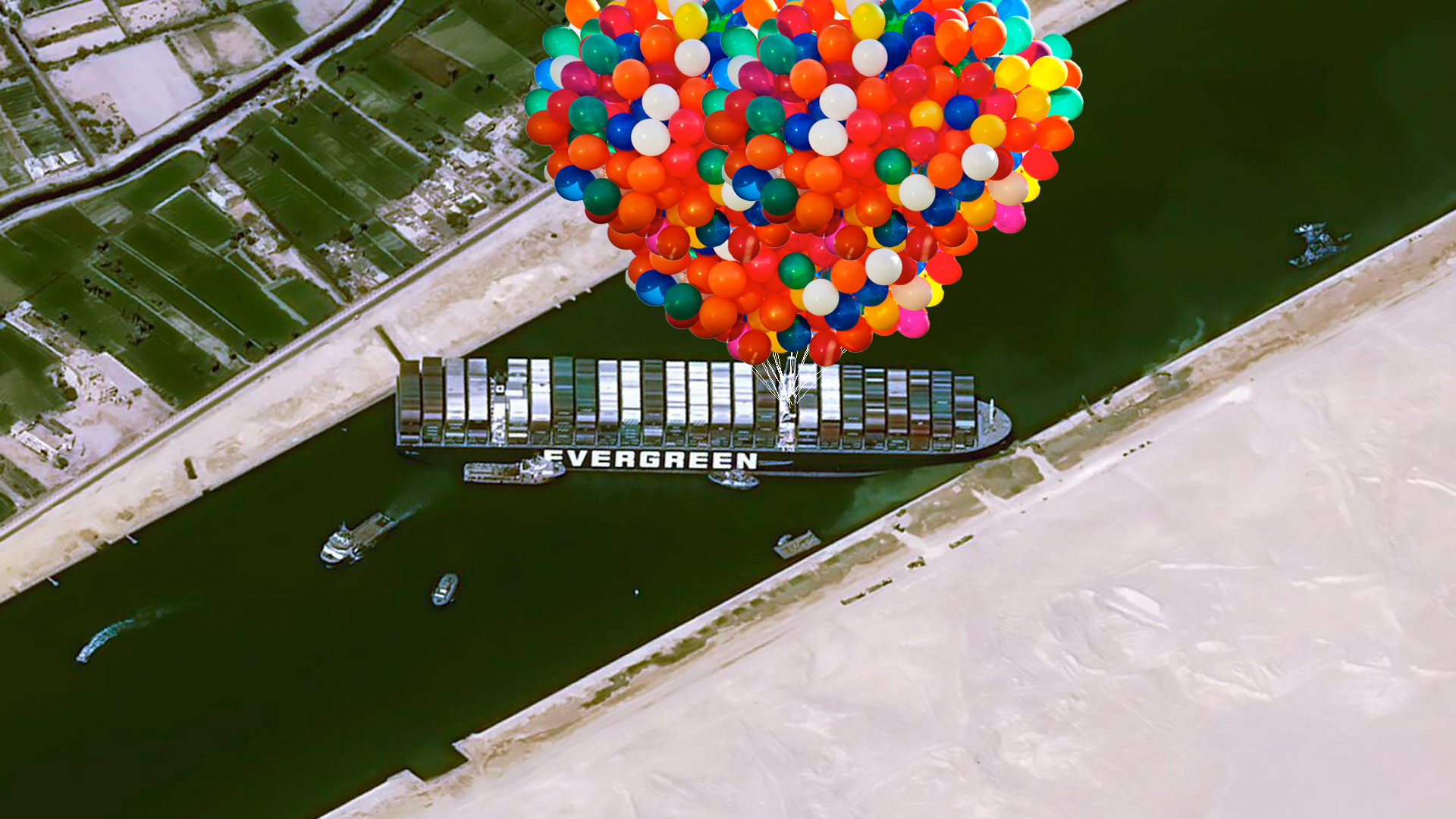
Marine architects and salvage experts were flummoxed on how to free the massive Ever Given container ship until today's breakthrough at the Suez Canal. But Axios devised three novel prescriptions for unsticking the big ship:
1. Helium balloons: After all, it worked for that guy in "Up" (and "balloon boy"). The key here is Archimedes' principle — that the upward buoyant force on a body immersed in a fluid is equal to the weight of the displaced fluid (in case you forgot that one from your physics class).
Maersk, the world's largest container shipping company, said in an advisory on Monday that the "ripple effects" from the six-day blockage of the Suez Canal by a massive cargo ship has triggered a series of disruptions to global trade that could "take weeks, possibly months, to unravel."
The state of play: The Ever Given had been partially refloated as of Monday morning, but not yet fully dislodged. Maersk said that it's too early to say when the Suez will be cleared for operations again, but that it could take at least six days for its current queue of ships to pass through.
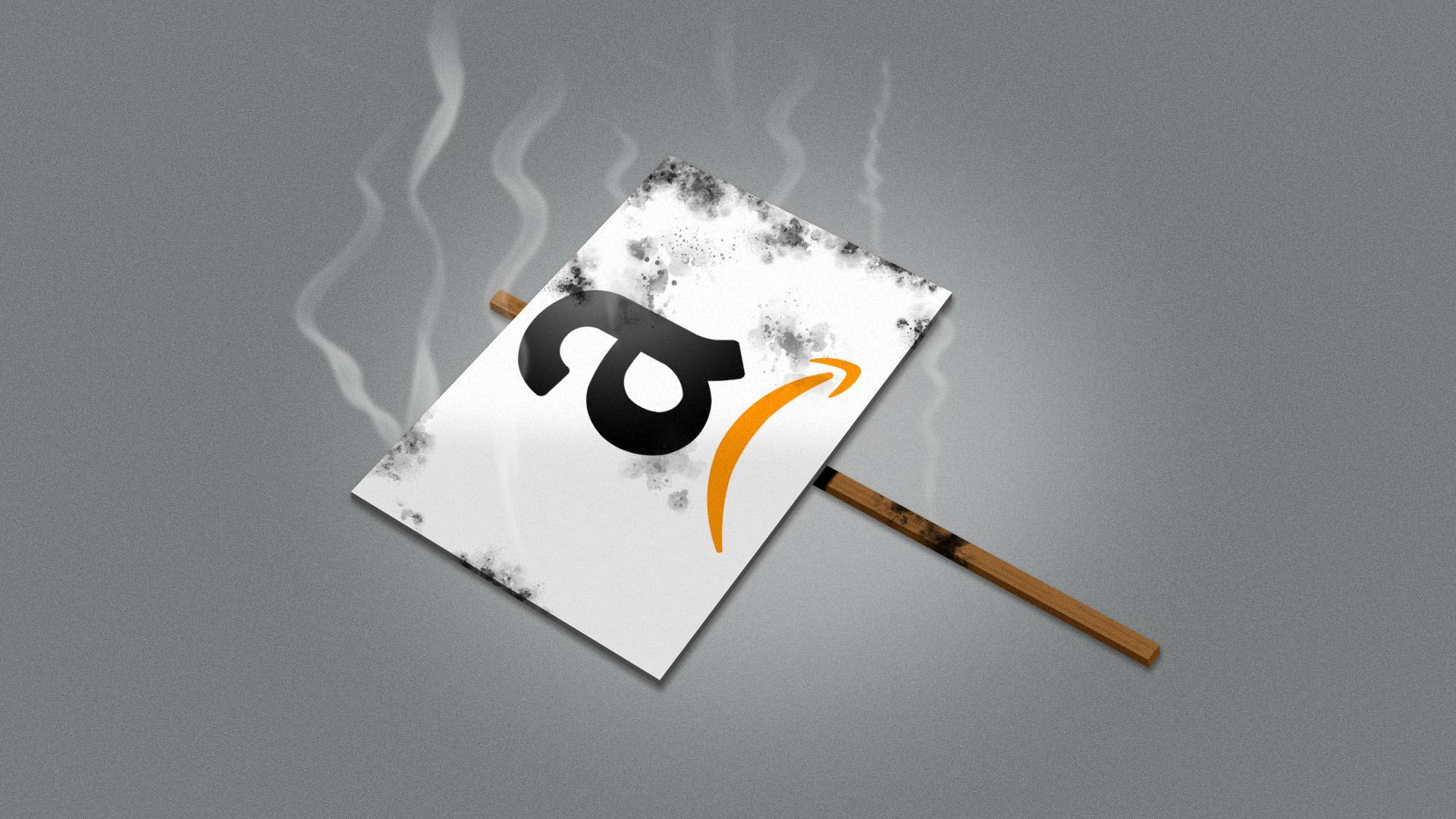
Amazon has launched a sharp-elbowed PR offensive on social media in response to a sea of pressure from workers, politicians and regulators.
Why it matters: It's a risky move that could help fight short-term battles but also risks establishing a pattern of antagonism against people and groups that could be thorns in the company's side for years to come.
Has the stock market gotten ahead of itself? That's the question traders are asking heading into Monday's session, in the wake of a dramatic fall-off in a handful of stocks owned by a hedge fund manager named Bill Hwang.
Driving the news: Hwang was making highly leveraged multi-billion-dollar bets on companies including U.S. TV networks ViacomCBS and Discovery. When those stocks started to fall, Hwang's fund, Archegos, was forced to liquidate the positions at any price, and both companies ended up losing about half their value as a result.