Would you like to exhibit an artwork worth $69 million in your own home? It's easier than you might think.
First: Download the 21,069 x 21,069 jpeg from Makersplace here. It's a highly complex artwork by Beeple, and it was just sold at Christie's for the third-highest amount that any living artist has ever fetched at auction.
Streaming giants say they expect to add far more subscribers in the next few years than previously projected thanks to unprecedented streaming adoption during the pandemic.
Be smart: In the U.S., where at least 80% of households have at least one internet-connected TV device, streaming has become pretty saturated. Streamers see expansion opportunities as they start to expand abroad.
Commercial airlines might be struggling, but small private jets are busier than ever, especially in Florida and other Sunbelt destinations.
The big picture: Untethered to their homes and offices during the pandemic, the wealthy are escaping to vacation homes and ski resorts — and paying handsomely to avoid commercial flights.
Passenger traffic at U.S. airports remains far below normal, but growing vaccination rates and an improving economy are leading to pent-up demand for travel, experts say.
Where it stands: A year into the pandemic, domestic air travel is 55% below pre-pandemic levels, while international travel is down 71%.
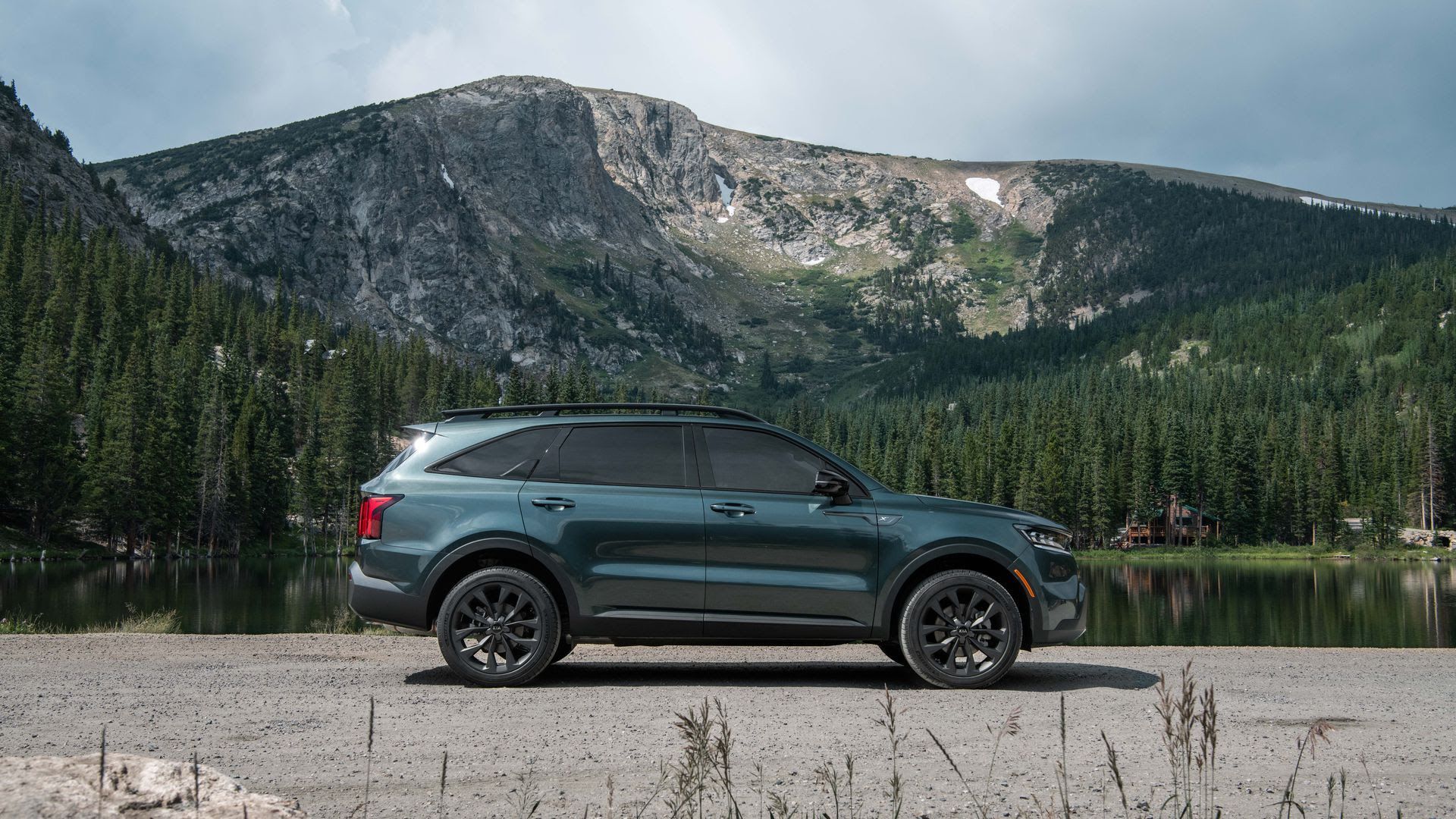
Waymo, which pointedly stopped using the term "self-driving" to describe its technology this year, has released a study intended to prove that its robot drivers are safer than humans.
Why it matters: With about 40,000 Americans dying in vehicle accidents every year, AV operators are trying to convince consumers and regulators that autonomous vehicles would make the roads safer.
Tesla recently told California regulators that the "Full Self-Driving" beta software it's testing with select customers doesn't make them autonomous — nor will it any time soon.
Why it matters: The company is charging $10,000 extra for the not-really-self-driving, might-arrive-someday addition to its standard Autopilot adaptive cruise-control and lane-keeping feature.
President Biden's climate envoy John Kerry "warned the EU that a carbon border tax adjustment should be a 'last resort,'" the Financial Times reports(subscription).
Why it matters: The official statement following a meeting between Kerry and European officials shows that while the U.S. and EU are now broadly aligned on climate, harmony on policy specifics can be trickier.
The VC firm Energy Impact Partners has created an index that tracks performance of companies spanning a wide range of climate-friendly technologies — and it shows they're crushing the broader market.
Why it matters: The firm's new "Climate Tech Index" differs from technology indices that are more narrowly targeted, such as only tracking clean energy companies.
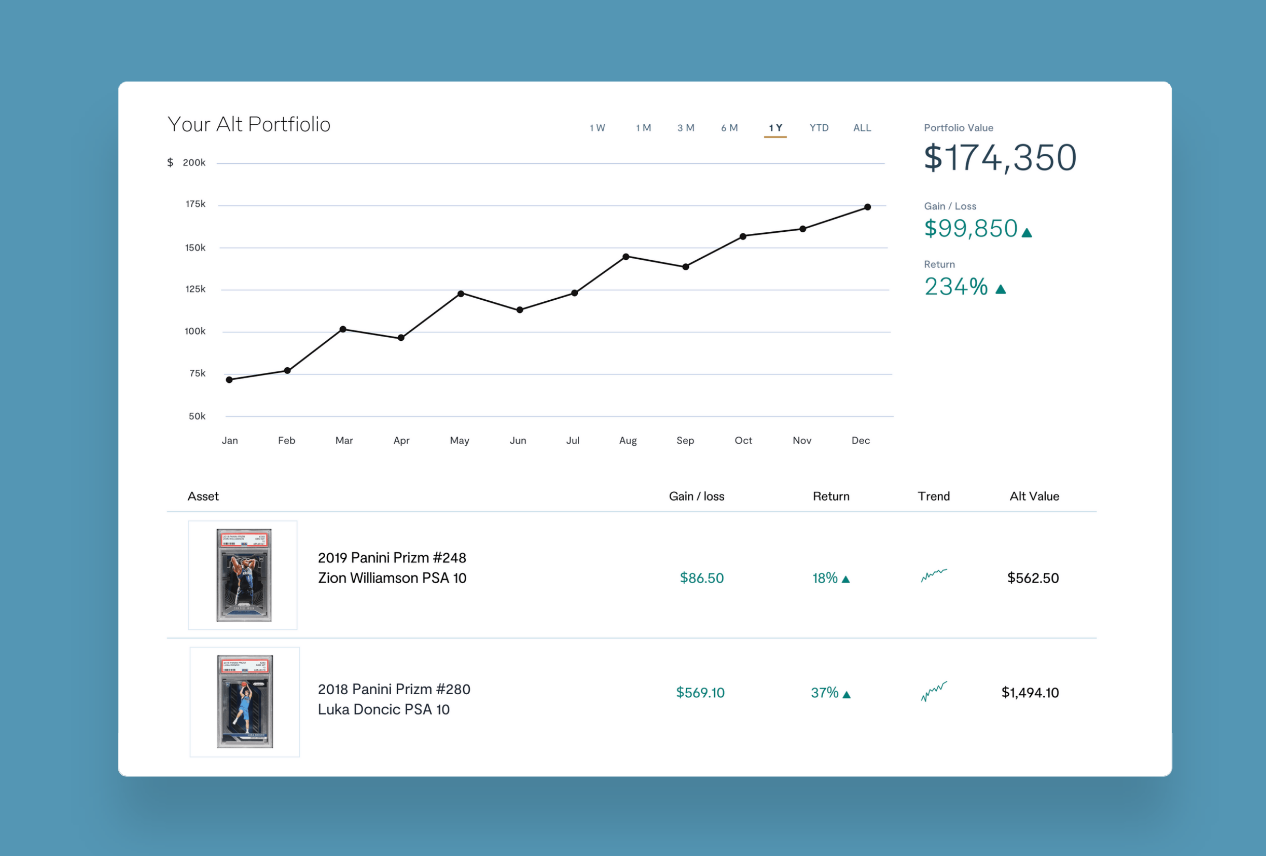
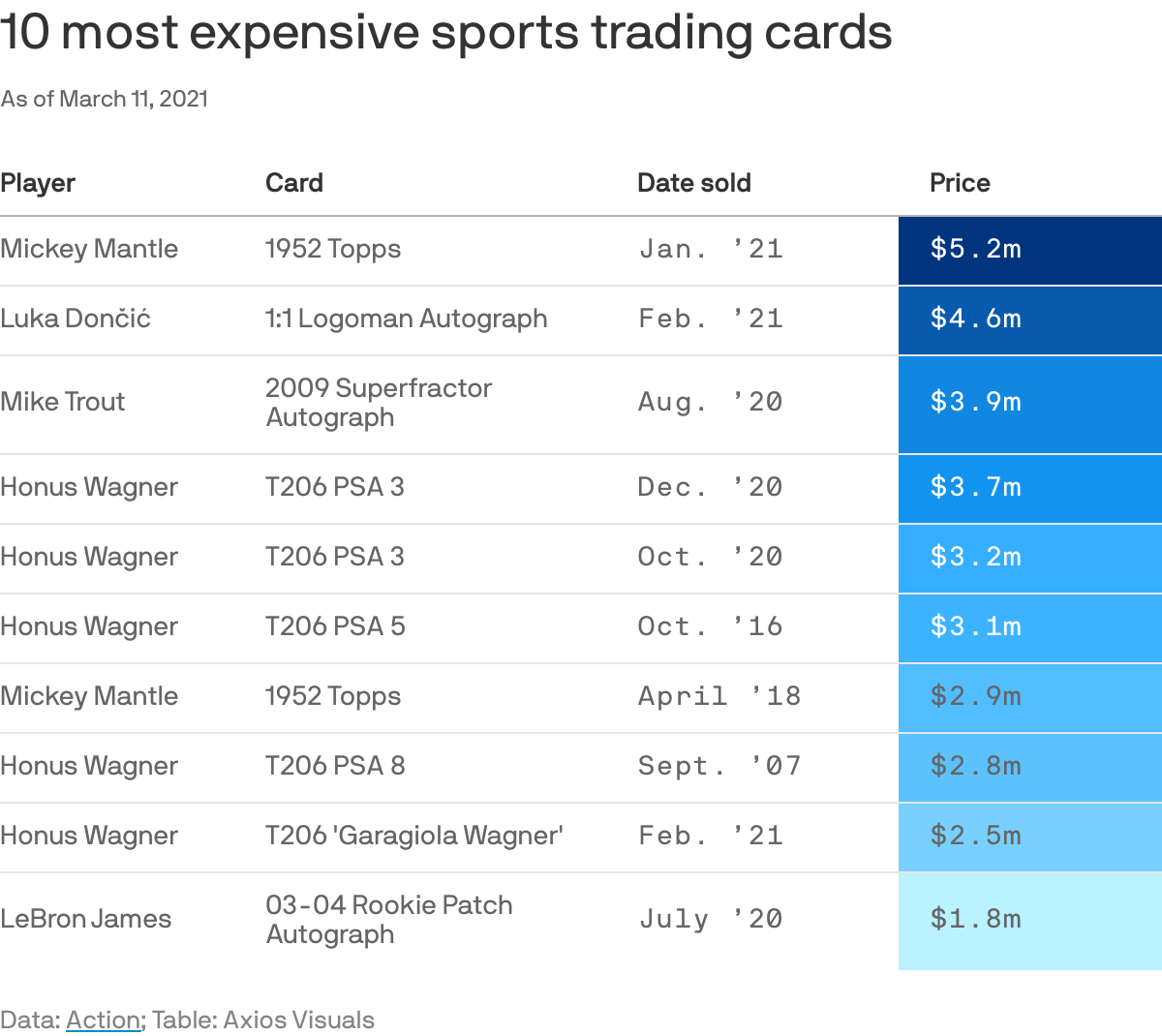
The trading card boom that exploded in the early days of the pandemic has recently reached a fever pitch.
Why it matters: Seven of the 10 most expensive sports cards in history were sold in the past eight months — and the all-time record has been broken twice since August.
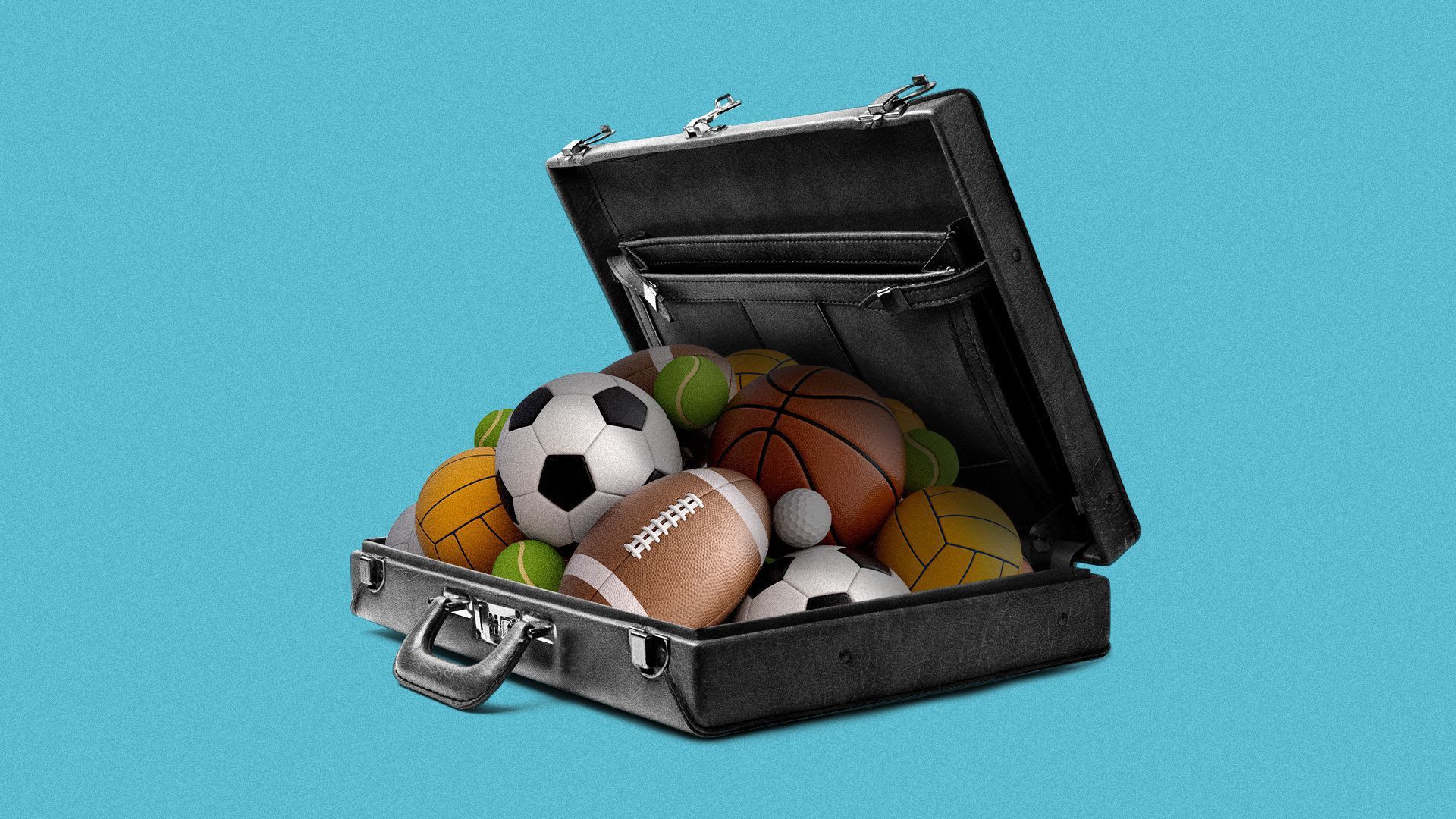
For nearly a century, investing was driven exclusively by ticker symbols. Now, there's more room for passion-aligned investing — and sports is at the forefront of that movement.
The state of play: Sports fans have always followed the players and teams they love. Now, there are more ways than ever to actually invest in them.
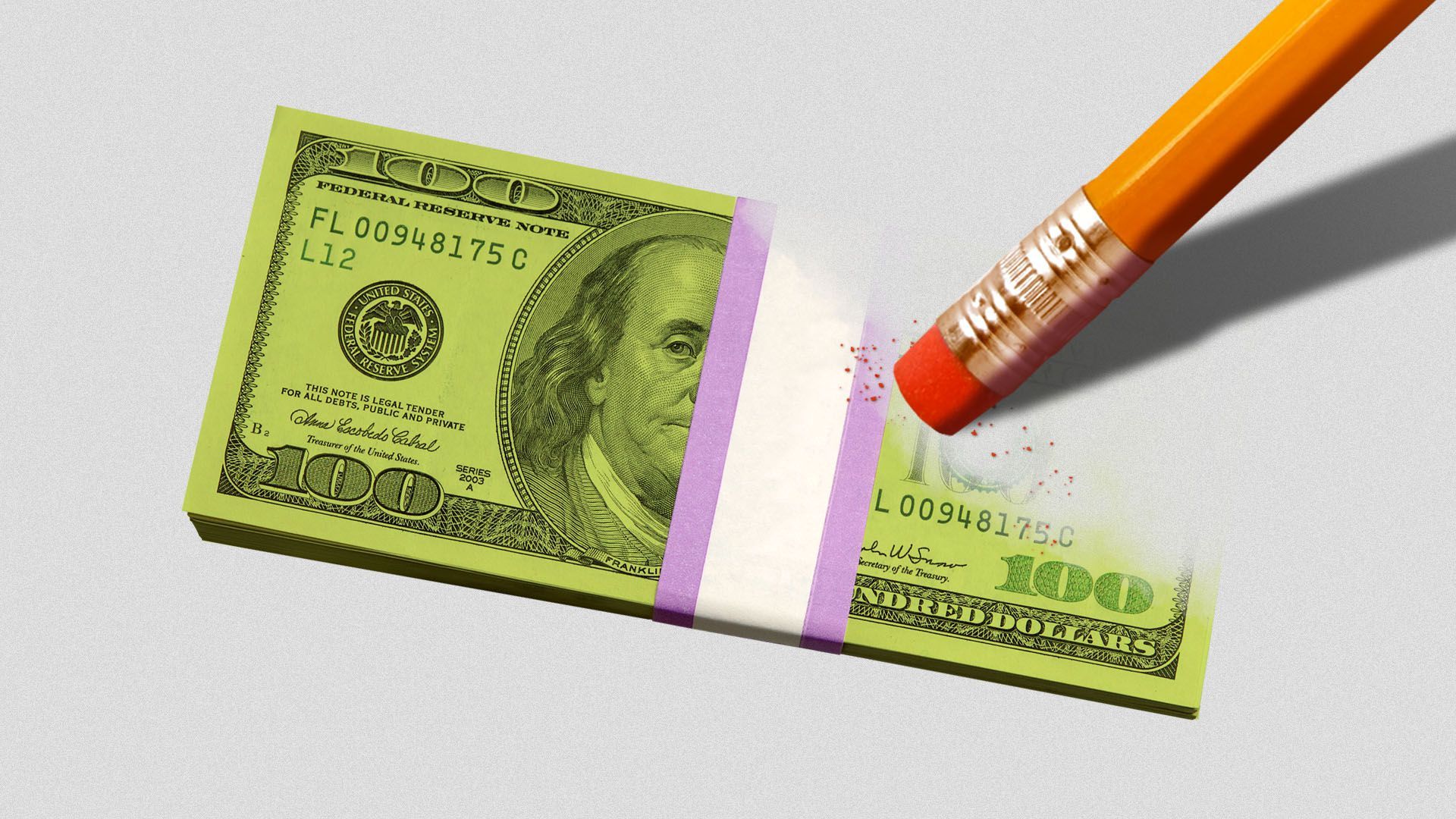
The implications of Citigroup’s colossal payment mishap are still reverberating through the leveraged finance market.
Context: Last year Citi accidentally sent $900 million of its own money to Revlon’s creditors — and last month lost the first round of a legal battle to claw those funds back.
The fear of missing out (FOMO) is alive and well on all sides of the corporate bond market.
What's happening: Much attention has been paid to the impact that rising interest rates have had on equities. But over in bonds — as U.S. Treasury yields inch higher from record lows — companies are racing to borrow money and avoid being shut out of what could end up be a fleeting opportunity for cheap money.
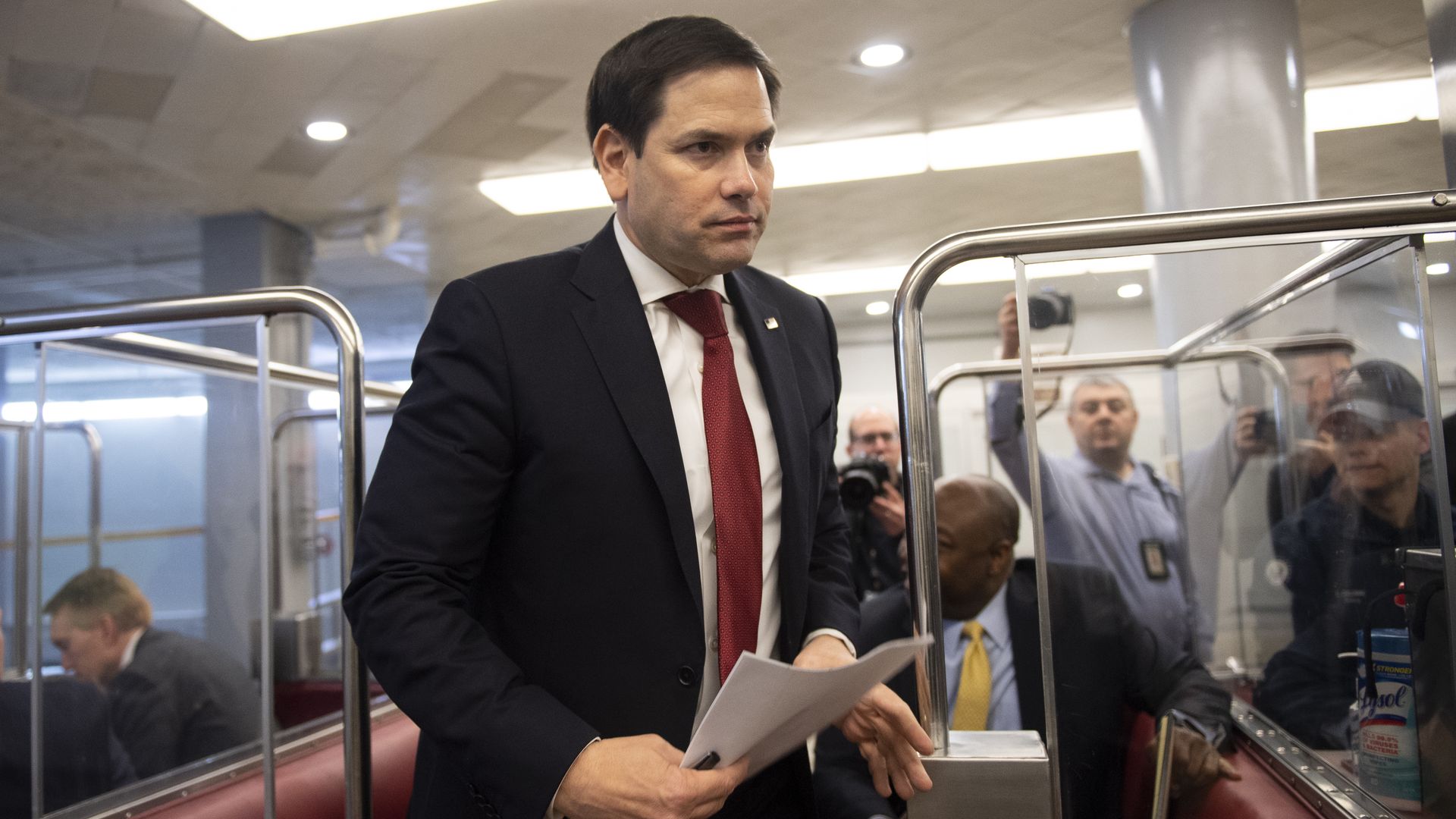
Escalating a push by ambitious Republicans to spotlight American workers, Sen. Marco Rubio today will side with the union in a high-stakes organizing campaign at an Amazon facility outside Birmingham, Ala.
Driving the news: "[T]he days of conservatives being taken for granted by the business community are over," Rubio writes in a USA Today op-ed posting this morning. "I stand with [workers] at Amazon’s Bessemer warehouse."
The pandemic crashed into American life one year ago this week — but key decision-makers sensed what was coming earlier than most Americans, and even many politicians.
The big picture: In interviews for this week's special series of Axios Re:Cap podcasts, The Week America Changed, leaders in both the public and private sectors described their growing awareness, early last year, of just how bad things could get.














/2021/03/12/1615557067513.gif?w=3840)