Sears Holdings Corp. is suing its former chairman and CEO Eddie Lampert and a handful of former board members, including U.S. Secretary of the Treasury Steven Mnuchin, for allegedly stripping the company of $2 billion in assets, reports CNBC.
Details: Sears is also filing suit with Lampert's hedge fund ESL Investments, where Mnuchin was previously a director. The suit alleges Lampert and members of the fund's board instructed executives at the retailer to manufacture false financial projections that would imply a company turnaround, despite no plan for profitability and the company's accumulation of more than $7 billion in debt, per the Wall Street Journal.
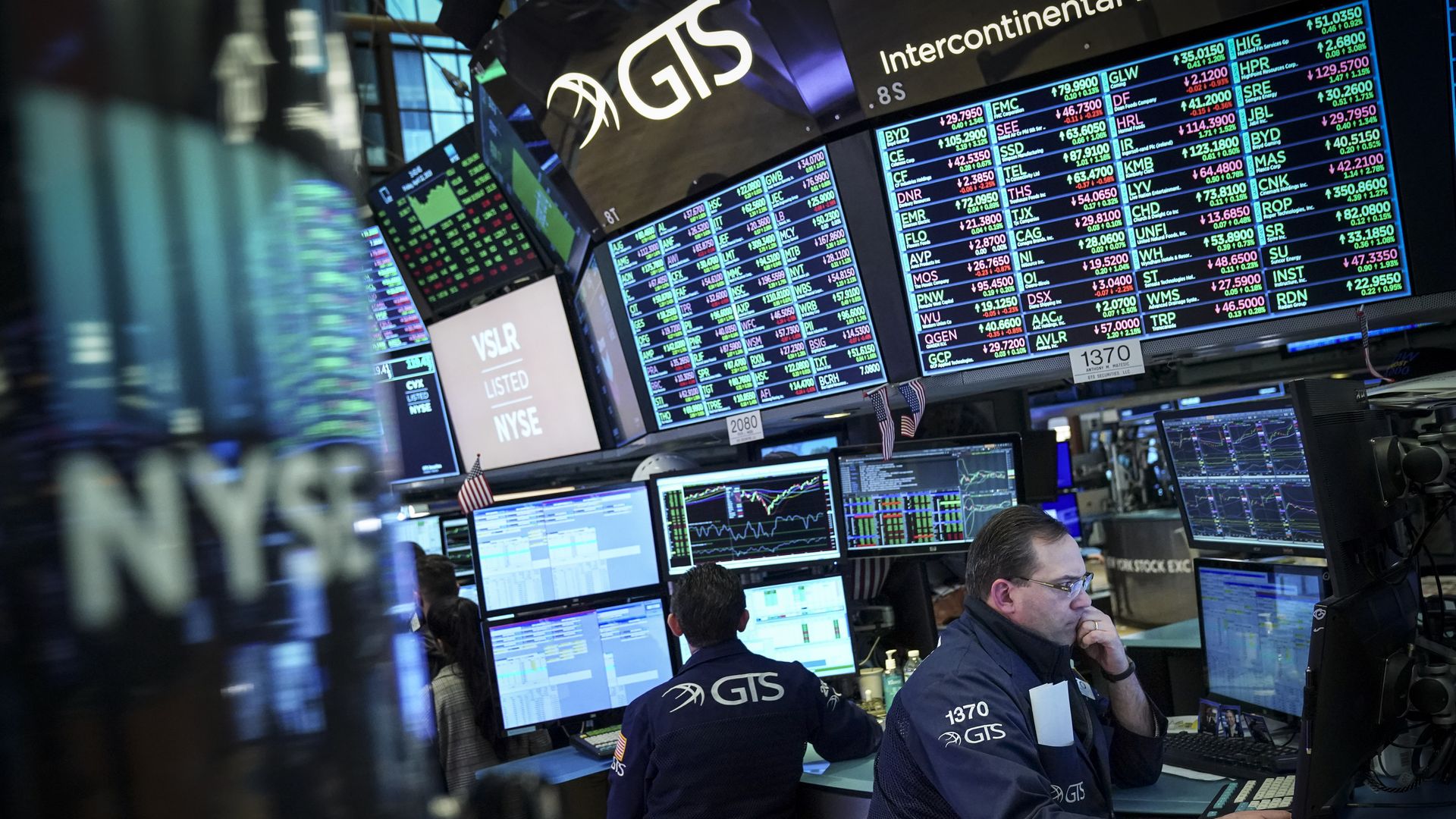
Zoom Video shares popped over 70% on Thursday morning, following an IPO that initially valued the Silicon Valley videoconferencing company at more than $9 billion. But not everyone who thinks they bought Zoom Video shares actually did so.
There are actually two Zooms. The aforementioned Zoom Video, which trades under ticker symbol ZM, and Zoom Technologies, a tiny Chinese wireless company that has the ZOOM ticker symbol.
Zoom Technologies shares are up over 62% in early Thursday trades, with more than four times its normal trading volume. Either people are confused, or they're cynically betting that others will be.
The fast-evolving internet ecosystem is changing how tech companies form alliances to lobby policy-makers in Washington.
The bigger picture: Lines are blurring or becoming more stark among different tech, media and telecom companies. Telecom companies are producing content, while platform companies are exploring new services like internet connections. That means sectors are no longer staying in their lanes, and regulatory scrutiny is shifting.
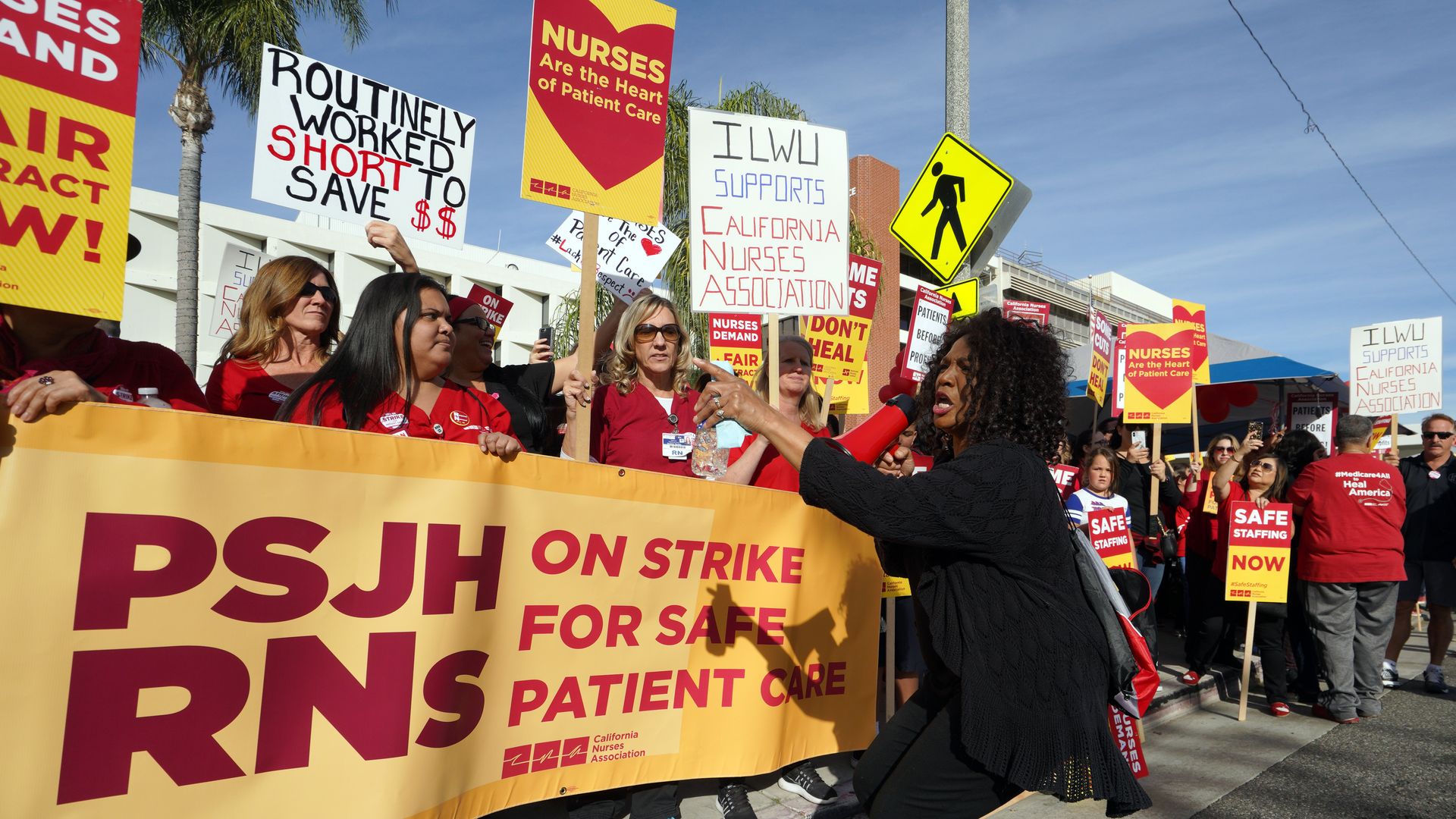
Nurses, already in short supply, have not been afraid of going on strike at their hospitals.
Between the lines: Pay and health benefits are almost always part of why any worker considers striking. But nurses, who make $72,000 per year on average, are also consistently unhappy about understaffed hospitals, saying they're caring for too many patients at once.
Pinterest has raised over $1.4 billion in its IPO, pricing shares above the top of its expected range.
The bottom line: It's a strong showing for an unprofitable unicorn on the heels of Lyft, but still values Pinterest shares a bit below where they were last sold to venture capitalists.
The quirky tastes of Gen Z are bringing old — and nearly obsolete — clothing brands back.
What's happening: The sports apparel brand Champion, which sells simple sweatshirts that feature its red and blue "C" logo, is having a big comeback, Bloomberg reports.
A growing number of U.S. companies are saying higher wages weighed on first quarter profits or will have a negative impact in coming quarters.
Why it matters: As workers finally start to see pay increases, one of the biggest drivers of high profit margins is under threat and Bridgewater, the world's largest hedge fund, warns corporate profits that have fueled the stock market boom may be peaking.
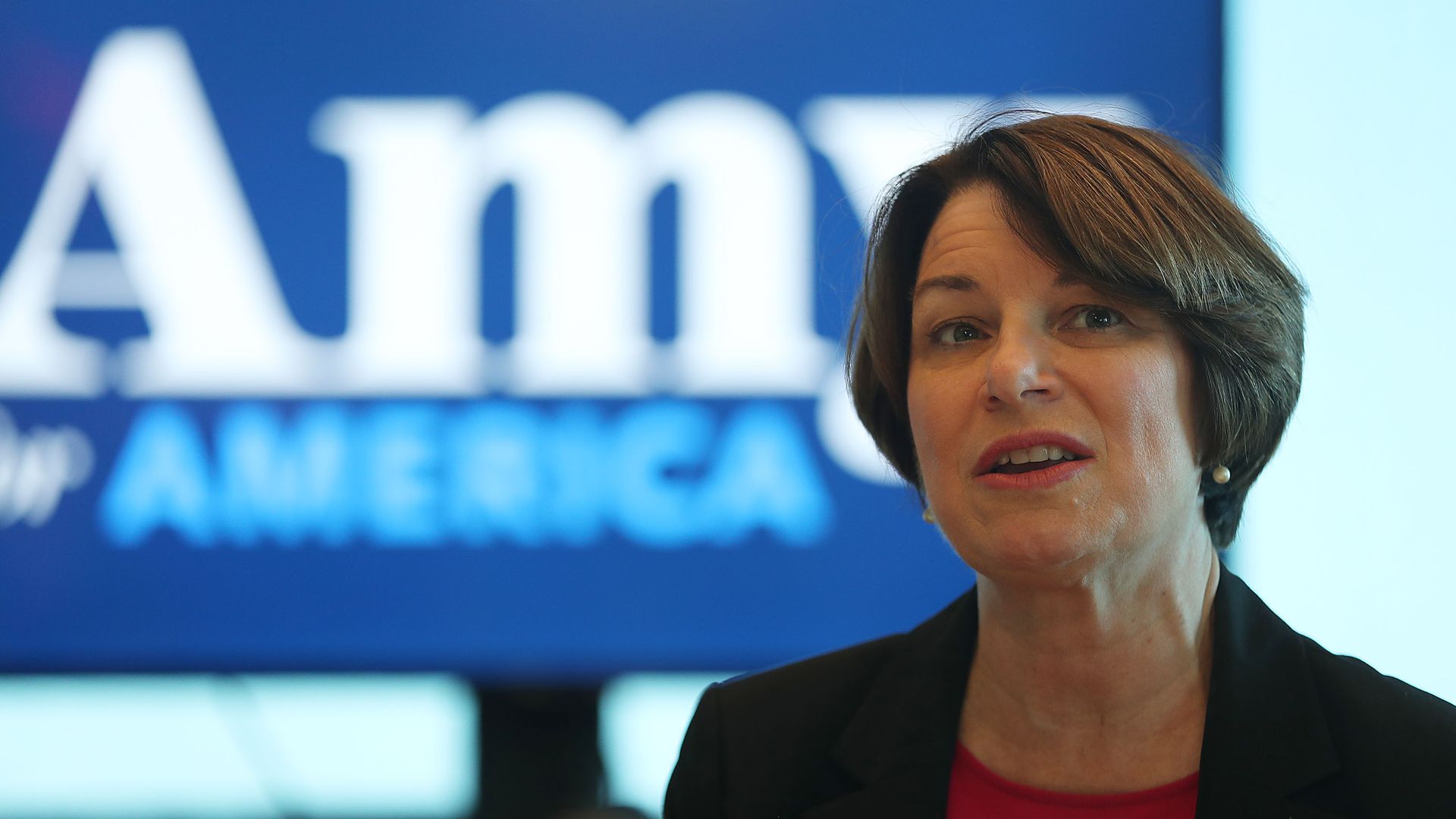
Sen. Amy Klobuchar (D-Minn.) will be the second 2020 Democratic candidate to participate in a town hall with Fox News' Bret Baier and Martha MacCallum, AP reports.
Why it matters: Sen. Bernie Sanders (I-Vt.) had 2.5 million viewers tune in for his Fox News town hall earlier this week, becoming the most-watched event of its kind so far this cycle. That success has led at least four other 2020 Dems to consider taking part in an event with the conservative cable network, according to The Daily Beast.
Federal Communications Commission chairman Ajit Pai is recommending, per executive branch agencies, that the FCC deny China Mobile's application to provide telecommunications services in the U.S. due to concerns about national security and law enforcement risks.
Why it matters: It's the first time executive branch agencies have recommended that the FCC deny such an application to interconnect with U.S. communications infrastructure, FCC officials said Wednesday on a call with reporters. The move represents a further escalation in the slow-building conflict between the U.S. and China over telecommunications trade.
When it comes to making predictions about the world economy, policymakers and asset managers are whiffing because they are failing to account for the increasingly dysfunctional state of global politics.
The big picture: The world's top economic concerns — Brexit, the U.S.-China trade war — are the result of policy decisions rather than unavoidable shocks.
Yesterday, UnitedHealth Group posted $3.5 billion of profit in the first quarter — its second-most profitable quarter ever — and collected more than $60 billion of revenue.
Between the lines: UnitedHealth's stock price also tanked by 4%, which consequently dragged down shares of the other major health insurers and hospital chains. Cigna’s stock price plummeted 8%, and Anthem and Humana were close behind. HCA tumbled 10%.
China's economy grew 6.4% in the first quarter of 2019 on an annual basis — the same pace the economy grew in the previous period and below the 6.8% seen in last year’s first quarter — exceeding analysts' 6.3% growth estimate, the government said Tuesday.
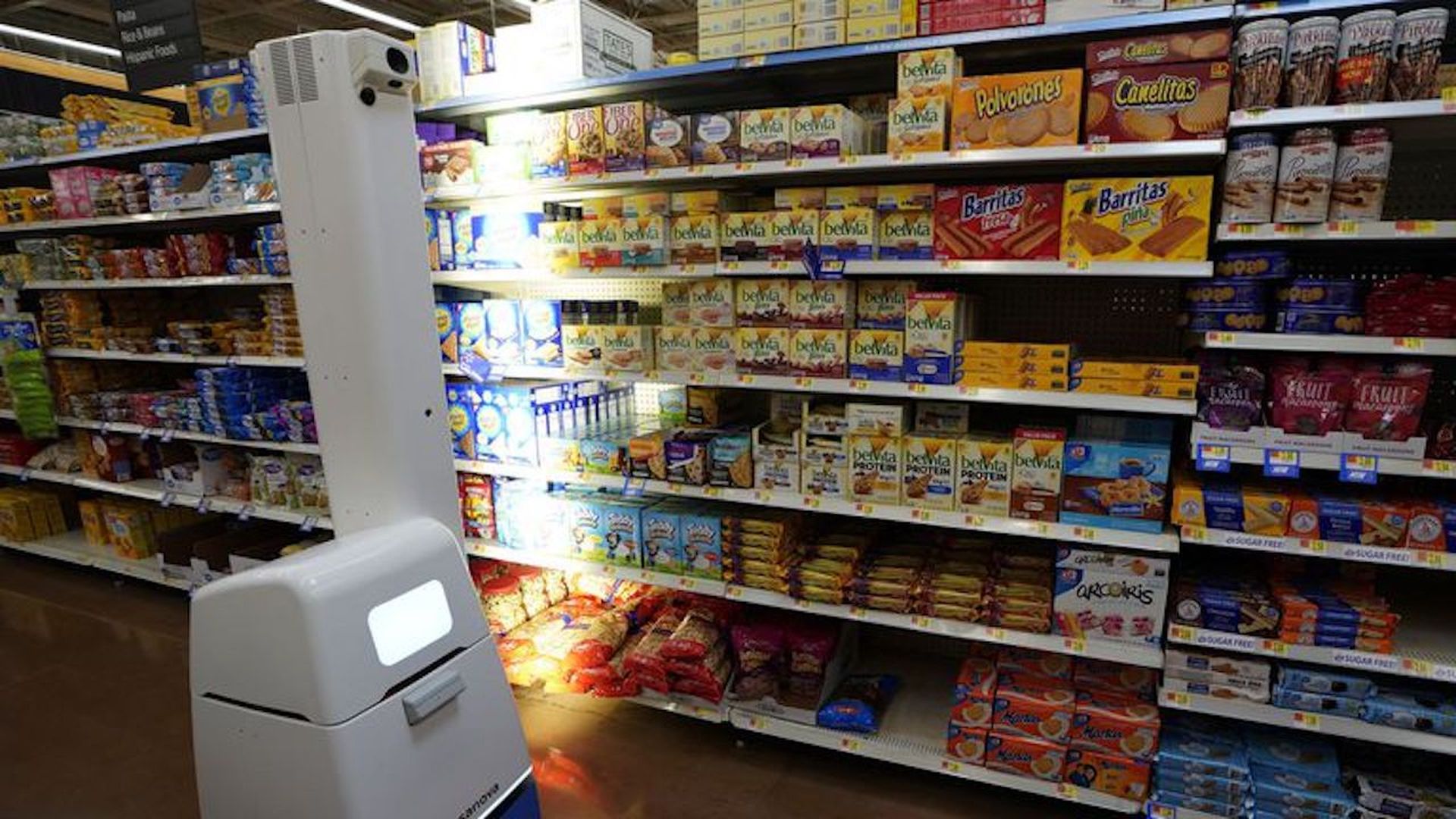
Walmart has offered a glimpse at how it plans to move its stores into the future, announcing the addition of 3,900 aisle-mopping and shelf-scanning robots to its floors.
Reality check: Though 3,900 robots is a massive deployment, the impact to jobs will be significantly diluted as those bots are spread across 4,700 stores, says Darrell West of the Brookings Institution.
As entire blocks worth of stores fall to behemoths like Walmart and Amazon, a surprising source of jobs has been the salon industry — a retail stronghold thriving because it provides services that can't move online.
What's happening: The occupations of nail technician and hair stylist are commanding an increasingly large share of retail jobs, and economists are sounding the alarm, saying these are among the least stable and lowest-paying jobs in the country.