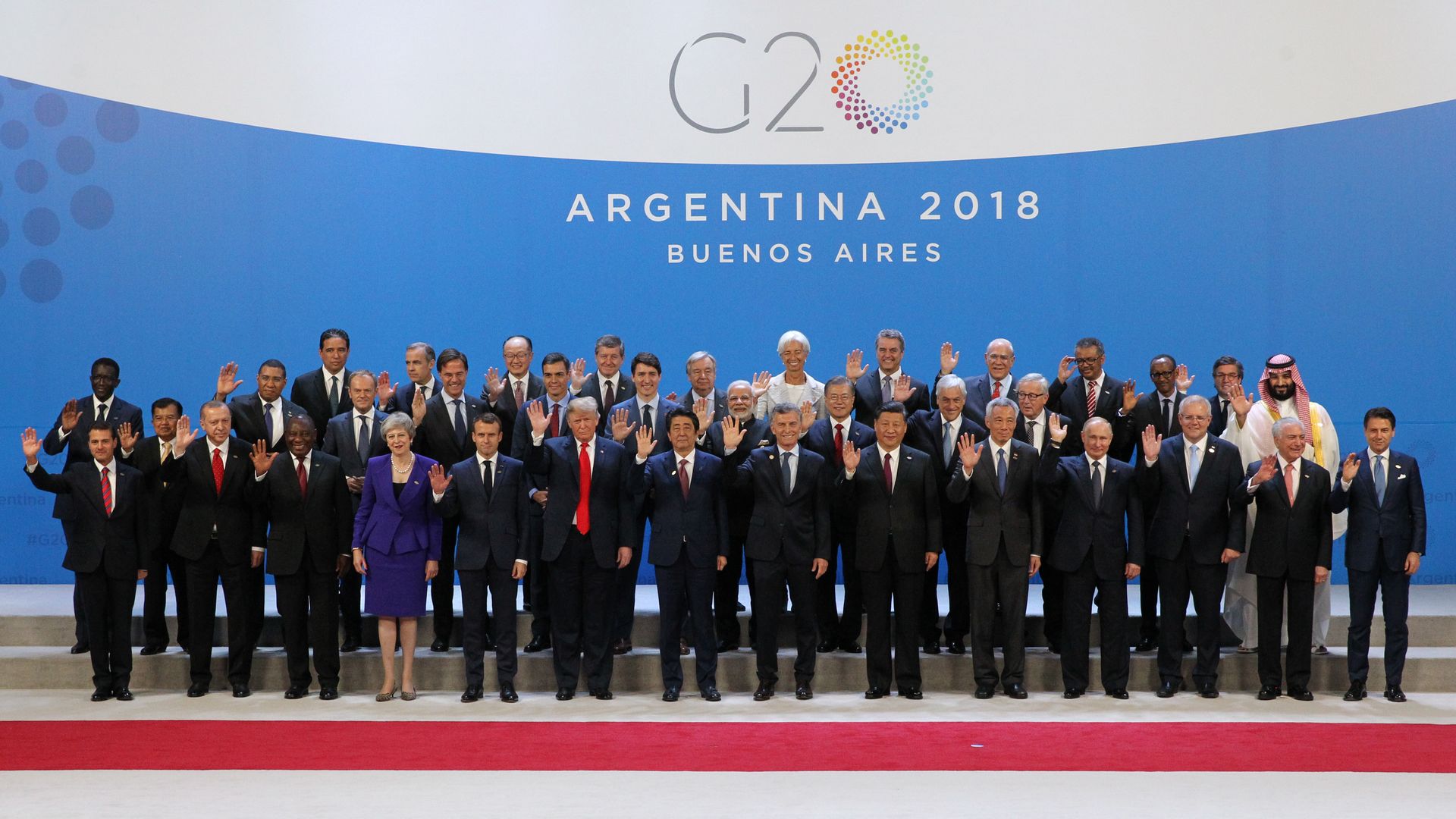
In a joint declaration signed by all G20 nations Saturday, leaders acknowledged that the current multilateral trading system is "falling short of its objectives" and voiced support for "necessary reform" of the World Trade Organization.
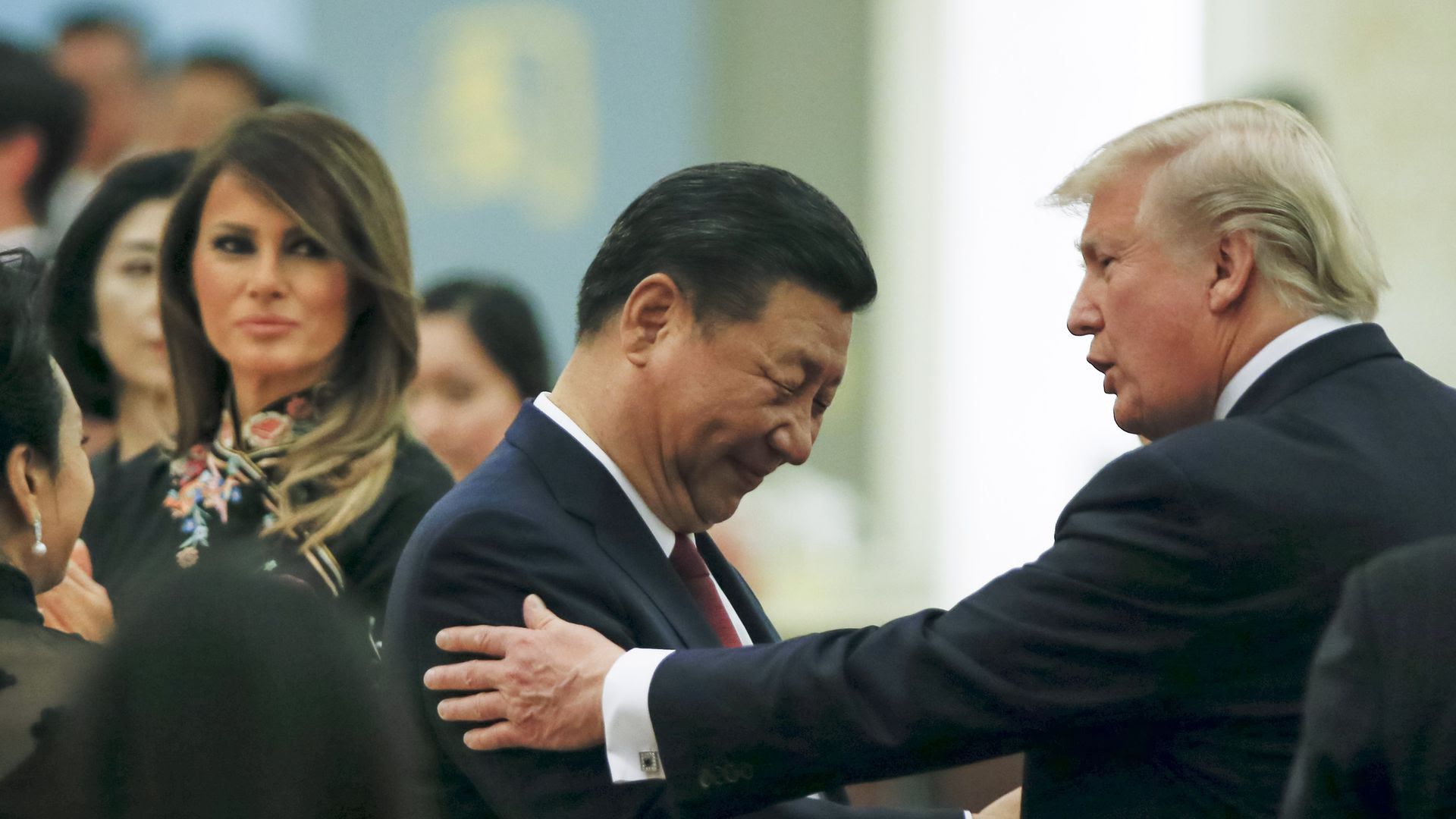
The big picture: President Trump — who has made trade imbalances a hallmark complaint of his presidency — has threatened to withdraw from the WTO, which he believes was "designed by the rest of the world to screw the United States." Trump will meet Chinese President Xi Jinping Saturday night to discuss the ongoing trade war between the U.S. and China, per Reuters.
High-speed broadband and mobile internet have created more opportunities to access free news and information than ever before.
Yes, but: It's also made it harder for quality news and information outlets, particularly ones in rural areas, to survive. Tech has disrupted the local media business model and pushed more journalism behind paywalls — and there's no end in sight.
The federal government's efforts to provide ubiquitous internet access have had varying levels of success.
Why it matters: Congress mandates that the FCC take "immediate action" if advanced telecom capability is not being deployed to "all Americans in a reasonable and timely fashion." Chairman Ajit Pai says closing the digital divide is his top priority, but the FCC can't compel ISPs to expand networks; it can only offer incentives to do so.
U.S. stocks saw gains for November, capping a month of volatility.
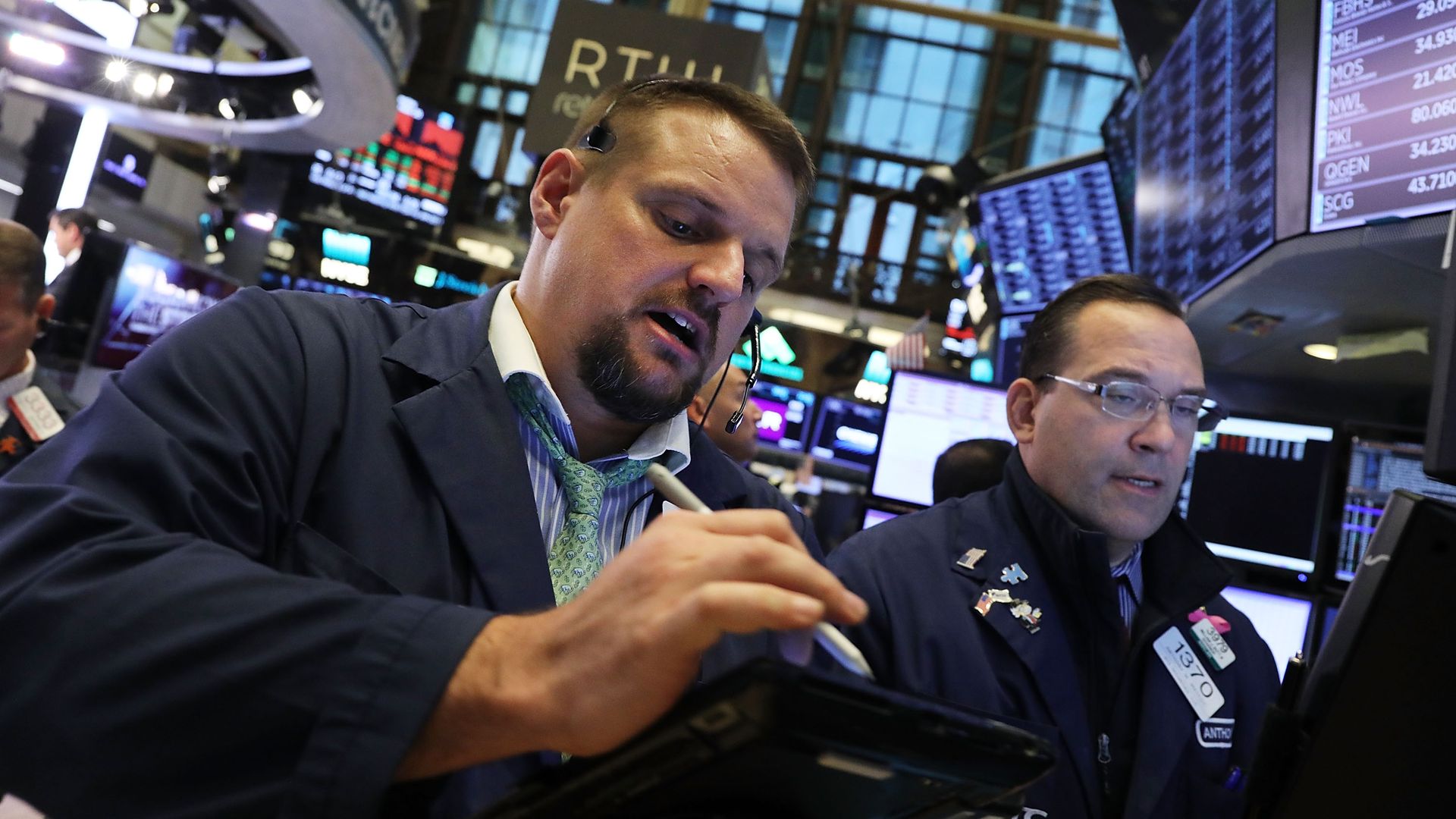
Details: U.S. stocks jumped on the final trading day of November, with the Dow Jones Industrial Average closing up 199 points, and the S&P 500 and Nasdaq Composite each rising less than 1%. This was the best week for the Dow since 2016, and the best for the S&P 500 since 2011, per CNBC.
Both the Wall Street Journal and Bloomberg have stories suggesting that the U.S. and China may reach a deal during the dinner between President Trump, General Secretary Xi and their respective teams.
Driving the news: Outlines of this supposed deal have been discussed for weeks, mainly because it is perhaps the only possible arrangement the two sides can agree to right now.
Bayer announced plans on Thursday to sell multiple assets, including its animal health unit, sunscreen brand Coppertone, foot-care brand Dr. Scholl's and its majority stake in German chemical park operator Currenta. It also will cut 10% of its workforce, representing around 12,000 jobs.
Why it matters: It's an admission that Bayer bit off more than it could chew when it paid $14 billion to buy Merck in 2014 and another $63 billion to buy Monsanto earlier this year. And it's yet another conglomerate eager to shrink its footprint. "Bayer seems to have flunked its due diligence twice," write Stephen Wilmot and Charley Grant for the Wall Street Journal.
AT&T says that the new streaming service it plans to launch during the fourth quarter of 2019 will have three tiers to target all types of customers.
Why it matters: The service would provide similar flexibility to rival Netflix, which also offers three different streaming tiers, allowing it to lure customers to better compete against its more-established competitor.
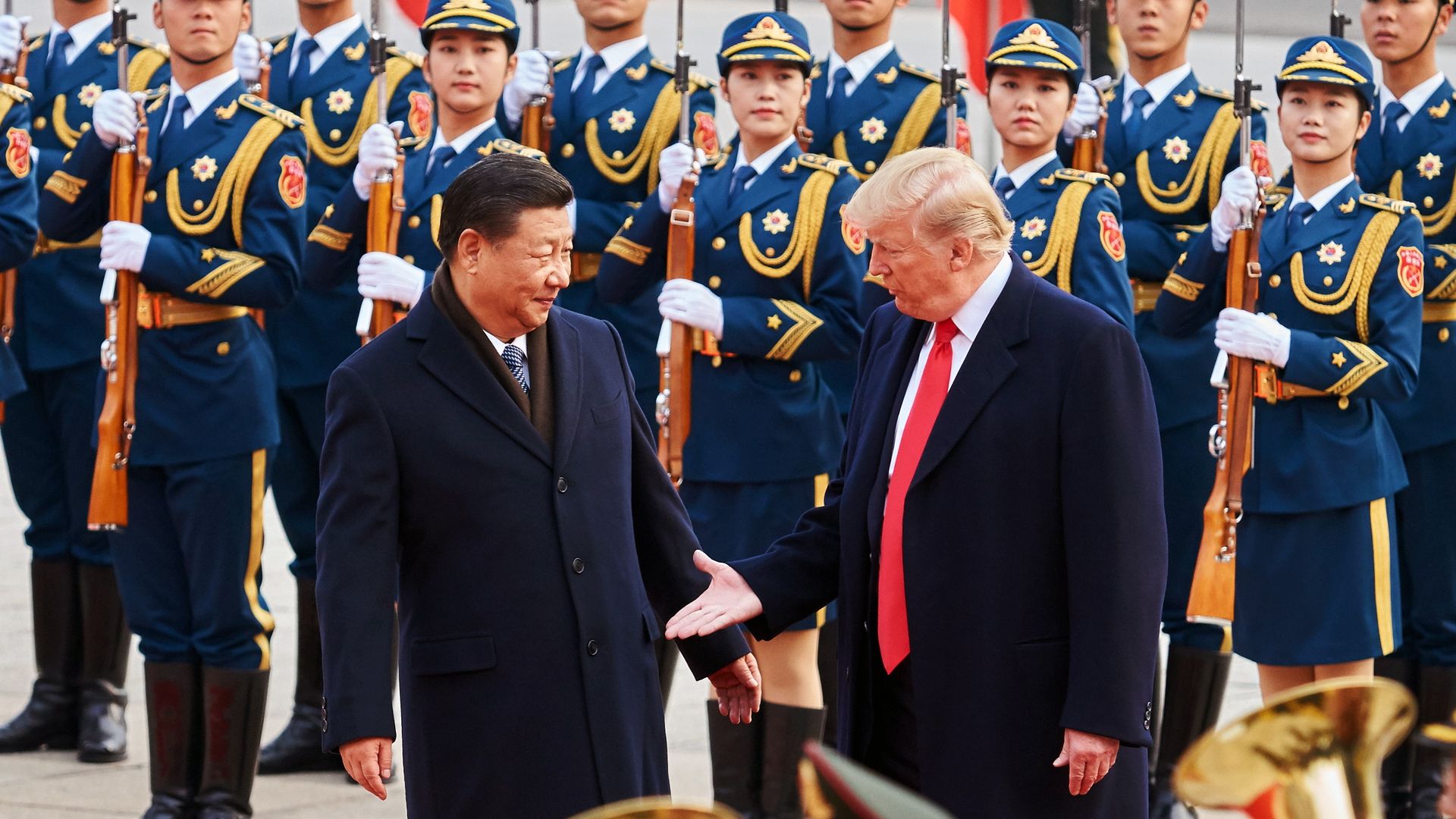
The consequences of President Trump’s meeting with Chinese President Xi Jinping at the G20 summit in Argentina this weekend will extend far beyond trade. Whatever the president says for a domestic political audience or to calm markets will be watched closely, from Europe to Asia.
Why it matters: Any successful U.S. strategy to establish guardrails for China’s rise will rely heavily on U.S. allies, who are making their own calculations about American staying power and resolve. Many regional partners were disturbed by the optics of Trump's first meeting with Xi at Mar-a-Lago in April 2017 — after which Trump claimed to have "a terrific relationship with Xi" — and his visit to China that November, when he tweeted about his "unforgettable" time.
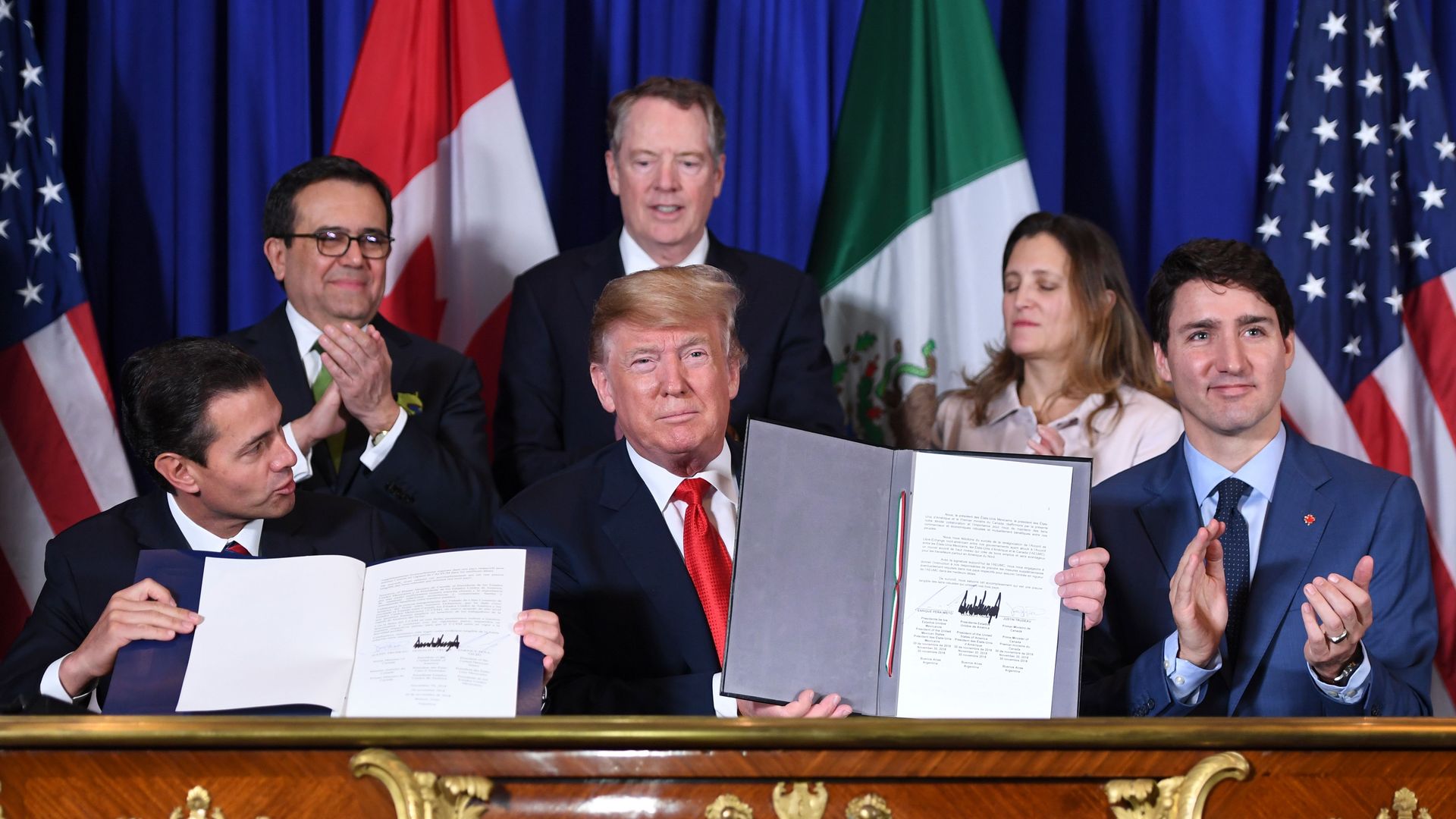
President Trump, Canadian Prime Minister Justin Trudeau and Mexican President Enrique Peña Nieto signed onto USMCA — the United States-Mexico-Canada Agreement, a revamped version of NAFTA — at the G20 summit in Buenos Aires on Friday.