Thursday's economy & business stories



NASDAQ closes at record high
The Nasdaq finished up 17 points today, a rise of about 0.3%, bringing it to a record high of 5,914. That's the 21st new record high for the NASDAQ in 2017.
Context: Stocks were up on Thursday, likely due to the Commerce Department's statement that Q4 of 2016 growth was stronger than previous estimates showed.

Streaming services now half of digital music industry revenue
A big jump in revenue from streaming services allowed the overall revenue of the music industry to grow 11 percent last year, to $7.7 billion in retail sales ($5.3 billion wholesale, up 9.3 percent), according to the industry group RIAA. And, for the first time, streaming services accounted for half of all digital music revenue.
On the flip side, paid downloads saw their biggest-ever decline, down 22 percent in 2016, to $1.8 billion. And, as RIAA chief Cary Sherman notes, the music business is still half of what it once was.
As excited as we are about our growth in 2016, our recovery is fragile and fraught with risk. The marketplace is still evolving, and we've experienced unexpected turns too many times before. Moreover, two of the three pillars of the business — CDs and downloads — are declining rapidly. It remains to be seen whether growth of the remaining pillar will be sufficient to offset the losses from the other two. Much rides on a streaming market that must fairly recognize the enormous value of music.
Here are a couple other key other stats from the report:
- Paid subscription music was the fastest growing category, more than doubling, to $2.5 billion and accounting for roughly 1/3 of the total U.S. music industry.
- Sales of physical music — aka CDs and records — fell 16 percent, to $1.7 billion.
Correction: An earlier version incorrectly stated the retail sales and percentage growth of streaming music.




Online ad spending going native
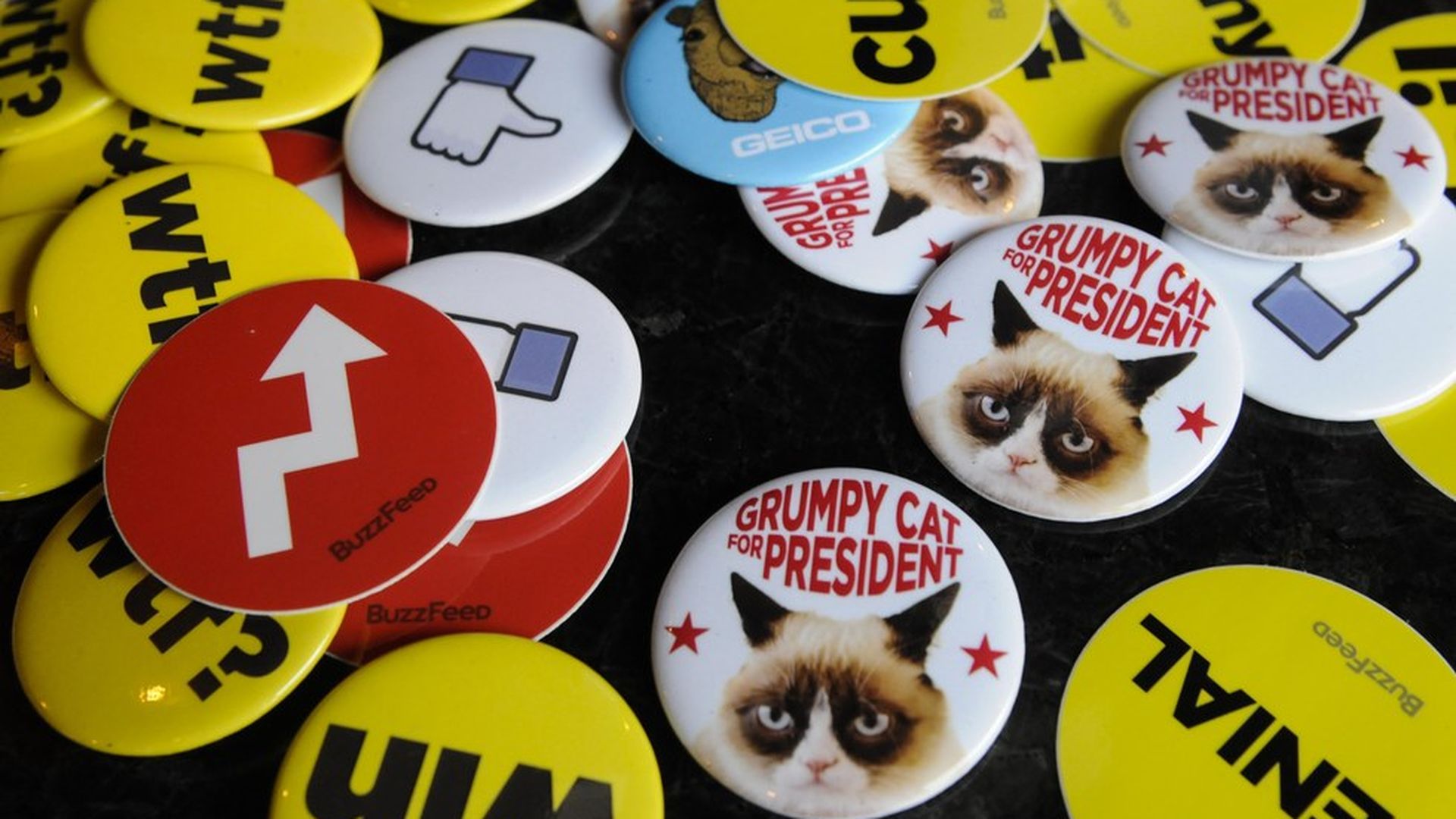
Most of the money spent on digital display advertising will soon go to native ads — where the advertising is designed to look like editorial content — according to a new eMarketer forecast. That kind of ad spending has grown to $22 billion, most of it spent on social-media platforms.
Why this matters: A recent survey found that trust in ads is rising while trust in news sinks. Ads that are designed to look like news could confuse readers.
Data: eMarketer; Chart: Andrew Witherspoon / Axios
Why it's happening: Publishers are creating more native ads because other types of digital display advertising aren't working. Advertisers are reacting to the rise of ad blockers and increased frustration with banner ads. And Google and Facebook are eating the digital display market, leaving publishers no choice but to try to monetize through engagement with native ads instead of trying to reach the most viewers with broad display ads.