Tuesday's economy & business stories

Trump's public broadcasting cuts would hit rural Americans hardest

Rural Americans would be most affected by Trump's proposal to pull funding from the Corporation for Public Broadcasting (CPB), the CEO Patricia de Stacy Harrison testified before a House Appropriations Subcommittee Tuesday. That's because more than 65% of the CPB's federal funding goes to keeping rural PBS and NPR stations running.
The rural-urban divide in public broadcasting: "Rural stations don't have a donor base," according to Harrison, and it already costs more to broadcast in rural areas, partly due to infrastructure upkeep.
Why it matters: Rural communities are the most at risk of losing public programming, and 62% of rural Americans voted for Trump. 70% of Americans oppose eliminating the CPB, according to a Quinnipiac poll.
Perspective: CPB gets about $500 million in federal funding annually. That's half of what Trump has requested this year to start the wall. Elmo should be safe, though, as Sesame Street has other funding sources.
Bloomberg terminal users fall for 2nd time ever
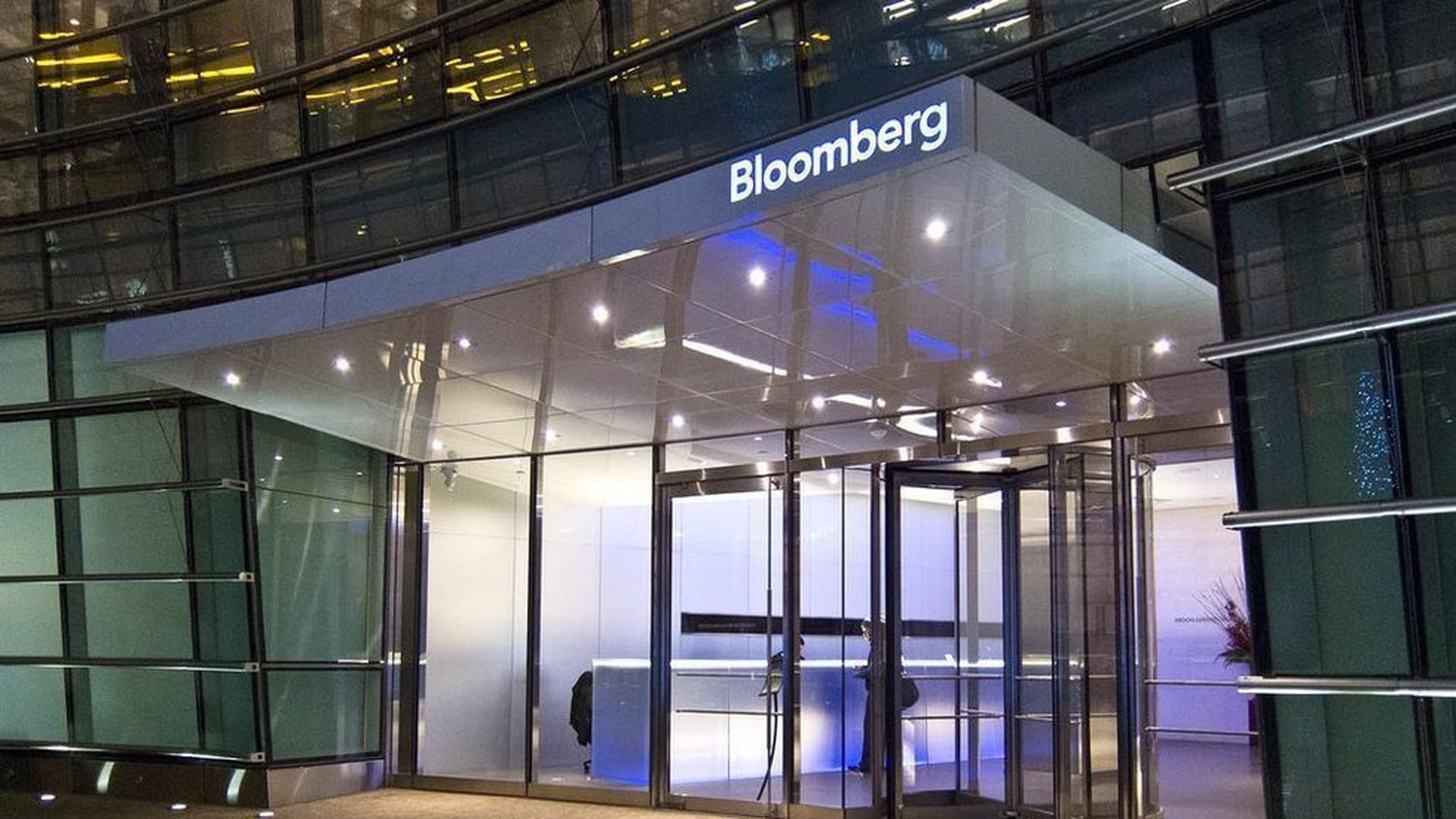
Last year the number of Bloomberg's terminals fell by 3145 to just under 324,500, according to Burton-Taylor International, a consulting group that is one of the leading sources of information in the industry, per FT. The distinctive terminals, which bankers, traders, and money managers use daily to access real-time market information, have been cut because:
- Banks are trying to cut costs — each terminal costs about $22,000 a year — and revenues at 12 of the biggest global investment banks dropped 3% last year
- Machines are replacing traders, making it difficult to maintain terminal numbers, according to one of Burton-Taylor's founders, Douglas Taylor
Why it matters: This is the second time ever that the number of terminals has fallen for Bloomberg since it was founded in 1981. Keep in mind, the first time was during the global financial crisis.

Hollywood pushes theaters to release movies faster

Major Hollywood studios are pushing theater chains to let people watch new movies much earlier than usual amid growing pressure from dwindling home entertainment profits, per L.A. Times' Ryan Faughnder:
- "The main studios pushing the initiative — Warner Bros., Universal Pictures and 20th Century Fox — want customers to be able to watch select movies in their homes 30 to 45 days after they hit the multiplex, less than half the time it usually takes."
- "Consumers would pay $30 to $50 to watch the movies, and theaters would get a cut of the revenue from the premium video-on-demand offerings."
Why it matters: "The change would represent a significant departure from the way Hollywood has done business and highlights how rapidly shifting consumer viewing habits are forcing studios and theaters to rethink how they've operated for decades."

Google's headache is Facebook's opportunity

Big-name advertisers are continuing to pull their ads from YouTube as the company scrambles to regulate the controversial content being uploaded to its site. While this crisis is a revenue and branding nightmare for Google, it can be a win for advertisers and competitors like Facebook.
Josh Earnest's new role as a political analyst
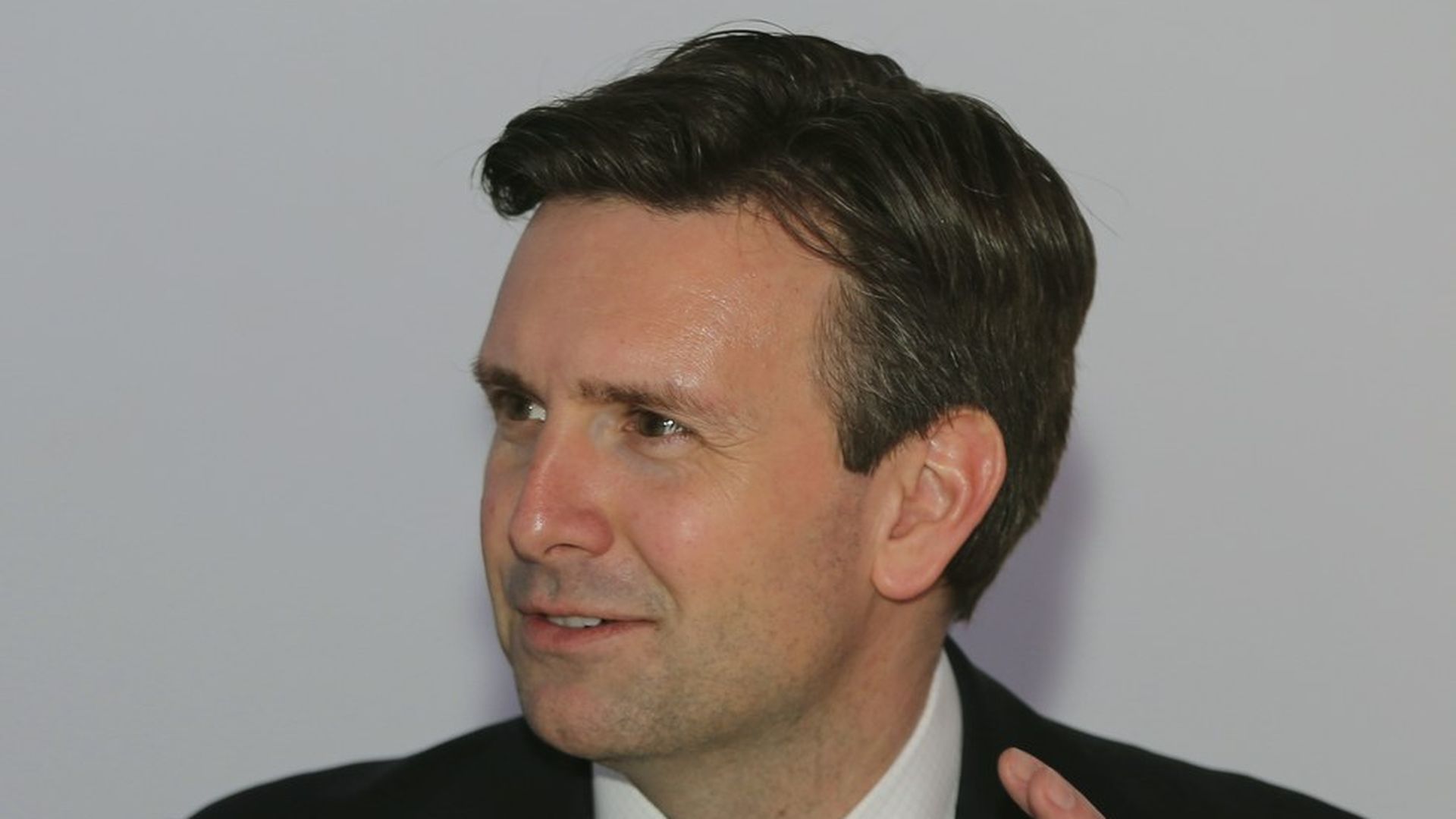
Josh Earnest will be announced today as an NBC News and MSNBC political analyst, debuting this morning on "Today" and "Morning Joe" (8:30, on-set at 30 Rock). From the forthcoming internal memo by NBC New President Noah Oppenheim and MSNBC President Phil Griffin:
"Josh recently completed a ten-year run with President Obama, most recently serving as White House Press Secretary from 2014-2017... A native of Kansas City, Josh graduated from Rice University with a degree in political science and policy studies. With his wealth of experience and insight, Josh will be a great addition to our roster of contributors and will be an asset for our two networks as we continue to cover the White House, Congress and politics beyond the Beltway."

Markets face their biggest test of 2017
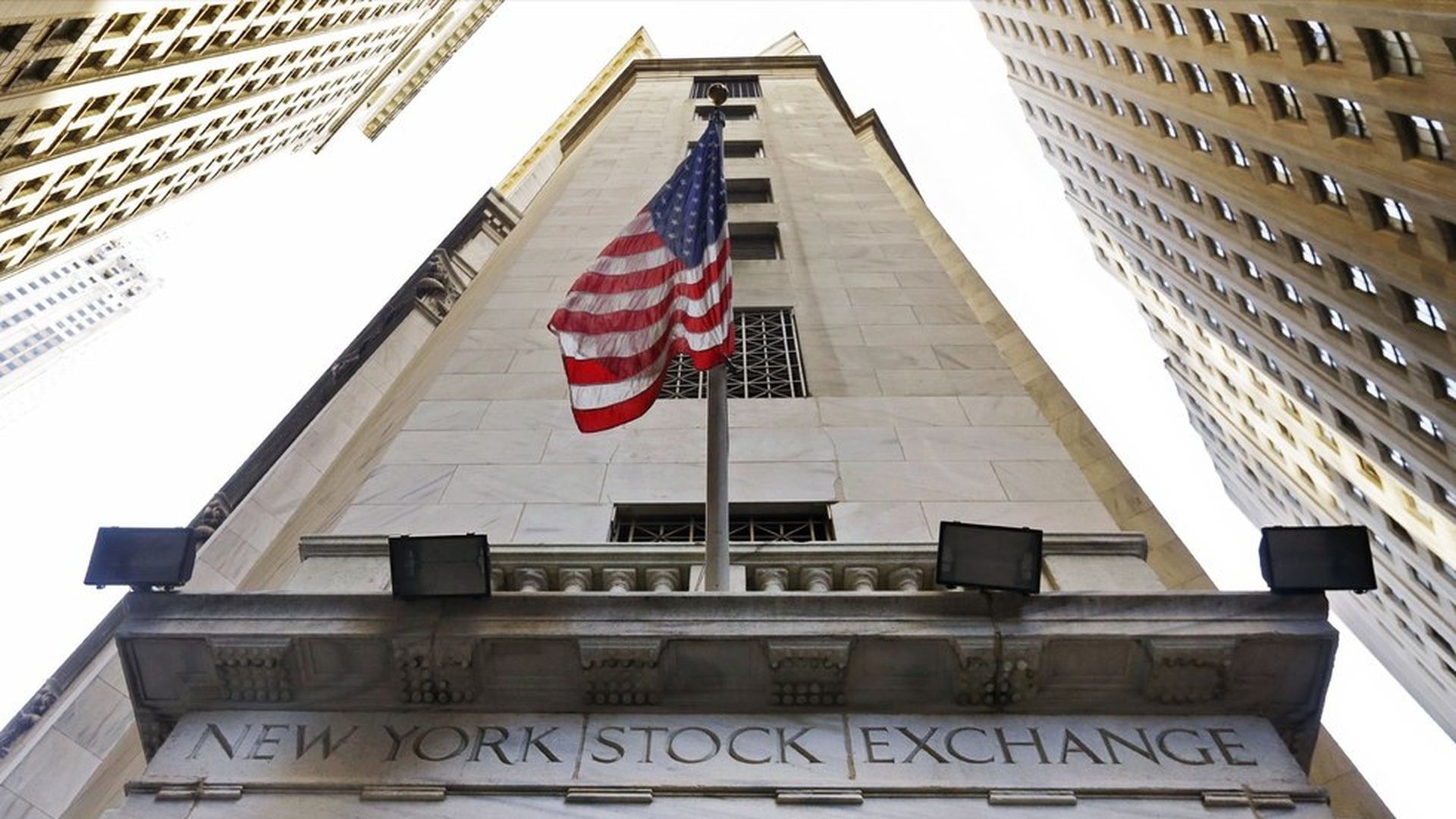
The 2016 election was obviously a factor in the subsequent 10% rise in stocks, but investors continue to debate how much stock prices are reliant on the belief that the Trump Administration will deliver business-friendly reforms. Trading on Monday will provide a test for those who argue that the so-called Trump Rally has been mostly the result of faster global growth, rather than the promise of lower corporate taxes.
Stimulus, regardless? The latest theory making the rounds is that investors will be able to check their wish lists regardless the unity of the Republican Party. The Wall Street Journal suggests that the Trump Administration will turn to moderate Democrats to pass tax and tax reform and infrastructure bills, and analysts are still baking pro-growth legislation into their forecasts. According to High Frequency Economics Jim O'Sullivan, "We still expect the eventual enactment of tax reform legislation that results in lower marginal rates and at least modest short-run fiscal stimulus."