President Trump declared on "The Axios Show" on Thursday that he's discovered "no limits" to his power since going to war with Iran.
A forthcoming book reveals he's been entertaining an even grander idea: that he may be the most powerful man in history.
Why it matters: Trump is no longer merely testing the limits of the presidency. He's describing power in world-historical terms — placing himself in the lineage of conquerors, dictators and strongmen who bent nations to their will.
Juneteenth is surviving the corporate DEI backlash, even as American institutions pull back from the promises that helped elevate it.
Why it matters: The holiday's staying power shows how Black history can be absorbed into calendars, payroll systems and public rituals even as the post-2020 commitments that gave it renewed force are renamed, narrowed or abandoned.
Why it matters:Intel has been scrambling to reinvent itself as a chip foundry, making components for external customers — and its moment might've finally arrived in the form of a global shortage that's jolting device prices.
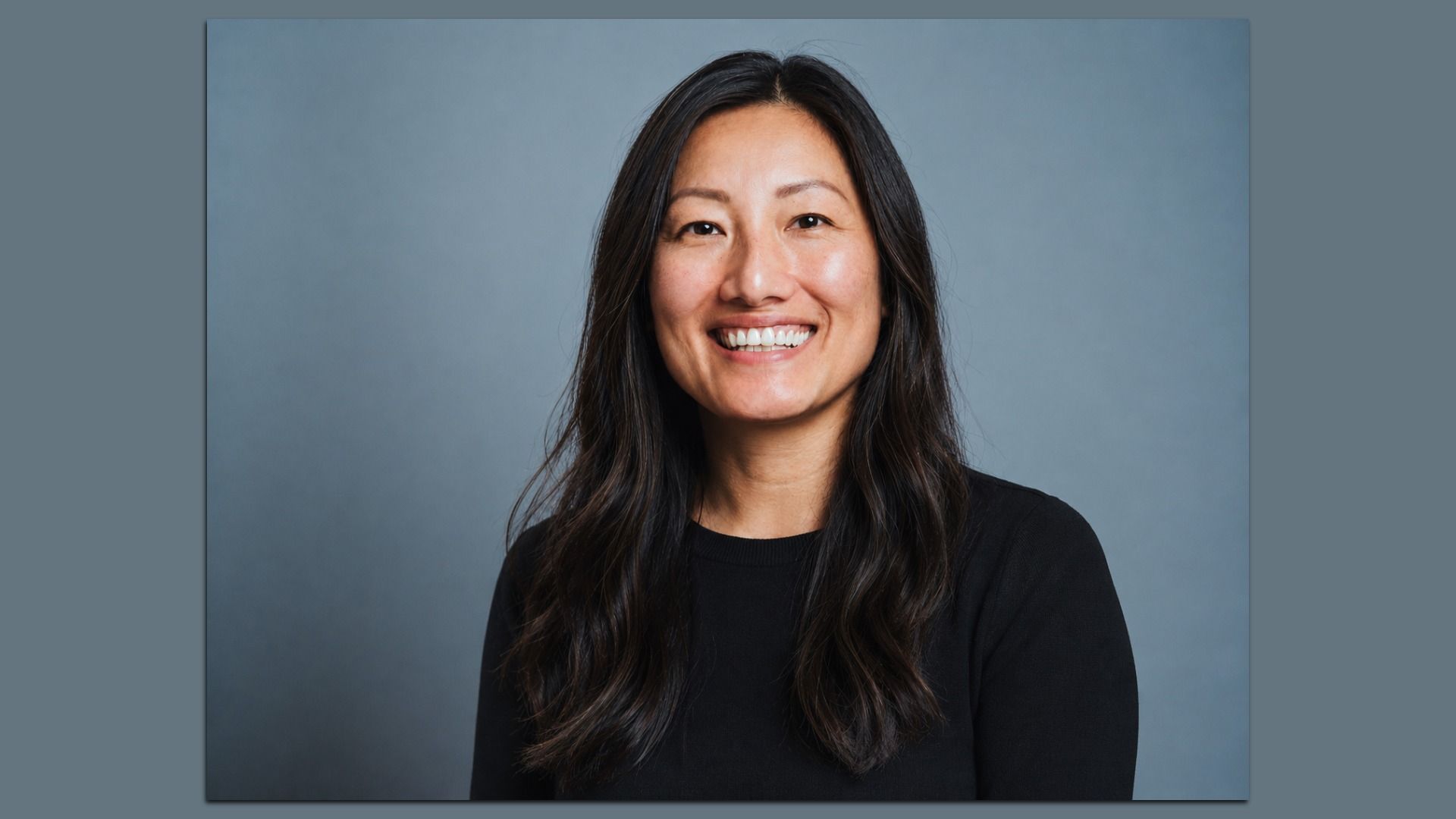
Consumers are more focused on functional nutrition than ever. Tara Glasgow, chief science officer and executive vice president of R&D at PepsiCo, discusses how the company is using science-backed innovation to meet evolving consumer preferences.
1.First things first: Consumer demand for functional nutrition has accelerated over the past decade. Why did functional nutrition become a priority for PepsiCo, not just a trend to watch?
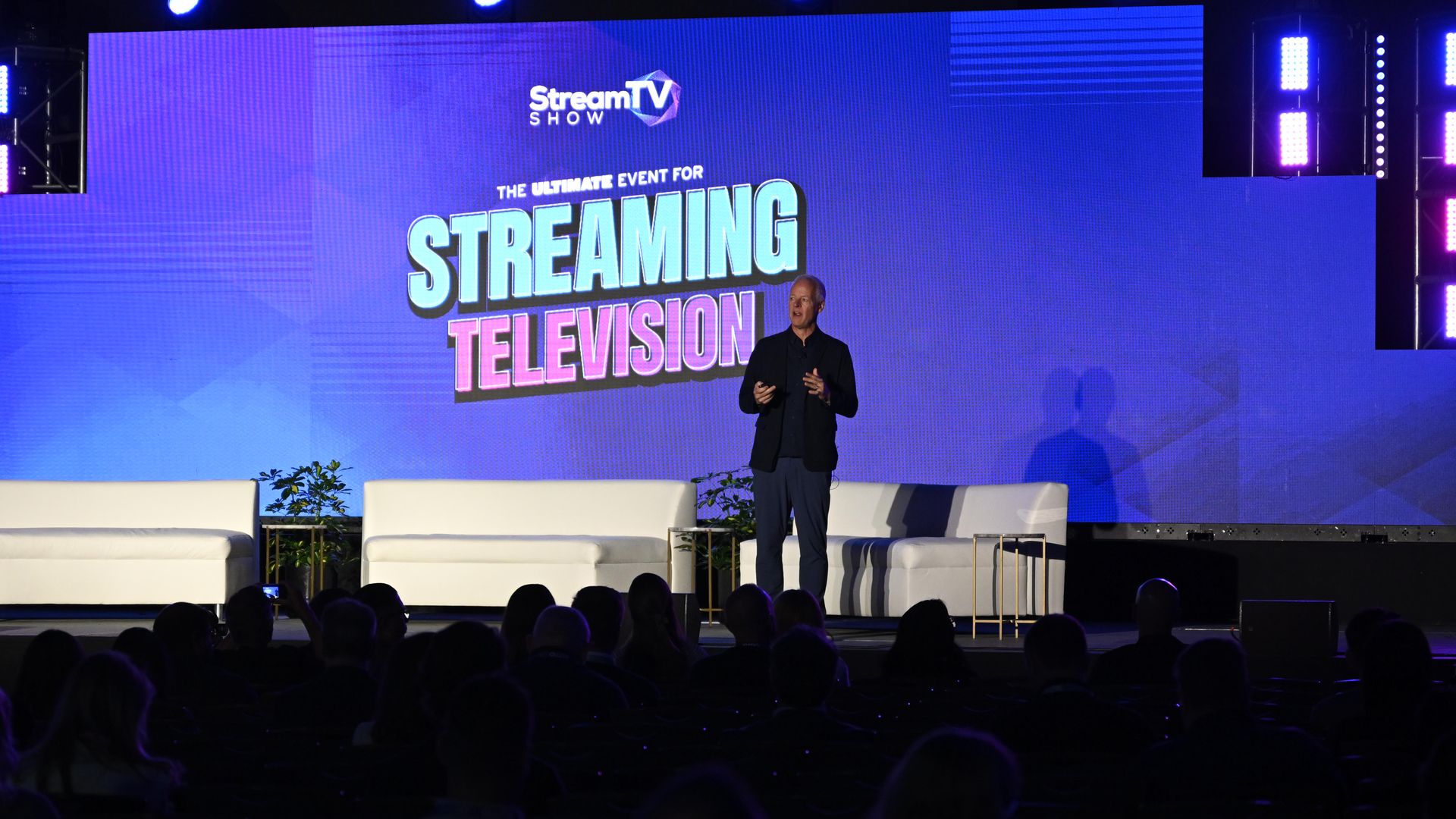
Fox's Roku deal has sparked unease throughout the streaming industry over whether the media company could favor its own programming on a key TV gateway.
Why it matters: The concern is that the new ownership could introduce bias into distribution at the exact moment streaming platforms are becoming the primary form of TV consumption.
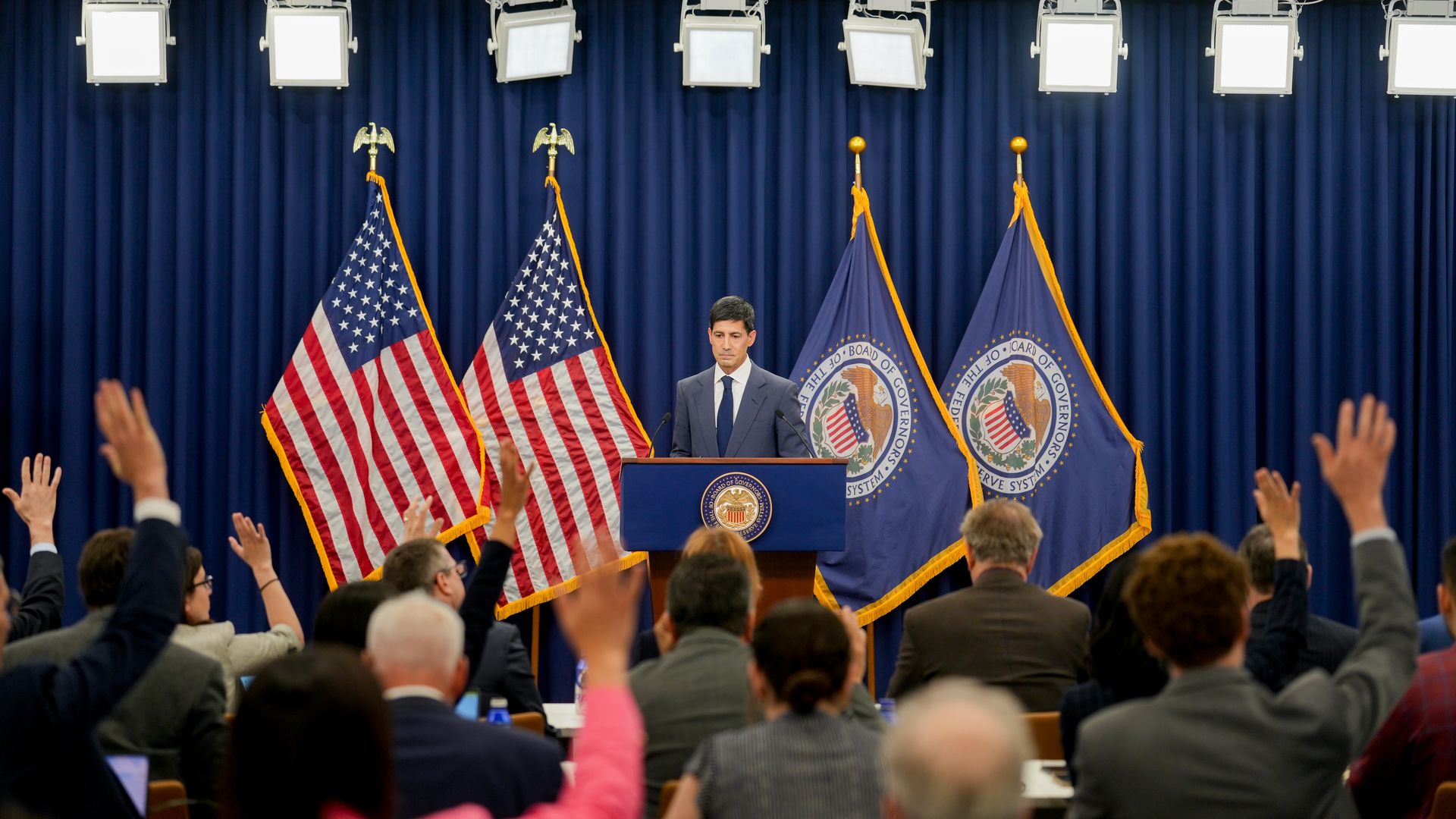
Less than four weeks after being sworn in as chairman of the Federal Reserve, Kevin Warsh left no doubt that the way the central bank shapes its policies and communicates is now going to be very different from the last 15 years.
The big picture: Warsh is already executing on his longstanding view that the Fed has been over-explaining, over-signaling and overly focused on fine-tuning the economy for years. Investors will need to quickly wrap their heads around this new regime.
Out: Forward guidance and detailed descriptions of how the central bank is interpreting incoming data.
In: Simpler policy statements, tighter (and maybe fewer) press conferences, little guidance as to what comes next and task forces to rethink broader aspects of how the Fed works.
State of play: In new projections released alongside yesterday's policy statement, 9 out of 18 top Fed officials indicated that at least one interest rate increase would be appropriate this year. That was enough to drive stocks down and bond yields up.
Warsh, consistent with his long critique of that forecasting exercise, didn't submit one of his own.
In his news conference, he also declined to spell out what the likelihood is of a rate hike this year, how he interprets incoming inflation data or what economic developments would prompt a rate increase.
Zoom in: In characterizing how the FOMC is thinking about rate hike prospects, Warsh said that "there's a range of views" on inflation dynamics.
"No resolution or conviction, but we'll be meeting again in six weeks. I think we're going to know more then. And I think that my colleagues are very attentive to incoming developments between now and then."
Between the lines: Warsh is aiming to bring the Fed back to something closer to a Greenspan-era policy framework, in which the central bank aims to say more by speaking less often.
It implies that the Fed will more often act without the kind of long, gradual buildup of press conference hints, formal projections and set-piece speeches that have been the norm since the early 2010s — and embraced by other leading central banks.
That, in Warsh's view, will make the central bank more nimble and focused on delivering appropriate policy, rather than getting locked into its own pre-commitments.
Yes, but: It also implies more days when financial markets are whipsawed.
Traders will have less to go on to map each week's economic developments to the direction of interest rate policy, which implies more surprises.
It's not just that Warsh declined to provide a projection for policy in the coming months. He also didn't offer much to go on in terms of "if X happens, we would take Y policy action."
Reality check: It's not in the Fed's mandate to worry about financial market volatility.
And there is reason to think that the more expansive apparatus of central bank communications that built up in the aftermath of the 2008 financial crisis is less constructive in non-crisis moments.
Most significantly, the Fed was likely late to combat the 2021-2022 inflation outburst because it had become so locked in on forward guidance anticipating low rates far into the future.
What they're saying: "Although it's complicated times, these are normal times," former Philadelphia Fed president Patrick Harker tells Axios. "We're not in a crisis. The question becomes, when '08-'09 happens, or a pandemic hits, are you going to keep the language that short? That's what the test is."
In light of the uncertainty over the direction of inflation resulting from the Iran war, "at this point the Fed can't give a lot of forward guidance," Harker adds. "This I agree with Warsh on. When there's this much uncertainty, you can't do it."
The bottom line: Don't count on the Warsh Fed to deliver the same kind of step-by-step guide to the direction of its policies. It will instead favor big-picture statements and quicker, more decisive moves.
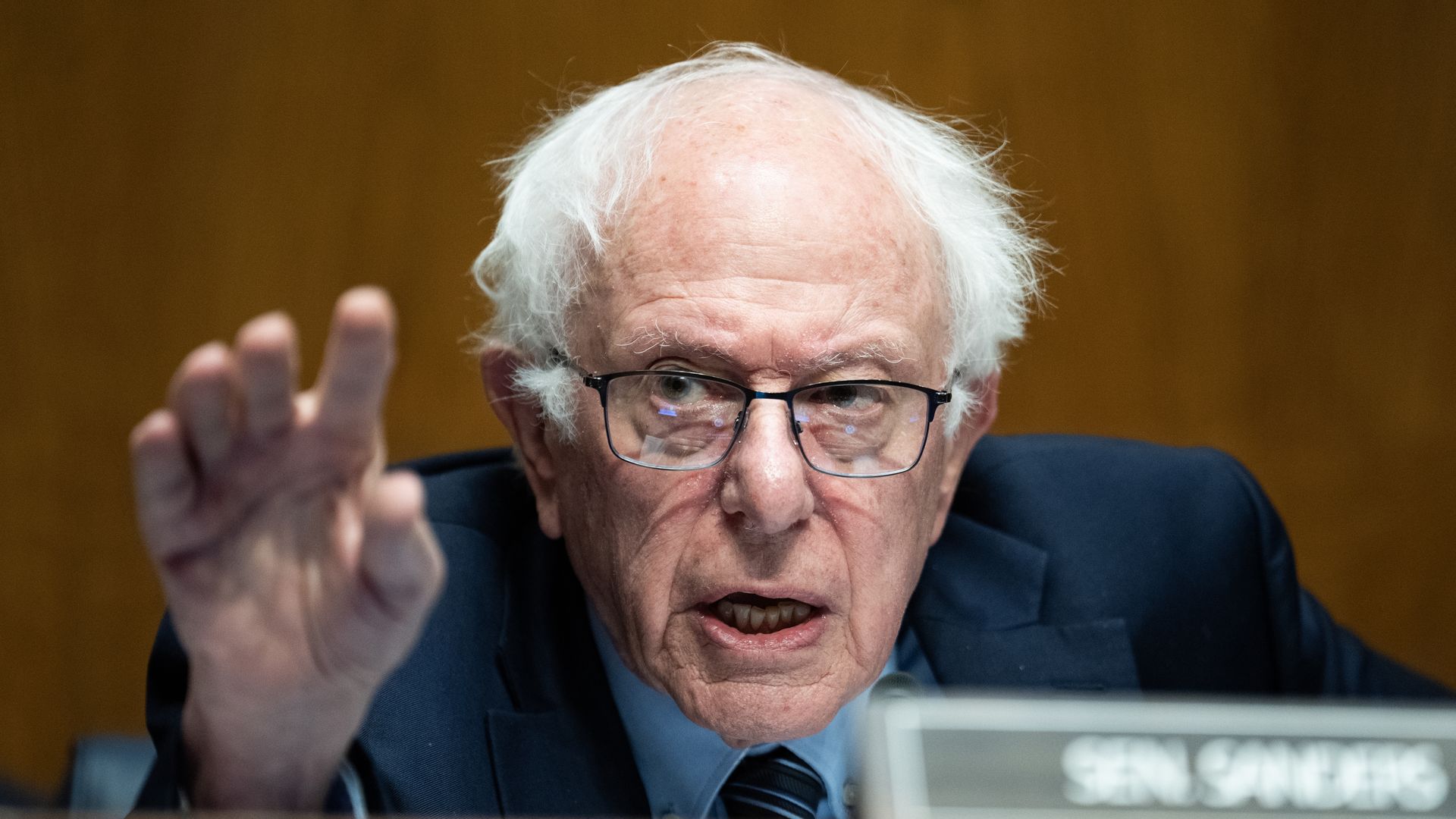
Sen. Bernie Sanders (I-Vt.) on Thursday unveiled his plan for the U.S. government to take 50% equity stakes in large AI companies.
Why it matters: This is a supercharged version of what members of President Trump's administration already are discussing — all of which would be unprecedented — and a tacit acknowledgment that AI may eventually cause major labor disruptions.
Gradial, a Seattle-based startup that deploys AI agents to automate enterprise marketing workflows, has raised $65 million in Series C funding, CEO Doug Tallmadge exclusively tells Axios.
Why it matters: The AI era is motivating brands to rethink their marketing operations as the current systems can be slow and burdensome.
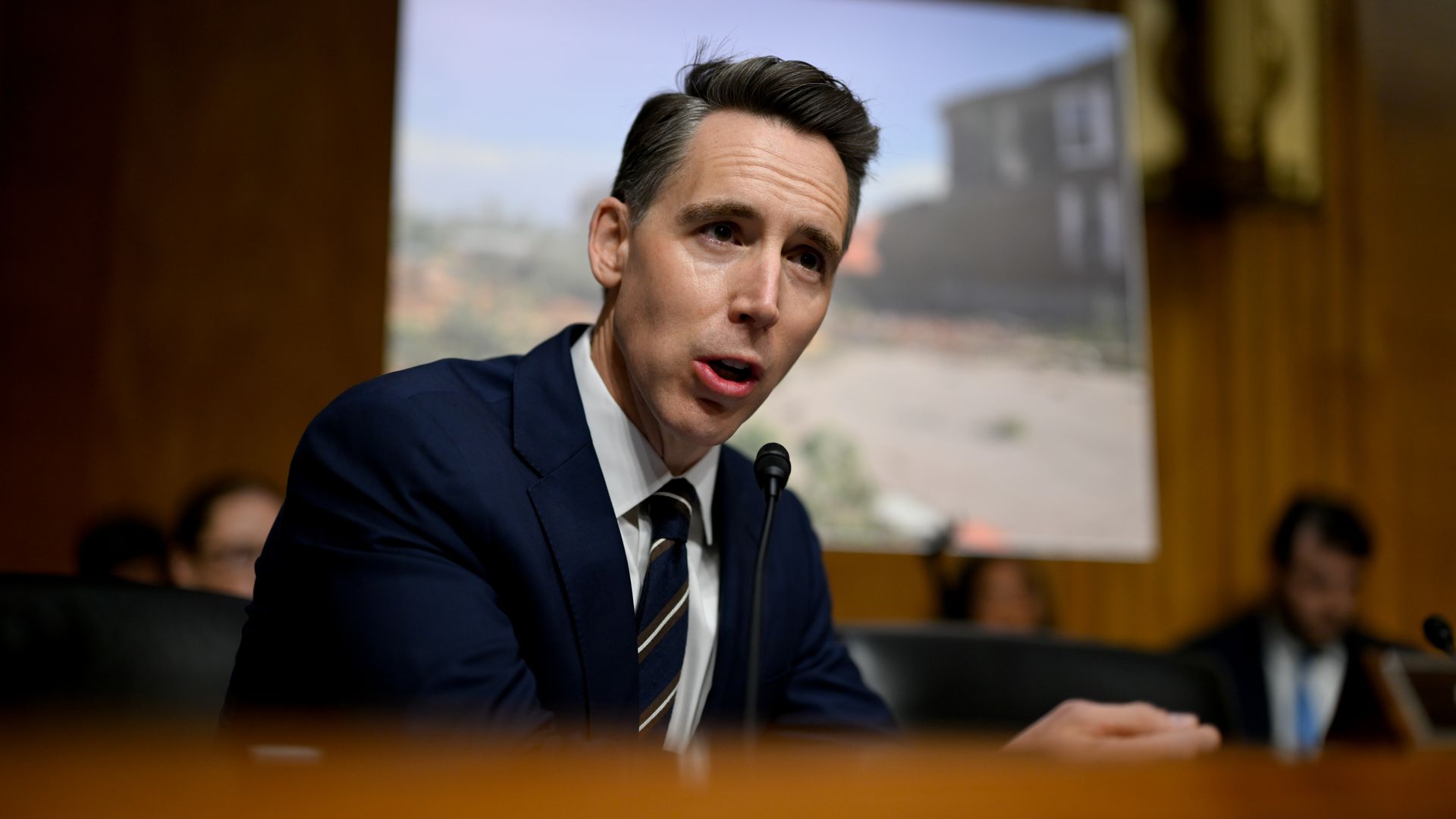
U.S. Sen. Josh Hawley (R-Mo.) blasted AI giants — including Amazon — and touted his support for key union priorities in a speech Tuesday at the closed-door Teamsters national convention in Las Vegas, Axios has learned.
Why it matters: A Republican featured as a speaker at a Teamsters event serves as a stark illustration of how the political lines are blurring for Big Labor, once a dependable political ally for the left.
Stocks fell and bond yields spiked on new Fed chairman Kevin Warsh's policy committee debut Wednesday afternoon.
Why it matters: Investors read the vibe as surprisingly hawkish — the yield on the two-year Treasury note rose after the Fed released its policy statement at 2pm, a sign that the market is pricing in rate hikes.
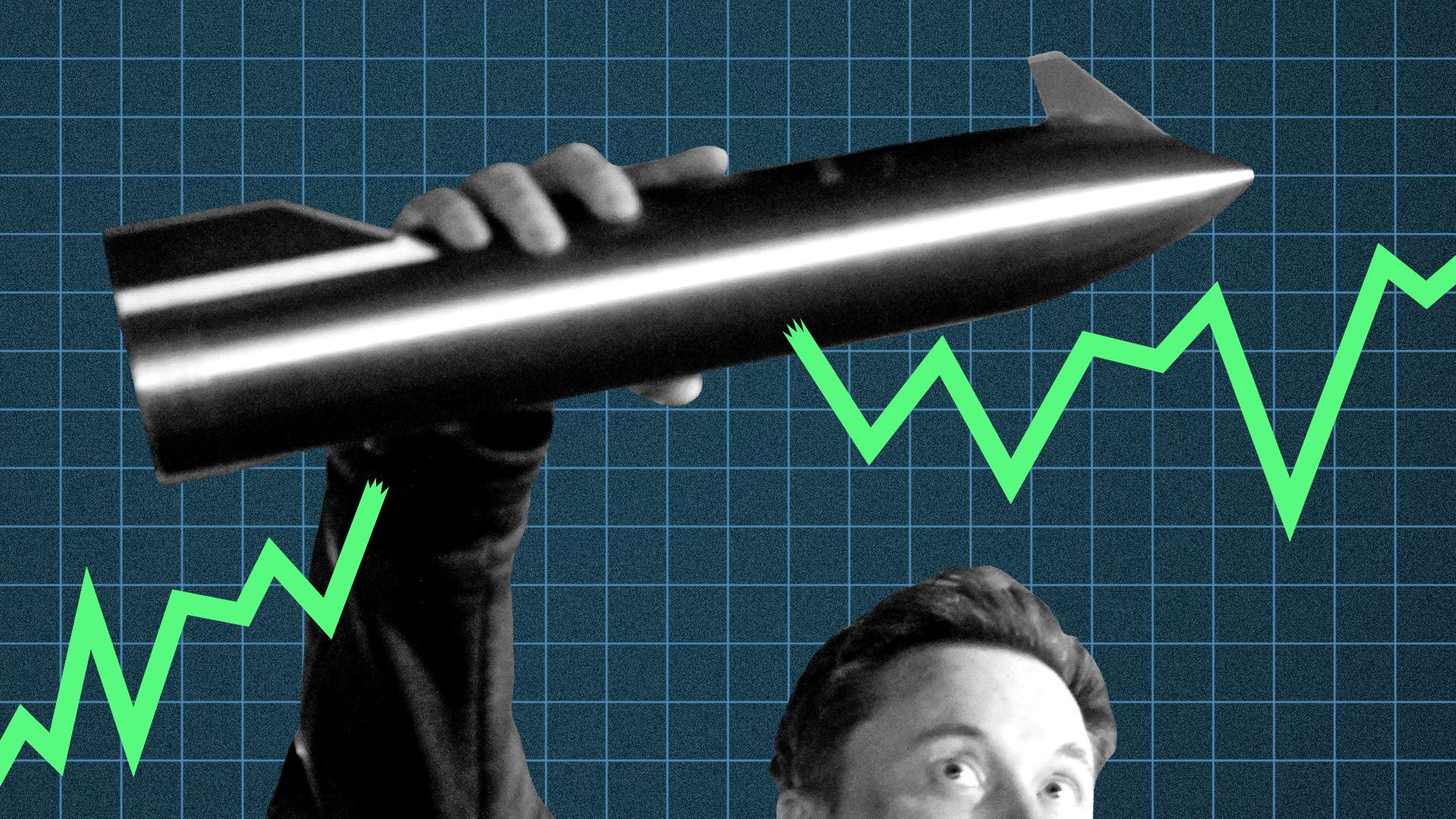
We can't speak for the rockets, but the SpaceX IPO has been a masterpiece of engineering.
Why it matters: The offering was structured in a way that deftly manages the mechanisms of supply and demand that markets rely on to determine a company's true value.