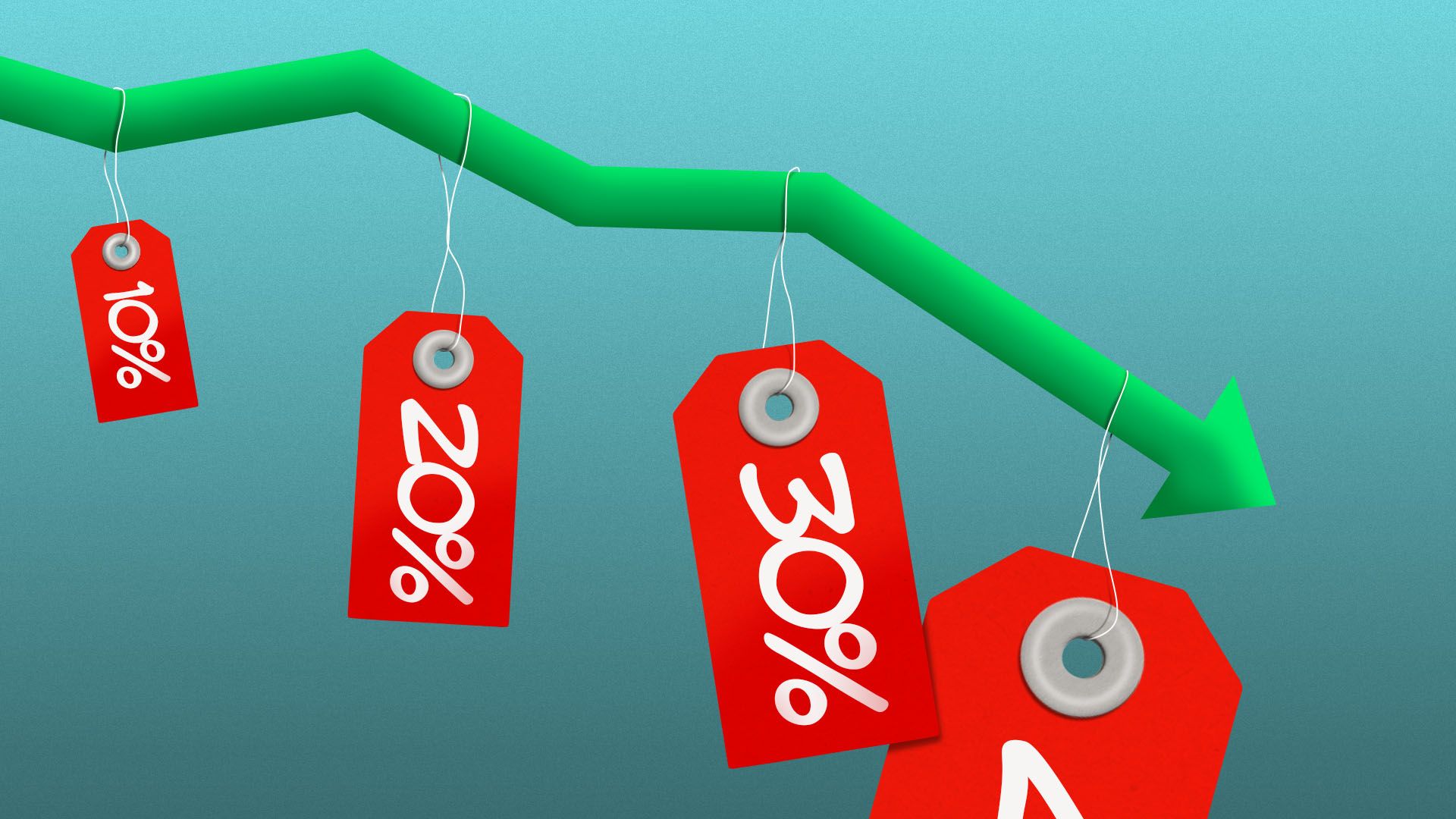
Why it matters: Chains like McDonald's, Target, Kohl's and Pizza Hut are slashing certain prices, expanding deals and leaning on subsidies — early proof that brands are willing to trade profit for traffic.
Sony is raising the price of its PlayStation 5 consoles by $50 each in the U.S. beginning Thursday, the company announced on Wednesday.
Why it matters: The move reflects companies starting to buckle under pressure from President Trump's tariffs, raising prices or signaling that increases are coming.
What they're saying: "Similar to many global businesses, we continue to navigate a challenging economic environment," Sony said in a blog post.
"As a result, we've made the difficult decision to increase the recommended retail price for PlayStation 5 consoles in the U.S. starting on August 21."
The recommended retail prices for PlayStation 5 accessories "remain unchanged," however.
State of play: The new prices in the U.S. range from $500 to $750.
PlayStation 5 – $549.99
PlayStation 5 Digital Edition – $499.99
PlayStation 5 Pro – $749.99
Catch up quick: The price hike wasn't totally unexpected.
Sony said in May that it was considering price hikes to cover the Trump administration's tariffs.
In April, Sony raised the price of PS5s in the UK, Europe, Australia, and New Zealand by 10 to 15%.
Sony rival Microsoft raised its U.S. Xbox prices in May by $80 to $100.
The U.S. and Chinarecently extended their tariff truce for another 90 days.
The original deal lowered U.S. tariffs on Chinese goods to 30% from 145% and restarted the flow of crucial rare earth minerals out of China.
Spotify is leaning into the fandom around romantasy novels to promote itself as a platform for audiobooks.
Why it matters: The genre has surged in popularity, driven in part by #BookTok, and is expected to keep climbing as more books and Hollywood adaptations are released.
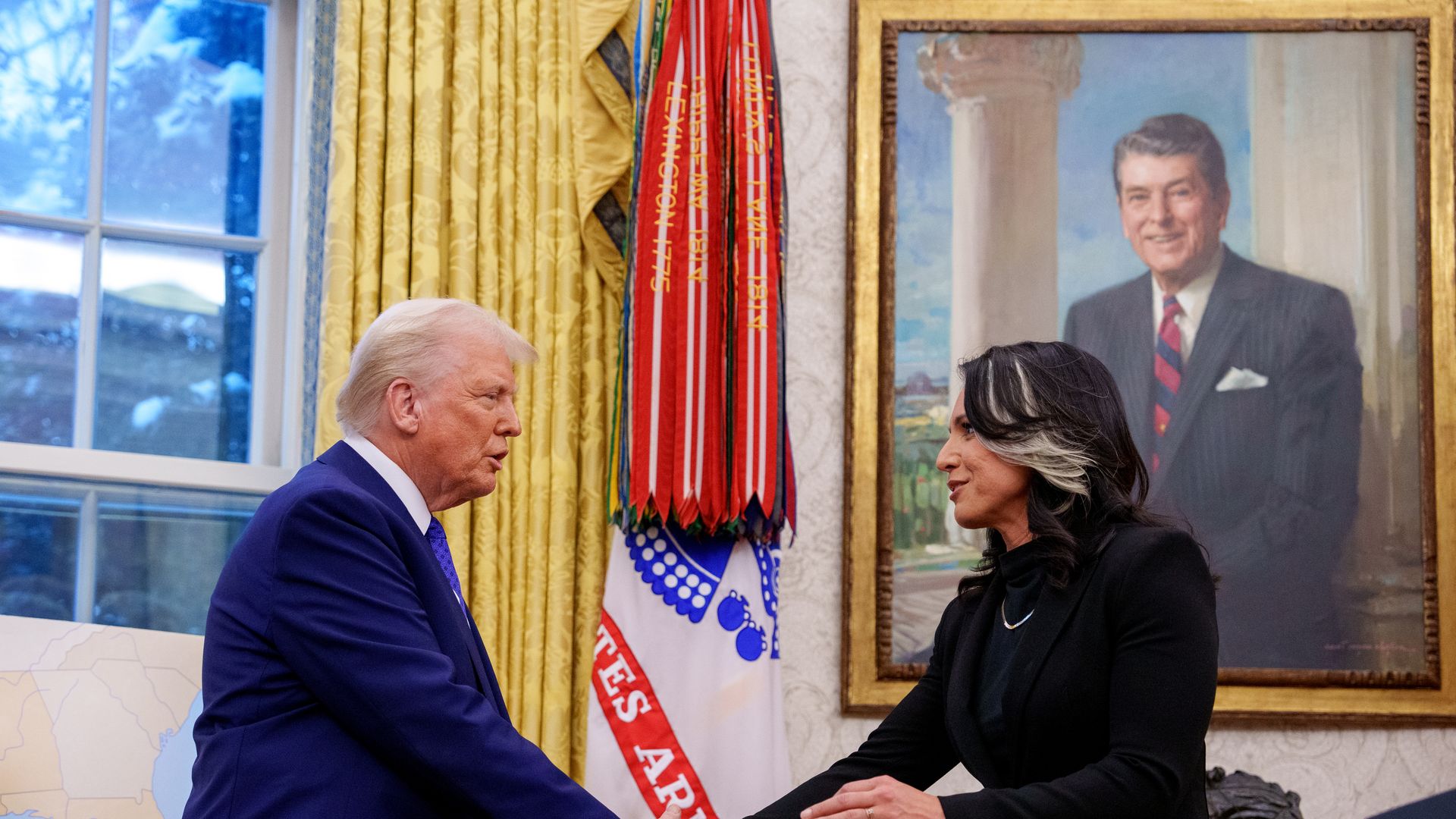
Director of National Intelligence Tulsi Gabbard is moving forward with the next phase of plans to significantly slash staffing in her department, in part by shedding roles Gabbard says are pushing "partisan priorities."
Why it matters: After a months-long review, the Office of the Director of National Intelligence is "returning to mission" by further reducing staff, according to a briefing with five senior ODNI officials who assisted with the effort.
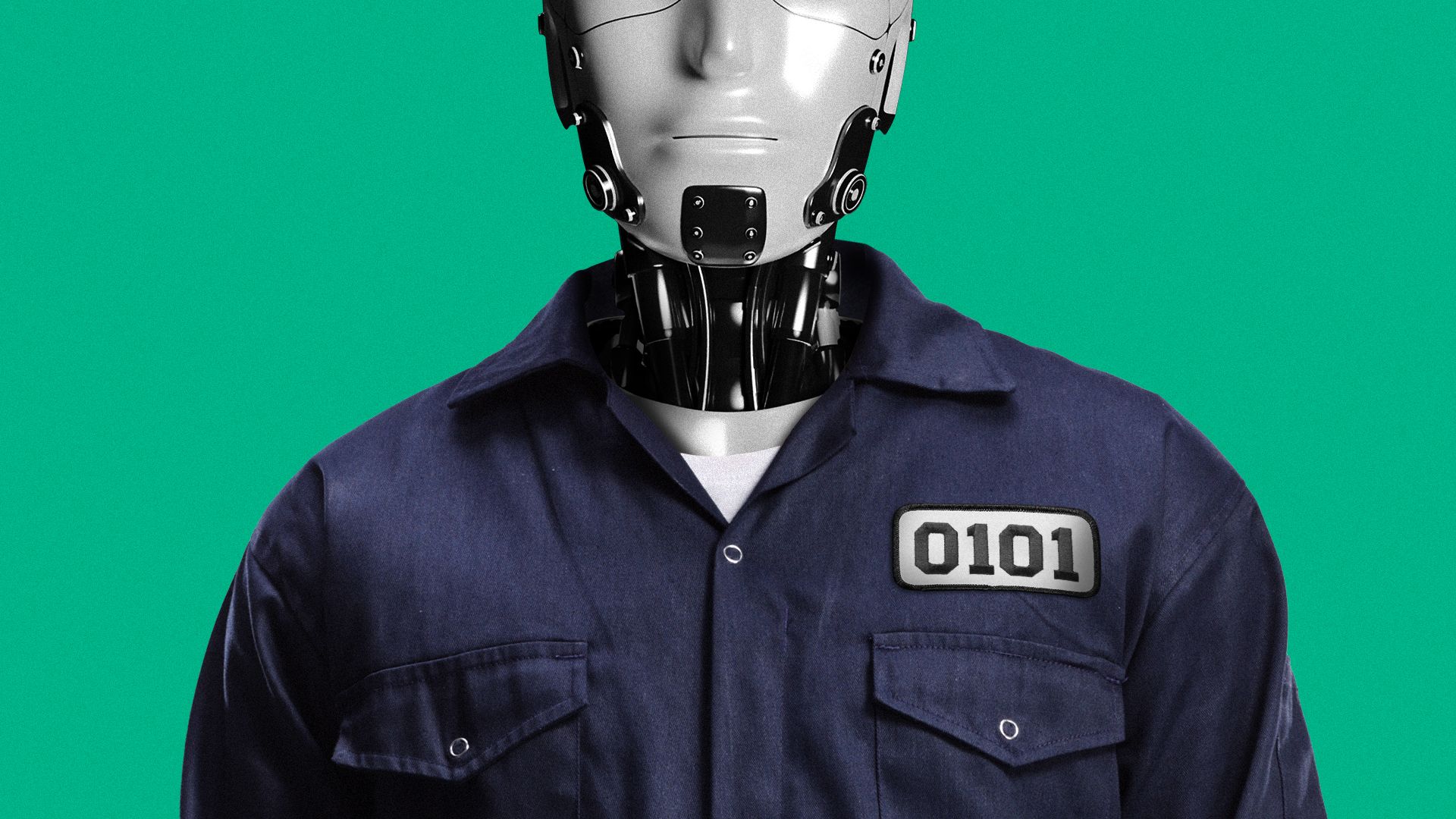
While tech companies tout chatbots and humanoids, General Motors is using artificial intelligence in less glamorous but more practical ways to make better cars and smoother-running factories.
Why it matters: GM's AI strategy is less about sci-fi and more about wringing efficiency, safety and quality from its massive industrial footprint.
Car buyers are likely to pay more this fall as tariffs begin to drive up sticker prices — and not just on imported vehicles.
Why it matters: Automakers can't eat the cost of tariffs forever, and September is a convenient time to adjust prices, as the 2026 models begin arriving in showrooms.
The housing market might be on shakier footing than official indicators suggest.
Why it matters: Economists are casting fresh doubt on data that showed a rebound in new construction last month. It's at odds with private-sector gauges and corporate anecdotes that point to homebuilders still on the sidelines.
While tech companies tout chatbots and humanoids, General Motors is using artificial intelligence in less glamorous but more practical ways to make better cars and smoother-running factories.
Why it matters: GM's AI strategy is less about sci-fi and more about wringing efficiency, safety and quality from its massive industrial footprint.
Driving the news: David Richardson, GM's senior vice president of software and service engineering, laid out the automaker's vision for AI in an exclusive interview with Axios.
He joined GM from Apple in 2023 and is now assembling an ambitious AI organization, led by Silicon Valley veterans like chief AI officer Barak Turovsky and John Anderson, head of AI research.
Car buyers are likely to pay more this fall as tariffs begin to drive up sticker prices — and not just on imported vehicles.
Why it matters: Automakers can't eat the cost of tariffs forever, so September is a convenient time to adjust prices as the 2026 models begin arriving in showrooms.
It might not be obvious: Lower-priced trim levels could be eliminated, for example, or desirable features might be rolled into expensive option packages.
Be on the lookout, too, for higher destination fees — add-on dealer delivery charges that aren't part of the manufacturer's suggested retail price.
The big picture: Across many industries, companies are raising prices, or signaling that increases are coming, to absorb some of the costs of the Trump administration's tariffs.
😮 Fisker may have filed for bankruptcy last year, but a clever fleet operator in New York City bought up 2,800 of its unsold Ocean SUVs and rents them to ride-hail drivers, which means New York may be one of the only places you'll get to see one. (Bloomberg)
💵 California is considering new state EV credits to replace the $7,500 federal incentive that ends in September.The push is part of an ongoing battle with the Trump administration over the state's authority to regulate carbon emissions from automobiles. (Automotive News)
🔑 Key fobs are becoming obsolete as more people operate their vehicles with a phone app. But some luxury carmakers still put a surprising amount of effort into designing them. (Bloomberg)
The Mercedes Benz GLE 450e plug-in hybrid SUV is for luxury buyers who aren't quite ready to go fully electric.
Why it matters: Plug-in hybrids run on electricity for most daily errands, but still have a gasoline engine that provides security for people who are nervous about finding a place to charge on longer trips.
Zoom in: The GLE 450e has 49 miles of electric range — more than most people drive in a day.
After that distance, the engine turns on, providing another 450 miles of driving range, per EPA tests.
I didn't burn a drop of gas during my weeklong test drive; I only topped off the battery once using my home charger.
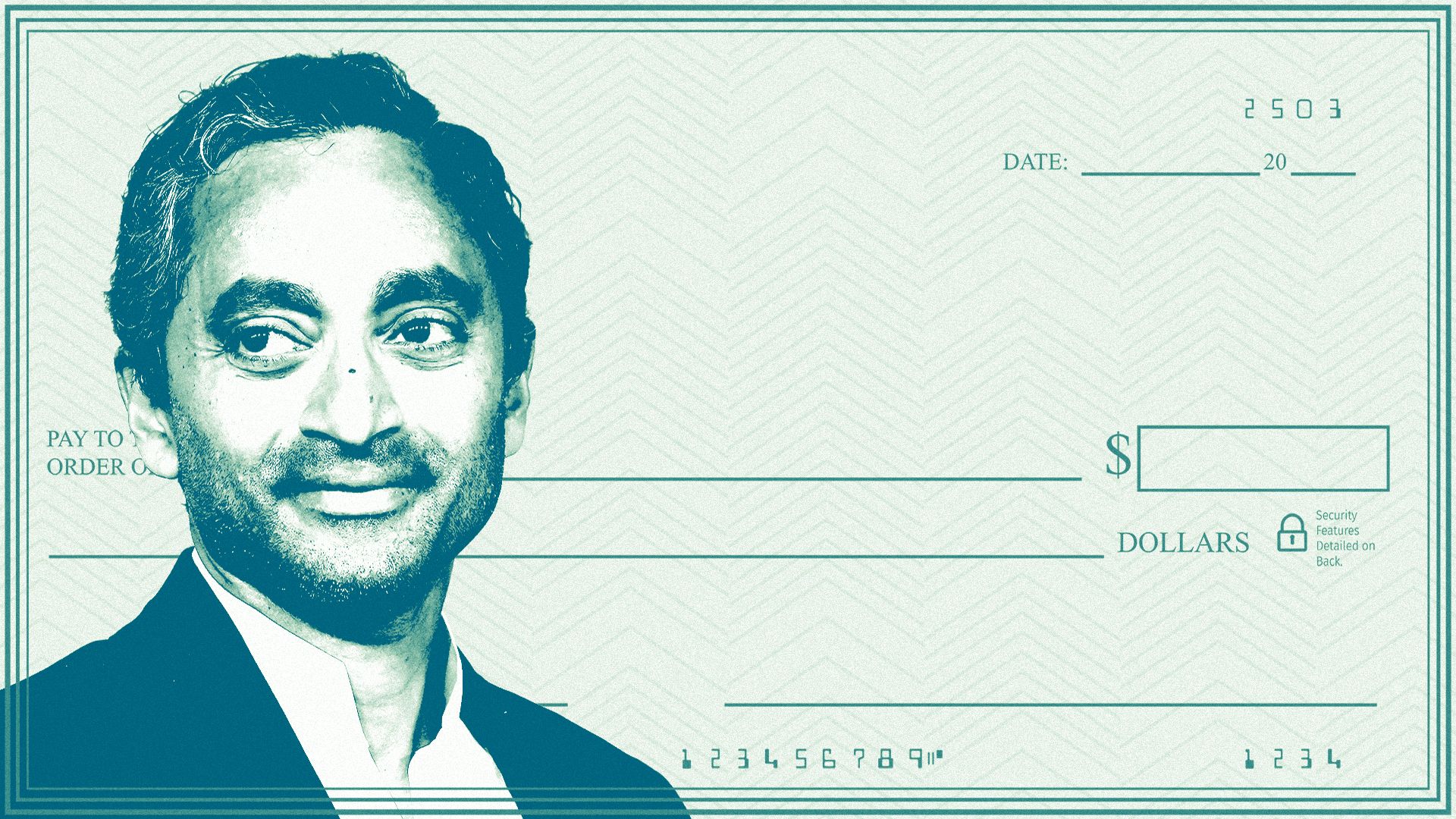
The SPAC King is back, crown dented but confidence unbowed.
Driving the news: Venture capitalist and podcaster Chamath Palihapitiya has filed to raise $250 million for a new blank-check company called American Exceptionalism Acquisition A.
The National Football League's ubiquitous — and oft-maligned — Surface tablets are getting an AI-infused upgrade, officials from the league and Microsoft tell Axios.
Why it matters: The league is trying to give coaches faster access to the data they want, while stopping short of letting the AI make decisions.
Why it matters: Target, one of the nation's largest retailers, has been struggling to find its groove on prices and merchandising as shoppers look elsewhere for both.
Lowe's this morning beat Q2 earnings expectations and said that it will pay $8.8 billion to buy interior building products distributor Foundation Building Materials from private equity firms American Securities and CD&R.
The big picture: New home starts hit a five-month high in July, led by multifamily units, but permits for future builds are at a five-year low.
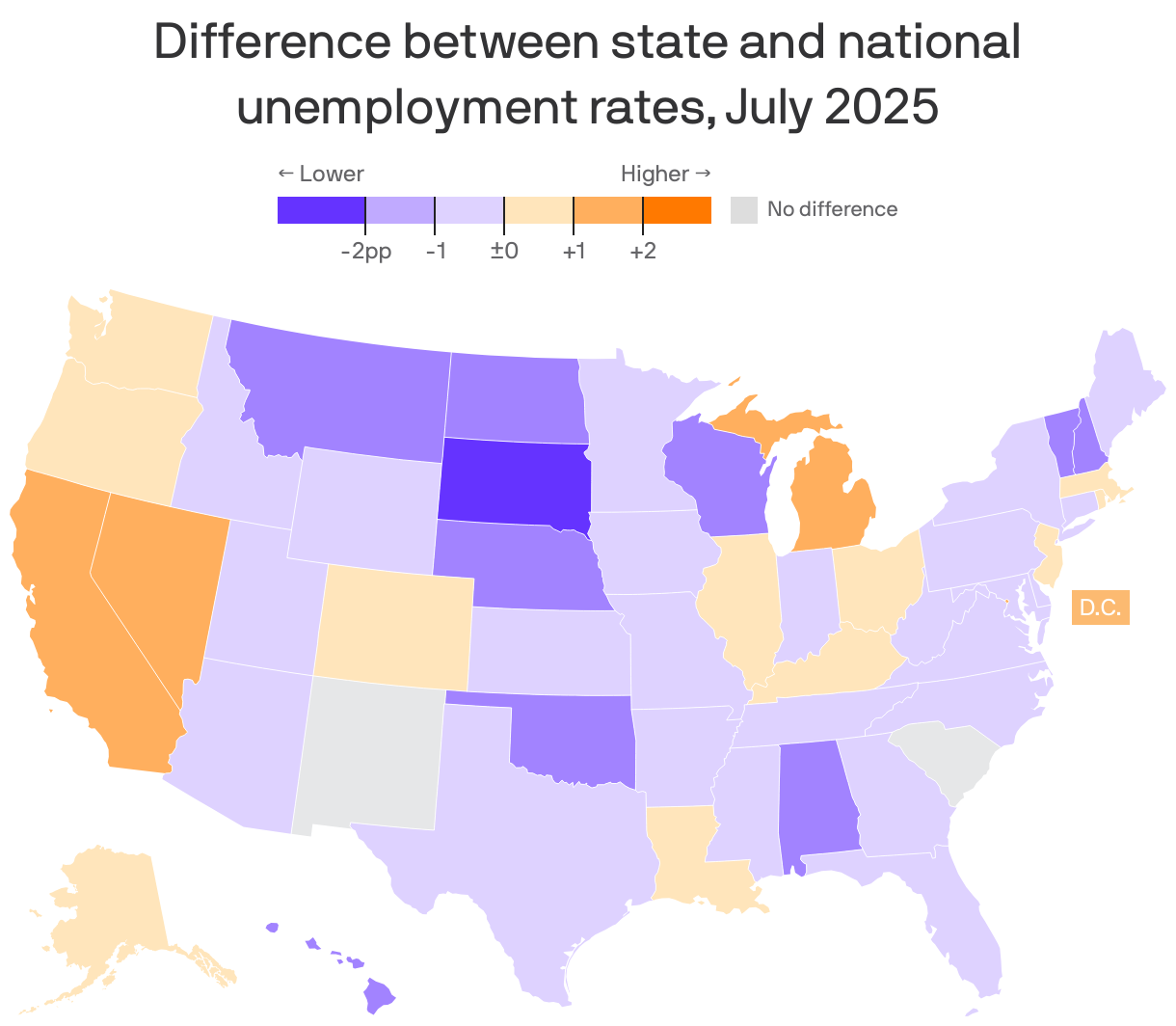
Louisiana's unemployment rate is higher than the national average — just another sign that your economic situation is often determined by where you live.
The big picture: Americans are feeling almost as gloomy about the job market as they did during the Great Recession — and entry-level workers are having an especially hard time getting their foot in the door.
By the numbers: South Dakota (1.9%) had July's lowest unemployment rate and Washington, D.C., (6%) had the highest, based on preliminary and seasonally-adjusted Bureau of Labor Statistics data out yesterday.
Meta stock fell this week on reports of the company looking at downsizing its artificial intelligence division.
Why it matters: This is a warning to investors, notably those enthusiastic about the AI revolution: The spending spigot can shut off at a moment's notice.
Sky-high valuations may have started as a Big Tech problem, but it's getting harder to find undervalued opportunities in an increasingly expensive stock market.
Why it matters: Investors with concerns about froth are looking to rotate out of expensive corners of the market. They may not find much.
The corporate pricing dam is cracking — companies are raising prices, or signaling that increases are coming, to absorb some of the costs of the Trump administration's tariffs.
Why it matters: Americans are already under strain from rapidly rising prices during the Biden administration. Another bout of hot inflation — at a time when the labor market is slowing down — will hurt.
The White House insists Vladimir Putin and Volodymyr Zelensky will soon meet for peace talks. The Kremlin seems far less certain.
Why it matters: Putin has shown no interest in sitting down with Zelensky through 3.5 years of war. President Trump claims that's now changed, and that a presidential meeting is the key to unlocking peace.
The Trump administration is "very happy" with the current China tariffs agreement, Treasury Secretary Scott Bessent said Tuesday.
Why it matters: Bessent's comments on Fox News indicate a thawing of previously icy relations with China's ruling Communist Party ahead of the trade truce between the world's largest economies expiring on Nov. 10.