Meta outperformed Wall Street expectations with its Q2 earnings report, sparking an aftermarket rally of as much as 11%.
Why it matters: The company's massive continued investments in AI infrastructure and talent — including a high-profile, big-ticket hiring spree poaching some top researchers from competitors — haven't dented Meta's numbers or investors' enthusiasm.
President Trumprevoked on Wednesday an exemption on tariffs for global packages worth less than $800.
Why it matters: The "de minimis" loophole has been an important protection for businesses overseas and U.S. customers, and getting rid of it will make low-price goods from around the world more expensive for Americans.
The Trump administration is flipping language about inclusion and diversity on its head to the advantage of white Americans as a requirement to receive federal grants.
Why it matters: The move follows the administration'sdramatic change to the government's interpretation of Civil Rights-era laws to focus on "anti-white racism" rather than discrimination against people of color.
President Trump on Wednesday took another sweeping series of tariff actions, formally imposing new levies on copper and Brazil and revoking a global exemption on tariffs for packages worth less than $800.
Why it matters: Ending the so-called de minimis exemption will make low-price goods from around the world more expensive for American consumers.
High Noon is voluntarily recalling select packs of its vodka seltzer that contain cans of Celsius energy drinks that were mistakenly filled with alcohol, the company said in a recall notice.
Why it matters: Consuming the affected products "will result in unintentional alcohol ingestion," the company said.
Why it matters: The letter from the ranking member of the Joint Economic Committee could put Amazon in a tight spot — forced to talk about tariffs' impacts on prices just months after the White House threatened the retailer over sharing tariff costs.
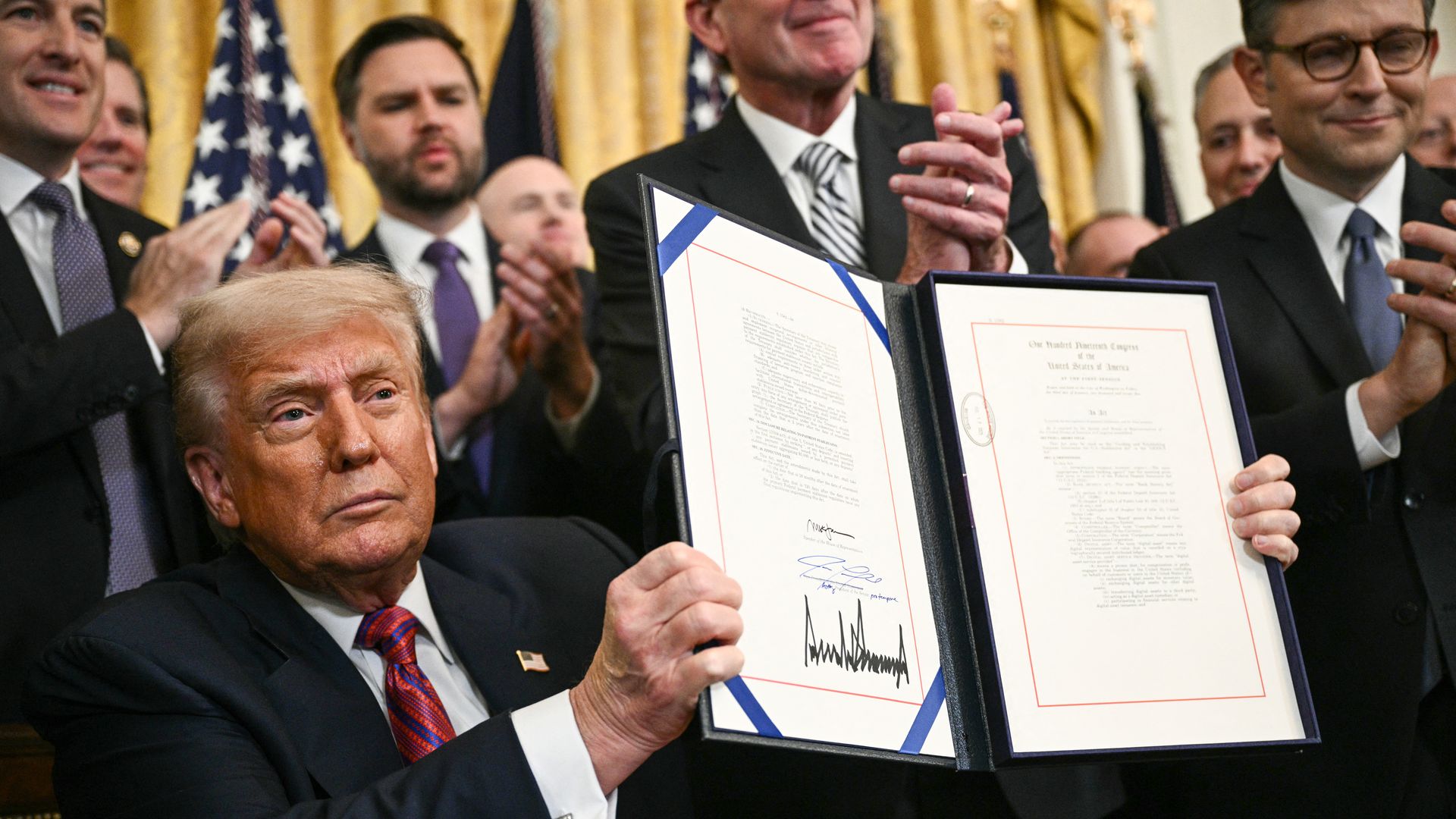
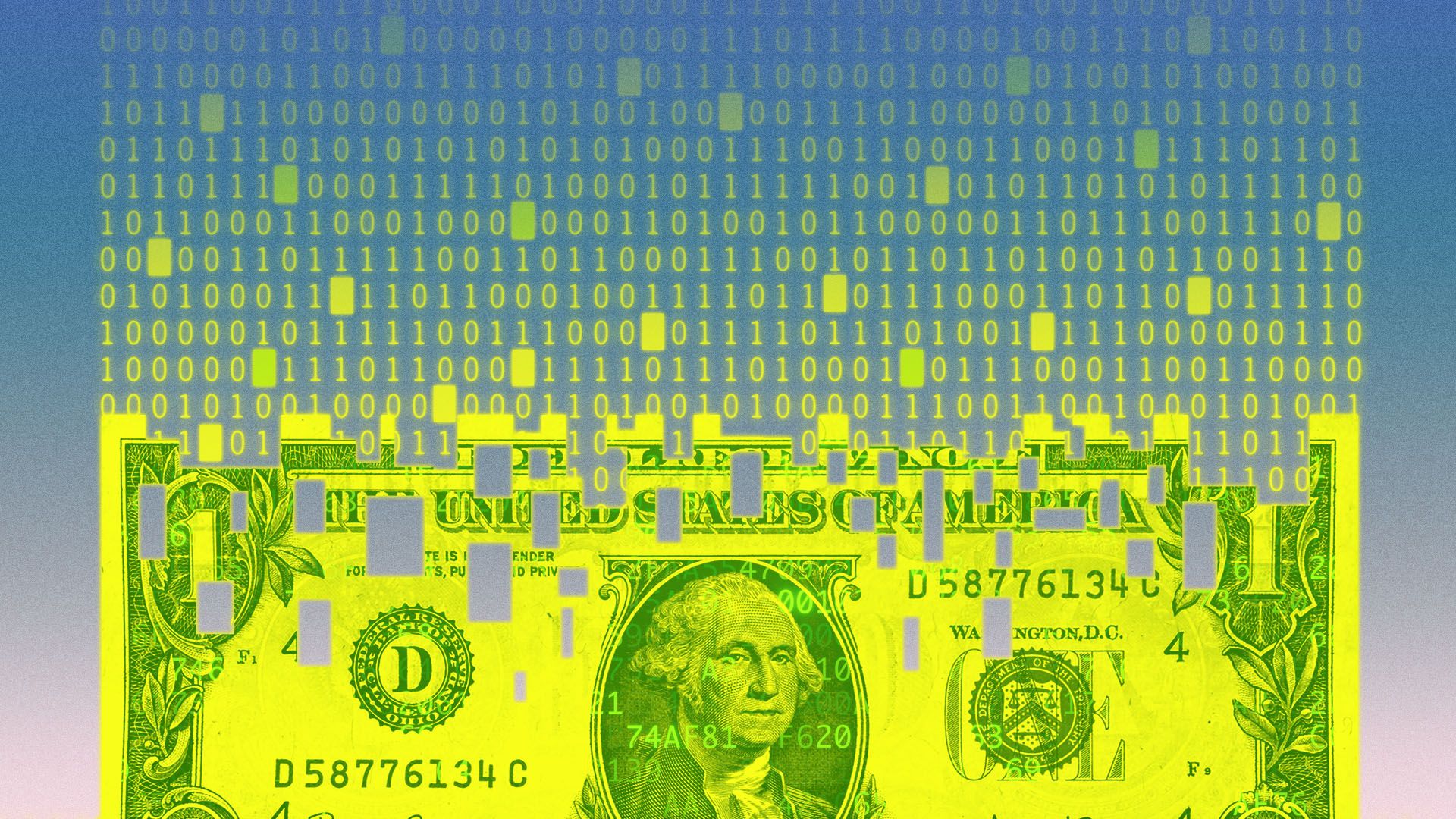
Why it matters: From taxes to mortgages to retirement, the Trump administration wants to embed crypto in the economy as quickly and broadly as possible.
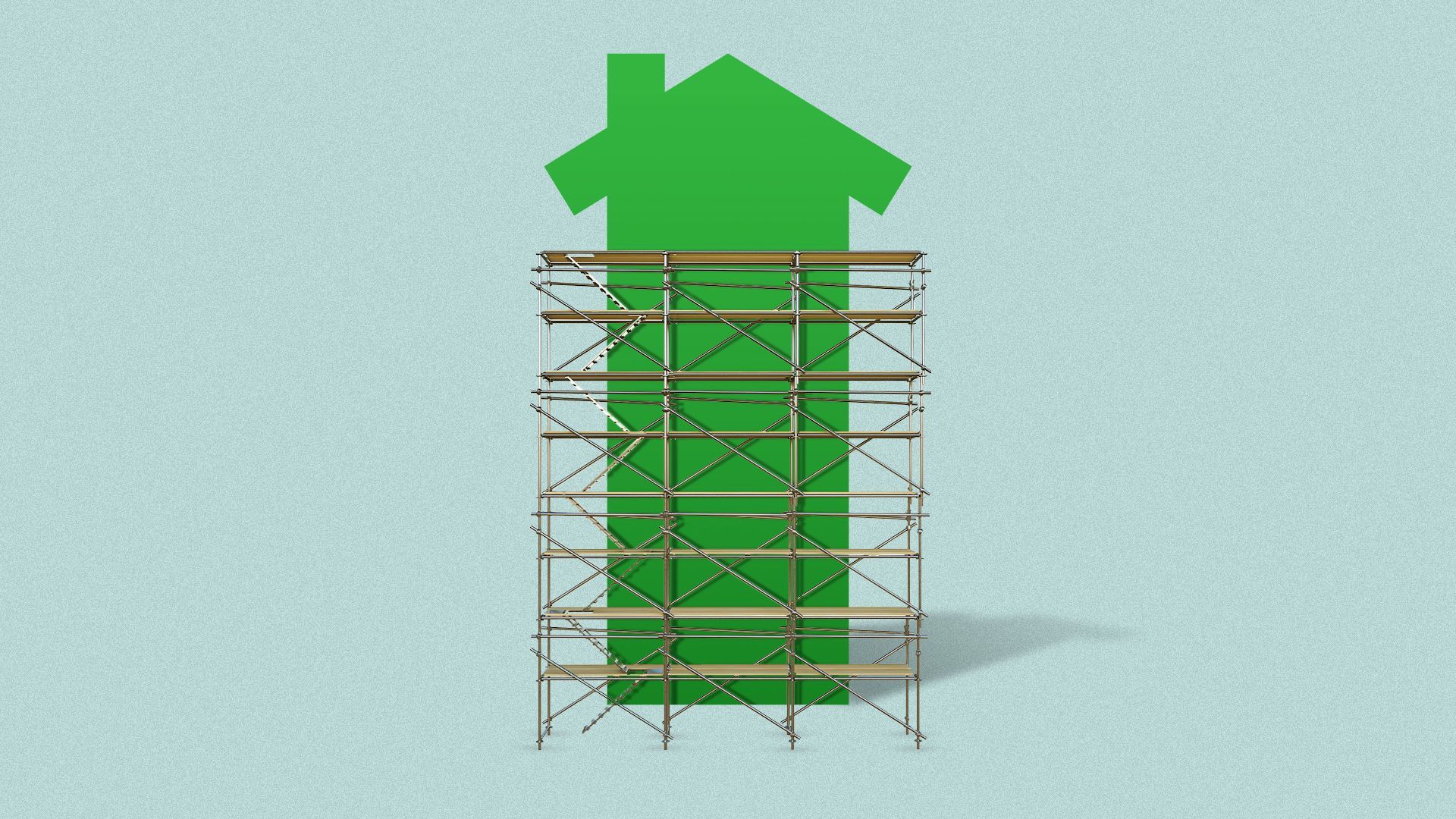
The Senate Banking Committee on Tuesday unanimously advanced a huge housing bill aimed at boosting the supply of homes in the U.S.
Why it matters: It's a rare moment of bipartisan agreement — and a sign of how bad the real estate market has gotten in the U.S., where home prices have soared and there's an ongoing shortage of affordable homes.
The Treasury Department on Wednesday imposed sanctions on the Brazilian judge leading the investigation into former President Jair Bolsonaro.
Why it matters: The sanctions are a marked escalation of the increasingly tense dispute between the U.S. and Brazil over Trump ally Bolsonaro, with major tariffs looming as soon as Friday as well.
A consequence of President Trump's new trade deals with Japan and the European Union is that they could entice foreign automakers to import even more cars to the U.S. rather than grow their American operations.
Why it matters: Trump's effort to reshape global commerce assumes that punishing tariffs on imports will force foreign manufacturers to set up factories in America, strengthening the U.S. economy.
But his trade policy conflicts in many ways with those industrial policy goals — for now at least — by making it cheaper to import cars than to build them in North America.
The big picture: That probably won't be the case forever.
Stellantis' strategy to get back on track after a dismal 2024 is to reconnect with customers by giving them more of what they want: muscle cars and Hemi V8 engines.
Why it matters: Stellantis was never wild about electric vehicles or fuel-sipping engines, and now that the regulatory pressures that had pushed the company in that direction are easing, it's bringing back the muscle.
The big picture: 2025 is going to be "a tough year," said new CEO Antonio Filosa, who highlighted signs of progress in the first half but acknowledged that "we still have tons of work to do in North America."
Between the lines: Stellantis needs to grow to get back to good health, according to Filosa, and that means reversing decisions by his predecessor, Carlos Tavares, to phase out popular models like the Jeep Cherokee, a base-level Ram pickup and the gasoline-powered Dodge Charger.
🚖 Waymo keeps expanding to more cities. The robotaxi company says Dallas is next, starting next year; Avis will manage the fleet. (Axios)
🔋 South Korea's LG Energy Solution has signed a $4.3 billion deal to supply Tesla with lithium-ion phosphate (LFP) batteries made in Michigan, helping the EV maker reduce its reliance on Chinese imports due to tariffs. (Reuters)
🔮 Bill Ford, 68, might not be ready to retire as executive chair of Ford Motor Co., but some analysts believe the rising profile of his 37-year-old daughter, Alexandra Ford English, means he's thinking about succession. (Bloomberg)
Few cars are as plush and technologically advanced as Mercedes-Benz's flagship S-class sedan, and those traits also define its electric counterpart, the EQS sedan.
The big picture: Introduced in 2021, the EQS was Mercedes' first luxury EV, and it continues to carry the banner for the German carmaker's growing portfolio of electric vehicles.
What's new: For 2025, the EQS Sedan gets a larger battery (118 kWh, up from 108 kWh), boosting the driving range to 390 miles.
It also has a sleeker, more refined grille up front and cushier reclining seats for rear passengers.
Pricing starts at $104,400 for the EQS 450+ sedan and goes up to $147,550 for the high-performance AMG version.
A growing share of car owners find themselves underwater on their auto loans, and they are dragging that debt into their next vehicle purchase, according to new data from the car-shopping site Edmunds.com.
Why it matters: High car prices and steep loan rates have combined to create an affordability crisis for U.S. car buyers already under broad financial stress.
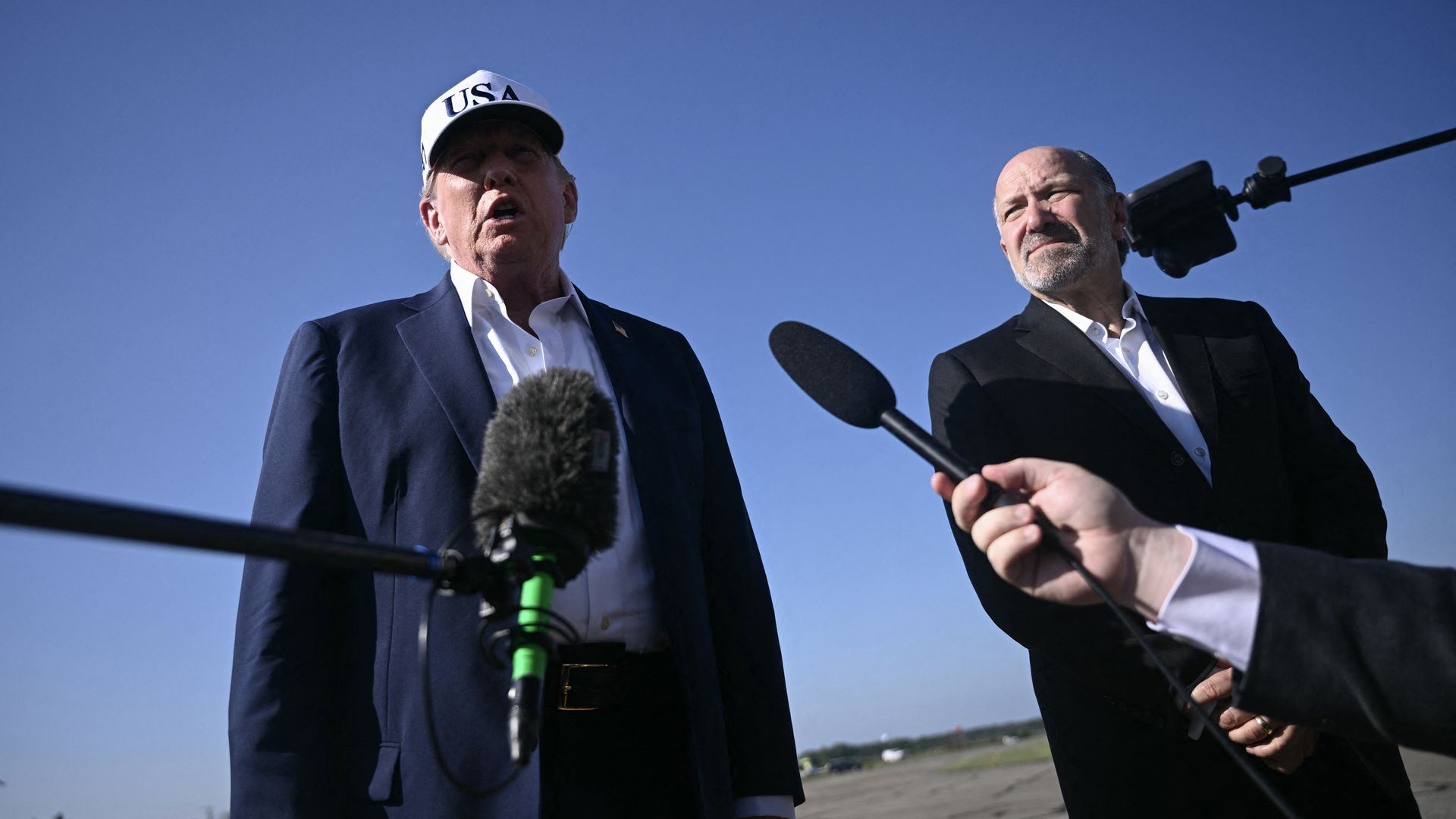
The Trump-era economy has "officially arrived," Commerce Secretary Howard Lutnick said Wednesday.
Why it matters: The declaration came shortly after a second-quarter GDP report that suggested strong growth on the surface, though with underlying weakness as businesses slashed investments.
Palo Alto Networks on Wednesday said that it's agreed to buy Israeli cybersecurity firm CyberArk for around $25 billion in cash and stock.
Why it matters: This is a reminder that the AI gold rush is as much about supporting services as it is about foundational models, with CyberArk building tools that secure AI agents' identities.
Firms in the financial sector were more likely to face an AI-powered cyberattack in the last 12 months than any other sector, according to new research from Deep Instinct.
Why it matters: Financial services companies are ripe targets for cyber criminals because of their vast customer networks, from everyday consumers to major corporations.
Senior officialsfrom the Biden-era Department of Energy loan office are publicly launching a nonprofit on Wednesday that aims to speed deployment of low-carbon tech in the U.S. and abroad.
Why it matters: It's the latest example of how the federal policy U-turn on energy and climate is creating new efforts in response.
The euro slid, and Japanese and European stocks fell following new trade deals — cross-asset moves that may signal cracks in the "Sell America" trade.
Why it matters: Investors rushed into non-U.S. markets earlier this year amid policy uncertainty, driving the MSCI ex-USA index up nearly 20% year to date. But if tariff deals restore confidence in the U.S., that trade could start to unwind.
China-specific national-security concerns were a big reason the Justice Department decided last month to allow Hewlett Packard Enterprise to take over rival Juniper Networks, Trump administration officials tell Axios.
Why it matters: Axios has learned that the U.S. intelligence community intervened to persuade the Justice Department that allowing the merger to proceed was essential to helping U.S. business compete with China's Huawei Technologies, among other national-security issues.
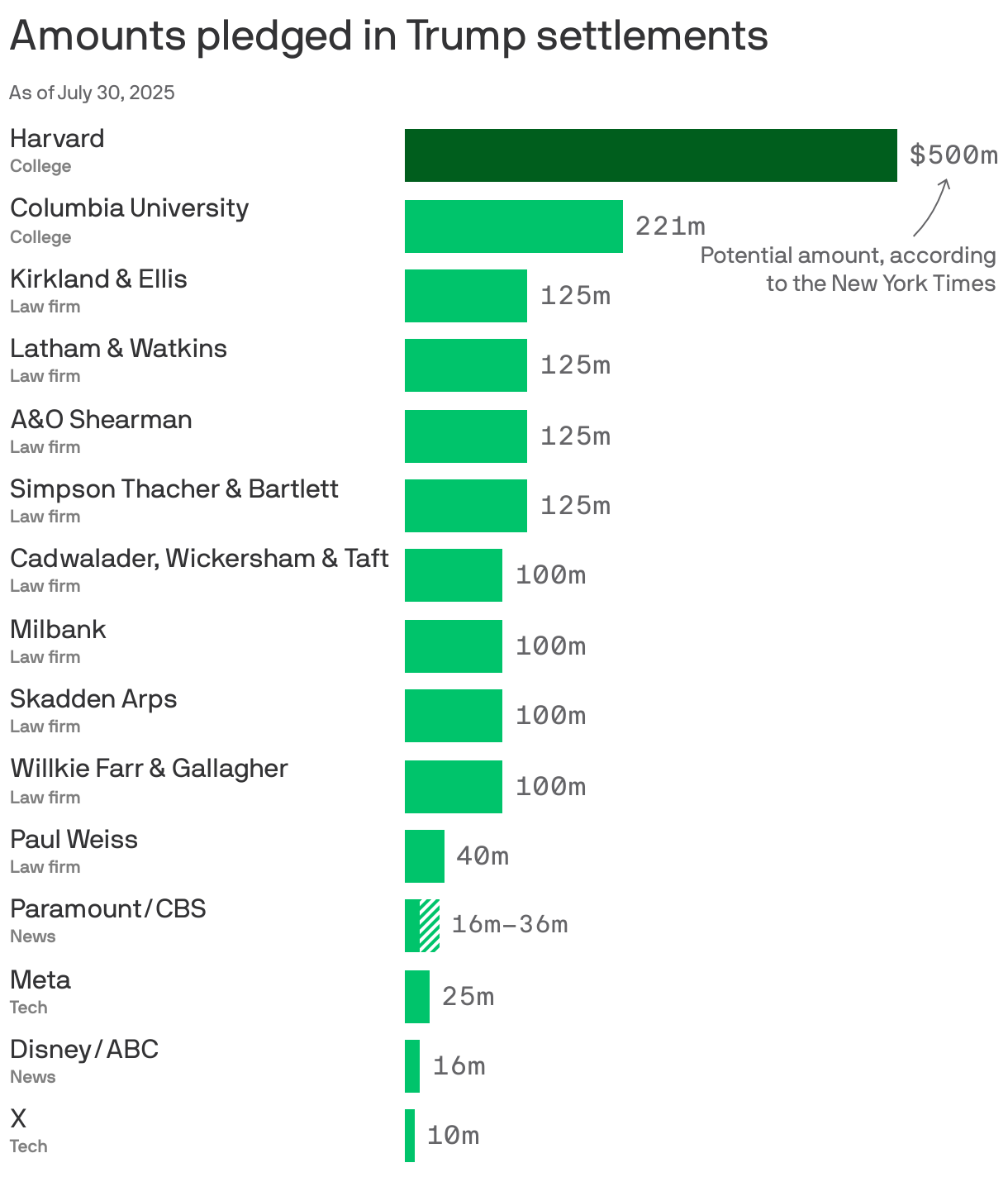
President Trump has extracted more than $1.2 billion in settlements from 13 of the most powerful players in academia, law, media and tech, according to an Axios analysis.
If finalized, a potential $500 million deal with Harvard would represent his largest trophy to date.
Why it matters: America's most elite institutions have largely succumbed to the Trump administration's cultural crackdown, opting to pay up — often to the tune of tens or even hundreds of millions of dollars — rather than fight back.
After the CEO of United Healthcare was gunned down in December, companies scrambled to beef up security for executives; now, in the wake of the fatal shooting in midtown Manhattan Monday, the question is coming up again.
Why it matters: Security inside New York's office buildings is already fairly locked down — it's not clear how much more can be done without alienating clients and employees.
Elon Musk's new political party is so far a no-go on the launch pad.
Why it matters: A Musk-backed "America Party" could disrupt the midterms and escalate his feud with President Trump. But "Musk has read the room," said Dan Ives, a Wedbush Securities analyst who's followed him for decades.
Few pieces of surprise mail have delighted me quite like the Calvert Street Loop, a print quarterly spearheaded by my D.C. neighbors who had a quirky idea.
Zoom in: We at Axios are fans of local journalism, but this publication is hyperlocal. Its circulation includes the doormats and mailboxes of residences on just three streets in my charming Adams Morgan neighborhood.