Security is already tight inside Manhattan's office buildings

Add Axios as your preferred source to
see more of our stories on Google.
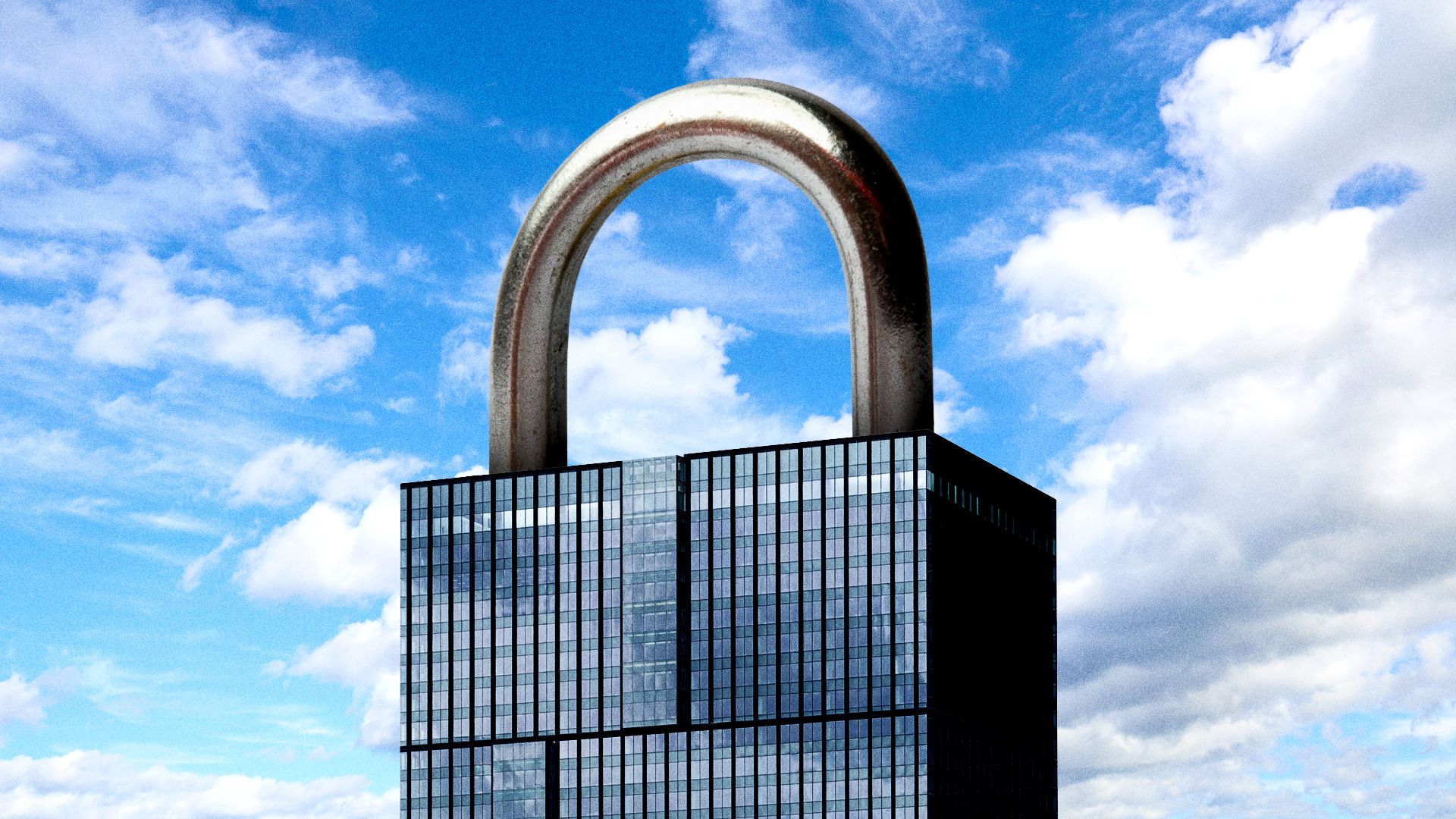
Illustration: Maura Losch/Axios
After the CEO of United Healthcare was gunned down in December, companies scrambled to beef up security for executives; now, in the wake of the fatal shooting in midtown Manhattan Monday, the question is coming up again.
Why it matters: Security inside New York's office buildings is already fairly locked down — it's not clear how much more can be done without alienating clients and employees.
- "You can put as much security on an office building as you want. You can make it impenetrable," Kelly Johnstone, an adviser at International SOS, a security firm.
- "But if it's a public building where visitors come in, you have to make a determination about how much security you want [and] still accommodate your visitors."
The big picture: The corporate world is still adjusting to what happened last December when UnitedHealthcare CEO Brian Thompson was shot and killed in a targeted attack.
- That was a clear wake-up call for corporate America.
- "There was, and continues to be, a lot of effort around executive protection," says Brian Stephens, a former top Bank of America security official who now works at the consulting firm Teneo.
Where it stands: In the wake of Monday's shootings, firms are looking again at their security protocols to make sure they have best practices in place to handle such events.
- This time, the situation is trickier.
Zoom in: Midtown skyscrapers like 345 Park Ave., where Monday's shooting took place, mostly already have tight security — visitors must show ID, gain access to tightly controlled turnstiles and elevator banks.
- But the assailant on Monday was determined. He shot his way in with an assault rifle.
- It's difficult to prepare for an ambush like that, says Johnstone, formerly a chief security officer at Coca-Cola. "He wanted to do something."
Threat level: Workplace violence has been increasing over the past few years, particularly since the pandemic when Americans seemed to increasingly rage out in public spaces.
- But it's still very rare — and neither the United CEO shooting nor the midtown incident Monday are the typical scenario for workplace violence. Typically, these have to do with a disgruntled employee or domestic violence issue, says Dan Leporati, director of risk management for Engage PEO, an HR outsourcing firm.
By the numbers: Workplace fatalities due to violent acts totaled 740 in 2023, per the most recently available government data. The year before, 435 workplace fatalities were the result of a gunshot. (There are about 160 million workers in the U.S.)
- The healthcare sector sees the highest incidence of workplace violence.
Flashback: New York City offices first started locking down seriously more than two decades ago, after the Sept. 11 attacks.
- Before then, you could walk into some buildings' lobbies and be ushered in with little fuss.
- (Of course, no kind of office security protocol would've prevented what happened that day.)
The bottom line: Monday night's fatal shooting was tragic, but it might not significantly change office security practices inside New York offices.
