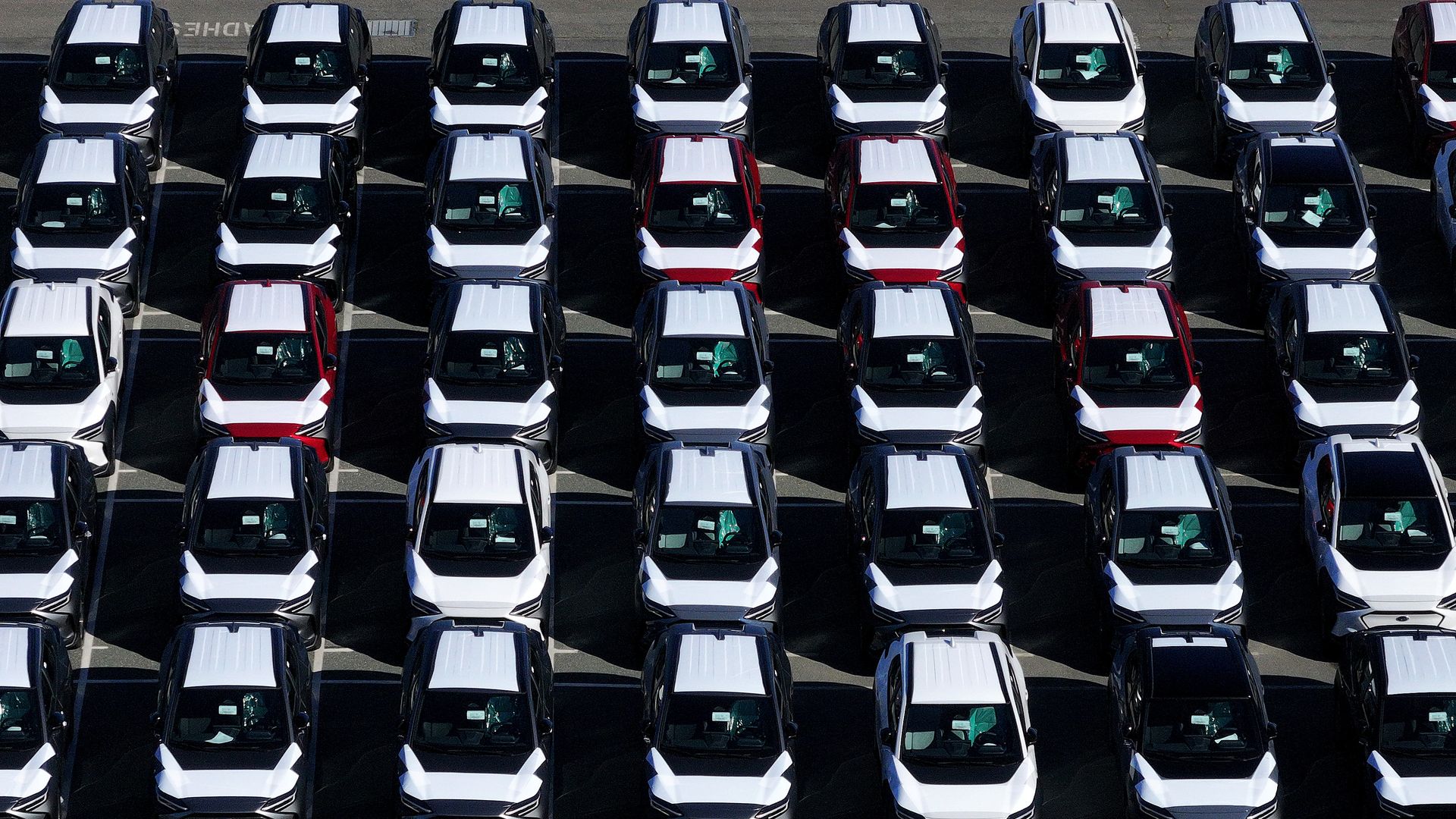
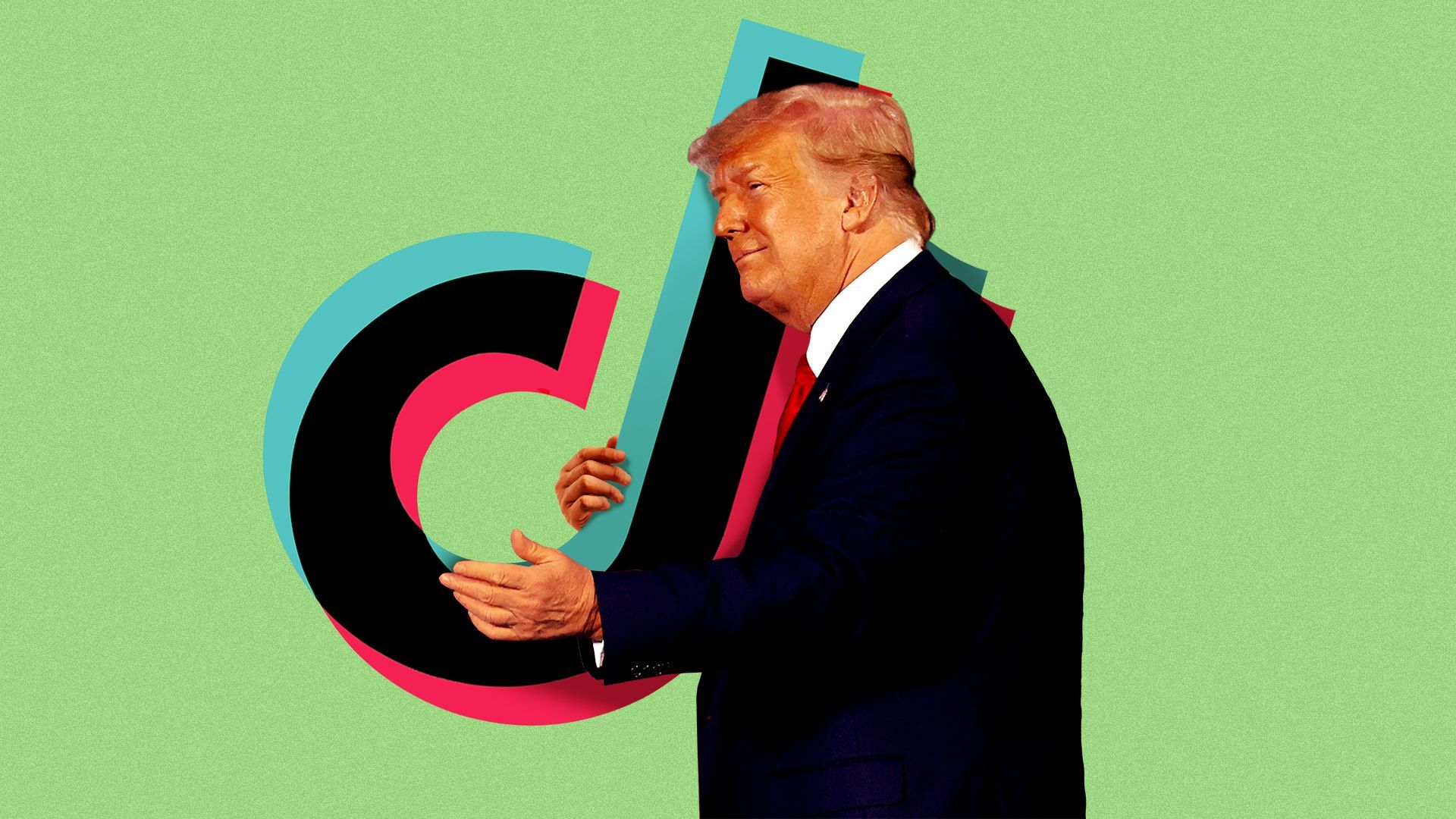
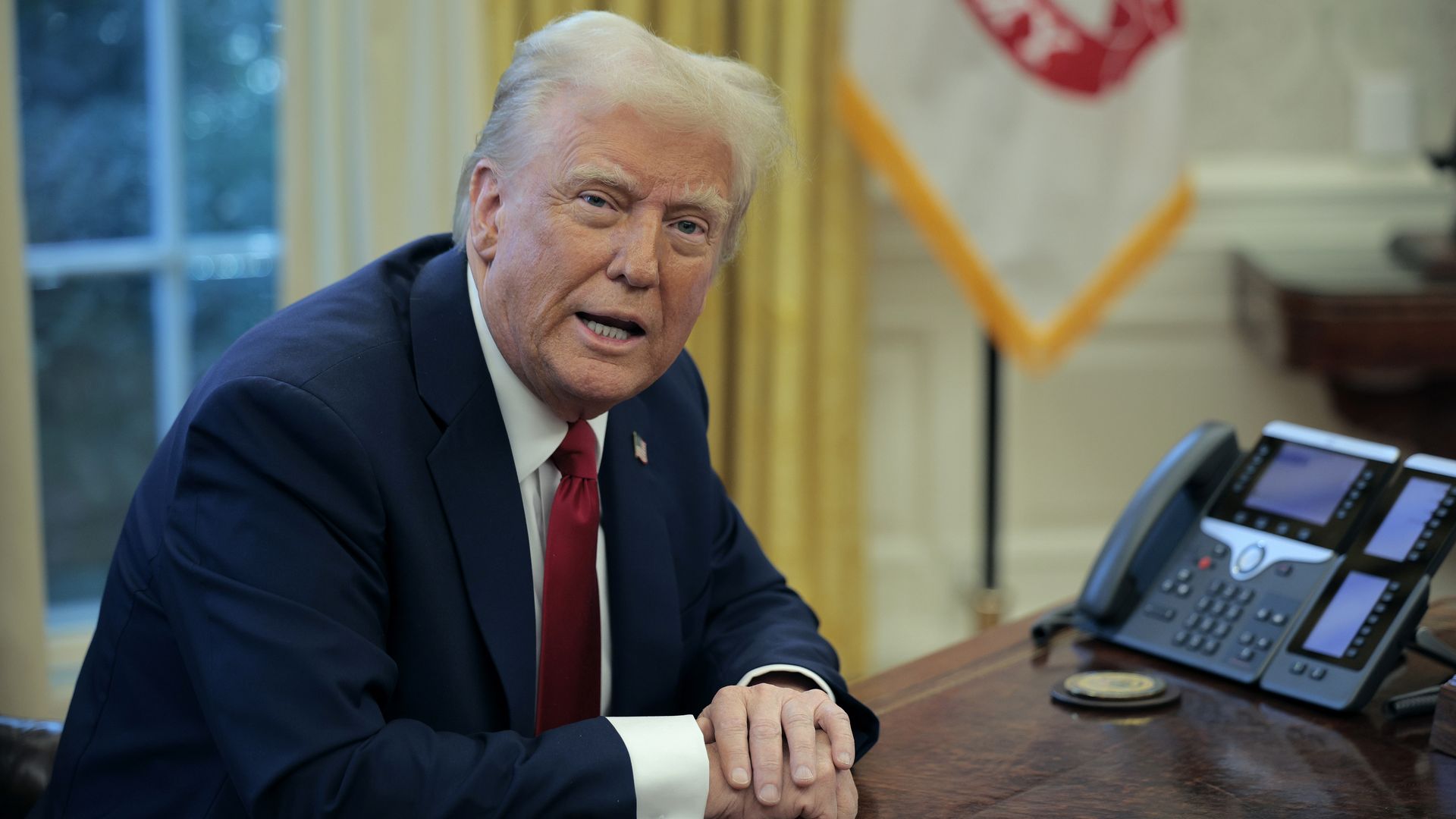
President Trump on Wednesday announced 25% tariffs on autos and auto parts that are not produced in the U.S., effective April 2.
Why it matters: The auto industry has always loomed as one of the biggest potential casualties of the administration's trade policies, and these levies threaten to put new pressure on consumers as prices inevitably rise.
Saturday is the final day for two dozen closing Kohl's stores located in 15 states, according to store webpages.
The big picture: The Menomonee Falls, Wisconsin-based retailer operates about 1,150 stores nationwide and the closures account for less than 3% of its locations.
A growing number of companies are dipping their toes in sports prediction markets amid a national regulatory vacuum on sports betting.
Why it matters: Sports gambling is traditionally regulated on a state-by-state basis, but prediction markets are offering betting opportunities that transcend state lines.
An inadvertent invitation to a group chat thrust The Atlantic's editor-in-chief Jeffrey Goldberg into the center of an explosive national security breach that's put the White House on the defensive.
Why it matters: The complaint filed Wednesday before the Merit System Protection Board directly challenges President Trump's anti-DEI purge across the federal government and could be the first step in a class action lawsuit.
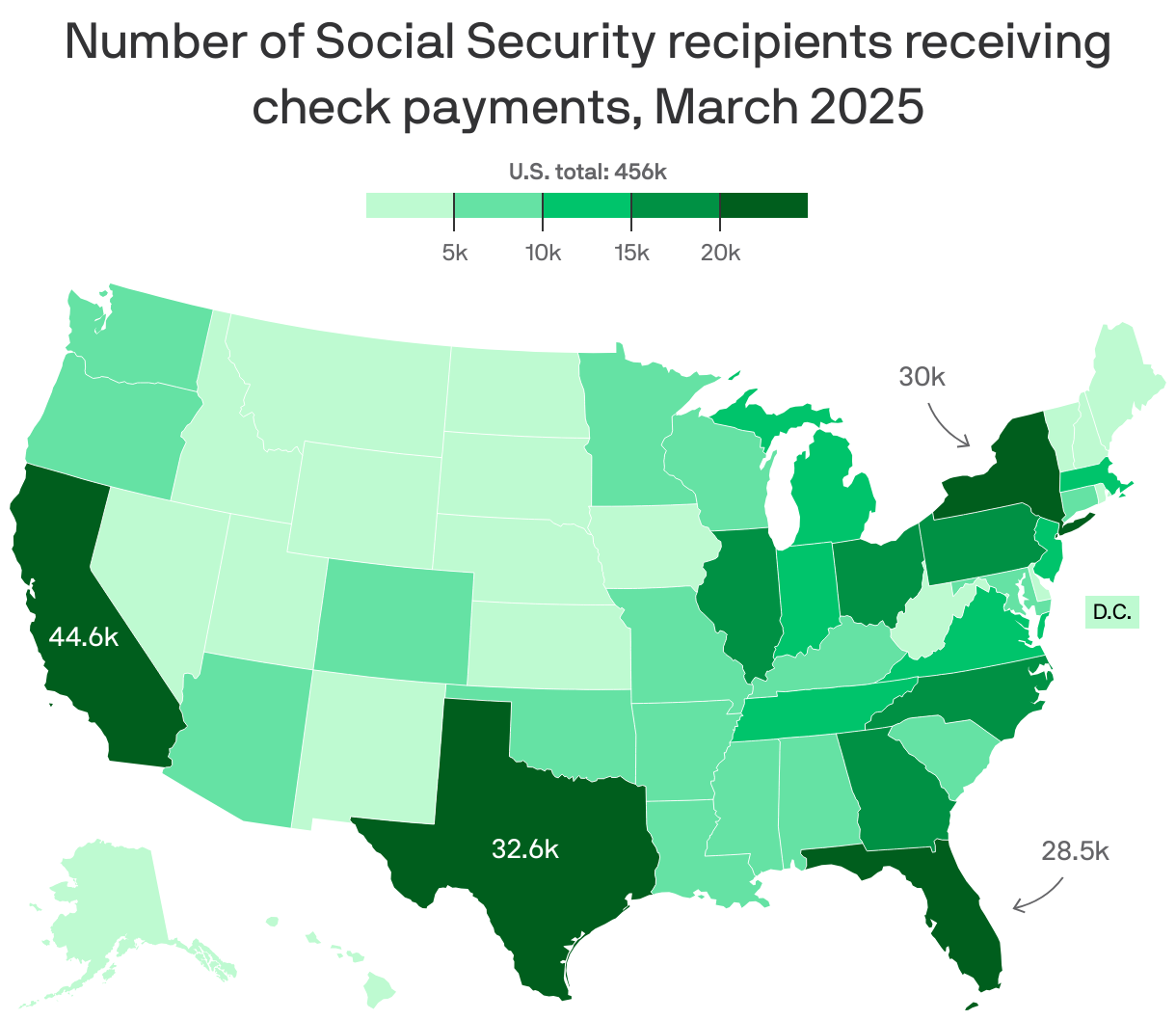
Data: Social Security Administration; Map: Alex Fitzpatrick/Axios
Nearly half a million Americans will be affected by President Trump's order that will cease Social Security payments by paper check.
Why it matters: The switch risks disrupting the financial lives of some of the most vulnerable Americans, at a time when Social Security is cutting back services to help them.
Hyundai Motor Group has found success in the United States by giving car buyers exactly what they want: desirable features packaged in a good deal.
The Korean automaker displayed the same salesmanship in its dealings this week with President Trump.
Why it matters: Hyundai's headline-grabbing announcement of a $21 billion U.S. investment — most of which was already underway — was all Trump needed to show that his global tariff threats were working.
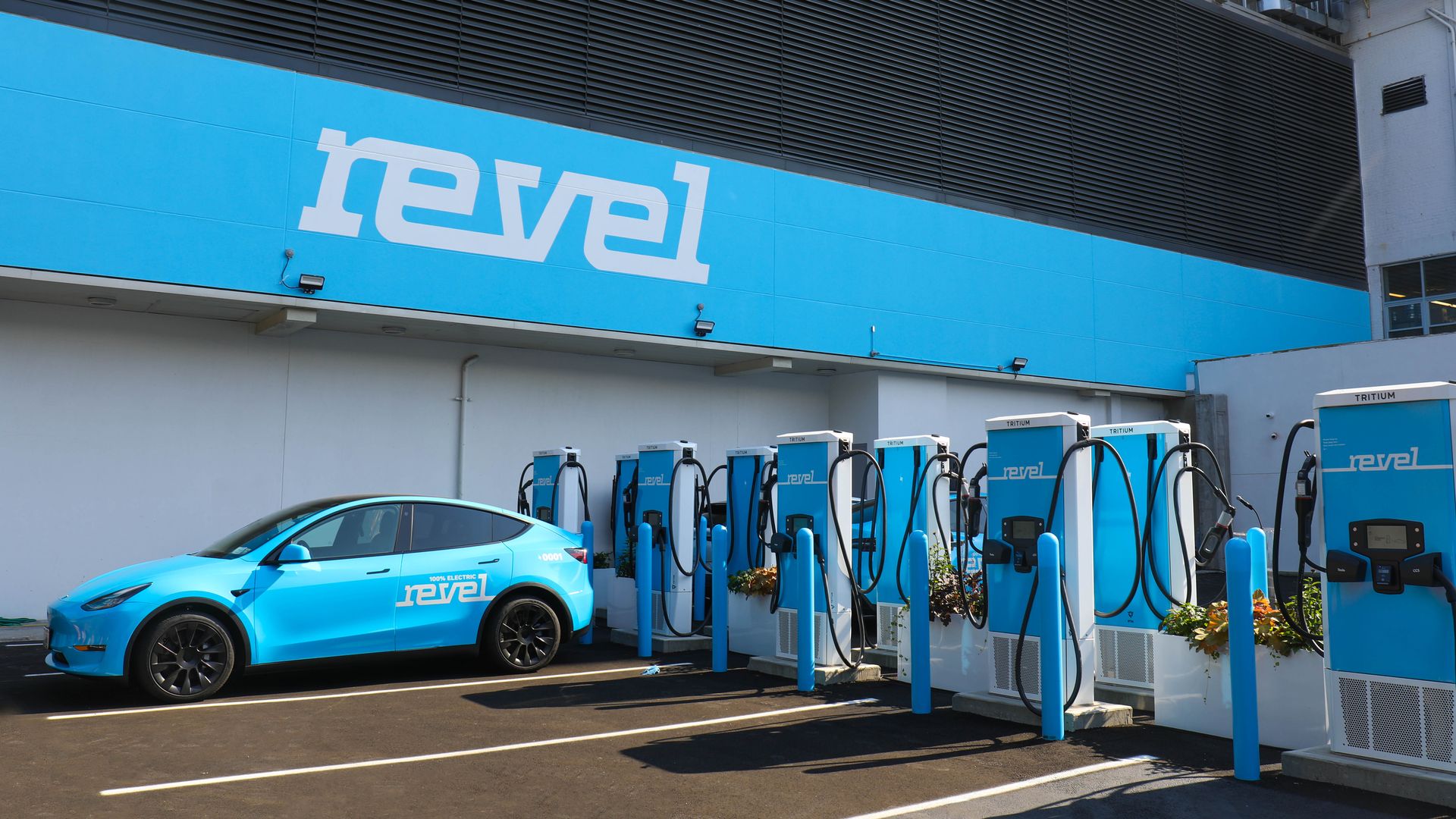
Electric taxi companyRevel is rapidly expanding its public fast-charging network, focusing on cities where rideshare fleets face looming deadlines to switch to all-electric power.
Why it matters: The biggest concern of EV rideshare drivers is finding a place to quickly recharge, since many don't have access to charging at home.
Hyundai Motor Group has found success in the United States by giving car buyers exactly what they want: desirable features packaged in a good deal.
The Korean automaker displayed the same salesmanship in its dealings this week with President Trump.
Why it matters: Hyundai's headline-grabbing announcement of a $21 billion U.S. investment — most of which was already underway — was all Trump needed to show that his global tariff threats were working.
In return, the president told Chairman Euisun Chung that now "Hyundai won't have to pay any tariffs."
Everybody walked away satisfied.
The big picture: In the next four years, the parent of Hyundai, Kia and Genesis will more than double the level of investment it made in the U.S. over the past four decades.
I test drive new cars in my role as a juror for the North American Car & Truck of the Year awards. (The cars are loaned to jurors for evaluation purposes and my opinions are my own.)
This monster truck is considered a "halo product" for General Motors — meant to establish GM's electric bona fides and to attract customers who might not otherwise consider buying an EV.
But there's nothing angelic about it.
Eye-popping specs: The 1,000-hp Hummer EV weighs 9,640 pounds — almost five tons! — and yet can launch from 0-60 mph in 3.3 seconds in what GM calls WTF mode ("Watts to Freedom").
And because it has four-wheel steering, there's even "crabwalk" mode, which allows the front and rear wheels to turn in the same direction, so the truck can actually move diagonally.
The NBA's private equity ownership rules may be tested by the record-breaking Boston Celtics sale, in a way that could have repercussions for future transactions.
The big picture: Bill Chisholm, the club's presumptive new control owner, has committed less money to the two-part deal than has Sixth Street Partners, according to three sources.
Underdog, a Brooklyn-based fantasy sports and sports betting app, tells Axios that it raised $70 million in Series C funding at a $1.23 billion valuation from Spark Capital. It's the first close of a round that could total more than $100 million.
Why it matters: Underdog co-founder and CEOJeremy Levine sold prior startups to both DraftKings and the parent company of FanDuel, but recently told employees that he has no intention of "finishing third again."
Wall Street bonuses surged 32% last year, as the country's top financial firms paid out a record $47.5 billion to their most successful employees, New York's comptroller said Wednesday.
Why it matters: After a sharp post-COVID rebound, there's a good chance this might have been the top.
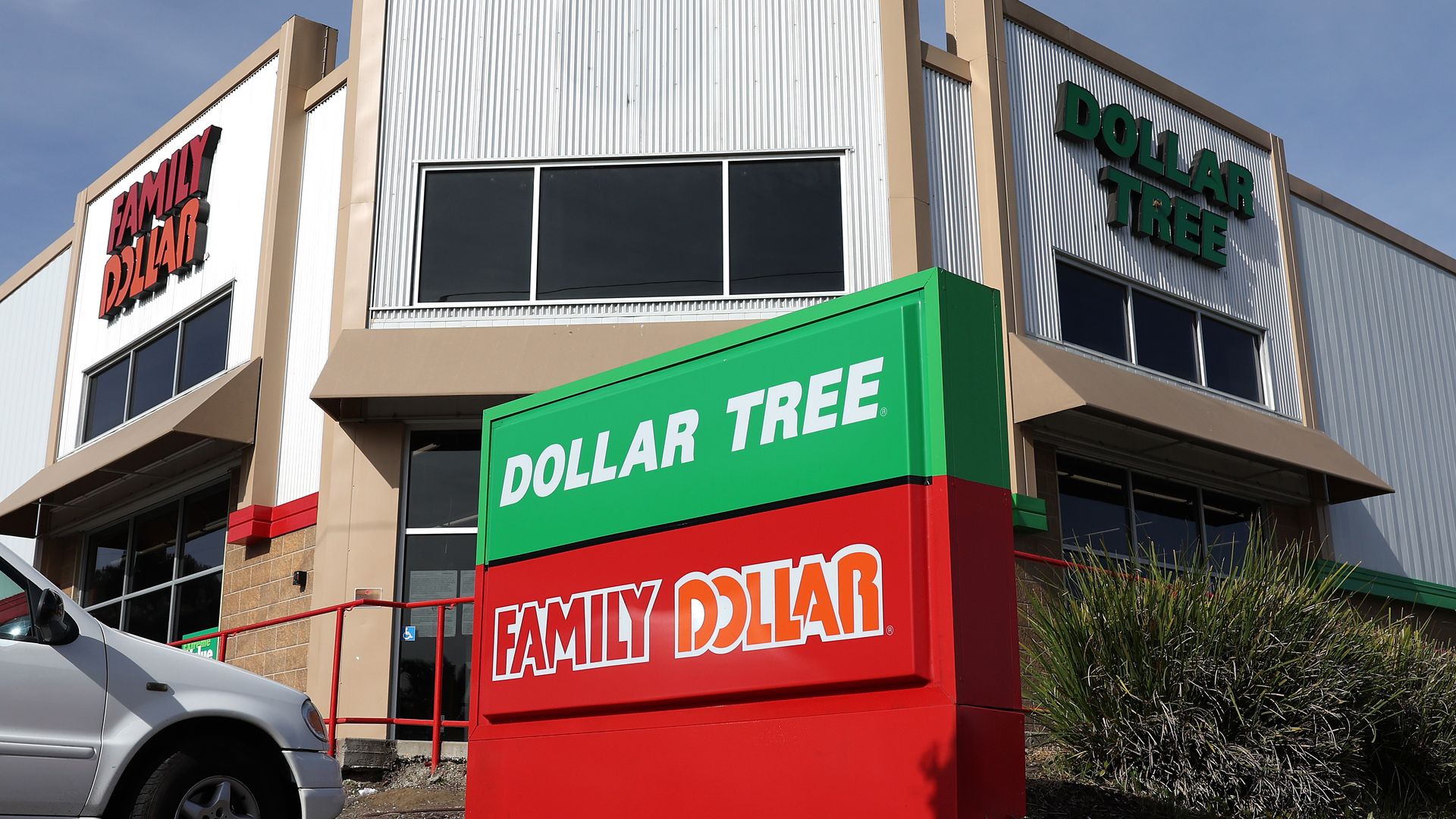
Dollar Tree agreed to sell Family Dollar to asset managers Brigade Capital Management and Macellum Capital Management for $1 billion, the company announced Wednesday morning.
Why it matters: It's a fraction of the $9 billion that Dollar Tree paid to acquire Family Dollar in 2015.
The economic vibes have taken a decisive turn for the worse over the last several weeks. The big question now is whether actual activity will follow.
The big picture: This week has brought yet another round of "soft" indicators that show slumping confidence in what lies ahead for the economy, amid a fast-changing policy landscape.
The highest-grossing show on Broadway isn't a musical, it's a play. "Good Night, And Good Luck" — starring George Clooney, and still in previews — brought in a staggering $3.3 million last week.
Why it matters: Unusually for Broadway, all three of the hottest draws — the shows with the highest ticket price — are plays, not musicals. They all star Oscar-winning actors.
So much for the Trump bump: An index that measures small business owners' confidence fell nearly 7 points in the first quarter, erasing last year's post-election surge.
Why it matters: The index, published by the U.S. Chamber of Commerce on Wednesday, is a sign of just how much tariff worries are weighing on the business world right now.
Canada has updated its travel advisory for the U.S. following the Trump administration's immigration crackdown.
The big picture: The update on a registration rule for visitors to the U.S. comes after several European nations changed their advisories in response to Trump administration rollbacks on transgender rights and as Canadians and other foreign nationals have been detained by U.S. immigration authorities over travel visa issues.