Friday's business stories

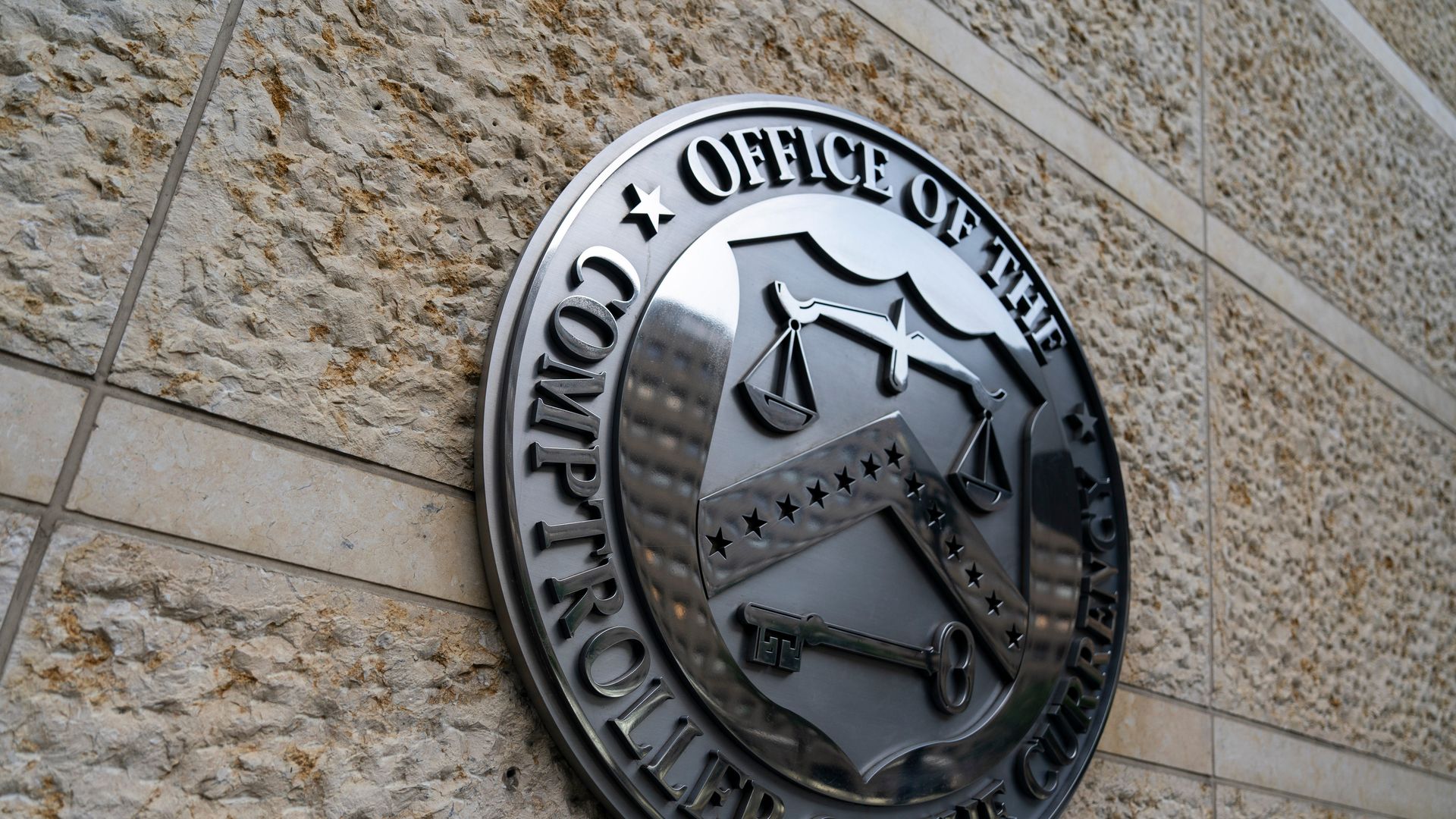
OCC clears banks for crypto custody and other businesses
Banks supervised by the Office of the Comptroller of the Currency (OCC) will no longer need permission to engage in certain kinds of common cryptocurrency related activities, according to a new interpretative letter issued Friday.
Why it matters: This is a turnabout for the agency, which joined the Fed and the FDIC in January 2023, under the Biden administration, in issuing a general caution against banks partnering with digital asset businesses or offering related services.

USDA ending Easter egg inventory report as bird flu continues
The USDA will discontinue its Easter season egg inventory reports, just weeks before the spring holiday, as the bird flu continues to ravage the nation's supply of eggs.
Why it matters: The highly pathogenic avian influenza has intensified in recent months, which has caused prices to spike and led to shortages.

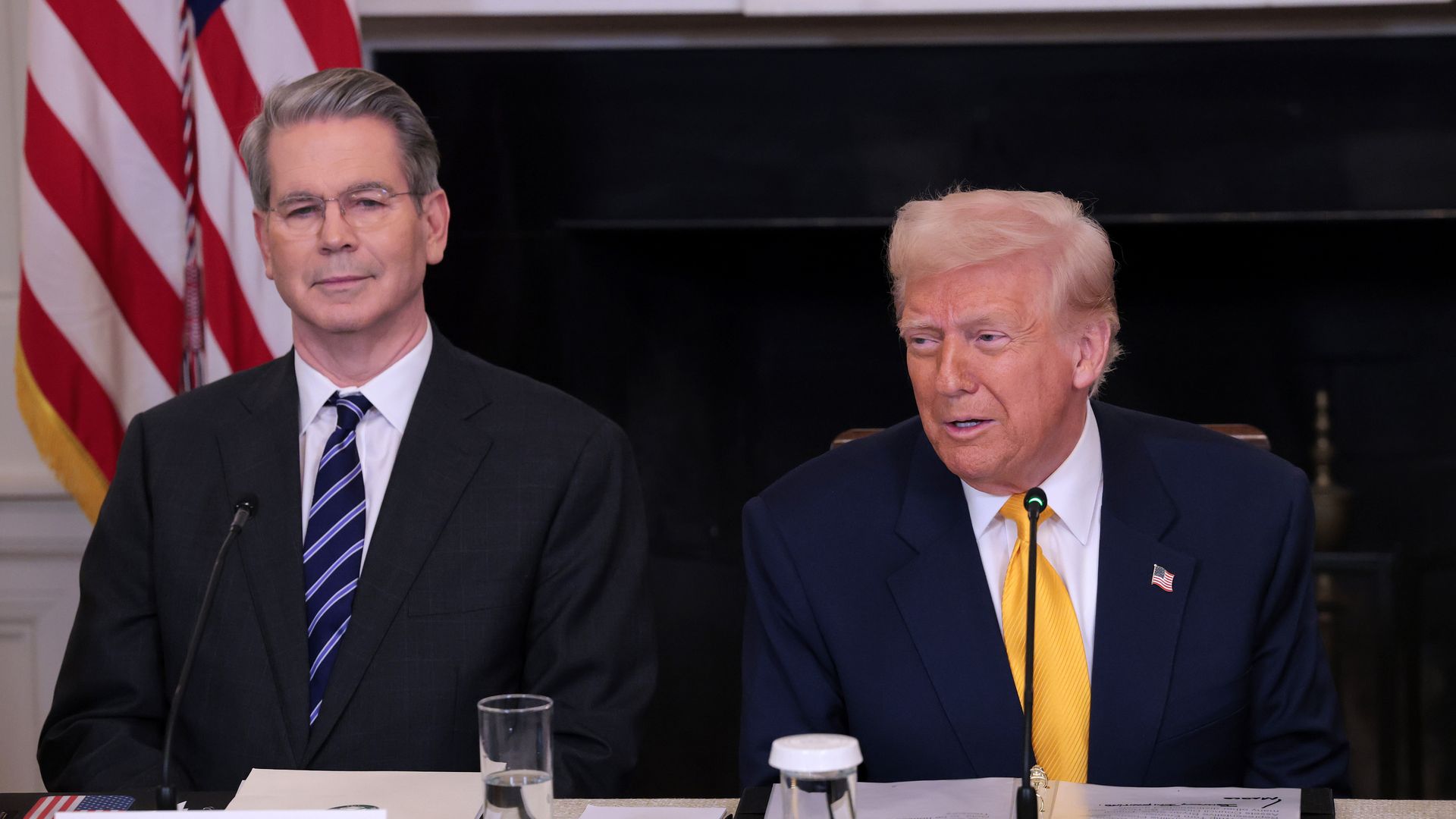
Stablecoins will preserve dollar dominance, Bessent says
The Trump administration sees a way for digital asset technology to ensure the U.S. dollar remain the dominant global reserve currency: stablecoins.
Why it matters: Stablecoins have been the killer app of blockchains, with something like $6 trillion or more in transactions each year.

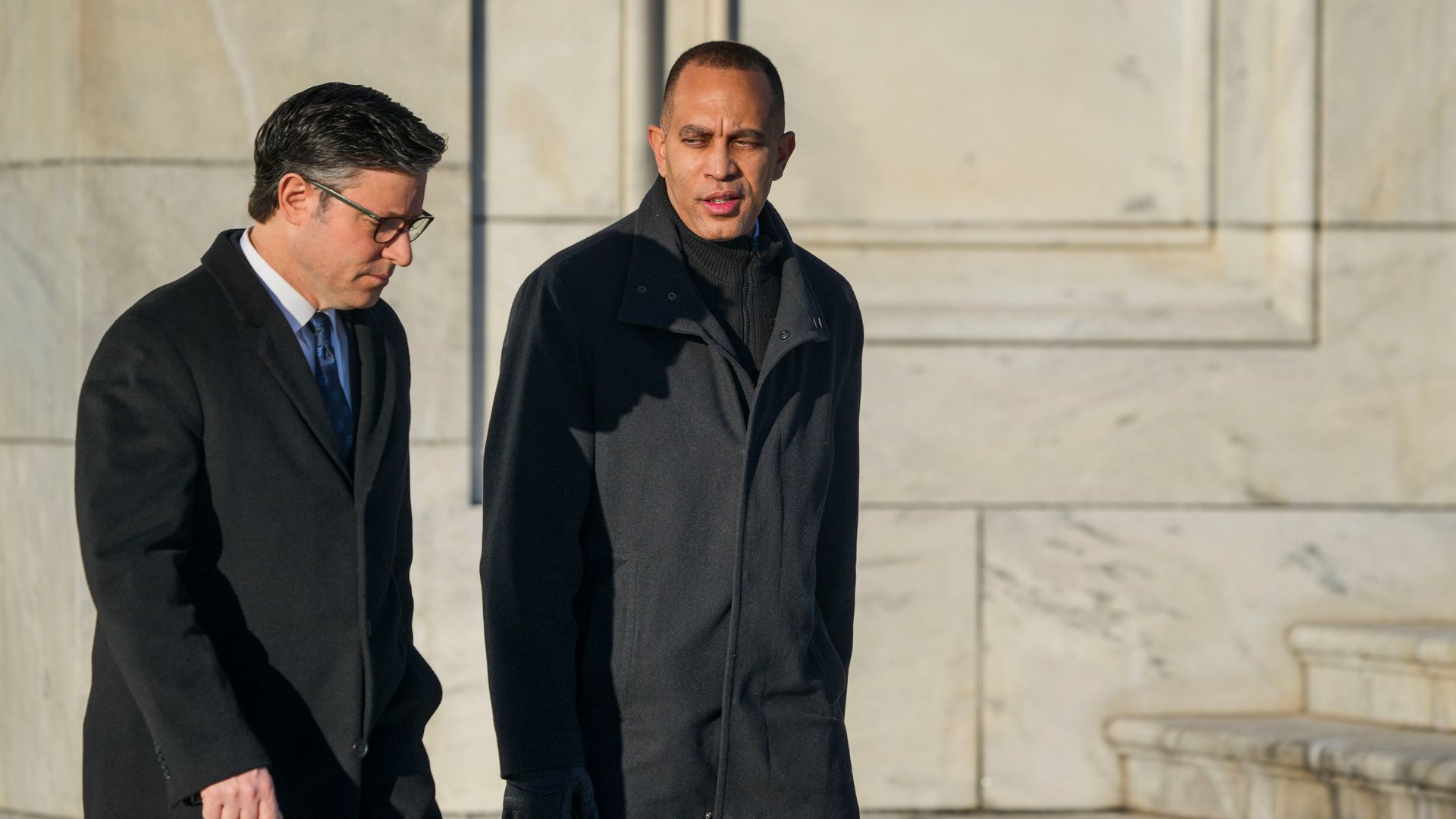
Hakeem Jeffries rejects Mike Johnson's shutdown plan
House Minority Leader Hakeem Jeffries (D-N.Y.) and his leadership deputies said Friday they will not lend their support to the stopgap spending bill being proposed by Speaker Mike Johnson (R-La.).
Why it matters: Democrats are holding out for language that will restrict President Trump and DOGE from being able to slash government programs already authorized and funded by Congress.

Americans are behind on car payments at a record level


Americans are missing their car payments at the highest rate in decades, according to Fitch Ratings data.
Why it matters: Car costs, including loans and insurance, have soared in an economy where consumers are showing mounting signs of stress.

Trump's crypto strategy gives bitcoin special status
The U.S. government plans to hold onto several digital currencies over time, but only one of them gets reserve status: bitcoin.
The big picture: As the recent executive order for a strategic bitcoin reserve suggests, the world's largest cryptocurrency is the highest priority for the Trump administration's overall cryptocurrency strategy, a senior White House official said hours before the start of Friday's crypto summit.

A weakening economy could help private equity
In normal times, dealmakers want the economy to rip. A rising tide lifts all returns.
- But today, with both private equity and venture capital snared in a distribution drought, there might be a silver lining to darkening economic clouds.

U.S. added 151,000 jobs in February, as hiring stays steady


The U.S. economy added 151,000 jobs in February, while the unemployment rate ticked up to 4.1%, the Labor Department said on Friday.
Why it matters: The first full jobs report of the Trump era shows healthy hiring last month, defying other indicators that suggested trade uncertainty was weighing on the economy.

Trump promises "scalpel rather than the hatchet" in cuts to federal workforce
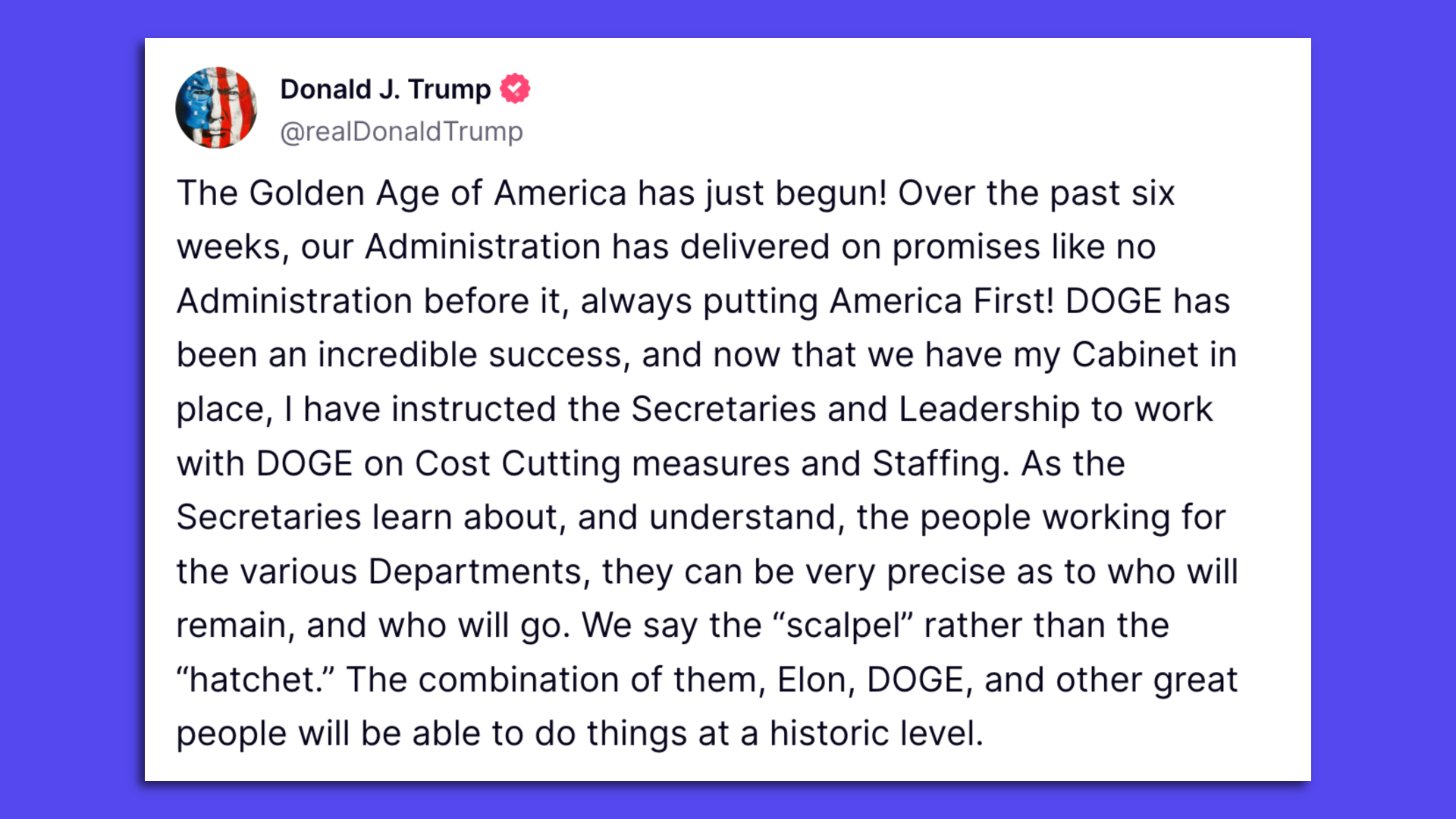
President Trump said in a Truth Social post Thursday that he's directed Cabinet secretaries and his Department of Government Efficiency (DOGE) to work together for "very precise" cuts of federal workers.
- "We say the 'scalpel' rather than the 'hatchet,'" Trump asserted — the opposite of the approach until now.

Management is in its Boss Era
If there's one thing Elon Musk and Donald Trump have made clear: The U.S. is in its Big Boss Era.
Why it matters: Workers had a moment of empowerment in the wake of the pandemic — remember the Great Resignation? Summer of Strikes? Quiet Quitting? Well, forget it. That time is in the rearview.
- A slowing labor market, combined with a vocally pro-management, at times anti-worker White House is giving executives the chance to reclaim their vast power over working schlubs.
What's out: Work-life balance and flexibility. Unions. Diversity and inclusion.
- What's in: The office. Firing people who don't toe the line. Very long work hours.
"This is a boss's administration," says Aaron Sojourner, a labor economist with the W.E. Upjohn Institute for Employment Research.
- "You have a president who's made his mark as an employer," Sojourner points out. Trump's trademark Apprentice catchphrase was "you're fired!'"
And then there's Musk, a proponent of 80-hour work weeks, employing tough tactics honed at his companies, like the Fork in the Road email, to get the federal workforce in line.
- "You have the wealthiest man in the world, who is the CEO of multiple companies, taking a really strong hand in federal policy," says Sojourner.
Zoom out: The White House and Musk have been clear that they're suspicious of federal workers, especially those who worked remotely — they've suggested some were working two jobs, or spending their time golfing.
- Administration officials say fired workers weren't actually doing anything — something thousands have said isn't accurate.
- "Everybody's replaceable," Trump said back in January when asked about workers who take a "buyout" who might otherwise be considered necessary.
For the record: "President Trump is an accomplished business tycoon who spent decades building efficient and successful companies," White House spokesperson Anna Kelly said in a statement.
- "He knows that the real boss is the American taxpayer, and he will continue to demand the high level of dedication and excellence from all government employees that the American people deserve."
Between the lines: During his campaign, Trump made an explicit appeal to union voters. He's also nominated a pro-union Labor secretary, and has said he is pro-worker.
- Part of the stated reasoning behind his tariff push is to bring manufacturing back to the U.S. and create better-paying jobs.
Yes, but: Trump's unprecedented firing of a commissioner at the NLRB left the board without the quorum needed to adjudicate labor complaints. (A judge ruled Thursday one commissioner was fired illegally and should resume work.)
Zoom in: "Experts say what's happening is bigger than just the pendulum swinging back in employers' favor: Leaders in certain industries are trying to reclaim their cultures," is how Korn Ferry, a global consulting firm, puts it in a recent thought leadership piece.
- That culture, particularly in tech and finance, can be one of grueling overwork — particularly tough on those with caregiving roles at home (more likely to be women), or really anyone that seeks to have a life outside the office.
- In a leaked memo viewed by the New York Times, Google co-founder Sergey Brin recently extolled the virtue of the 60-hour work week as the "sweet spot" for productivity in its race to dominate the AI space.


The intrigue: Long gone are the days of the Great Resignation, when workers felt so empowered they could just up and quit their jobs, knowing something better was just around the corner.
- The quits rate — the share of workers who voluntarily leave their jobs each month — is well off where it was during the spree of 2021.
State of play: Those who have a job are somewhat safe at the moment, says Sojourner, the labor economist. (Except federal workers.)
- But the hiring rate is pretty soft and finding a job is harder — especially for knowledge workers. There has been talk of a white collar recession for almost a year now.
- With tens of thousands of highly educated former federal workers now hitting the job market, the fear is things get worse.
Where it stands: Here's what we know now about the labor market:
- The unemployment rate has been low, and is expected to have held steady at 4% in February.
- There are signs that layoffs are becoming more worrying. U.S. employers announced 172,017 job cuts in February, up more than 100% from the same month last year, per a tally from global outplacement firm Challenger, Gray & Christmas.
Stunning stat: Federal government jobs made up more than a third of those cuts — 62,242 jobs lost.
Elizabeth Warren asks Trump's crypto czar for public disclosures
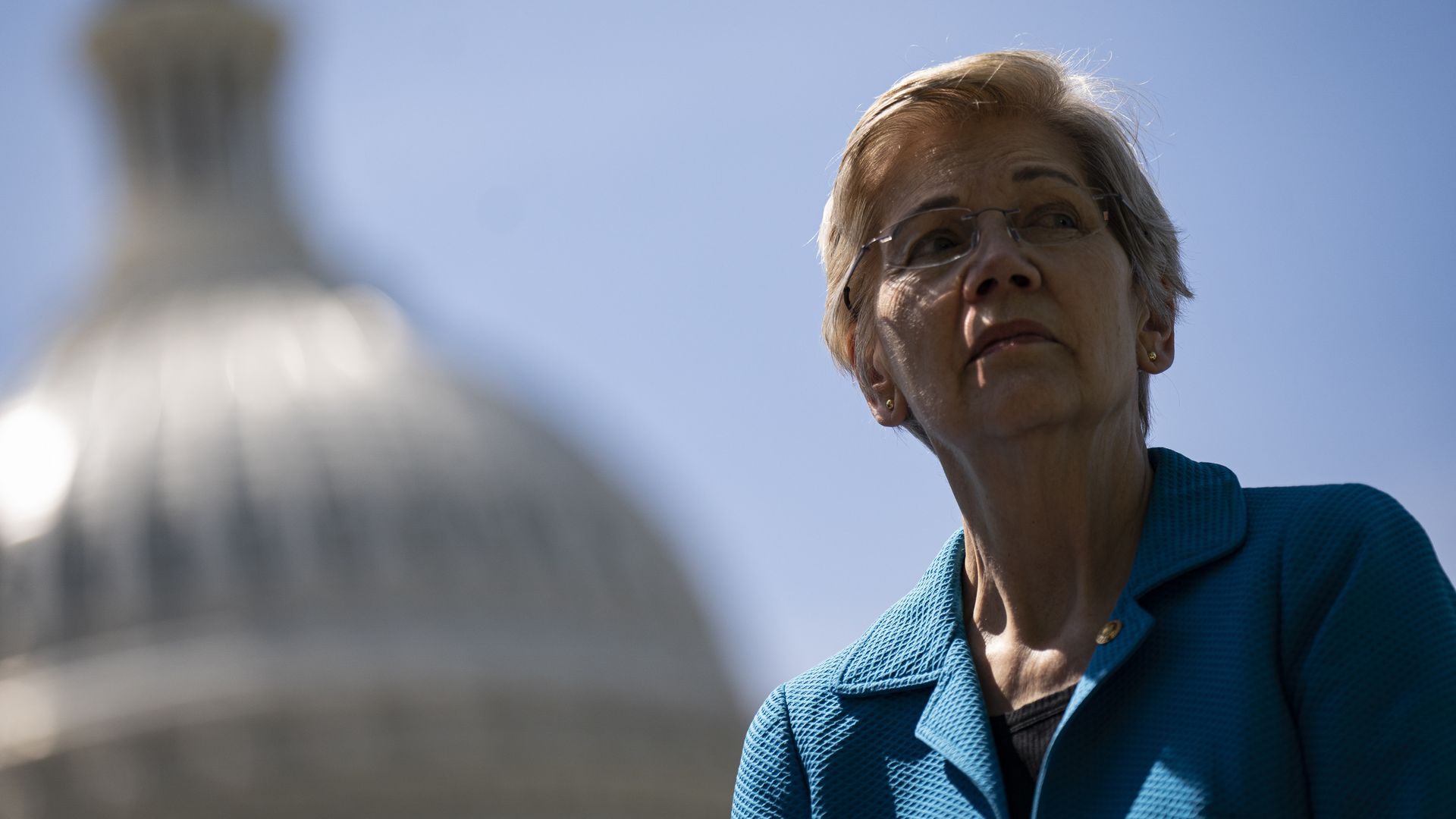
On the morning of the White House's first Digital Assets Summit Friday, Sen. Elizabeth Warren (D.-Mass.) sent a critical letter to David Sacks, the administration's crypto and AI czar, which she has shared with Axios exclusively.
The big picture: The deeper the federal government gets into supporting the blockchain industry, the more it's going to drive up values for existing holders, which raises conflict of interest questions for officials writing those policies, the senator contends.

SpaceX Starship rocket explodes after launch
SpaceX's Starship rocket exploded minutes after it launched from Texas Thursday.
The big picture: Debris from the rocket caused flight delays in cities across the U.S., including Miami and Philadelphia, FAA data show.

The U.S. crypto reserve is all about forfeited assets
President Trump signed an executive order Thursday establishing a Strategic Bitcoin Reserve and a separate stockpile of other cryptocurrencies.
Why it matters: The "first crypto president" has committed the government to a long-term holding of the first and by far the largest cryptocurrency.

State officials come out in favor of Senate debanking bill
Political forces are lining up behind legislation that would rein in regulators' abilities to pressure banks into denying services to legal but disfavored industries.
The big picture: The case that certain companies, particularly those in the crypto industry, were getting debanked by association looked improbable not so long ago. But mounting evidence to support the claims has brought the issue to the political forefront, and even acknowledged by the Fed chairman.