Trump picks David Sacks as his AI guy

Add Axios as your preferred source to
see more of our stories on Google.
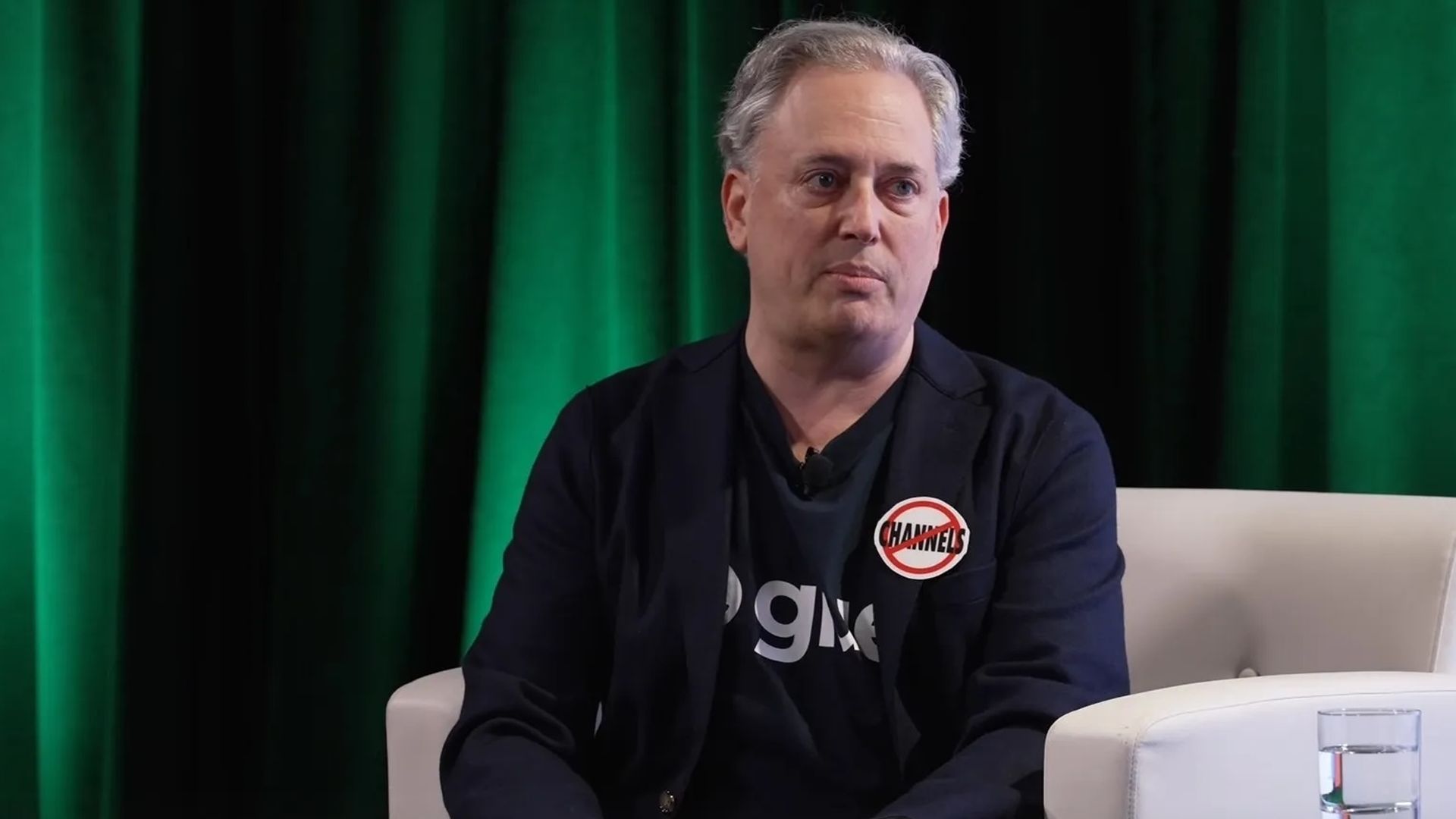
David Sacks on stage at the Axios dealmakers summit in San Francisco in May. Photo: Chris Constantine/Axios
President-elect Trump's choice of David Sacks as his "White House AI & Crypto Czar" will put a controversial Silicon Valley veteran, ally of Elon Musk and popular podcaster in charge of the White House's emerging-tech policy.
Why it matters: For years, the tech industry's conservative-libertarian wing has complained that Washington's leaders and culture stifle innovation. Now it will be their turn to call the shots.
The big picture: The new Trump administration has vowed to promote and deregulate crypto, to reverse President Biden's AI executive order and beat China in the AI race.
Catch up quick: Sacks was a co-founder of PayPal, where he worked with Musk and Peter Thiel and later invested in their companies SpaceX and Palantir.
- Sacks is also known more recently as a co-host of the "All In" podcast and a critic of progressive ideas.
- In June he hosted a fundraiser for Trump at his San Francisco home, and in July he spoke at the Republican National Convention.
- He runs his own VC firm and this year launched Glue, an AI-driven Slack competitor.
State of play: Trump announced the move late Thursday in a Truth Social post.
- Sacks "will safeguard Free Speech online, and steer us away from Big Tech bias and censorship. He will work on a legal framework so the Crypto industry has the clarity it has been asking for, and can thrive in the U.S.," Trump wrote.
- Trump also said Sacks would lead the President's Council of Advisors on Science and Technology.
Between the lines: Sacks' appointment takes the same side door Trump is using to put Musk and Vivek Ramaswamy in charge of his DOGE efficiency and budget-cutting office.
- Sacks will become a "special government employee" and can serve a maximum of 130 days a year, with or without compensation, per Bloomberg.
- That means he won't face confirmation hearings or financial disclosure requirements, but also won't wield the direct power that more formal offices confer.
Flashback: There is no shortage of precedent for new presidents to bring industrialists and executives into public service — all the way back to John F. Kennedy's famous choice of Ford "Whiz Kid" Robert McNamara as his defense secretary.
Yes, but: The usual trade-off is that when you become a public servant you hand off your private business, at least temporarily.
- Sacks, like Musk, appears poised to weigh in on decisions that will have a direct and immediate impact on his own interests.
- These men will continue to run their companies even as they weigh in on policies that affect their own firms, their competitors and their industries.
For now, those competitors are saying they're not worried.
- OpenAI CEO Sam Altman told the DealBook Summit in New York on Wednesday: "It would be profoundly un-American to use political power, to the degree that Elon has it, to hurt your competitors and advantage your own businesses. I don't think people would tolerate that. I don't think Elon would do it."
- But once Sacks and Musk start issuing proposals, it will be hard not to ask, about each new idea, "Who benefits?"
What we're watching: Trump called Sacks a czar, but czars get to issue orders.
- Sacks sounds more like an adviser, and it remains unclear how much real authority he can build with only one foot in government.
