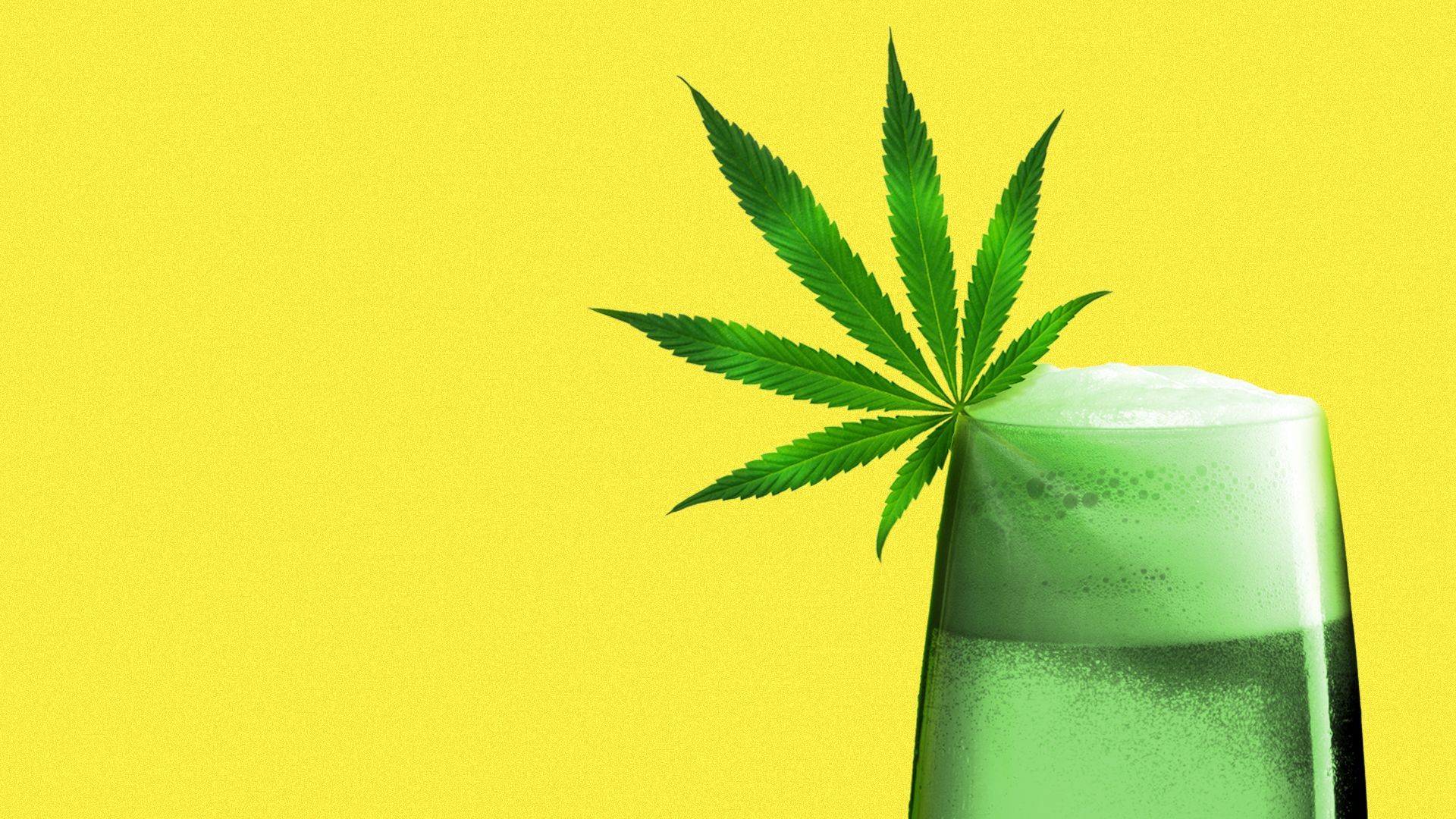
THC-infused drinks are popping up more often in the refrigerator section. And yes, they're legal.
Why it matters: A loophole in the 2018 farm bill helped parlay the marijuana drinks market — and government regulators are catching on. Big Alcohol, which has gotten into the market as beer sales plummet, isn't totally pleased.
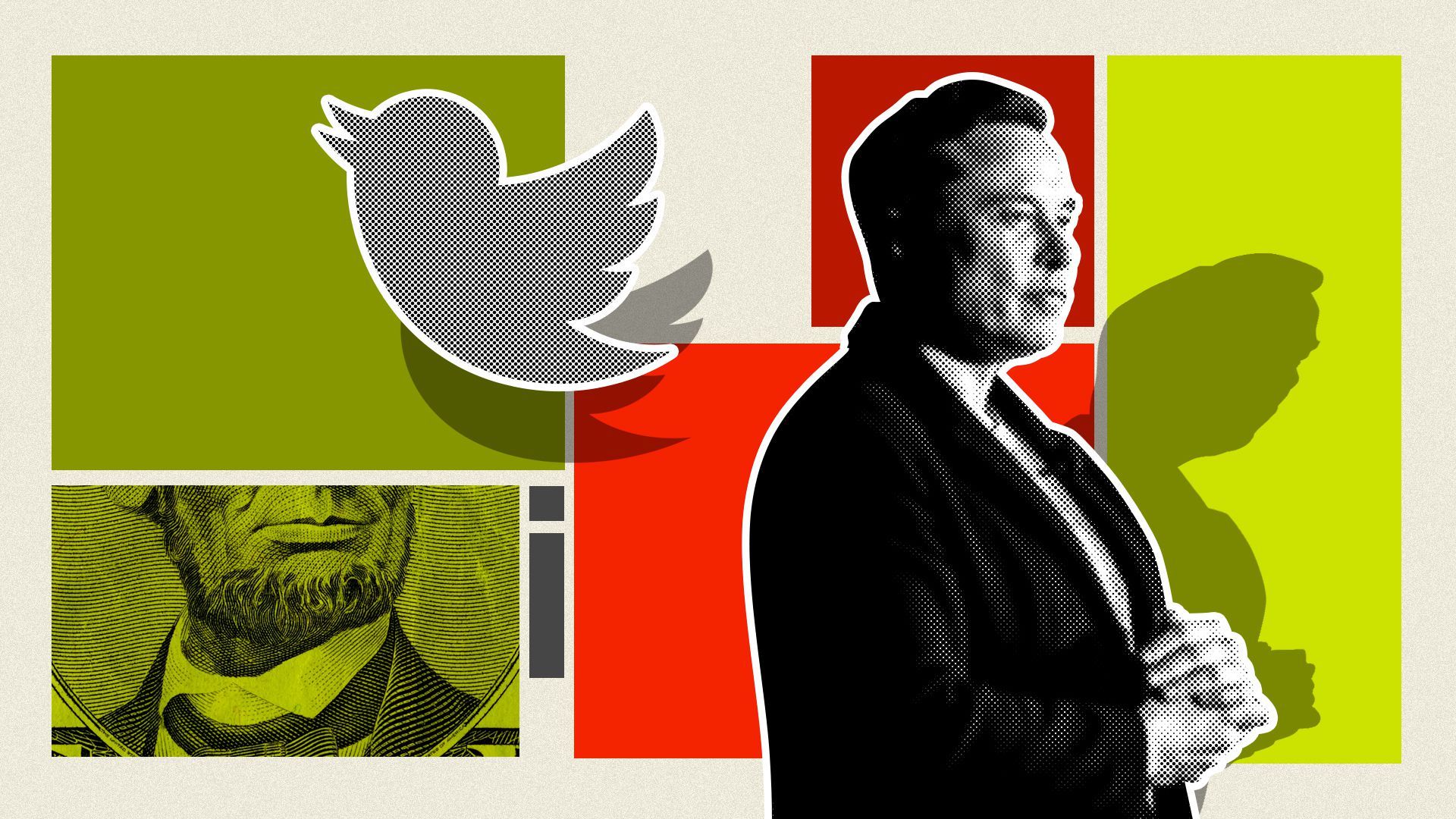
Why it matters: xAI is said to be raising as much as $6 billion to catch up to rivals like OpenAI and Anthropic, and it needs a compelling story for investors.
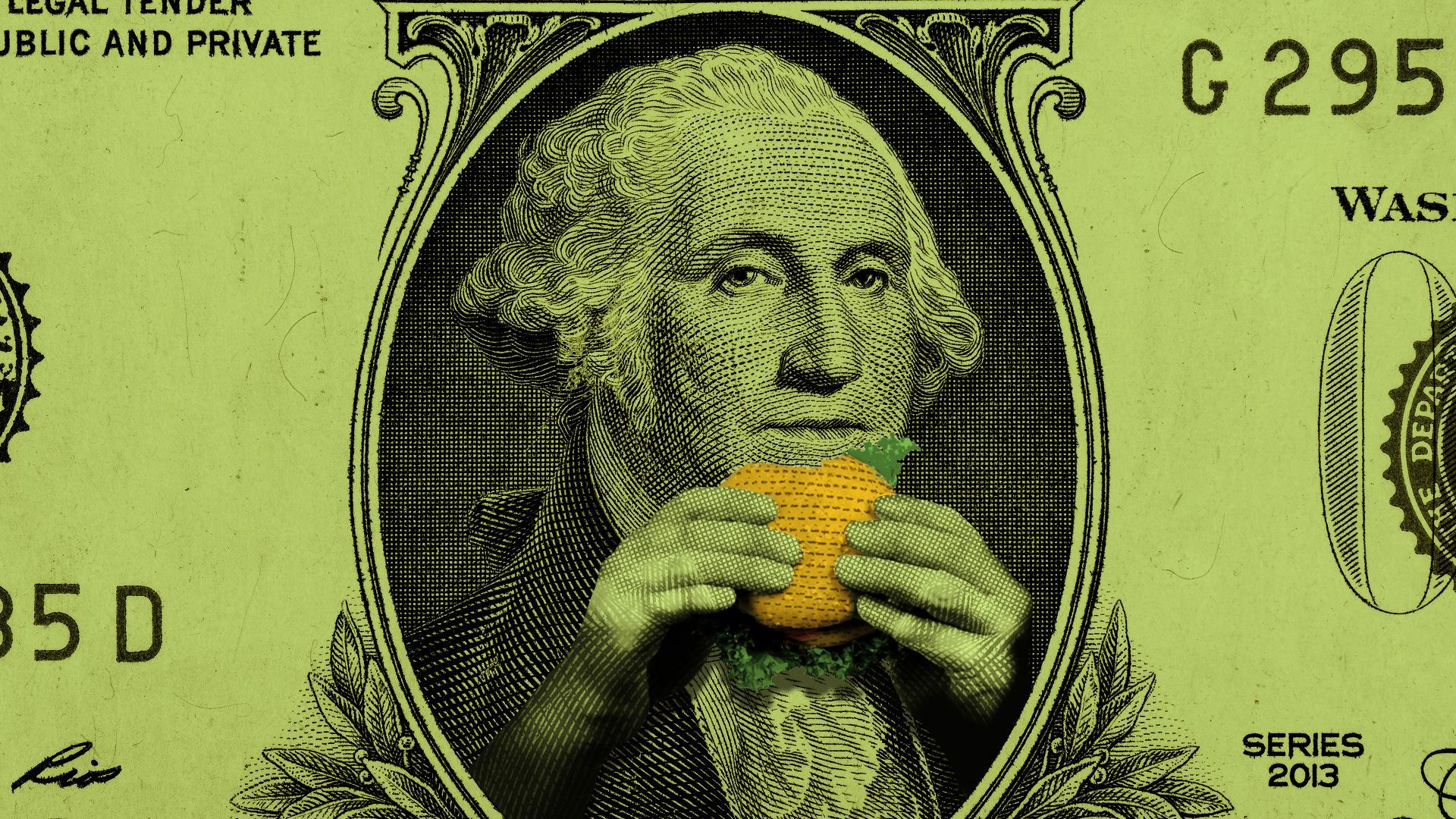
Sweetgreen appears well-positioned to ride new trends in the economy.
Why it matters: Restaurants have been among the slowest businesses to recover from the pandemic — battling financial hardship from closures and broken supply chains, then worker shortages, inflation and the fallout of remote work.
OpenAI no longer has a separate "superalignment" team tasked with ensuring that artificial general intelligence (AGI) doesn't turn on humankind.
Why it matters: The non-profit firm — founded to protect the world from the gravest threats AI could pose — is looking more and more like an impatient Silicon Valley startup cranking out new products at warp speed.
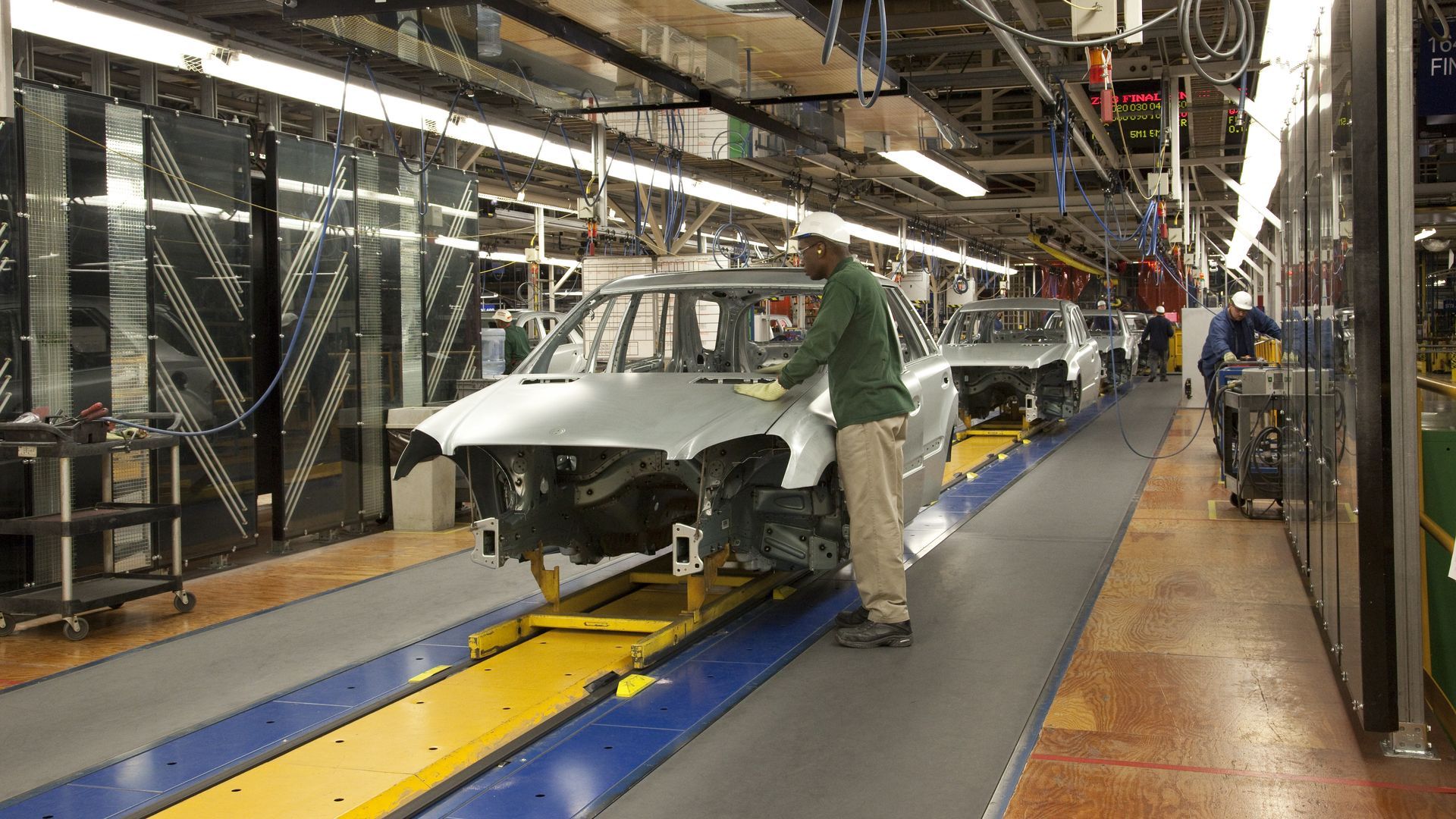
Manufacturing workers at Mercedes-Benz in Tuscaloosa County, Alabama, voted against joining the UAW in a reminder of how difficult it is to form unions in the South.
Why it matters: The UAW had been hoping to make the plant the second in as many months to join the union after years of failed attempts to organize foreign-owned factories.
France is calling on Paris businesses to polish up their hospitality skills ahead of the influx of visitors flocking to this summer's Olympic Games.
Why it matters: The country is determined to shake its clichéd reputation for being rude to embrace the more than 1 million visitors who will pump as much as $12 billion into the economy during the games.
Charitable funds are paying financial advisers millions of dollars in advisory fees — and the IRS wants to crack down on those agreements.
Why it matters: One of the big secrets in the world of philanthropy is how much money flows back to donors' financial advisers after being given away to charity.
Lower-income households increased their spending by 2% in April, while high earners saw a slower spending increase, according to new credit and debit card data from Bank of America Institute.
Why it matters: Consumer spending drives the U.S. economy, and BofA's data provides a counterpoint to warning signs about a spending slowdown at the low end of the income scale.
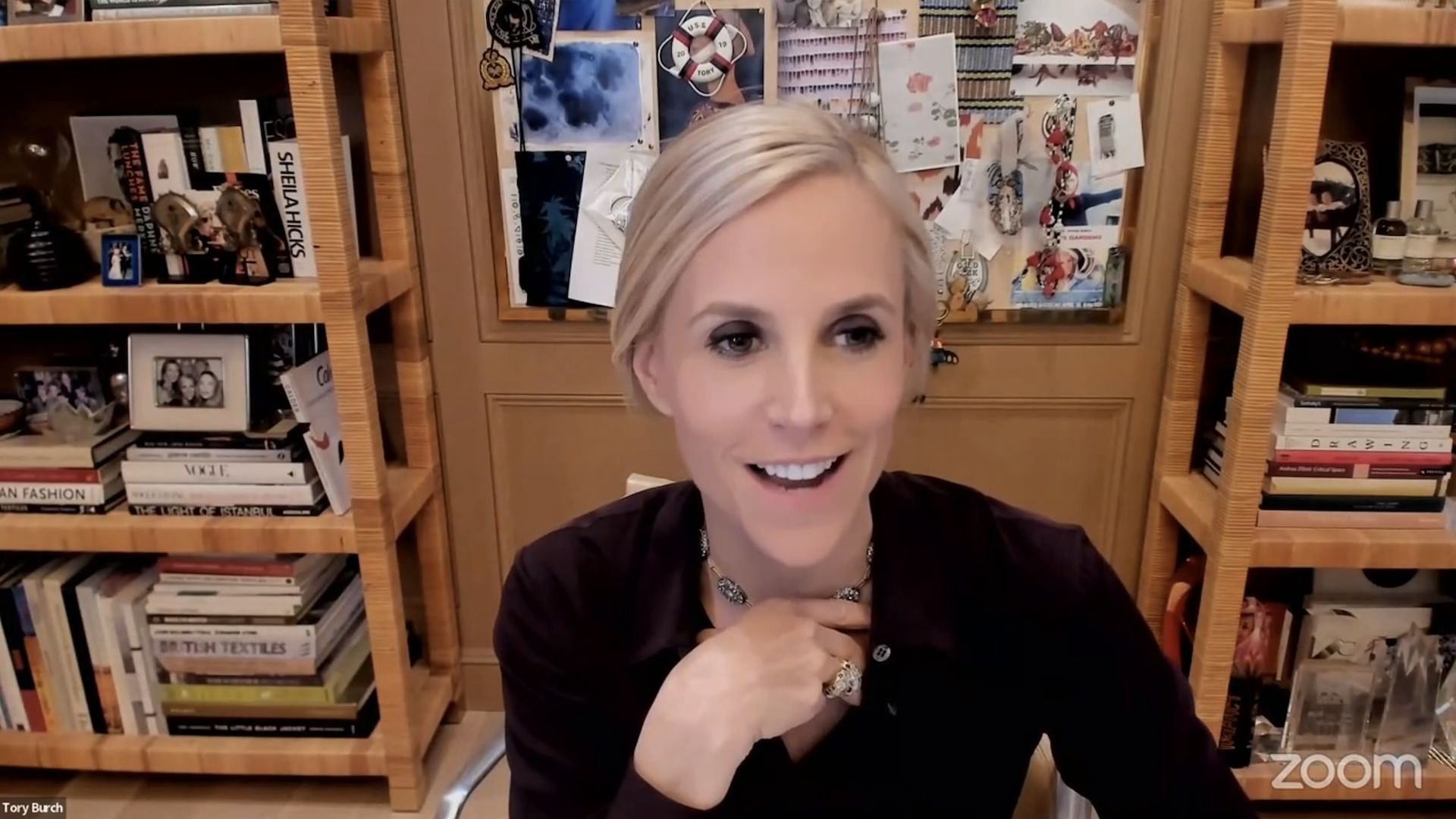
On Thursday, I spoke to the iconic American designer and founder Tory Burch. We traded tips for new college grads and future entrepreneurs, and talked about what we wish we'd known when we were starting our careers.
The big picture: I've shared the lessons I've learned — as co-founder of two companies, and CEO of each — in these Finish Line columns and in my new book, "Just the Good Stuff."





/2024/05/17/1715973160111.gif?w=3840)




/2024/05/17/1715958217552.gif?w=3840)