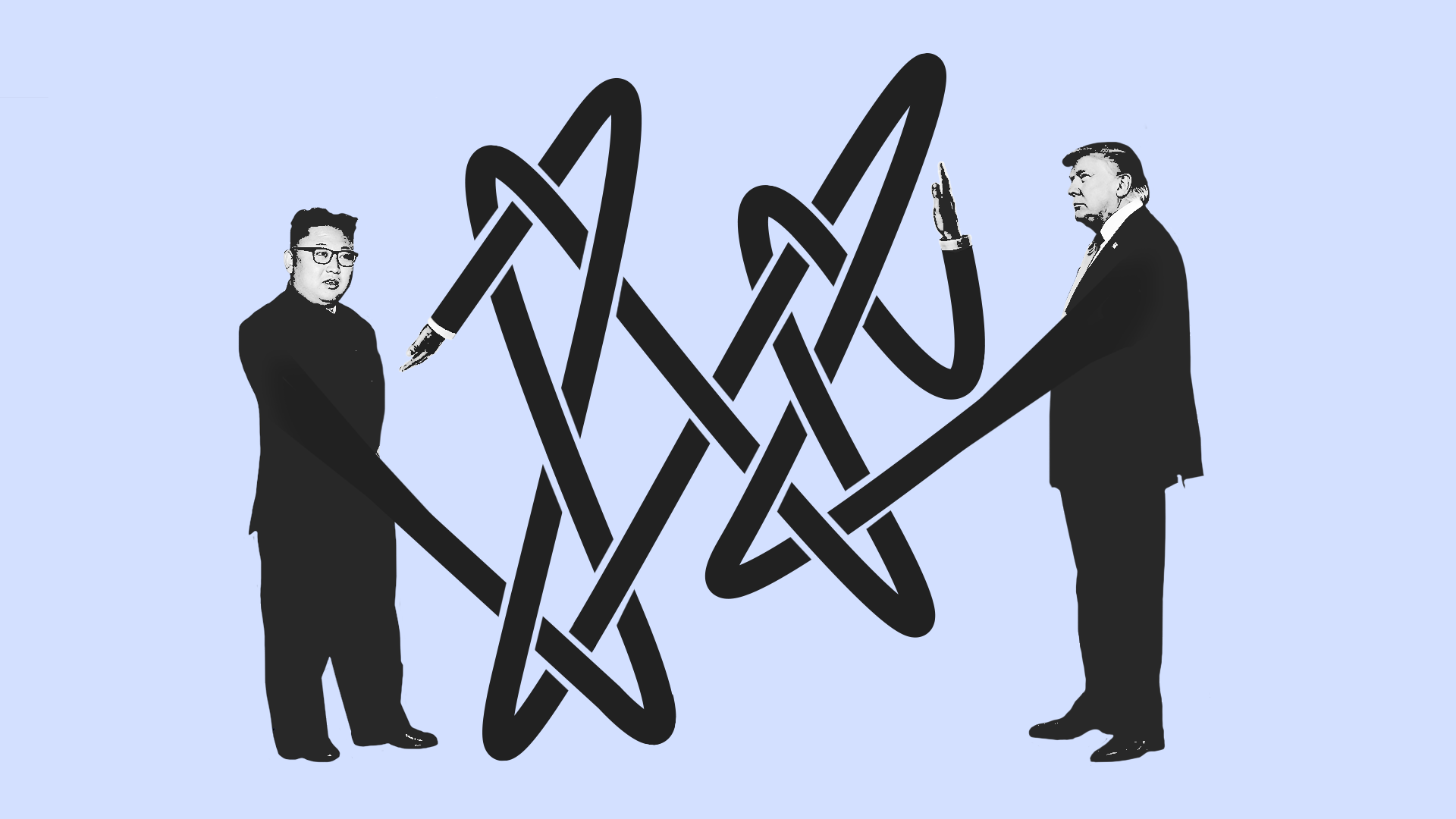
President Trump recently blurted out that North Korea has 57 "very powerful" nuclear weapons.
Experts told Axios that is believable, but is most likely an undercount.
Why it matters: Nuclear arsenals are often spoken of in generalities — round numbers, increases and decreases, confidence levels. Specifics like this, especially from the very top, are rare and raise hackles.
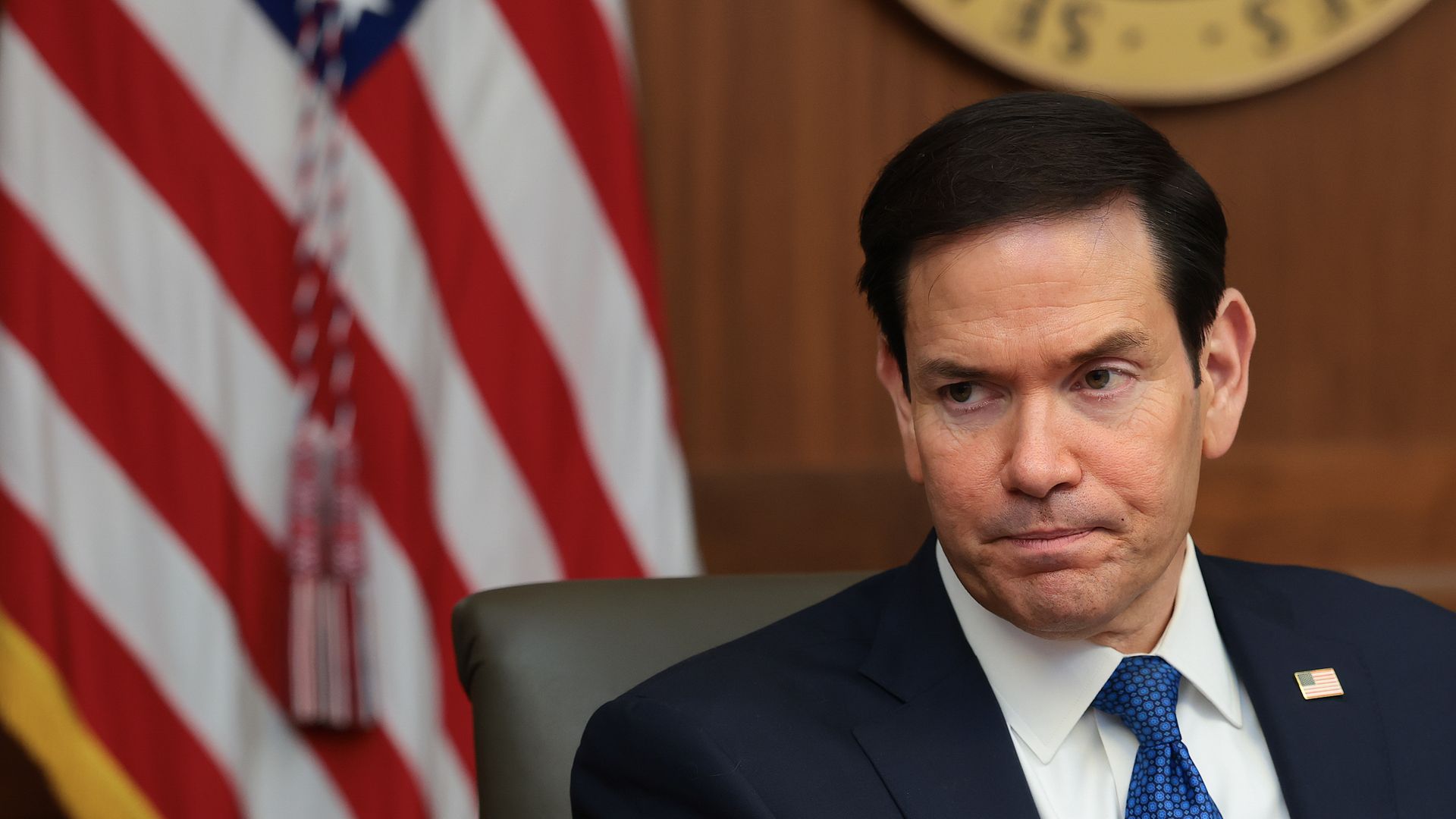
Secretary of State Marco Rubio has told several of his foreign counterparts in recent days that "for the time being" the U.S. is not expected to initiate new strikes against Iran, according to a U.S. official and a second source with knowledge of the matter.
Instead, he's said the focus is on other means of pressure, including the sanctions initiative announced this week.
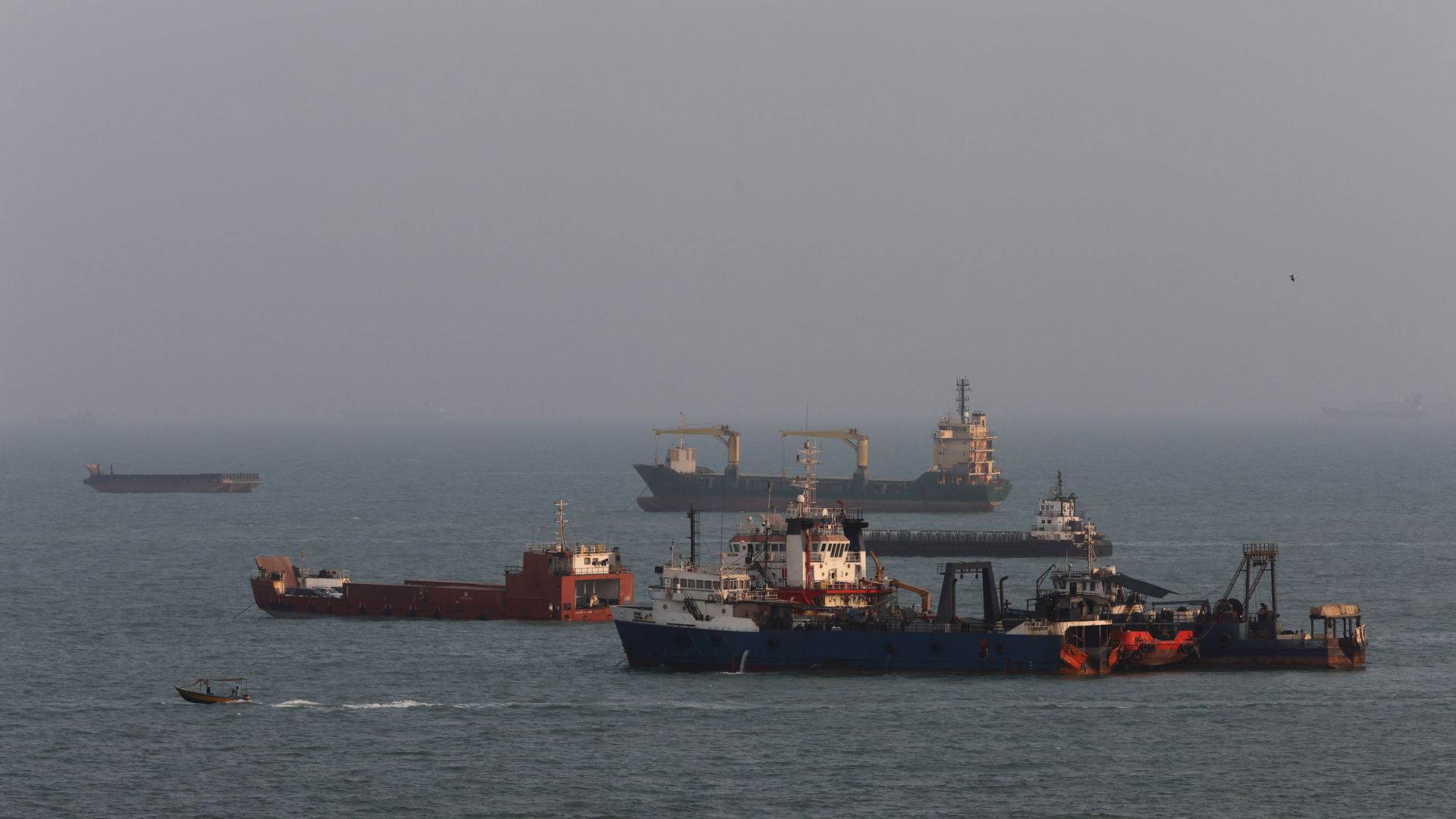
Why it matters: Rubio's message to foreign ministers from several allied countries comes as the U.S. believes it's suffocating Iran with the naval blockade — while moving ever-increasing amounts of oil out of the Strait of Hormuz.
It's also another sign that President Trump is exasperated with the war and wants it to be over, at least for now.
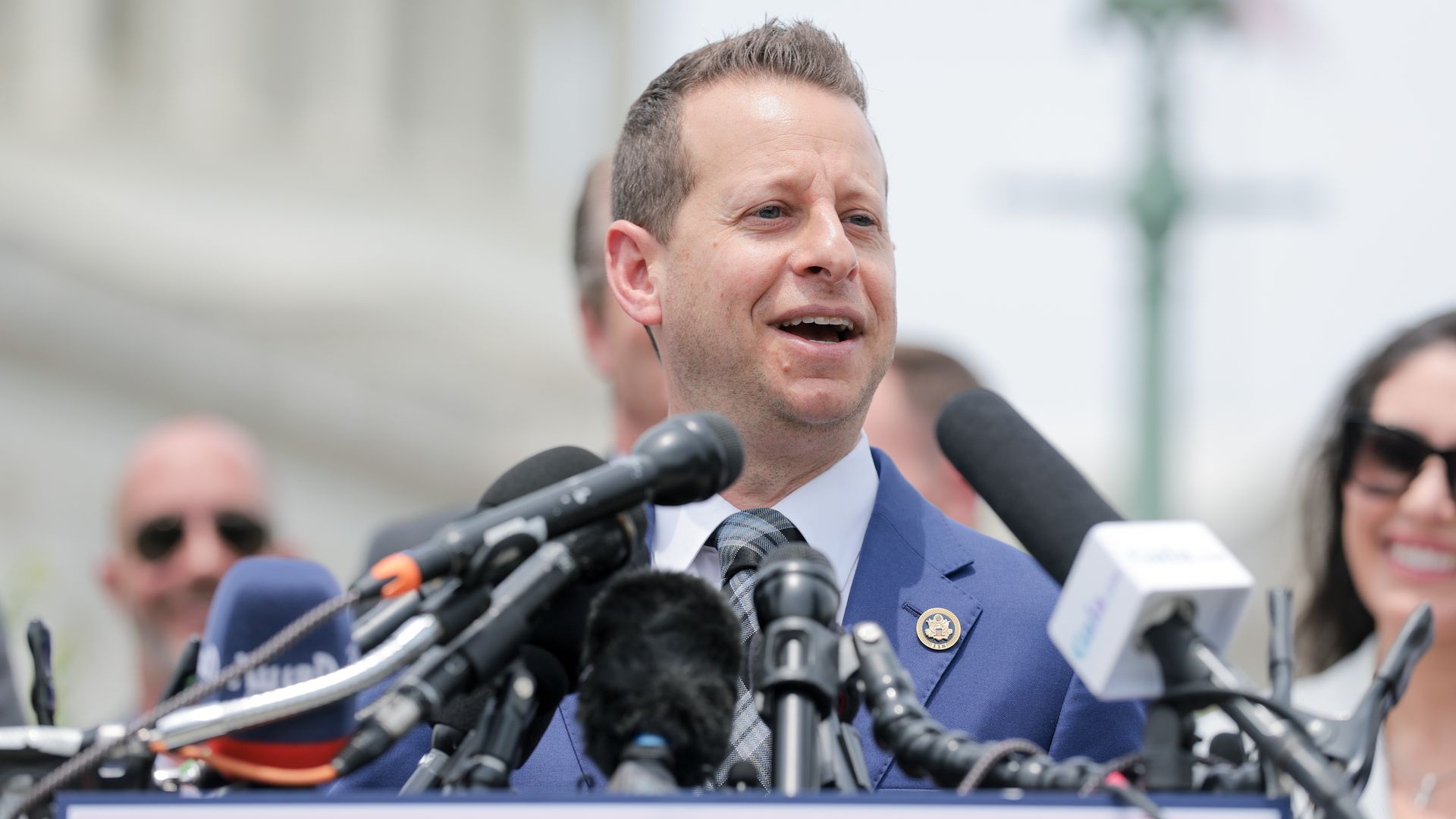
A trio of vocally pro-Israel House Democrats were given powerful posts on the House Foreign Affairs Committee on Tuesday, with one taking the reins of the subcommittee that oversees U.S.-Middle East policy.
Why it matters: It is a substantial win for the party's pro-Israel wing despite growing pro-Palestinian sentiment among the party's grassroots.
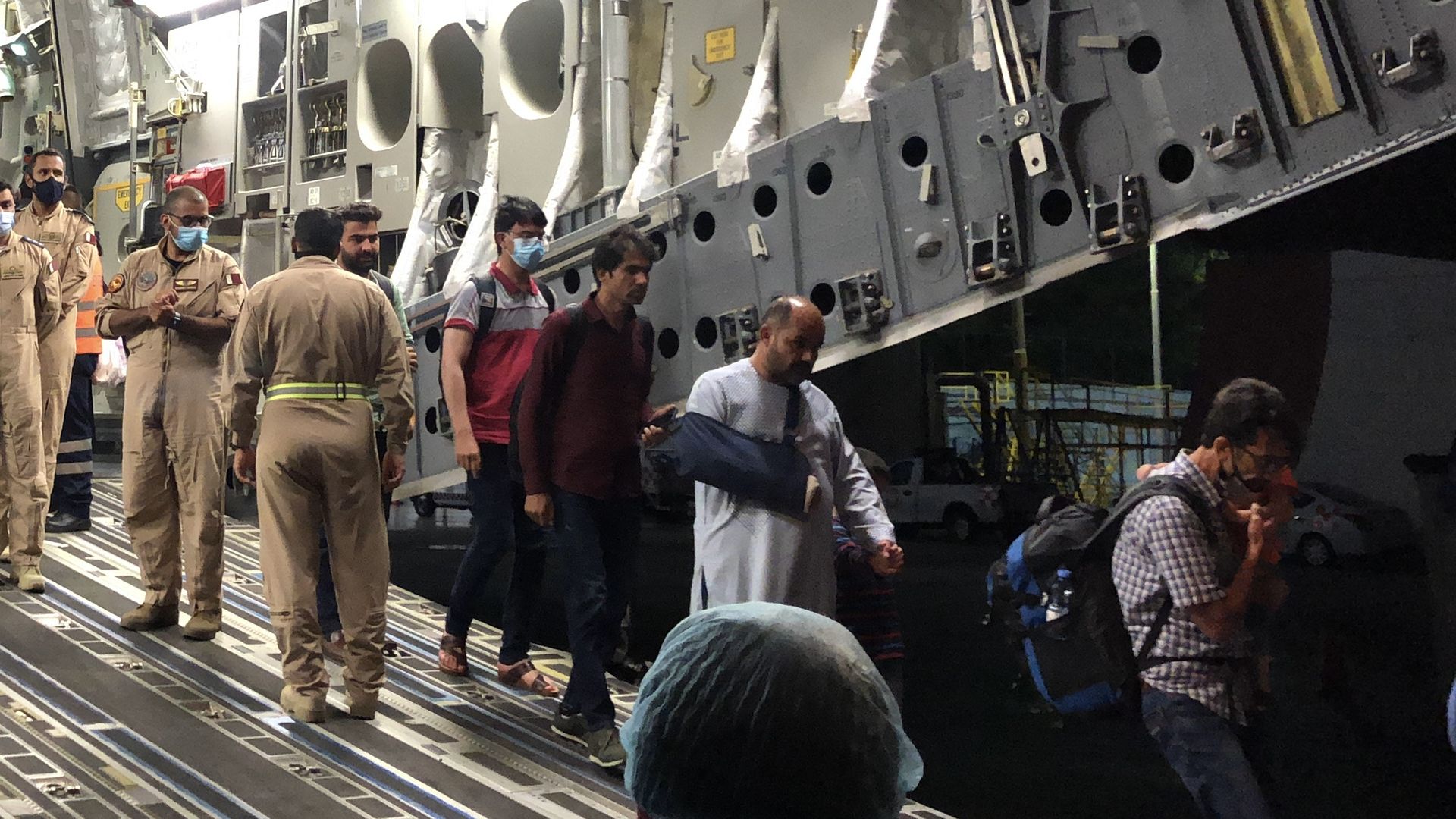
A new book from journalists Rebecca Blumenstein and Diana Kapp provides crucial details about how The New York Times evacuated hundreds of Afghan nationals as the country fell to Taliban rule in 2021.
Why it matters: The account serves as a reminder of the risks many people take to support pivotal journalism, not just the journalists themselves.
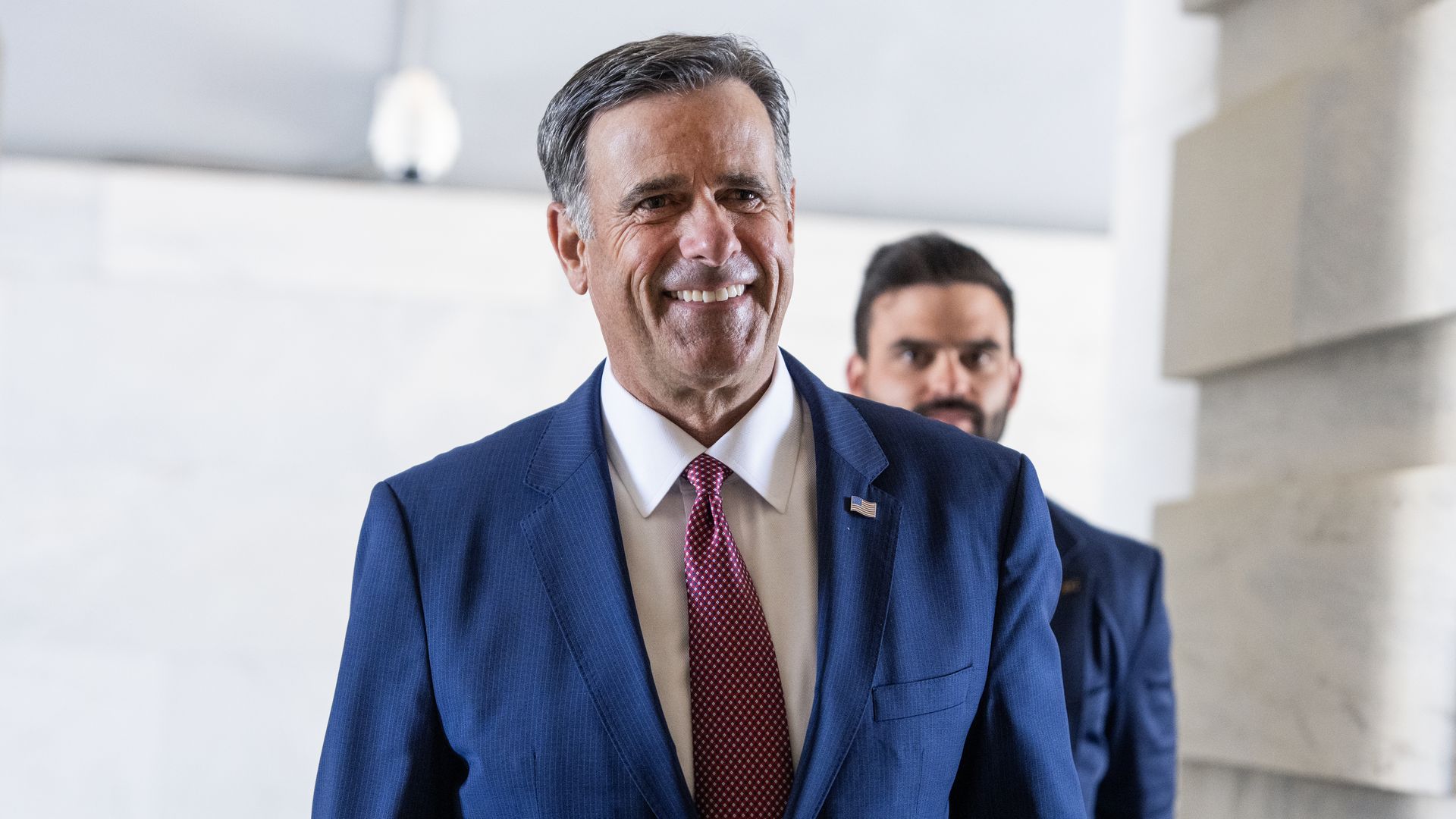
CIA director John Ratcliffe is visiting Moscow on Tuesday for talks with Russian officials, two U.S. officials said.
Why it matters: This is Ratcliffe's first trip to Moscow since he took office and the highest-level visit by a Trump administration official to Russia since January.
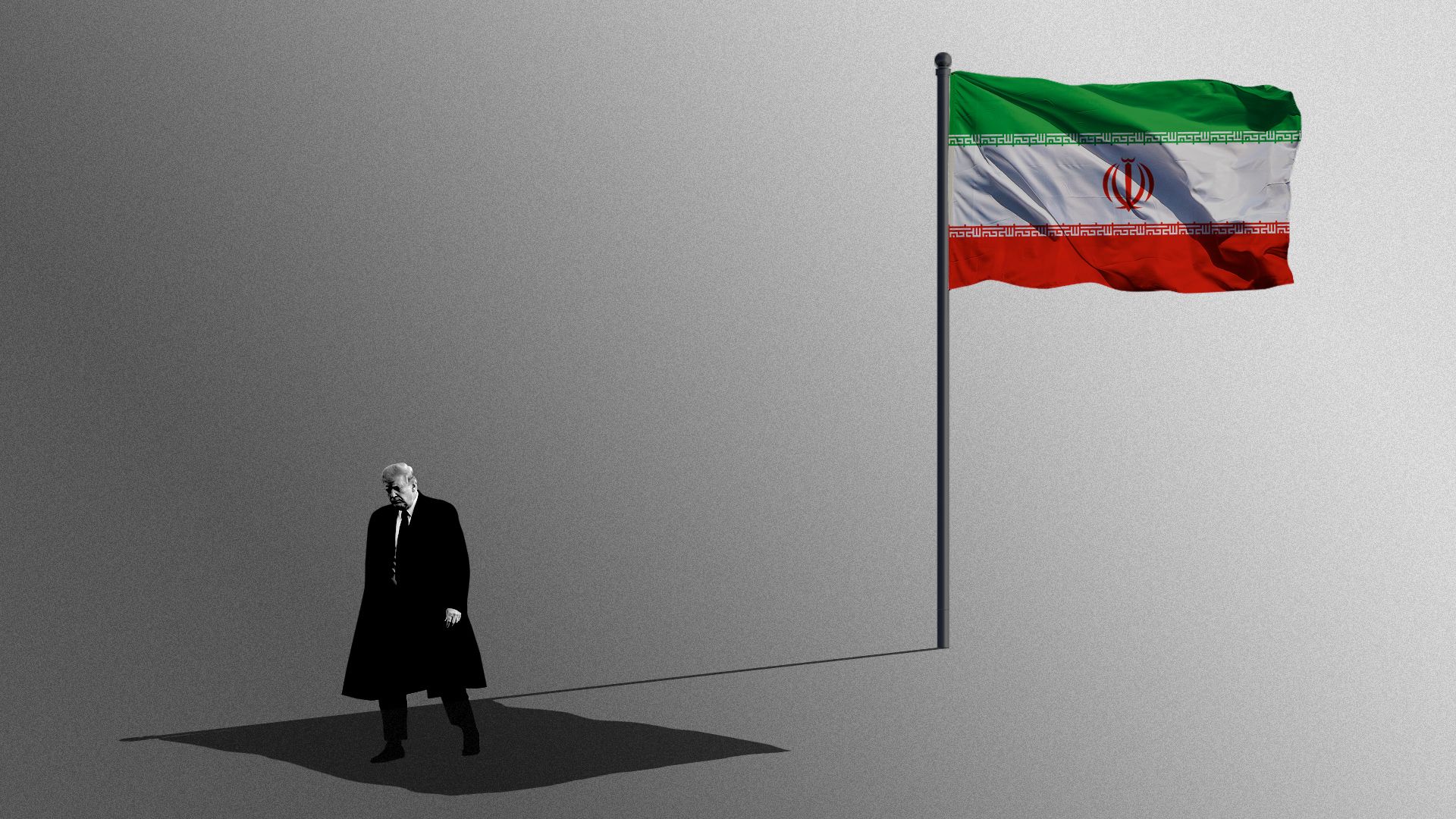
President Trump's "economic D-Day" for Iran came and went Monday with little of the shock or awe it promised, amounting instead to yet another extended ultimatum.
Why it matters: Operation Economic Outcast will unfold not like the Allied invasion of Normandy, but as a sweeping, slow-burn sanctions campaign that could eventually lock Iran's foreign enablers out of the U.S. financial system.