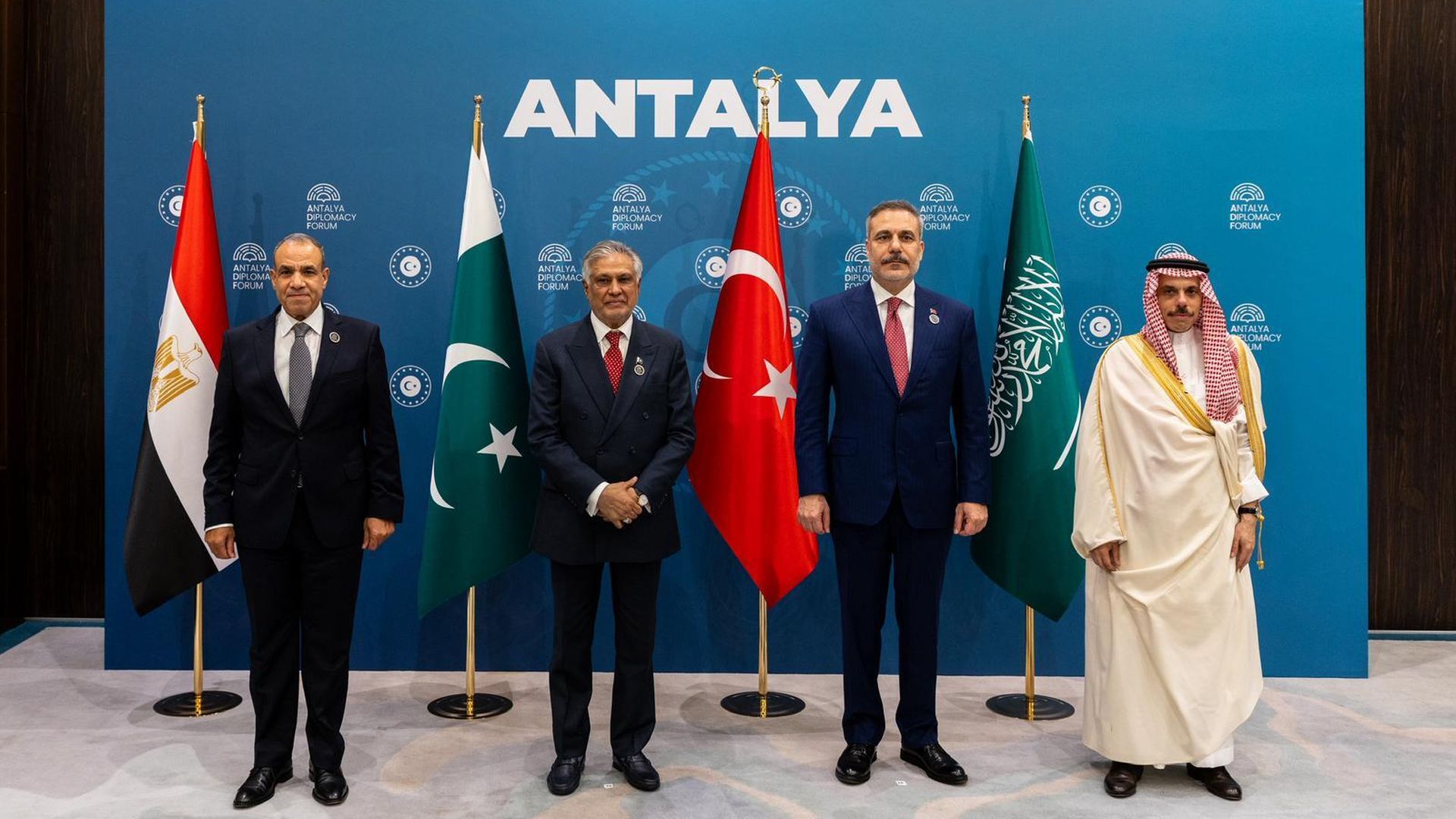
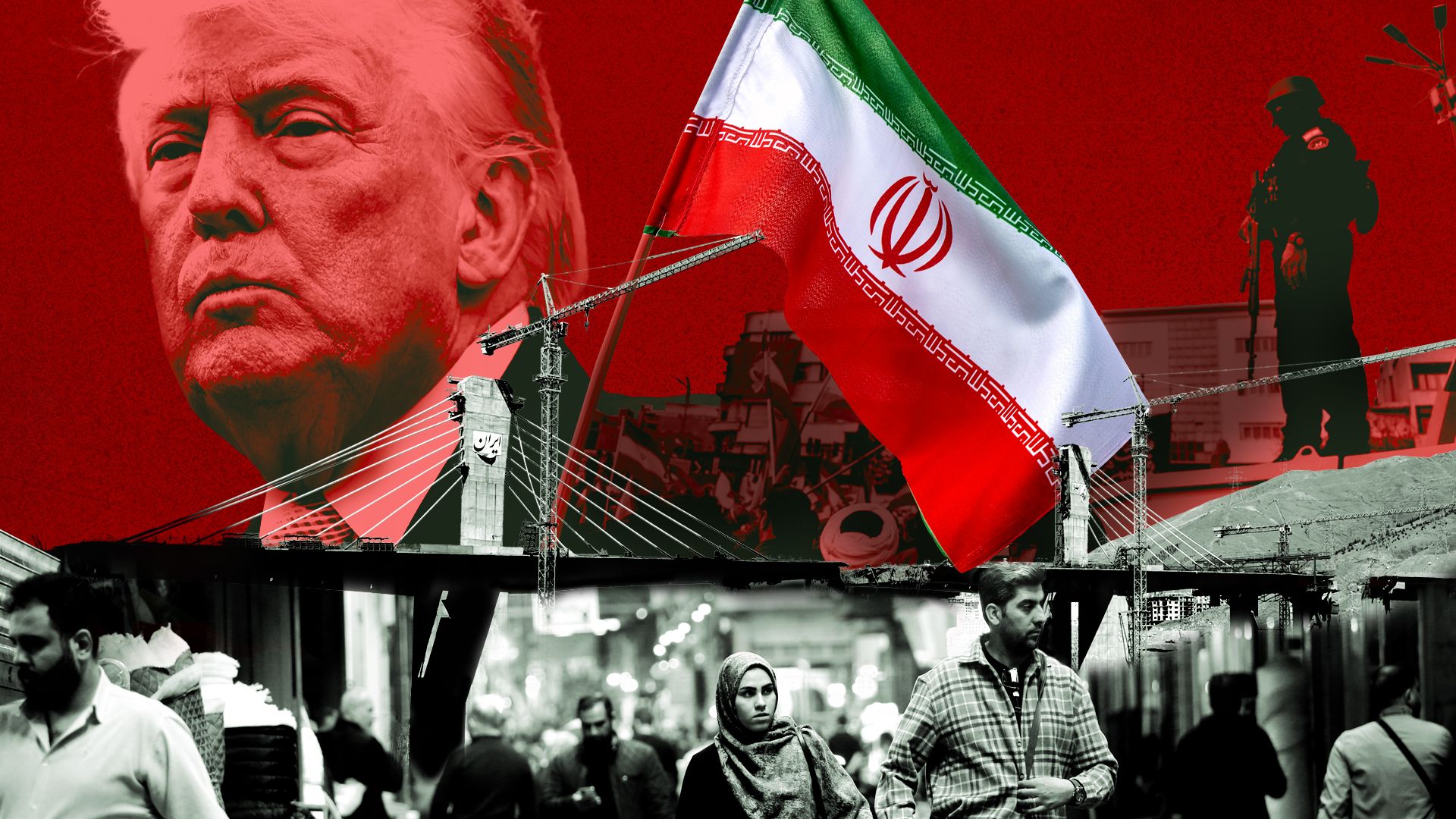
The foreign ministers of Pakistan, Turkey, Egypt and Saudi Arabia met Friday on the sidelines of the Antalya Diplomacy Forum in Turkey to discuss the efforts to reach a deal to end the war between the U.S. and Iran.
Why it matters: This was the third such "quad" meeting since the beginning of the war. While Pakistan has been the main mediator and hosted last weekend's peace talks, Egypt and Turkey have helped push the negotiations forward behind the scenes.
U.S. State Department officials met in Havana with Cuban apparatchiks —including the grandson of aging strongman Raul Castro— to urge democratic and economic freedoms and warn of the risks of not heeding their advice, Axios has learned.
The U.S. delegation also offered to help restore internet services by setting up Starlink satellite services.
Why it matters: The meeting last Friday itself marks a diplomatic breakthrough because it's the first time a U.S. government plane has touched down since President Obama visited a decade ago in an effort for rapprochement.
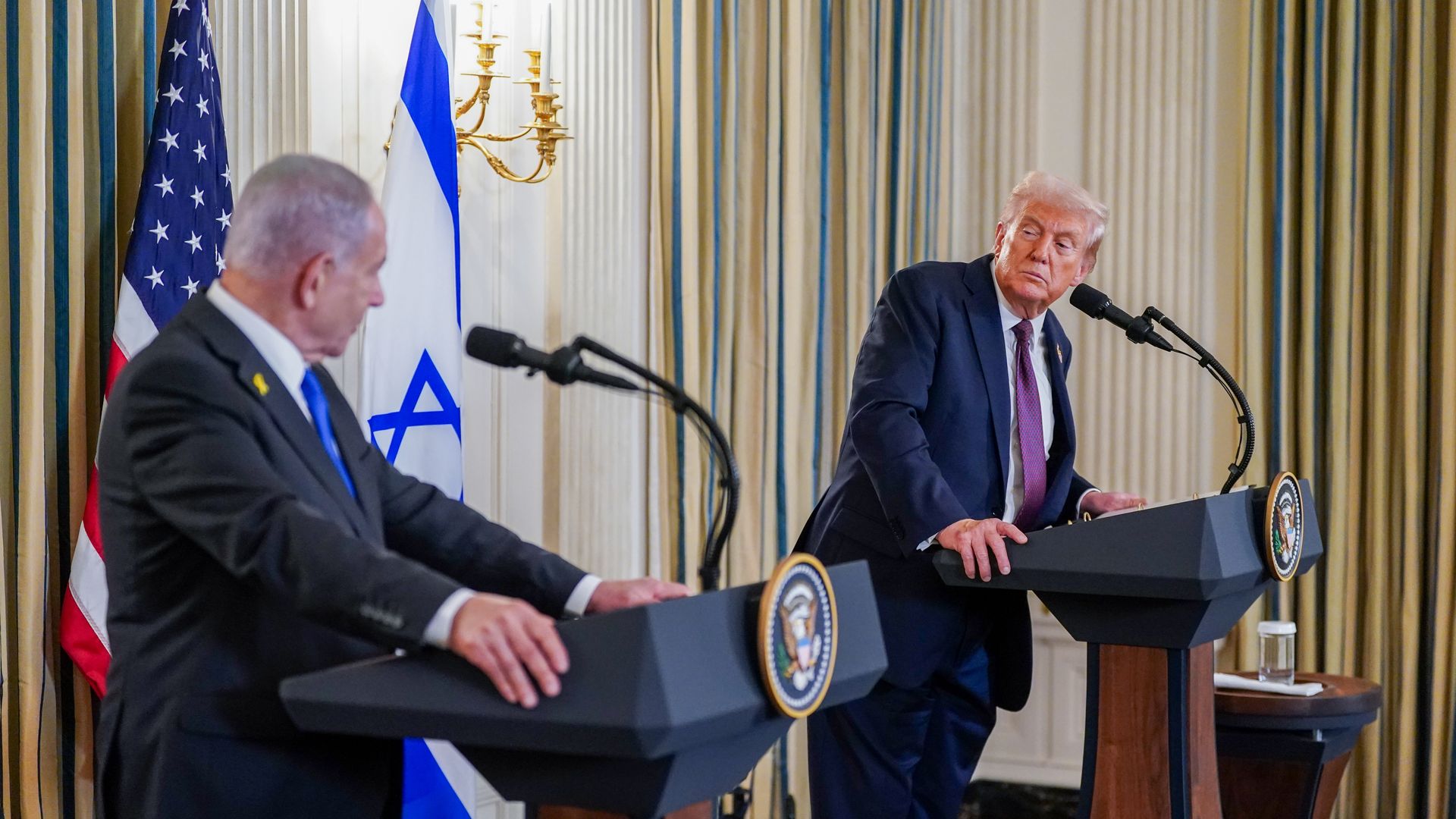
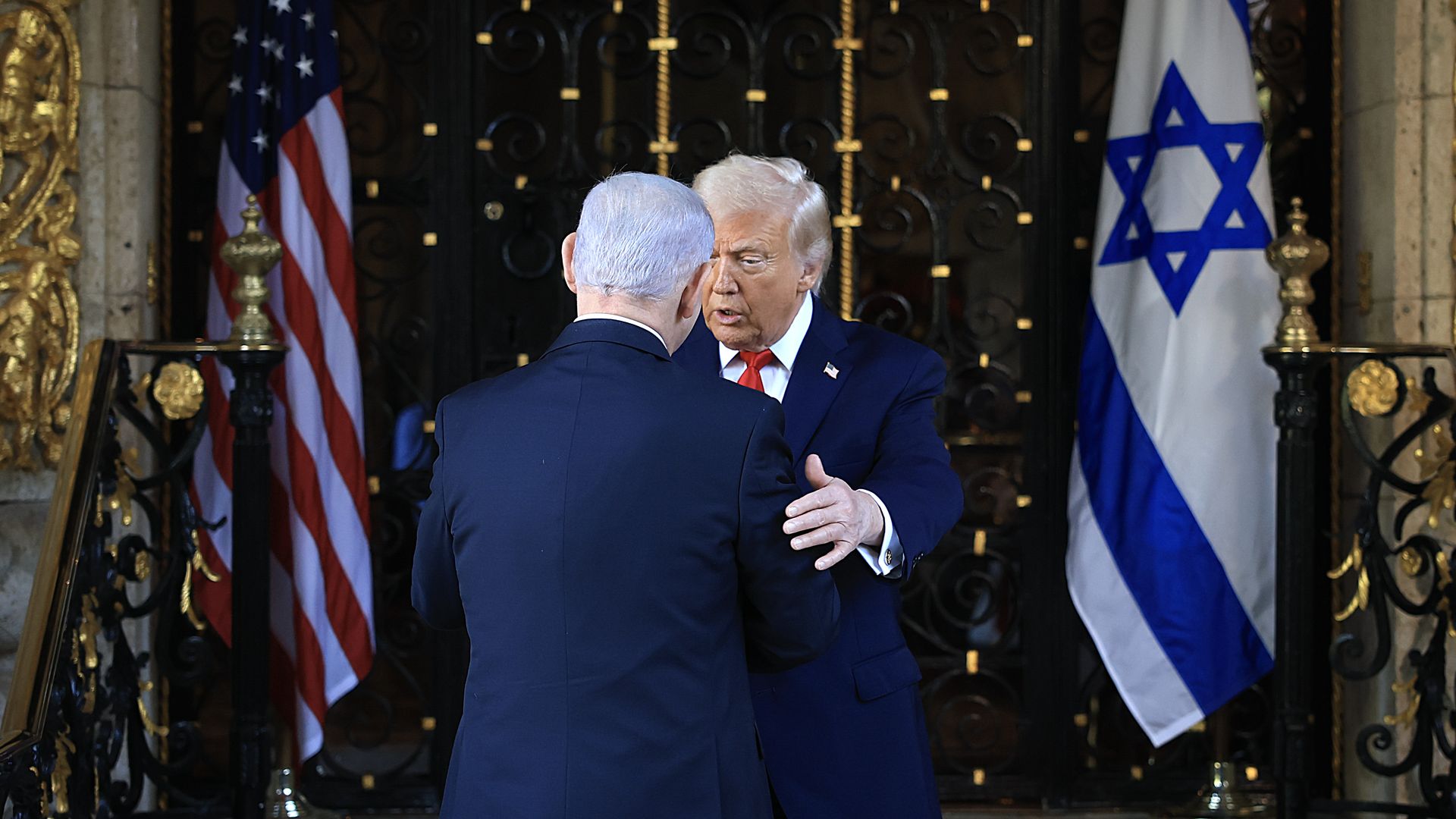
Israel asked the White House for clarifications about President Trump's post that Israel was "prohibited" from conducting airstrikes in Lebanon, a U.S. source and another source familiar tell Axios.
Why it matters: Israeli Prime Minister Benjamin Netanyahu and his advisers were shocked by Trump's post, which contradicted the text of the ceasefire agreement between Israel and Lebanon that the State Department published on Thursday.
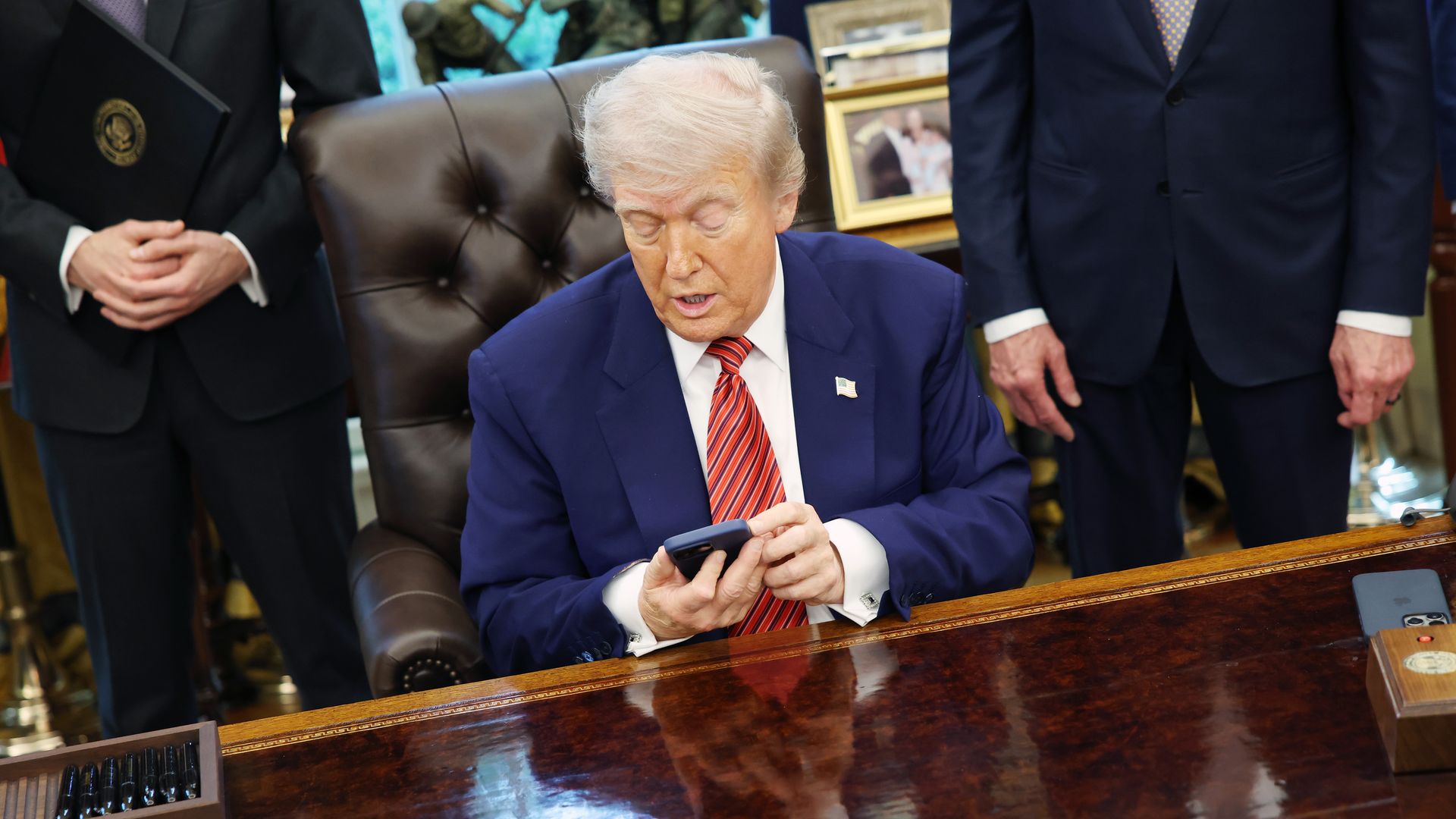
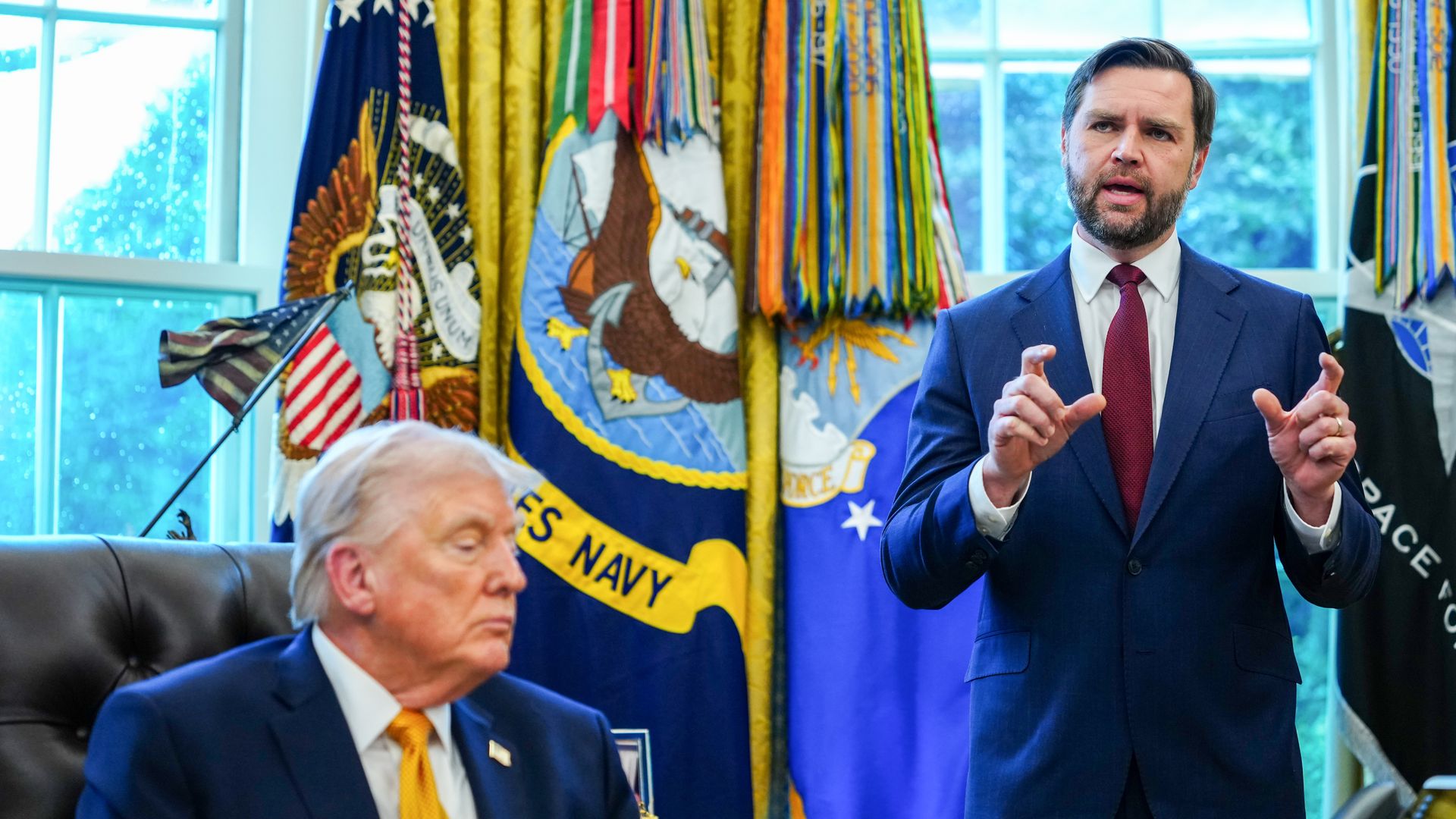
President Trump told Axios that U.S. and Iranian negotiators will probably meet this weekend, and he expects them to hammer out a final deal to end the war.
Reality check: Multiple U.S. officials and other sources briefed on the negotiations have told Axios that while significant progress has been made and the U.S. and Iran are now closing in on a three-page peace plan, gaps still remain on critical issues.
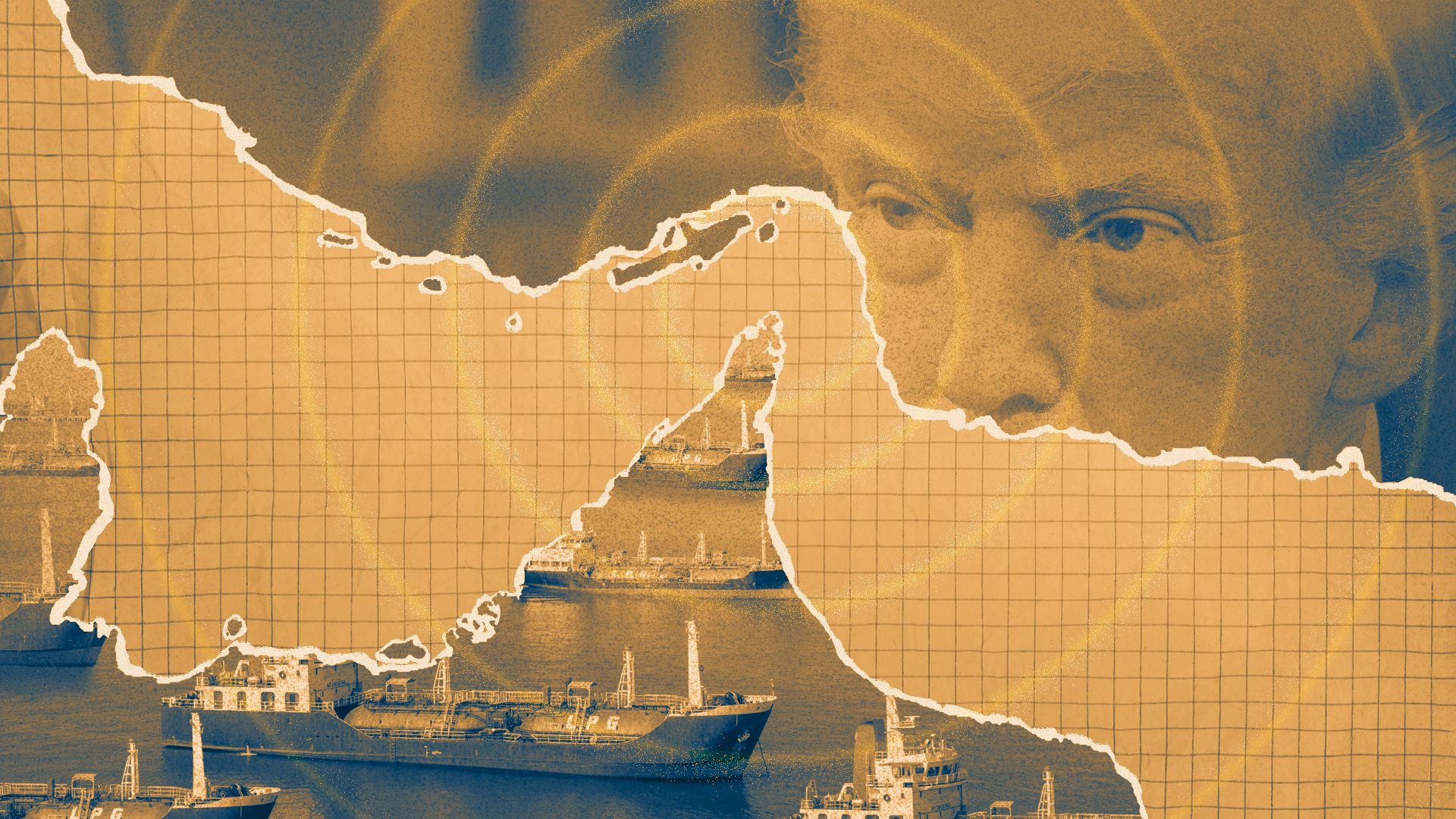
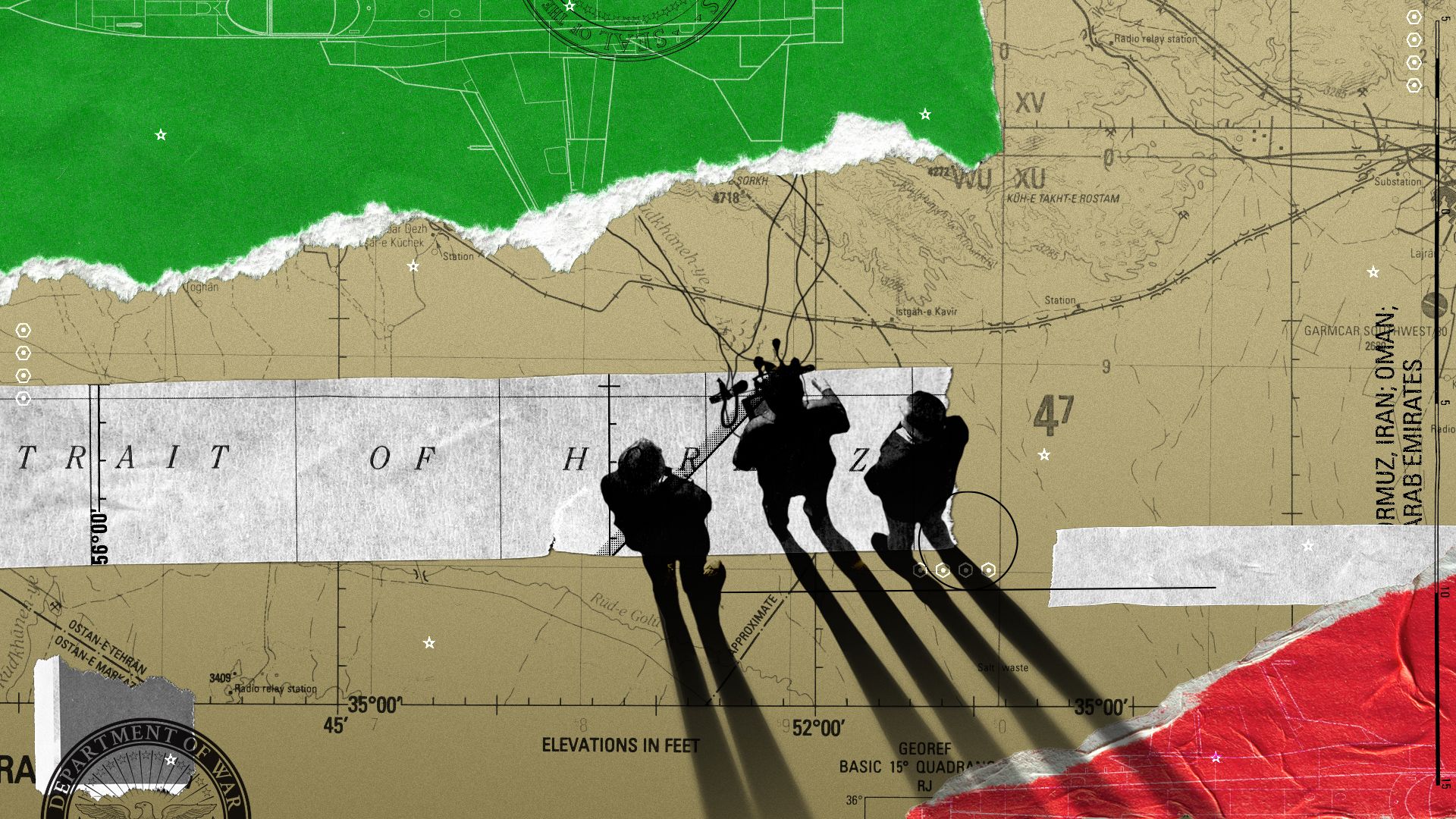
The blockage to energy supplies through the Persian Gulf appears to have ended. If it holds, it takes a massive weight off the world economy.
Why it matters: The possibility of a prolonged disruption to the supply of crude oil, liquefied natural gas, fertilizer and other commodities looks to be off the table.
Oil prices dropped over 10% Friday after President Trump and Iran's foreign minister claimed the Strait of Hormuz — the world's most critical energy shipping lane — is open for transit.
Why it matters: The steep selloff signals traders see a real sign that the unprecedented throttling of oil and petroleum product flows could significantly ease.
The U.S. and Iran are negotiating over a three-page plan to end the war, with one element under discussion being that the U.S. would release $20 billion in frozen Iranian funds in return for Iran giving up its stockpile of enriched uranium, according to two U.S. officials and two additional sources briefed on the talks.
Why it matters: There has been steady progress in the talks this week, though significant gaps remain. A deal on these terms would bring the war to a close, while potentially generating backlash from Iran hawks.
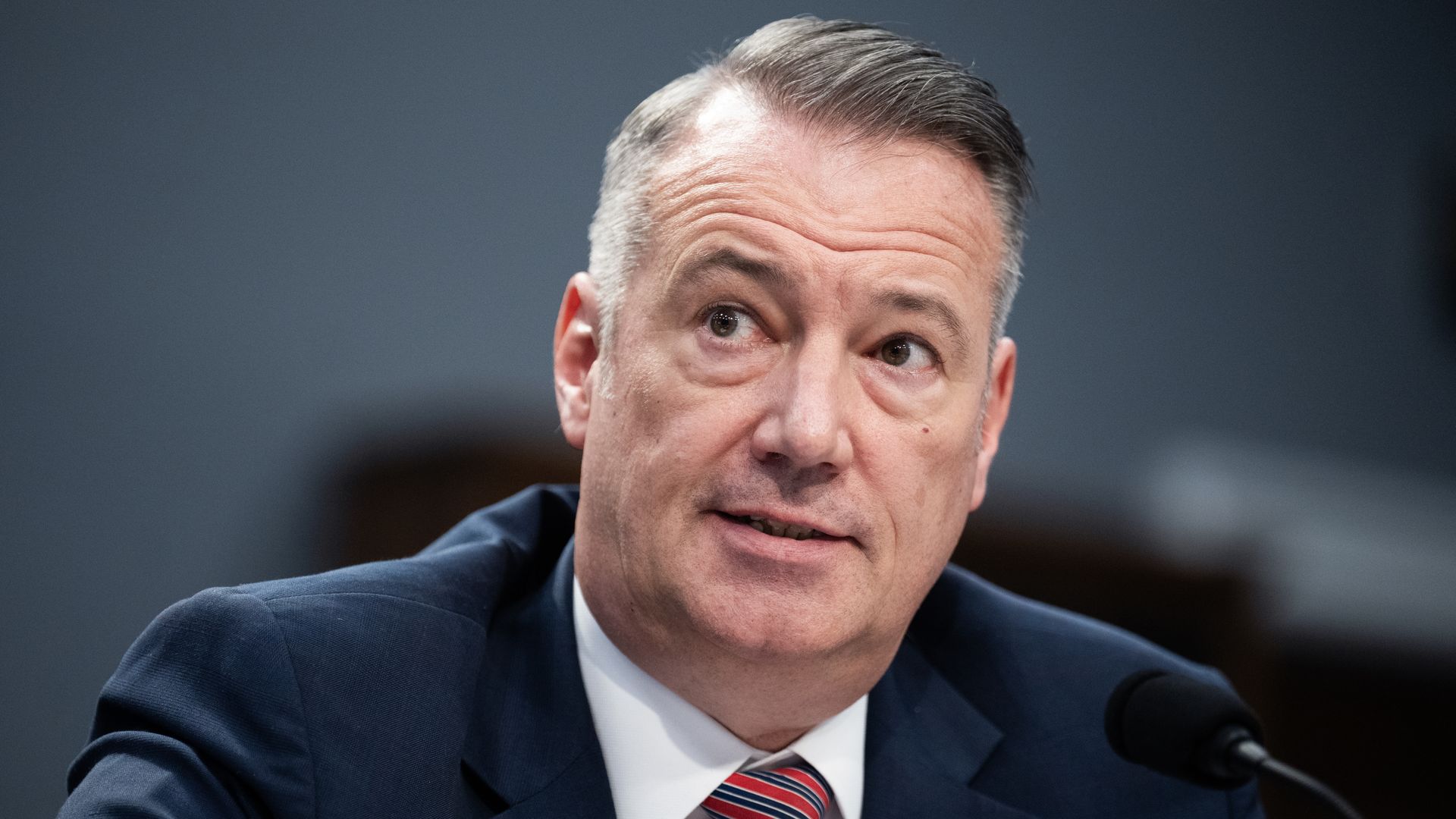
Acting Immigration and Customs Enforcement director Todd Lyons submitted his resignation on Thursday, Homeland Security Secretary Markwayne Mullin confirmed.
Why it matters: Lyons has defended ICE's conduct in Congress and the courtroom as the agency faces scrutiny over President Trump's mass deportation drive.
A group of House Democrats is discussing plans to force a vote on an Iran war powers resolution every day until one finally passes or U.S. operations in the region end, Axios has learned.
Why it matters: It's the kind of showy flood-the-zone tactic that the Democratic grassroots is constantly trying to get the party's lawmakers to pursue in resisting the Trump administration.
President Trump announced that Israel and Lebanon agreed to a 10-day ceasefire, to begin on Thursday at 5pm ET.
The big picture: The U.S. has been pressing for a ceasefire between Israel and Lebanon for several days, while working in parallel on a potential peace deal with Iran.
House Democrats failed Thursday to pass a war powers resolution that would constrain President Trump's ability to wage war with Iran.
Why it matters: It is the thirdtime Democrats have tried and failed to pass an Iran war powers resolution, which some lawmakers fear will be seen as a green light to the Trump administration to keep ignoring Congress.
The Iran war may well be heightening countries' desire to diversify away from the U.S. dollar. But desire alone won't change the underpinnings of global commerce.
The big picture: There has been plenty of chatter about the breakdown of the petrodollar system under which Middle East oil exporters accumulate and redeploy dollars, and about the world's broader reliance on the dollar as a reserve currency. But there's not much evidence of an accelerating shift along those lines.
Indeed, the war has coincided with a surge in the dollar's value on currency markets.
Early signs are emerging that the energy shock could aid the global spread of renewable power, batteries, electric cars and other climate-friendly tech.
Why it matters: The throttling of oil and gas transit — together with higher prices — has short- and long-term consequences for use and economics of different fuels.
The Iran war is hurting countries far from the Middle East that have no direct involvement in the conflict — and while the U.S. has largely escaped the worst economic impacts, experts warn this could soon change.
Why it matters: As American and Iranian negotiators inch toward a peac deal, the conflict is hurting countries the U.S. relies on for key imports.