Israel gave Hamas an updated proposal for a deal to release some of the remaining 100 hostages held by Hamas and begin aceasefire in Gaza, two Israeli officials said.
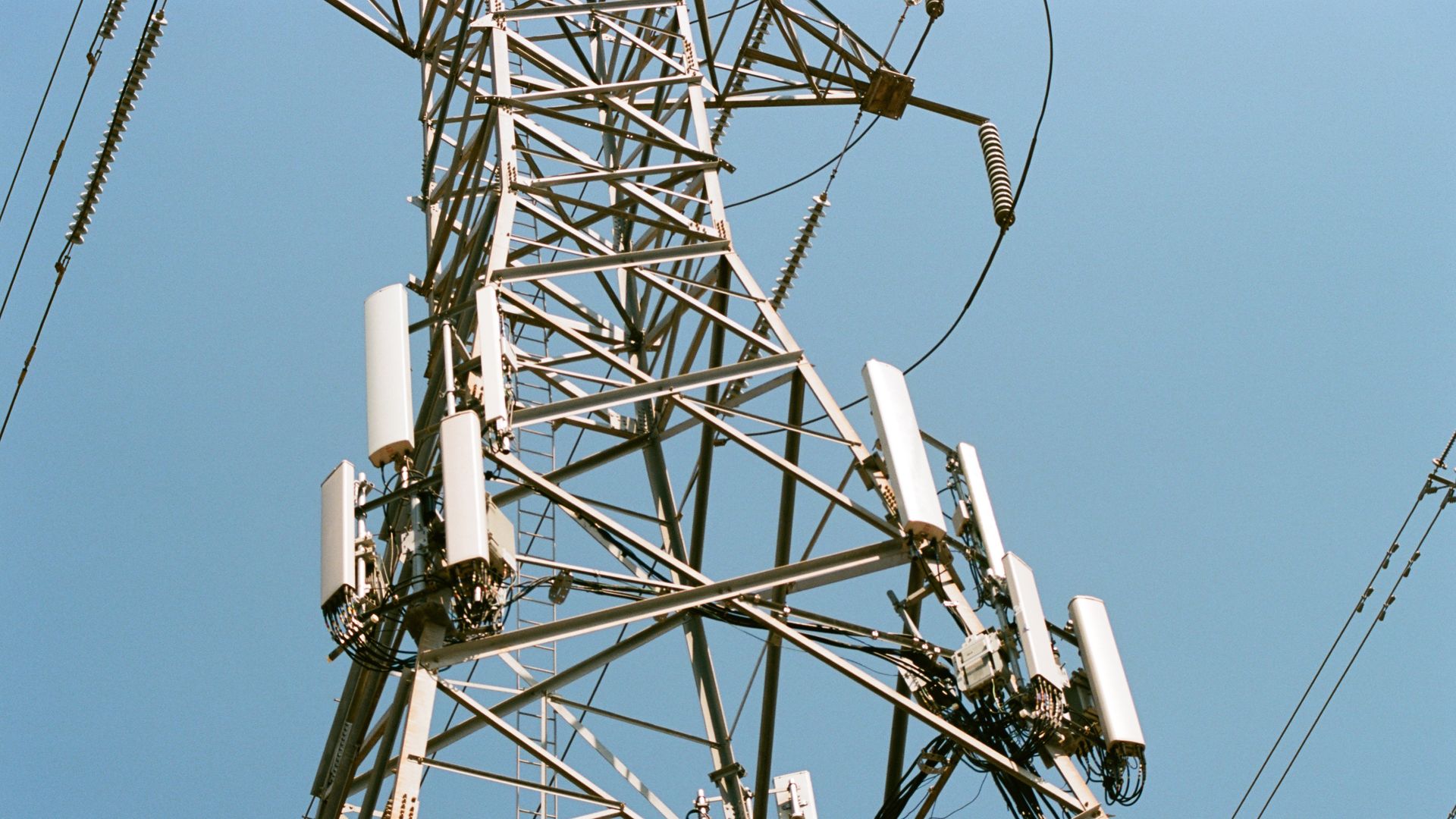
At least eight U.S. telecommunications carriers were compromised during a wide-reaching Chinese espionage campaign, Anne Neuberger, deputy adviser of cybersecurity and emerging tech, told reporters Wednesday.
Why it matters: This is the first time the U.S. has confirmed the number of carriers reeling from the Salt Typhoon campaign — more than three months after news reports started uncovering details about the operation.
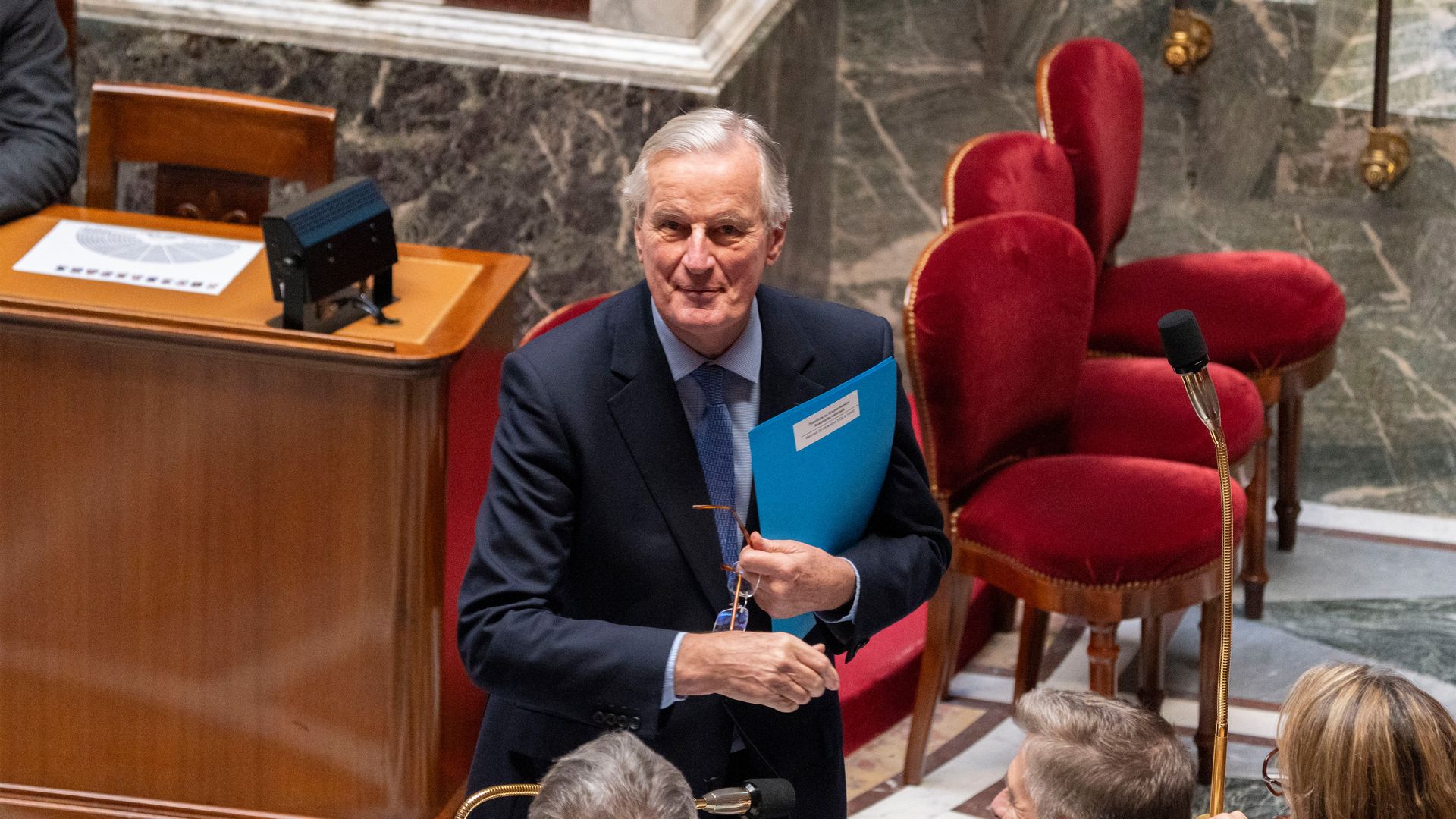
The French government collapsed on Wednesday as parliament voted to oust Prime Minister Michel Barnier and his cabinet, throwing the nation into the worst political and fiscal turmoil in decades.
Why it matters: The chaos leaves Europe's second largest economy without a functioning government for the first time in 60 years — the most severe fallout to date from the efforts to shrink its deficit.
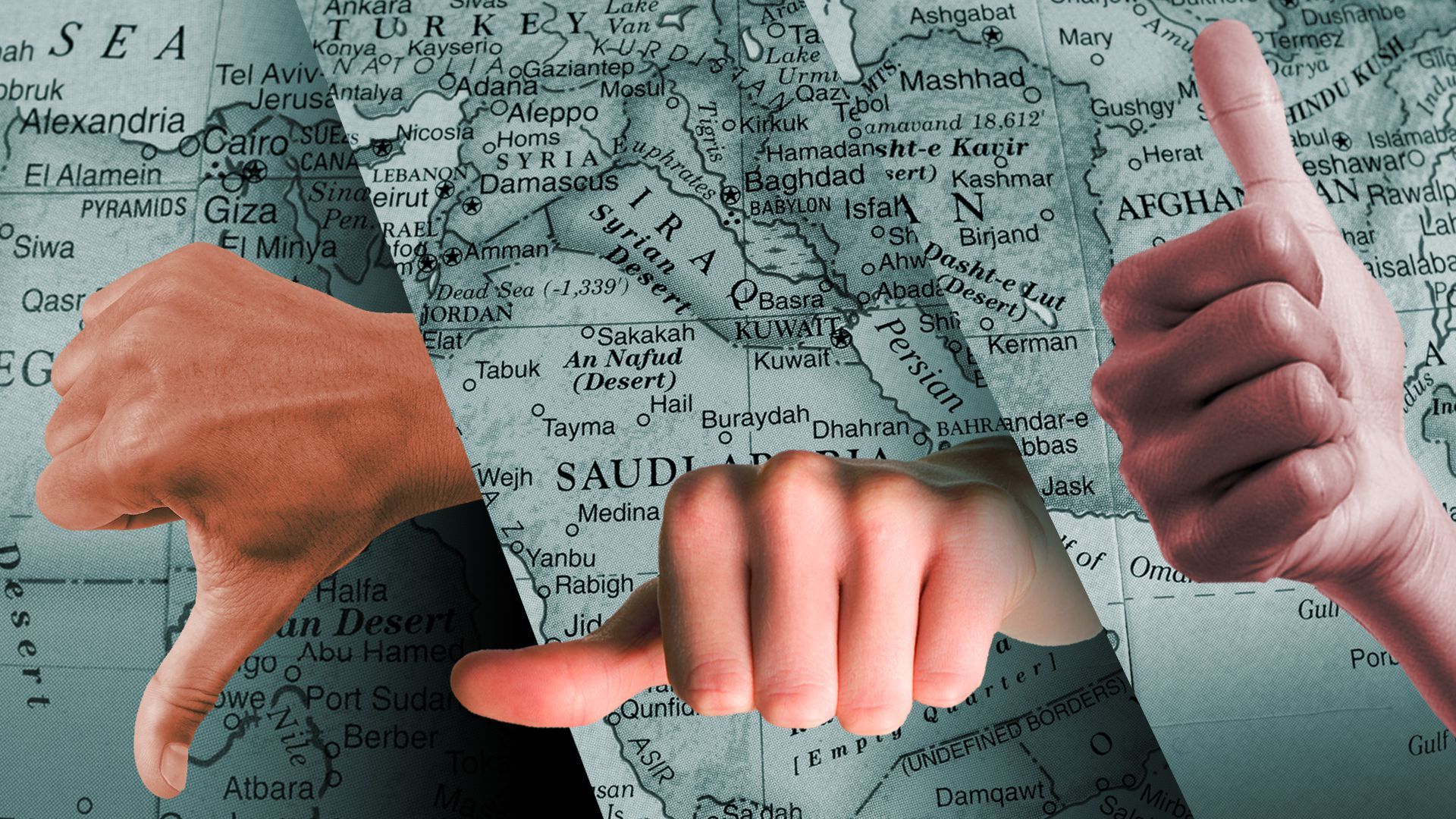
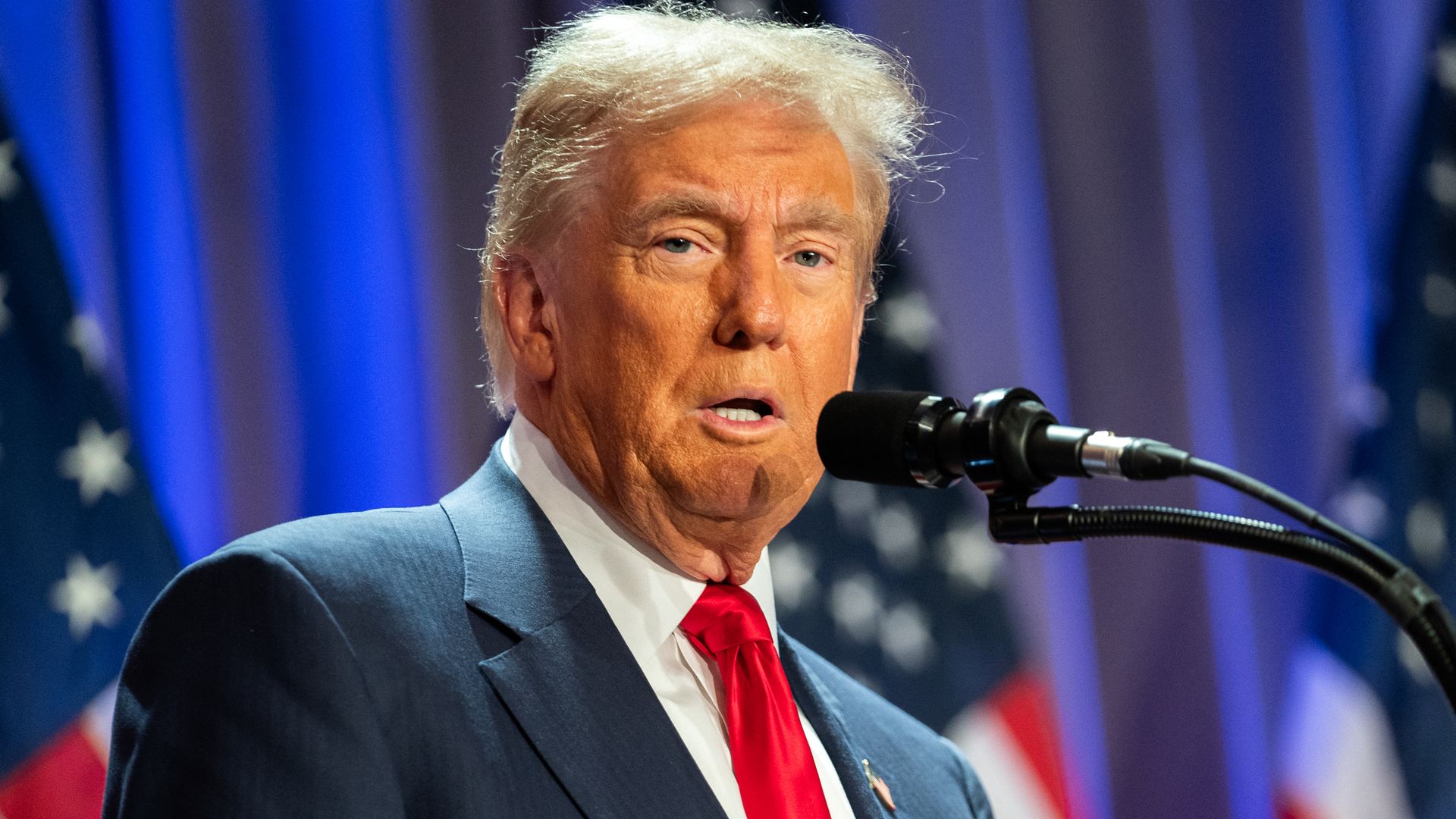
The greater Middle East is erupting, and in just six weeks — tick tock, tick tock — it's Donald Trump's problem.
Why it matters: For all the attention paid to technological face-offs with China and measurements of military might in the Indo-Pacific, it will be the pressures of the Middle East that dominate the early days of Trump's Pentagon.
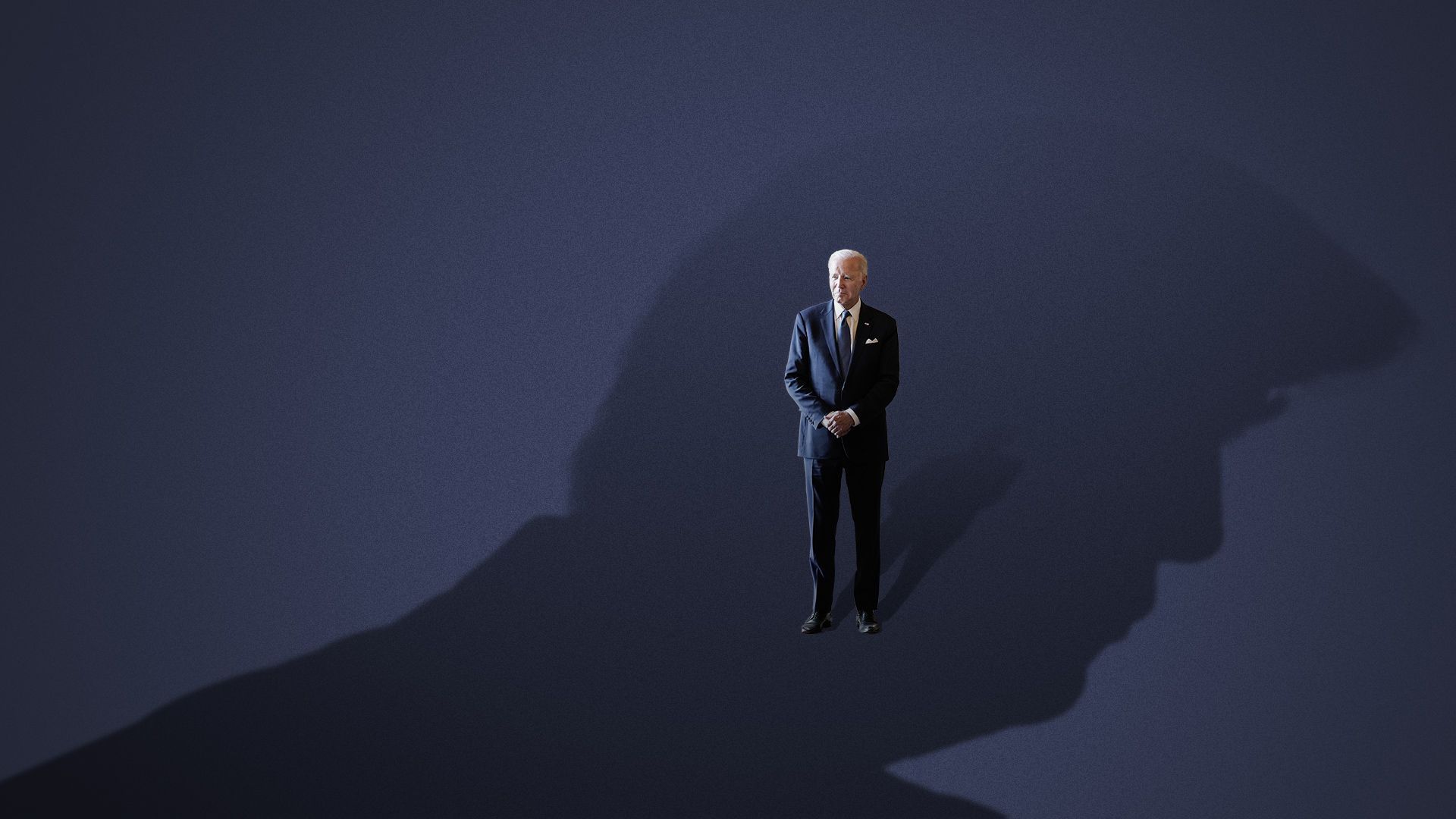
President-elect Trump's bombastic policy threats, Mar-a-Lago missives and mere presence have become a driving force in markets and capitals around the world, six weeks before Trump's inauguration.
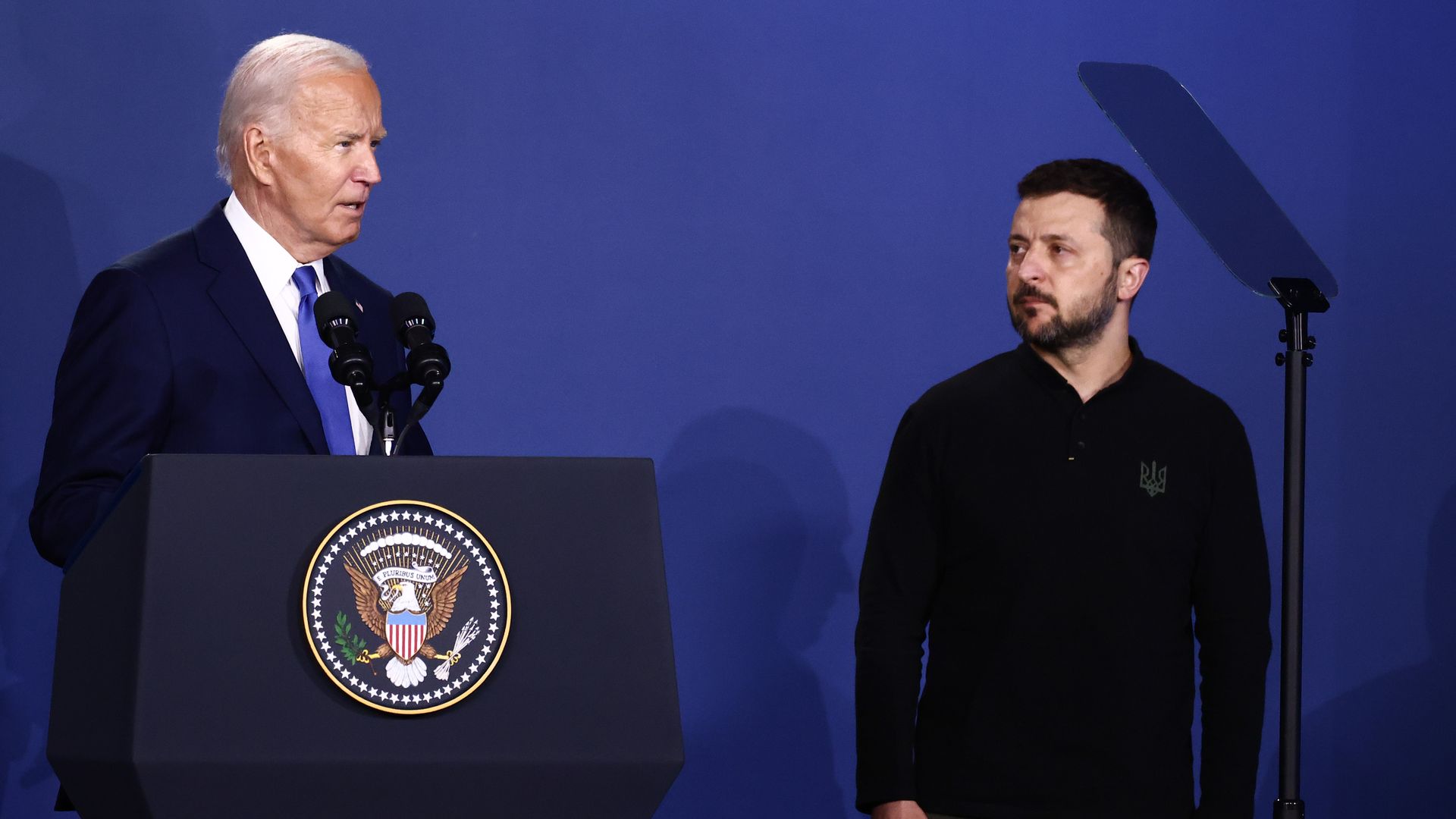
Why it matters: Only one man occupies the White House. But the norm-busting assertiveness of Trump and his transition team — and the rapidly fading relevance of President Biden — have given the U.S. something of a two-headed presidency.
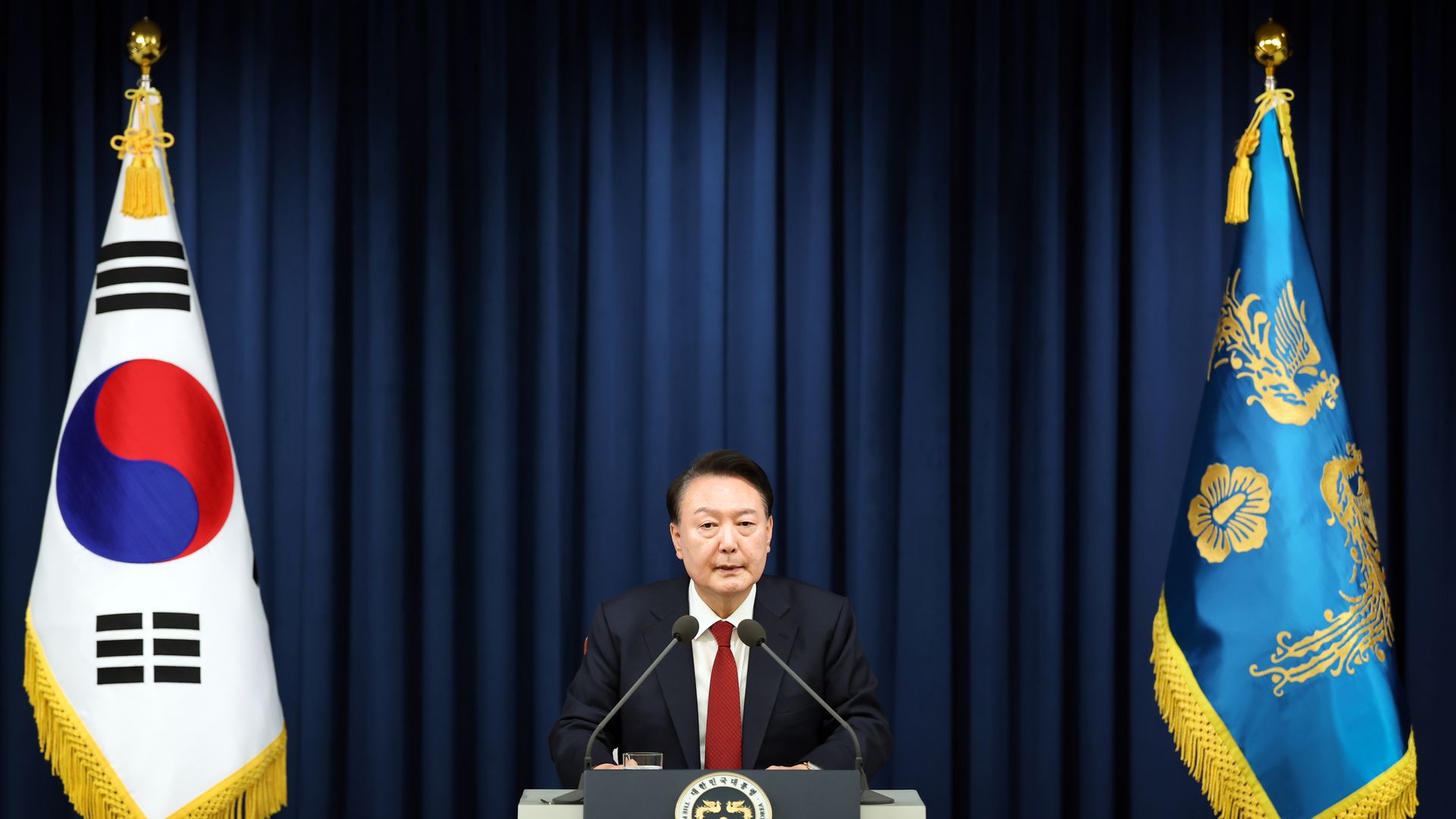
South Korean President Yoon Suk Yeol walked back his Tuesday declaration of martial law hours after the country's National Assembly voted to strike down his stunning decree that sparked a constitutional crisis for one of the closest U.S. allies in Asia.
The latest: The Korean Confederation of Trade Unions announced plans to strike until Yoon resigns and opposition lawmakers told reporters they had submitted a motion to impeach the president on Wednesday.
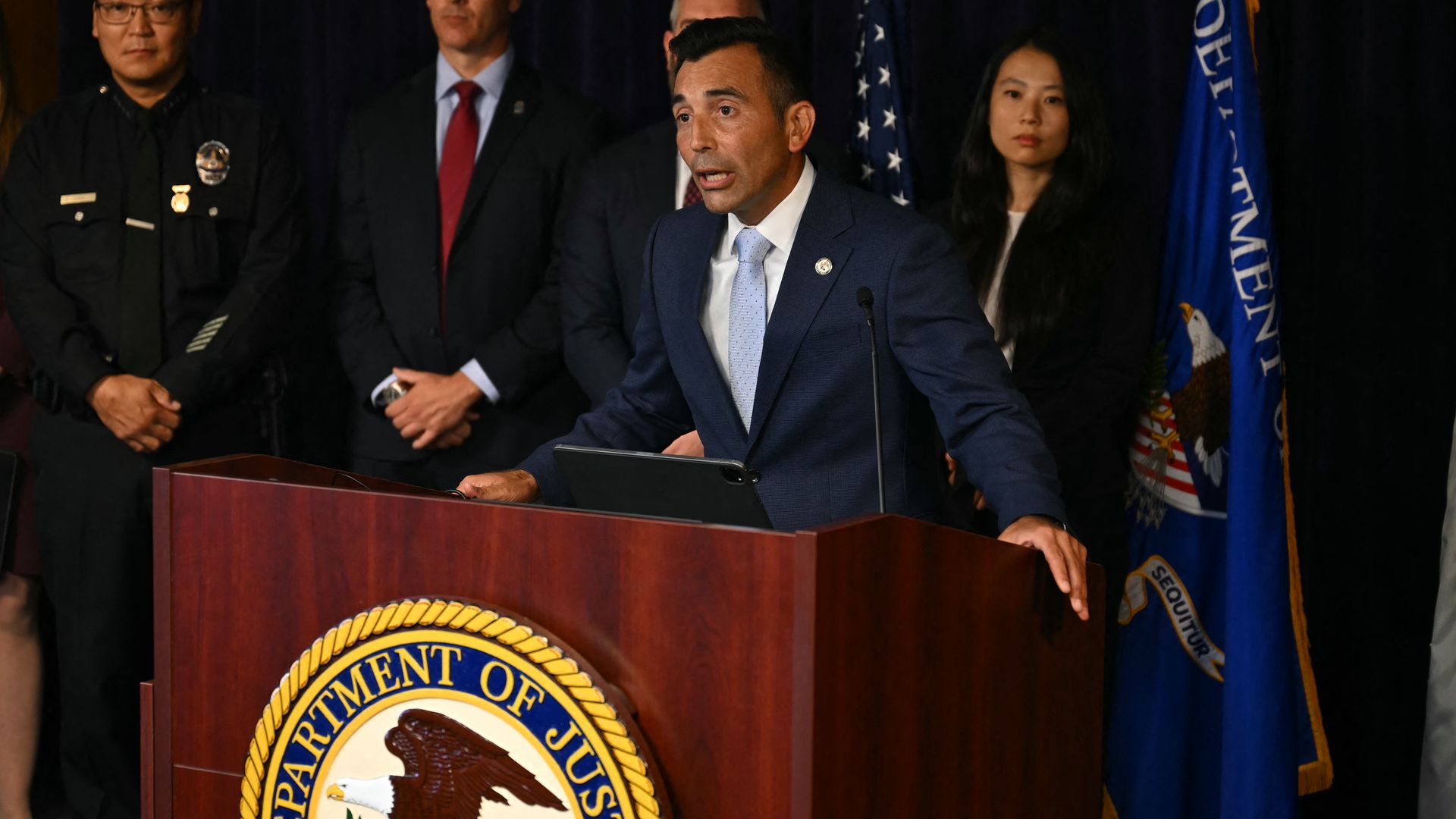
A man in California has been arrested for allegedly sending weapons and ammunition to North Korea from the U.S., prosecutors announced Tuesday.
The big picture: Shenghua Wen, a Chinese national living unlawfully in Ontario, Calif., is accused of spending $2 million on weapons for Pyongyang and allegedly told the FBI he believed Kim Jong-un's regime wanted the arms "to prepare for an attack against South Korea," per a criminal complaint.
South Korean President Yoon Suk Yeol was a political novice when he became the country's conservative leader in 2022 during a closely contested election. His approval rating has dipped in recent months.
The big picture: In a shocking move, Yoon declared emergency martial law on Tuesday, citing pro-North Korean forces. The South Korean parliament subsequently voted to immediately lift Yoon's martial law declaration; he must comply under the constitution.
China-linked spies are still lurking inside U.S. telecommunications networks roughly six months after American officials started investigating the intrusions, senior officials told reporters Tuesday.
Why it matters: This is the first time U.S. officials have confirmed reports that Salt Typhoon hackers still have access to critical infrastructure — and they're proving difficult to kick out.
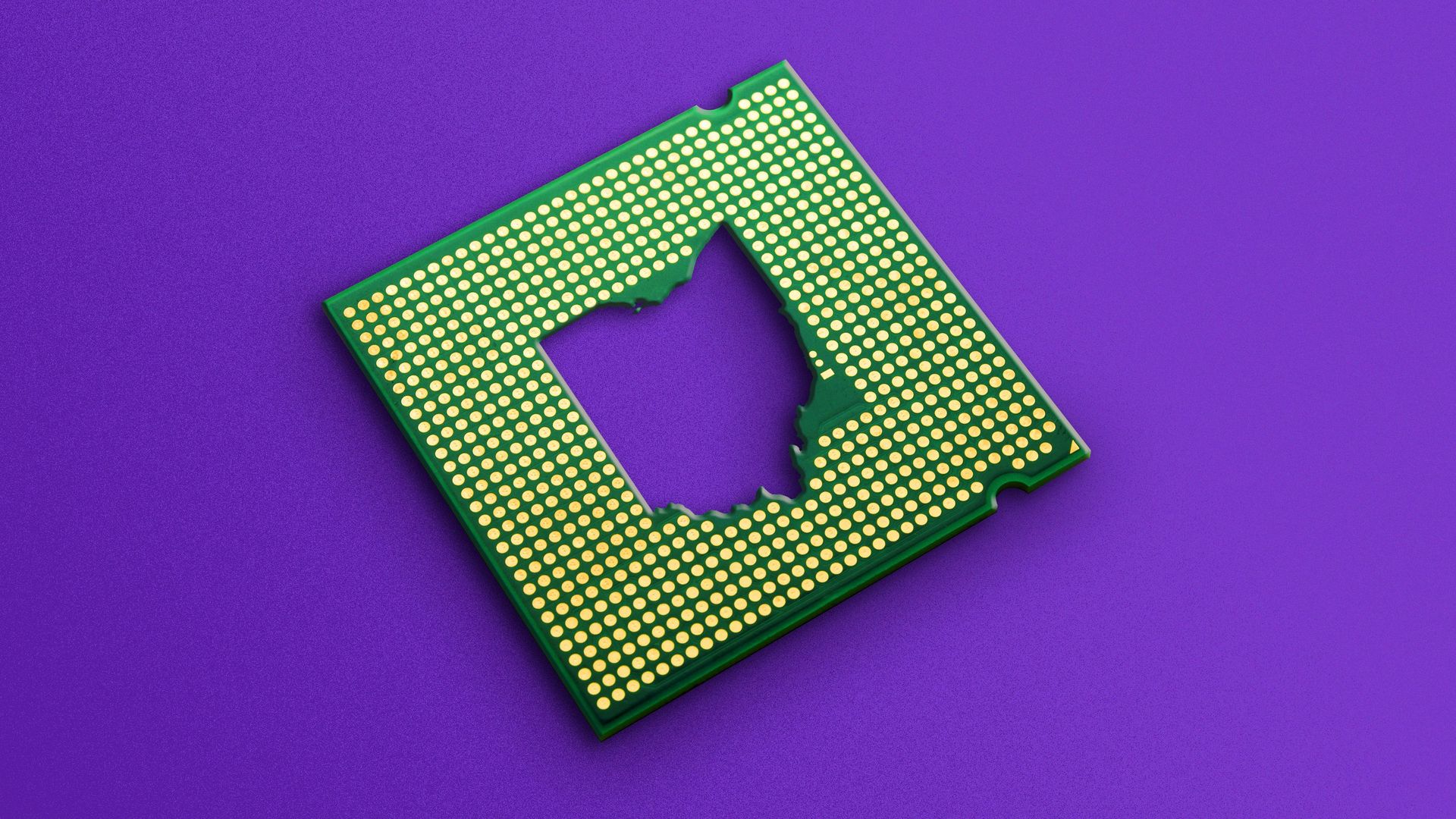
China's Quectel is one of the world's largest manufacturers of IoT cellular modules, a key chip component, with nearly a 40% market share. Now it's licensing out its manufacturing tech and source code to an Ohio-based startup called Eagle Electronics, in a reversal of how these cross-border relationships have traditionally worked.
Why it matters: This reflects the U.S. onshoring trend for semiconductors, which is expected to intensify if President-elect Trump makes good on his threat to put new tariffs on China-made products.
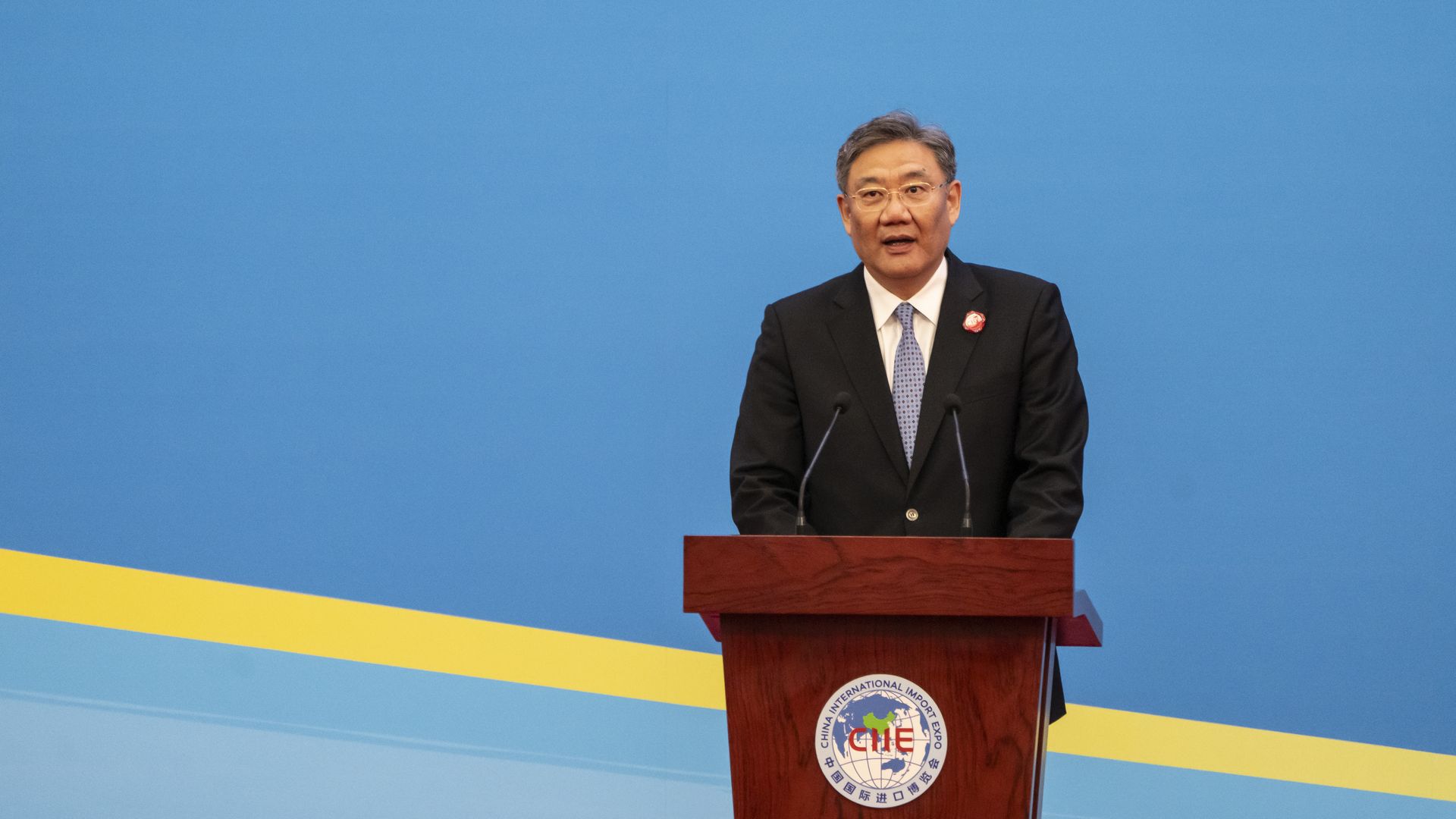
China announced Tuesday that it was banning the export of certain rare minerals to the U.S. that have military and technological applications.
Why it matters: The move is seemingly a tit-for-tat response to the Biden administration's announcement Monday of a slate of export controls on chip manufacturing equipment and software as well as other curbs on the Chinese chip industry.
The Biden administration announced a new $725 million security assistance package for Ukraine on Monday that includes a provision for more land mines and precision rocket launchers.