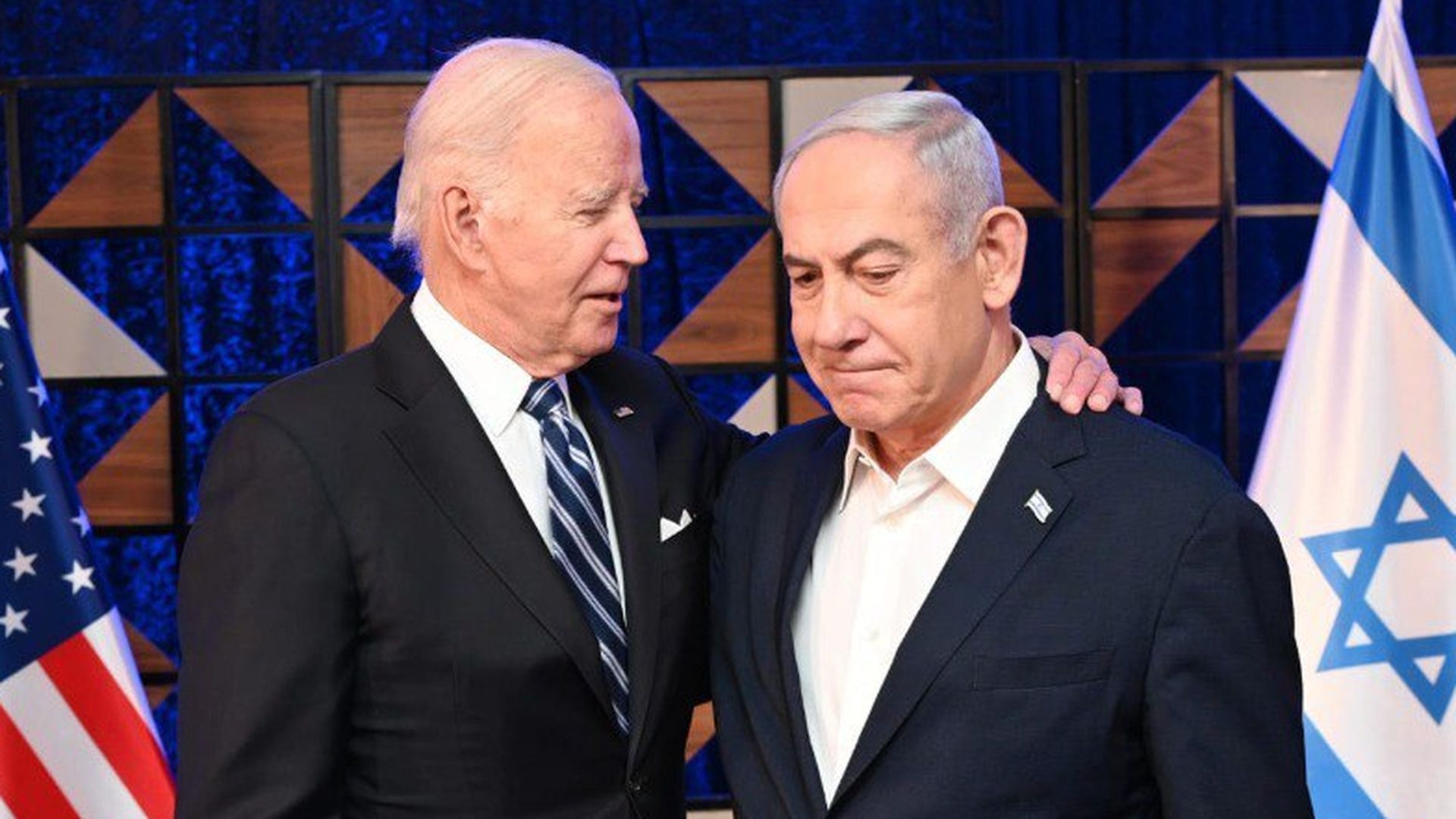
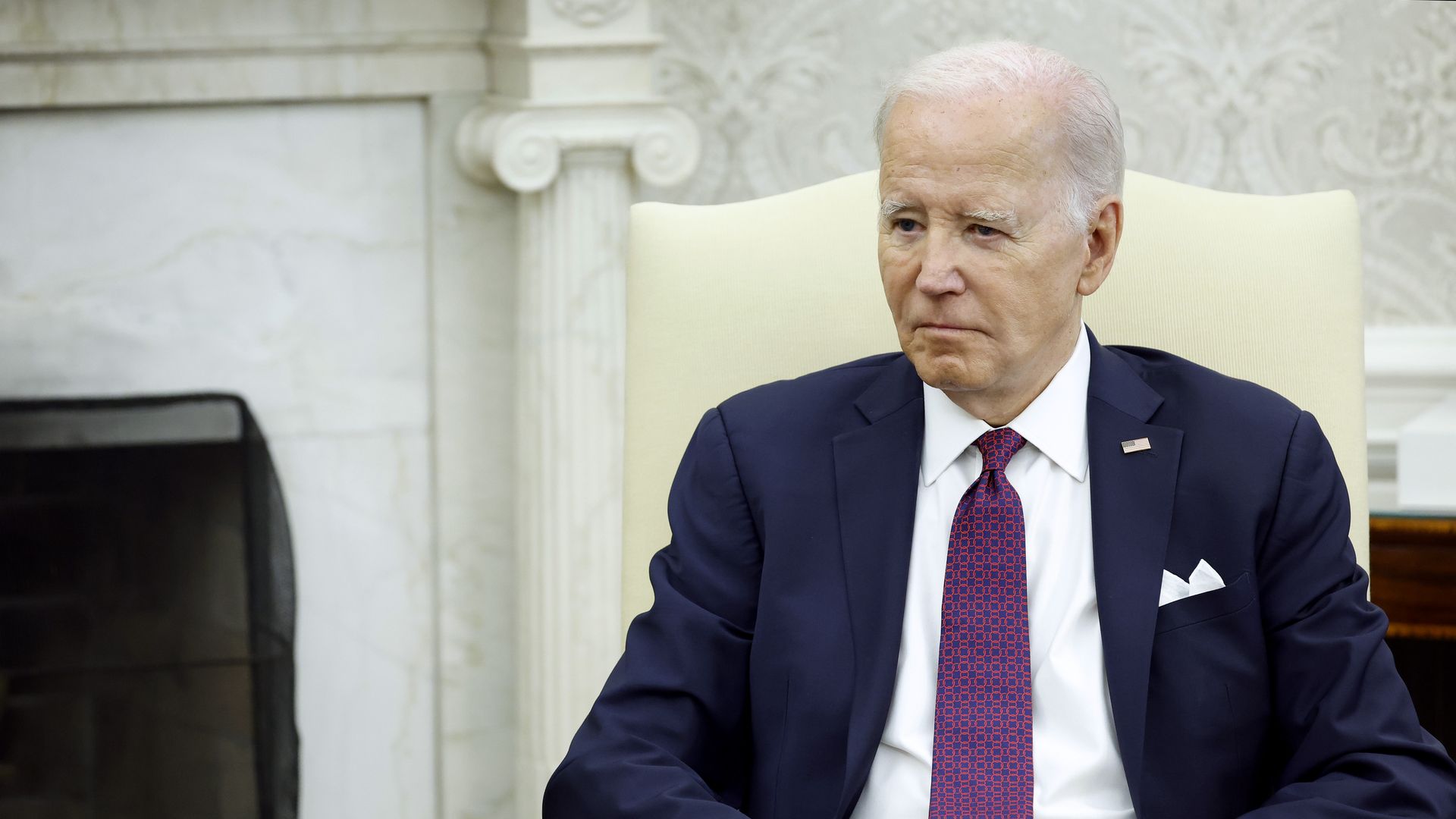
President Biden told Israeli Prime Minister Benjamin Netanyahu that Israel should conduct its offensive against Hamas in Gaza "in a manner consistent with international humanitarian law that prioritizes the protection of civilians," the White House said on Sunday.
The big picture: It was the first call between the two leaders since the Israeli military expanded its ground operations in Gaza late Friday.
On the foreign policy front, President Biden's re-election bid is playing out similarly to that of the last Democratic president who failed to win a second term: Jimmy Carter.
Why it matters: Three destabilizing overseas crises have taken place during Biden's presidency: The chaotic U.S. withdrawal from Afghanistan, Russia's invasion of Ukraine, and now, the prospect of a regional war in the Middle East.
UN Secretary-General António Guterres warned Sunday that the "situation in Gaza is growing more desperate by the hour," as Israel expands its air and ground offensive in the Strip in what Israeli officials have called the "second stage" of the war.
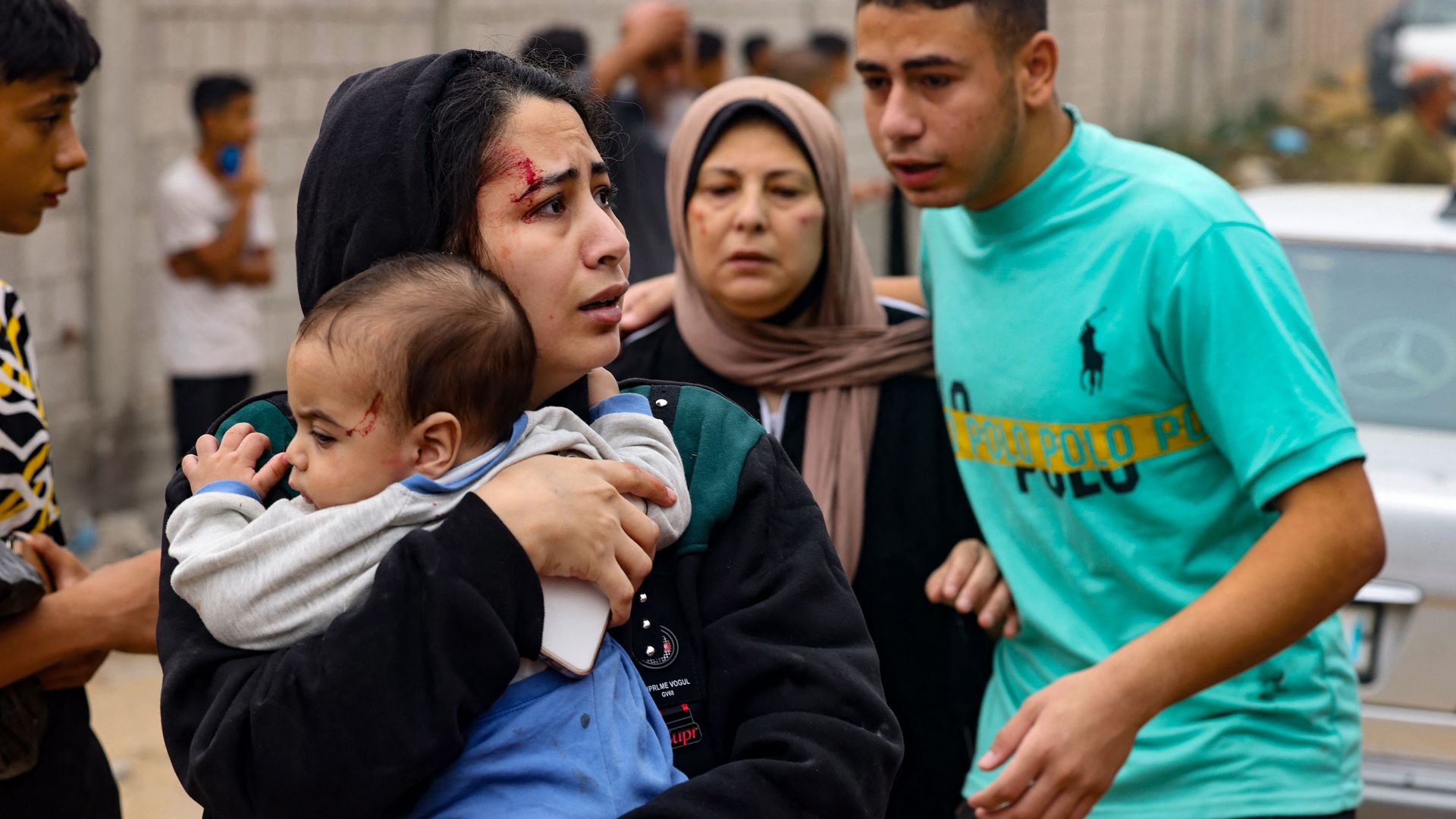
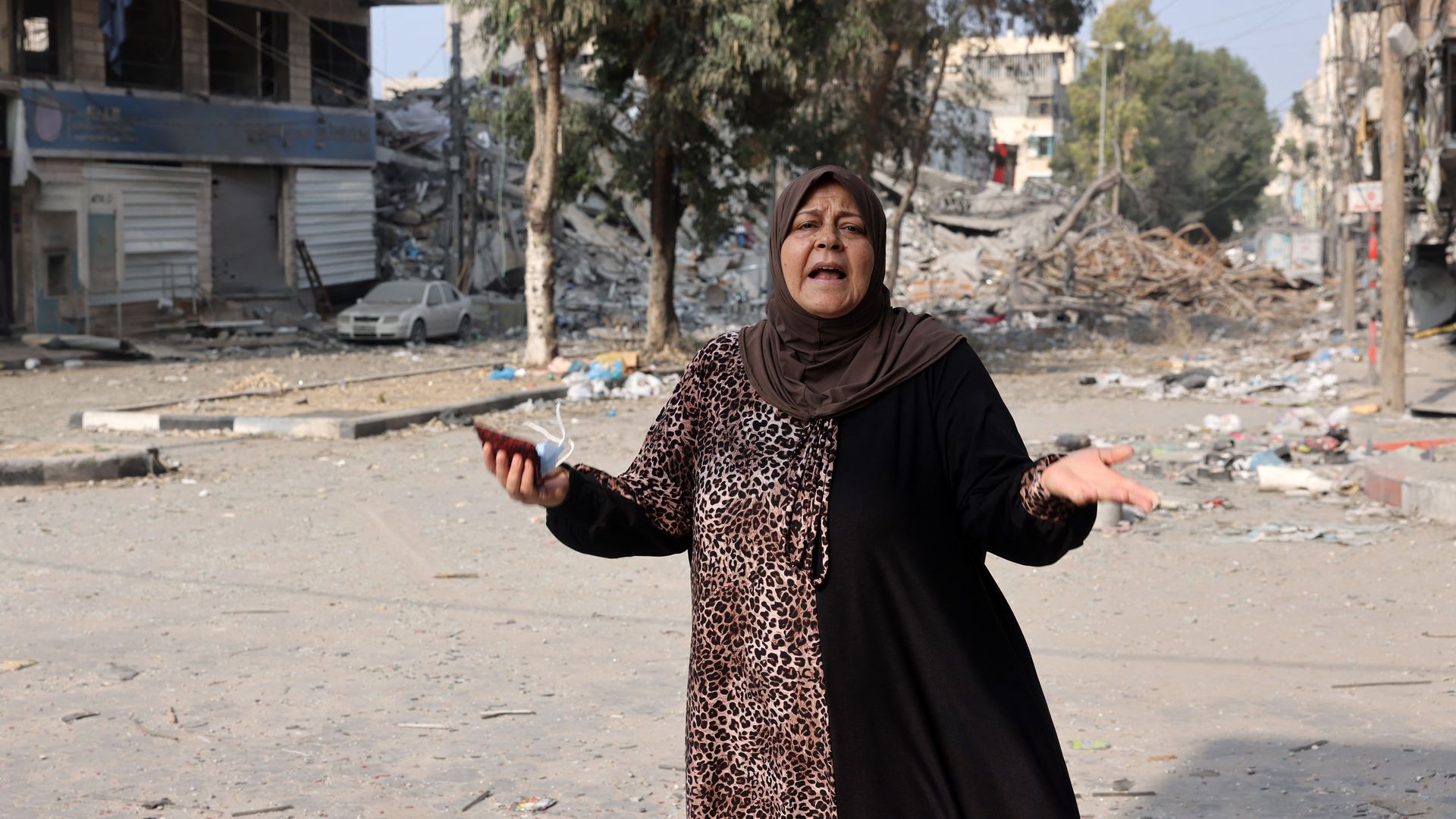
The big picture: More than 8,000 Palestinians, including at least 3,300 children, have been killed since the war began three weeks ago, according to the Ministry of Health in Hamas-run Gaza. Guterres, who has repeatedly called for a humanitarian ceasefire, said the number of civilians killed in the fighting is "totally unacceptable."
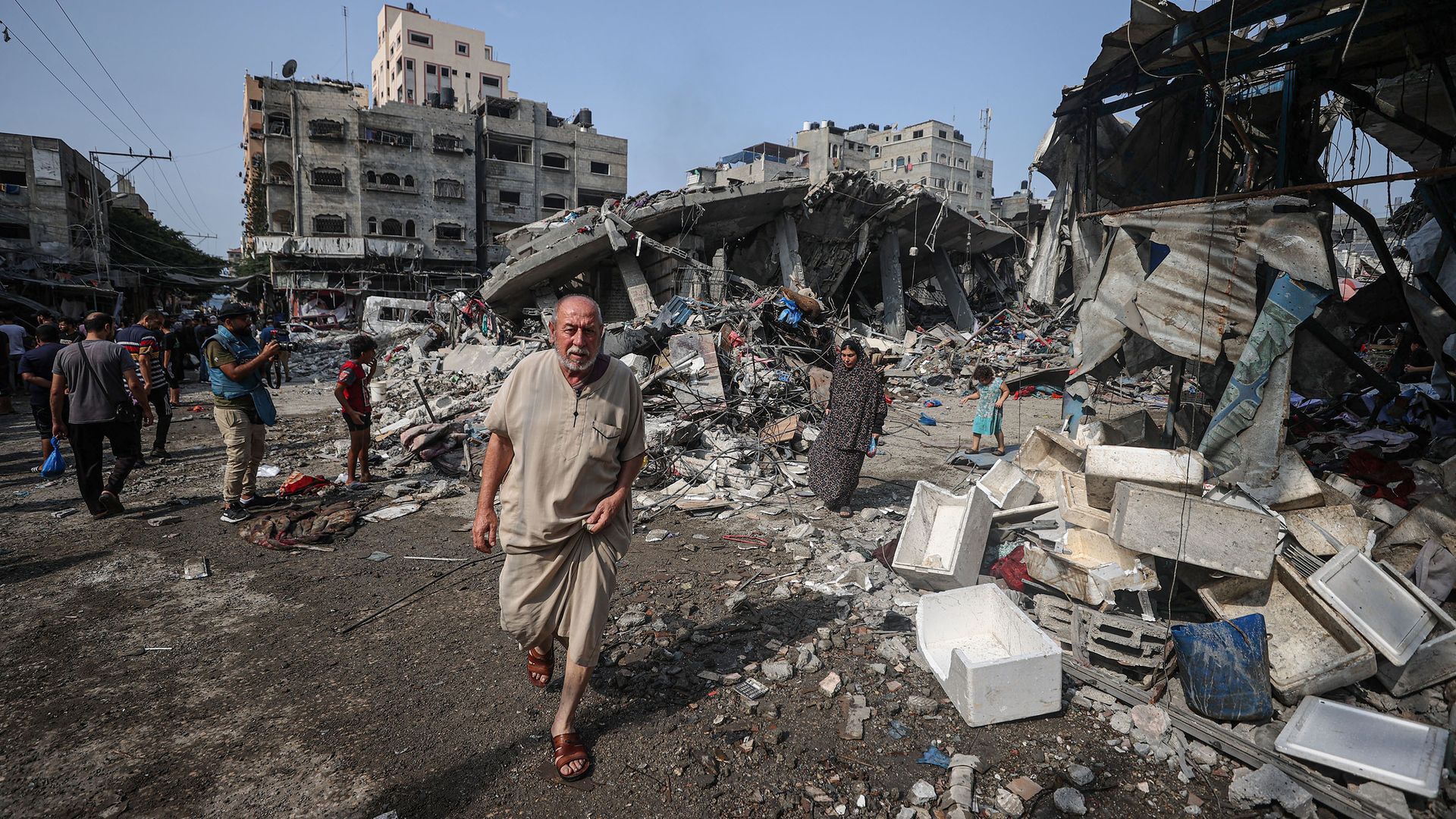
The Israeli military late Friday into Saturday "expanded" its ground operation in Gaza while also ramping up its bombardment of the Strip, targeting what the IDF said were Hamas tunnels and other infrastructure.
The latest: Gaza's more than 2.2 million people remained largely cut off from the outside world amid a communications blackout in the enclave.
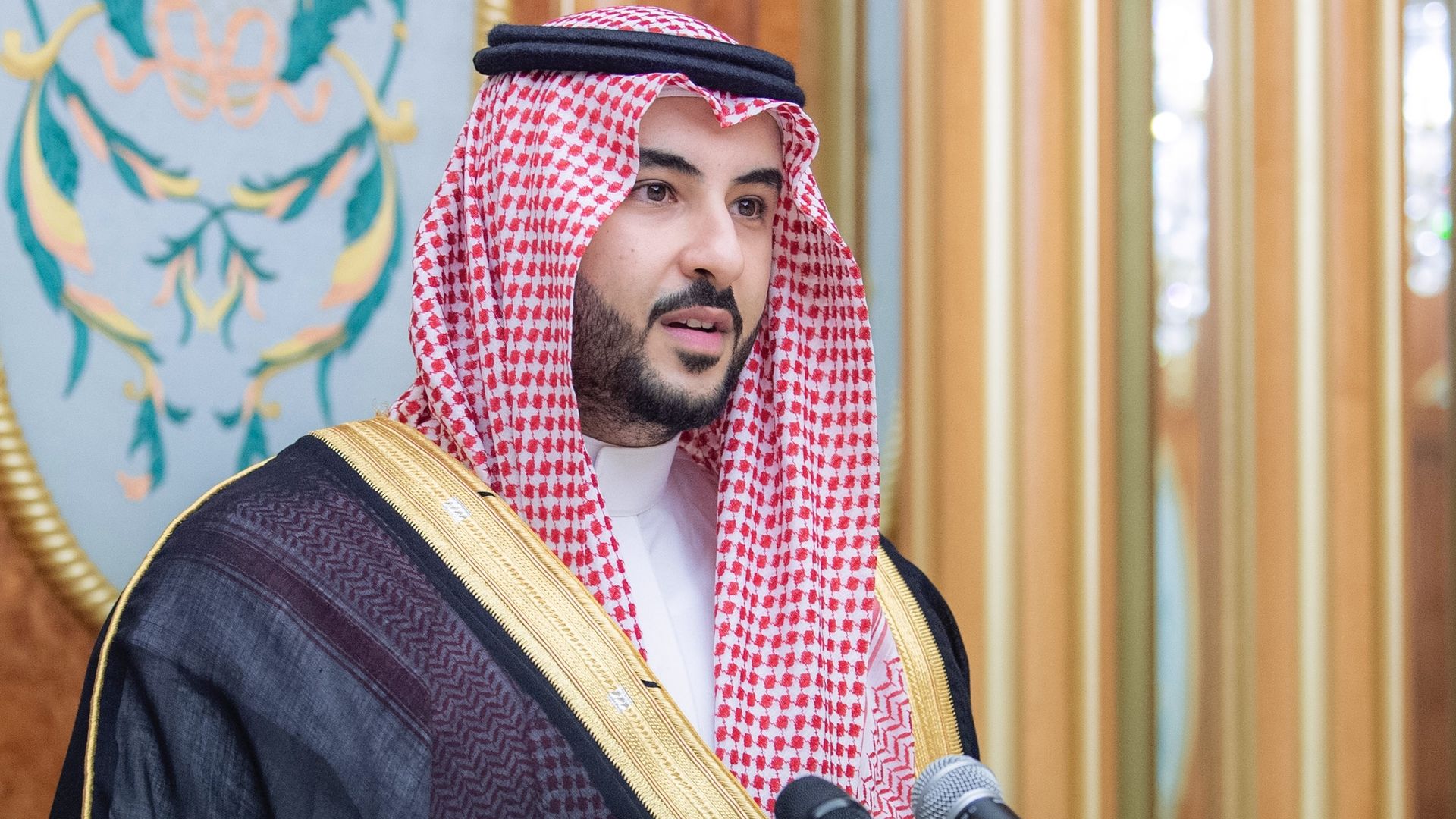
Saudi Defense Minister Khalid bin Salman (KBS) is expected to visit Washington on Monday for talks with senior Biden administration officials, three sources with knowledge of the trip told Axios.
What it matters: The visit has long been scheduled, the sources said, but it will take place just days after Israel expanded its ground operation in Gaza — an offensive Riyadh condemned on Saturday. It also comes as the U.S. and Saudi Arabia express concerns that the fighting between Israel and Hamas could widen into a regional war.
Palestinians in Gaza are unable to communicate with family members inside and outside the Strip after most communications went down late Friday as Israel intensified its bombardment.
The big picture: While some reporters in Gaza have been able to give intermittent updates via satellite connections, the blackout makes it hard for anyone outside the Strip to gain a full picture of the toll Israel's airstrikes and incursion is having on the enclave's 2.2 million people.