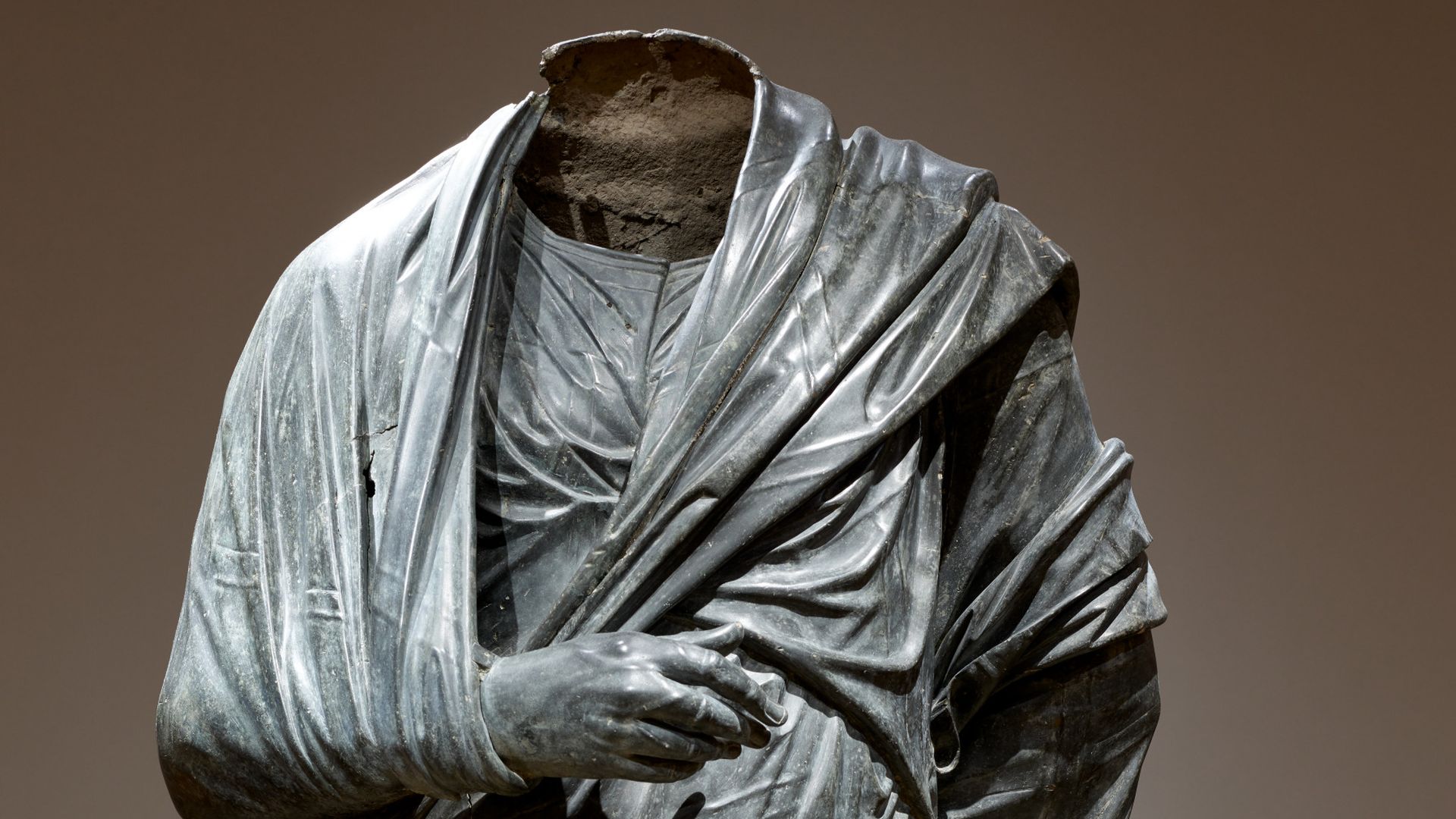
New York officials recently seized a headless bronze statue valued at $20 million that's believed to represent Roman emperor and philosopher Marcus Aurelius from the Cleveland Museum of Art.
Why it matters: The statue is at the center of an ongoing feud between the museum and Turkey, which claims it was stolen from an archaeological site in the country's southwest as part of a smuggling ring.
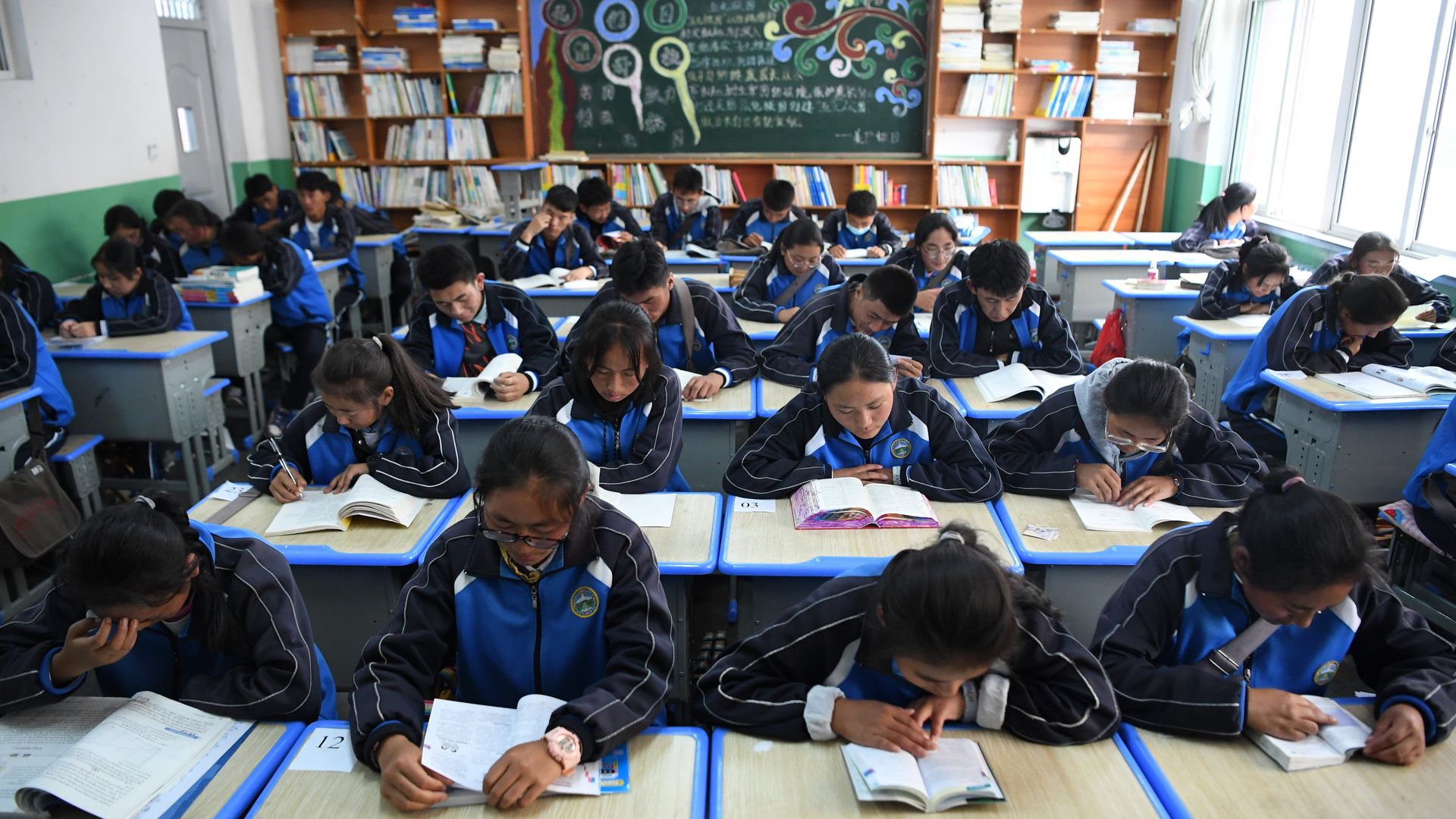
The U.S. decision to impose visa restrictions on Chinese officials last week brought renewed attention to Beijing's yearslongefforts to tighten its grip on Tibet and other regions.
The big picture: Tibet has ranked among the least free places in the world by Freedom House for more than a decade. Human rights experts have documented a number of alleged abuses, including Beijing's collection of genetic material of Tibetans without consent and the closure of Tibetan monasteries and nunneries.
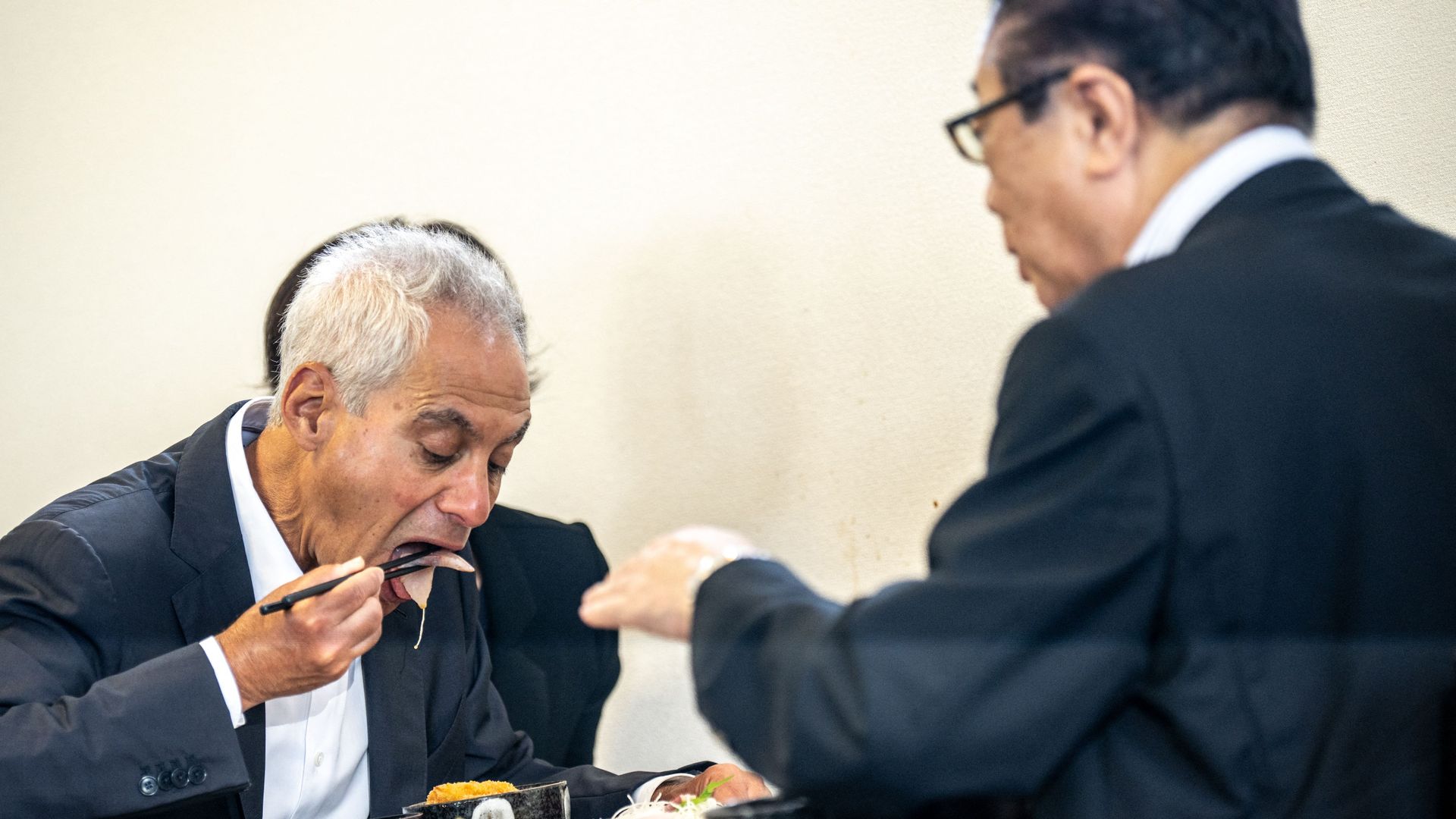
Rahm Emanuel, U.S. ambassador to Japan, punched back against China with a show of support for Japanese fishers and farmers, after the release of treated radioactive water from the crippled Fukushima nuclear power plant.
Why it matters: Although the treated water has been deemed safe by the International Atomic Energy Agency,Japan's decision to release the treated water was met with protests in South Korea and a Japanese seafood import ban in China.
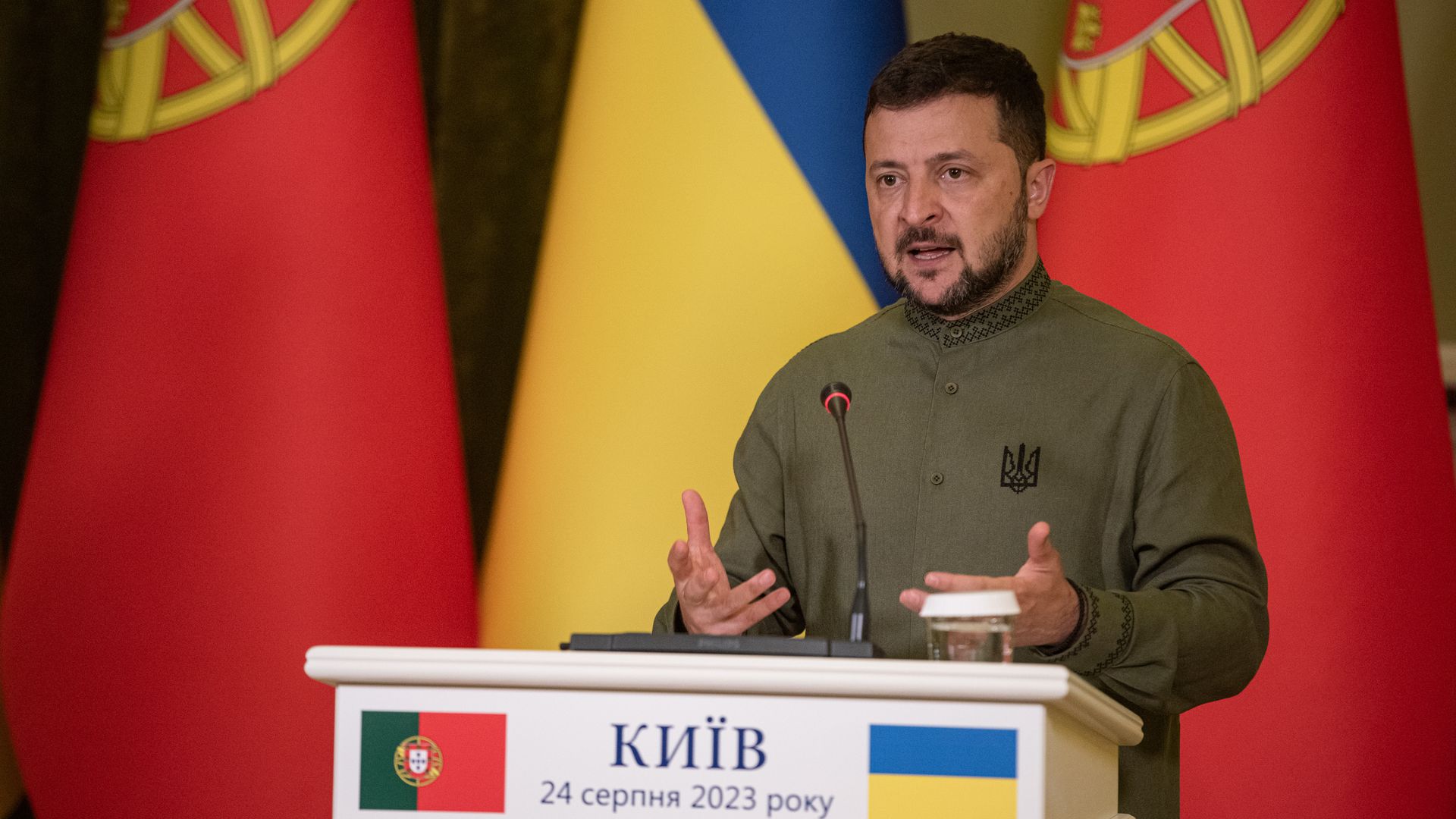
Ukraine's President Volodymyr Zelensky announced Thursday that the country had developed new long-range weapons, one day after Kremlin officials accused Kyiv of launching a wave of drone strikes that targeted six Russian regions.
Driving the news: "Successful use of our long-range weapons: the target was hit at a distance of 700 km [435 miles]!" Zelensky said in an online post that did not go as far as claiming responsibility for Wednesday's attacks in Russia's Pskov, Bryansk, Kaluga, Orlov, Ryazan and Moscow regions.