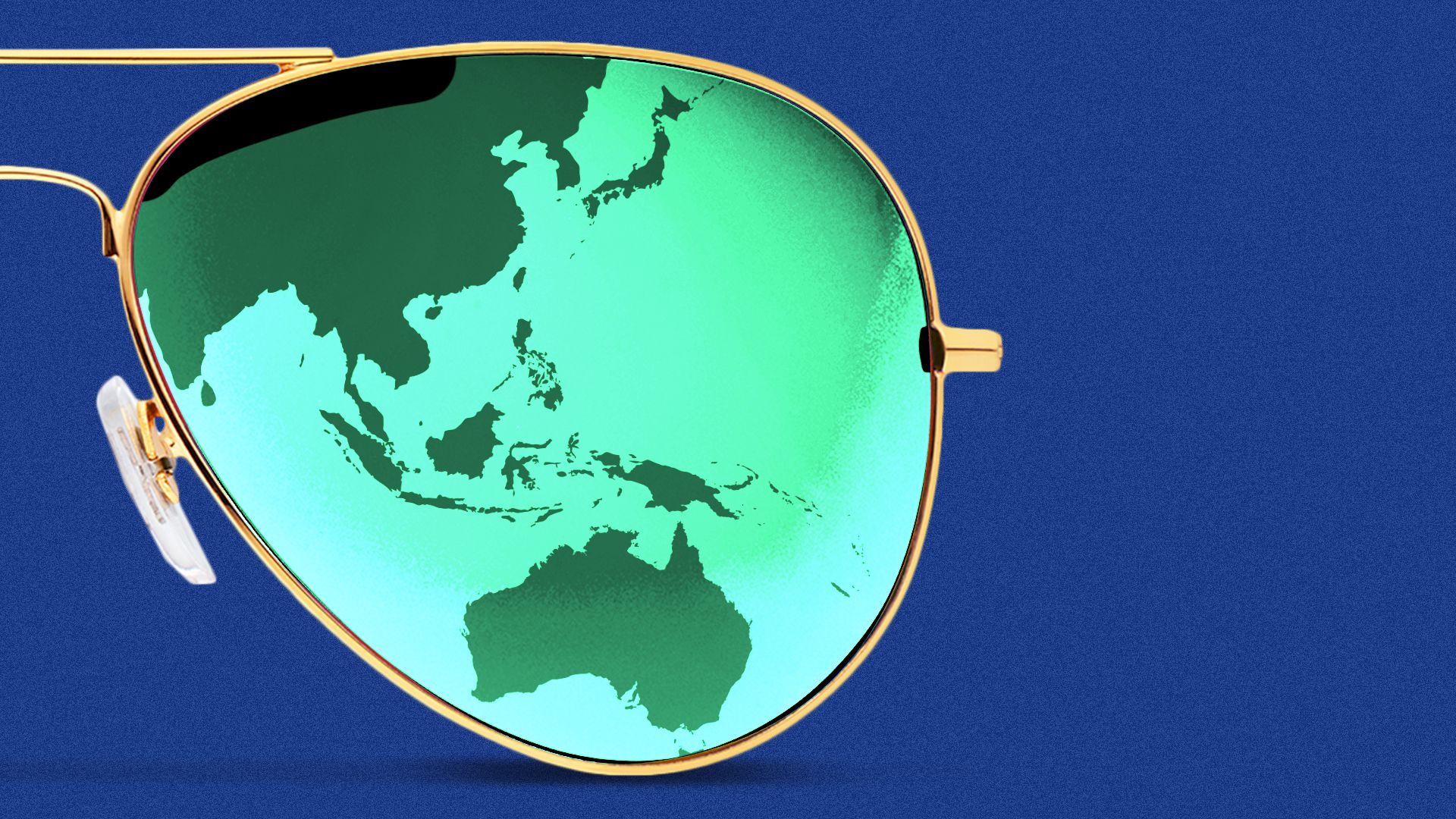
The Biden administration wants to make the U.S. a major player in the Indo-Pacific economy again.
Why it matters: President Trump's withdrawal from the Trans-Pacific Partnership (TPP), a regional free-trade agreement the U.S. once championed, has left China as the largest economic player in the region.
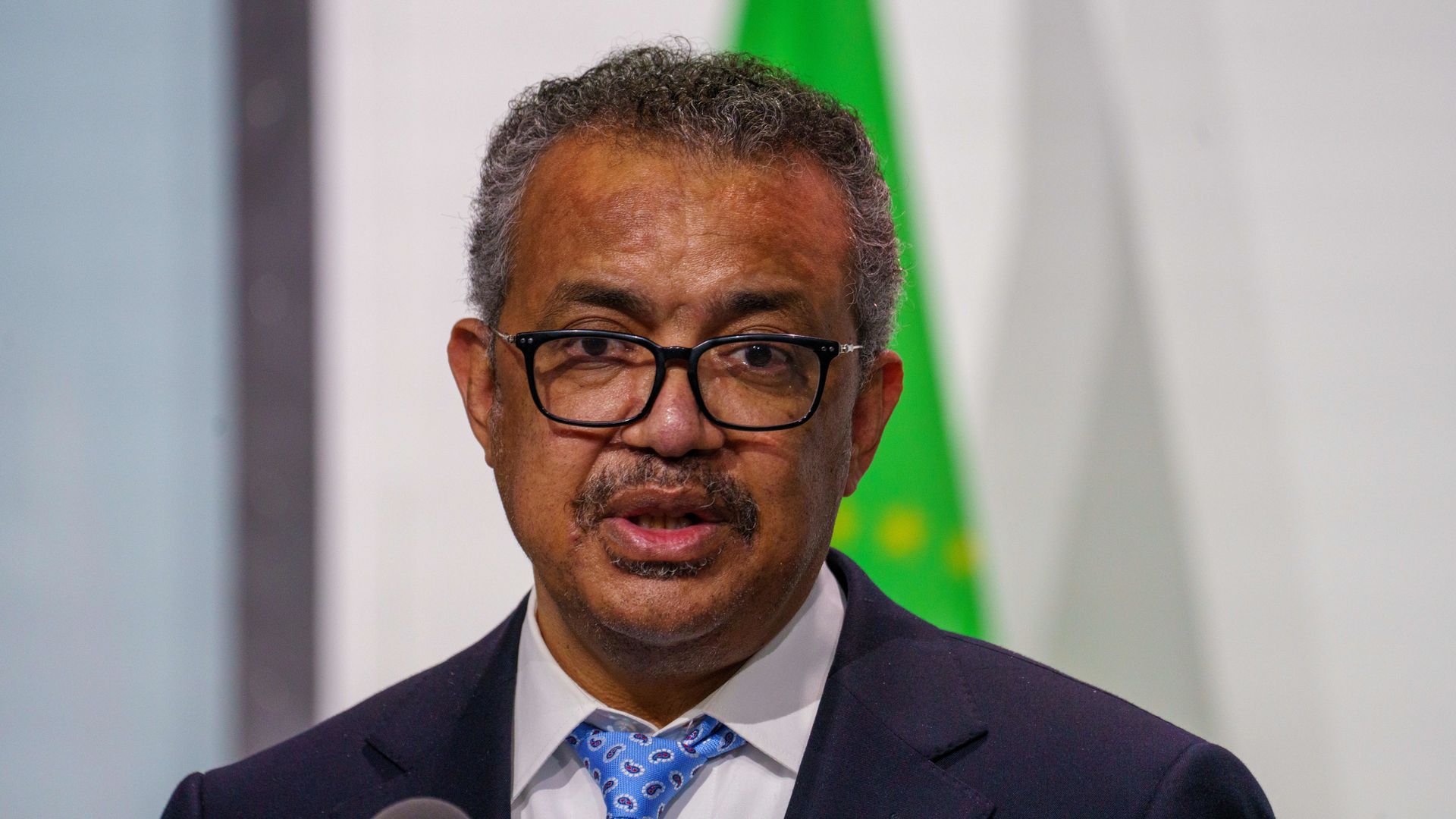
China's "zero-COVID" strategy isn't sustainable given the virus' ever-evolving nature, World Health Organization director-general Tedros Adhanom Ghebreyesus said at a media briefing Tuesday.
The big picture: Tedros said WHO officials have spoken to Chinese experts about the policy. The extreme measures have saved lives, but they've also led to food shortages, a lack of workers and movement restrictions, writes Axios' Bethany Allen-Ebrahimian.
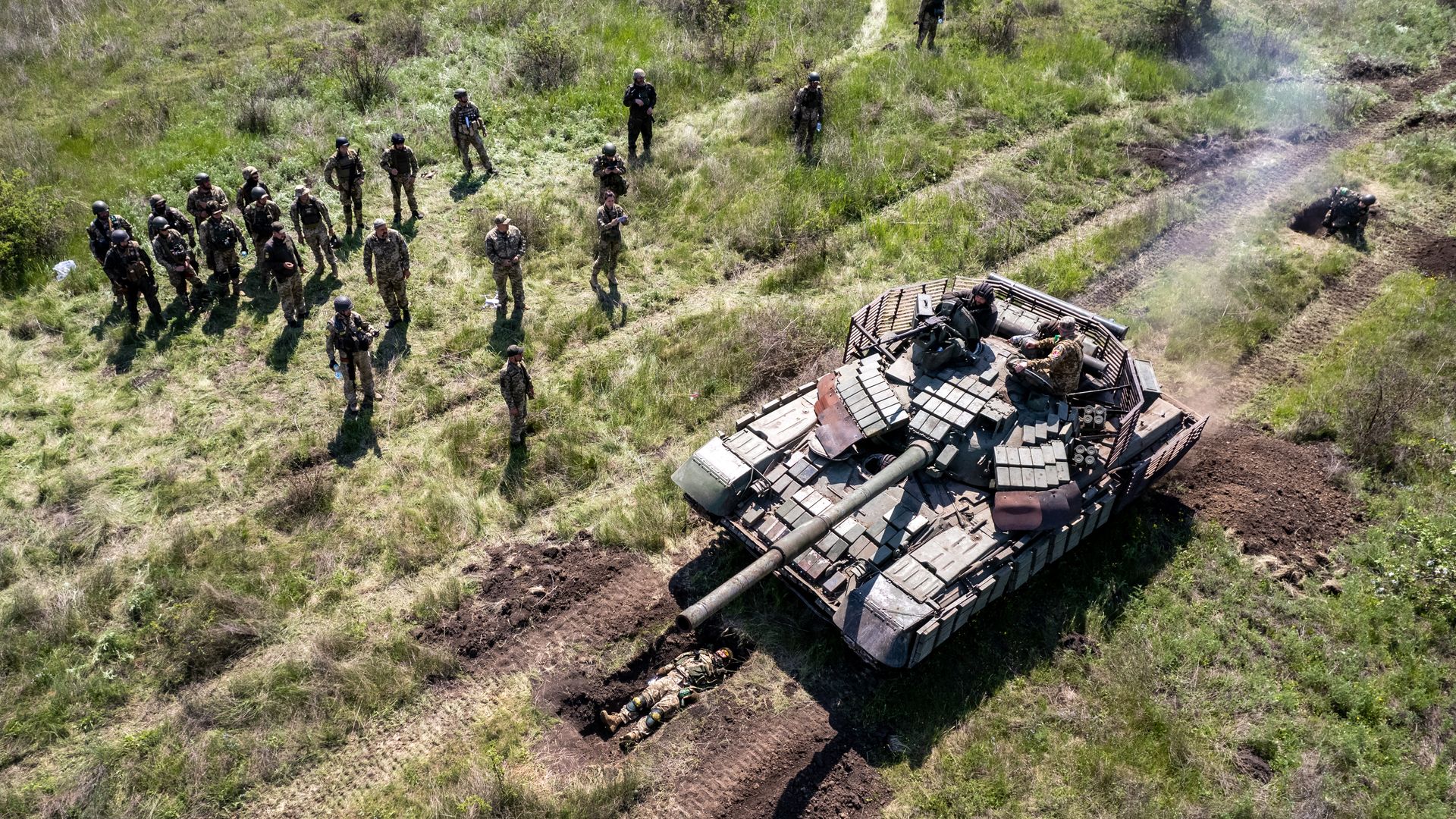
The U.S. intelligence community assesses Russia is preparing for a "prolonged conflict" in Ukraine that is likely to become "more unpredictable and escalatory" due to a "mismatch" between Vladimir Putin's ambitions and military capabilities, Director of National Intelligence Avril Haines testified Tuesday.
Why it matters: Both Russia and Ukraine believe they can continue to make progress militarily, turning the conflict into a "war of attrition" with no "viable" prospects for peace negotiations in the near term, Haines told the Senate Armed Services Committee.
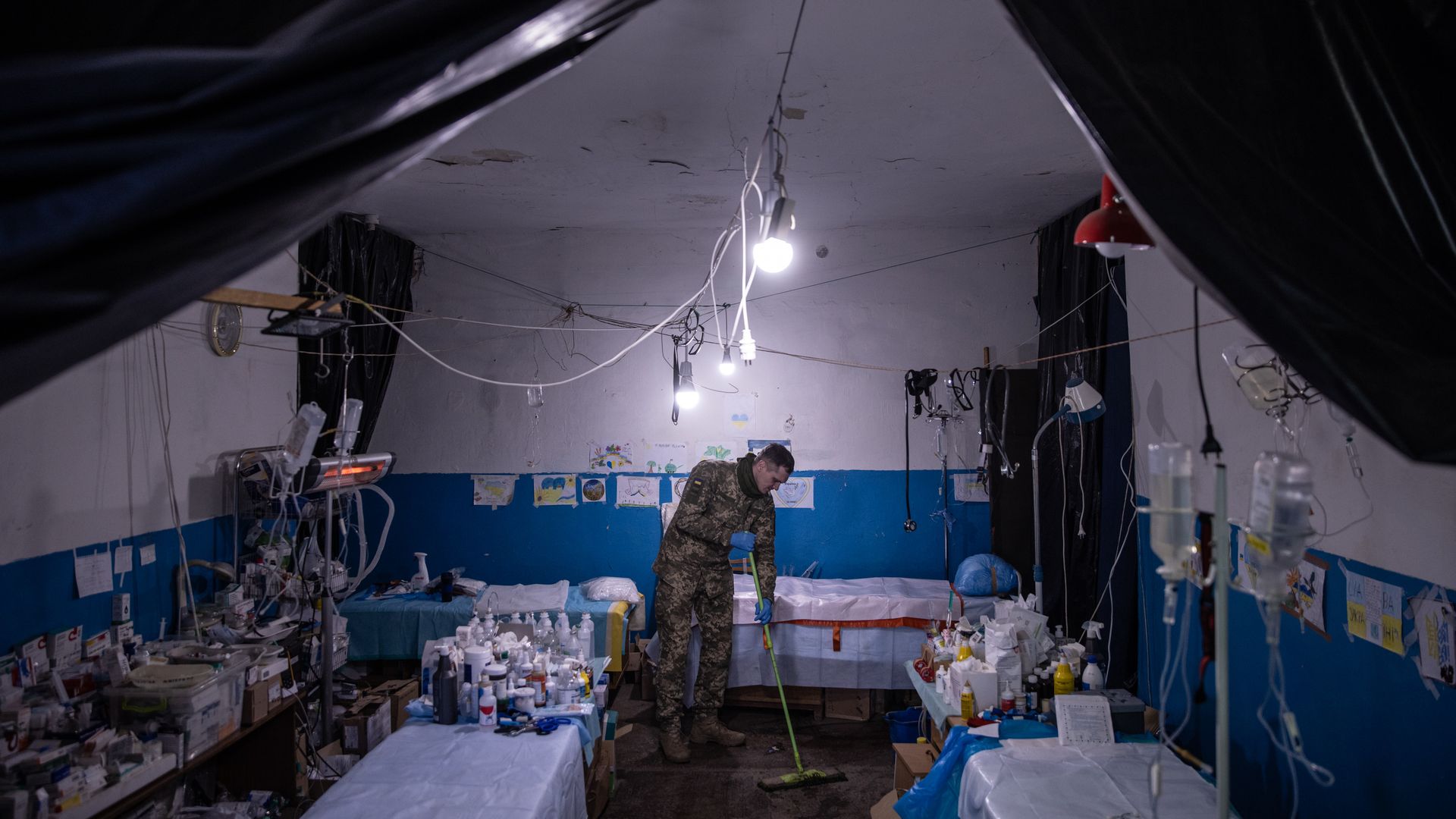
At least 3,000 Ukrainians have died due to lack of access to health treatments for chronic ailments such as cancer and diabetes, World Health Organization Europe regional director Hans Kluge said at a regional committee meeting Tuesday.
Driving the news: The war has battered Ukraine's health care system, with Russian forces deliberately targeting civilian infrastructure such as hospitals.
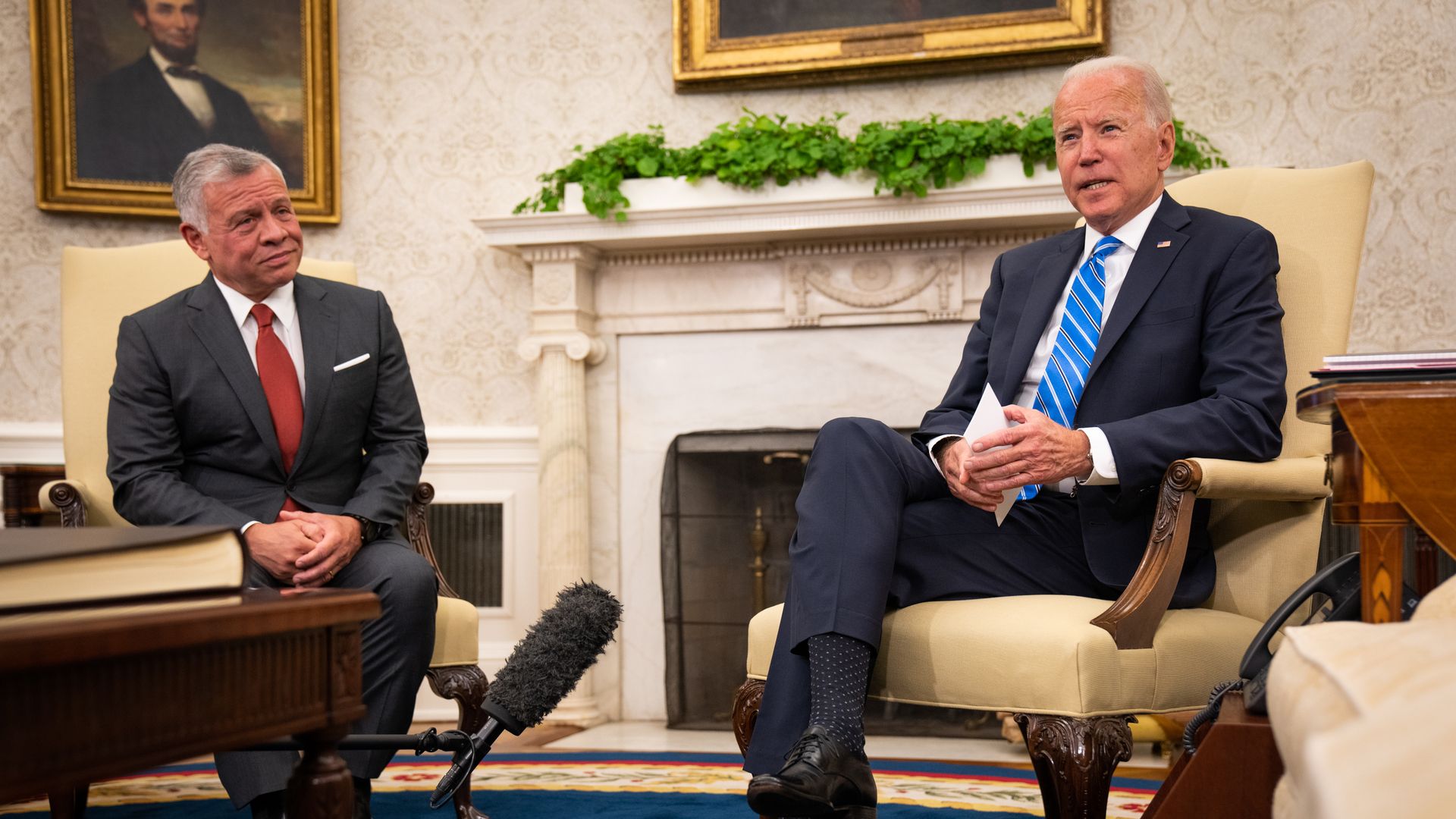
The White House announced Tuesday that President Biden will meet Jordan's King Abdullah at the White House Friday amid rising tensions in Jerusalem, mainly around the Al-Aqsa Mosque.
Why it matters: It will be the second time Biden meets Abdullah at the White House — more than with any other leader in the Middle East.
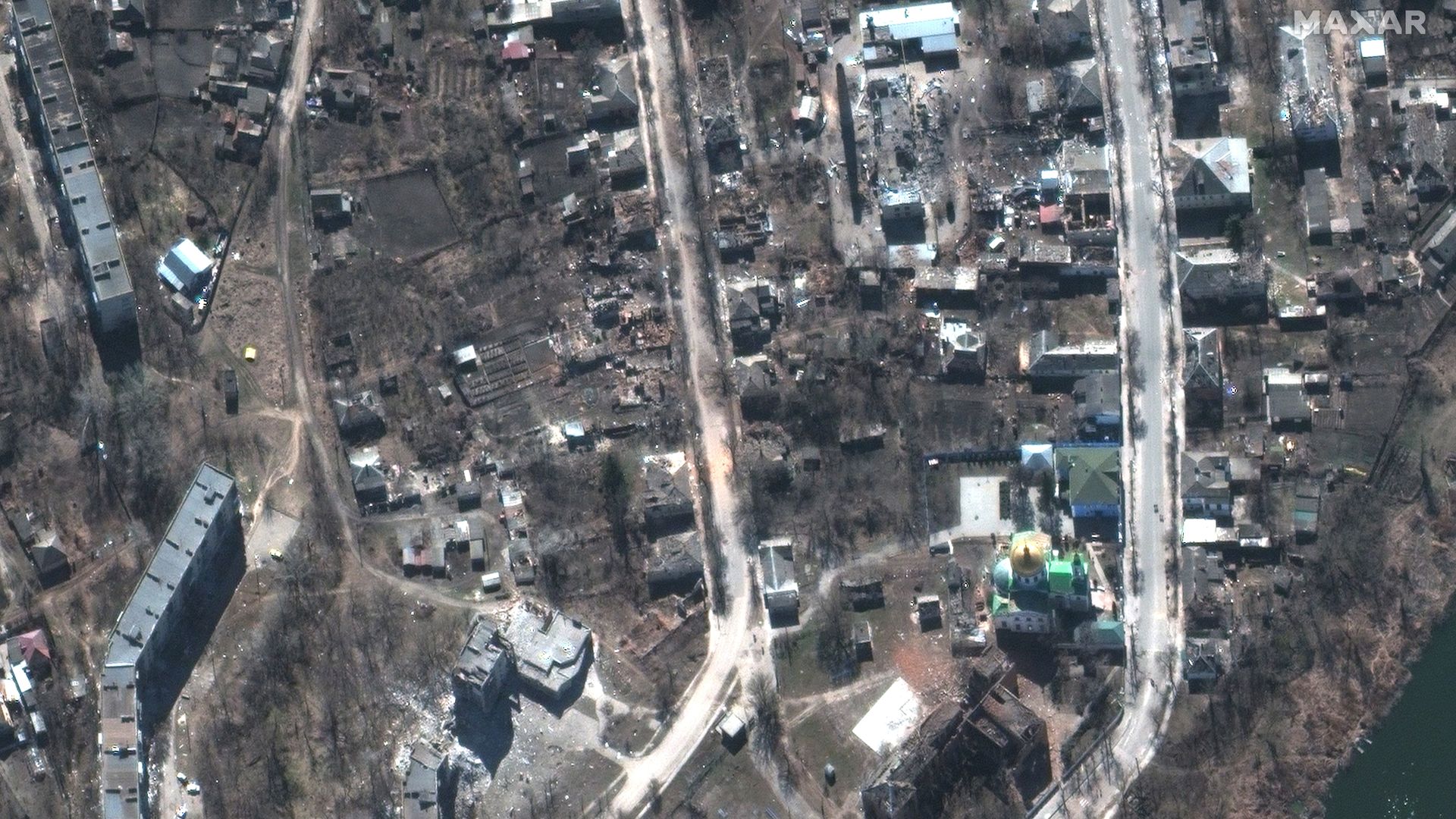
A Ukrainian official said Tuesday that at least 44 bodies were found and pulled out from under the debris of a five-story building in Izyum, Ukraine, that Russian forces destroyed in March.
What they're saying: "This is another horrible war crime of the Russian occupiers against the civilian population!" Oleh Synehubov, the governor of the Kharkiv region that includes Izyum, wrote in a post on Telegram.
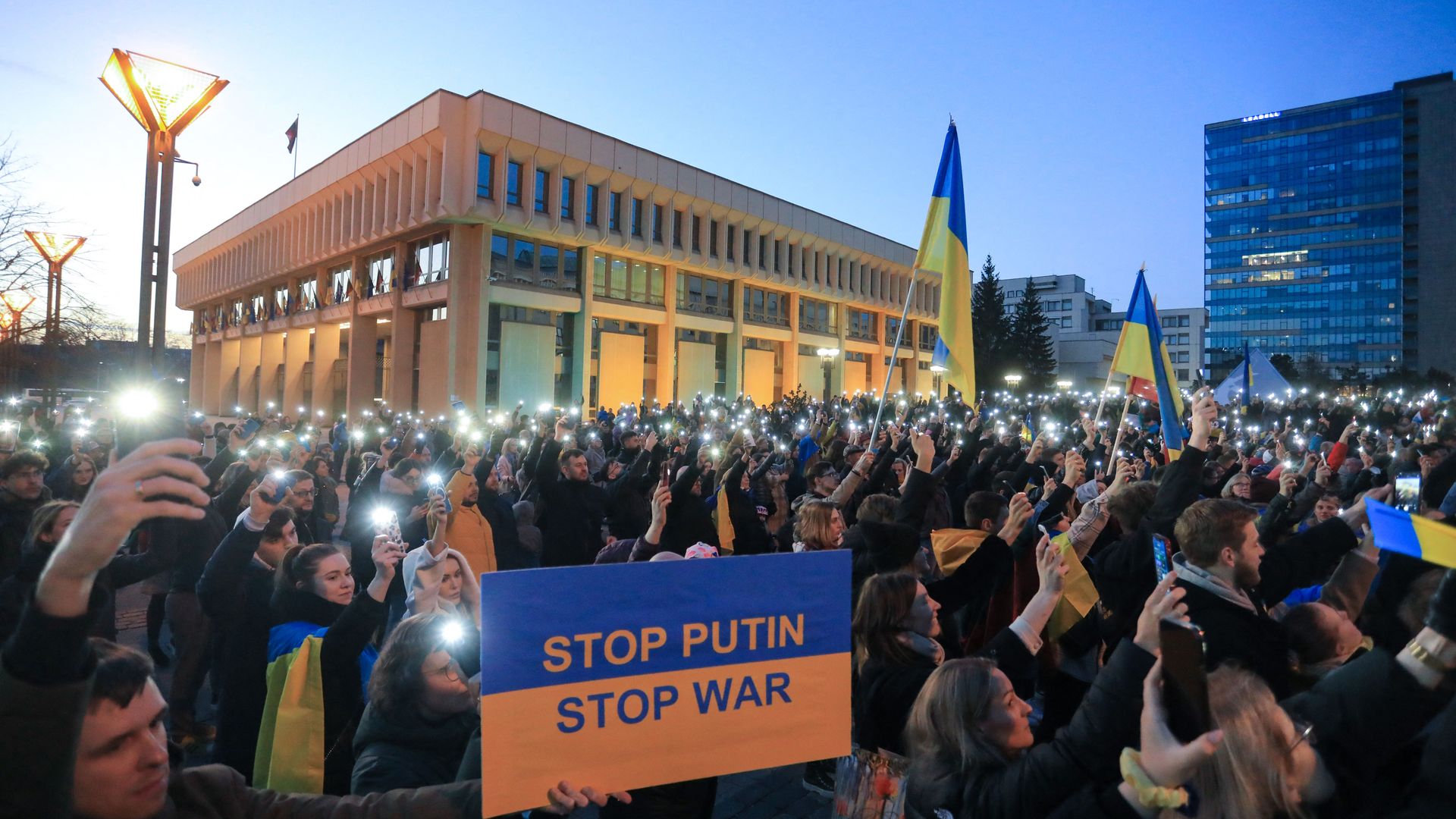
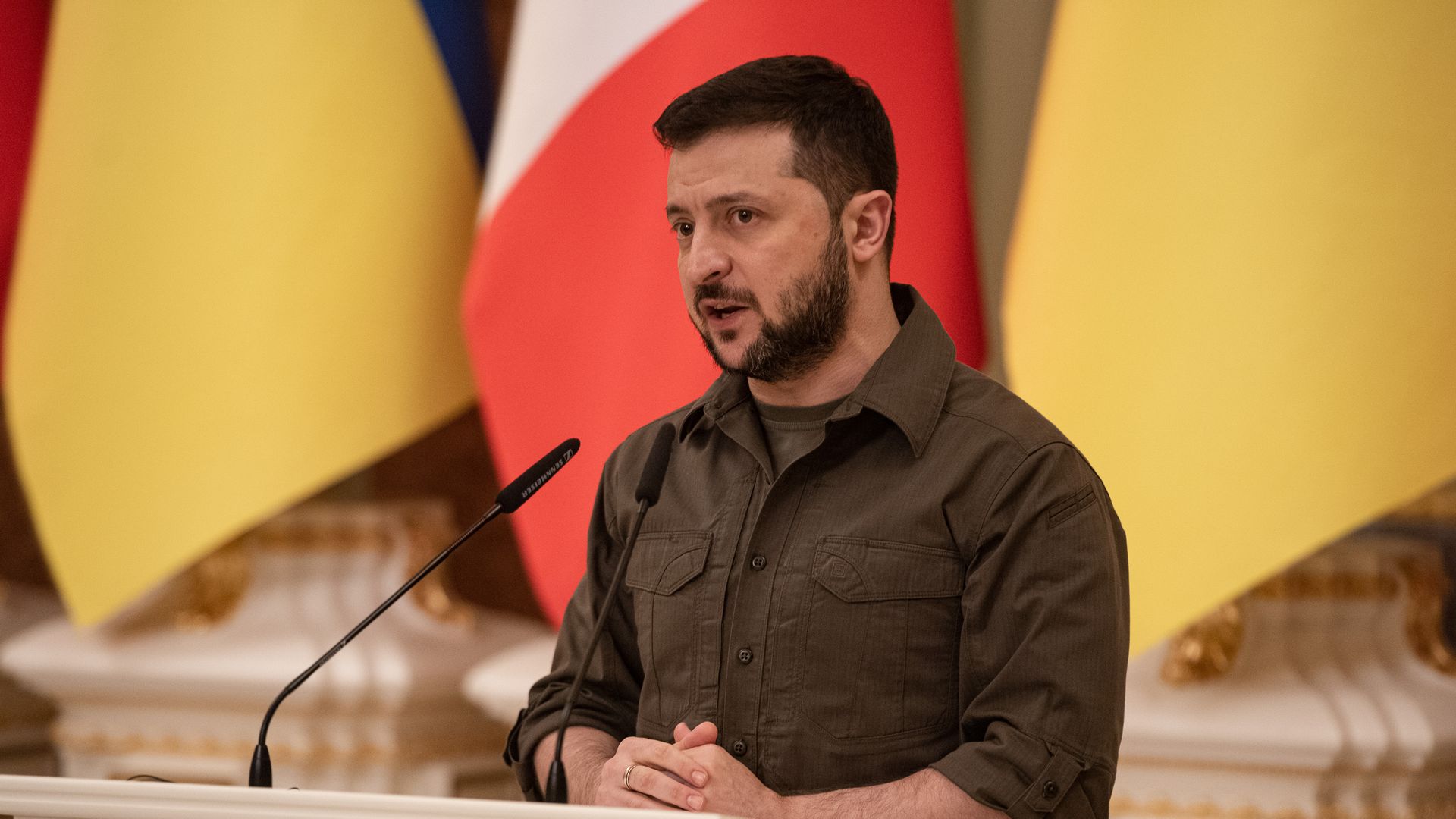
Ukrainian President Volodymyr Zelensky called on the international community Monday to immediately act to stop a Russian blockade of his country's ports and prevent a global food crisis.
Driving the news: Zelensky said theRussian military again launched missile strikes on the Odesa region and, "for the first time in decades, there is no usual movement of the merchant fleet, no usual port functioning" in the strategic southern city on the Black Sea.
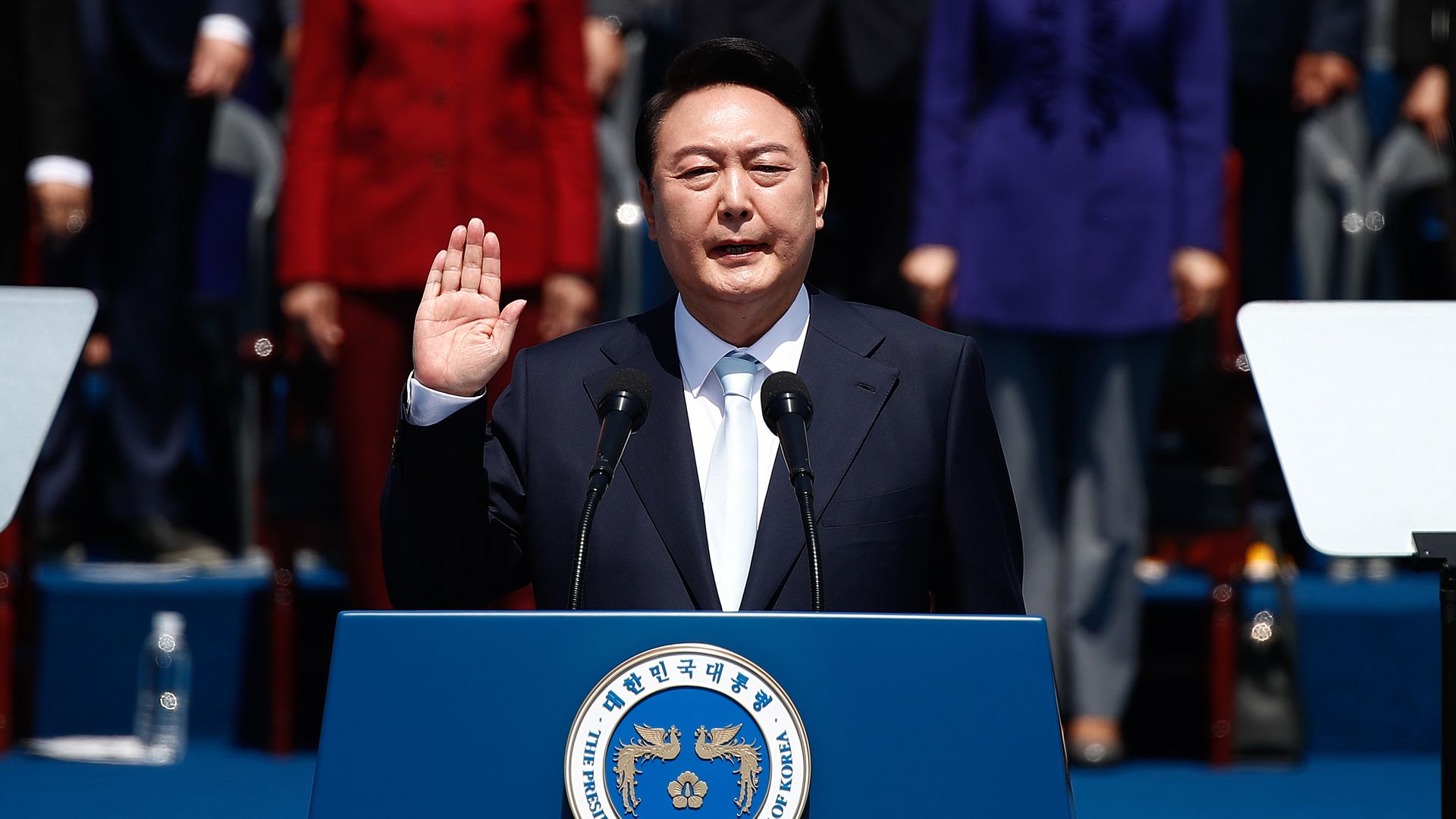
Yoon Suk-yeol, who was inaugurated as South Korea's president on Tuesday, comes to office promising a harder line on North Korea and closer relations with the U.S.
What he's saying: He has vowed to "firmly deal with illicit, unreasonable behavior by North Korea" but "leave open the door for South-North talks" — a pledge the conservative leader emphasized during his inauguration, along with an "audacious plan" to bolster Pyongyang's economy if it commits to full denuclearization.
The Department of Homeland Security has approved nearly 6,000 Ukrainians to travel to the United States through a new streamlined process, the agency said on Monday.
Two journalists were shot to death in Mexico this week, bringing the total number of journalists killed in Mexico to 11 this year.
Why it matters: Even in Mexico, which is considered one of the most dangerous countries in the world for journalists, the number of journalists killed in such a short period of time is unprecedented.