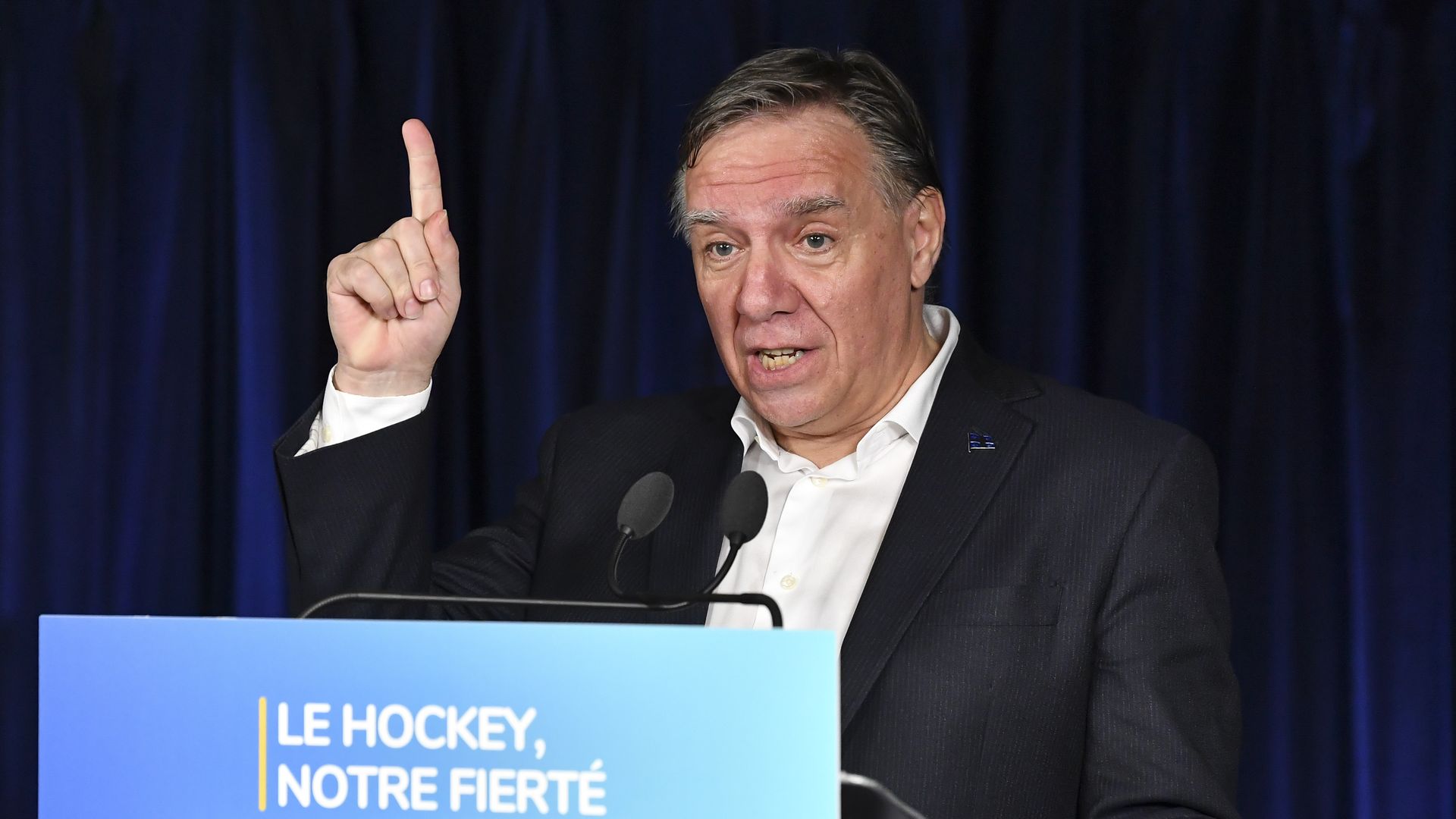
Quebec plans to tax people who have remained unvaccinated from COVID-19 for non-medical reasons, Premier François Legault announced at a press briefing Tuesday.
Why it matters: The measure would make Quebec the first province in Canada to impose a financial penalty on the unvaccinated, per The Globe and Mail, and comes as hospitalizations due to the virus have surged.
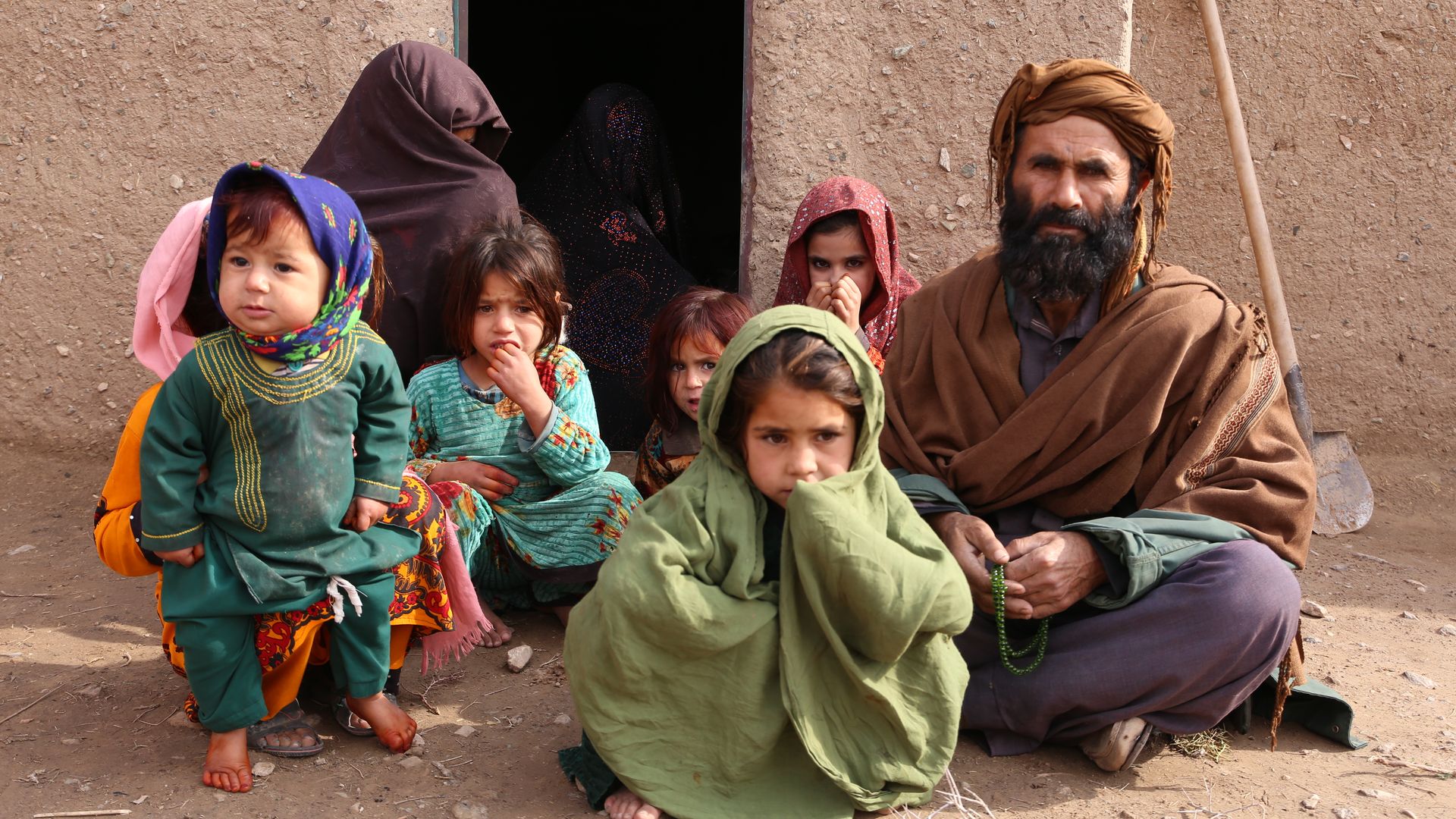
Health care workers in the Afghan cities of Khost and Herat recorded major increases of severe acute malnutrition among children — 30-fold and 2-fold respectively — between November and December of 2021, according to the International Rescue Committee (IRC).
State of play: Most foreign aid to Afghanistan has stopped flowing since the Taliban took power in August, sanctions are further hampering the economy, and the U.S. has frozen around $8 billion in Afghan Central Bank assets. That's led to a major cash shortage that comes with winter setting in and food prices rising, the IRC reports.
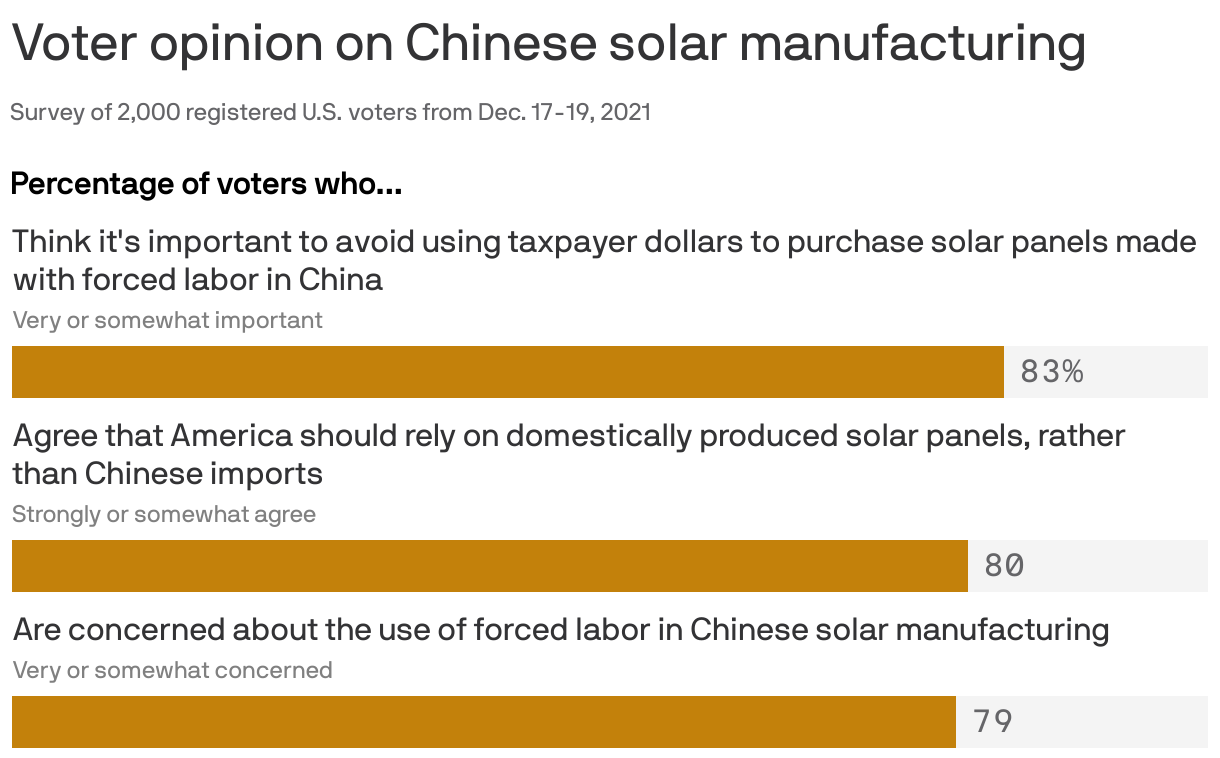
A majority of U.S. voters are concerned about forced labor in China's solar panel industry, a new survey of registered voters conducted by Morning Consult finds.
Why it matters: China produces about three-quarters of the world's solar panels, which many view as vital to reducing carbon emissions.
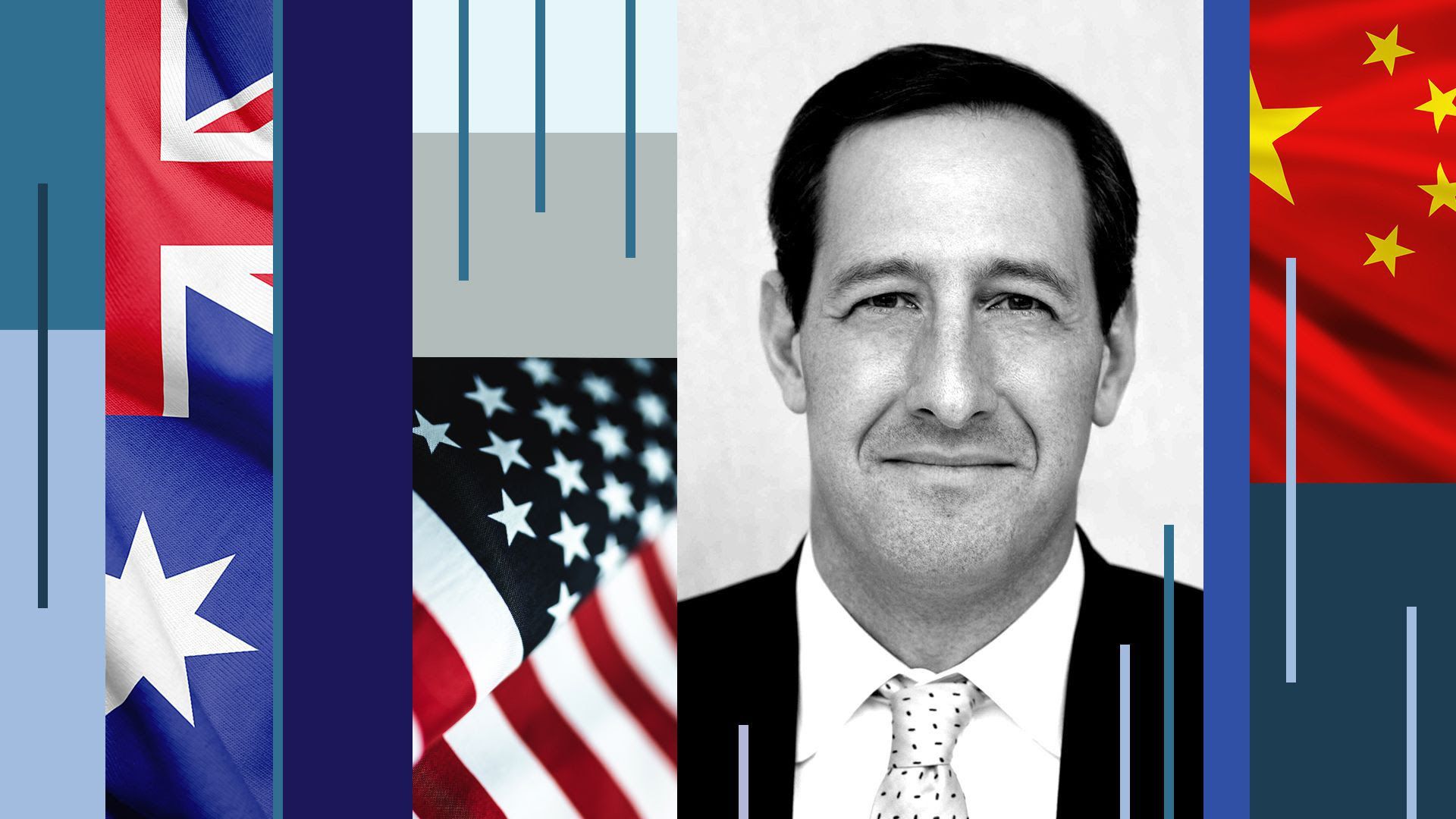
Australia is forging new security partnerships in the Indo-Pacific and playing a more important role than ever in U.S. foreign policy — in large part because of China's rise.
The big picture: "Australia has leapt to the front of the queue in terms of importance and relevance," Charles Edel, Australia chair at the Center for Strategic and International Studies (CSIS), told Axios.
Kazakhstan President Kassym-Jomart Tokayev said Tuesday that troops from the Moscow-led Collective Security Treaty Organization (CSTO) would begin a phased withdrawal within two days, with a full exit taking no longer than 10 days.
Why it matters: Tokayev turned to Russia last week when mass protests exploded into violence in what he now claims was a coup attempt against him. Now that order seems to largely be restored, he's placing loyalists in key positions and asking the foreign "peacekeepers" to withdraw.
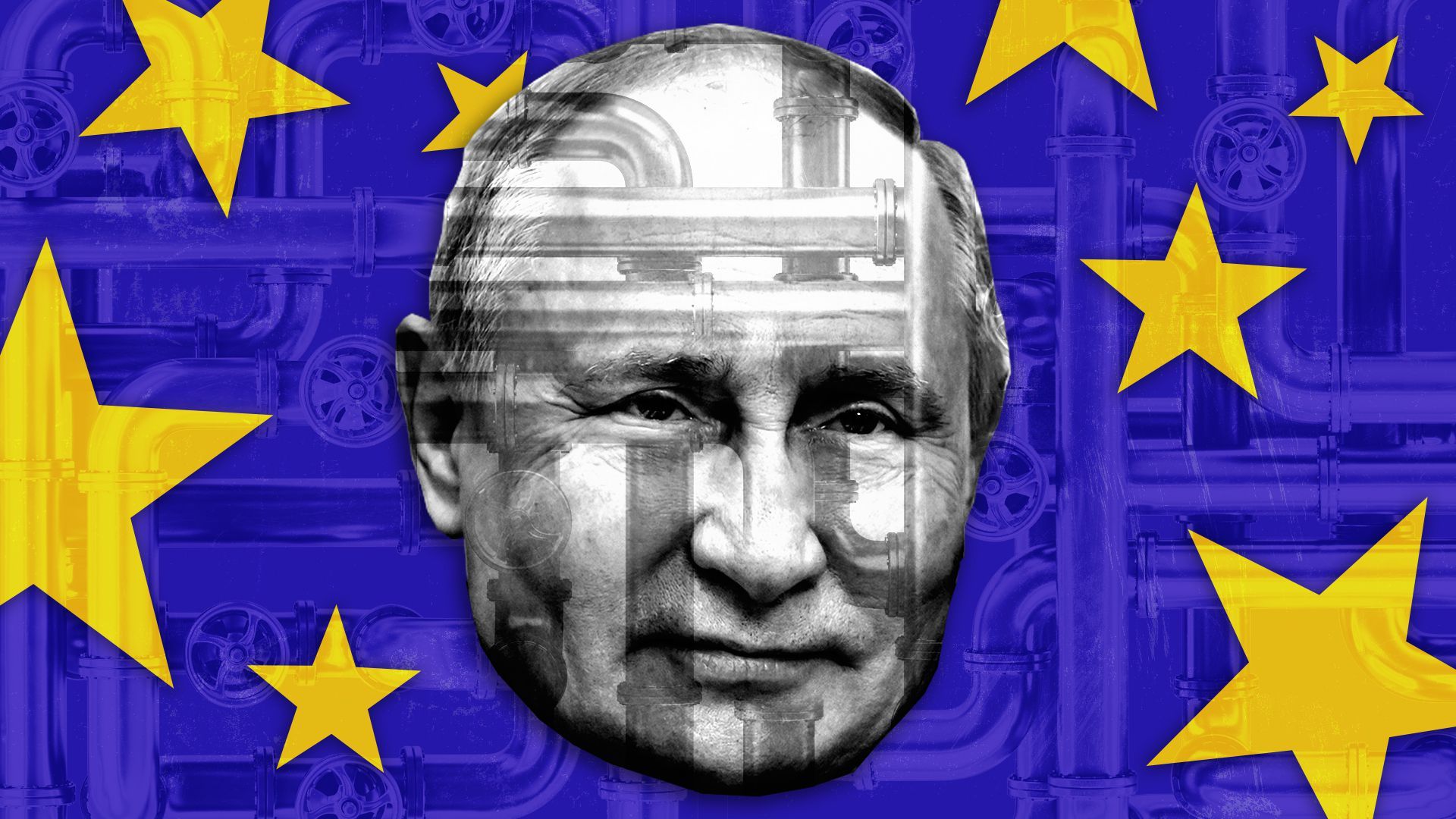
European natural gas prices continue to go nuts, as the market has become a theater in the growing conflict between Russia and the West.
Why it matters: Russia is increasingly seen as treating its energy assets as political tools, rather than mere sources of revenue, upending a market once driven largely by basic questions of supply and demand. For now, that geopolitical game of chess is squeezing the balance sheets of Europe's energy companies and ordinary consumers.
The U.S. announced a new contribution of more than $308 million in humanitarian assistance for Afghanistan on Tuesday, bringing the total U.S. aid for the country and Afghan refugees to nearly $782 million since October.
Why it matters: Millions of Afghans face a harsh winter and rapidly dwindling food and fuel reserves, and the Taliban, which reclaimed the country in August after the U.S. ended its military presence there, lack resources to respond to the growing humanitarian crisis, according to the Washington Post.
The Chinese government has promised Olympic athletes free access to social media platforms and other websites in the Olympic Village in Beijing, but internet use may still be fraught with restrictions and risks.
Why it matters: China's aim in temporarily opening its "great firewall" is simply to boost its global reputation ahead of the Games, not to champion an open internet, experts say. And they expect heavy surveillance of online activity to continue, even for visitors who are allowed to access sites that would otherwise be blocked.
Reproduced from Wall Street Journal; Map: Axios Visuals
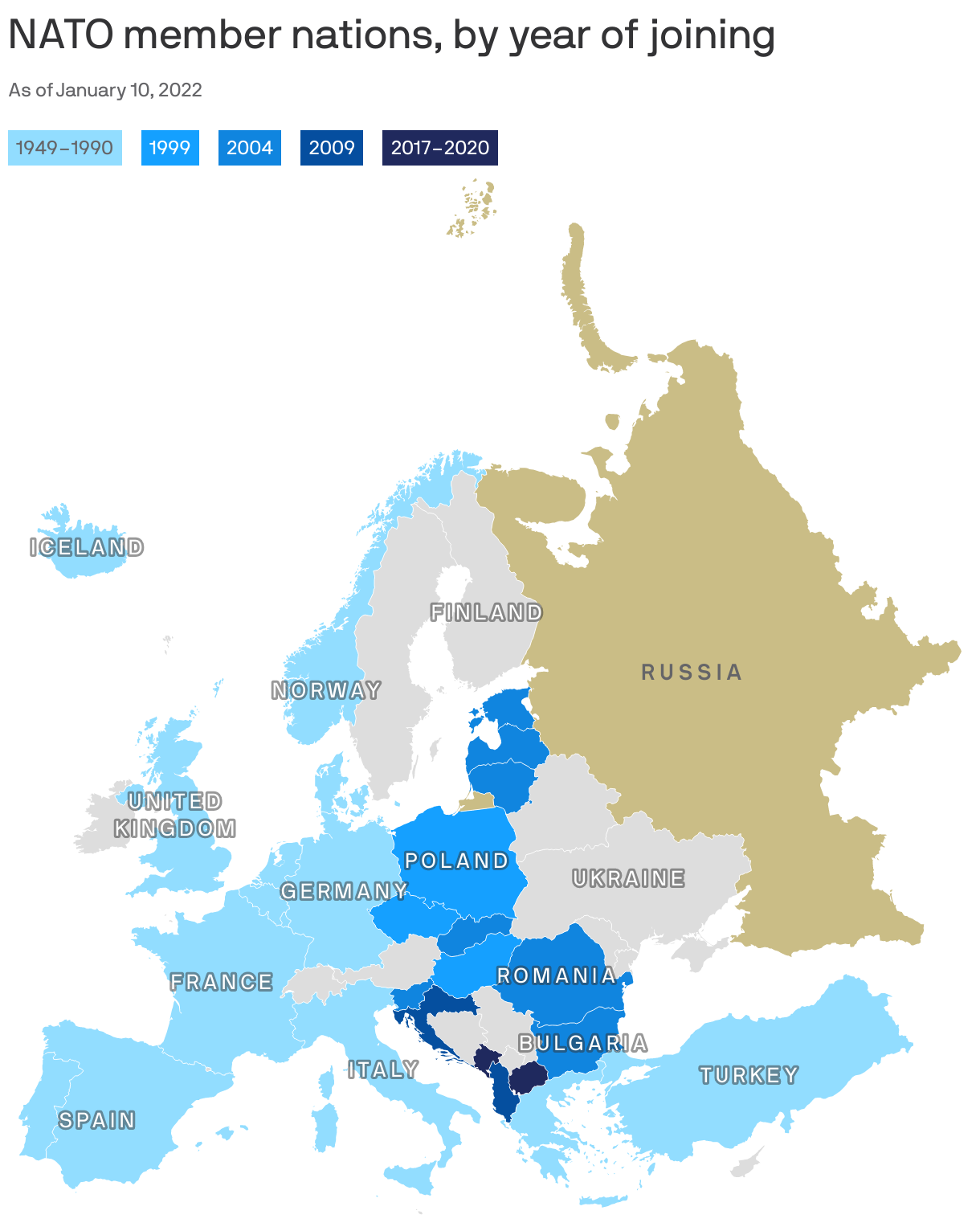
Russian officials drew their talking points for Monday's meeting with U.S. officials in Geneva from a draft Kremlin treaty proposal that would force NATO to withdraw forces to its 1997 borders.
Why it matters: The question of whether NATO could expand to the east, which Russia has viewed as an existential threat, is at the heart of this week's security talks. Under the Russian request, the alliance would turn back the clock to 1997, before Poland, the Baltic states, the Czech Republic and other Eastern European countries joined it.
Monday was a day of red lines for Vladimir Putin: Russia will not allow "color revolutions" in its neighborhood, he said, and will stand by its demands that NATO pull back from its borders and keep Ukraine out — even as Washington insists those are "non-starters."
Driving the news: Putin said that by dispatching troops to Kazakhstan, the Moscow-led alliance had shown it "will not allow the situation to be rocked at home and will not allow so-called 'color revolutions,'" a reference to the uprisings that toppled pro-Moscow governments in Georgia and Ukraine.









/2022/01/06/1641498052768.gif?w=3840)