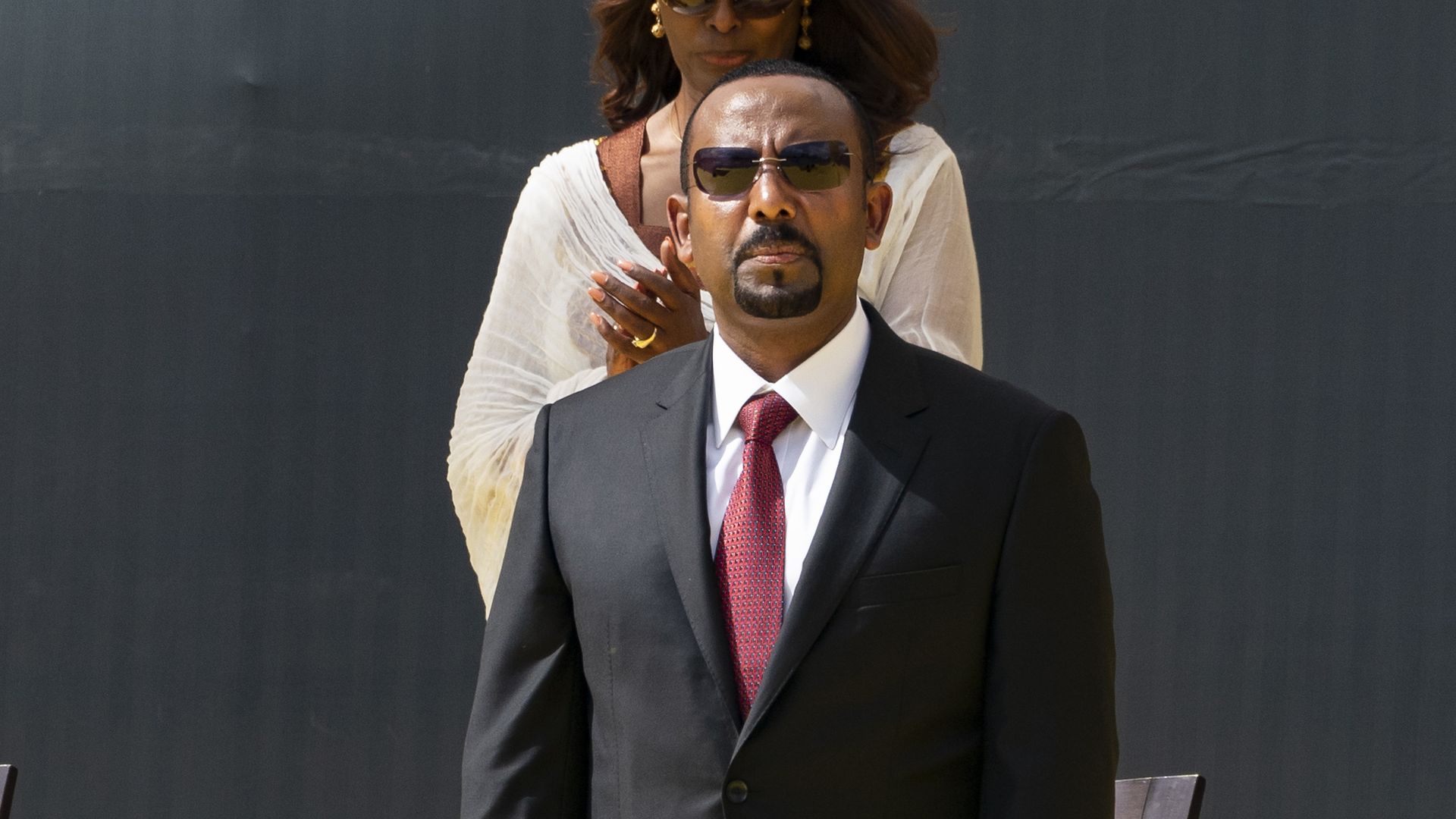
President Biden spoke with Ethiopian Prime Minister Abiy Ahmed on Monday at Biden's request to encourage recent “constructive steps,” like the release of political prisoners, while also raising concerns about civilian casualties in the country’s civil war, the White House said in a statement.
Why it matters: The more than yearlong conflict between the federal government and rebel forces, particularly in Ethiopia's Tigray region, has killed thousands of people and forced millions more to flee, per Reuters.
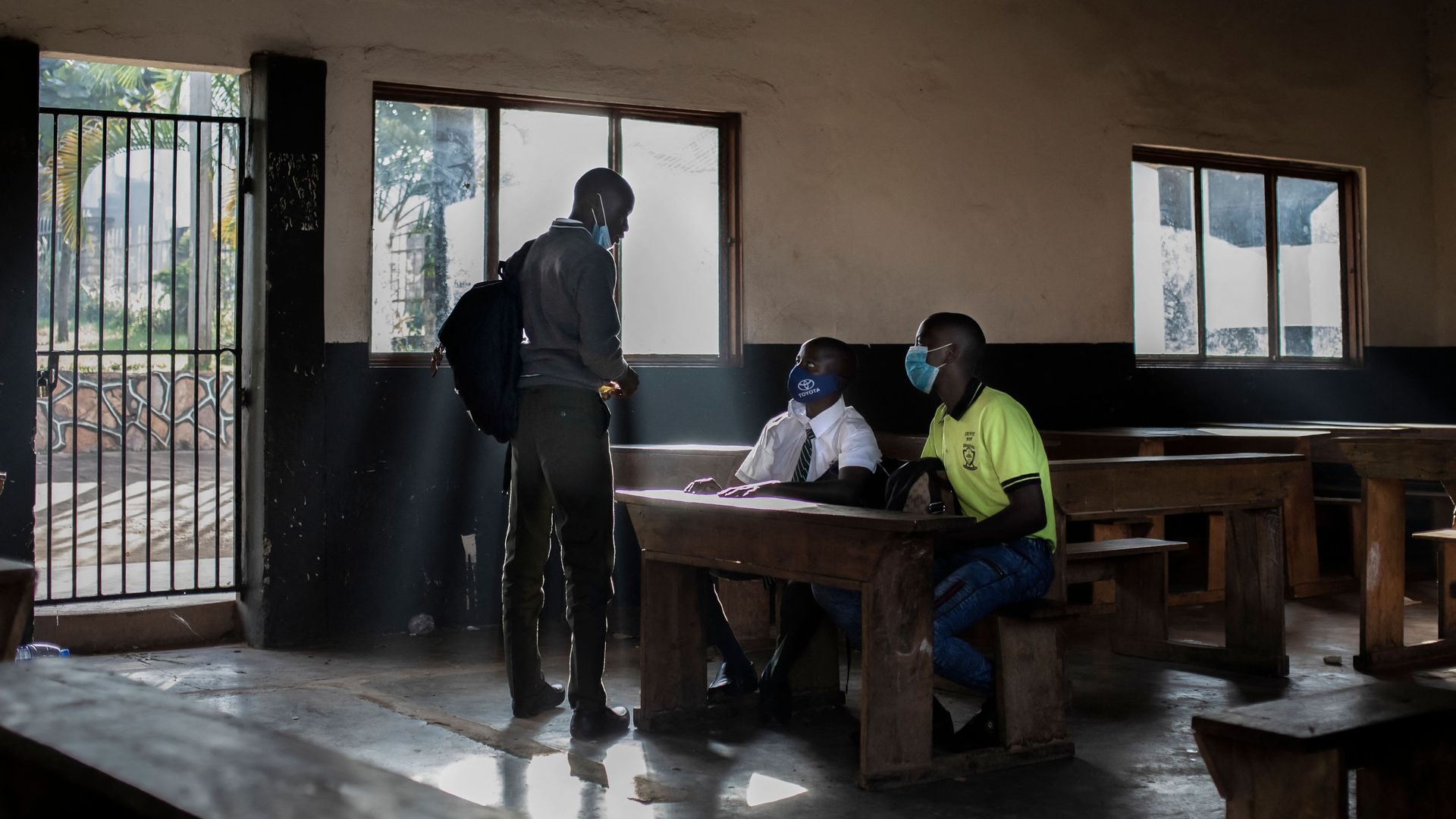
Uganda reopened its schools Monday, ending the world's longest coronavirus-related shutdown and ushering millions of students back to the classroom for the first time in almost two years.
Top U.S. and Russian officials stuck to their red lines during nearly eight hours of security talks in Geneva on Monday, with the U.S. ruling out limits to NATO expansion and Russia warning that it would respond to a diplomatic failure with a "military-technical solution."
The big picture: The talks — which Deputy Secretary of State Wendy Sherman insisted were "not what we could call a negotiation" — kick off a week of urgent diplomacy intended to avert a Russian invasion of Ukraine.
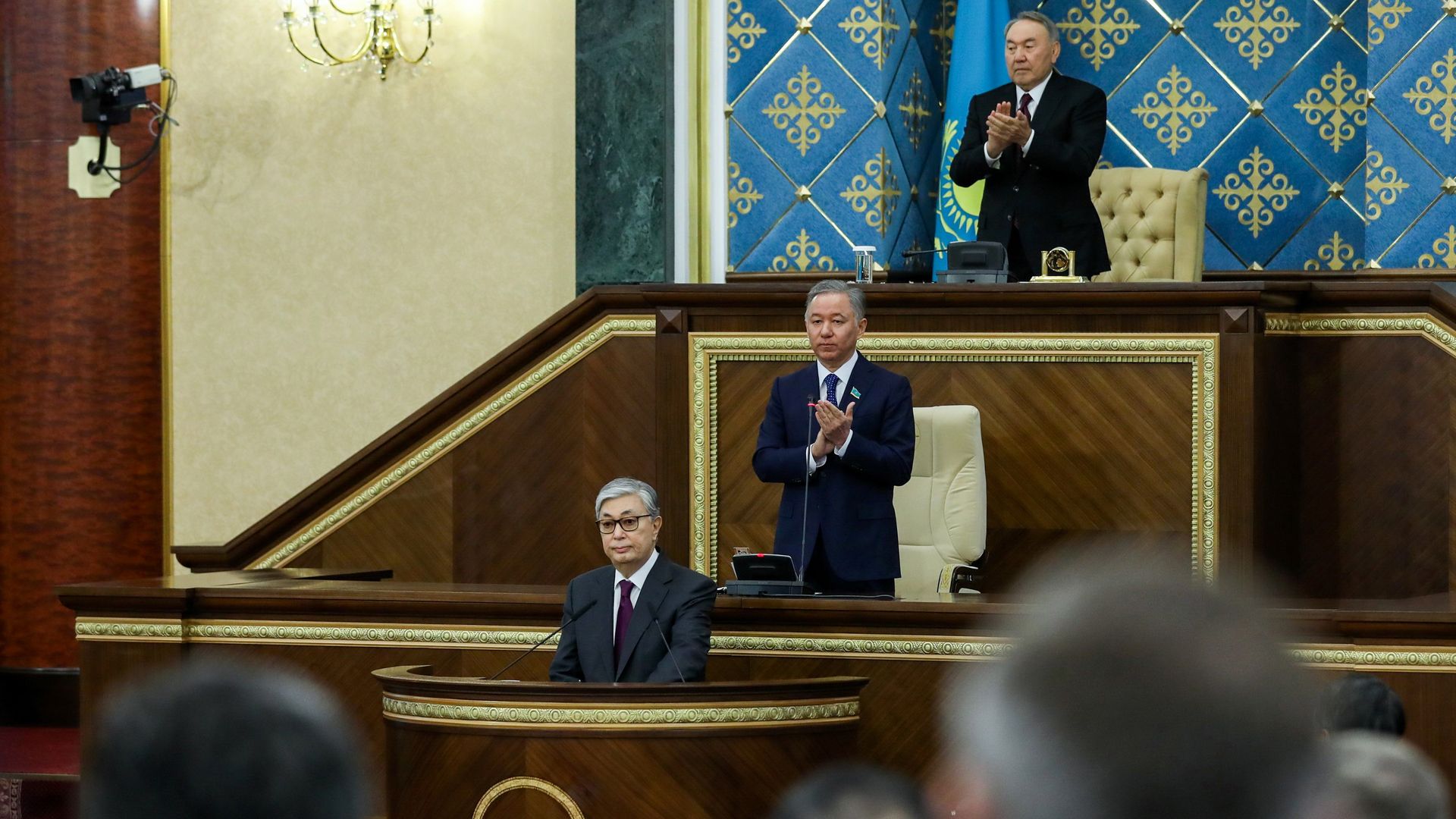
Kazakhstan President Kassym-Jomart Tokayev claimed Monday that unnamed actors had orchestrated an "attempted coup d’etat" against him and said he would soon provide evidence.
What's happening: Authorities announced Saturday that powerful intelligence chief Karim Massimov — a close ally of former dictator Nursultan Nazarbayev — had been arrested on suspicion of treason. Nazarbayev has himself vanished from view after being ousted last Wednesday from his role as head of the security council.
U.S. Olympic pairs skater Timothy LeDuc called Chinese human rights abuses toward Uyghur Muslims "horrifying," USA Today reports.
Why it matters: A number of countries, including the U.S., have announced diplomatic boycotts of next month's Beijing Winter Games. Many athletes however, have "tiptoed around" commenting on the human rights abuses committed by China's government, USA Today notes.
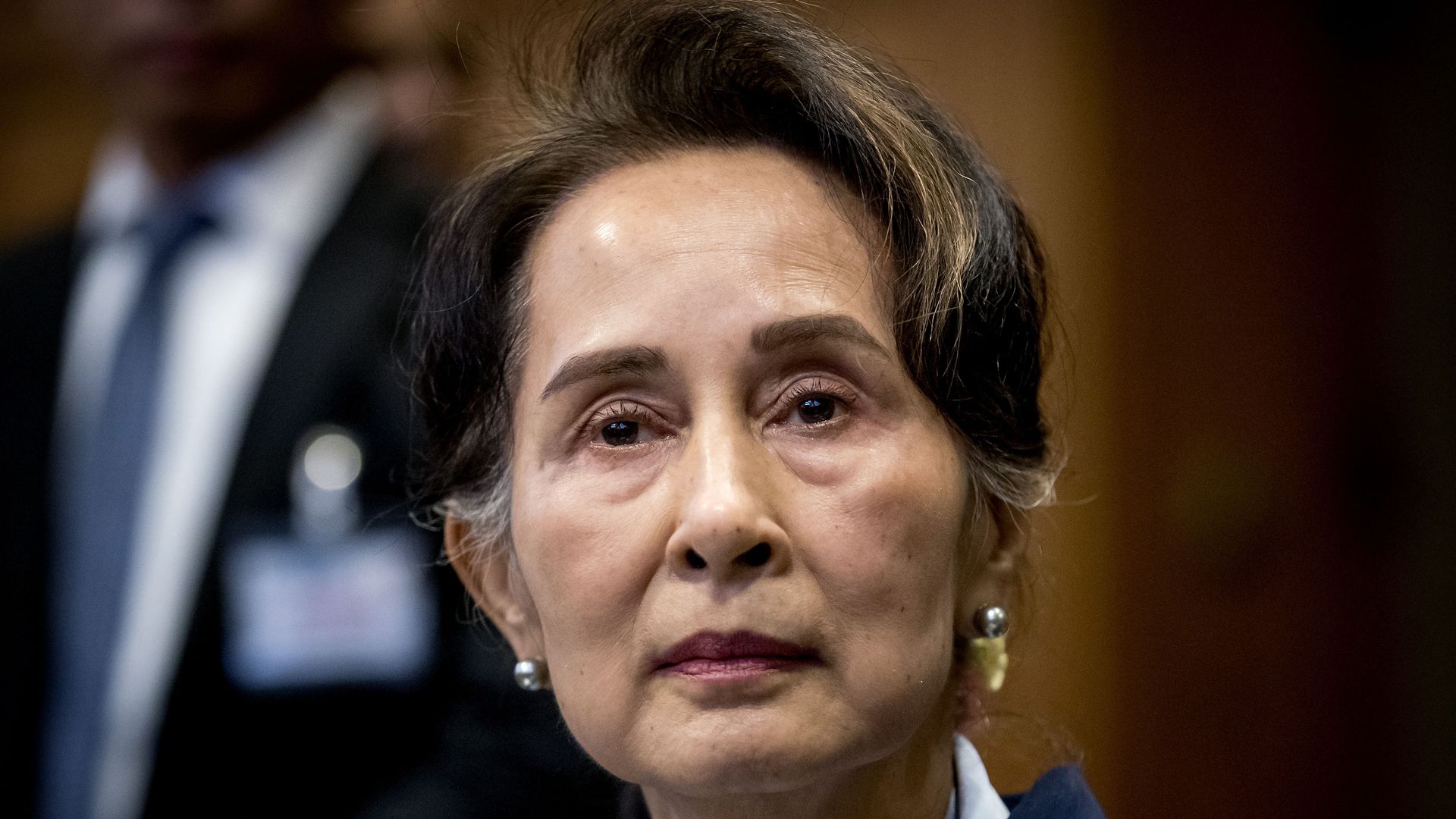
A Myanmar court sentenced the country's ousted leader, Aung San Suu Kyi, on Monday to an additional four years in prison on charges related to illegally importing and owning walkie-talkies and for breaking pandemic rules, per AP.
Why it matters: It's the latest verdict in a slew of cases brought by Myanmar's military junta that could see the 76-year-old Nobel laureate imprisoned for the rest of her life.
A group of Russia experts urged National Security Adviser Jake Sullivan to send more arms to the Ukrainians when he spoke with them ahead of this week’s high-stakes diplomatic meetings with Russian officials, participants told Axios.
Why it matters: By soliciting advice from the hawkish pockets in the foreign policy establishment, including those who served under former President Trump, the Biden administration is considering all options while weighing how to discourage Russian President Vladimir Putin from invading Ukraine — and punish him if he does.
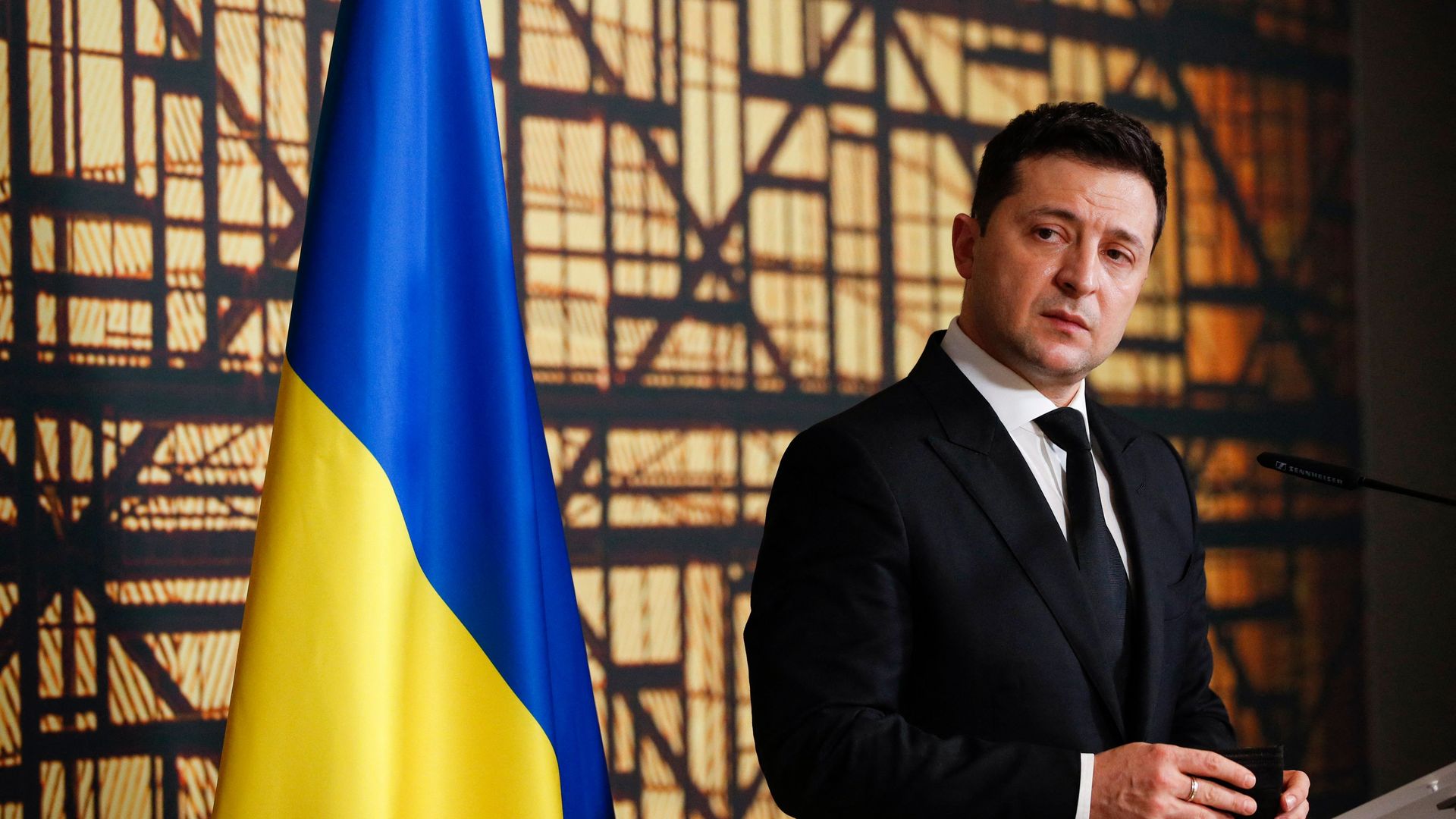
The Ukrainian government is publicly urging senators to vote for Sen. Ted Cruz's bill sanctioning the Nord Stream 2 pipeline — calling the project "no less an existential threat to our security" than the Russian troops on its border.
Why it matters: With U.S. officials in Europe for talks with Russia this week, Democrats face an uncomfortable choice — either buck President Biden or vote against sanctions on a pipeline they have long publicly opposed. The decision comes at a moment of crisis for Ukraine.
Officials in the city of Tianjin began mass testing the entire 14 million population for COVID-19 on Sunday after discovering a cluster of cases, AP reported.
Why it matters: Beijing, roughly 70 miles from Tianjin, will host the Olympics in less than a month.
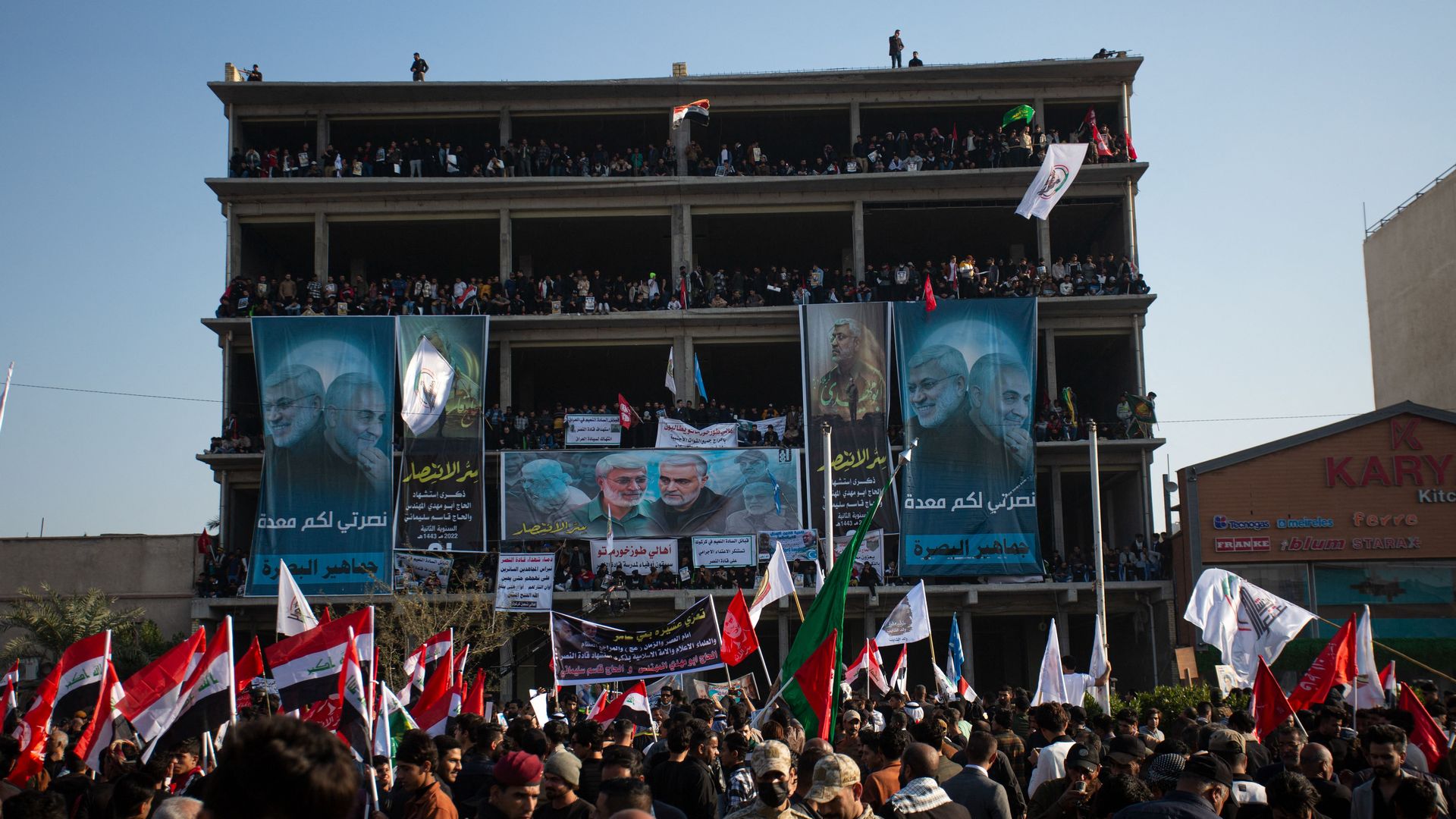
Iran on Saturday sanctioned more than 50 U.S. officials over the 2020 assassination of Qasem Soleimani, one of the regime's most powerful military figures.
The big picture: The additional sanctions announced by the Iranian Foreign Ministry on Saturday come after the second anniversary of the Jan. 3, 2020, drone strike that killed Soleimani, the commander of Iran's regional network of proxies and international intelligence and terror operations.
Japan and the U.S. have reached a "basic agreement" to prohibit U.S. soldiers from leaving their bases in an effort to contain a recent surge in COVID-19 infections, AP reports.