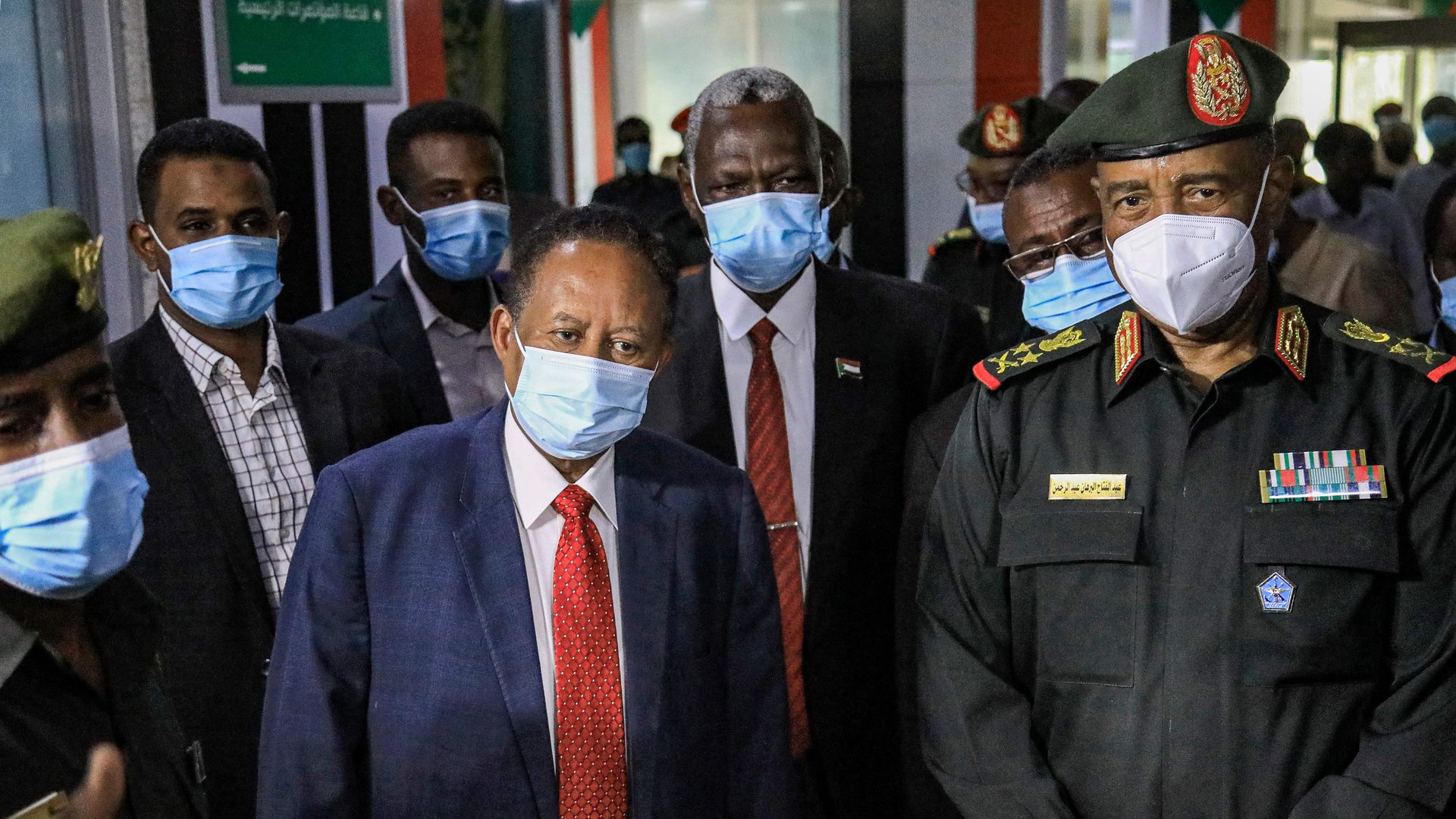
The resignation of Prime Minister Abdalla Hamdok leaves Sudan's military with the difficult task of trying to find a replacement with broad domestic and international support.
Why it matters: Hamdok’s long-awaited resignation came amid a months-long political crisis that is nowhere near over. The U.S. and other international actors fear it was another blow to Sudan's sputtering democratic transition.
The Biden administration and the Israeli government held low-profile consultations last month on China — a sensitive issue given U.S. concerns about Chinese investments in Israel.
Why it matters: The meeting on Dec. 14, led by deputy national security advisers from both sides, was the first wide-ranging consultation between the two countries on China since President Biden took office. The Israeli side aimed to keep it very discreet, fearing a backlash from Beijing.
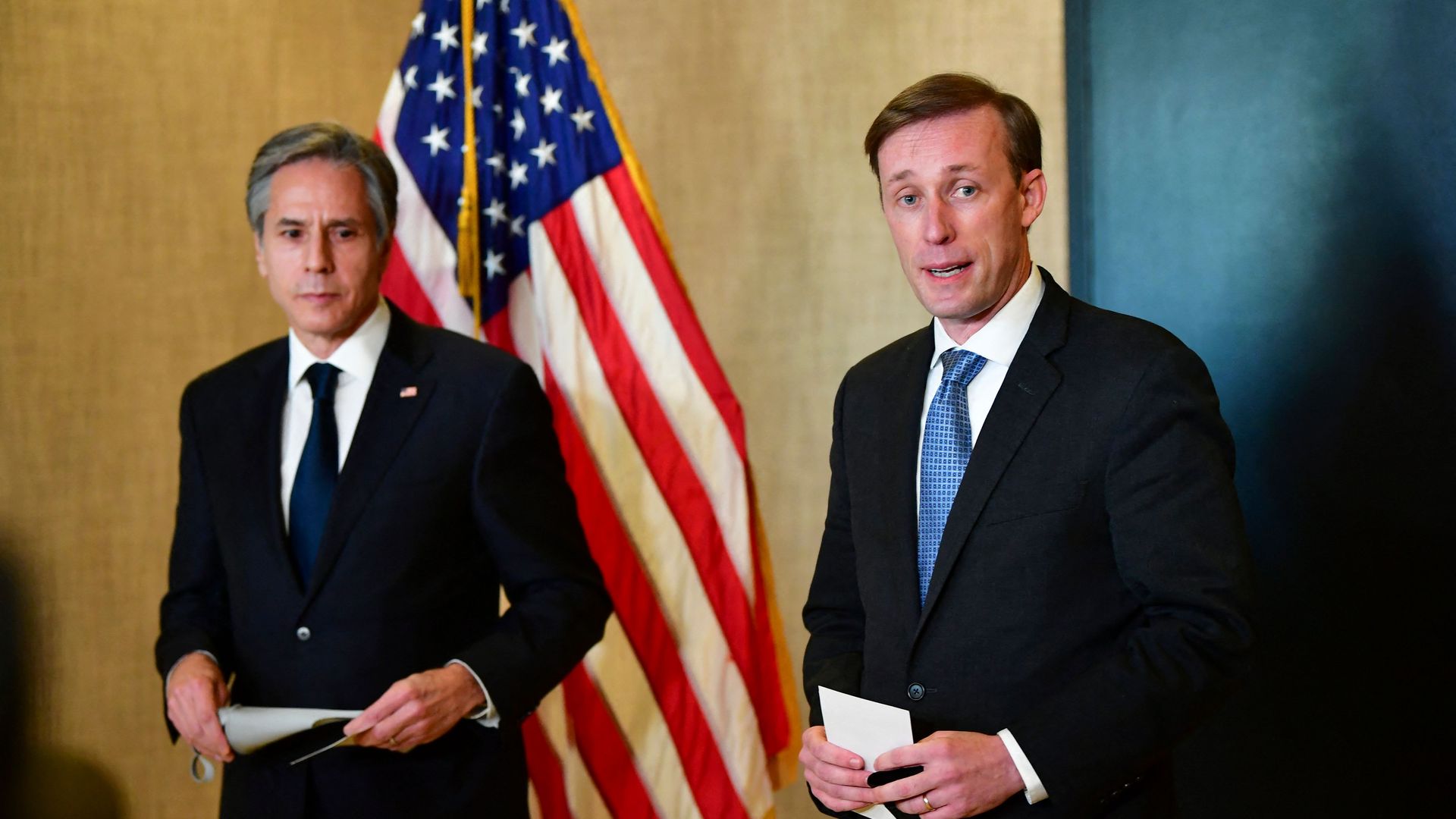
National security adviser Jake Sullivan told Israeli officials during his recent visit to Jerusalem that the threat of “snapback” UN Security Council sanctions should be used as a means to deter Iran from enriching weapons-grade uranium, three Israeli officials with direct knowledge of the issue told me.
Why it matters: Snapback was the most significant mechanism built into the 2015 deal to punish Iran if it violates the agreement. According to the deal, any party to the agreement can trigger the sanctions.
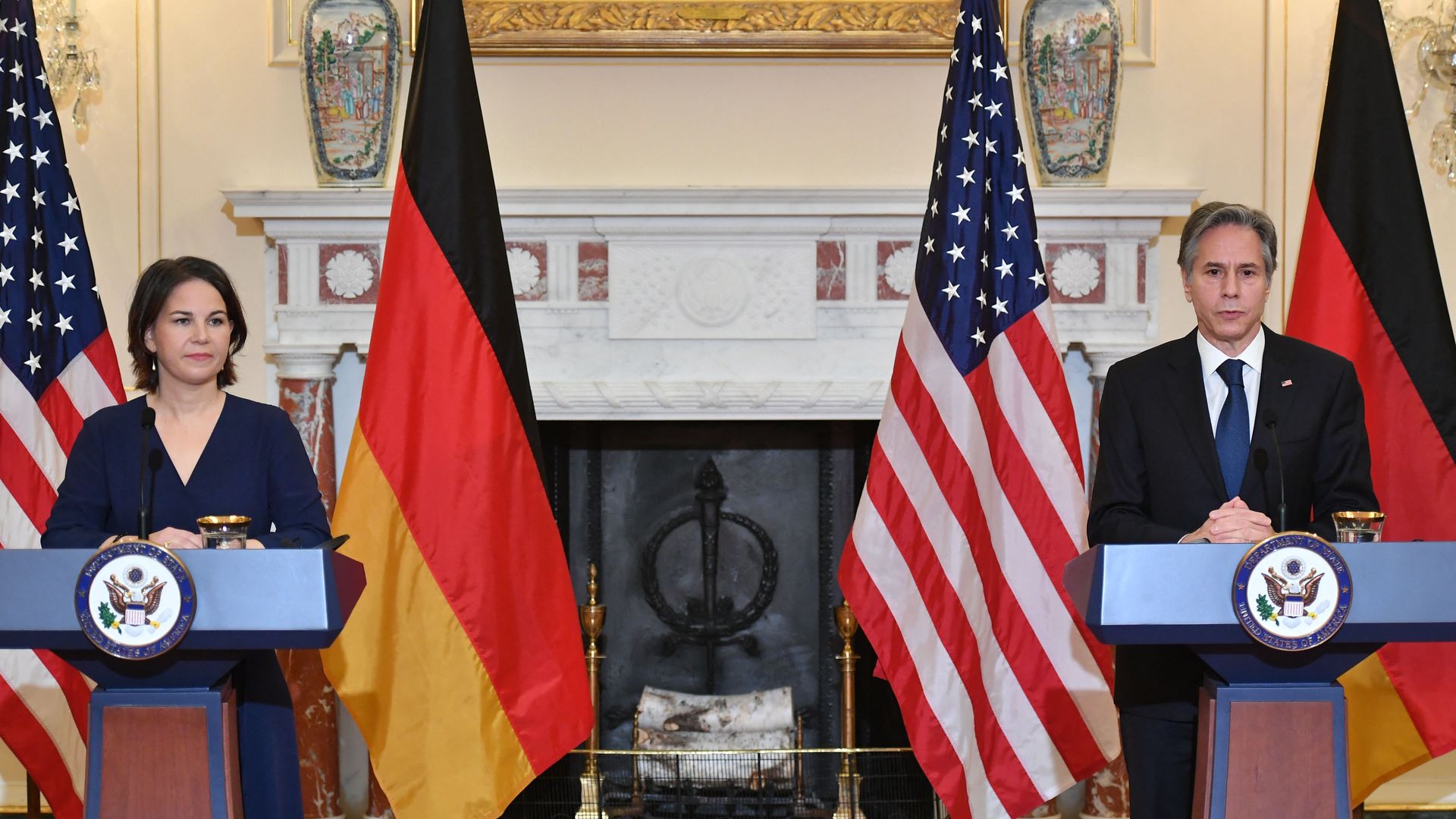
The U.S. and Germany's top diplomats issued a joint warning to Russia ahead of high-level security talks in Europe next week, pledging "massive" economic consequences if Vladimir Putin proceeds with an invasion of Ukraine.
Why it matters: With Russia massing troops on the Ukrainian border and questions swirling about how far Germany is prepared to go to deter Putin, Secretary of State Antony Blinken and new German Foreign Minister Annalena Baerbock presented a united front at their first press conference together in Washington.
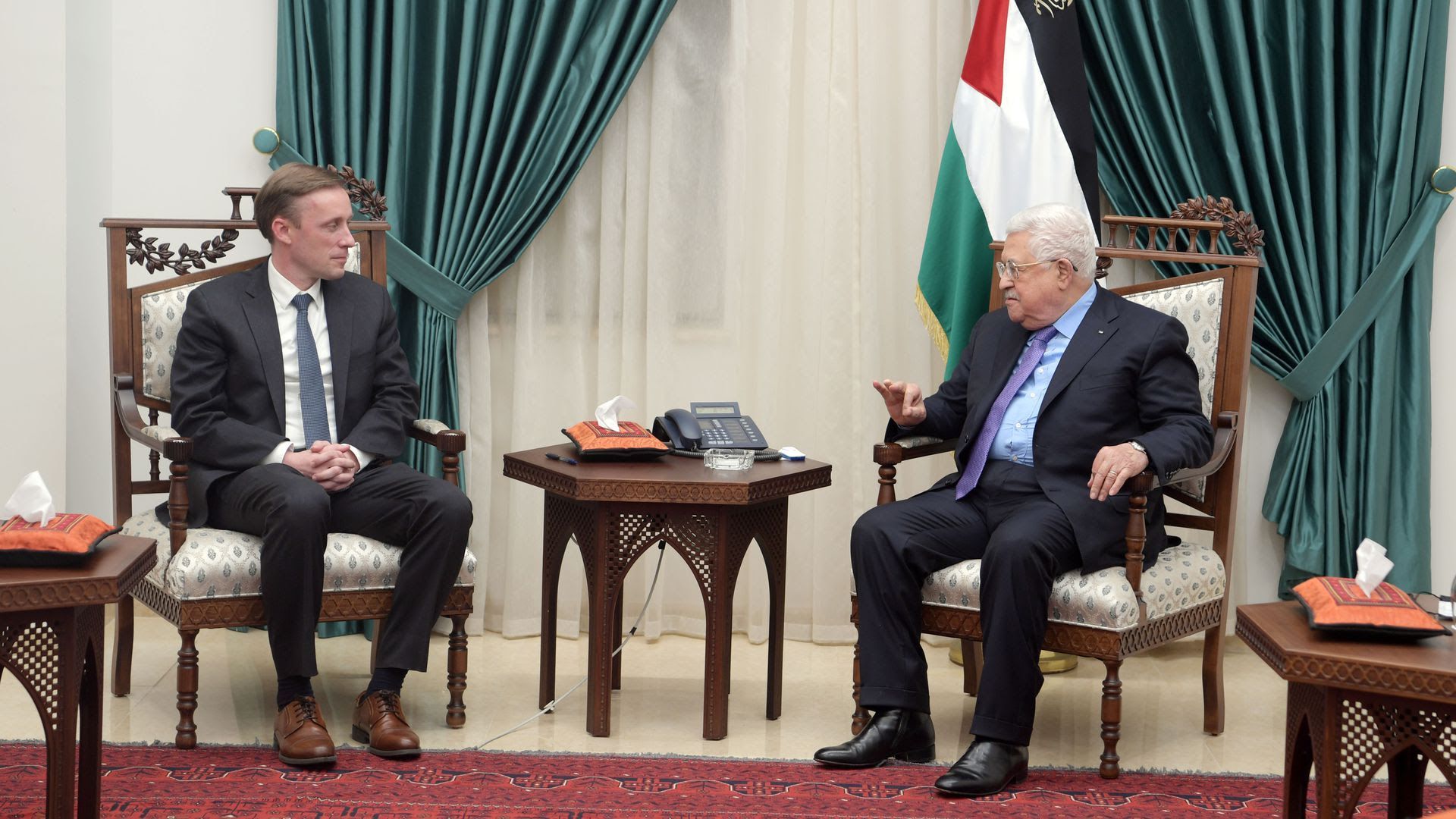
Palestinian President Mahmoud Abbas warned national security advisor Jake Sullivan in their recent meeting that more active U.S. diplomatic engagement in the Israeli-Palestinian conflict is needed to avoid a new crisis in the region, Palestinian Minister for Civilian Affairs Hussein al-Sheikh tells Axios.
Why it matters: After a diplomatic deep freeze under the Trump administration, the Palestinian leadership hoped Biden would be much more active in rolling back Trump’s policies and taking steps to advance the two-state solution. So far, they've been disappointed.
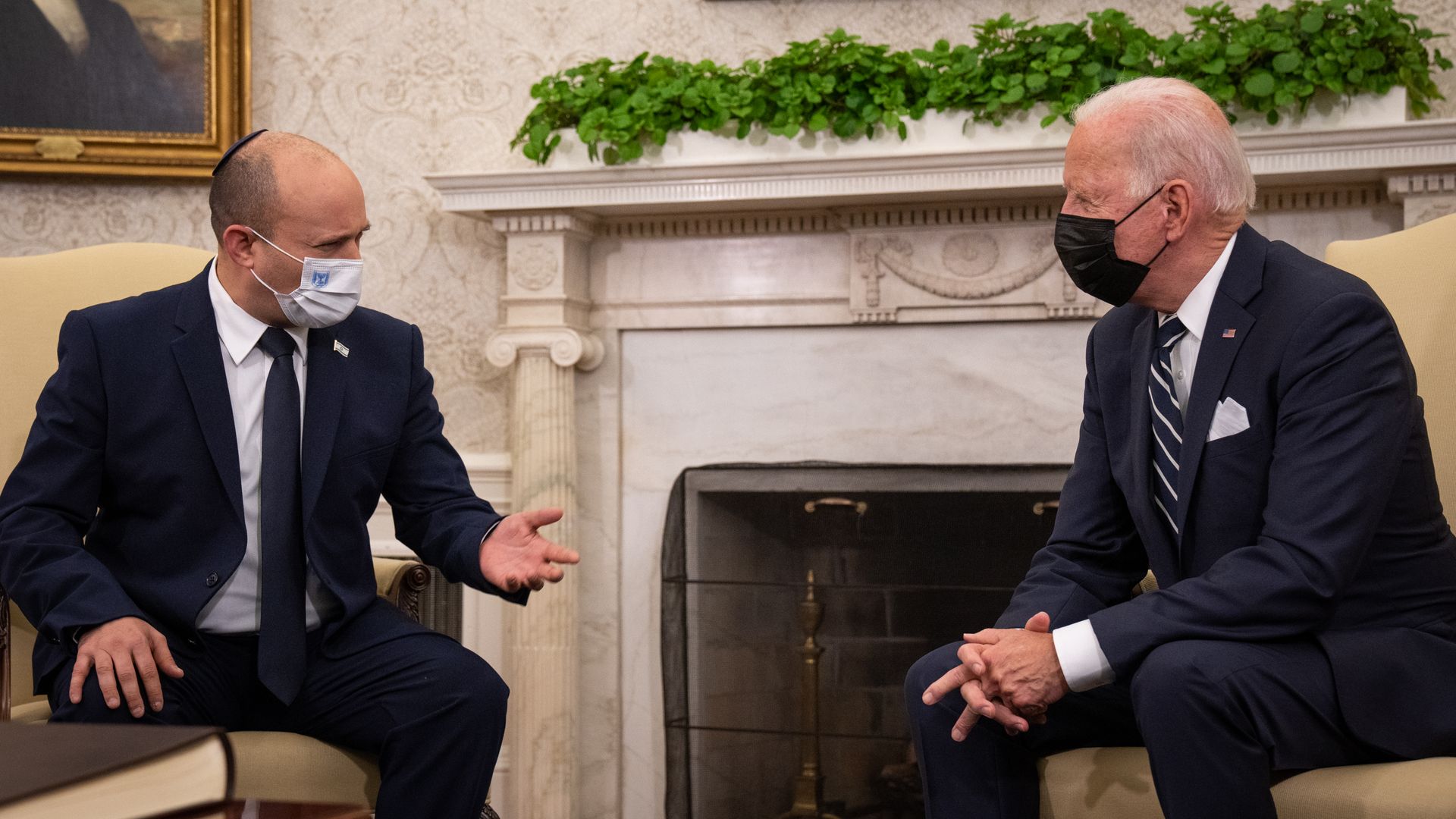
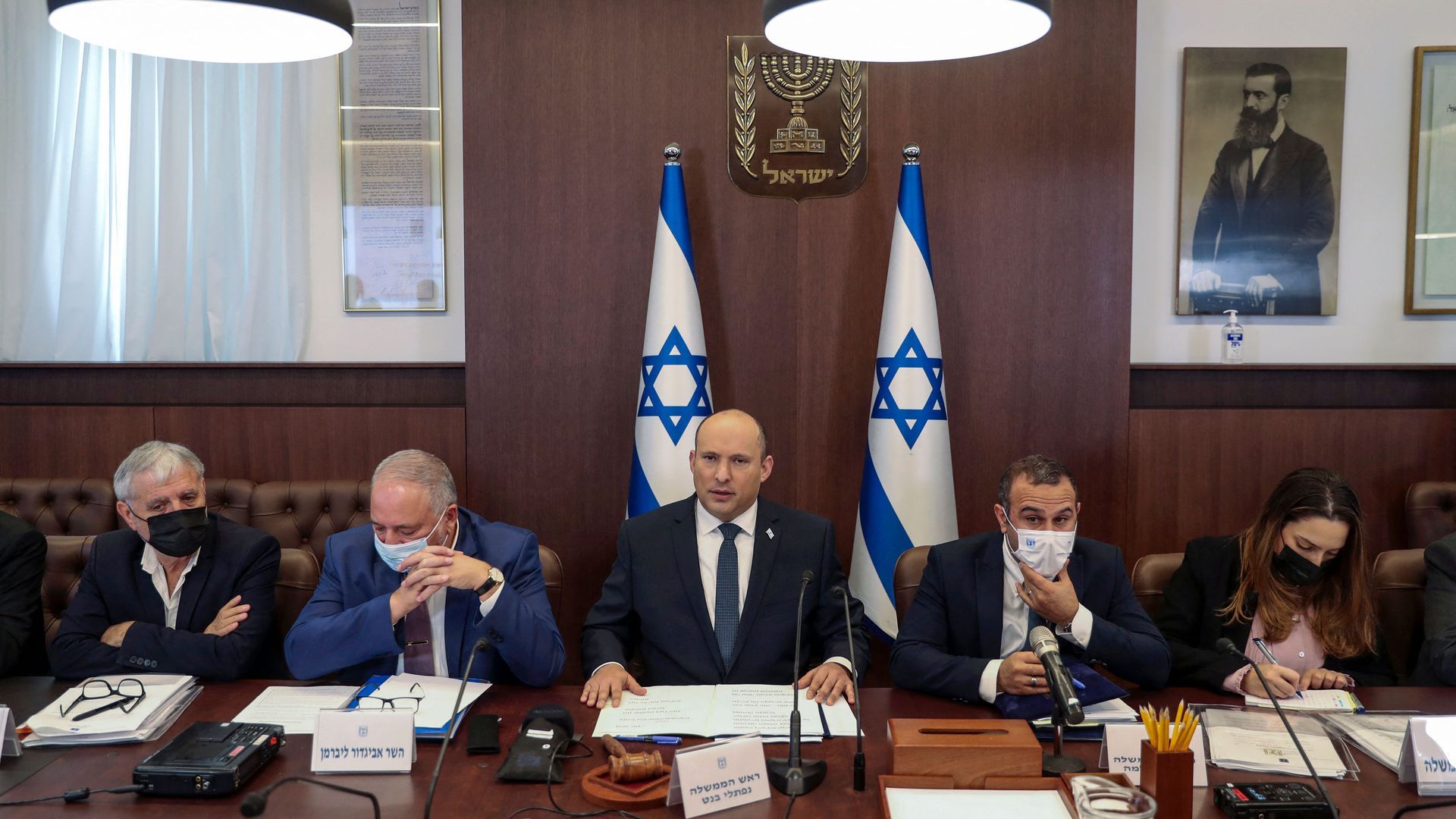
The head of Israeli military intelligencetold ministers during a Security Cabinet meeting on Sunday that Israel will be better off if the Iran nuclear talks lead to a deal rather than collapsing without one, two Cabinet ministers who attended the meeting tell me.
Why it matters: While Israel campaigned vigorously against the 2015 nuclear deal, and Prime Minister Naftali Bennett continues to take hawkish positions on diplomacy with Iran, the statements from Maj. Gen. Aharon Haliva reflect a broader shift in the thinking of the Israeli defense establishment.
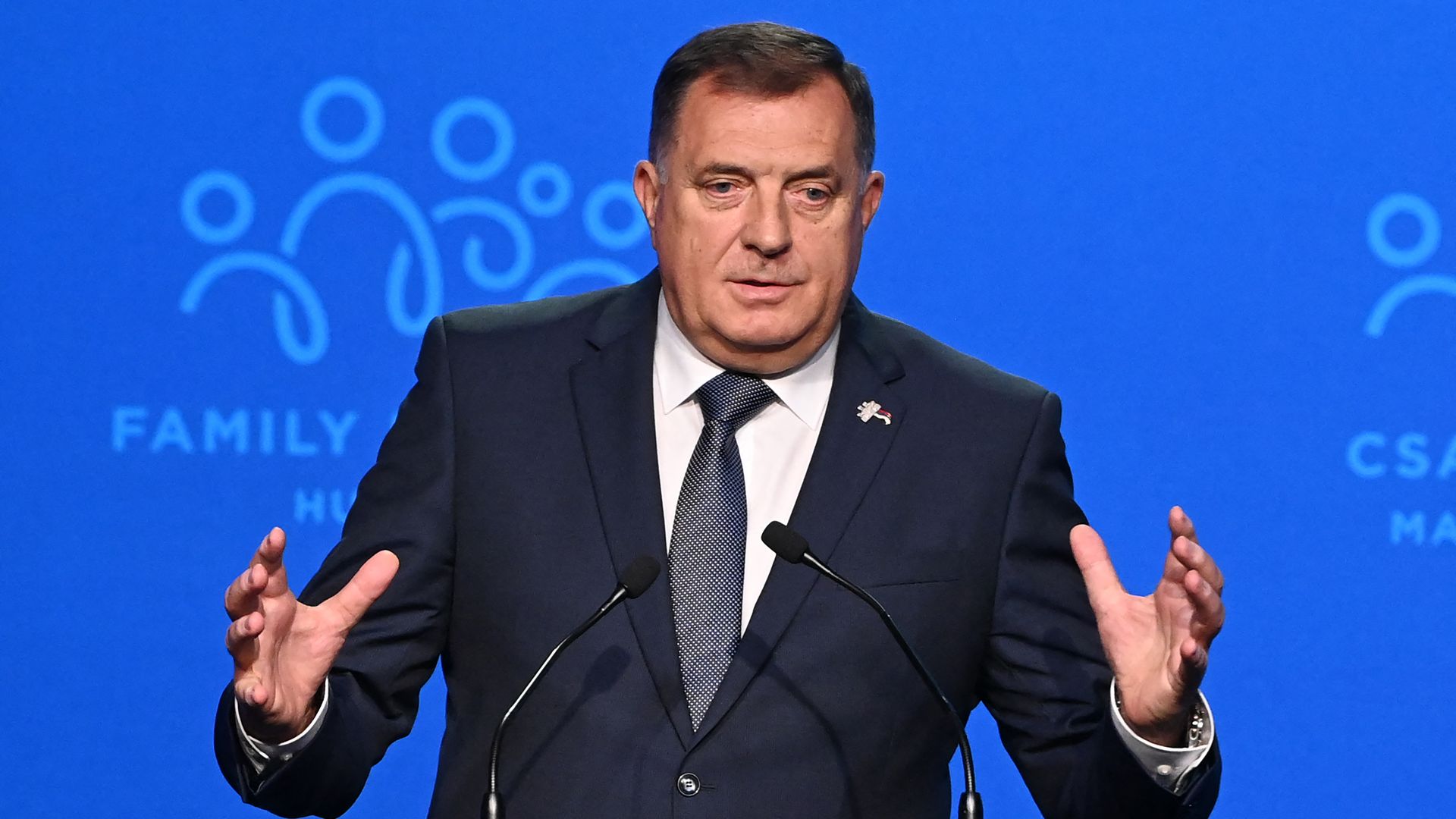
The U.S. has sanctioned Bosnian Serb leader Milorad Dodik for his "corrupt activities and continued threats to the stability and territorial integrity" of Bosnia and Herzegovina, the Treasury Department announced Wednesday.
Why it matters: The international community's top representative in Bosnia warned in November that Dodik's secessionist maneuvers threatened to break apart the Balkan country and destroy the fragile peace that has held since 1995.
The OPEC+ decision Tuesday to press ahead with another production boost next month signals confidence that spreading COVID-19 cases won't become a huge drag on demand.
Catch up fast: The coalition of OPEC, Russia and allied producers, as expected, stuck with plans to continue the monthly increases of 400,000 barrels per day.
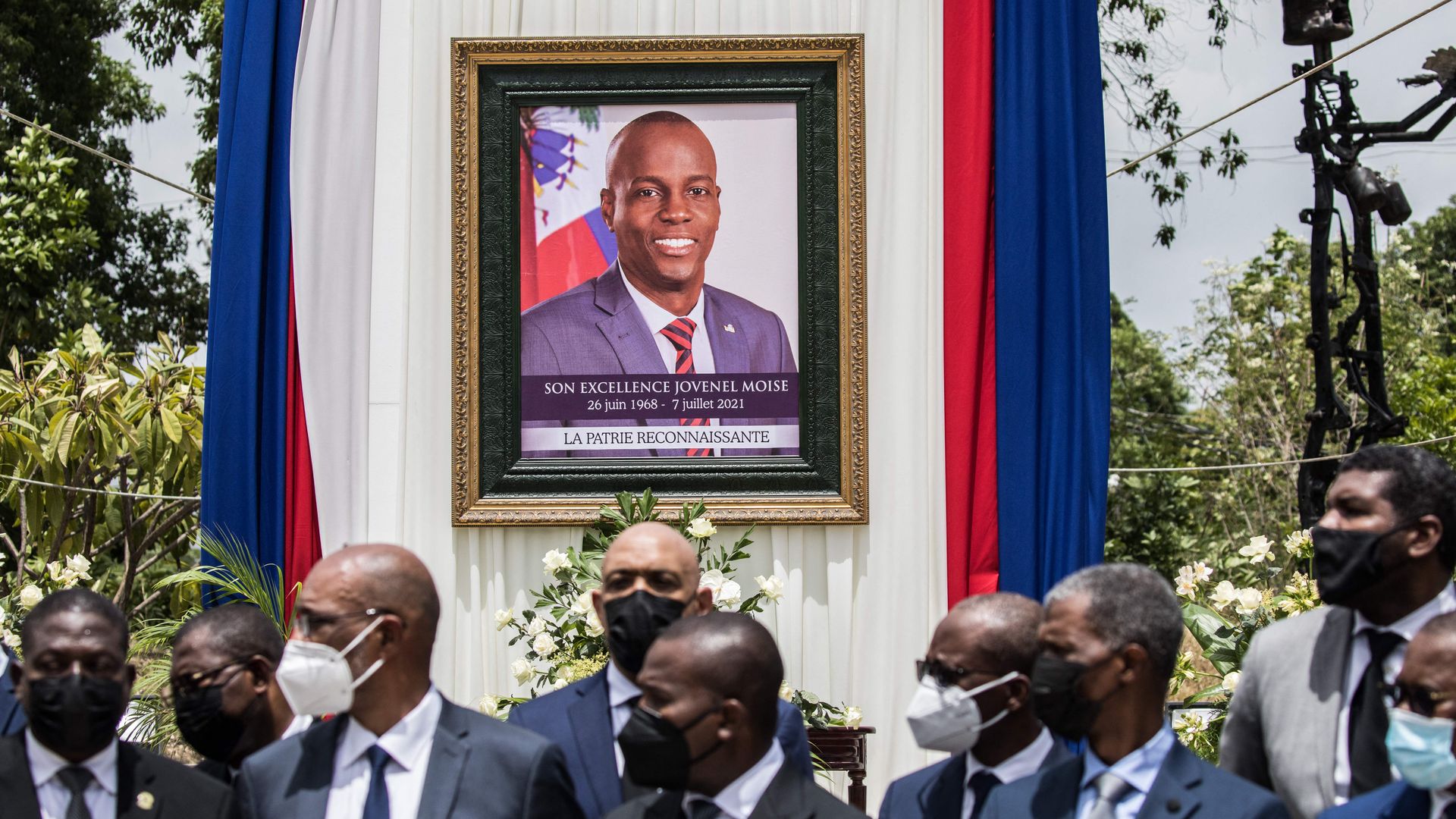
A Colombian national has been arrested and charged in the U.S. in connection with the assassination of Haitian President Jovenel Moïse, the Justice Department said in a statement Tuesday.
Why it matters: Mario Antonio Palacios, 43, faces charges of "conspiracy to commit murder or kidnapping outside the U.S. and providing material support resulting in death," according to the release.
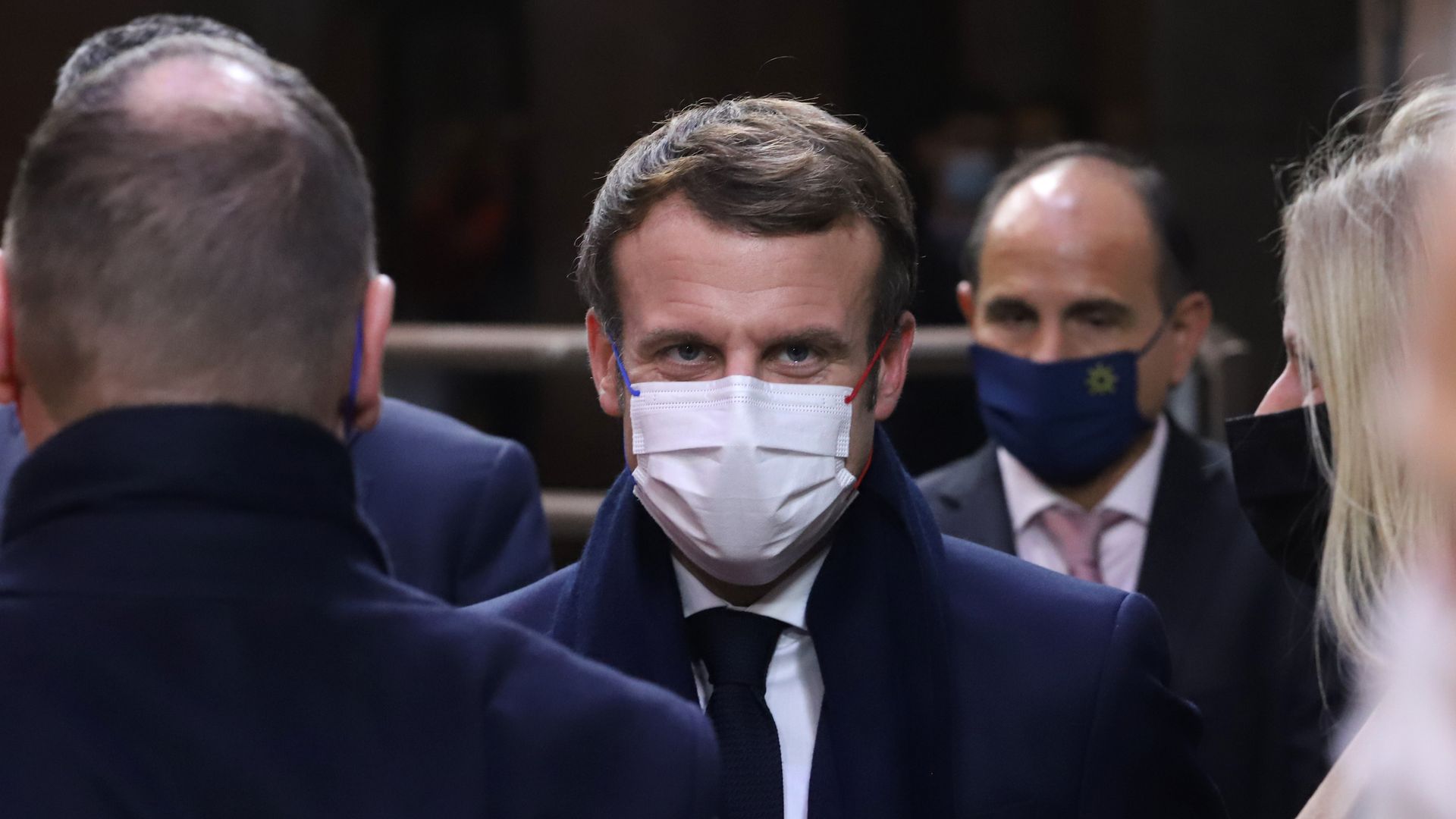
French President Emmanuel Macron said on Tuesday that he wants to “piss off” unvaccinated people as part of his strategy to fight COVID-19.
What he’s saying: Speaking to Le Parisien, a French newspaper, Macron said policies that ban unvaccinated people from cafes and theaters and otherwise limit their social activities are intended to be frustrating, adding: "I really want to piss them off. And so we will continue to do so, to the bitter end. That's the strategy."
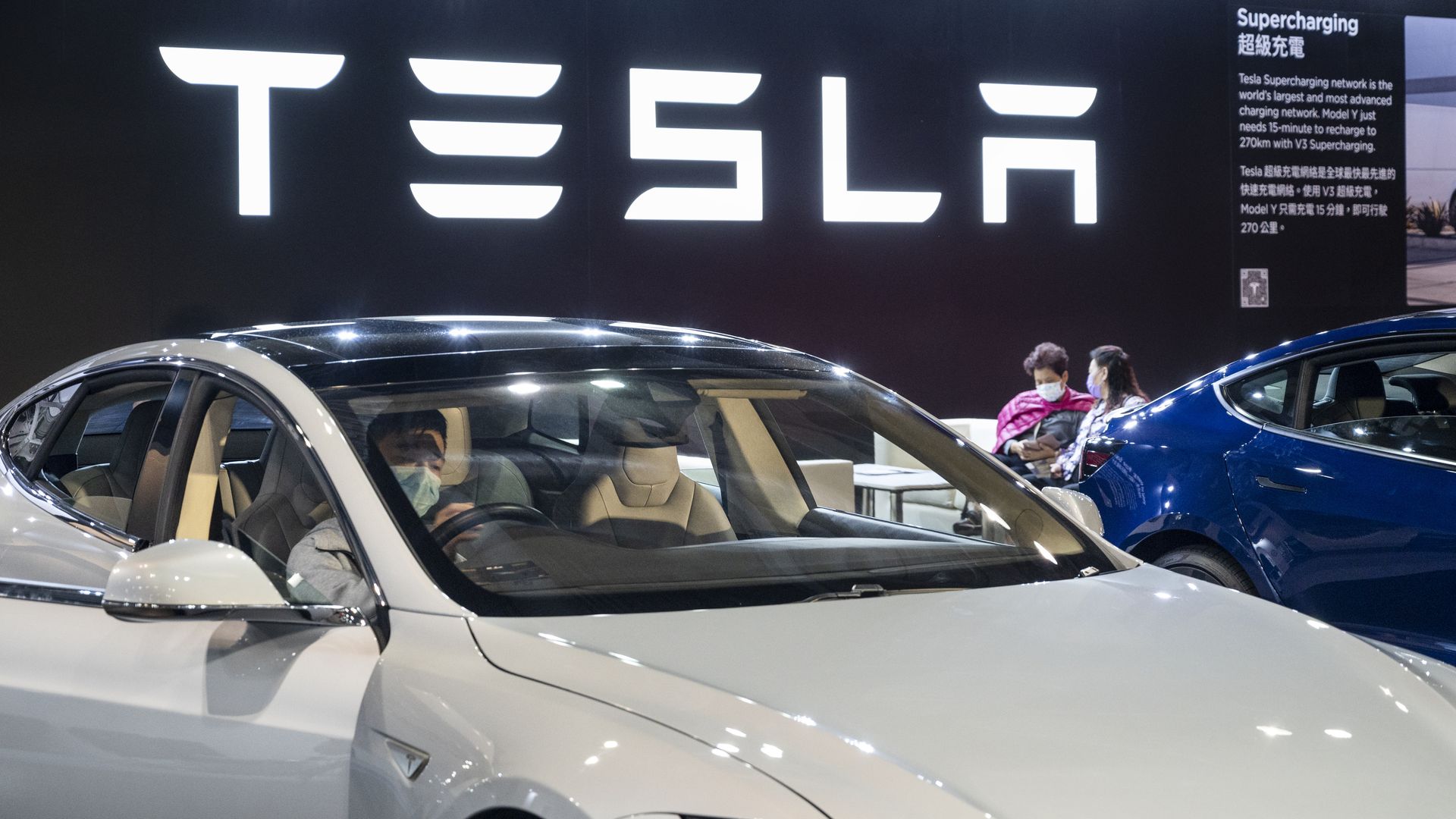
Tesla has opened a showroom in China's Xinjiang region, the province where the Chinese government has been accused of carrying out genocide against Uyghur Muslims and other ethnic minorities.
Why it matters: Human rights advocates panned Tesla's decision, which comes weeks after President Biden signed into law a bill banning imports from Xinjiang unless there's "clear and convincing evidence" that they weren't made with forced labor, and imposing sanctions on those responsible for the forced labor.
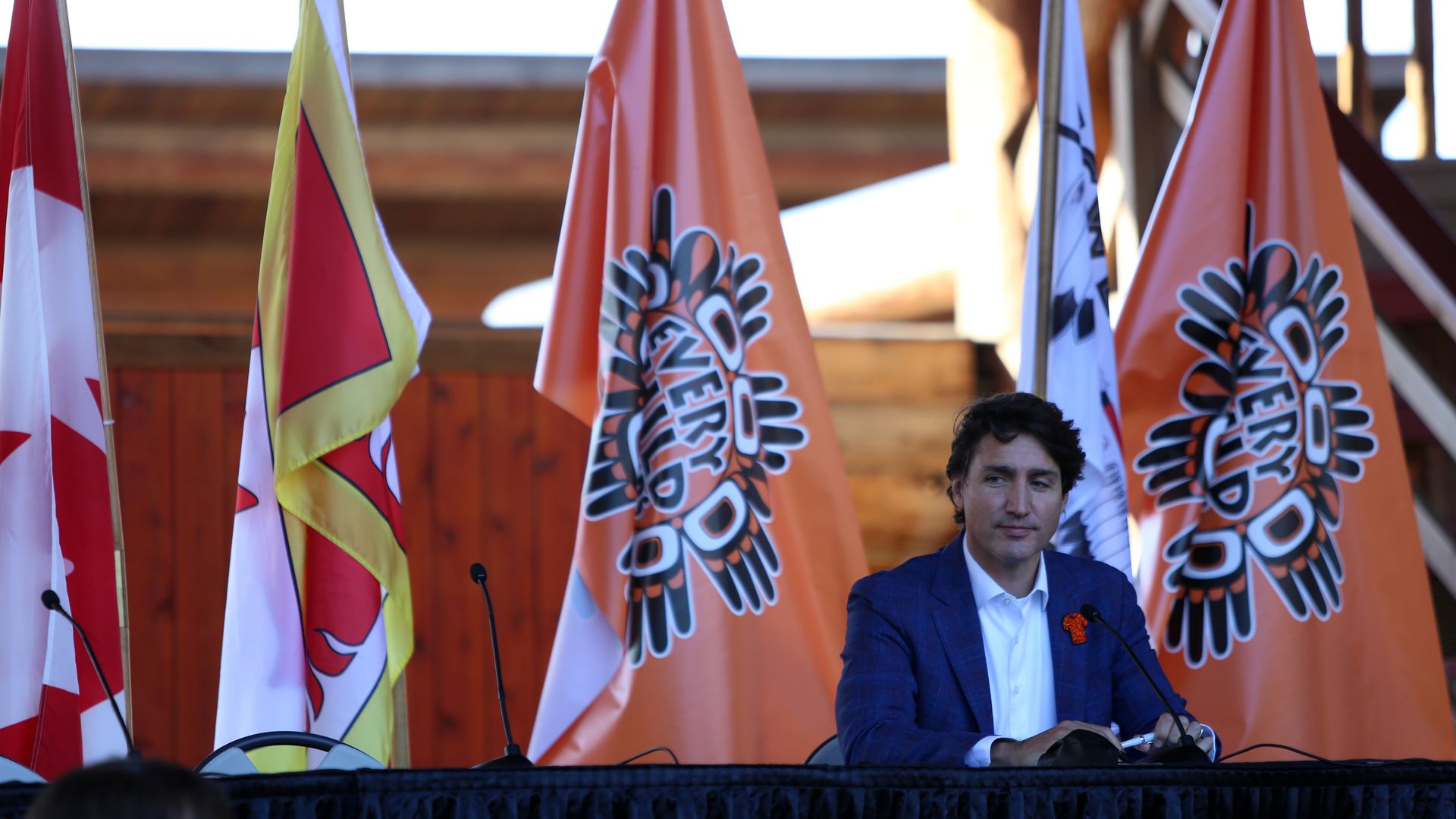
Canada announced Tuesday that it has reached agreements in principle totaling CA$40 billion ($31.5 billion) to compensate Indigenous children who were forced into foster care and reform the welfare system.
Why it matters: Indigenous communities have said for years that the government's underfunding of First Nations child and family services is discriminatory and causes irreparable harm. The dispute has led to a human rights complaint and several lawsuits.
From politics to public health to real estate and tech, here are the China stories to watch in 2022.
The big picture: This will likely prove a key year, as Chinese President Xi Jinping moves to implement groundbreaking new policies and cement China's position as a global superpower.
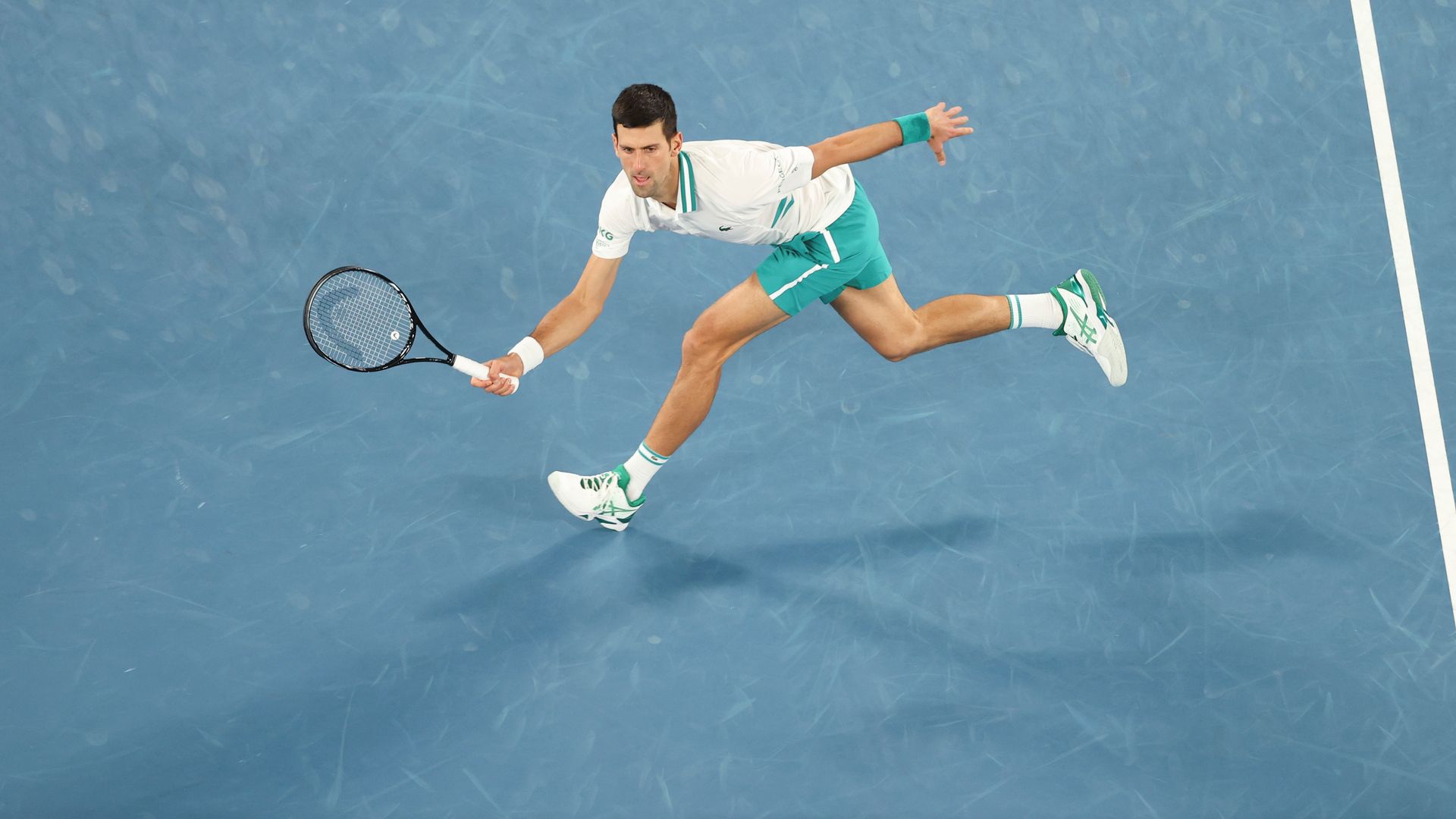
Novak Djokovic has been granted a medical exemption from the COVID-19 vaccine requirement at the Australian Open and will be competing in the tournament, Djokovic announced and the Australian Open confirmed on Tuesday.
Why it matters: Djokovic, the world's No. 1 tennis player, had so far not revealed his vaccination status and it was unclear whether he would play in the tournament, per the Washington Post.
Elected officials, a major newspaper and the oldest Latino civil rights organization in the U.S. have all spoken out strongly in recent weeks against the continued use of "Latinx," the gender-neutral term promoted by progressives to describe people of Spanish-speaking origin.
Why it matters: The pushback highlights some generational, class and regional divisions among Latinos as their numbers and influence grow in the U.S. It also reflects a movement by some Latinos to define themselves rather than be labeled by predominantly white progressives and Latino academics who advocate for using the term.
Chinese surveillance giant Hikvision is going after its top U.S. media critic as part of a ramped-up policy fight aimed at staving off a federal ban on its products, Axios has learned.
Why it matters: Hikvision's quiet offensive against the surveillance technology trade publication IPVM is a significant escalation in its fight against measures it considers contrary to law. They are aimed at cracking down on what federal regulators have dubbed potential national security threats by Chinese technology companies.




/2022/01/05/1641389472565.gif?w=3840)