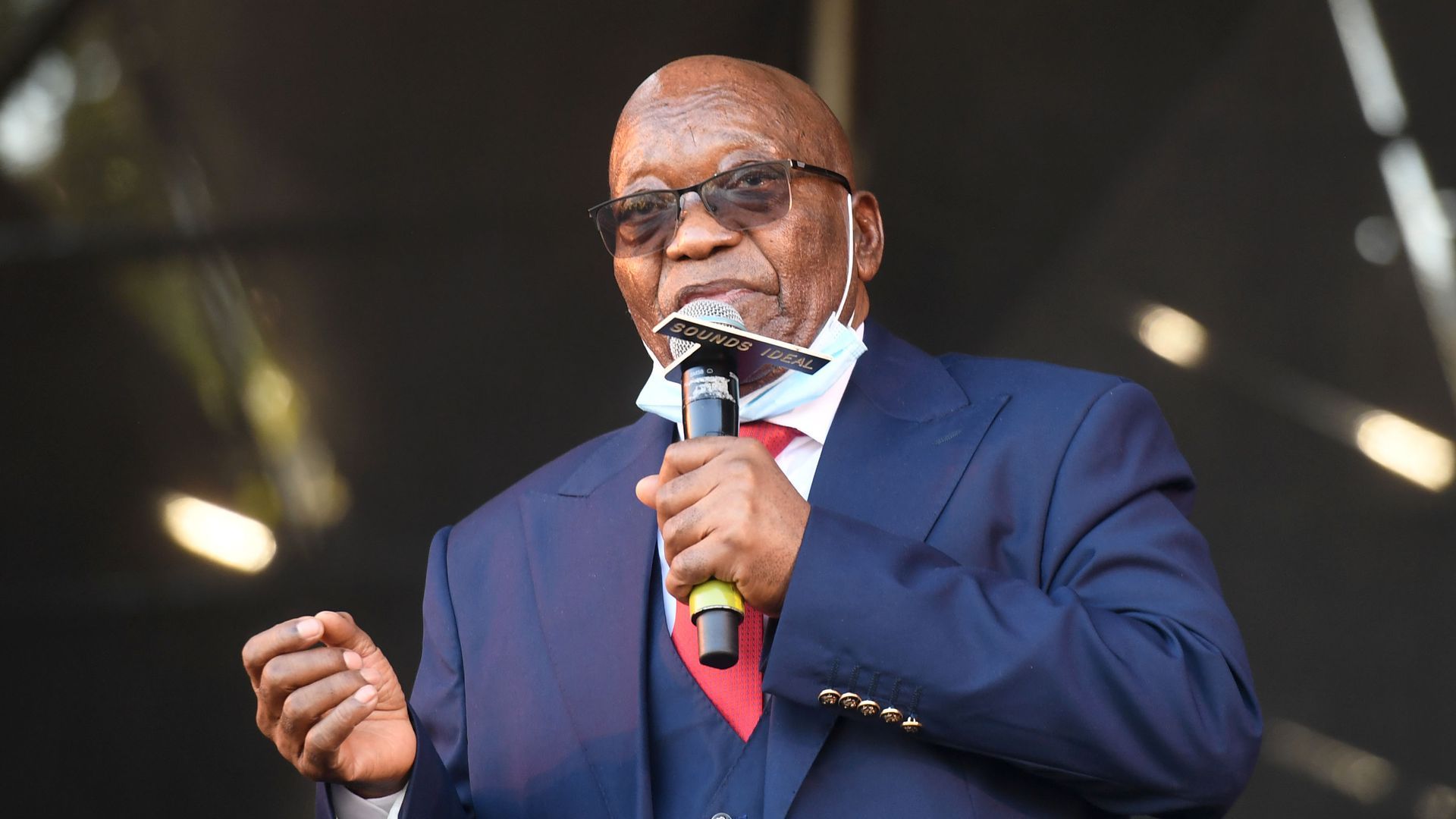
Former South African President Jacob Zuma turned himself into police Wednesday night to begin serving a 15-month prison sentence for contempt of court, Reuters reports.
Why it matters: Zuma's successor, President Cyril Ramaphosa, has made rooting out government corruption central to his tenure, and the high-profile investigation into Zuma's government is seen as a test of the rule of law in post-apartheid South Africa.
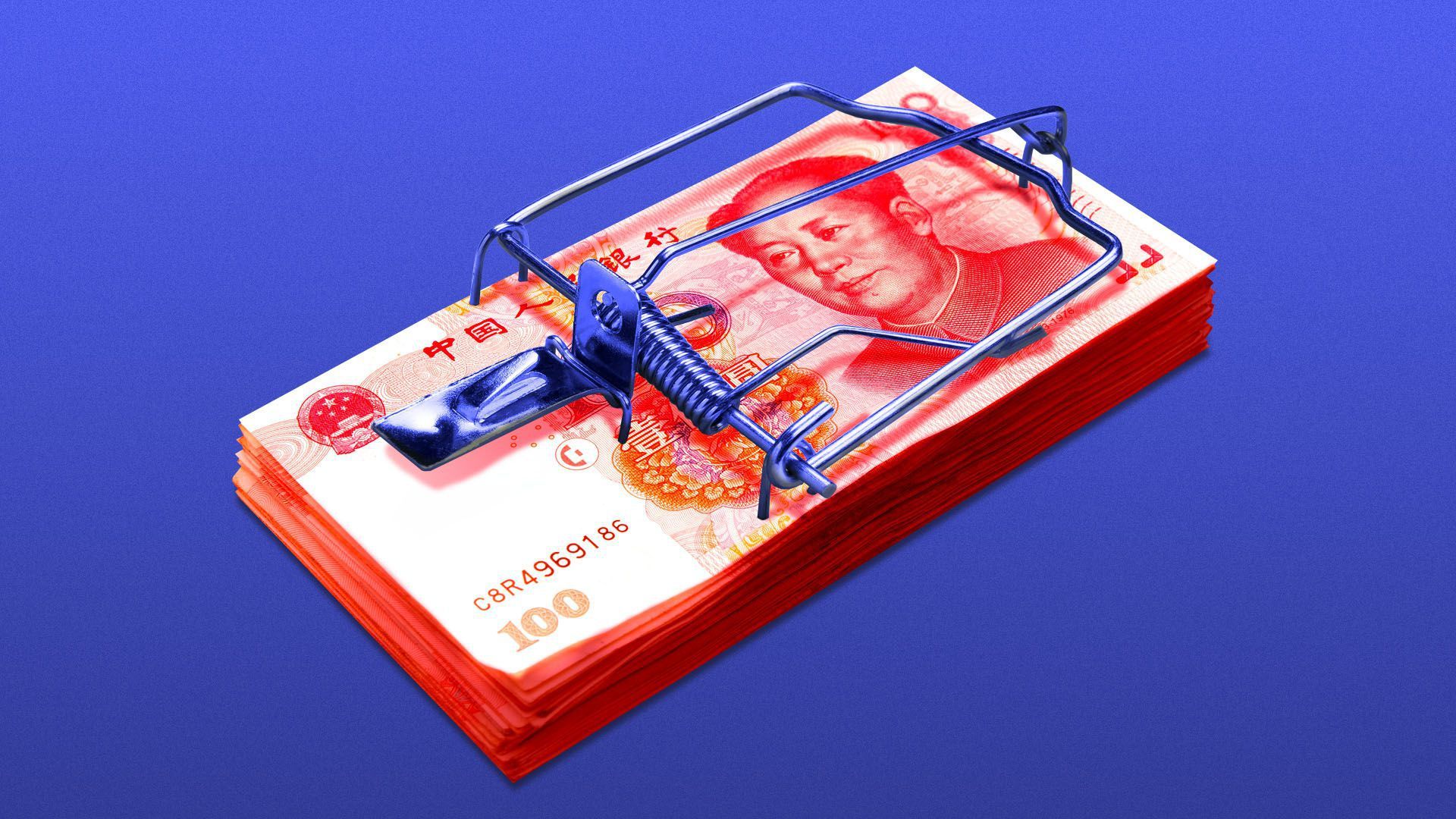
The Chinese government is going after its own Big Tech companies, with new rules around cybersecurity and listing shares on foreign exchanges. It’s also banned many of them from app stores, including ride-hail giant DiDi, which last week went public in New York.
Axios Re:Cap talks with Rui Ma of China Tech Buzz about what’s changed in just the past few days, what it means for companies like DiDi and parallels to last year's fight between Trump and TikTok.
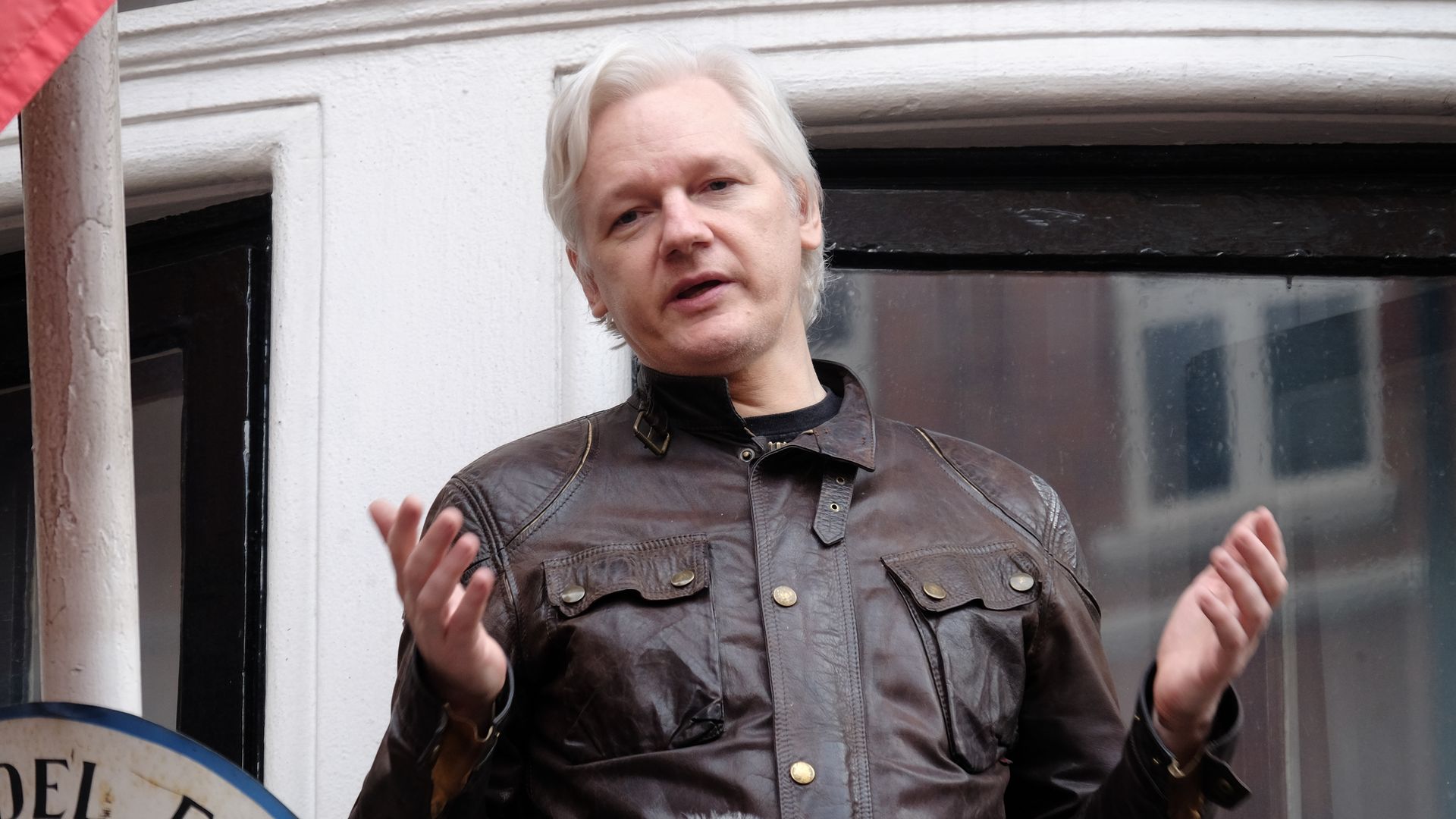
The British High Court has granted the U.S. government permission to appeal a decision that barred the extradition of WikiLeaks founder Julian Assange Wednesday.
Why it matters: Wednesday's decision comes months after a lower court judge ruled against the request to have Assange sent to the United States to stand trial for charges of espionage. The judge denied the request on health grounds, saying Assange would likely attempt to kill himself if held in U.S. custody.
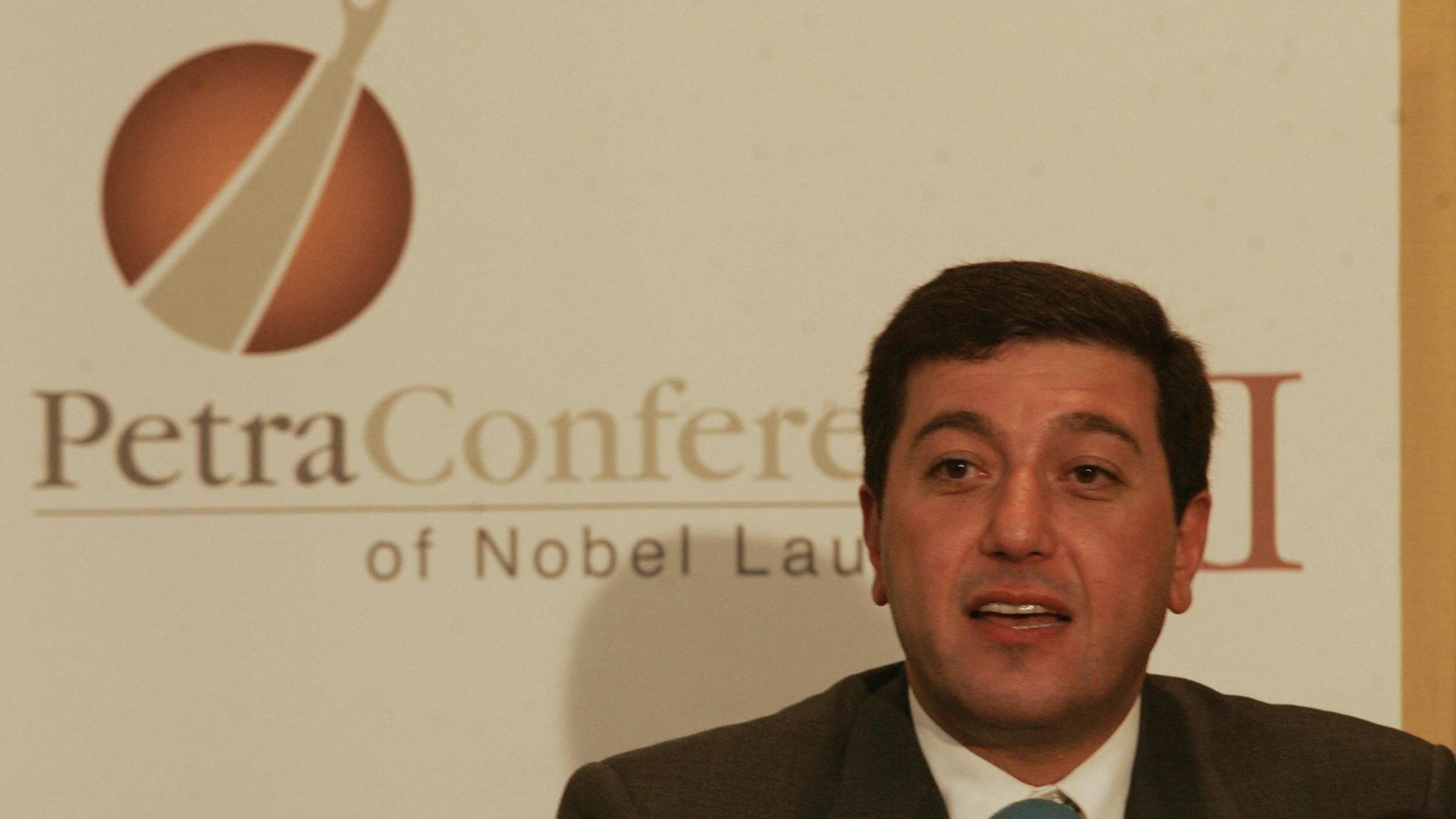
Amman, Jordan — A verdict will land on Monday for the primary defendant in a sedition case that has shaken Jordan over the last three months.
Driving the news: Bassem Awadallah, a former chief of Jordan's royal court who is also close to Saudi Crown Prince Mohammed bin Salman, stands accused of conspiring with Jordan's former Crown Prince Hamzah bin Hussein to destabilize the kingdom. He has pleaded not guilty, and his lawyer tells Axios he is already preparing for an appeal.
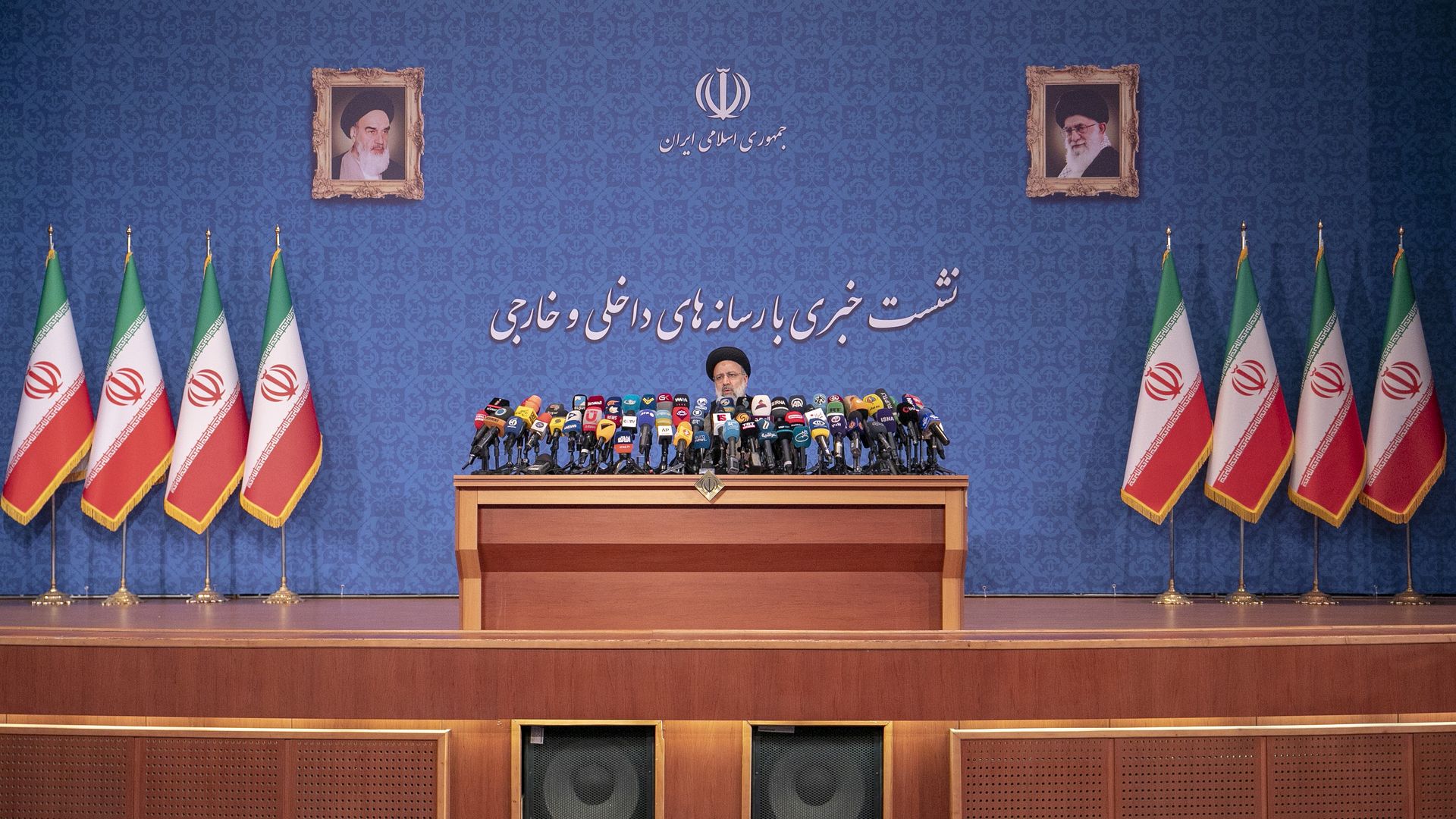
With Iran crossing another threshold toward a potential nuclear weapon, the U.S. is still waiting for Tehran's response to proposals made in Vienna to restore the 2015 nuclear deal, U.S. and European officials say.
Why it matters: Big gaps remain after six rounds of nuclear talks. Meanwhile, the International Atomic Energy Agency confirmed on Tuesday that Iran has taken the unprecedented step of beginning to produce enriched uranium metal — a vital step toward developing nuclear weapons.
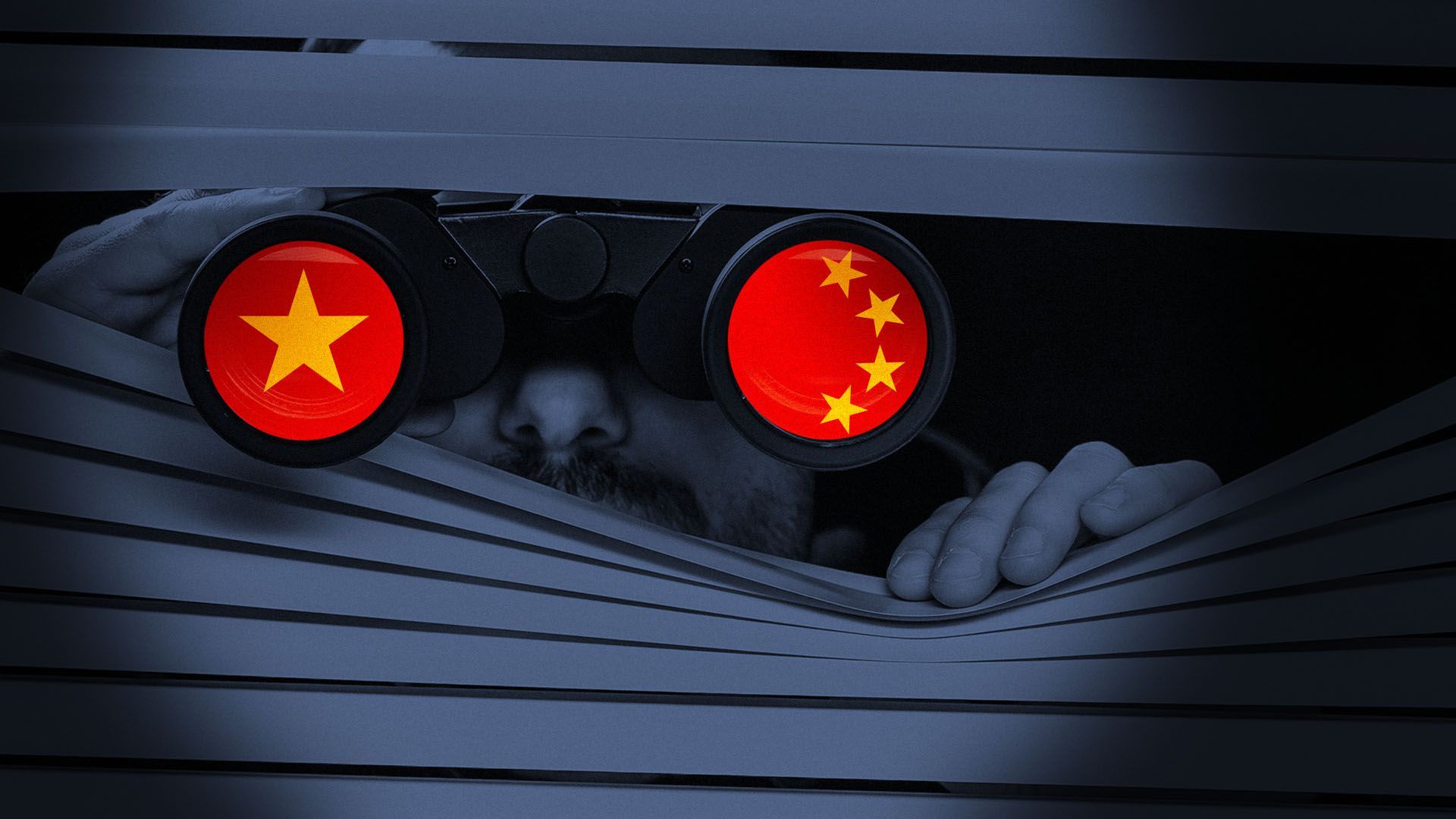
A Chinese surveillance firm has enlisted the help of a former senior U.S. official at the Treasury Department's sanctions program, just weeks after the company was reported to have ties to the Chinese military, records show.
Why it matters: The company, Hikvision, has disputed its place on a Pentagon blacklist of companies with Chinese military ties. The new hire by its D.C. lobbying firm is just the latest aimed at rolling back U.S. government measures that threaten to deal a body blow to its business.
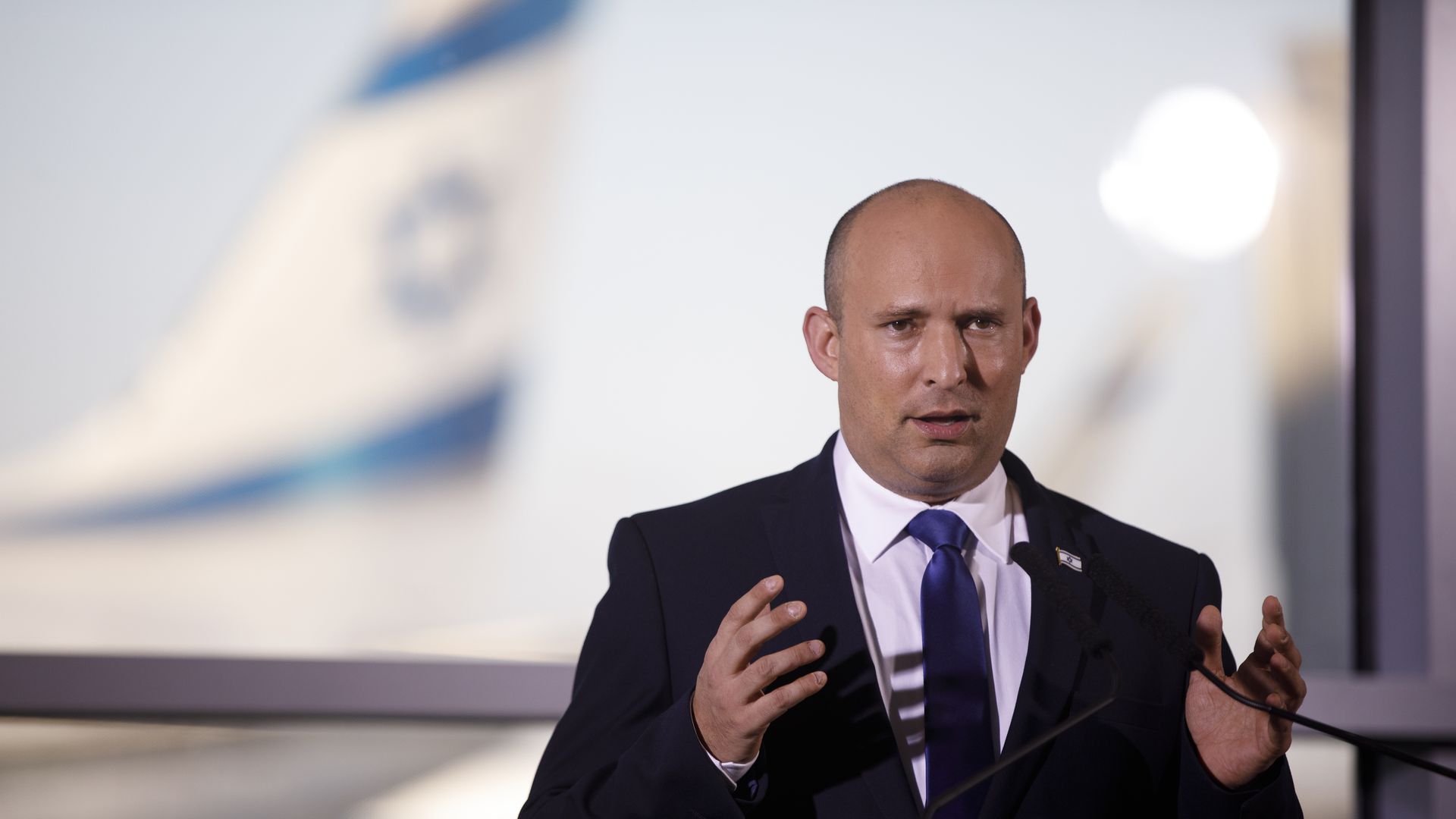
Israeli Prime Minister Naftali Bennett has launched an Iran policy review to be concluded before his first meeting with President Biden, which is likely to take place in late July, Israeli officials tell me.
Why it matters: Bennett is in the process of shifting Israeli foreign policy on several fronts, with a particular focus on the Iran file. While Bennett and his predecessor Benjamin Netanyahu are both Iran hawks, Bennett is considering taking Israeli policy in a new direction.
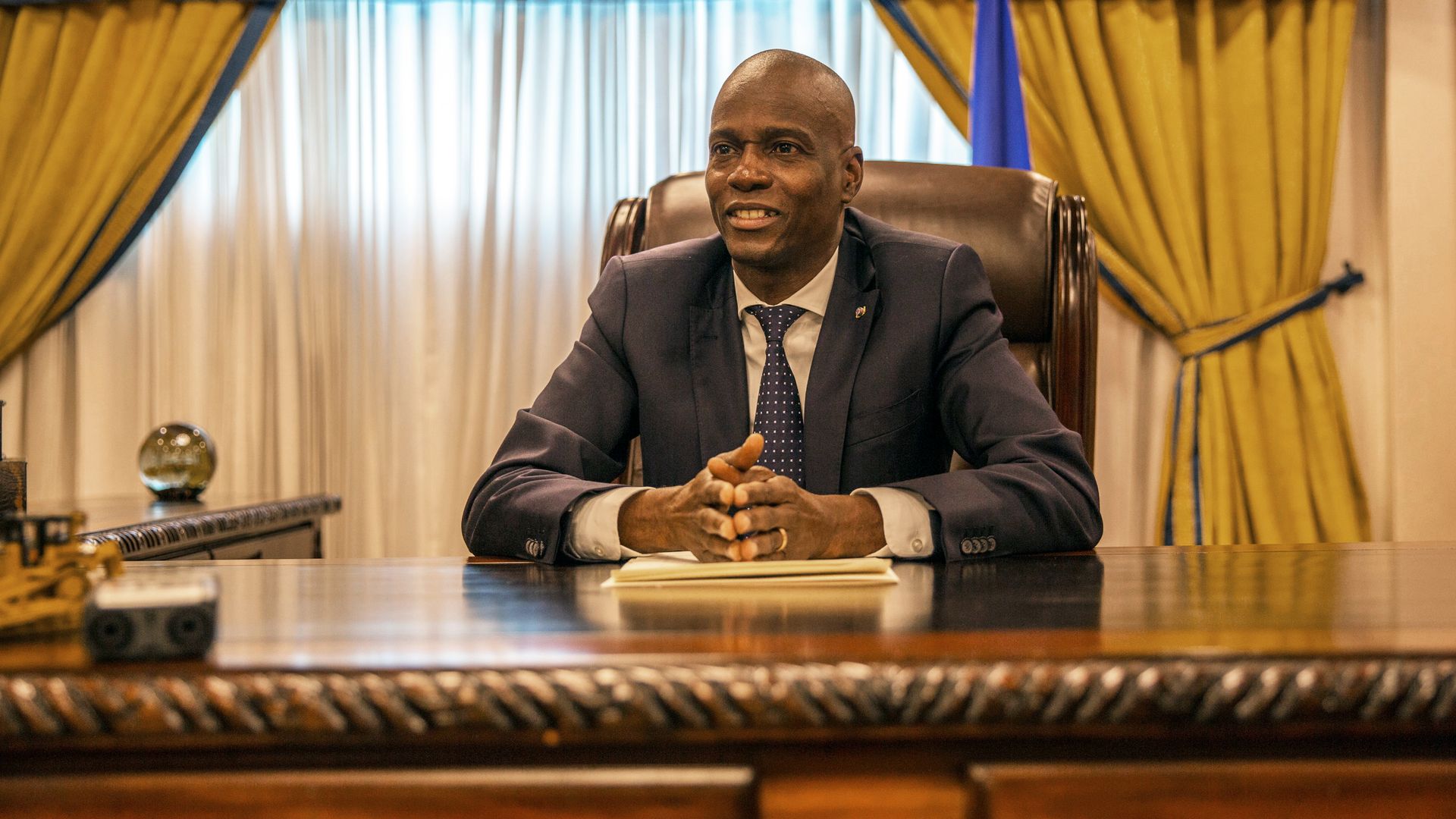
Haitian President Jovenel Moïse was assassinated at home at around 1 am Wednesday by an unidentified group of gunmen, AP reports.
The latest: President Bidenexpressed support for the people of Haiti on Wednesday, saying in a statement: "We condemn this heinous act, and I am sending my sincere wishes for First Lady Moïse's recovery."
Olympic Games organizers said Tuesday two staff members working at the athletes' village in Tokyo have tested positive for COVID-19, per the Tokyo Shimbun news outlet.
Why it matters: Australia's ABC notes that the workers who tested positive last week were found to have been dining with two other staff members — a violation of the organizing committee's pandemic measures.
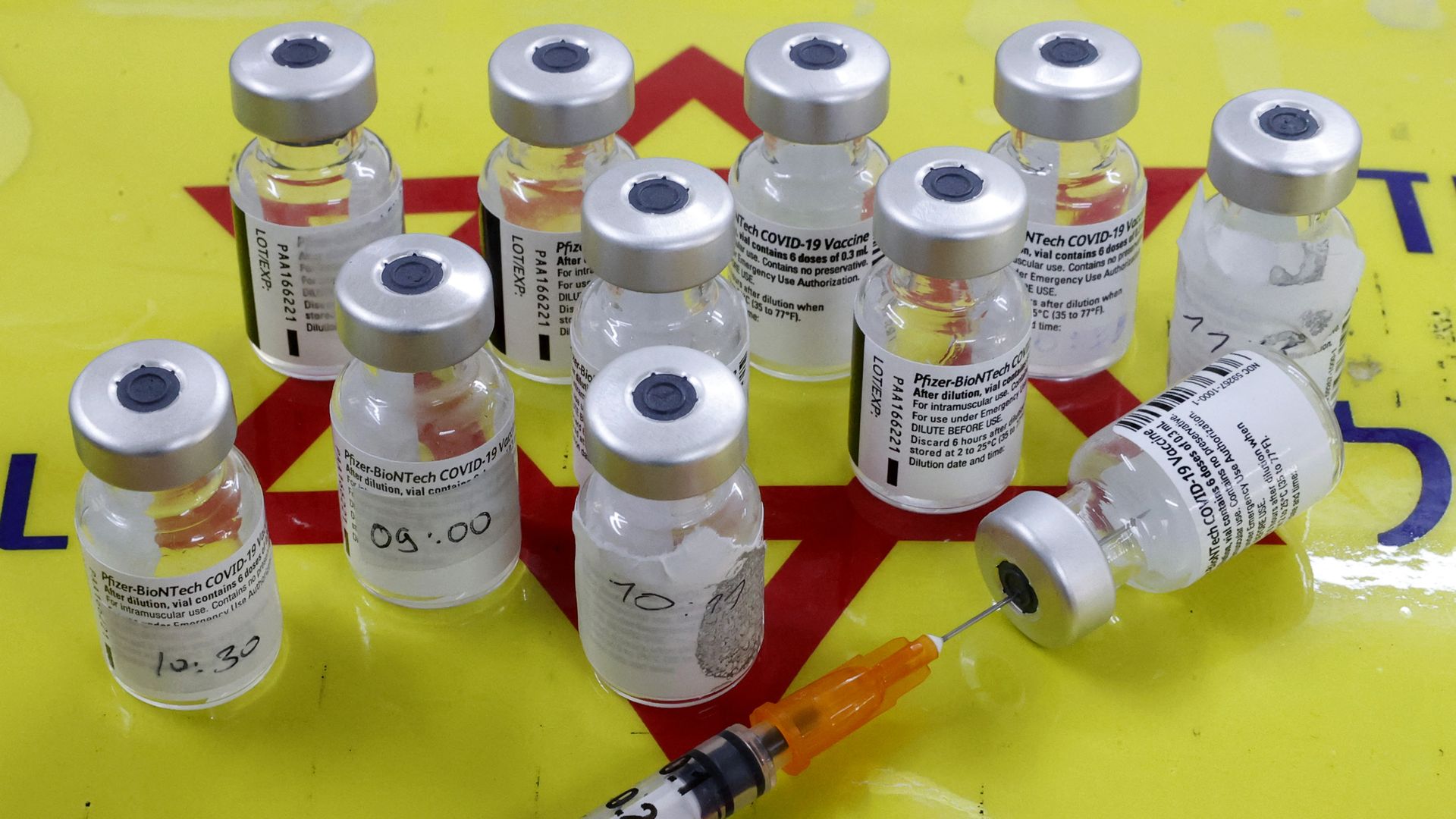
Israel and South Korea have agreed to exchange 700,000 Pfizer-BioNTech COVID-19 vaccine doses, the Israeli Prime Minister's office announced Tuesday.
Why it matters: The deal marks the world's first COVID-19 vaccine swap, and could prove to be a template for other governments, the Wall Street Journal reports.
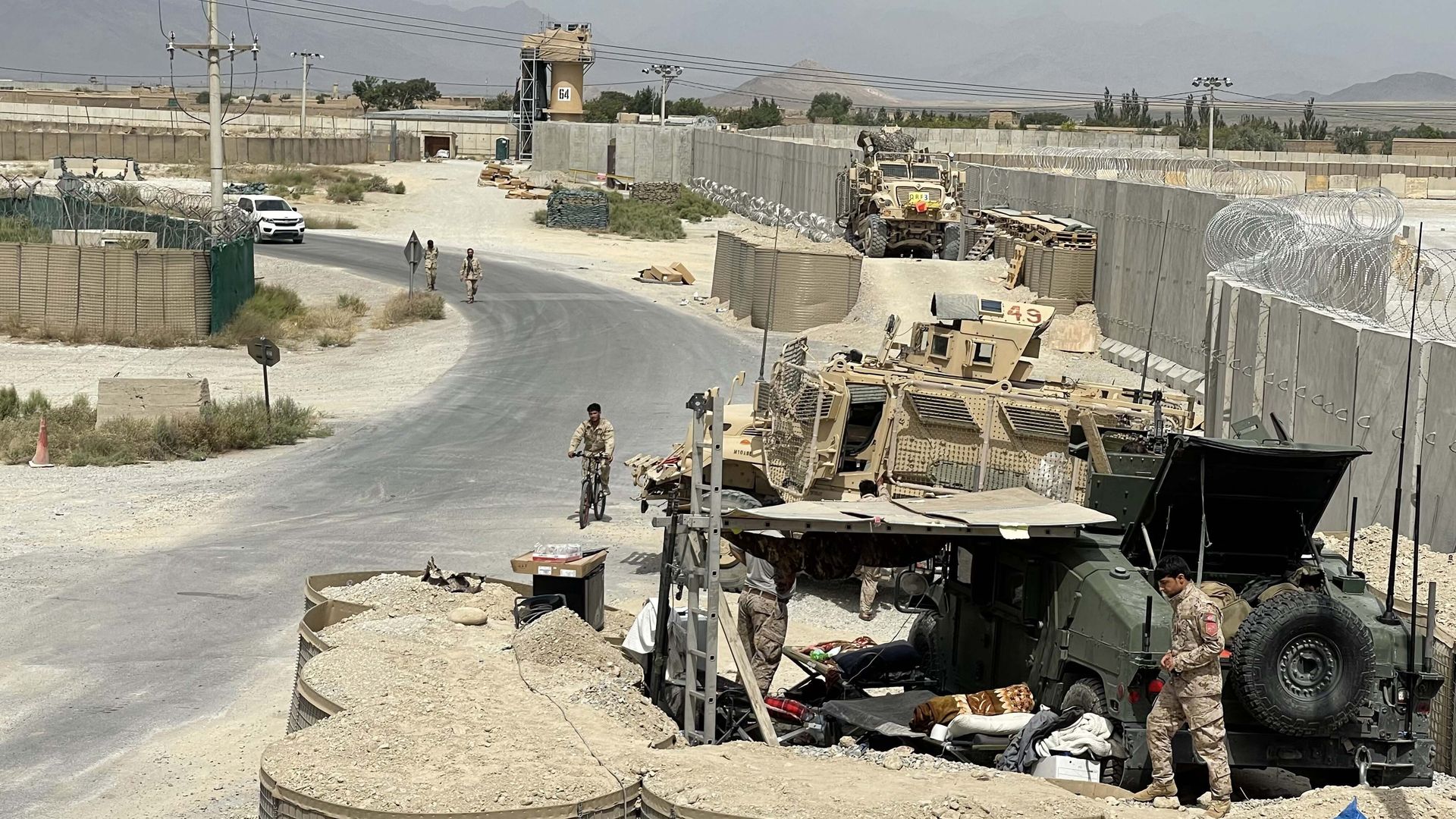
More than 90% of the U.S. military withdrawal from Afghanistan has been completed, U.S. Central Command estimated in an update published Tuesday.
Why it matters: The milestone, a full two months before President Biden's goal of withdrawing all U.S. forces by Sept. 11, comes amid concerns about the deteriorating security situation in Afghanistan, as the Taliban seizes vast swathes of territory on the battlefield.
U.S. tech companies for years have grumbled about how the Chinese government favored its homegrown heroes, largely shielding them from global competition. Now, though, China is turning on its own Big Tech companies, reminding them who's boss.
Why it matters: This complicates U.S. IPO plans for dozens of Chinese companies, and potentially revalues even more Chinese unicorns.
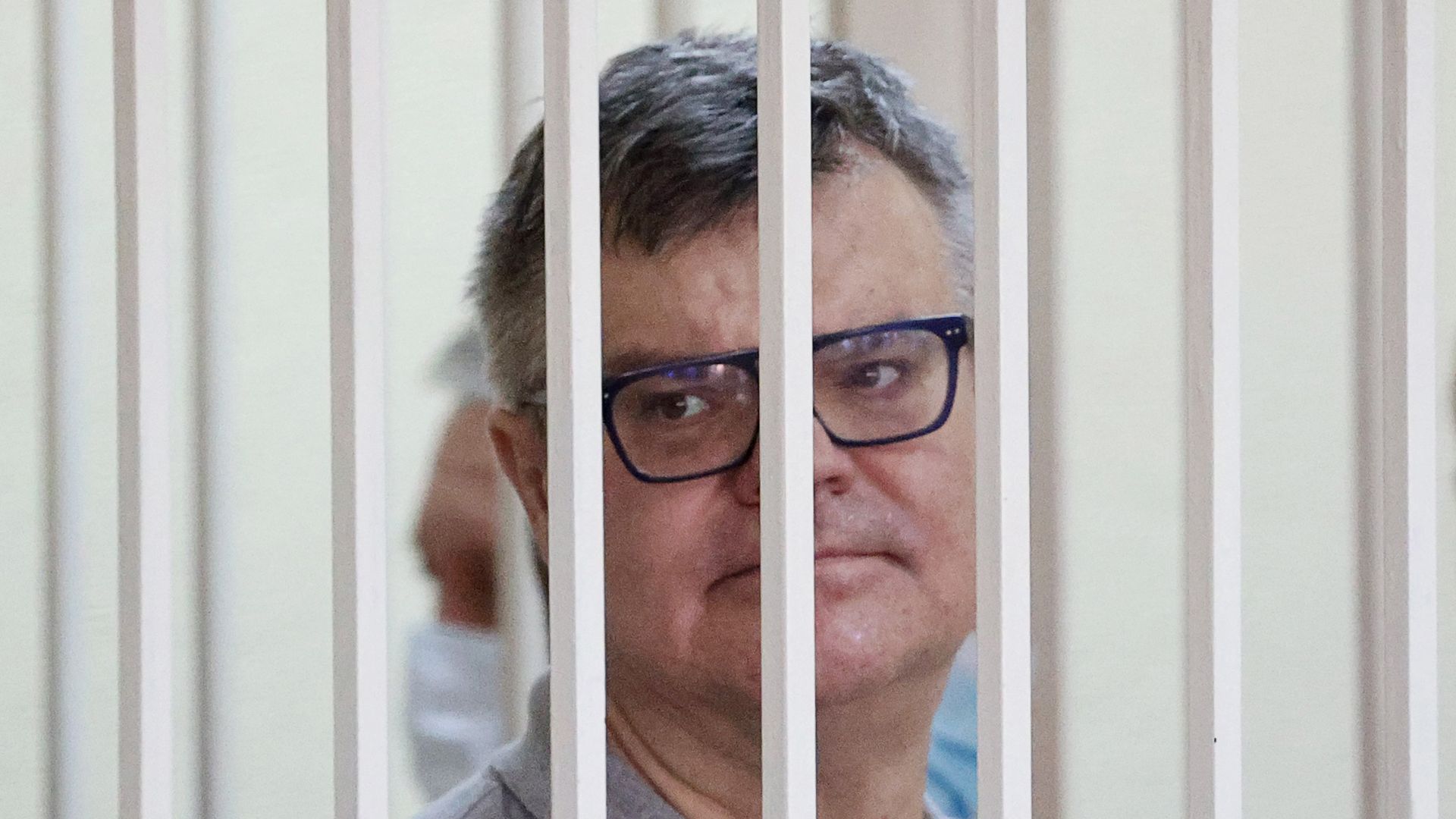
A former contender in Belarus' 2020 presidential race was sentenced on Tuesday to 14 years in prison by the Supreme Court, in a corruption case that is being widely viewed as politically motivated, AP reports.
Driving the news: Viktor Babariko, the former chief executive of a Russia-owned bank, sought to to challenge Belarus’ authoritarian president, Alexander Lukashenko, but was arrested two months before the August 2020 vote.
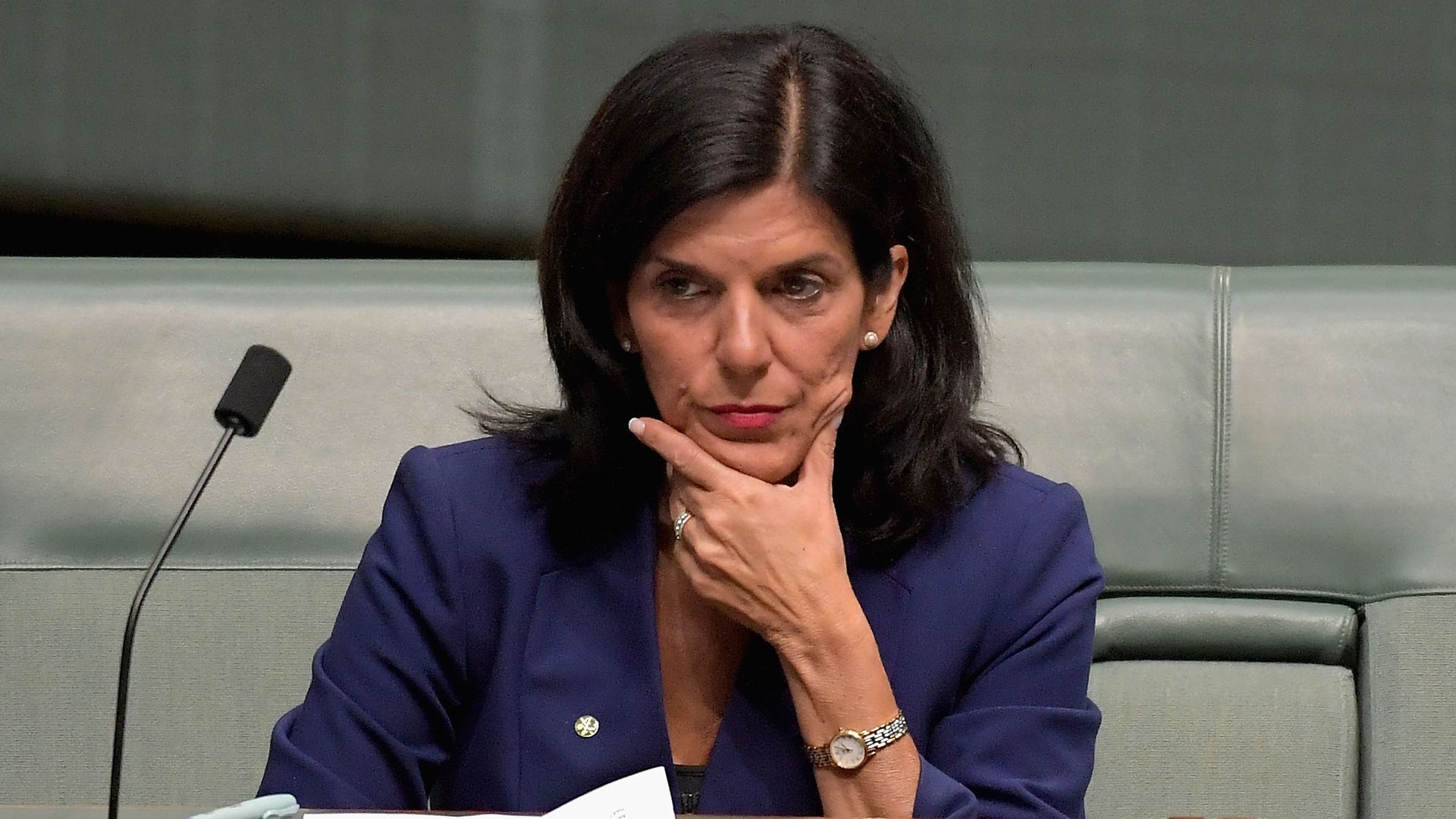
Former Australian Member of Parliament Julia Banks criticized Prime Minister Scott Morrison on Tuesday after accusing a current government minister of inappropriately touching her at Parliament House in Canberra in 2017.
Driving the news: Banks told the Australian Broadcasting Corporation (ABC) Monday night that she was "on a couch talking to another MP" when the unnamed minister sat down and "put his hand on my knee and ran it up my leg, on the upper part of my leg." Morrison's office said he hadn't been aware of the allegation.
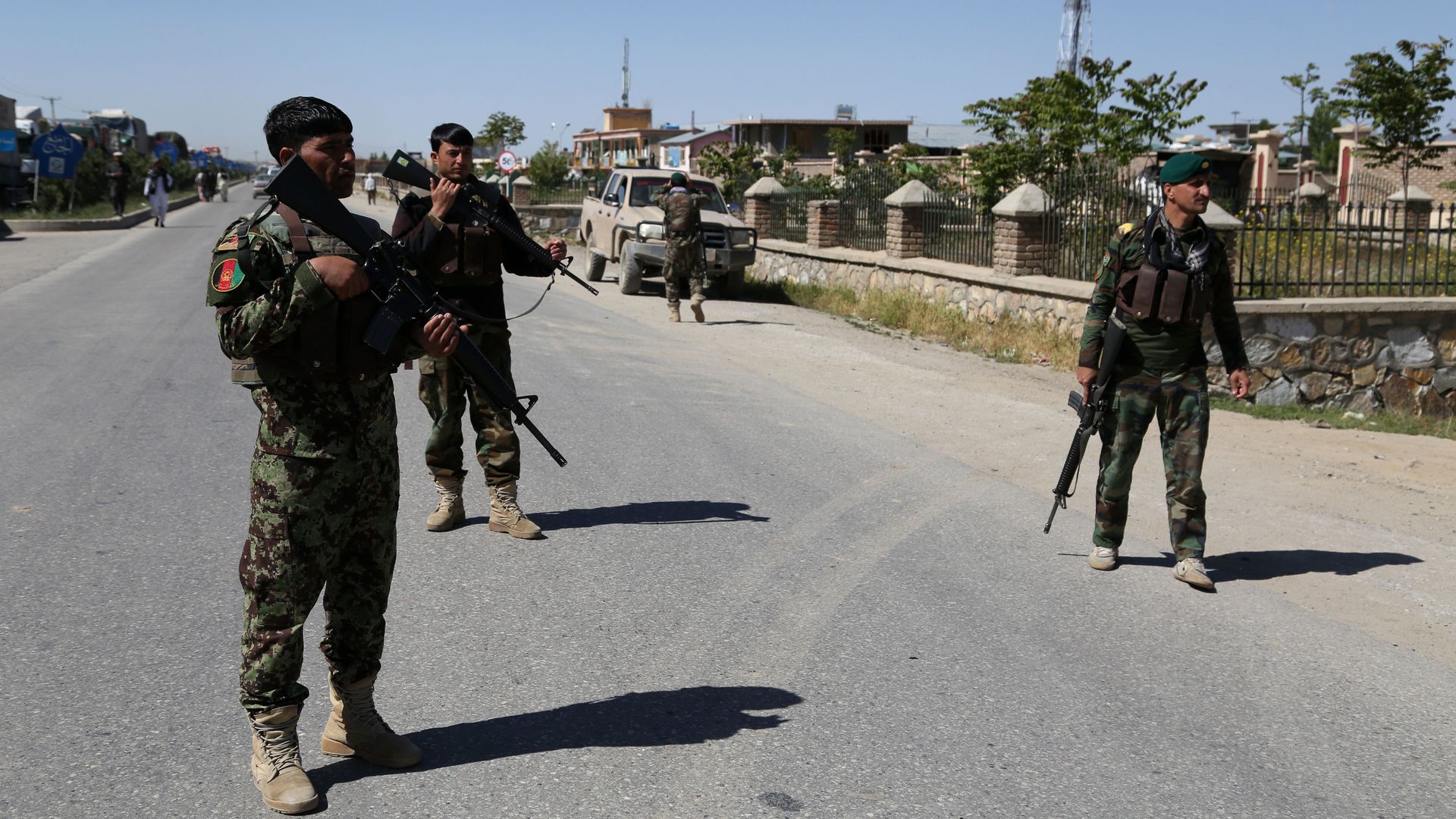
Tajikistan called in 20,000 military reservists on Monday to strengthen the border after 1,037 members of Afghanistan's security forces fled to the country and dozens more were taken captive by the Taliban, per Reuters.
Why it matters: The crossings, which were permitted by Tajikistan, came after the Taliban took over at least six key districts in the northern province of Badakhshan, which borders Tajikistan.