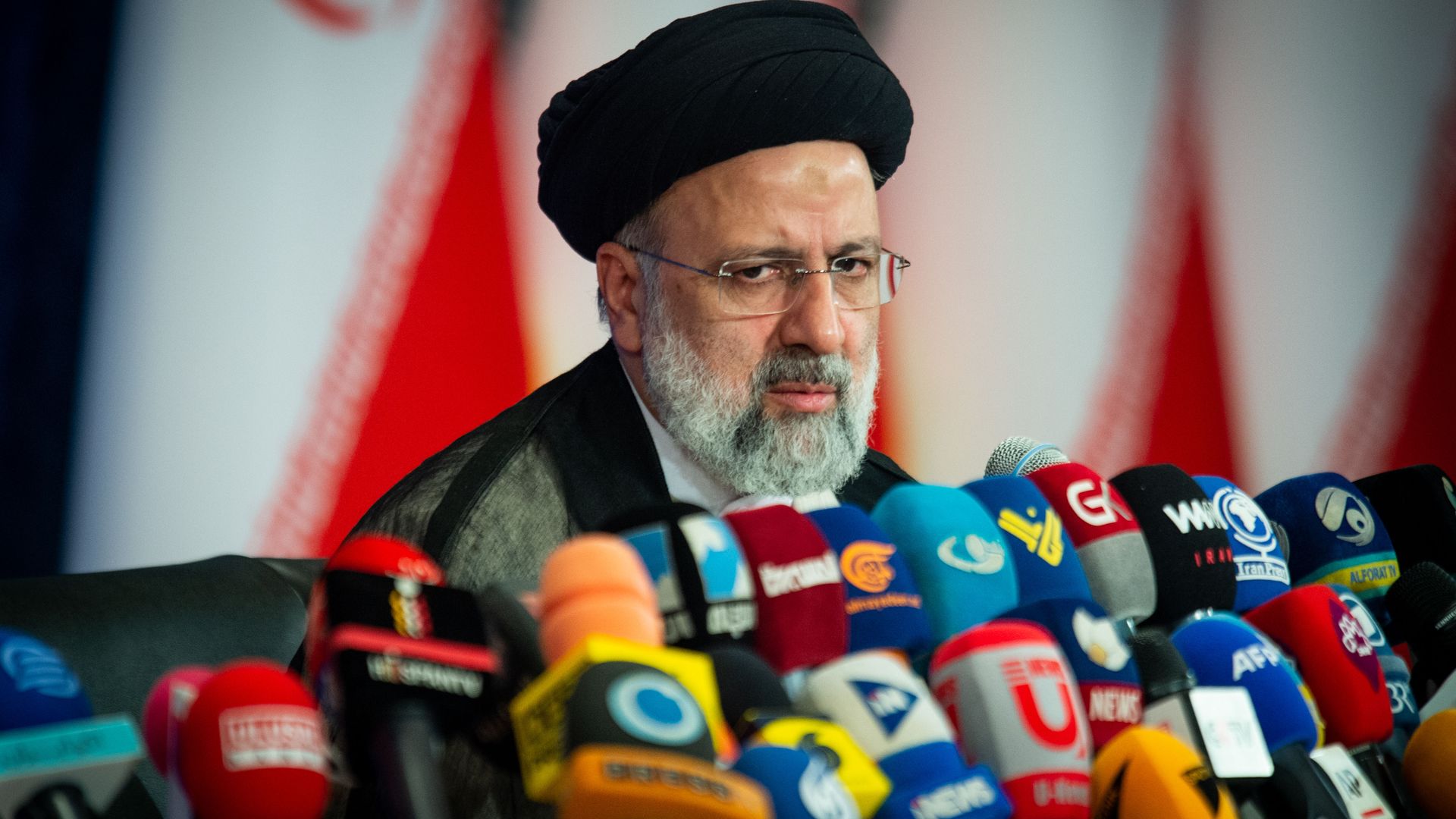
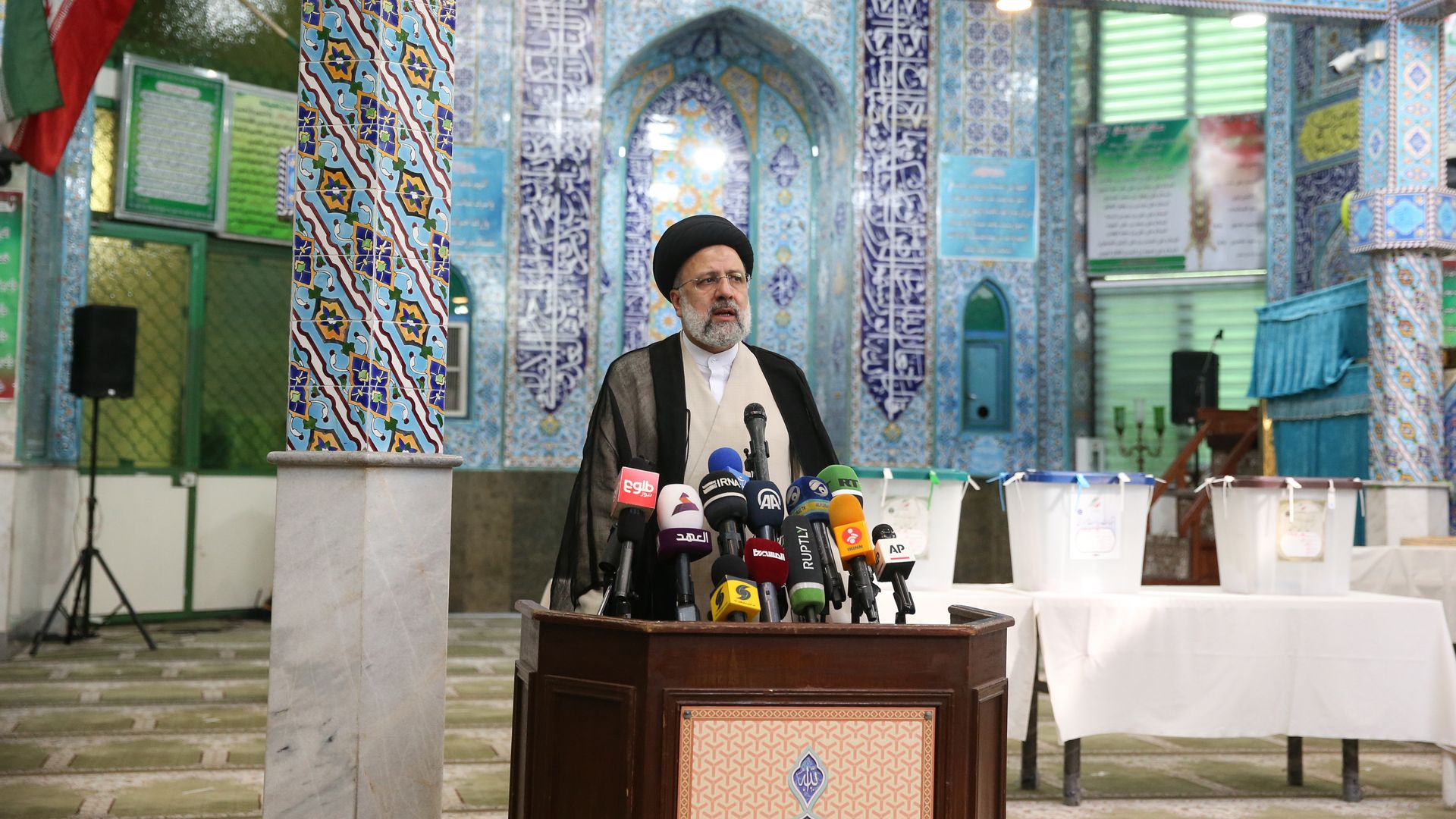
The election of conservative cleric Ebrahim Raisi as Iran’s next president injects new urgency into the efforts to revive the 2015 nuclear deal, but could preclude the possibility of a “longer and stronger” agreement.
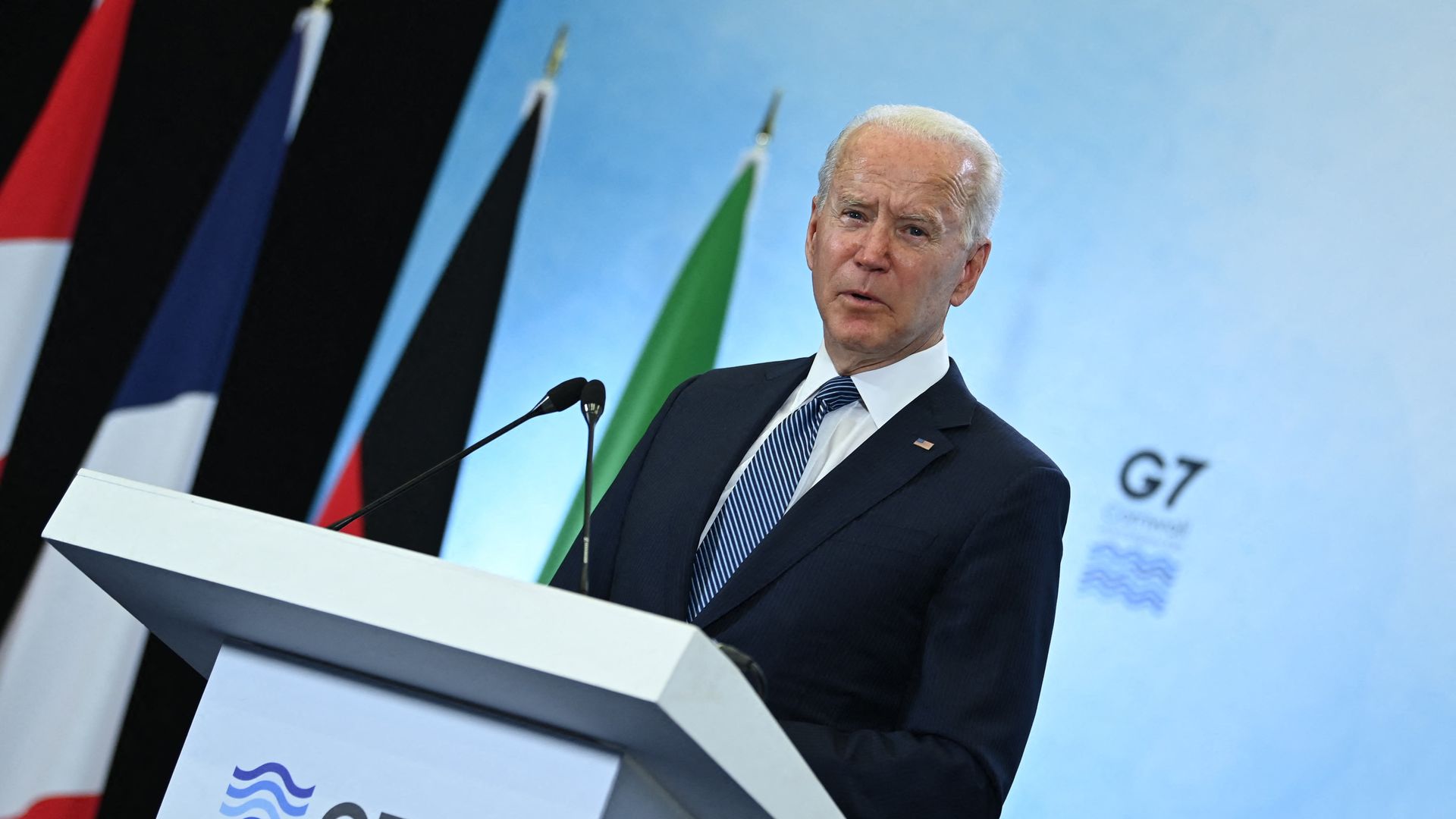
Why it matters: President Biden hopes to put Iran’s nuclear program “back in a box” by salvaging the previous deal and then negotiate a follow-on accord to extend the deal’s timelines and cover Iran’s missile program and other issues.
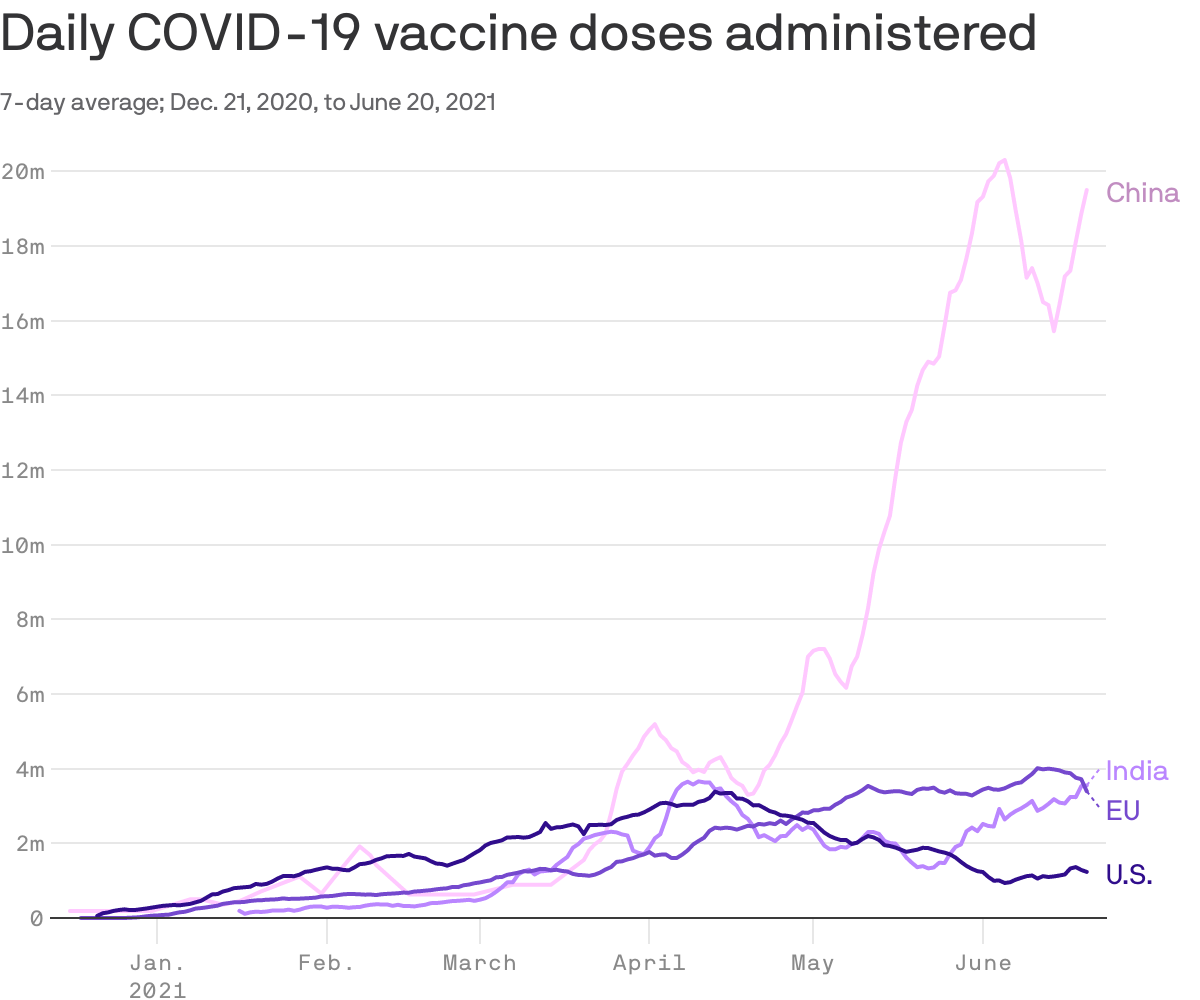
Data: Our World in Data; Chart: Danielle Alberti/Axios
China has now administered 1 billion doses of coronavirus vaccines — 500 million of them in just the past month. That's half of the global total during that period.
The big picture: China's vaccine rollout started slowly, due in part to a low sense of urgency and also to the fact that the government was focusing on exporting doses.
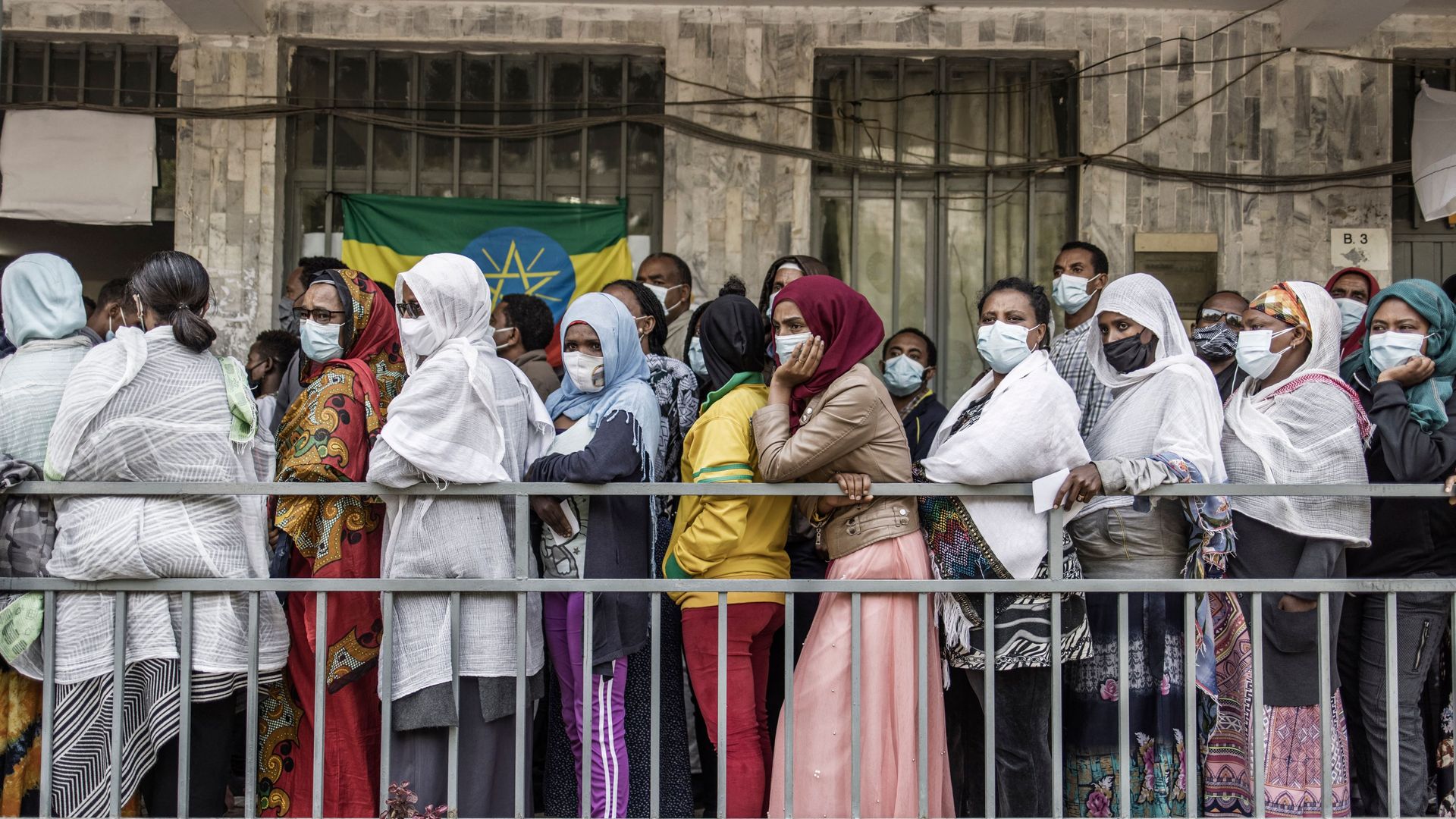
Ethiopians went to the polls on Monday in long-delayed elections. Well, some did. Millions were prevented from voting due to security or logistical concerns, and others boycotted the vote, citing the repression of opposition parties.
Why it matters: Prime Minister Abiy Ahmed has won a Nobel Peace Prize and launched a war that has devolved into ethnic cleansing — all without having been elected. This election had been seen as a chance for him to gain democratic legitimacy and Ethiopia to hold its first free and fair election.
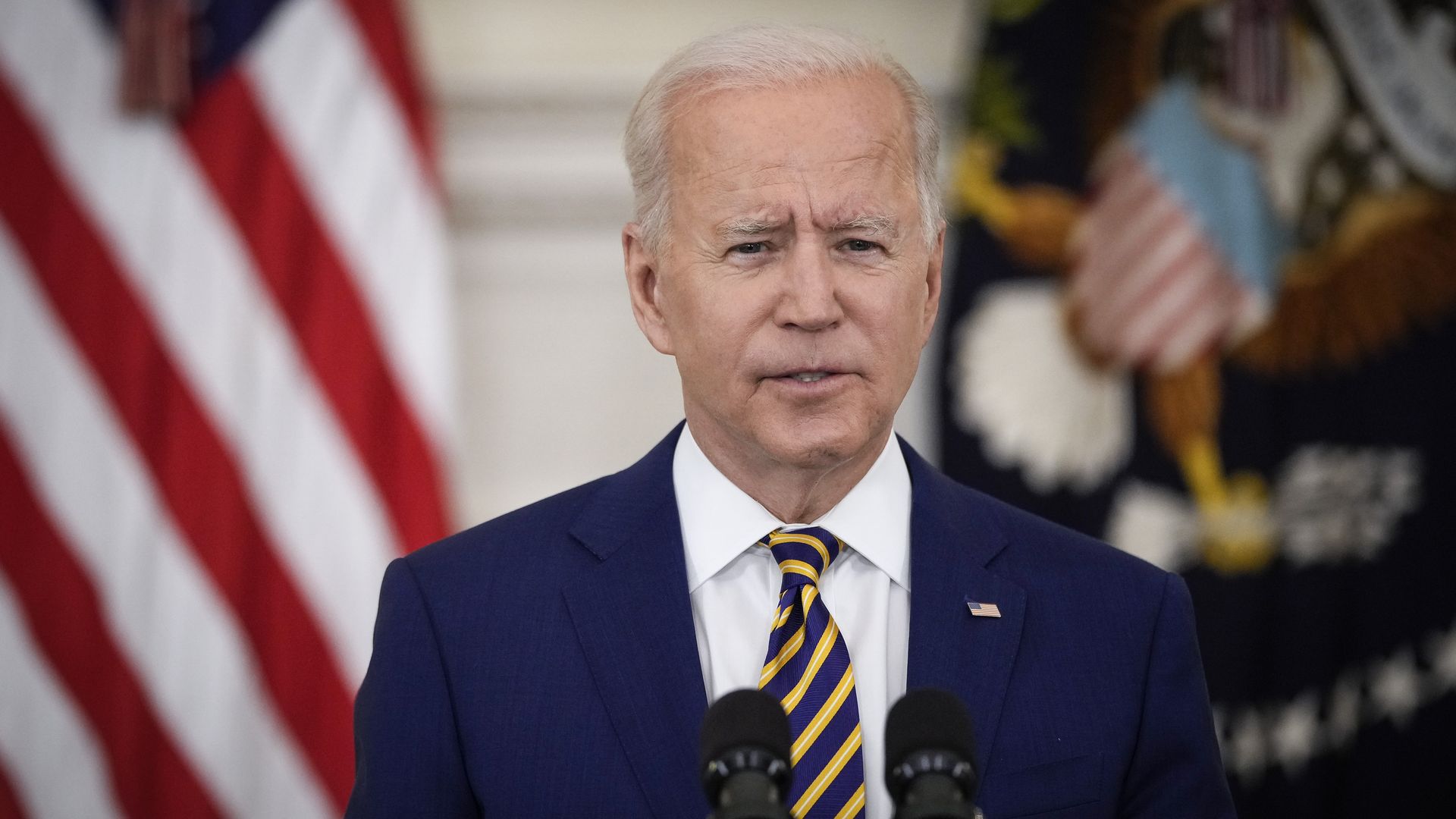
The Biden administration announced Monday that it is extending for another year a more than decade old executive order declaring a national emergency over the nuclear threat from North Korea.
Why it matters: In a letter addressed to House Speaker Nancy Pelosi (D-Calif.), Biden noted North Korea's "pursuit of nuclear and missile programs" and its other "provocative, destabilizing" actions continue to pose a threat to U.S. national security.
Iran this past weekend elected a new president, Ebrahim Raisi, a hard-liner whose political rivals weren’t even allowed on the ballot — and who has been sanctioned by the U.S. for human rights abuses.
Axios Re:Cap talks with Axios World editor David Lawler about what Raisi’s election means for Iran’s people, who are facing economic hardship and a raging pandemic, and what it means for the nuclear deal signed by President Obama and scrapped by President Trump.
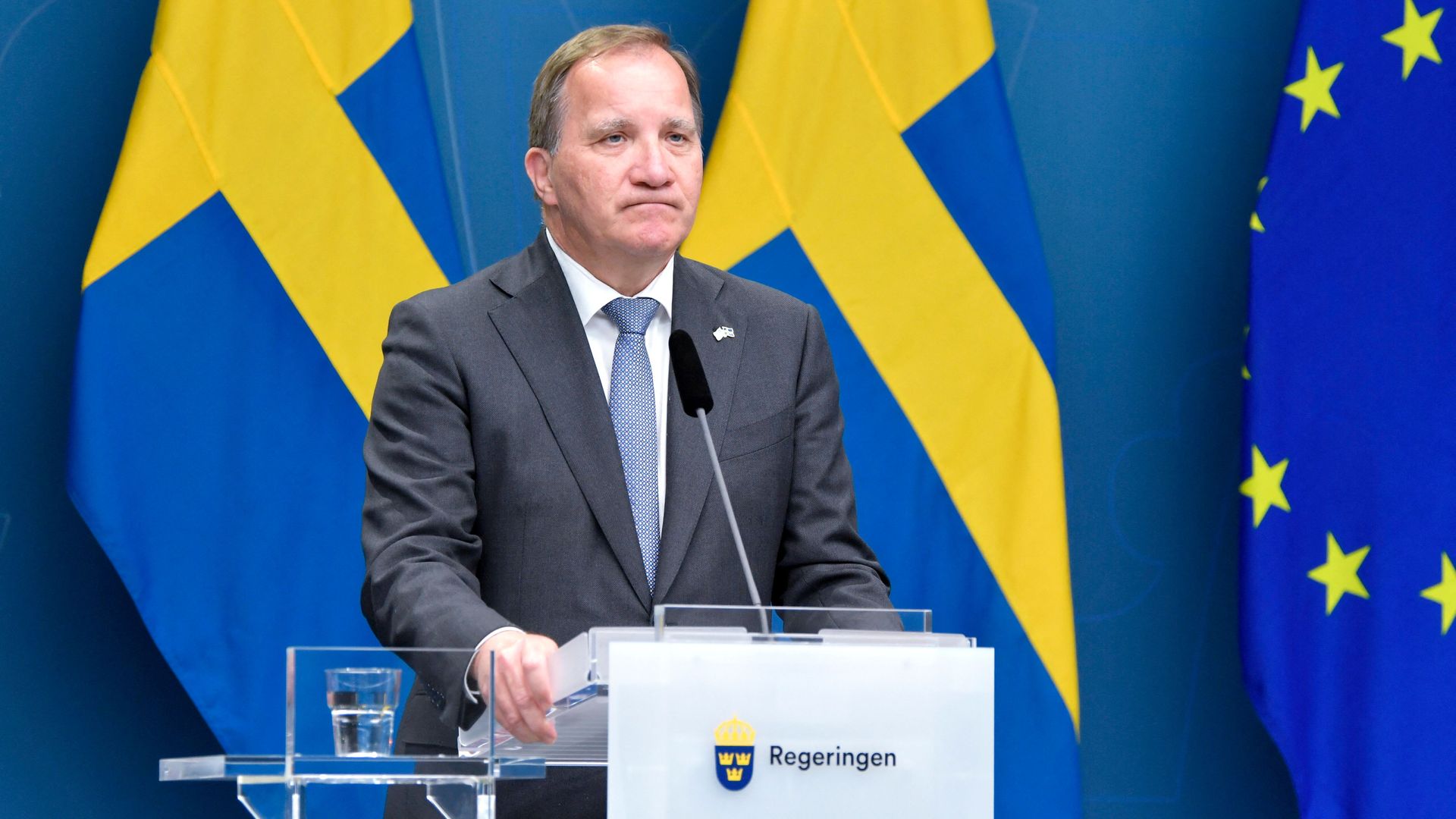
Swedish Prime Minister Stefan Löfven was ousted from government on Monday after losing a no-confidence vote in parliament, CNN reports.
Why it matters: This makes Löfven the first Swedish prime minister to be removed from his position by opposition lawmakers. He now has one week to either call for snap elections or resign to allow cross-party negotiations on a new majoirty, per CNN.
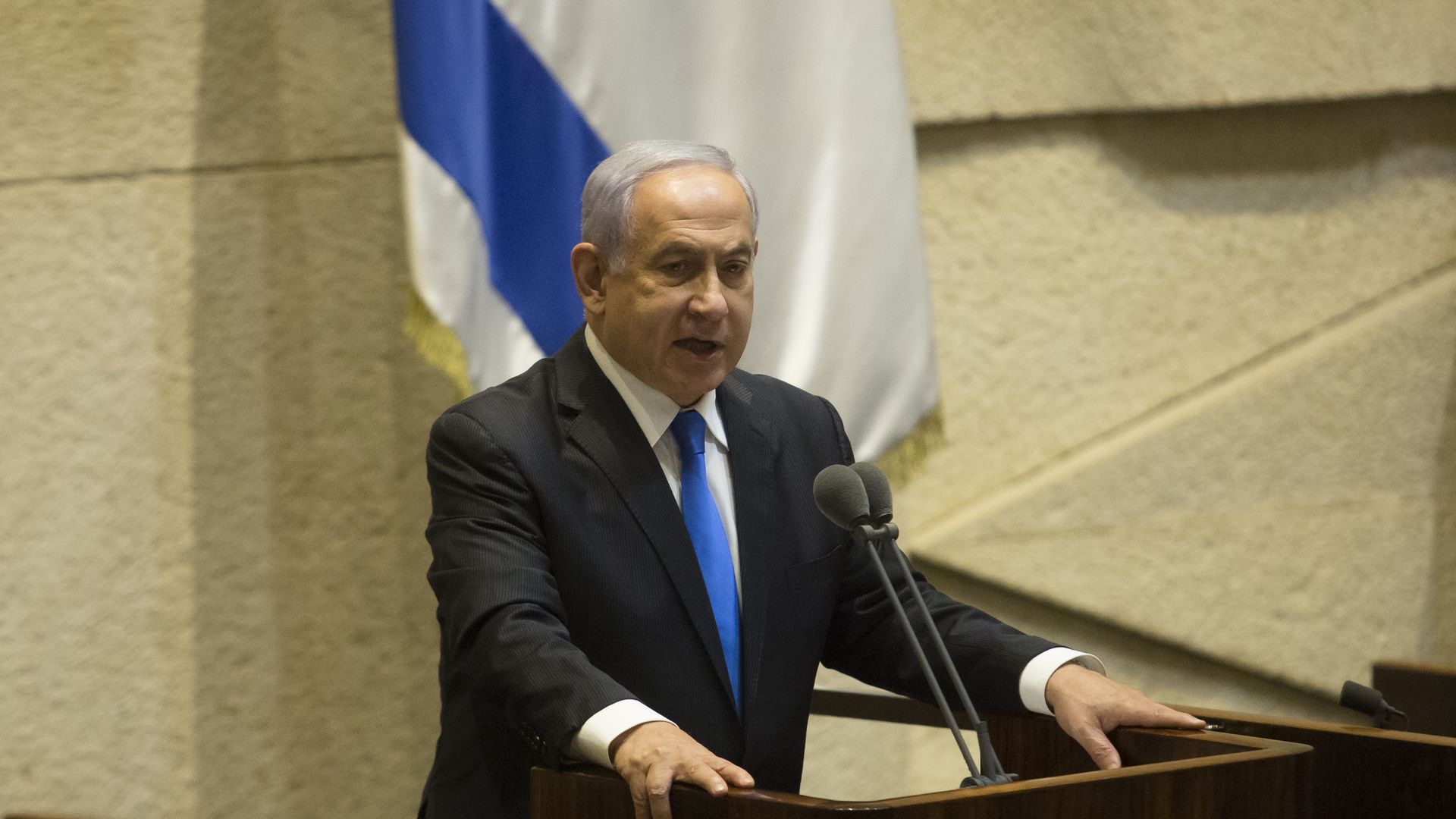
Israeli opposition leader Benjamin Netanyahu said Monday he rejected requests from the Biden administration to inform the U.S. in advance of Israeli operations against Iran’s nuclear program, and falsely claimed Israeli foreign minister Yair Lapid made such a commitment to Secretary of State Antony Blinken last week.
Why it matters: Since realizing he would be ousted as prime minister, Netanyahu has been planning a months-long campaign against the Biden administration and the new Bennett government over the Iran nuclear deal. Netanyahu wants to be the face of Israel's opposition to the deal at home and in Washington — and he is forcing the issue.
The Biden administration on Monday announced a list of countries that will receive the remaining 55 million COVID-19 vaccine doses that the U.S. has pledged to allocate by the end of this month.
The state of play: The White House had previously named the recipients of the first 25 million of the 80 million doses that the U.S. has pledged to export, as it took its first step toward becoming a global vaccine supplier.
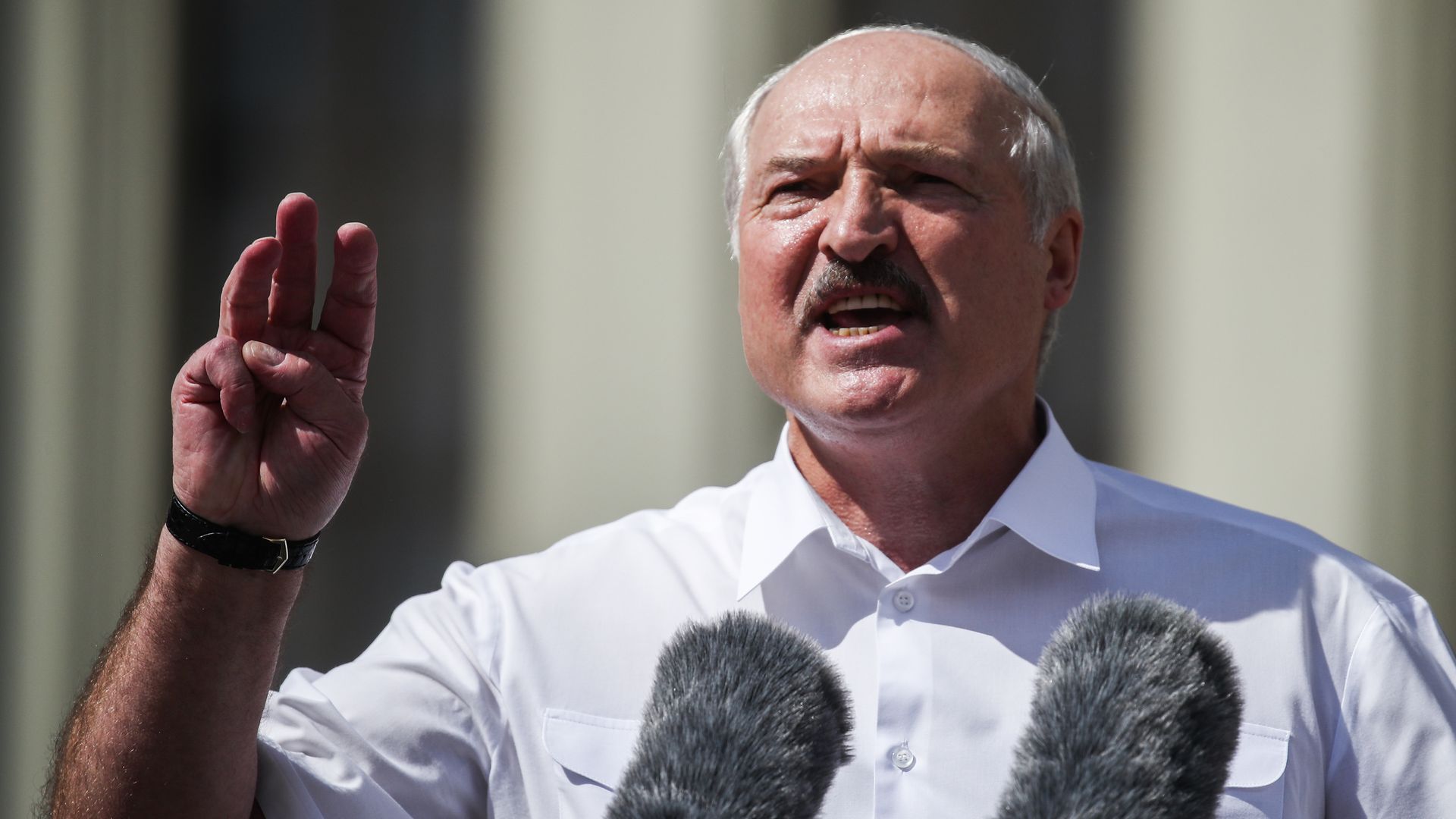
The United States, European Union, United Kingdom and Canada announced coordinated sanctions Monday on dozens of Belarusian individuals and entities in response to the government's forced diversion of a Ryanair flight last month and ongoing crackdown against the country's pro-democracy movement.
Why it matters: The West is ratcheting up its pressure campaign against Belarusian President Alexander Lukashenko, who — with the backing of Russia — has continued to cling to power 10 months after an election that international observers have condemned as fraudulent.
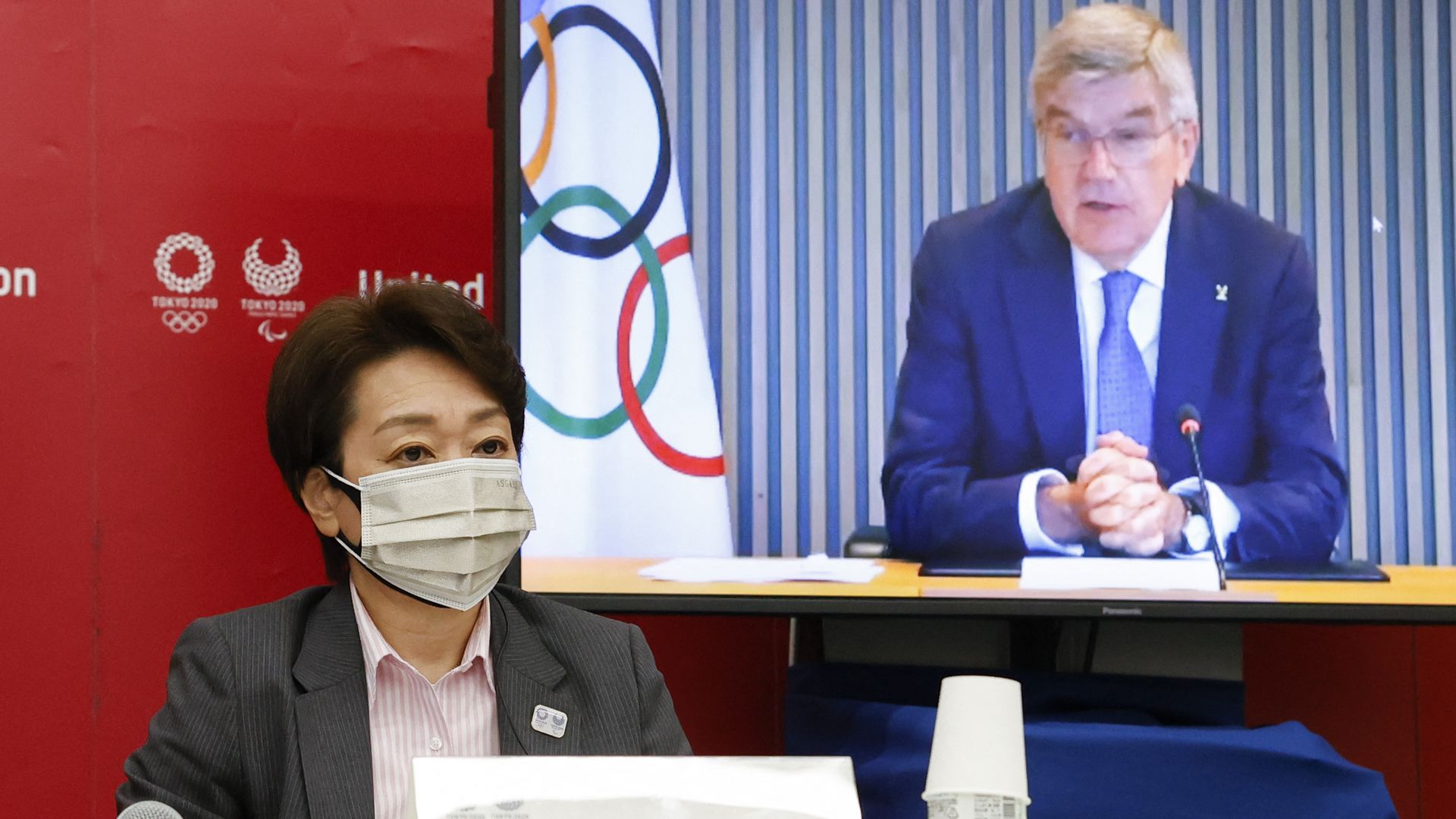
Organizers of the Tokyo Olympics said Monday that venues can be filled up to 50% capacity when the Games kick off on July 23, with a maximum of 10,000 Japanese spectators at each event, AP reports.
Why it matters: Medical experts advising the Japanese government had recommended against allowing fans, citing the low vaccination rates in Japan and the potential for new variants to drive up infections.
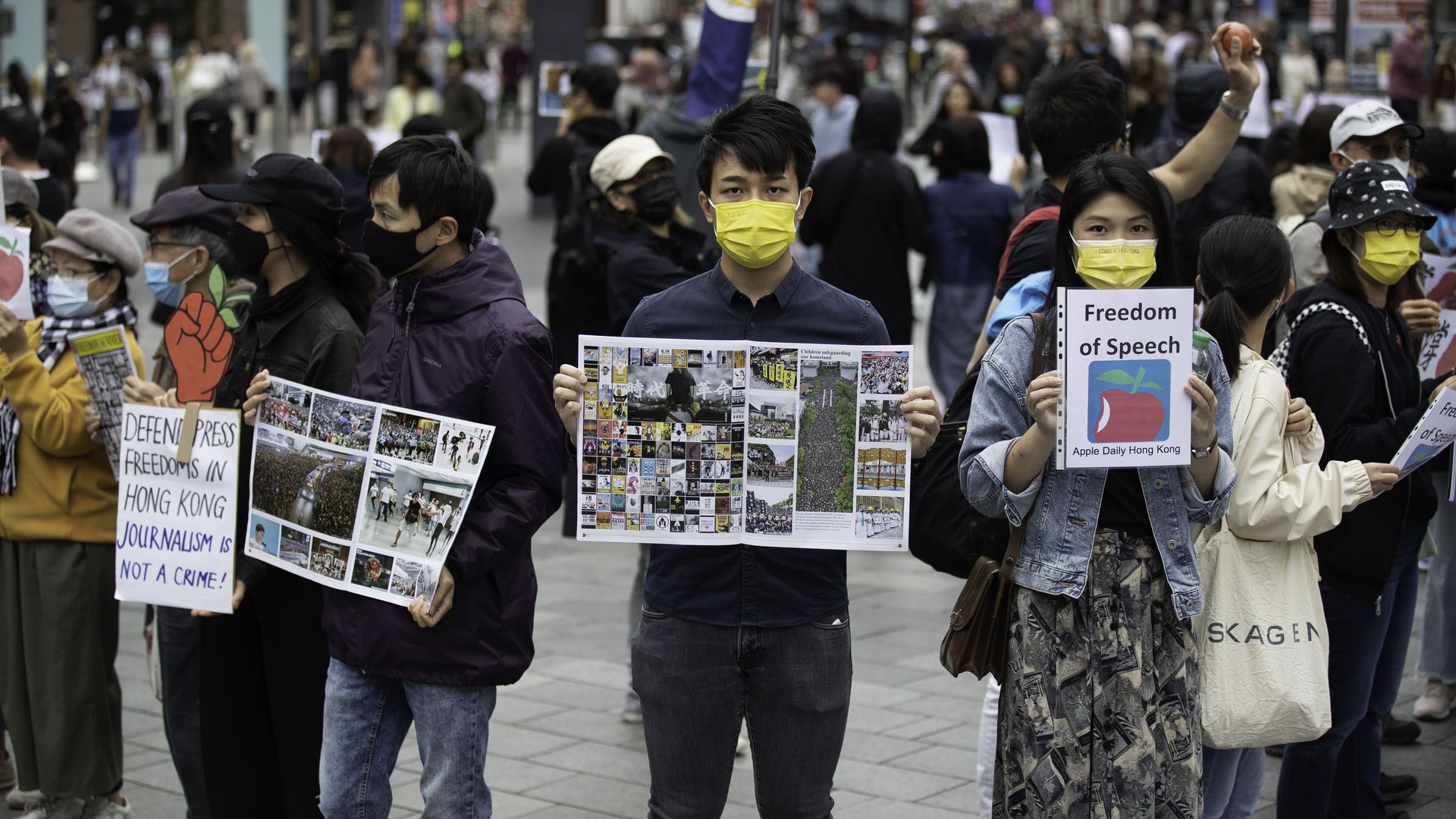
Hong Kong's Apple Daily will close within days because the pro-democracy newspaper's assets have been frozen under China's national security law, an adviser to the company's imprisoned founder Jimmy Lai told media Sunday night.
Why it matters: It's the latest blow to the democratic movement in the Asian financial hub, as Beijing continues to crack down on dissent under the law, which landed Lai and other pro-democracy leaders in jail and led to the arrest last week of five senior Apple Daily executives.
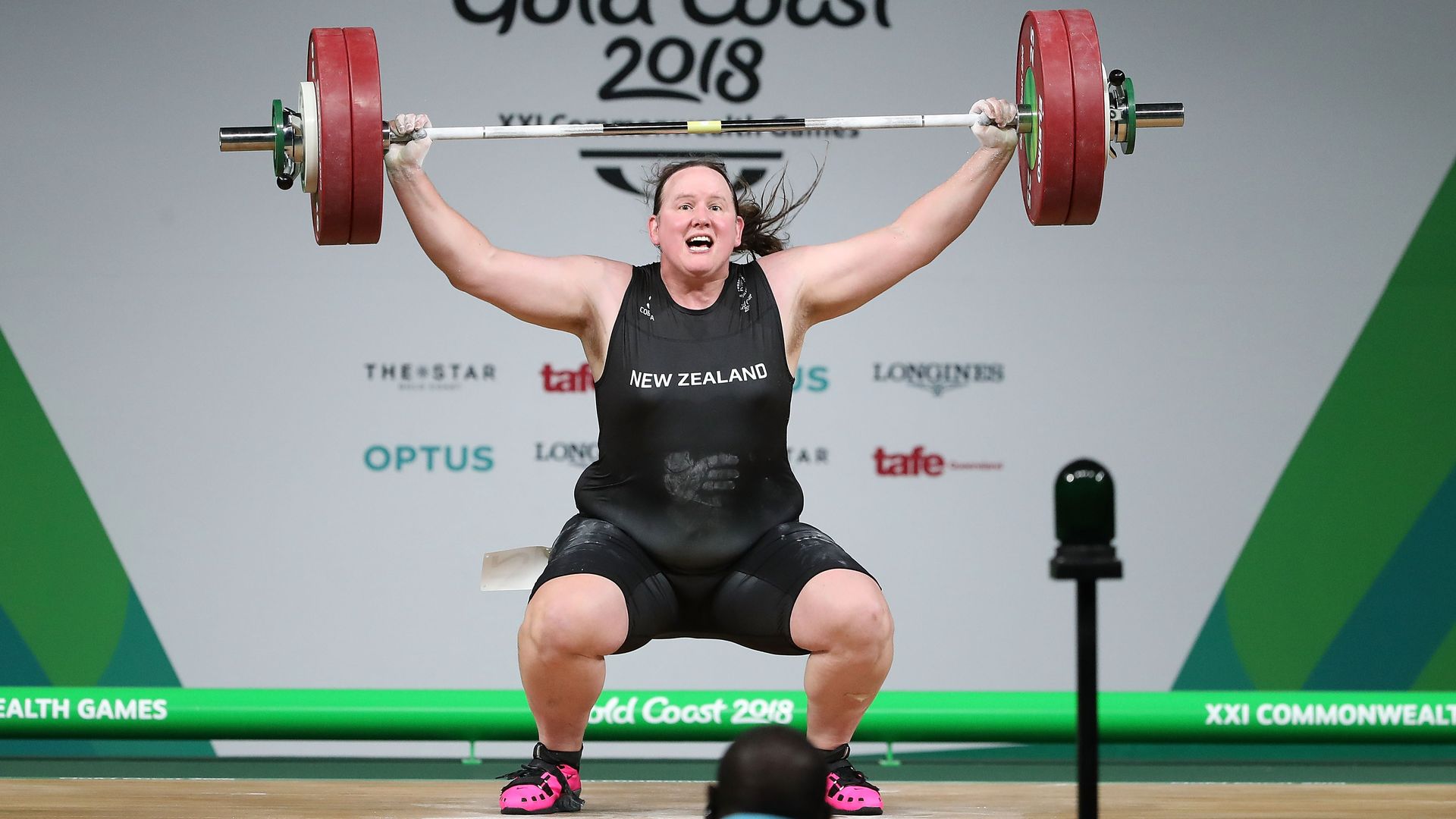
The New Zealand Olympic Committee announced Monday that Laurel Hubbard has been selected for the women's weightlifting team for the Tokyo Games — making her the first openly transgender athlete to compete at the event.
The big picture: Hubbard, 43, is part of a five-member Kiwi weightlifting team and will compete in the women's super heavyweight category. Meanwhile, BMX rider Chelsea Wolfe will become the first openly trans athlete to travel to the Olympics with Team USA, when she arrives in Tokyo as a reserve rider.