The cost of hosting the Olympics has skyrocketed in recent decades, outpacing revenues from visitors and saddling cities with heavy maintenance burdens. As a result, residents of potential host cities have increasingly resisted their government's bids to host the games.
Why it matters: Authoritarian countries eager for global approbation can ignore local opposition, making hosting the Olympics increasingly the terrain of autocratic regimes.
India is projected to see the biggest increase in energy demand of any country over the next 20 years, a new International Energy Agency report finds.
Why it matters: It's already the third-largest energy-consuming nation, even as per-capita energy use, car ownership and other metrics are far below the global average.
With athlete activism on the rise, and protest guidelines in flux, Olympians could play a larger role than ever in shaping the narrative around the 2022 Beijing Winter Olympics — which have come under heavy scrutiny due to China's human rights abuses.
The state of play: The U.S. Olympic and Paralympic Committee announced in December that it would no longer prohibit athletes from "peacefully and respectfully demonstrating in support of racial and social justice for all human beings."
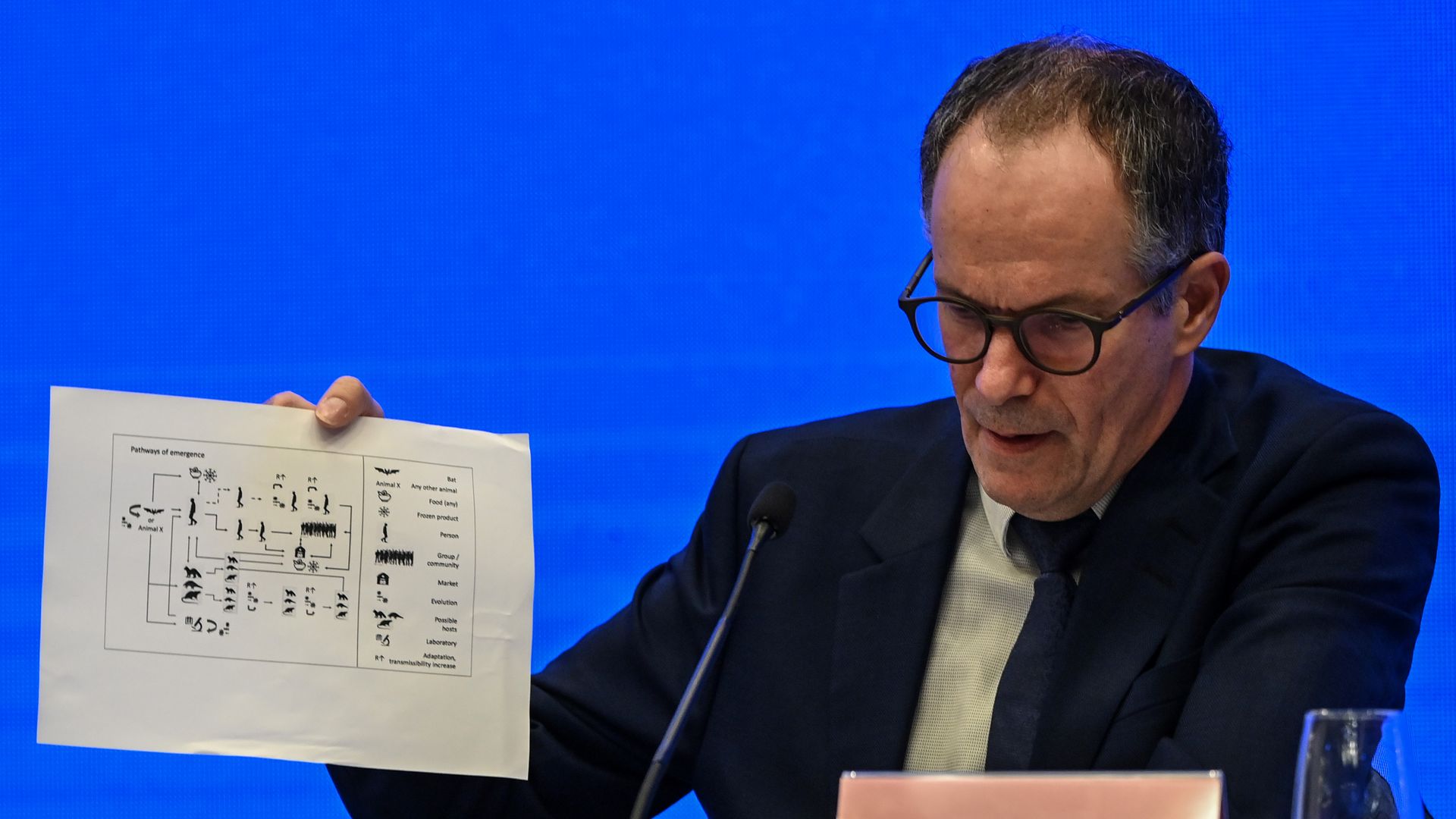
A World Health Organization team researching the origins of COVID-19 in Wuhan said Tuesday that it's "extremely unlikely" the virus came from a laboratory accident, and that it most likely jumped to humans via an intermediate species, per AP.
Why it matters: The Wuhan Institute of Virology, located just under 9 miles from the wet market where some scientists say the outbreak may have began, has been at the center of conspiracy theories over the origins of the virus.
Global fears of China's authoritarian rise are overshadowing the upcoming 2022 Winter Olympic Games in Beijing and sparking calls for a boycott.
Why it matters: By openly flouting human rights norms while claiming leadership of the international system, China is cracking the foundation upon which global traditions such as the Olympics are based.
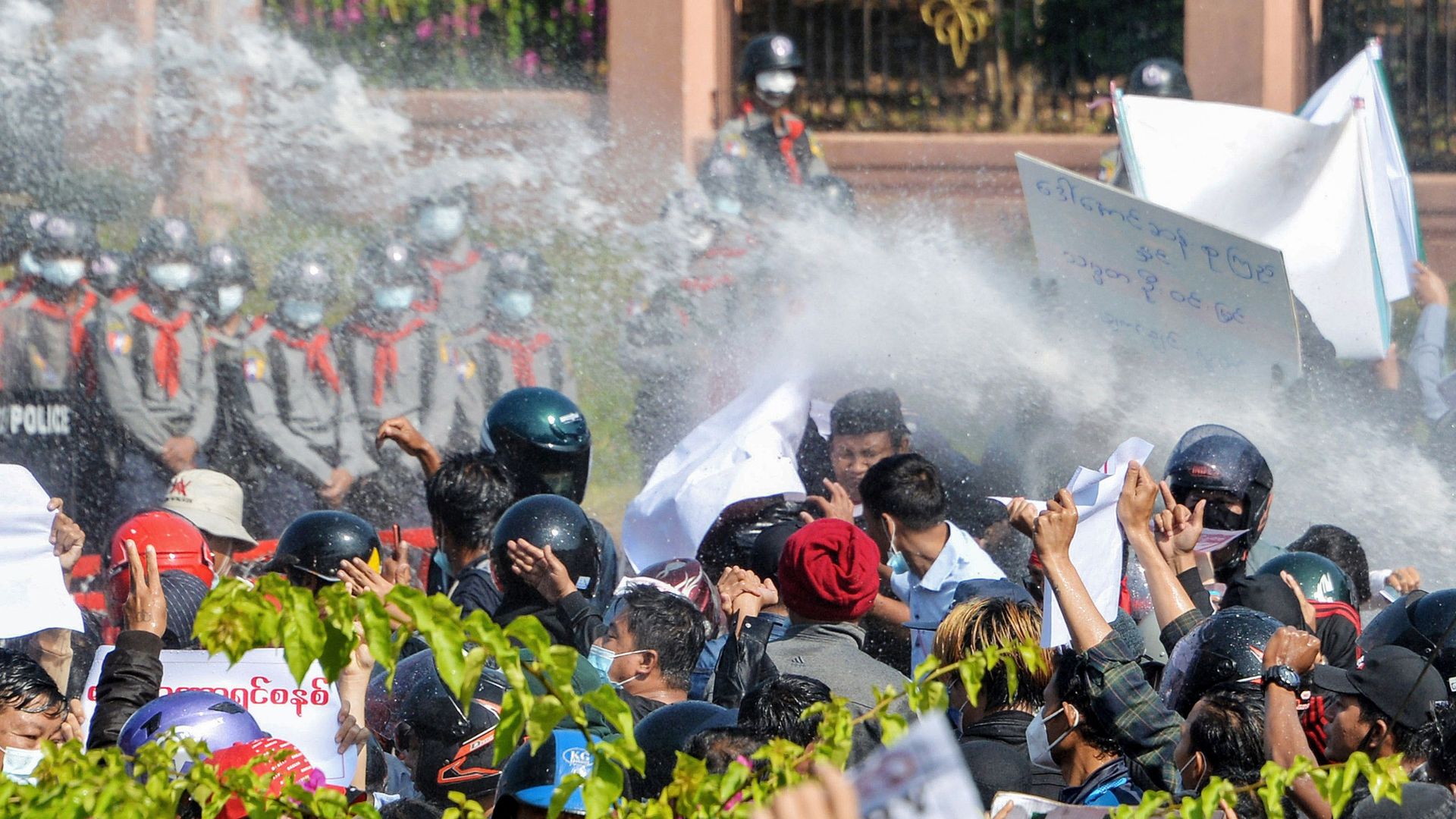
Myanmar police on Tuesday arrested over two dozen protesters who defied a ban on large gatherings and fired water cannons during a fourth straight day of huge anti-coup demonstrations, per Reuters.
Why it matters: This week's protests, triggered by the army seizing power and detaining elected officials including leader Aung San Suu Kyi last week, are the biggest since 2007's "Saffron Revolution" that led to democratic reforms in the country.
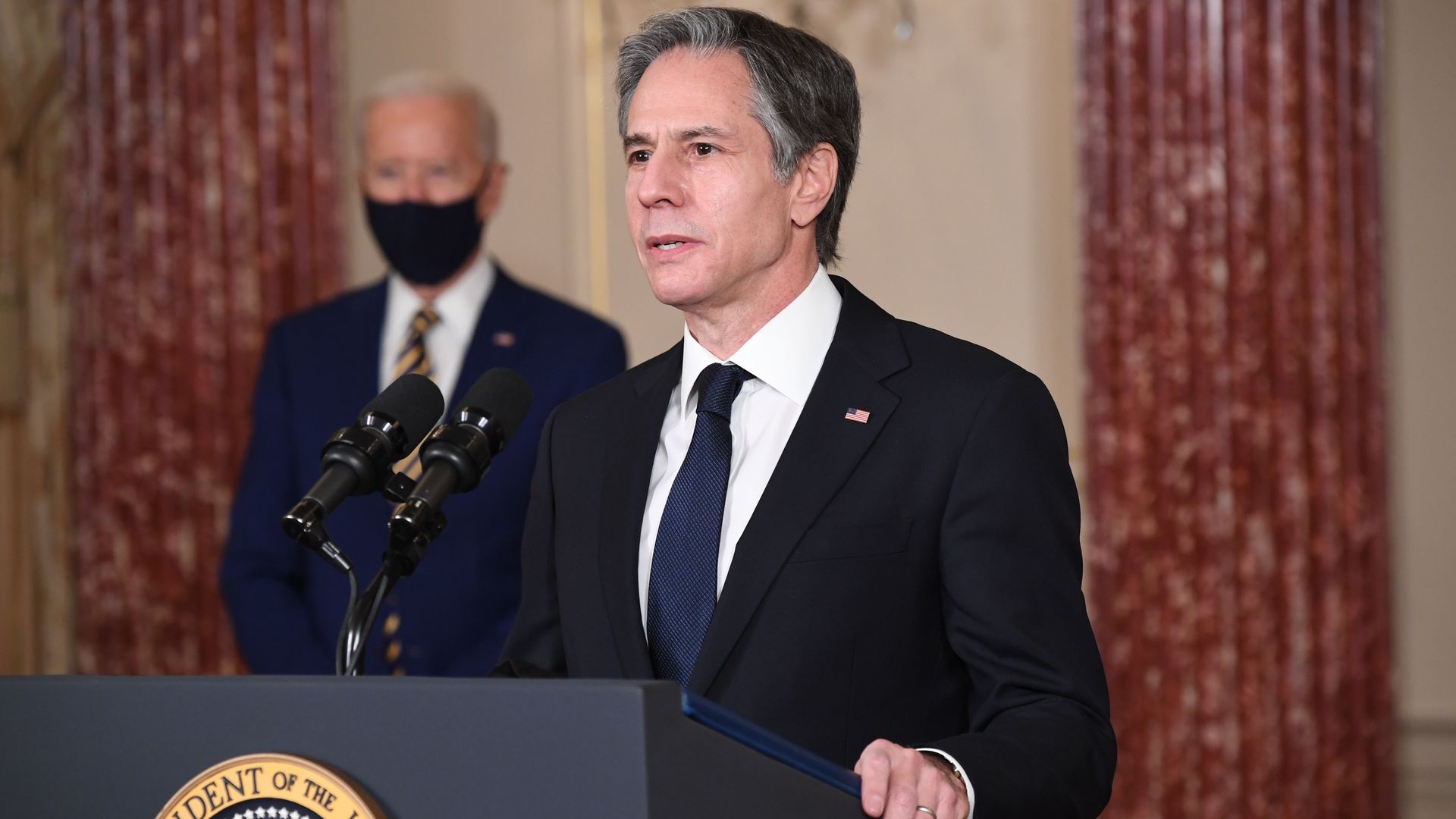
Secretary of State Antony Blinken told CNN on Monday that the deadly Capitol Hill insurrection hurt the U.S. standing as a nation that defends democracy and human rights.
Why it matters: The U.S. has traditionally been a leading voice in condemning political violence around the world.Many world leaders reacted with horror to images broadcast around the globe of rioting supporters of former President Trump on Jan. 6.
A number of countries around the worldhave fudged official coronavirus statistics, shared artificially sunny outlooks about the pandemic, or cracked down on reports that counter the official narrative.
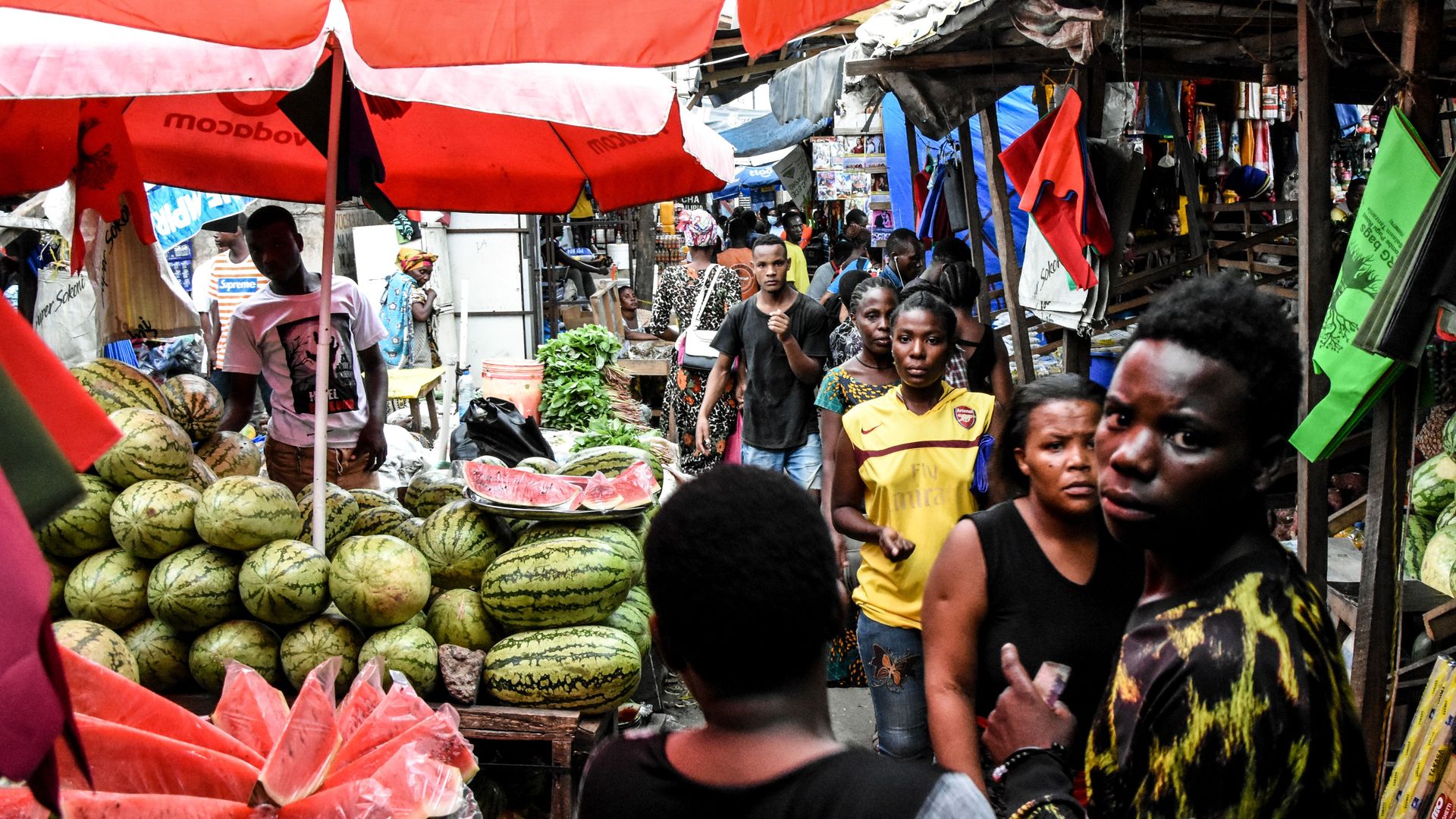
Zoom in: But no country has taken coronavirus denial to the extent of Tanzania — which is not only denying that it has a single case, but it's also rejecting vaccines.
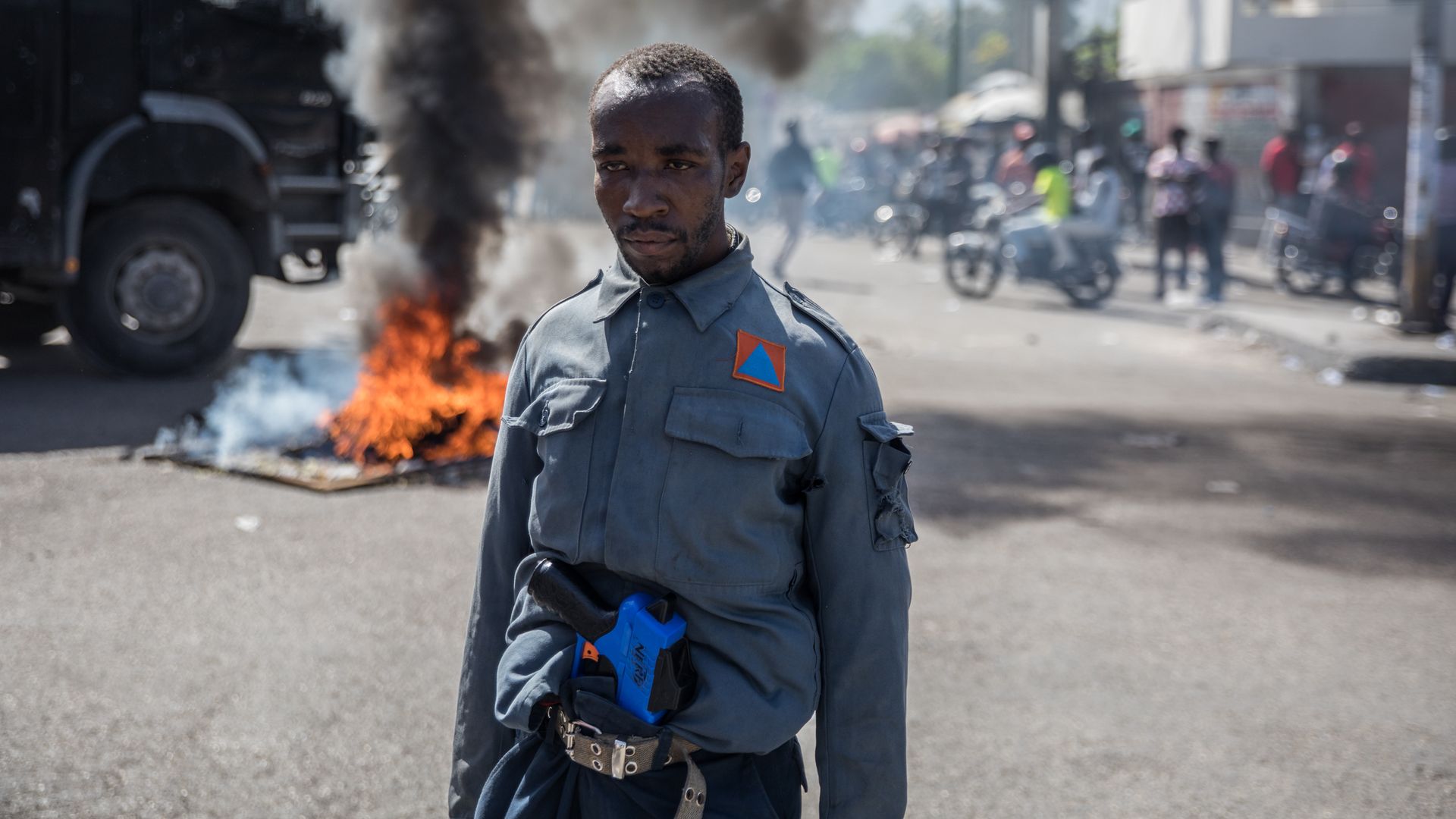
President Jovenel Moïse of Haiticlaims he survived a coup attempt on Sunday. Leading opposition figures say there was no coup attempt — and that Moïse is no longer president.
Why it matters: Haiti’s prolonged political crisis is coming to a head over the question of whether Moïse’s term ended on Sunday or will end on Feb. 7, 2022. This is just the latest flashpoint in a cycle of delayed elections, public frustration and fraying political legitimacy in the impoverished Caribbean nation.
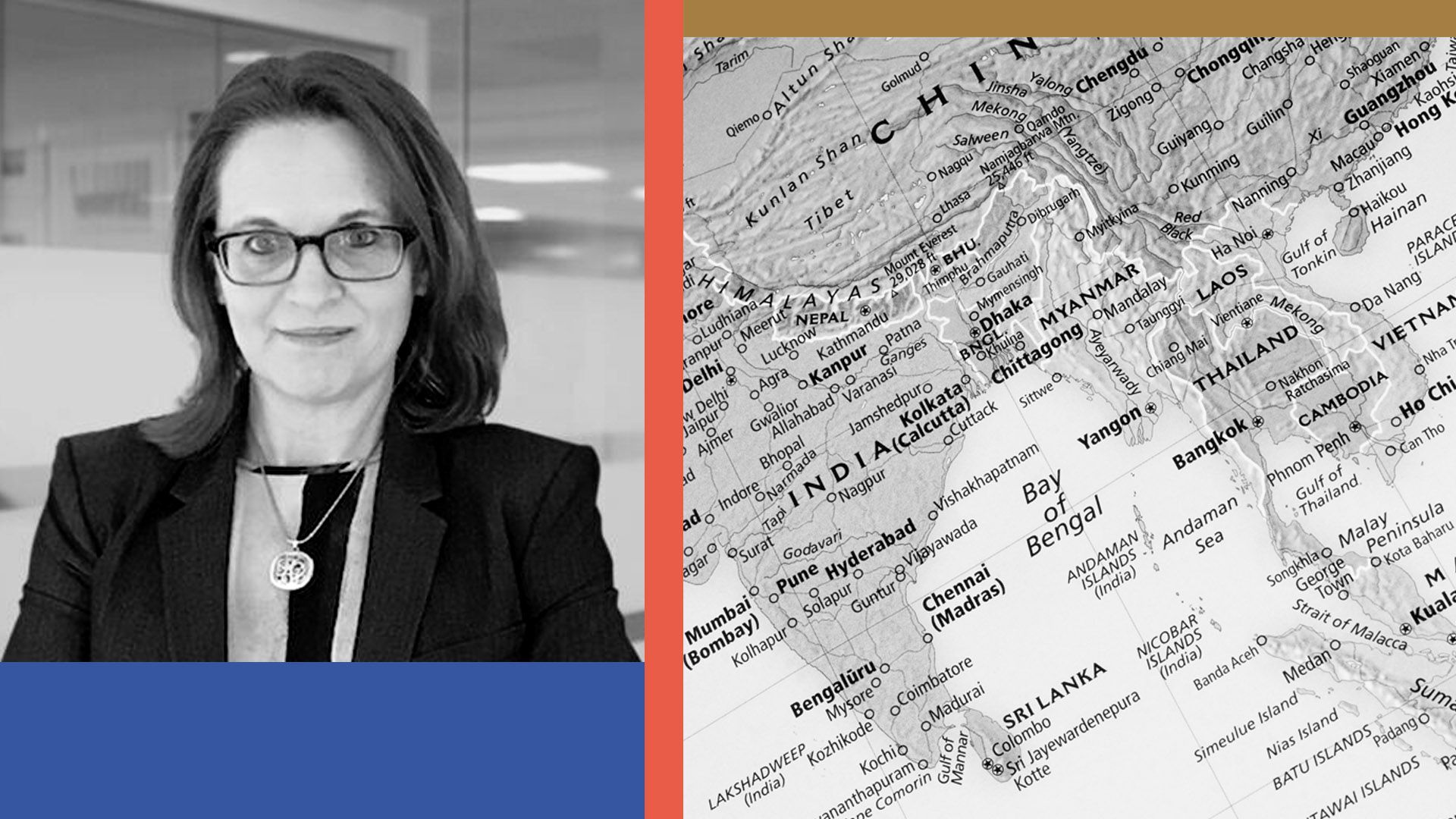
In her first interview since leaving the National Security Council, where she served from 2017 to 2021 as senior director for South and Central Asia, Lisa Curtis tells Axios that the Biden administration should put democracy promotion high on its agenda in the Indo-Pacific.
Why it matters: The Biden administration has made the Indo-Pacific a top focus of its newly formed National Security Council. That's a continuation from the Trump administration in terms of emphasis, if not necessarily in terms of strategy.
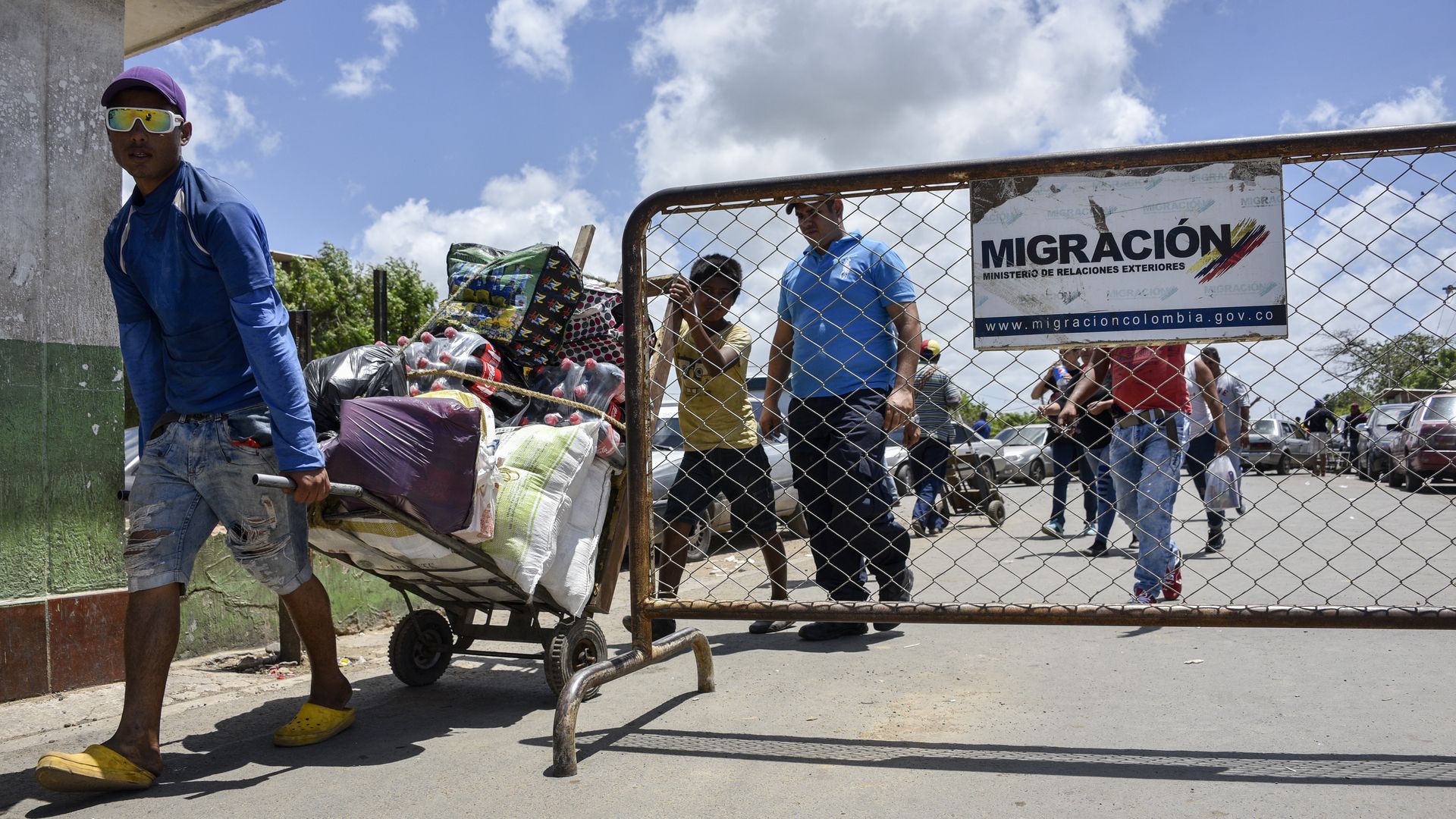
Colombia will provide temporary protective status to undocumented Venezuelan migrants, President Ivan Duque said Monday in a joint announcement with United Nations High Commissioner for Refugees Filippo Grandi.
Why it matters: For years, Colombia has seen an influx of people fleeing economic and political turmoil in Venezuela. More than half of the 1.7 million Venezuelans in Colombia are undocumented.
Germany, Sweden and Poland each expelled a member of Russian Embassy staff on Monday in retaliation for the Kremlin's expulsion of their own diplomats, which came after they were accused of attending "unlawful" rallies in support of jailed opposition leader Alexei Navalny.
Why it matters: The tit-for-tat move represents an escalation in tensions between Russia and Europe. The EU's top diplomat, Josep Borrell, who was meeting with Russian Foreign Minister Sergey Lavrov when the expulsion of EU diplomats was announced last week, has called the Navalny case "a low point in our relations.”
Everything seems to be on the right track with the coronavirus in the U.S., finally. Vaccinations are going up and cases are going down. But variants could mess it all up.
Driving the news: South Africa hit the brakes yesterday on a planned rollout of the AstraZeneca vaccine, after a clinical trial appeared to suggest that the shot didn't work against the South African variant — arguably the scariest of the variants.
Australian journalist Cheng Lei has been formally arrested in China after some six months in detention "on suspicion of illegally supplying state secrets overseas," Australia's government said.
The big picture: Already strained relations between China and Australia have deteriorated since Australian Prime Minister Scott Morrison last year called for an independent inquiry into the origins of the COVID-19 pandemic.