A global initiative to ensure equitable distribution of coronavirus vaccines now includes most of the world — but not the U.S., China or Russia.
Why it matters: Assuming one or more vaccines ultimately gain approval, there will be a period of months or even years in which supply lags far behind global demand. The COVAX initiative is an attempt to ensure doses go where they're most needed, rather than simply to countries that can produce or buy them at scale.
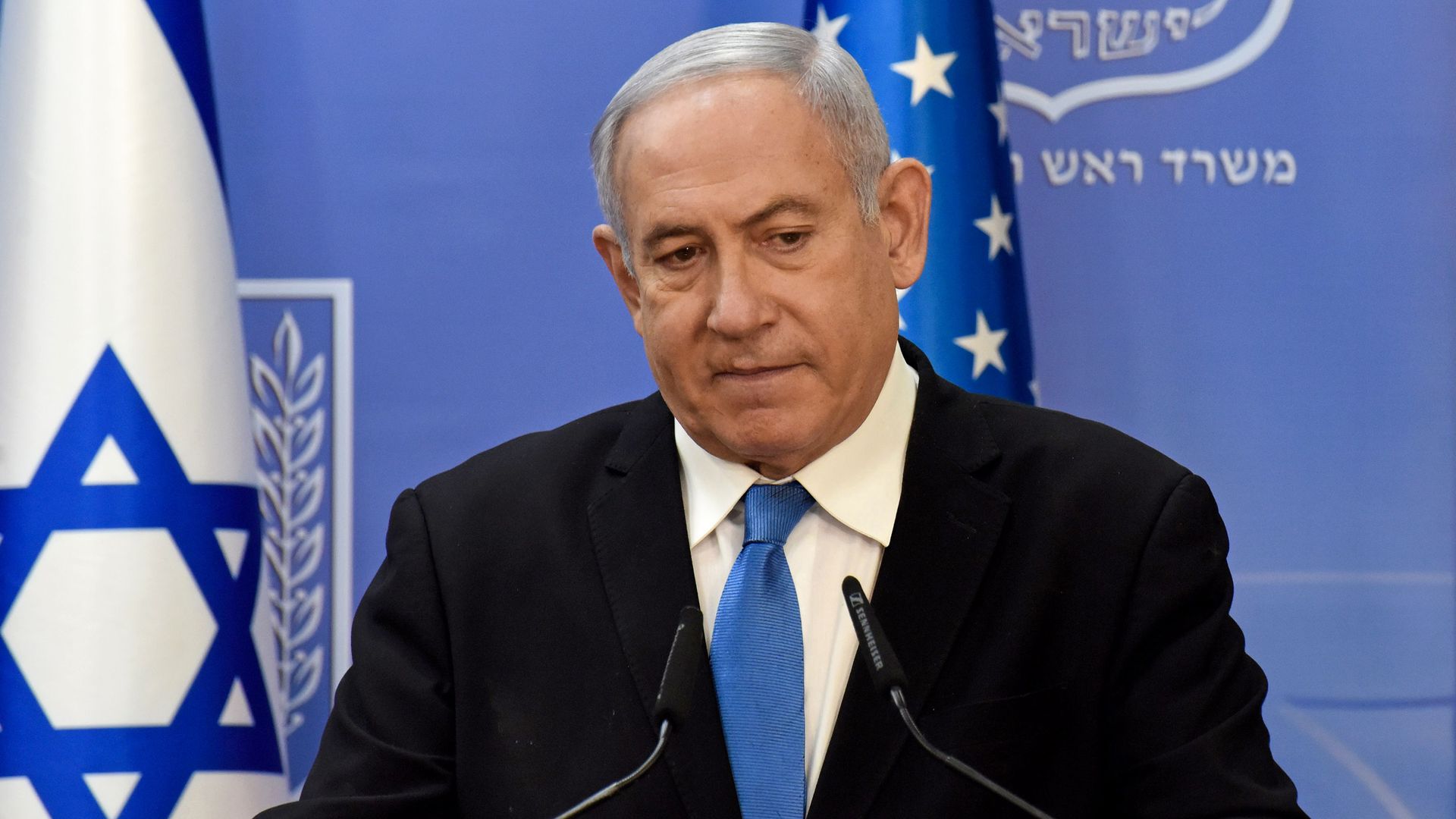
Prime Minister Benjamin Netanyahu announced plans for a "full lockdown" after Israel reported a new daily coronavirus cases record of 6,923 infections Wednesday.
Why it matters: Israel last Friday became the first developed country to re-enter lockdown. While schools, retailers and other businesses closed for the three-week measure, there are exemptions including for people to pray, go to work, exercise and protest. The new two-week restrictions that still needs Cabinet's full approval aims to address this, AP notes. "The goal is to reduce the rate of infection, and the goal is literally to save many lives in Israel," Netanyahu said.
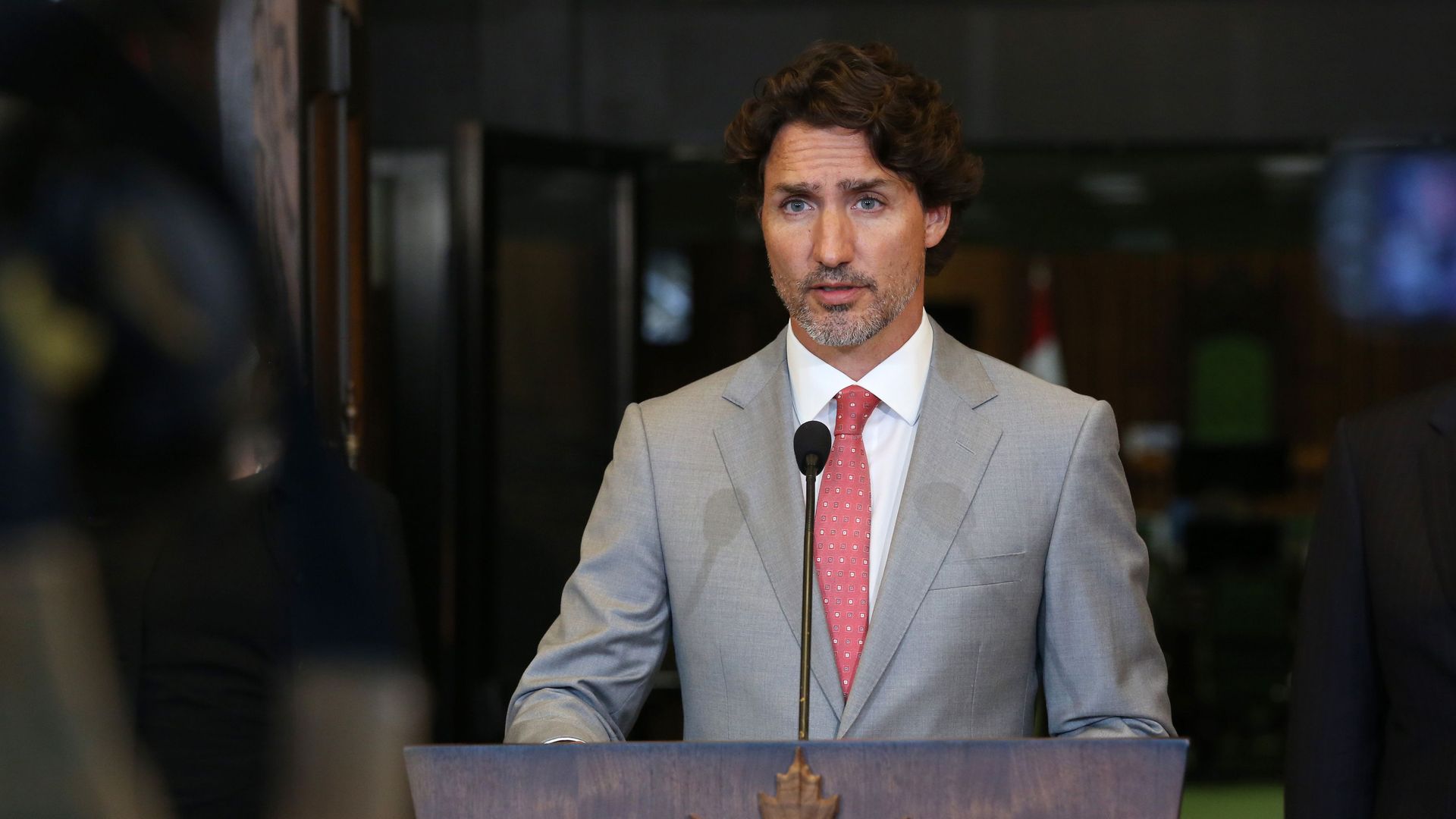
Prime Minister Justin Trudeau said during a televised address on the coronavirus pandemic Wednesday that for Canada's four biggest provinces, "the second wave isn’t just starting, it's already under way."
Driving the news: Daily case numbers have gone from roughly 300 cases a day in mid-August to 1,248 by Tuesday, with most outbreaks in British Columbia, Alberta, Ontario and Quebec, CBC notes. "We're on the brink of a fall that could be much worse than the spring," Trudeau said. "It's all too likely we won't be gathering for Thanksgiving, but we still have a shot at Christmas." Over 147,700 Canadians have tested positive for COVID-19.
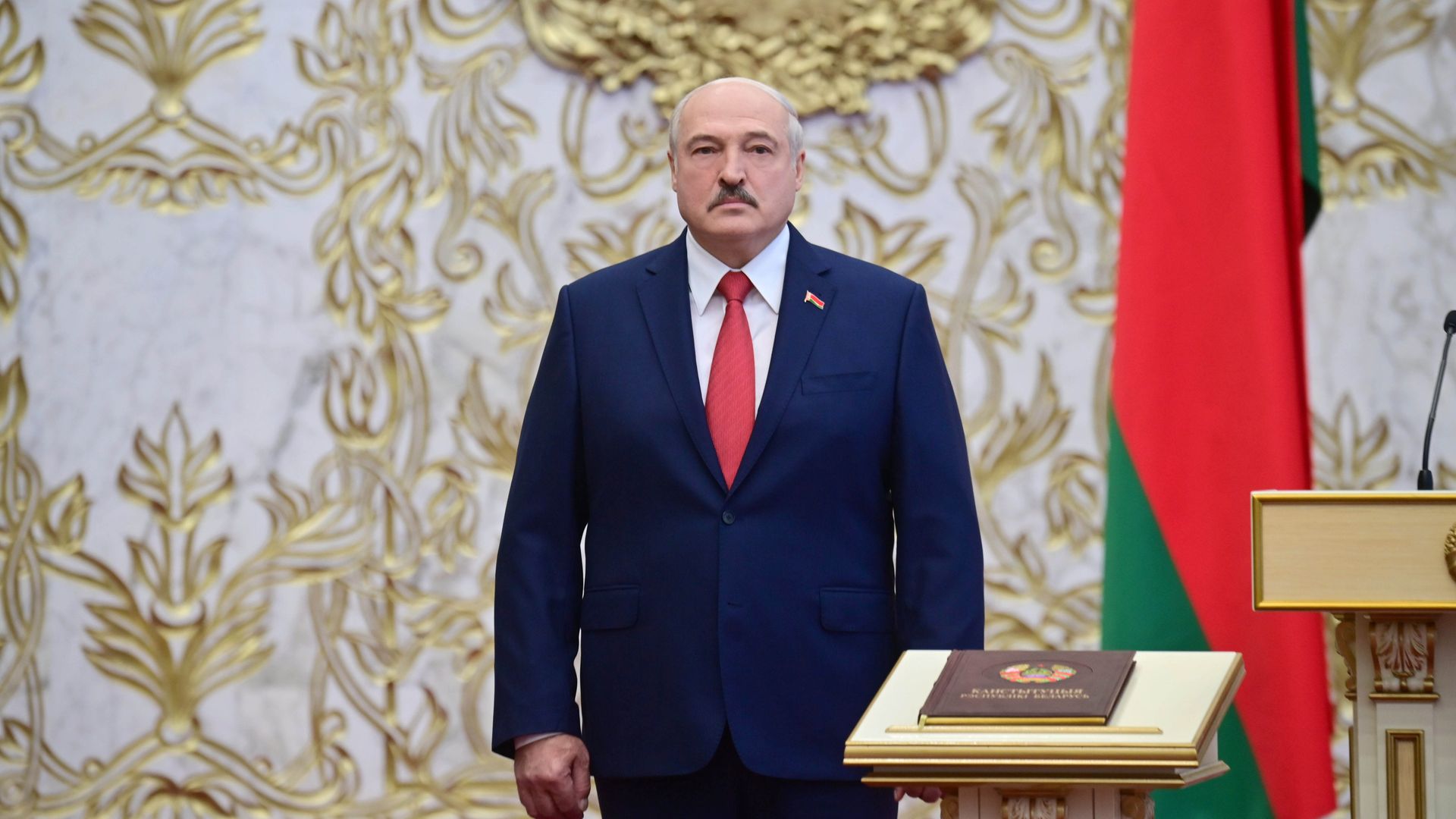
The U.S. no longer recognizes Aleksandr Lukashenko as the legitimate president of Belarus, the State Department said in a statement on Wednesday.
Why it matters: Lukashenko has clung to power with the support of Russia amid seven weeks of protests that have followed a blatantly rigged election. Fresh protests broke out Wednesday evening in Minsk after it emerged that Lukashenko had held a secret inauguration ceremony.
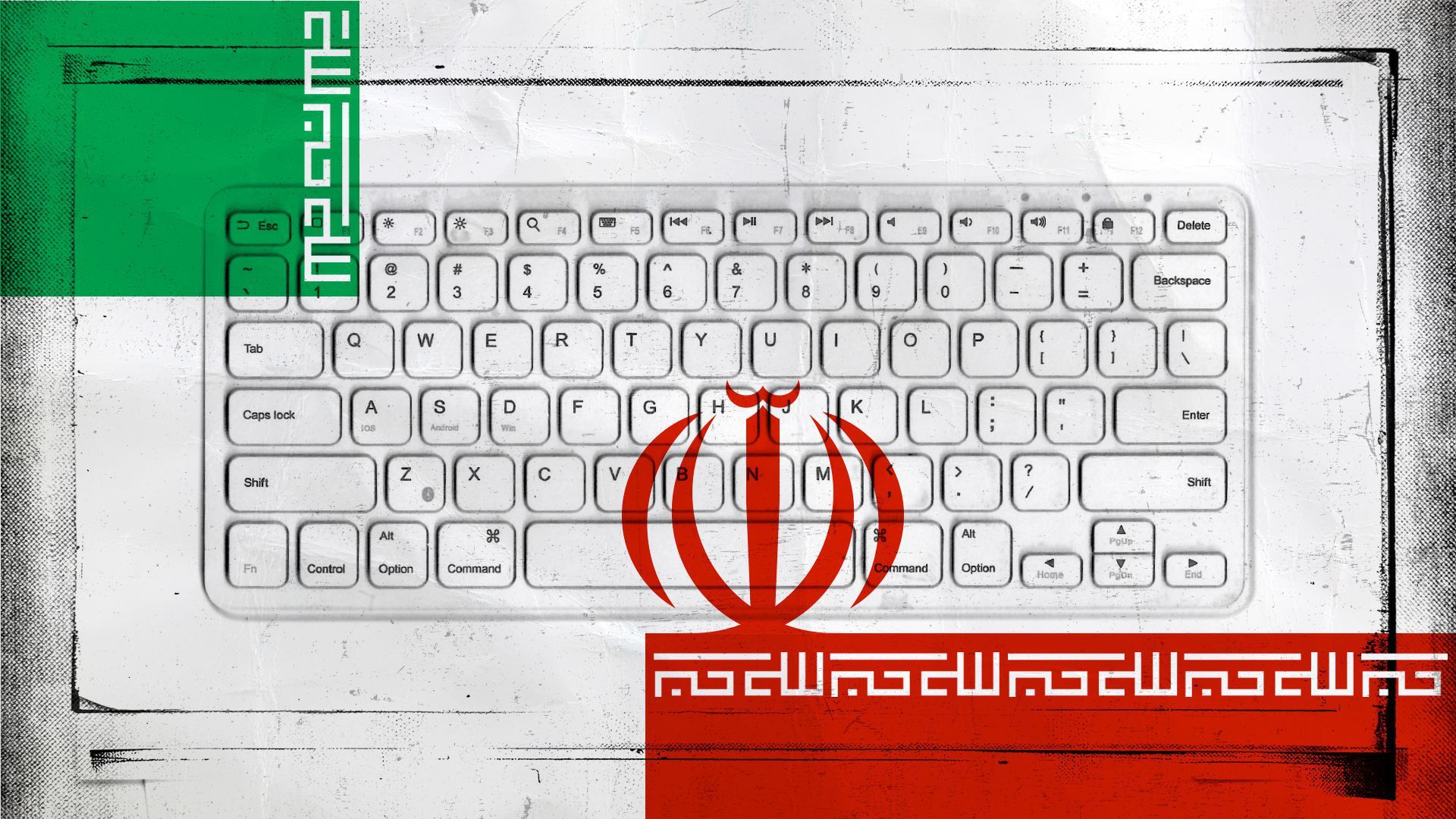
An Iranian cyber operations front organization that’s a target of new U.S. sanctions was itself the victim of an attack that looted its own hacking tools and dumped them on the internet two years ago.
Driving the news: Last week, amid increasing tensions between Washington and Tehran, the Treasury Department announced major new Iran-related sanctions targeting cyber operators working for Iranian intelligence. The sanctions targeted 45 individuals affiliated with Iran’s Ministry of Intelligence and Security (MOIS), Tehran’s main civilian intelligence agency.
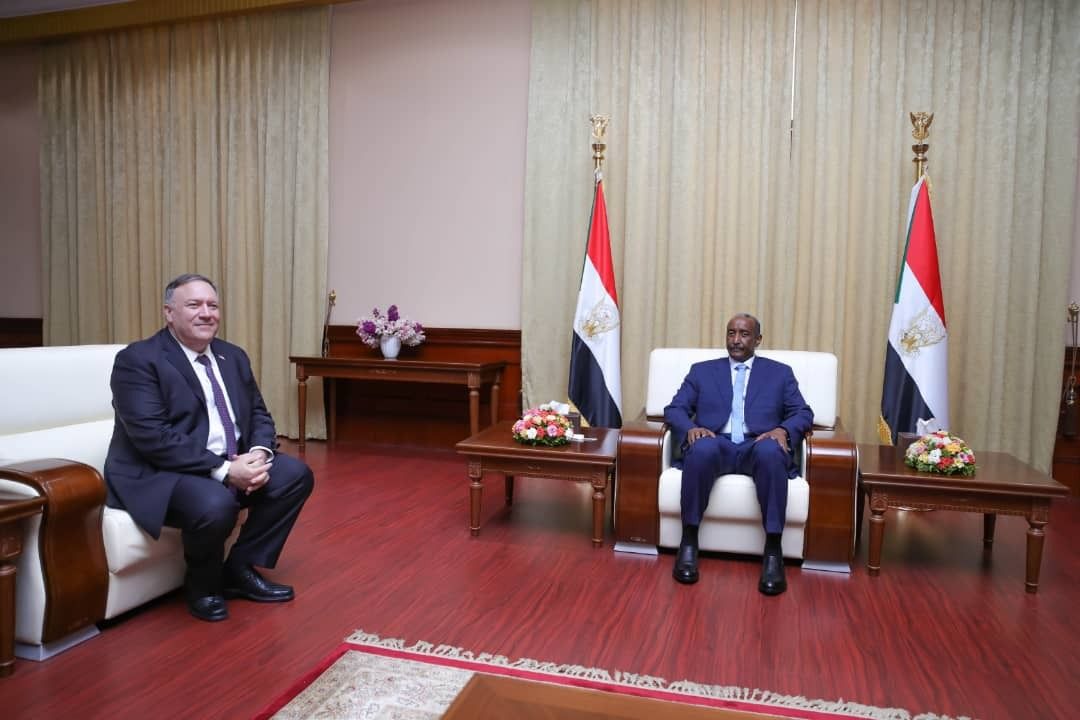
Burhan (R) with Secretary of State Mike Pompeo last month in Khartoum. Photo: Handout/Anadolu Agency via Getty Images
Negotiations in Abu Dhabi between the U.S. and Sudan have ended without a breakthrough on Sudanese recognition of Israel, sources briefed on the talks tell me.
The big picture: Sudan is trying to re-engage with the world economically as it transitions from the dictatorship of Omar al-Bashir, and needs U.S. sanctions relief to do so. The U.S., meanwhile, has pushed Sudan to become the latest Arab country to normalize relations with Israel. The talks in Abu Dhabi, first reported by Axios, were the most substantive to date on that topic.
Major climate news arrived on Tuesday when Chinese President Xi Jinping said China would aim for "carbon neutrality" by 2060 and a CO2 emissions peak before 2030.
Why it matters: China is by far the world's largest greenhouse gas emitter. So its success or failure at reining in planet-warming gases affects everyone's future.
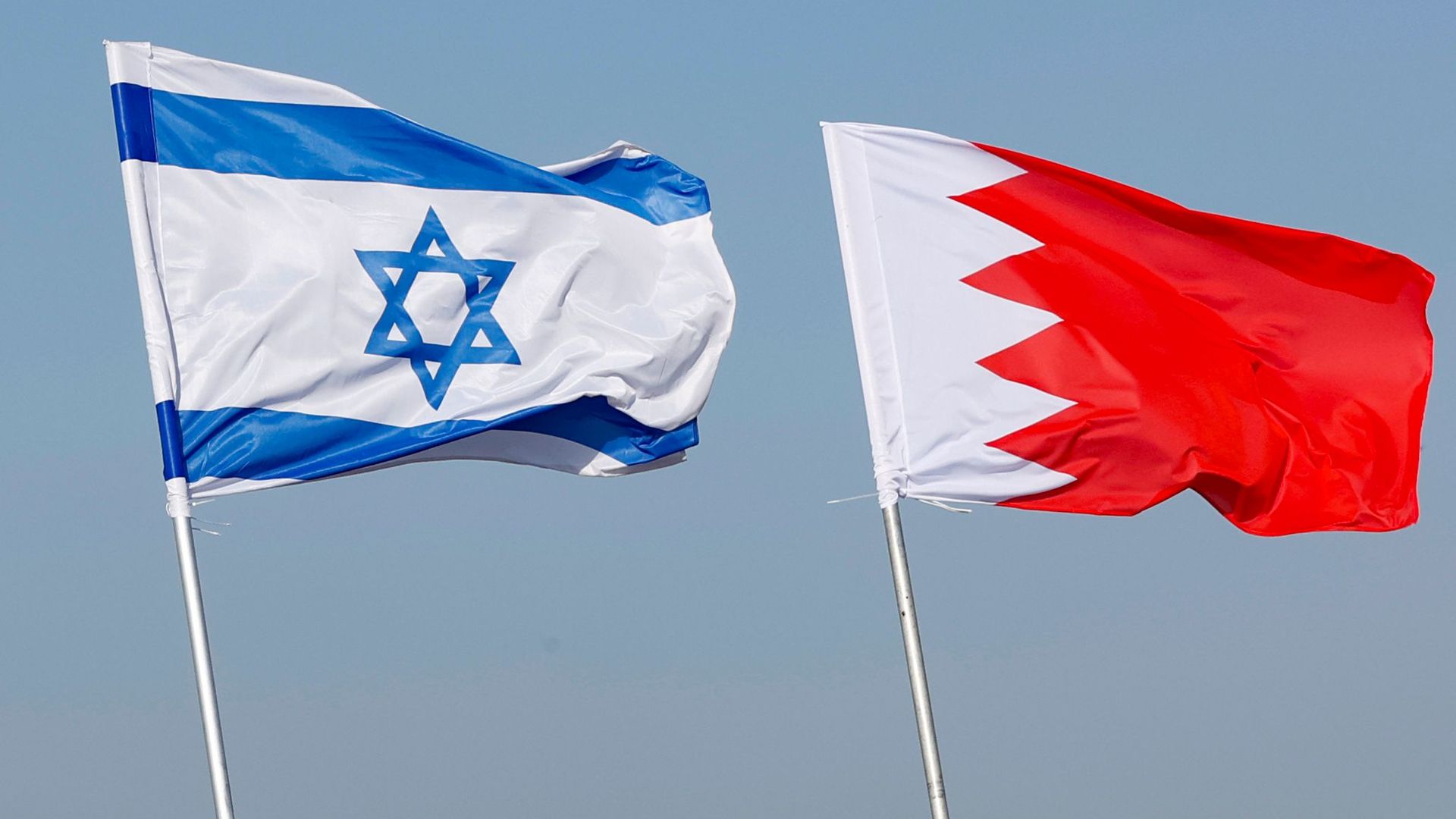
A senior Israeli delegation traveled Wednesday to Bahrain for talks on the drafting of the U.S.-brokered peace treaty between the countries, Israeli officials told me.
The state of play: Both countries need to draft a detailed and comprehensive peace treaty that will have a firm legal status and include side agreements on several fields of bilateral cooperation, according to the officials.
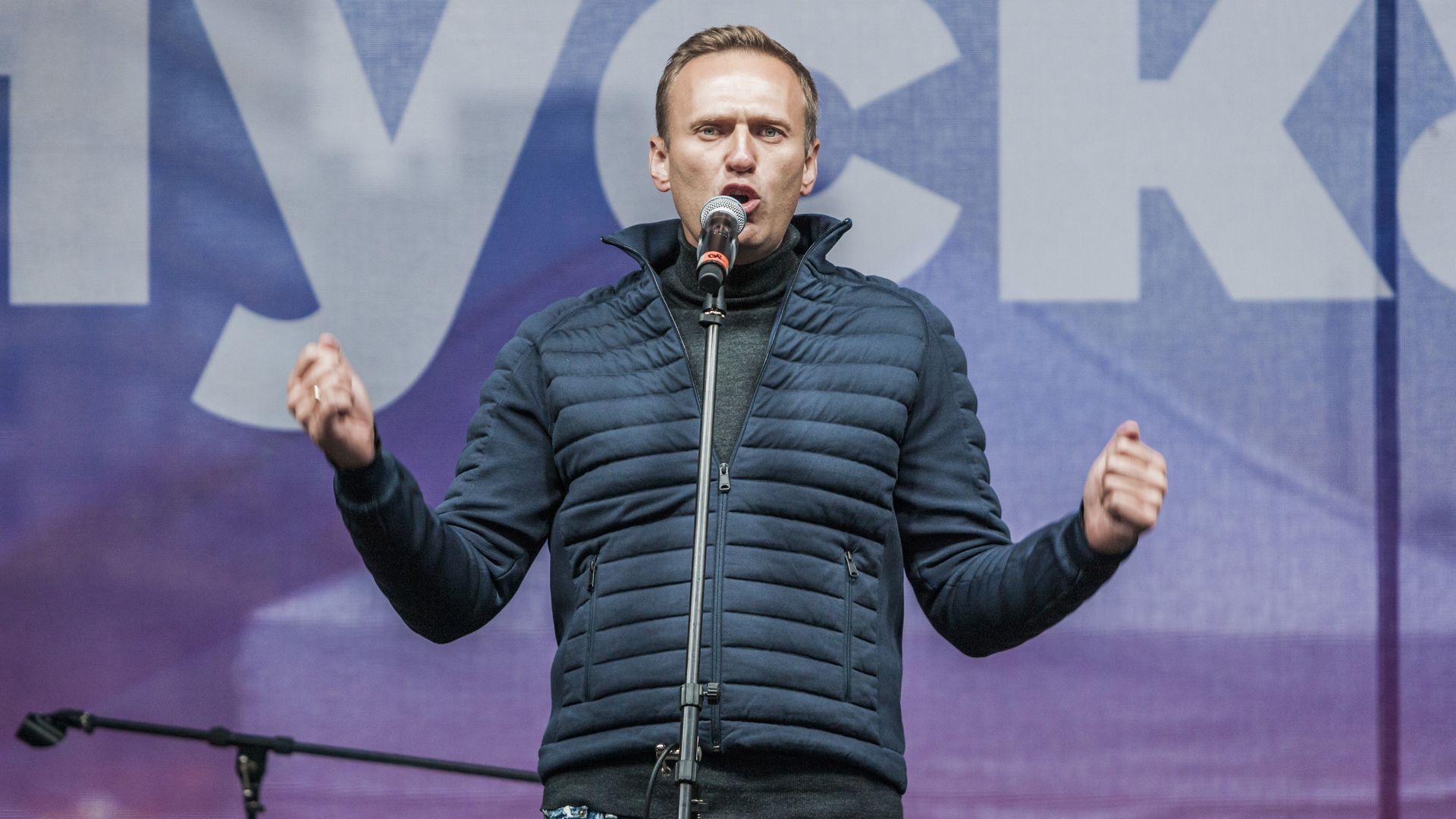
Russian activist Alexei Navalny was released from a German hospital on Wednesday after 32 days of treatment for Novichok poisoning, per the AP.
Why it matters: It is widely suspected that Russian state operatives took part in poisoning Navalny while on a domestic flight. Novichok is a Soviet-era poison often attributed to Russian security services, and Navalny is one of President Vladimir Putin's most outspoken critics.
Navalny was kept in a medically induced coma for two weeks after being poisoned. Doctors say it is too soon to know if he will face any long-term side effects from the nerve agent.
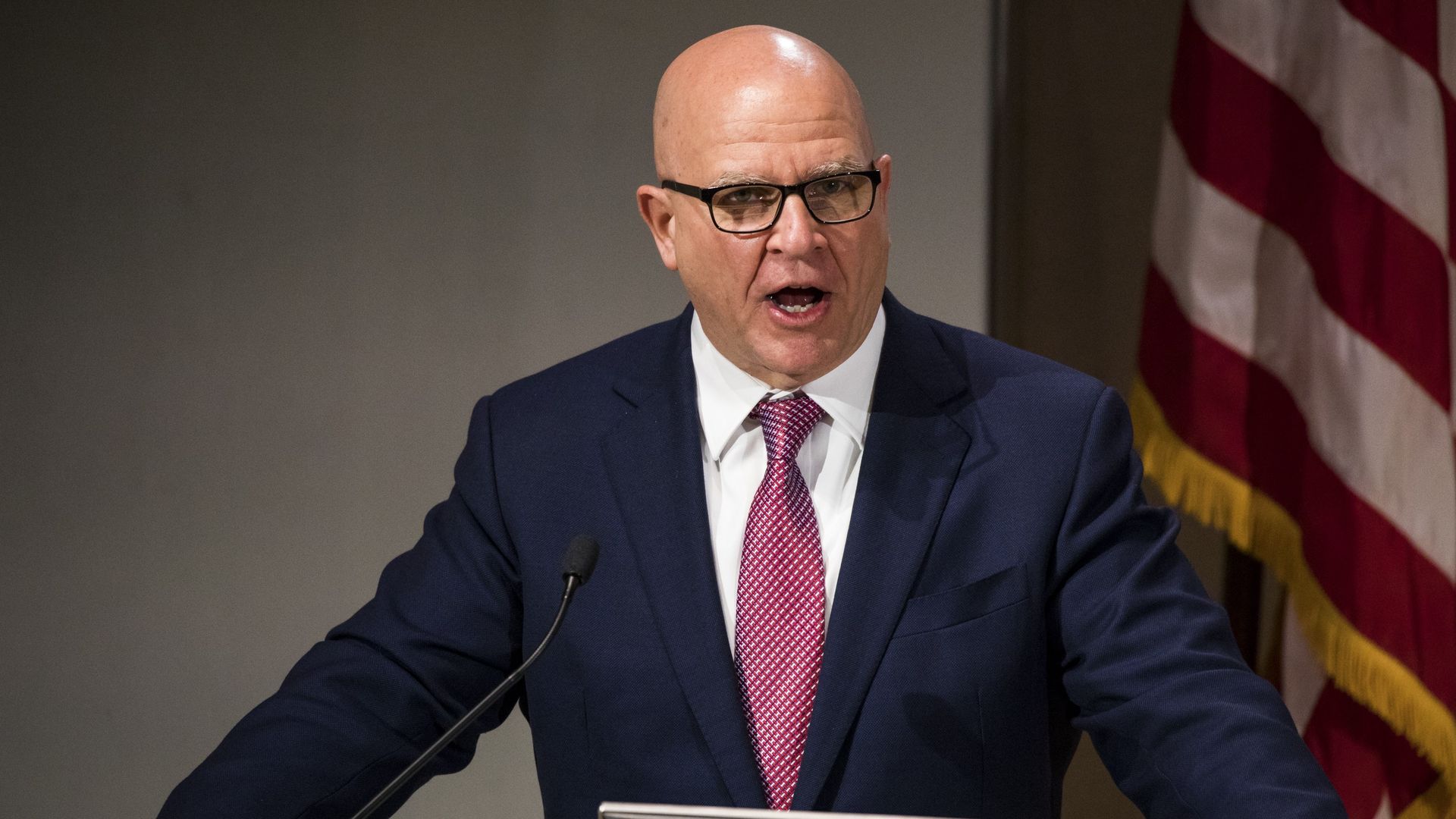
H.R. McMaster told CNN Tuesday evening President Trump and other U.S. leaders are "making it easy" for Russian President Vladimir Putin to peddle conspiracy theories on the U.S. election and Democratic presidential candidate Joe Biden.
What he's saying: "It's just wrong ... it's really important for leaders to be responsible about this because, really, as you know Putin doesn't create these divisions in our society, he doesn't create these doubts, he magnifies them," Trump's former national security adviser told CNN's Jake Tapper.
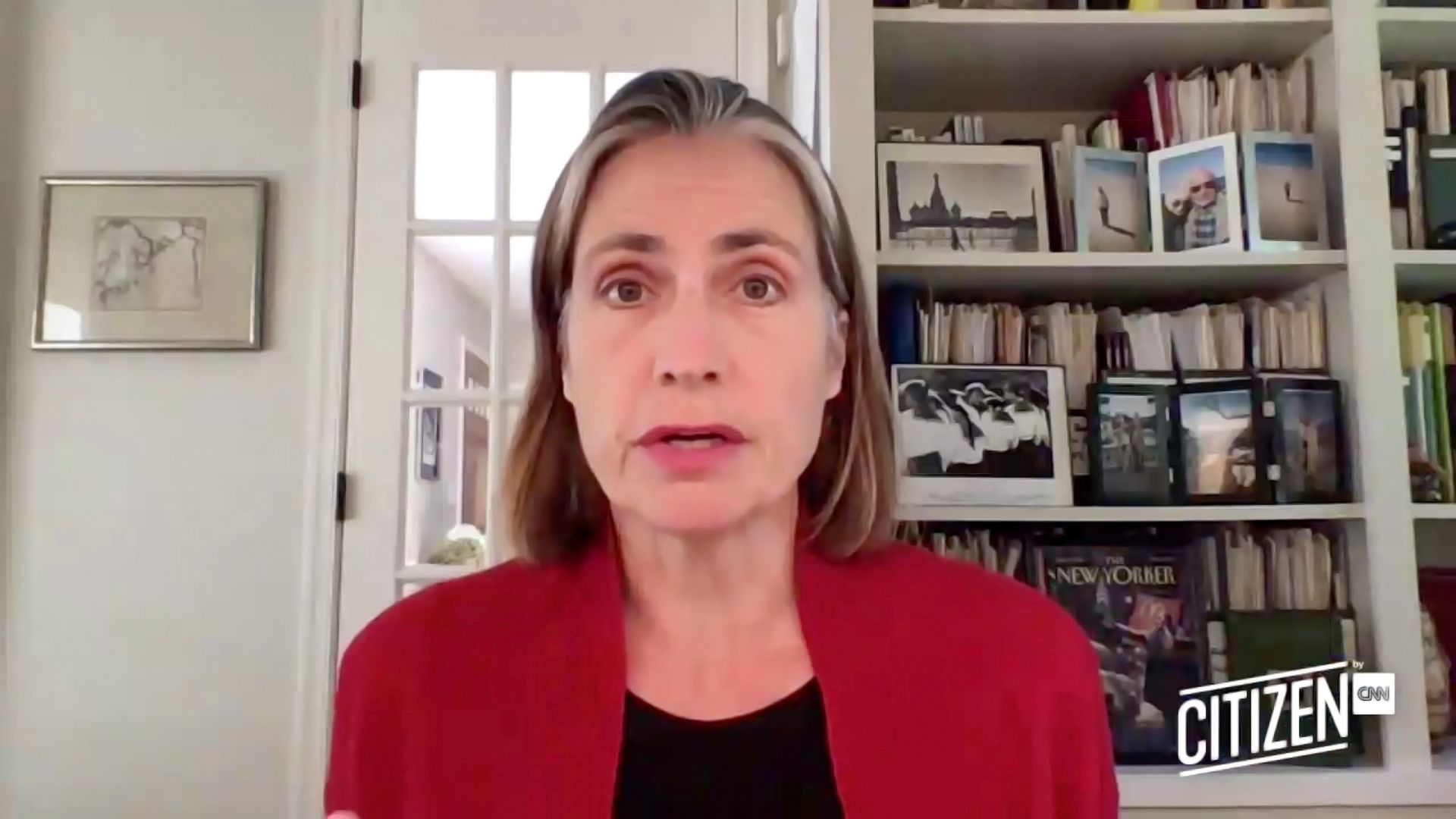
Former top White House Russia adviser Fiona Hill said Tuesday the "bungled handling of COVID," race relations, "political polarization" and the "spectacles that we're presenting" have eroded the United States' world standing.
What she’s saying: "We are increasingly seen as an object of pity, including by our allies, because they are so shocked by what's happening internally, how we're [eating] ourselves alive with our divisions," Hill told CNN's Jim Sciutto at the Citizen by CNN 2020 conference.