This week has seen a number of worrying headlines from countries initially viewed as major pandemic success stories.
Why it matters: After enormous sacrifices made to prevent or contain widespread outbreaks, countries are grappling with the challenge of preserving that success without daily life, and the economy, grinding to a halt once again.
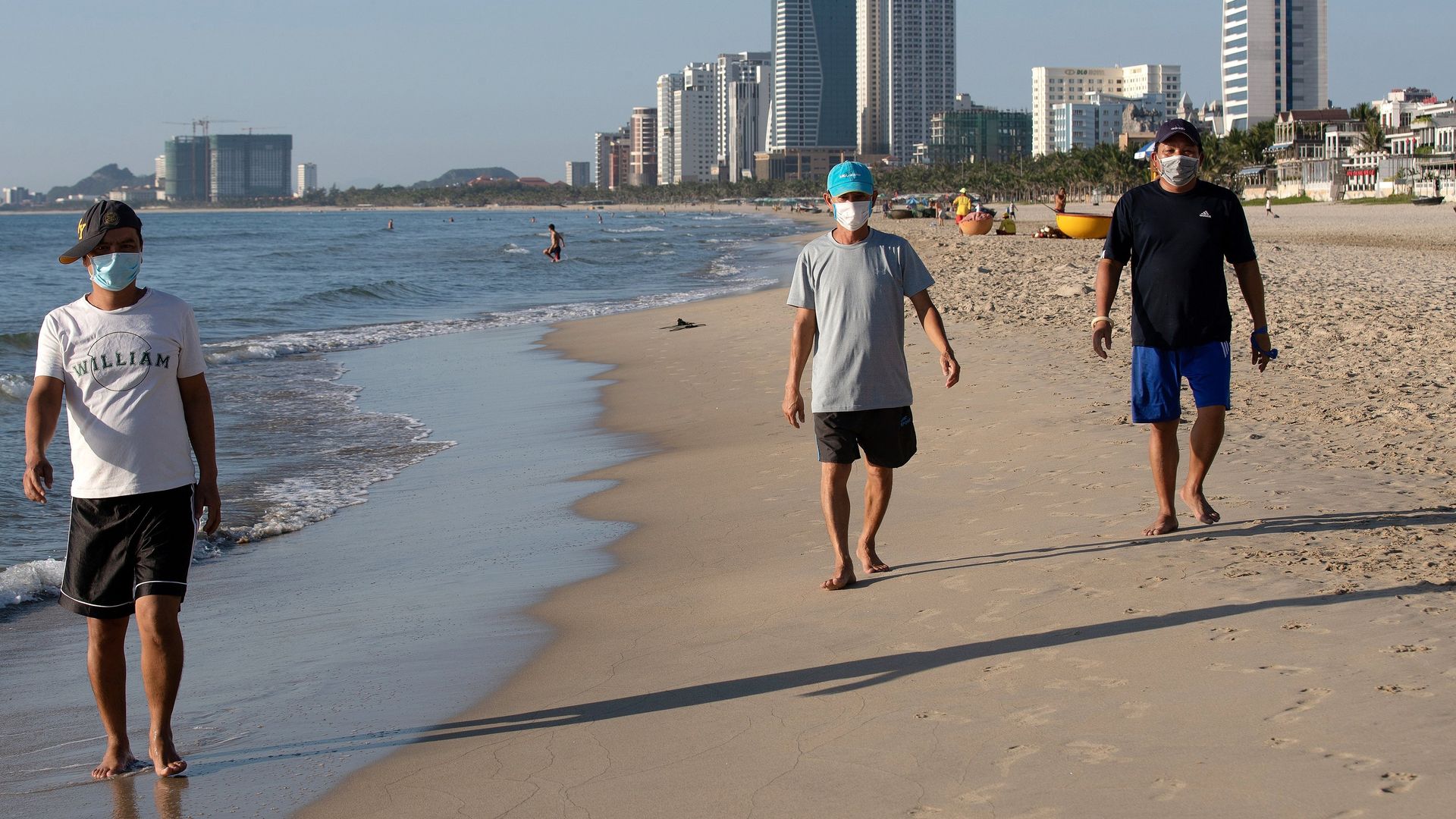
Vietnam reported on Thursday nine more people had tested positive for COVID-19, taking the total number of locally transmitted cases to 43 since the outbreak resurfaced over the weekend.
Why it matters: The country's efforts in combating the novel coronavirus had been widely credited. It had gone 99 days without a locally transmitted case before a 57-year-old man tested positive last Saturday, per a Vietnamese government statement. Nobody has died from the virus in Vietnam.
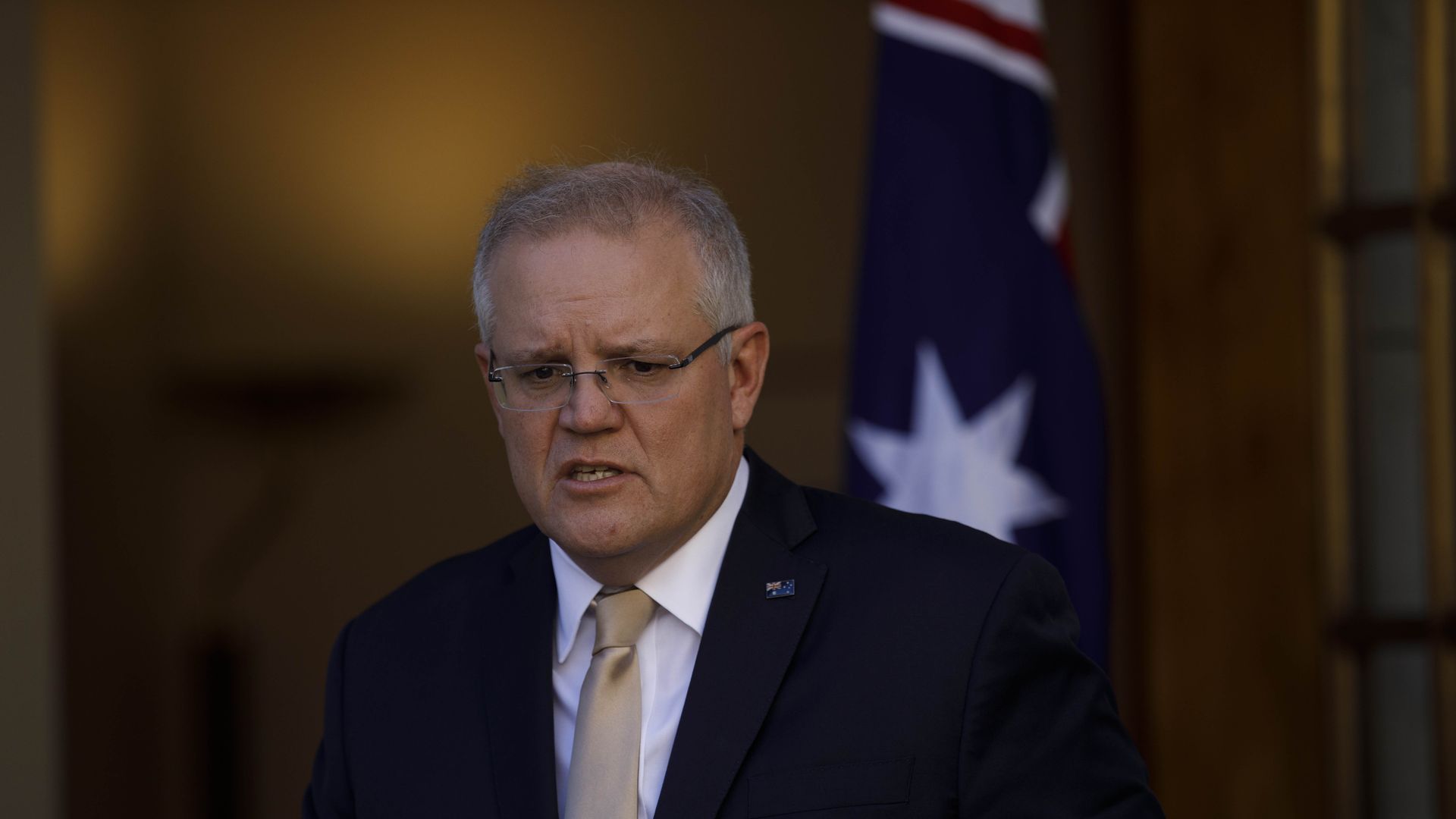
Australian Prime Minister Scott Morrison told reporters Thursday the pandemic will be around "for some time" as he noted Victoria's strict measures hadn't had the desired effect. The state reported 723 new cases and 13 more deaths — a national daily record.
The big picture: In May, Australia looked set to suppress COVID-19. Victorian officials found sick people not getting tested quickly enough or leaving isolation led to the spike. State Premier Dan Andrews said at a briefing if anyone has symptoms, "you just can't go to work, because all you'll be doing is spreading the virus." Victoria will make wearing face coverings outside mandatory statewide from late Sunday. The states of New South Wales and Queensland reported Thursday 18 and three new cases, respectively.
It is a universally accepted international convention that diplomatic facilities can be used as cover for espionage activities. But the system only works if states pretend not to acknowledge it.
The state of play: A decision last week by the Trump administration to shutter the Chinese consulate in Houston over allegations that China used it for spying set off a predictable diplomatic firestorm.
Garmin, a major fitness tech company that tracks many users’ workout routines and GPS coordinates, was the victim of a ransomware attack, the company confirmed Monday.
The big picture: The attack, first reported by TechCrunch, froze “the company’s online services for millions of users, including Garmin Connect, which syncs user activity and data to the cloud and other devices.” Garmin’s “aviation navigation and route-planning service” was also affected, says TechCrunch.
In a prominent spy case, U.S. prosecutors in San Francisco have greatly expanded charges against three men, including two ex-Twitter employees who allegedly worked as Saudi intelligence agents and used their Twitter credentials to gather information about dissidents on the social network.
Details: The new indictment, which replaces the original 2019 one, deepens the spying-related charges against the men and also alleges a series of financial and other crimes.
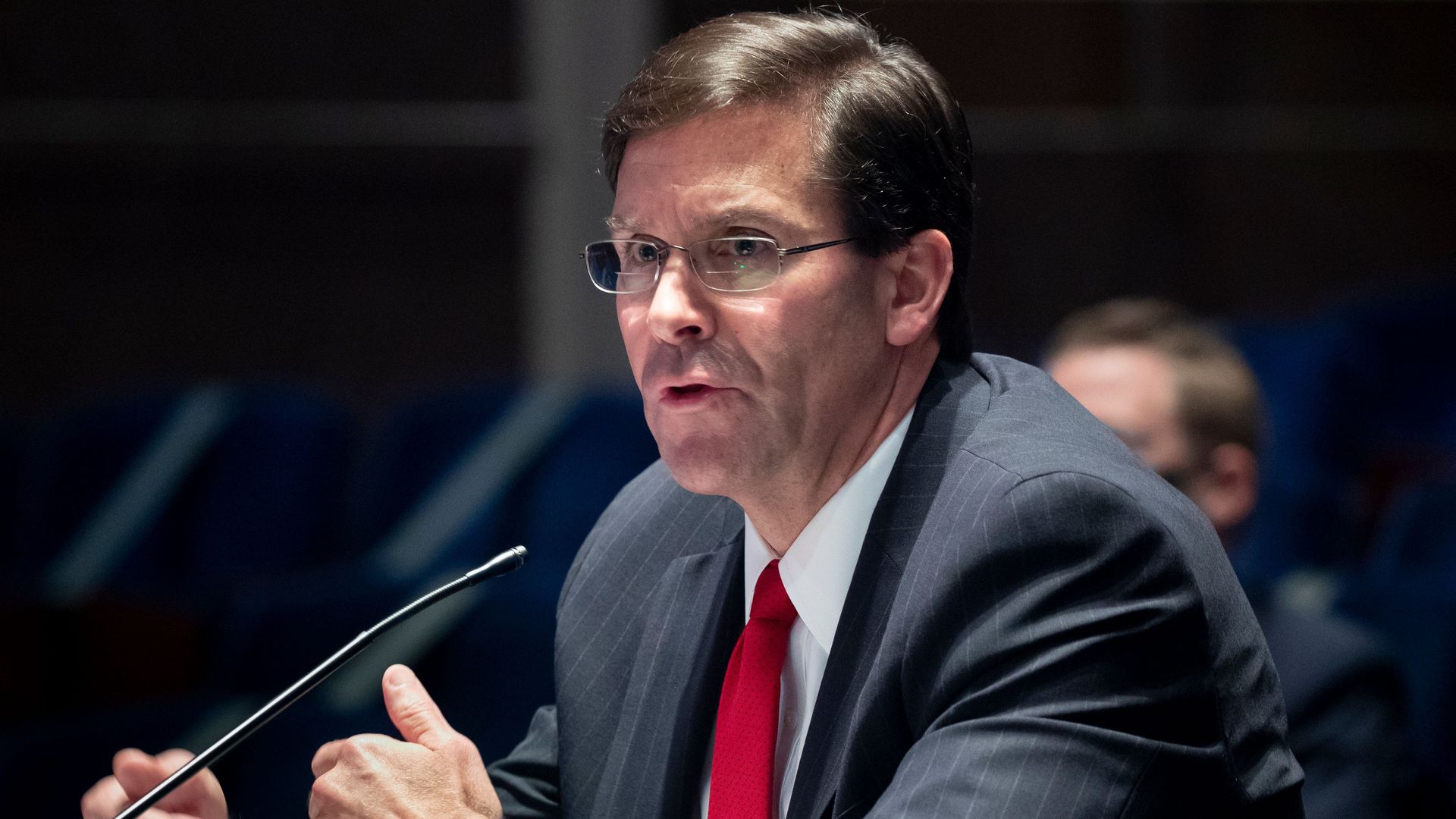
The U.S. will bring about 6,400 troops home from Germany and move about 5,400 more to other countries in Europe, Defense Secretary Mark Esper announced Tuesday.
Why it matters: President Trump has expressed a desire to remove the troops in the past, accusing Germany of "delinquent" payments to NATO. But the idea has been met with some bipartisan opposition in Congress, as many lawmakers believe removing troops would encourage Russian aggression
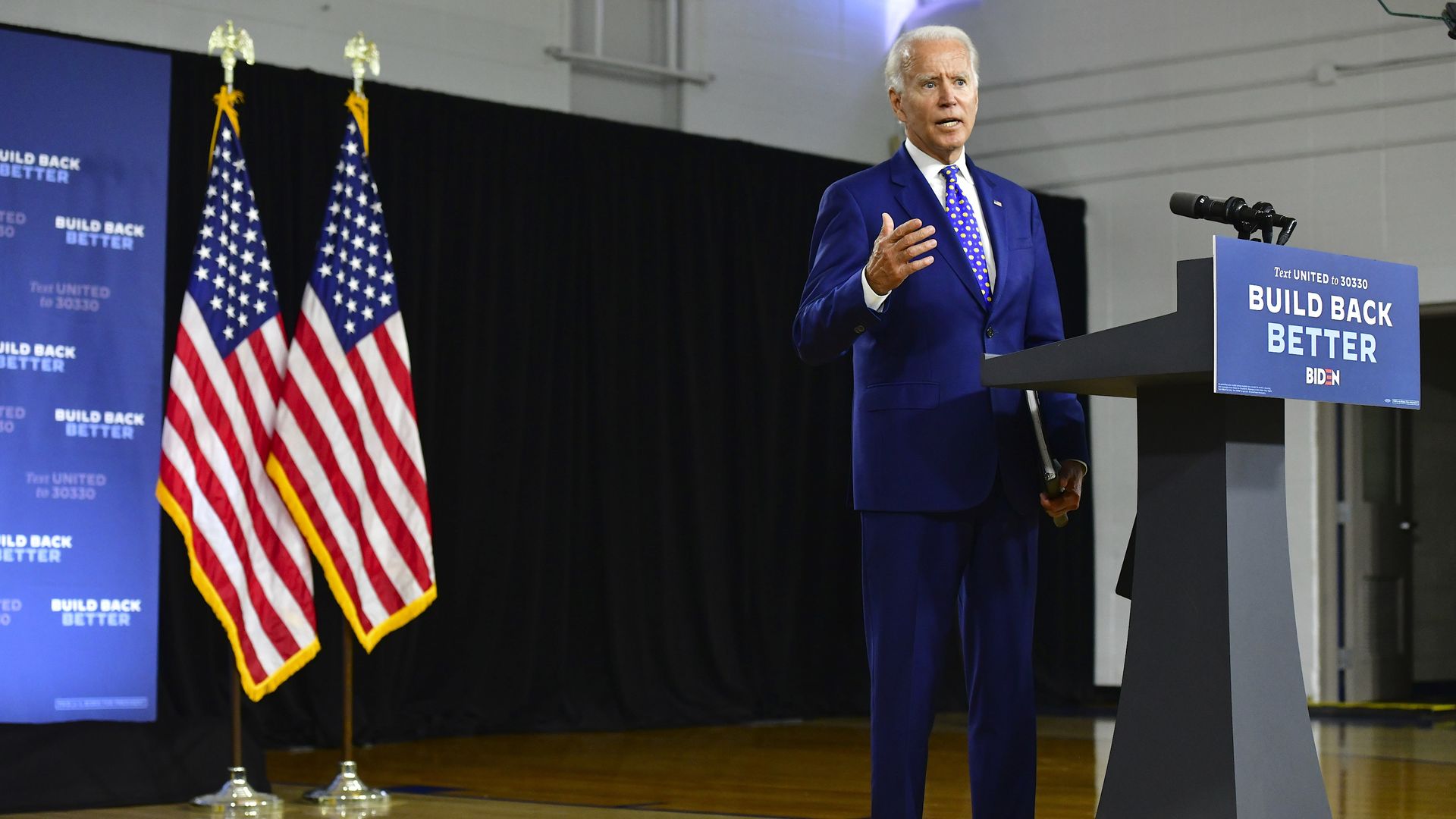
Joe Biden's campaign on Wednesday said it was "absolutely despicable" that President Trump failed to confront Vladimir Putin with intelligence indicating Russia paid the Taliban to kill U.S. troops in Afghanistan.
Driving the news: The president told "Axios on HBO" that he never raised the issue with his Russian counterpart, despite speaking to Putin at least eight times since intelligence about the alleged bounties was reportedly included in the President's Daily Brief in late February.
President Trump has never confronted Vladimir Putin with intelligence indicating Russia paid the Taliban to kill U.S. troops, he told “Axios on HBO” in an interview on Tuesday.
Why it matters: Democrats have seized on the issue, and Trump's reluctance to discuss it, as evidence he’s unwilling to challenge Putin even when American lives are at stake.