The number of consulates and embassies that the U.S. and mainland China respectively have is currently equal.
The big picture: The U.S. also has a consulate in Hong Kong, which until recently was largely autonomous. Both Houston and Chengdu are located in inland regions that are distant from the most densely populated coastal areas in both countries — making the Chinese closure of Chengdu in retaliation for the U.S. closure of Houston a roughly reciprocal act.
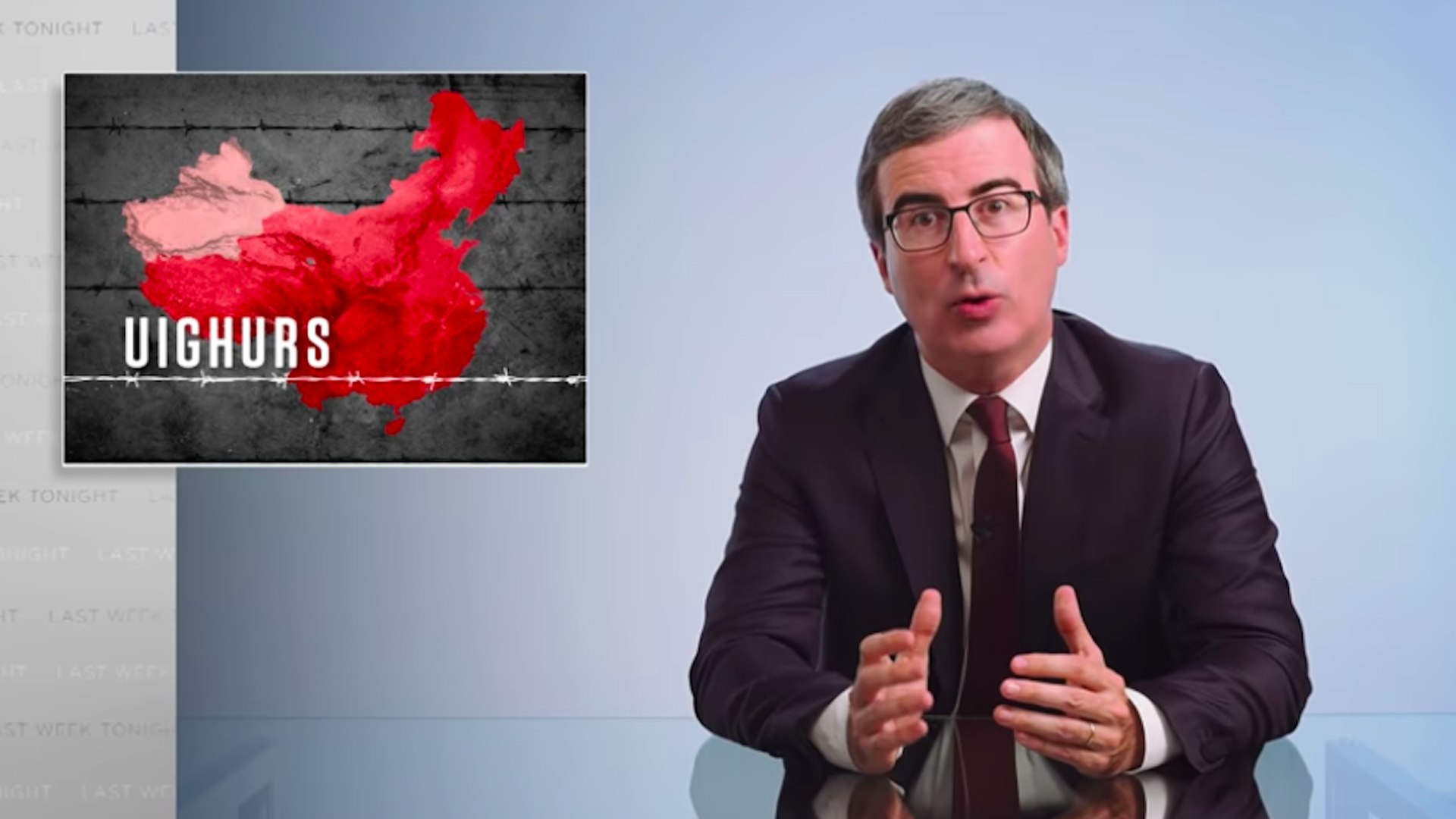
In the latest segment of his HBO show "Last Week Tonight,"comedian John Oliver took aim at the Chinese Communist Party's campaigns of mass internment and forced assimilation of Uighurs.
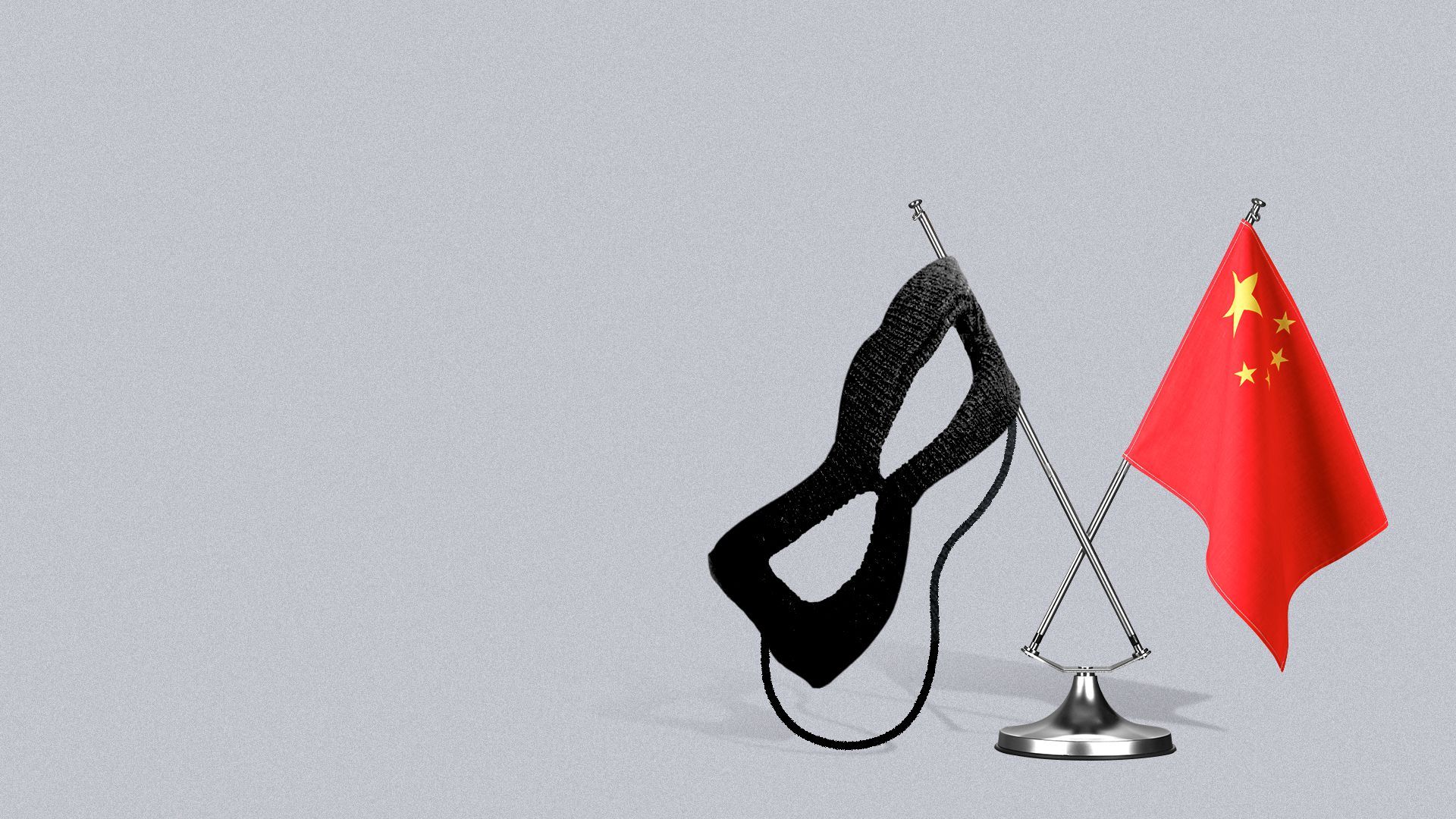
The state of play: Oliver highlights the recent New York Times investigation that revealed that many medical masks exported from China during the coronavirus pandemic come from supply chains tainted by forced Uighur labor.
In early April, most Americans — and nearly as many Germans and Swedes — thought the coronavirus pandemic would be behind them by the time summer was out.
Why it matters: Like swimming against the tide, the longer countries are stuck in the pandemic, the farther it seems to stretch out in front of them.
Every country spies. And many countries — including the U.S. — use their diplomatic outposts to do it. But for years, China has used its embassies and consulates to do far more than that.
Why it matters: The Trump administration's recent hardline stance against China's illicit consular activities is a public acknowledgment of real problems, but it comes at a time when U.S.-China relations are already dangerously tense.
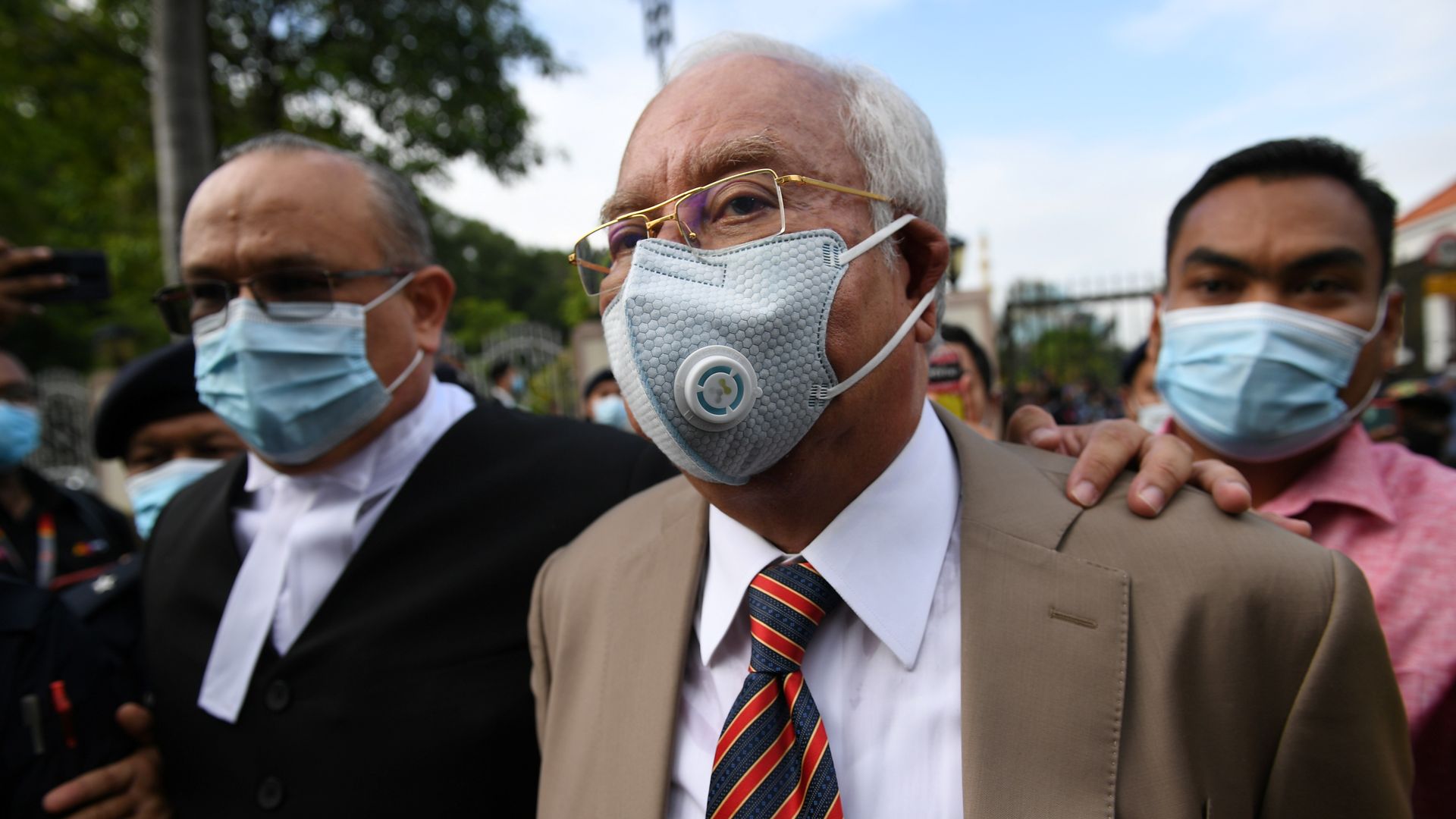
Former Malaysian Prime Minister Najib Razak was found guilty of all seven corruption charges Tuesday, in the first of five trials connected to a multi-billion dollar scandal at state fund 1MDB. He's vowed to appeal, AP reports.
Why it matters: The case helped lead to his party's 2018 election loss and was considered a "test of Malaysia's rule of law and anti-corruption efforts," per the BBC. The verdict comes days after Goldman Sachs agreed to a $3.9 billion settlement — including $2.5 billion in cash — in exchange for charges being dropped over its role in raising funds for 1MDB when Najib was PM, Bloomberg notes.
German Chancellor Angela Merkel's response to the coronavirus pandemic has won widespread approval even as other high-profile leaders face growing frustrations, according to polling from Kekst CNC, shared with Axios.
The big picture: Prime Minister Shinzō Abe's truly terrible ratings have been driven largely by economic concerns, while rising case counts have seen President Trump slump to new lows in the poll. Merkel, meanwhile, is winning high marks on both the public health and economic fronts.
America has an image problem. A Gallup poll of 135 countries finds virtually equivalent rates of approval for U.S. (median of 33%), Chinese (32%) and Russian (30%) global leadership.
Breaking it down: The U.S. approval rate is down from 48% in 2016, and it slides even lower among democratic allies like Canada (20%) and Germany (12%). Any significant improvements, the report notes, have tended to come in "some of the world's least democratic societies."
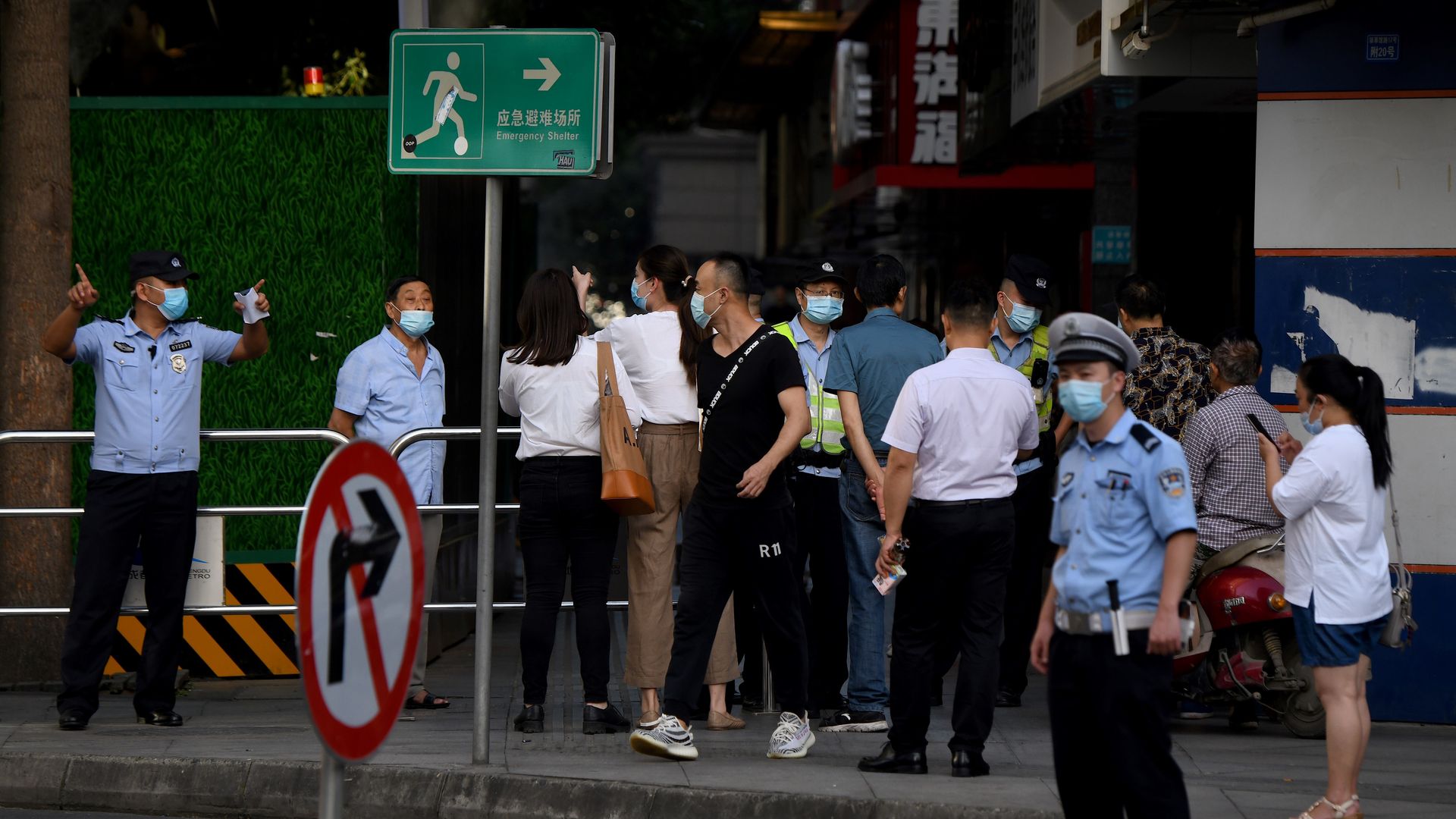
Chinese officials announced they've lowered the American flag and taken over the U.S. consulate in Chengdu, the capital of southwestern China's Sichuan province, per AFP.
The big picture: The closure marks a tit-for-tat move by Chinese authorities after the forced shuttering of China's consulate in Houston by U.S. officials. Chengdu is a secondary diplomatic outpost for the U.S. — much like Houston was for China.