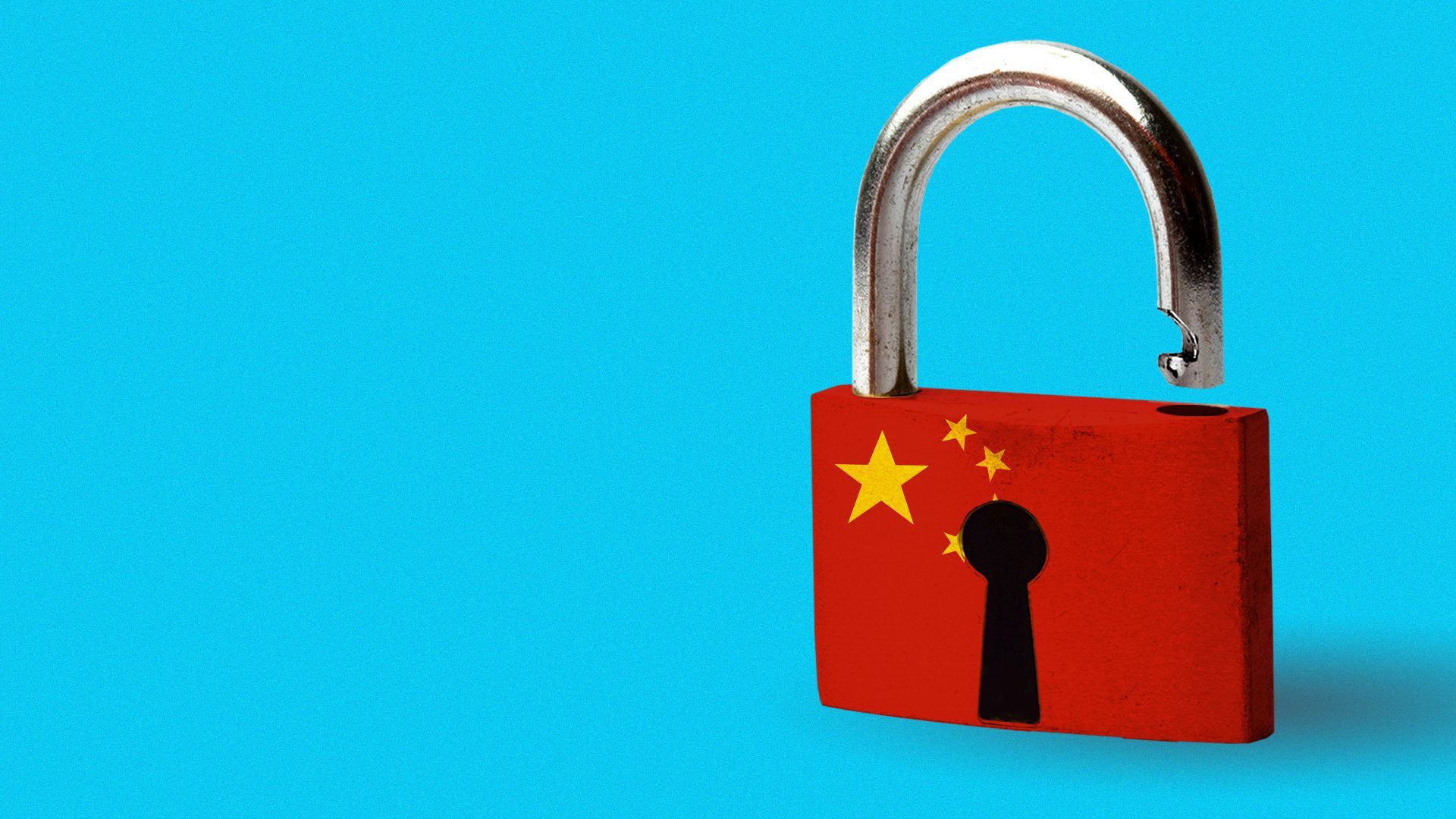
It is a universally accepted international convention that diplomatic facilities can be used as cover for espionage activities. But the system only works if states pretend not to acknowledge it.
The state of play: A decision last week by the Trump administration to shutter the Chinese consulate in Houston over allegations that China used it for spying set off a predictable diplomatic firestorm.
Garmin, a major fitness tech company that tracks many users’ workout routines and GPS coordinates, was the victim of a ransomware attack, the company confirmed Monday.
The big picture: The attack, first reported by TechCrunch, froze “the company’s online services for millions of users, including Garmin Connect, which syncs user activity and data to the cloud and other devices.” Garmin’s “aviation navigation and route-planning service” was also affected, says TechCrunch.
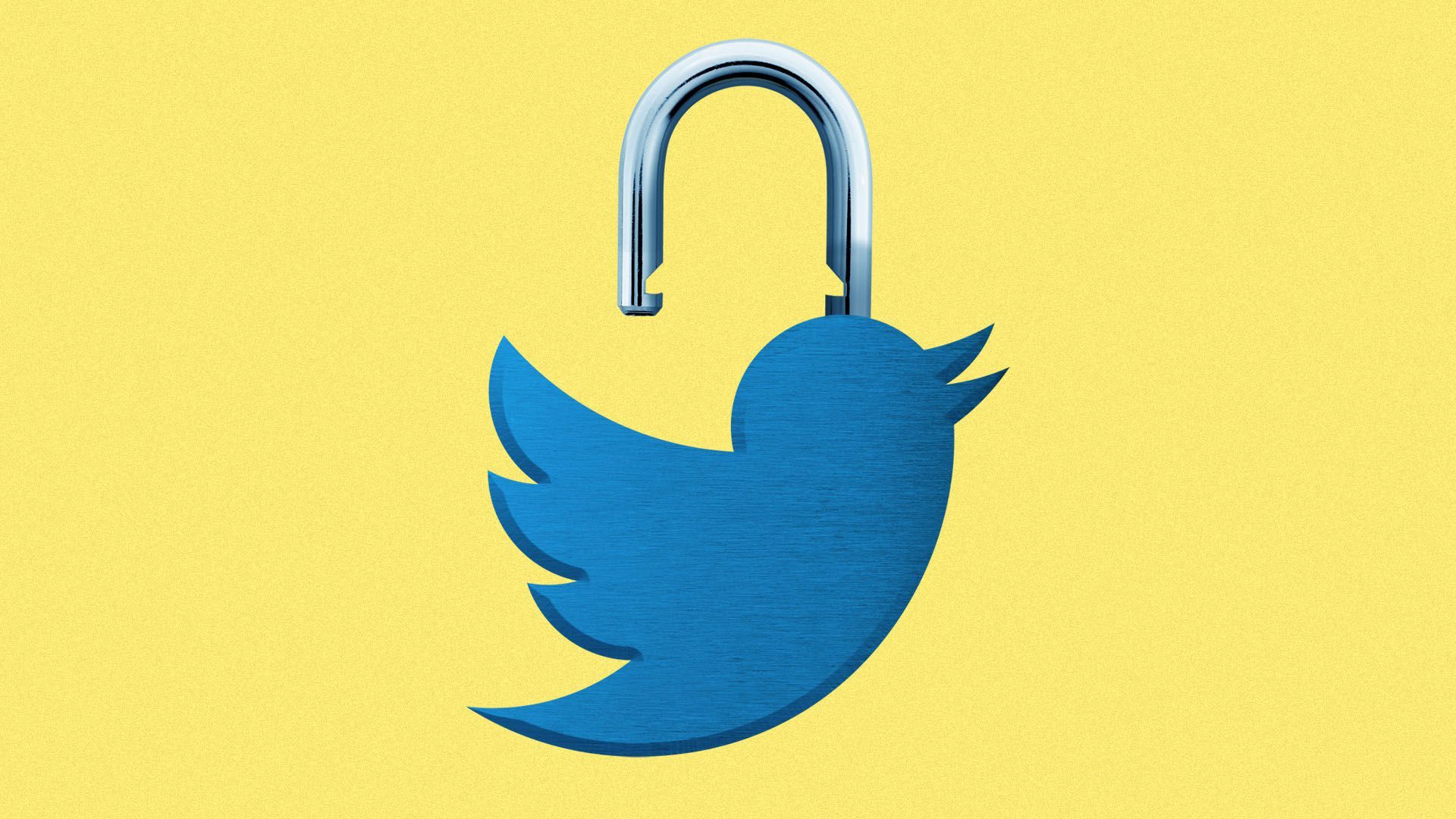
In a prominent spy case, U.S. prosecutors in San Francisco have greatly expanded charges against three men, including two ex-Twitter employees who allegedly worked as Saudi intelligence agents and used their Twitter credentials to gather information about dissidents on the social network.
Details: The new indictment, which replaces the original 2019 one, deepens the spying-related charges against the men and also alleges a series of financial and other crimes.
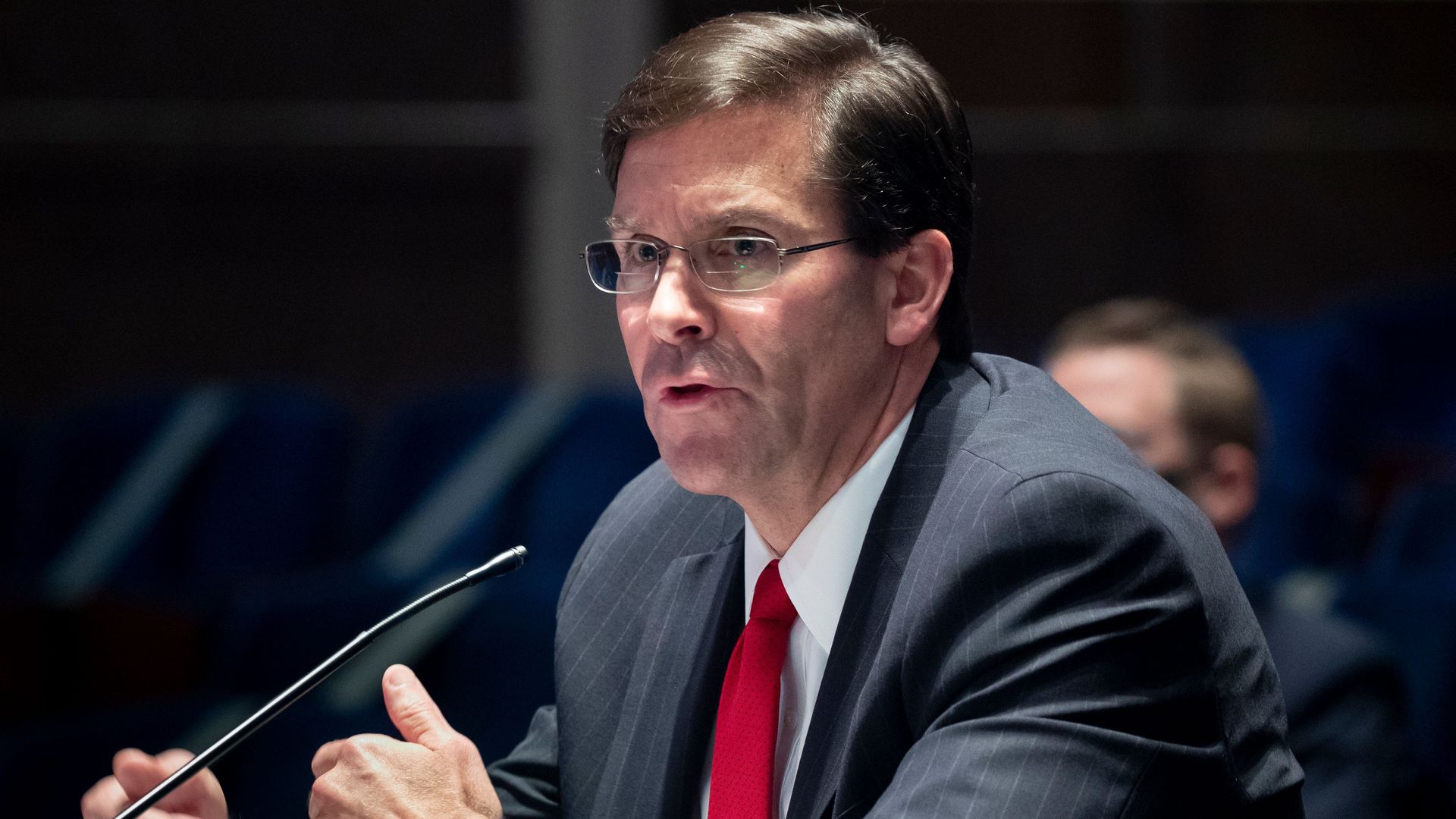
The U.S. will bring about 6,400 troops home from Germany and move about 5,400 more to other countries in Europe, Defense Secretary Mark Esper announced Tuesday.
Why it matters: President Trump has expressed a desire to remove the troops in the past, accusing Germany of "delinquent" payments to NATO. But the idea has been met with some bipartisan opposition in Congress, as many lawmakers believe removing troops would encourage Russian aggression
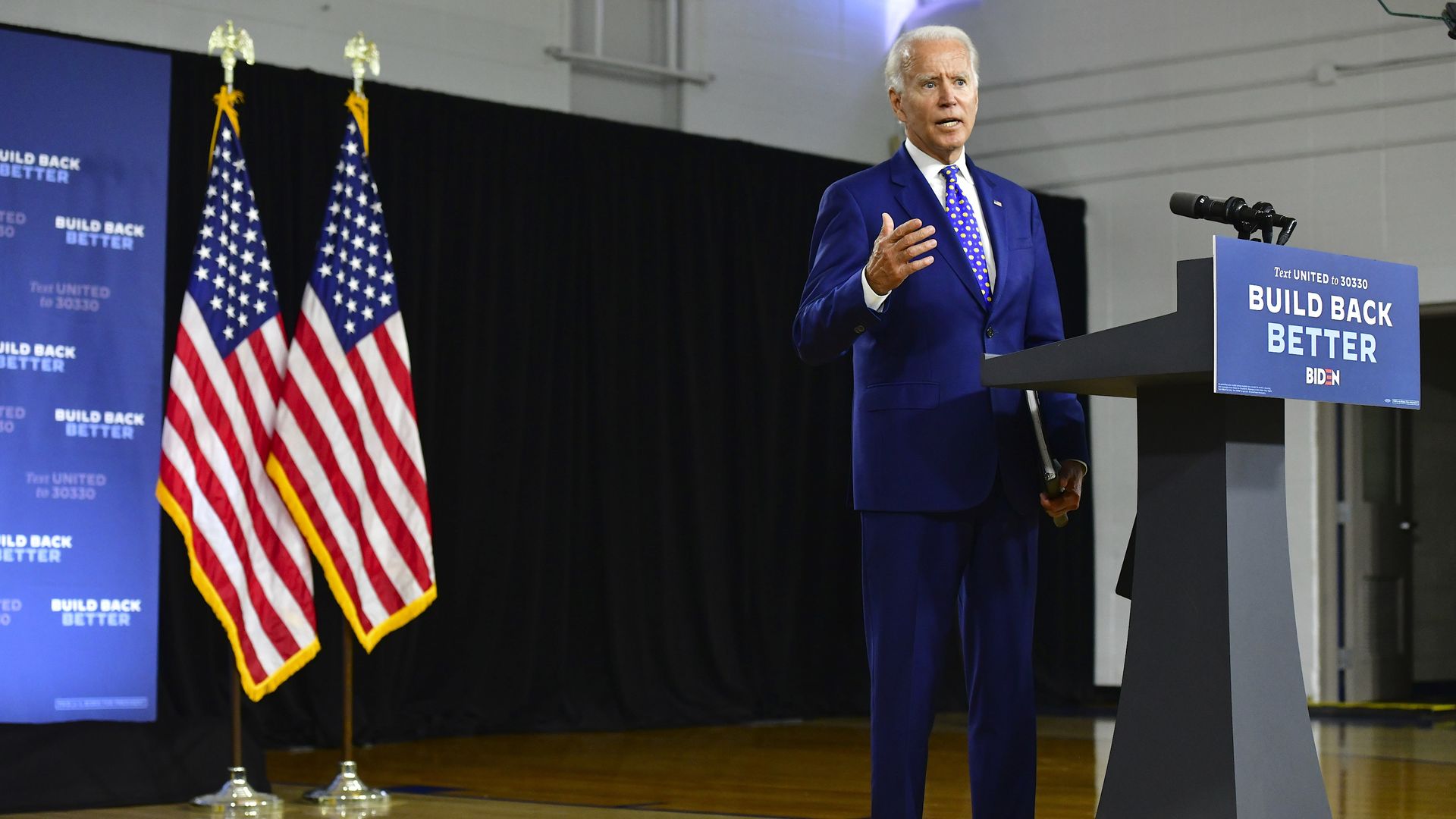
Joe Biden's campaign on Wednesday said it was "absolutely despicable" that President Trump failed to confront Vladimir Putin with intelligence indicating Russia paid the Taliban to kill U.S. troops in Afghanistan.
Driving the news: The president told "Axios on HBO" that he never raised the issue with his Russian counterpart, despite speaking to Putin at least eight times since intelligence about the alleged bounties was reportedly included in the President's Daily Brief in late February.
President Trump has never confronted Vladimir Putin with intelligence indicating Russia paid the Taliban to kill U.S. troops, he told “Axios on HBO” in an interview on Tuesday.
Why it matters: Democrats have seized on the issue, and Trump's reluctance to discuss it, as evidence he’s unwilling to challenge Putin even when American lives are at stake.
The number of consulates and embassies that the U.S. and mainland China respectively have is currently equal.
The big picture: The U.S. also has a consulate in Hong Kong, which until recently was largely autonomous. Both Houston and Chengdu are located in inland regions that are distant from the most densely populated coastal areas in both countries — making the Chinese closure of Chengdu in retaliation for the U.S. closure of Houston a roughly reciprocal act.
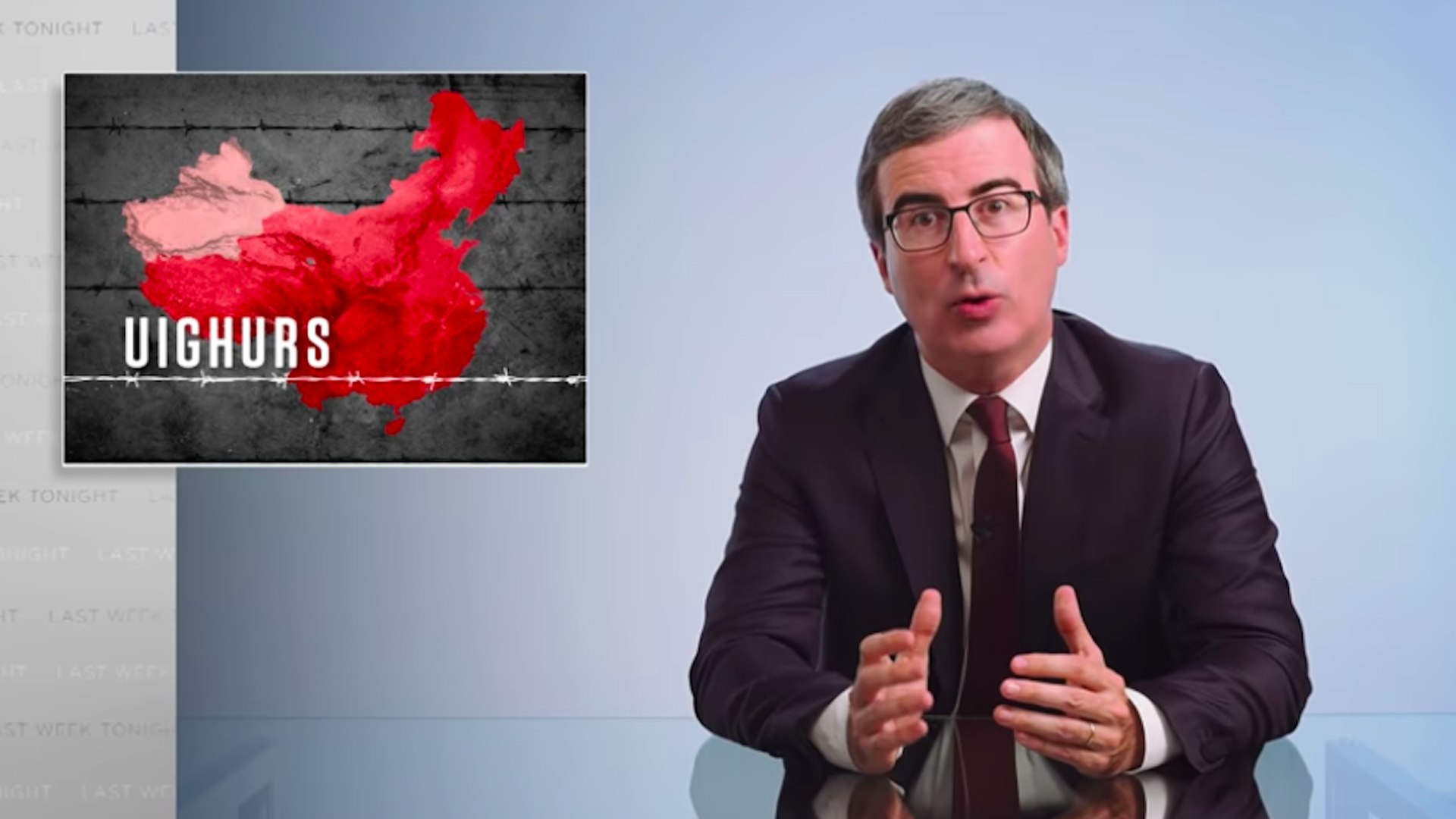
In the latest segment of his HBO show "Last Week Tonight,"comedian John Oliver took aim at the Chinese Communist Party's campaigns of mass internment and forced assimilation of Uighurs.
The state of play: Oliver highlights the recent New York Times investigation that revealed that many medical masks exported from China during the coronavirus pandemic come from supply chains tainted by forced Uighur labor.
In early April, most Americans — and nearly as many Germans and Swedes — thought the coronavirus pandemic would be behind them by the time summer was out.
Why it matters: Like swimming against the tide, the longer countries are stuck in the pandemic, the farther it seems to stretch out in front of them.
Every country spies. And many countries — including the U.S. — use their diplomatic outposts to do it. But for years, China has used its embassies and consulates to do far more than that.
Why it matters: The Trump administration's recent hardline stance against China's illicit consular activities is a public acknowledgment of real problems, but it comes at a time when U.S.-China relations are already dangerously tense.
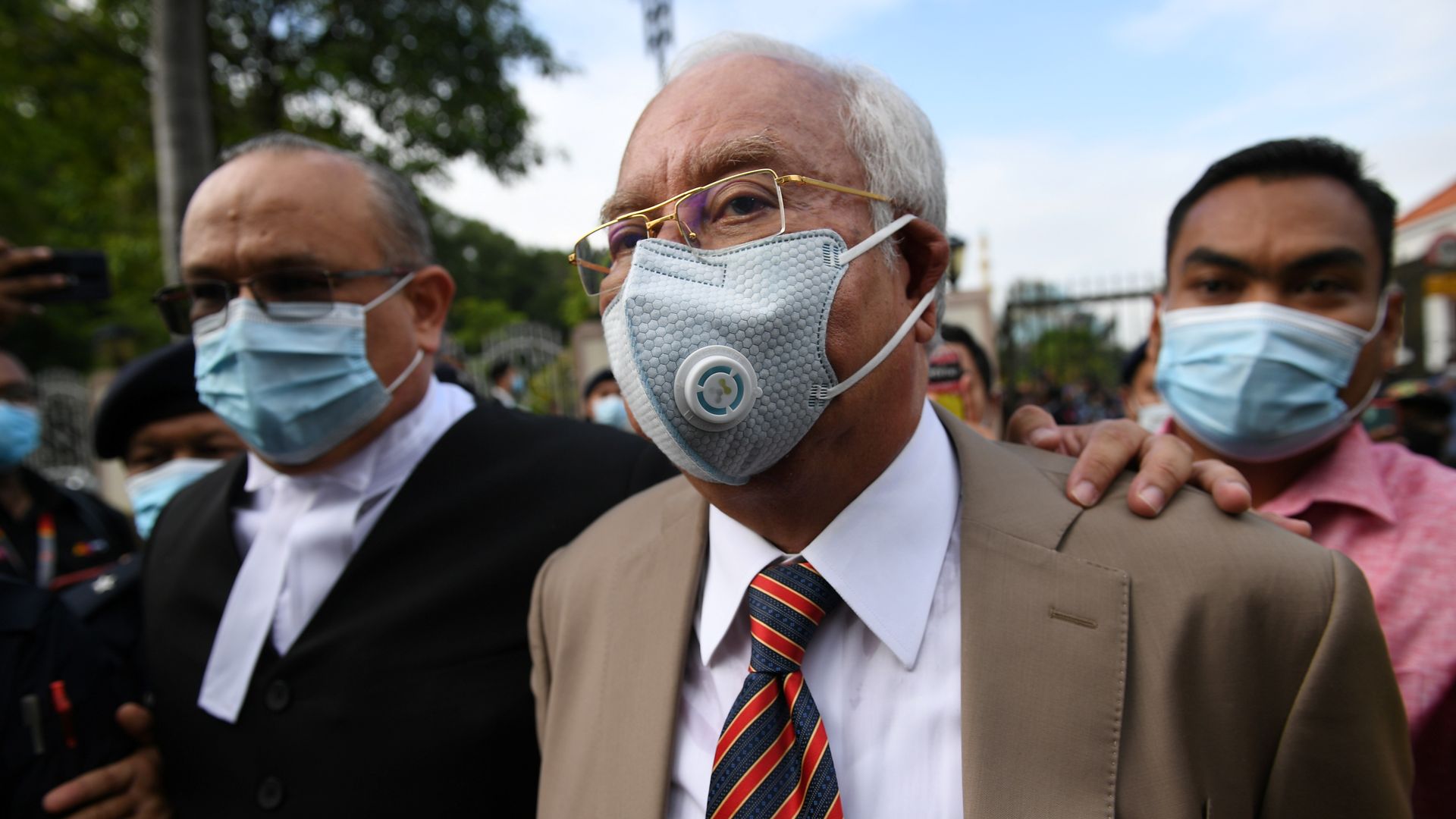
Former Malaysian Prime Minister Najib Razak was found guilty of all seven corruption charges Tuesday, in the first of five trials connected to a multi-billion dollar scandal at state fund 1MDB. He's vowed to appeal, AP reports.
Why it matters: The case helped lead to his party's 2018 election loss and was considered a "test of Malaysia's rule of law and anti-corruption efforts," per the BBC. The verdict comes days after Goldman Sachs agreed to a $3.9 billion settlement — including $2.5 billion in cash — in exchange for charges being dropped over its role in raising funds for 1MDB when Najib was PM, Bloomberg notes.