Canada is convincing an increasing number of noncitizen American residents with tech talent to instead settle north of the border.
Why it matters: The U.S. risks losing its long-standing leadership in the tech sector as restrictive laws and a hostile political climate causes highly skilled immigrants to leave for more welcoming countries.
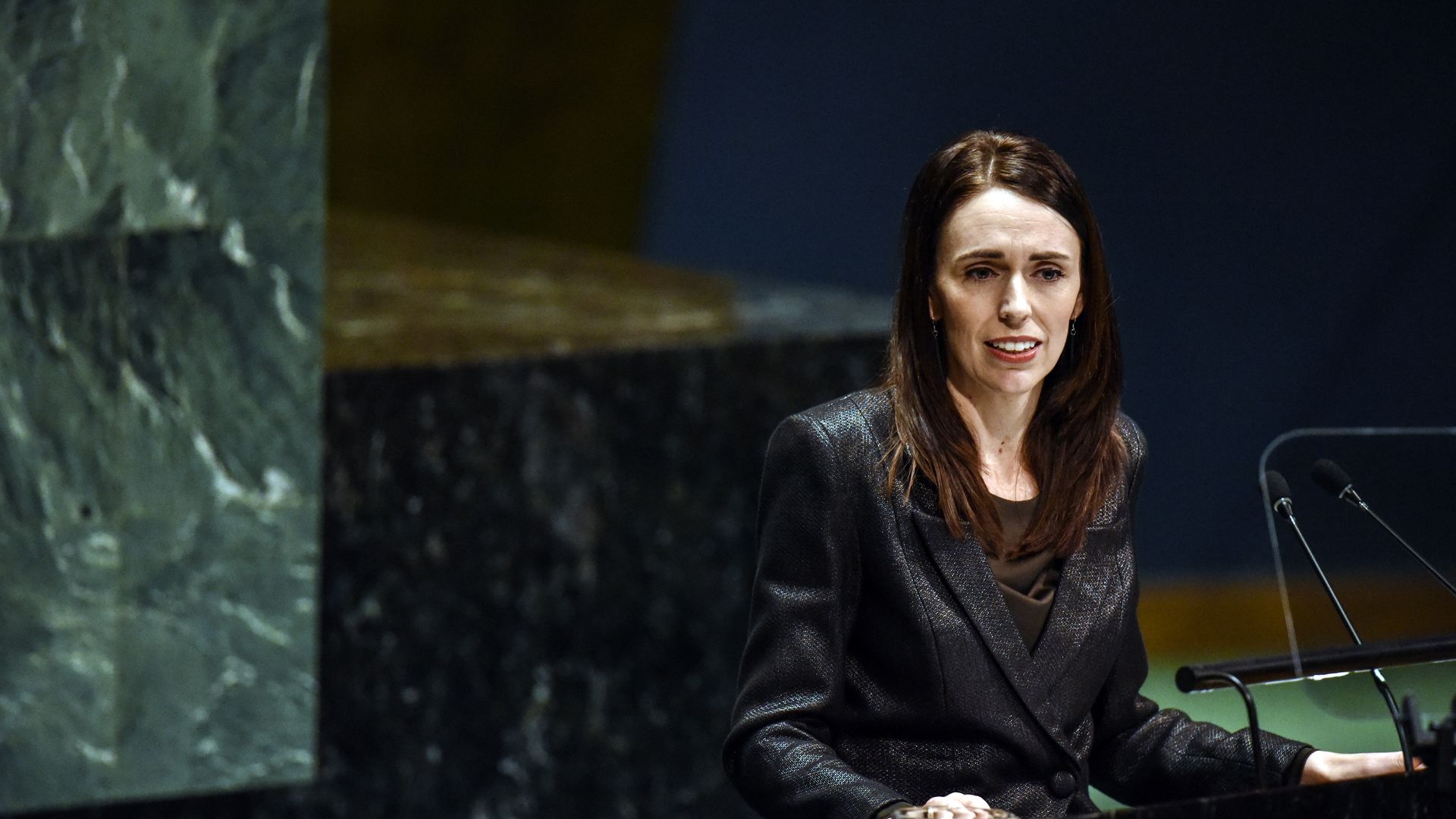
Eight world leaders called on the international community in a Washington Post op-ed Wednesday to ensure that people across the globe have equal access to a future vaccine for the coronavirus.
Why it matters: Global demand for a successful vaccine is expected to skyrocket, which could send nations racing to obtain a supply while international organizations scramble to secure equitable access for all countries.
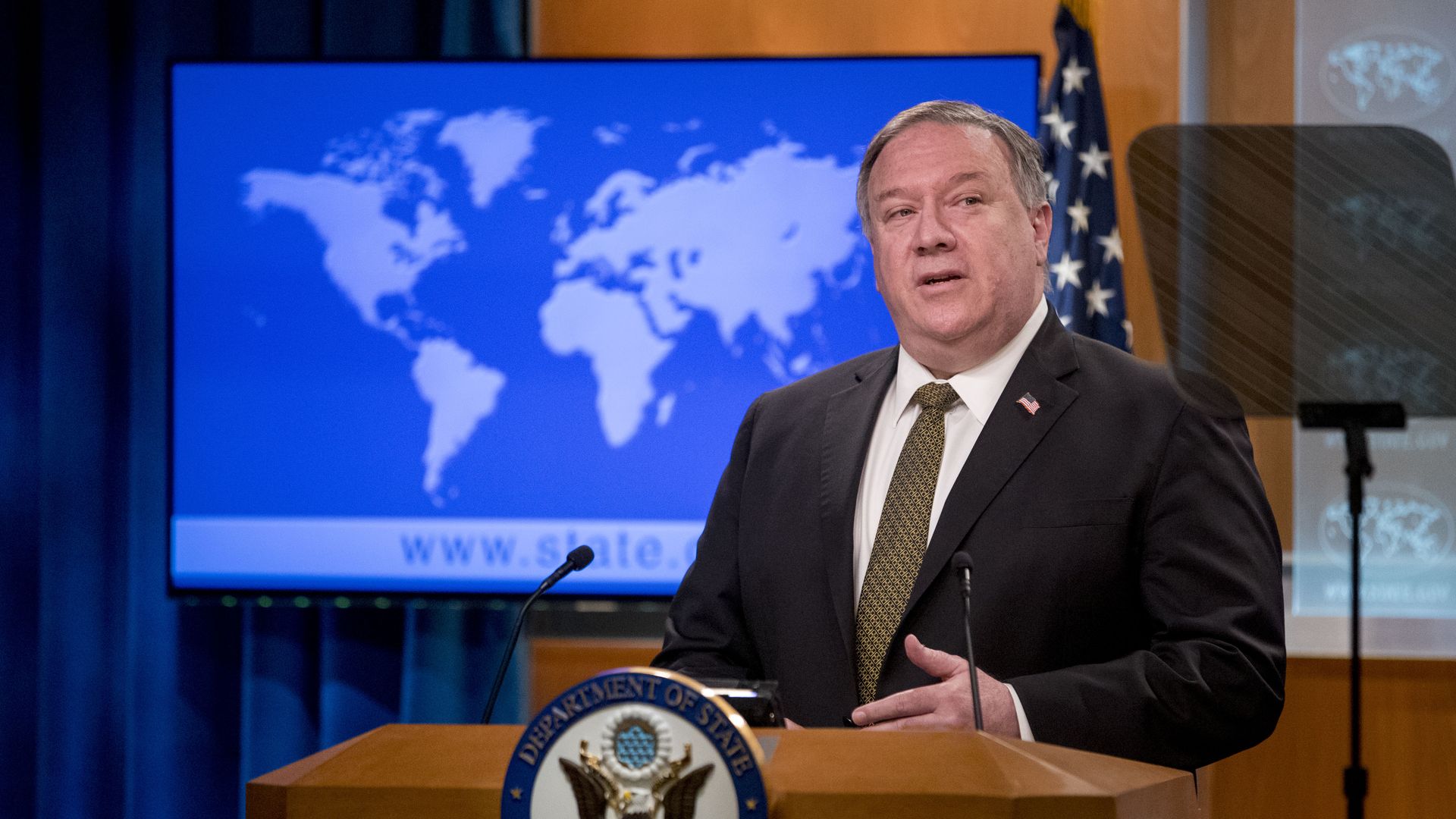
The U.S. will impose visa restrictions on certain employees of Chinese telecom Huawei and other companies that "provide material support to regimes engaging in human rights violations globally," Secretary of State Mike Pompeo said Wednesday.
Why it matters: The Trump administration's latest escalation against Huawei, which U.S. intelligence officials view as a threat to national security due to its ties to the Chinese military, comes the day after the U.K. announced it will no longer allow the telecom to access its 5G network.
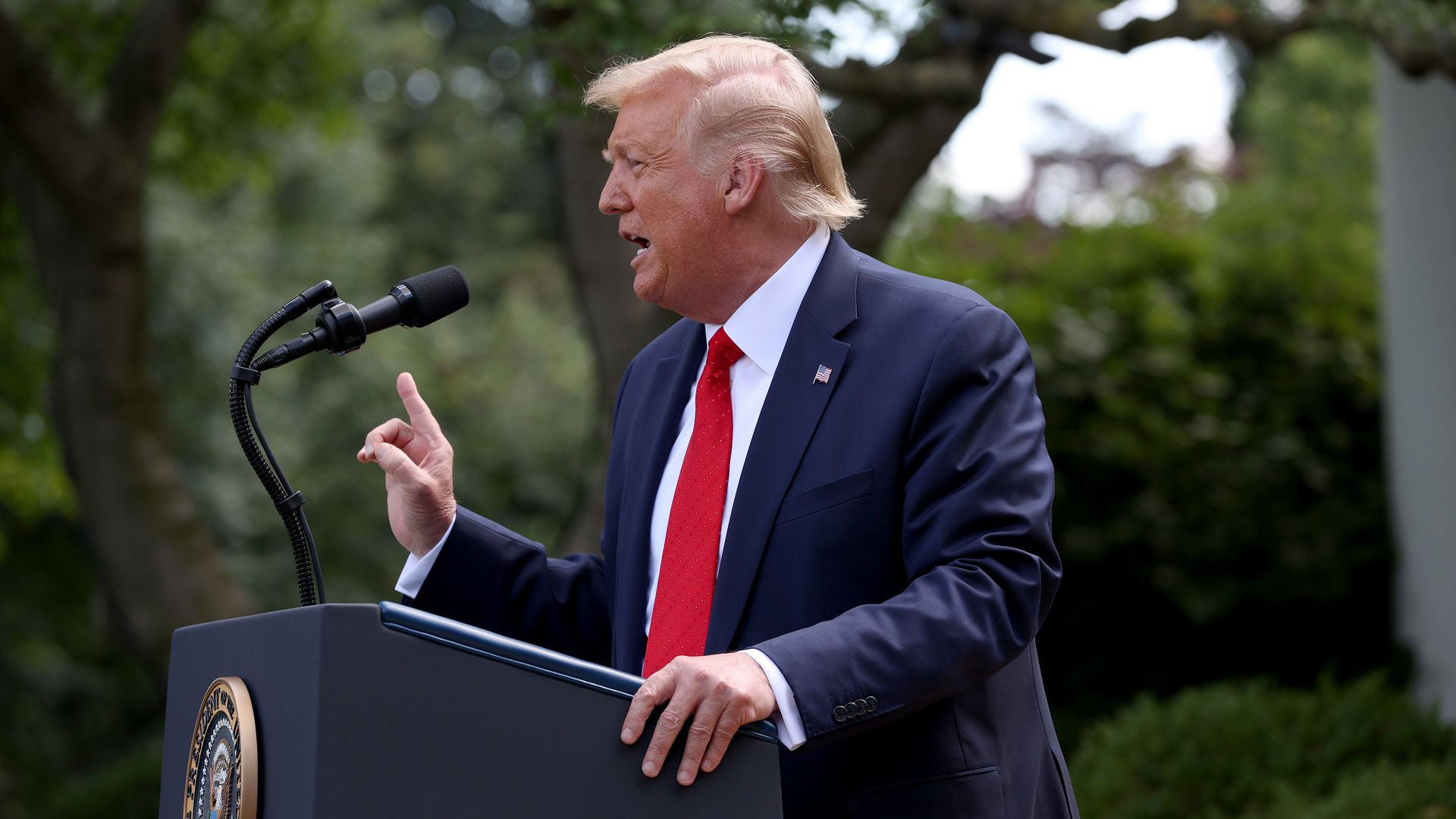
President Trump announced Tuesday that he has signed abill sanctioning Chinese officials in response to Beijing's national security law for Hong Kong, which dramatically curbs the city's political freedoms. He also signed an executive order ending preferential treatment for Hong Kong.
Why it matters: The bill, which will sanction both Chinese individuals interfering in Hong Kong's affairs and the banks that support them, has broad bipartisan support in Congress. Its passage into law is the latest escalation by the Trump administration against the Chinese Communist Party's efforts to strip Hong Kong of its autonomy.
A new visa guideline issued last week would strip international students in the U.S. of their student visa if their college classes are online-only amid the pandemic.
Why it matters: More than 360,000 Chinese students are enrolled at U.S. colleges. Many of them could be forced to return to China if the rule change is implemented.
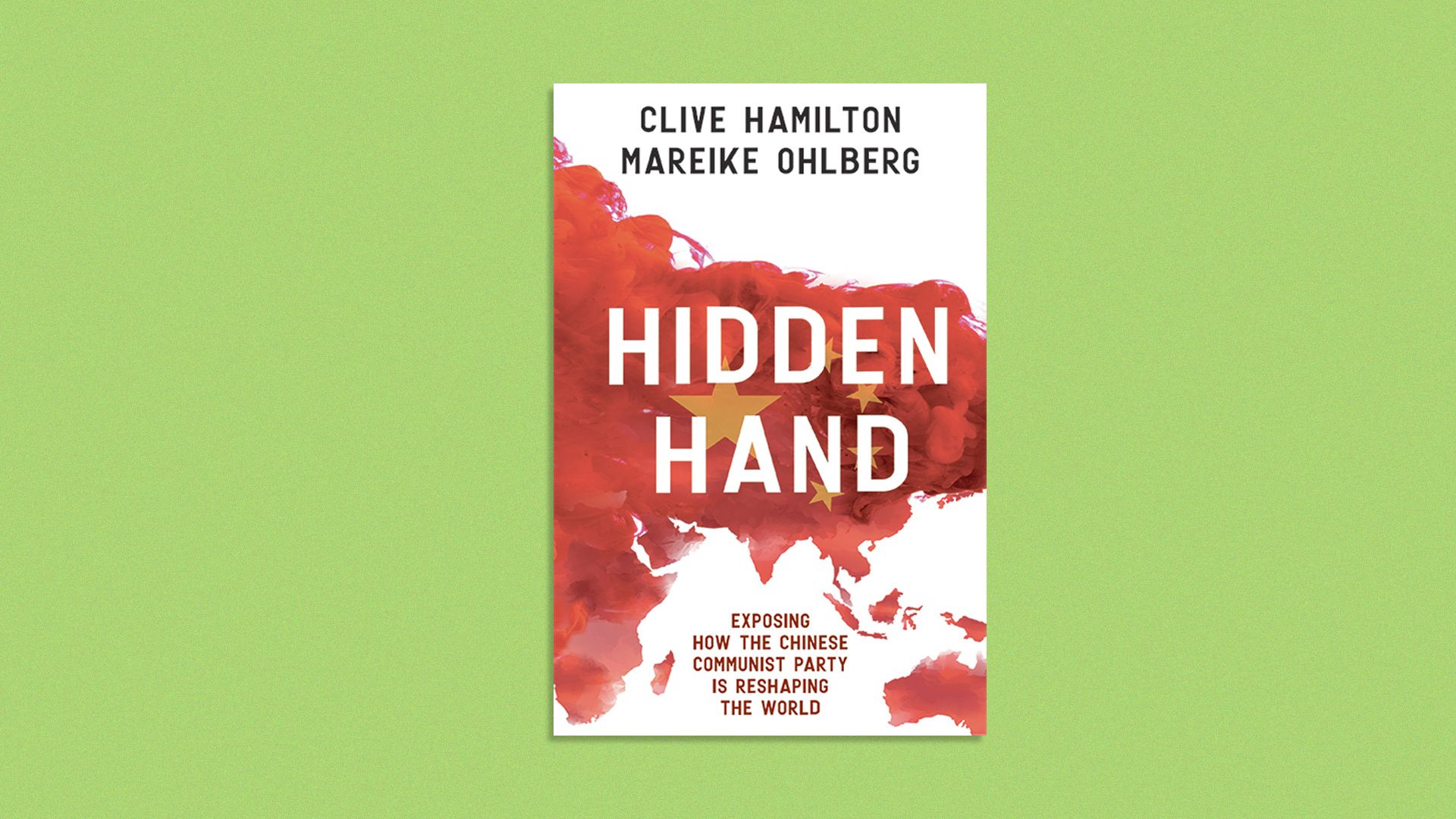
A new book documents China's influence in North America and Europe, zeroing in on how the Chinese Communist Party co-opts the elite in democratic societies.
Why it matters: Growing scrutiny of China's ties with top business and political figures in the U.S. is making it riskier for them to openly laud Beijing.
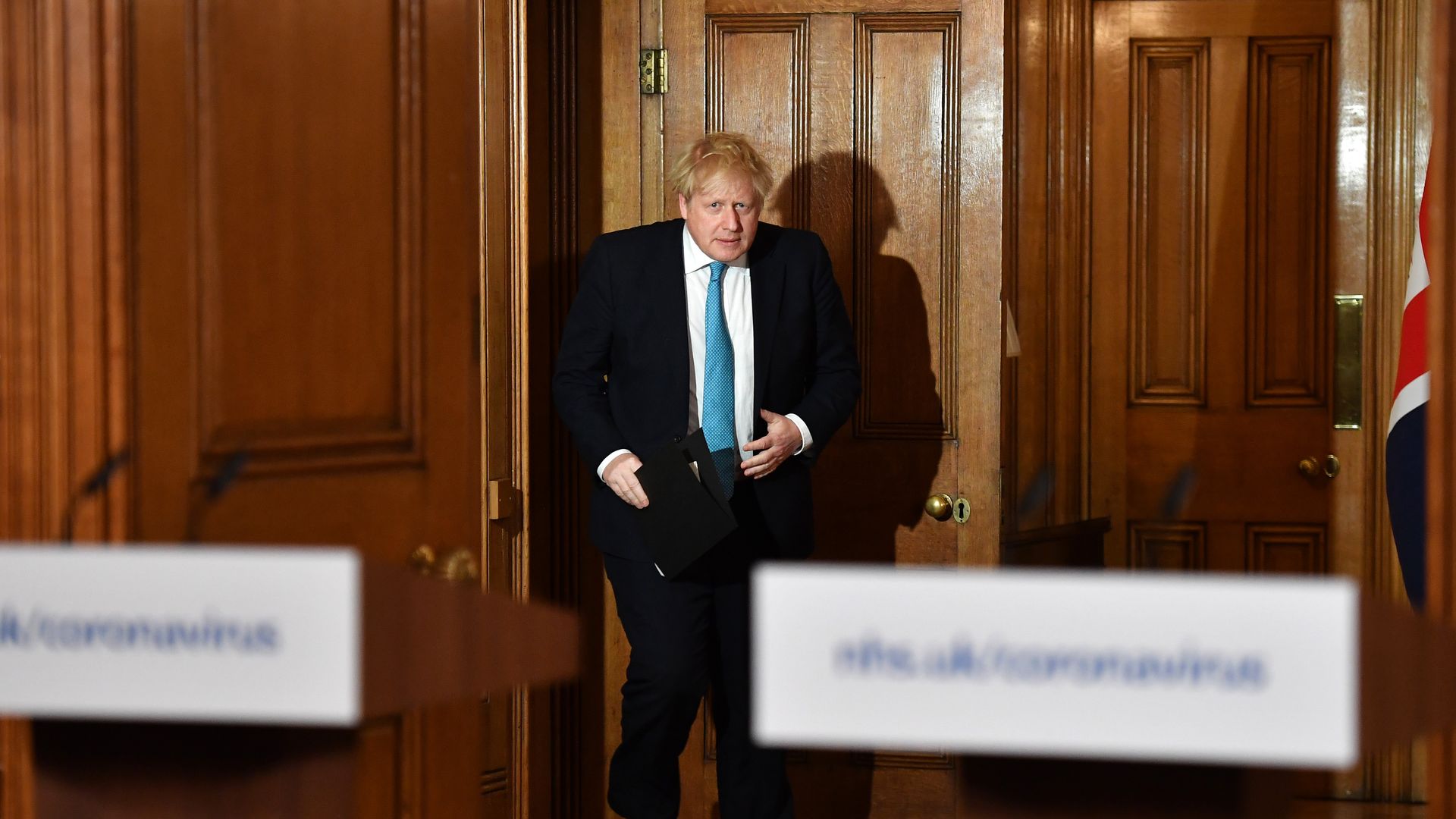
One country was easily the best-prepared in the world to respond quickly to and mitigate the spread of an epidemic, according to the 2019 Global Health Security Index: Great Britain.
Reality check: When the coronavirus struck, the U.K. had arguably one of the least effective responses among rich countries, despite decades of preparation for just such an event. Its death toll ranks behind only the U.S. and Brazil.
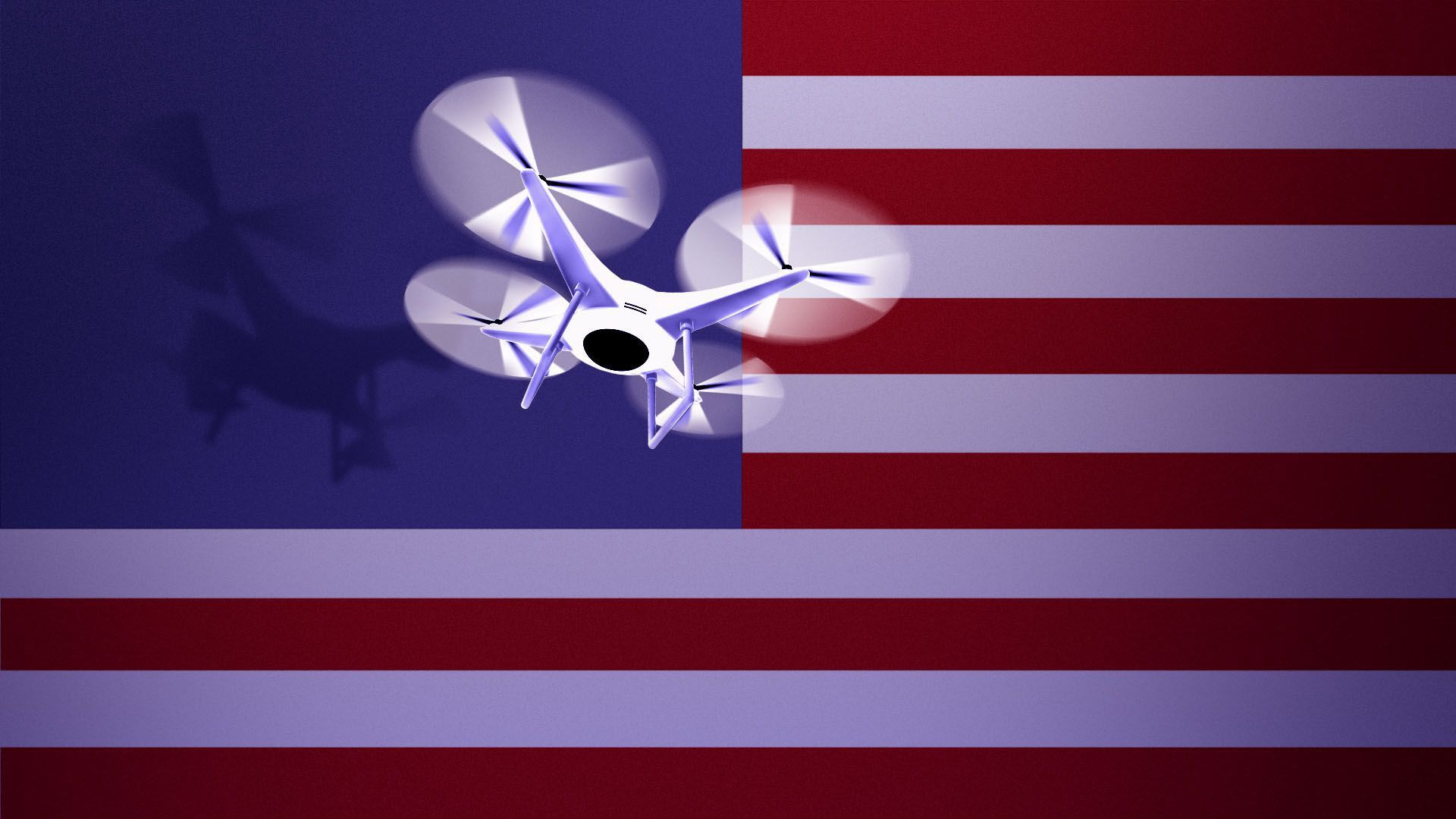
Alarmed at the prospect of relying on Chinese-made drones for public safety and monitoring critical industries, U.S. investors and the federal government are newly backing a domestic drone industry of hardware and software companies.
The big picture: The moves come as the industry continues to be led by DJI, a Chinese hardware maker — and as concerns grow both in China and the U.S. about reliance on the other country's technology.
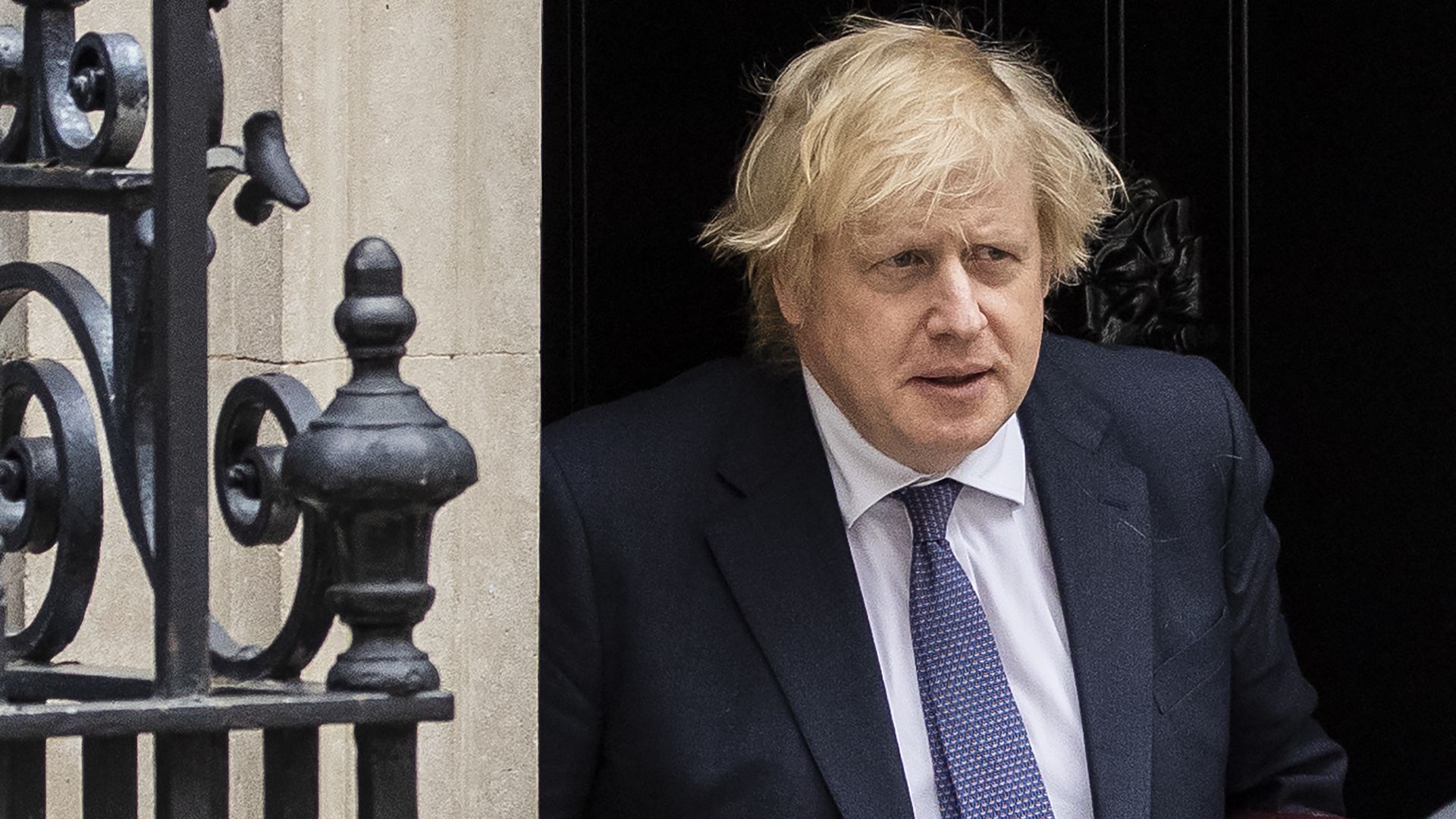
The U.K. said Tuesday that it will no longer allow Chinese tech company Huawei to access its 5G network amid growing pressure on Prime Minister Boris Johnson to take a stand against Beijing, the New York Times reports.
Why it matters: It's a big win for the Trump administration, which has sought to firewall Huawei from networks around the world and put intense pressure on its closest ally to make such a move.