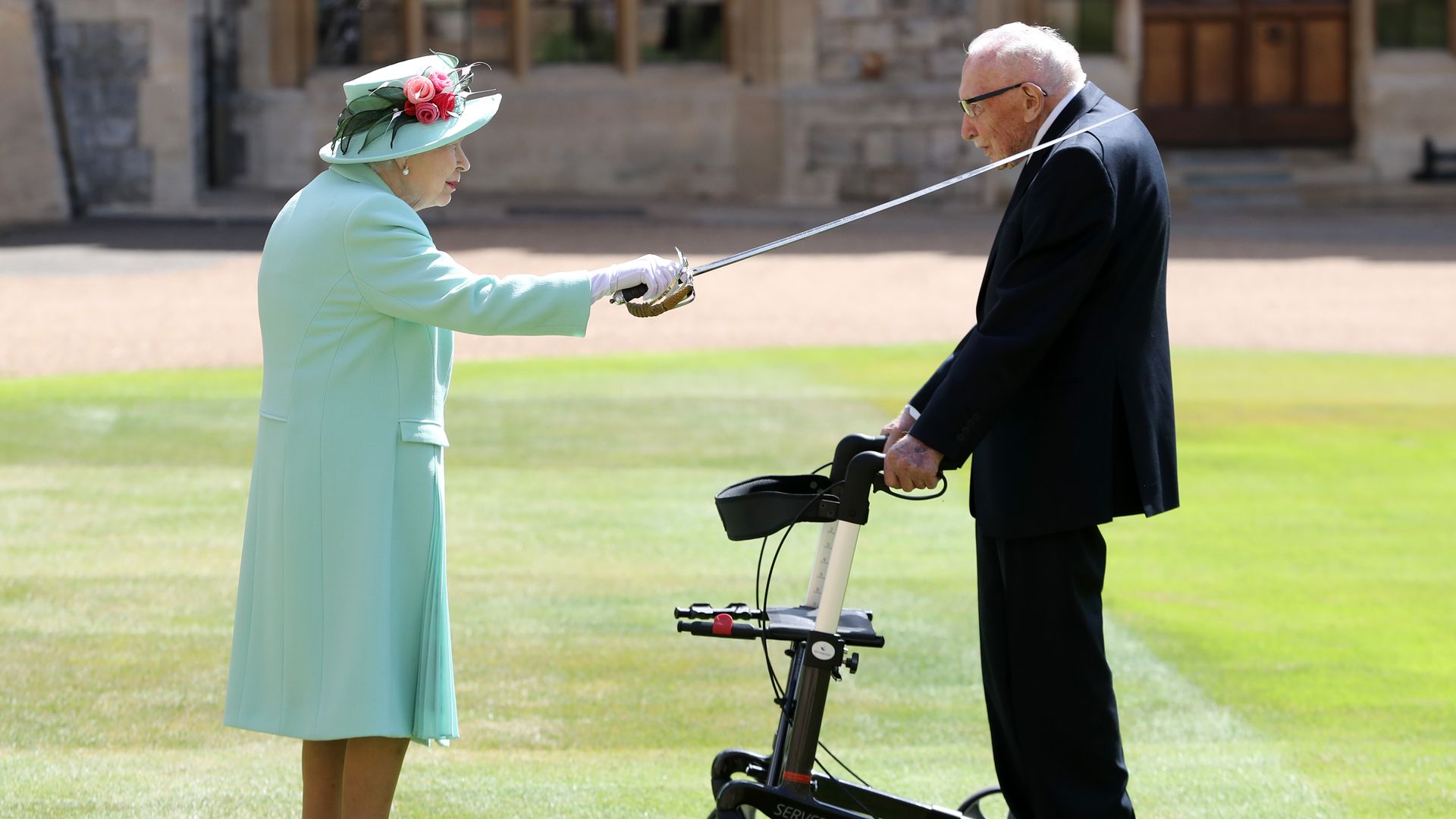
Queen Elizabeth II on Friday knighted Capt. Sir Tom Moore, 100, who raised more than $40 million for charities supporting the U.K.'s National Health Service earlier this year, in what Buckingham Palace believes is the first time the ceremony has been performed in a socially-distanced format, per the BBC.
The big picture: While the 94-year-old monarch had suspended other such ceremonies during the coronavirus pandemic, she made an exception for Moore, who first set out to raise just £1,000 ($1,250) by walking laps in his garden. The World War II veteran called the event "the most special of days for me".
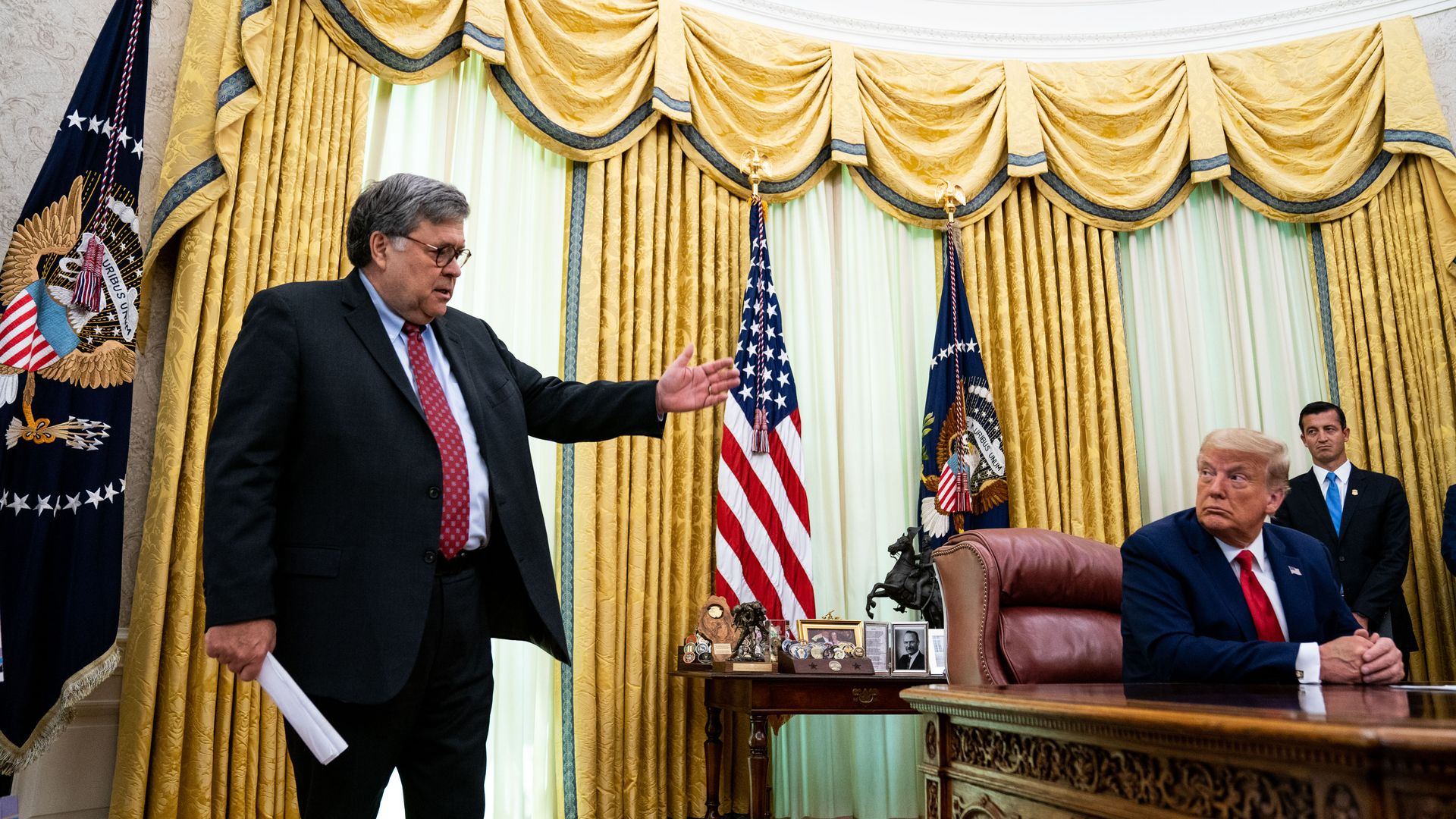
Attorney General Bill Barr on Thursday accused U.S. tech and entertainment firms — several of them by name — of collaborating with the Chinese Communist Party (CCP).
What he's saying: “[I]f Disney and other American corporations continue to bow to Beijing, they risk undermining both their own future competitiveness and prosperity, as well as the classical liberal order that has allowed them to thrive."
We’re just 44 years away from “peak human” — when the world’s population will begin to decrease, according to new projections published in The Lancet.
Breaking it down: By 2100, the populations of China, Japan and Italy are expected to be half of what they are today, while sub-Saharan Africa will be home to three times as many people.
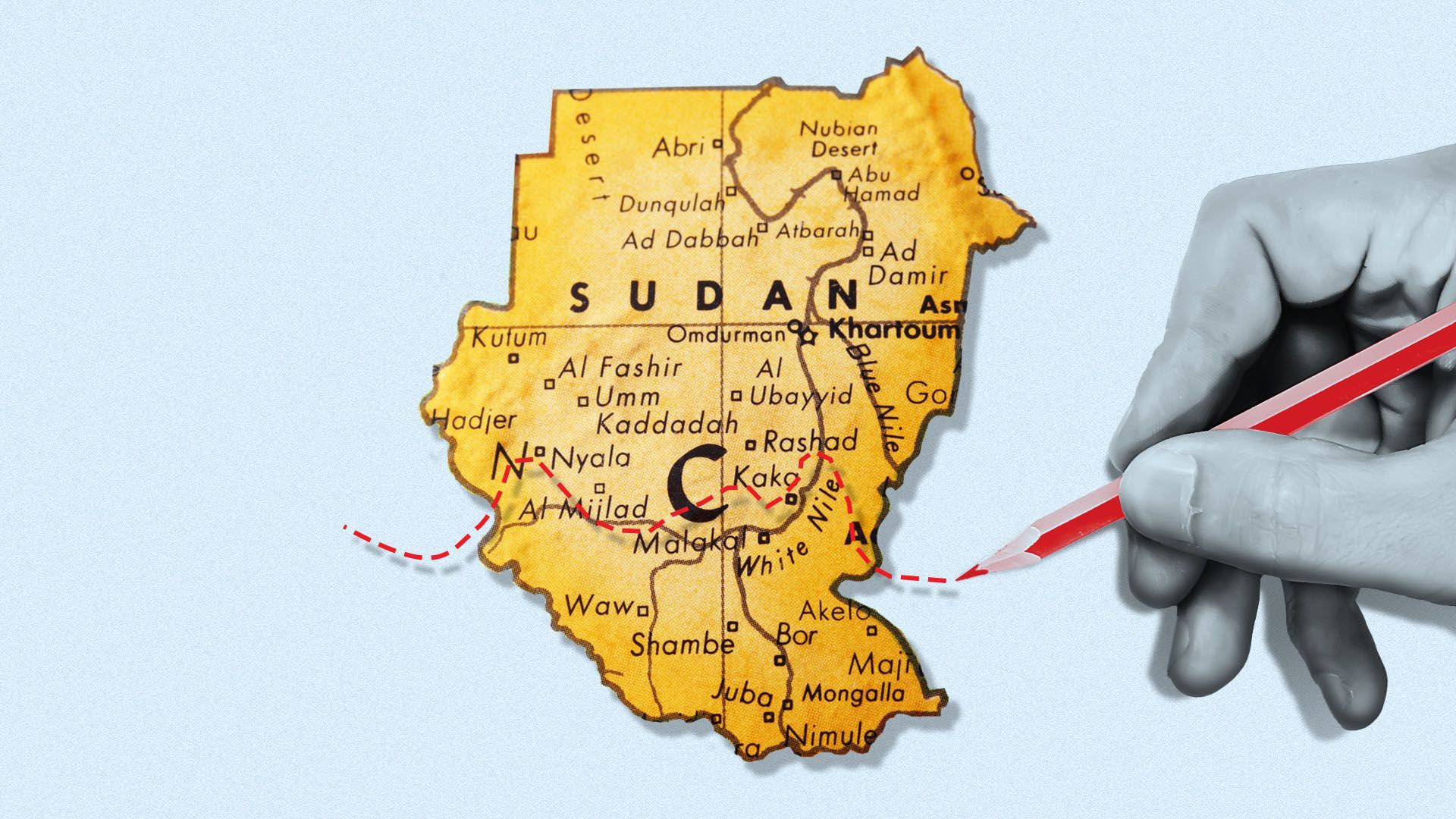
This week marks nine years since South Sudan was admitted to the United Nations, becoming the 193rd and most recent entrant into the club of internationally recognized countries.
The big picture: This is the longest period in modern history during which the world map has remained unchanged.
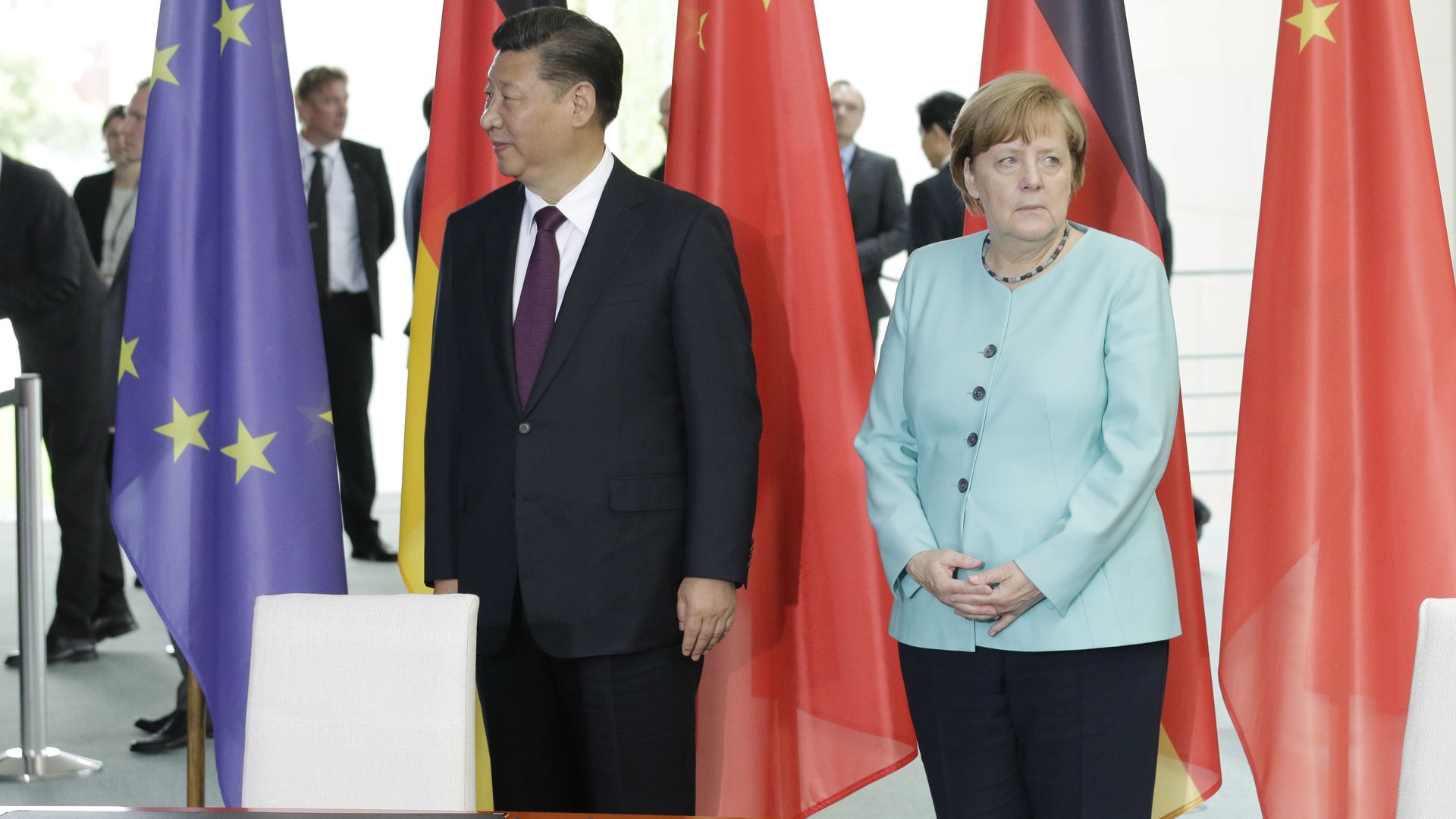
While countries including the U.S. and U.K. grow increasingly willing to challenge China on everything from Hong Kong to Huawei, Germany has steered clear of confrontation with Beijing.
Why it matters: Despite German Chancellor Angela Merkel's reputation as a champion of democratic values, her critics contend that when it comes to China, any such concerns are trumped by the economy.
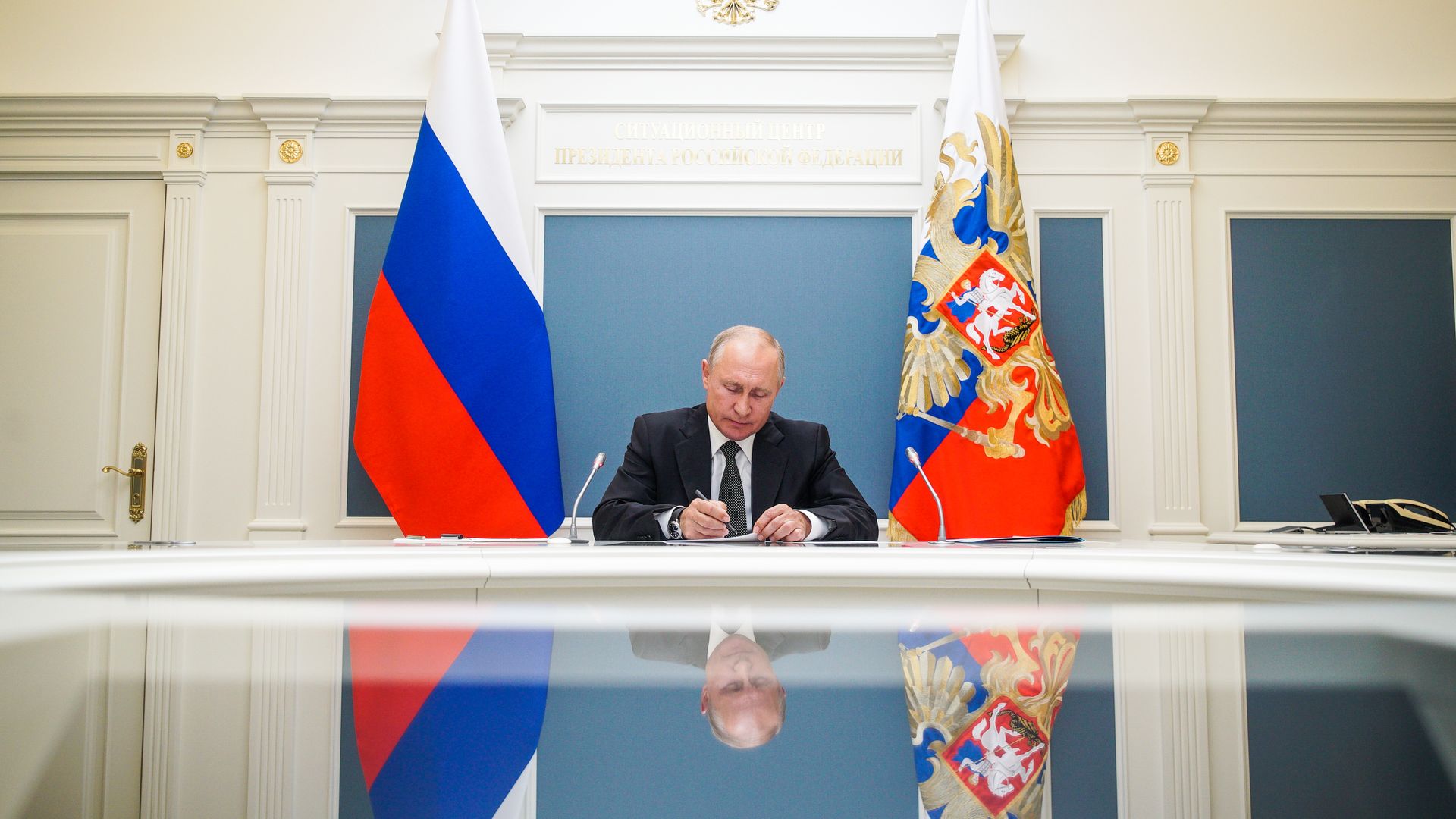
Hackers associated with Russian intelligence services are trying to steal information from researchers involved in coronavirus vaccine development, according to a joint advisory by U.K., U.S. and Canadian authorities published Thursday.
The big picture: This isn't the first time a foreign adversary has been accused of attempting to steal COVID-19-related research. U.S. officials in May announced an uptick in Chinese-government affiliated hackers targeting medical research and other facilities in the U.S. for data on a potential cure or effective treatments to combat the virus.
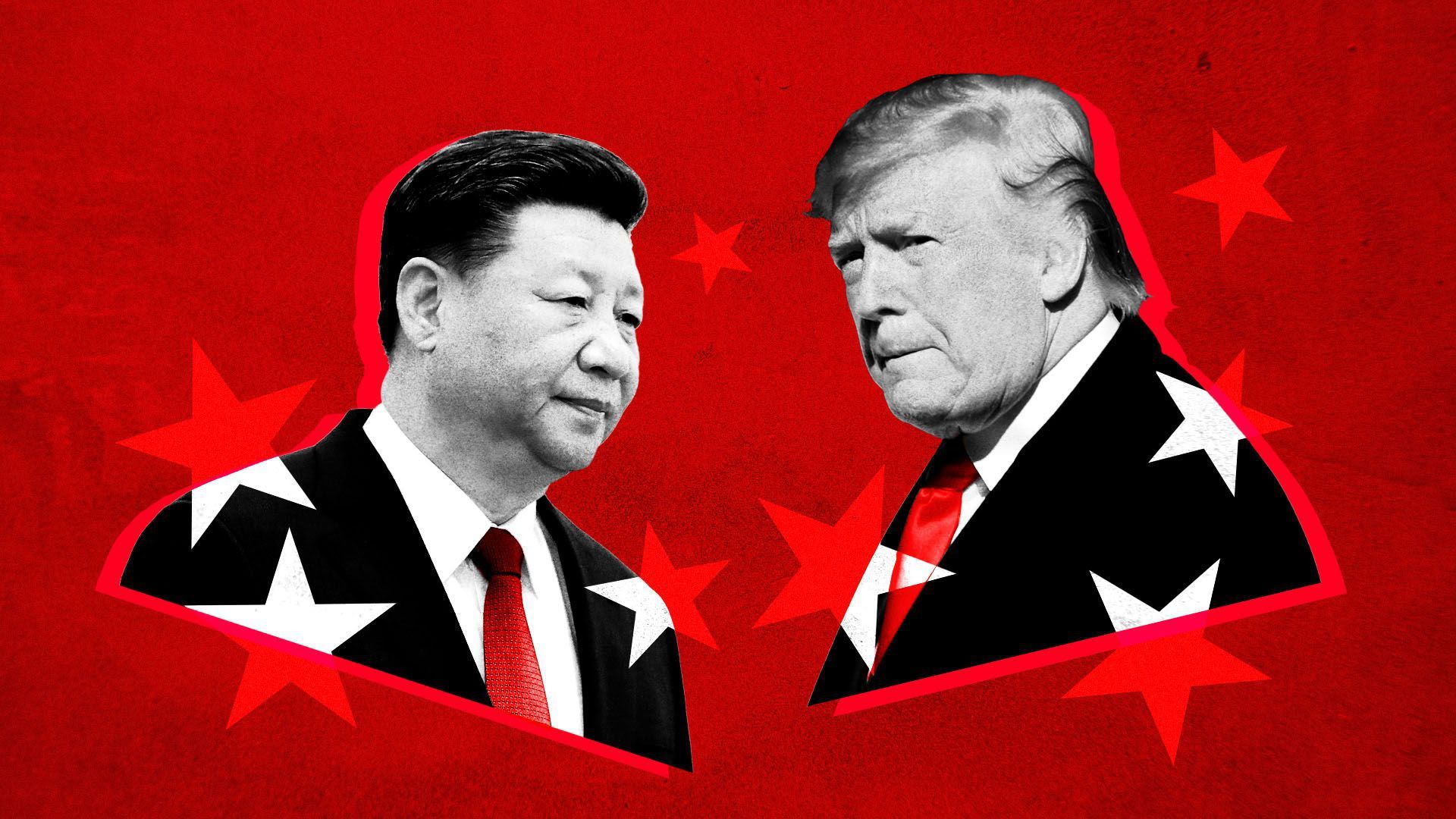
Lost amid headlines about the coronavirus pandemic and the seemingly unstoppable stock market rally, has been the monthslong escalation of tensions in the U.S.-China trade war — and it's likely here to stay.
Why it matters: The tariffs continue to impress a sizable tax on U.S. companies and consumers, adding additional costs and red tape for small businesses, farmers, manufacturers and households trying to stay afloat amid the pandemic.